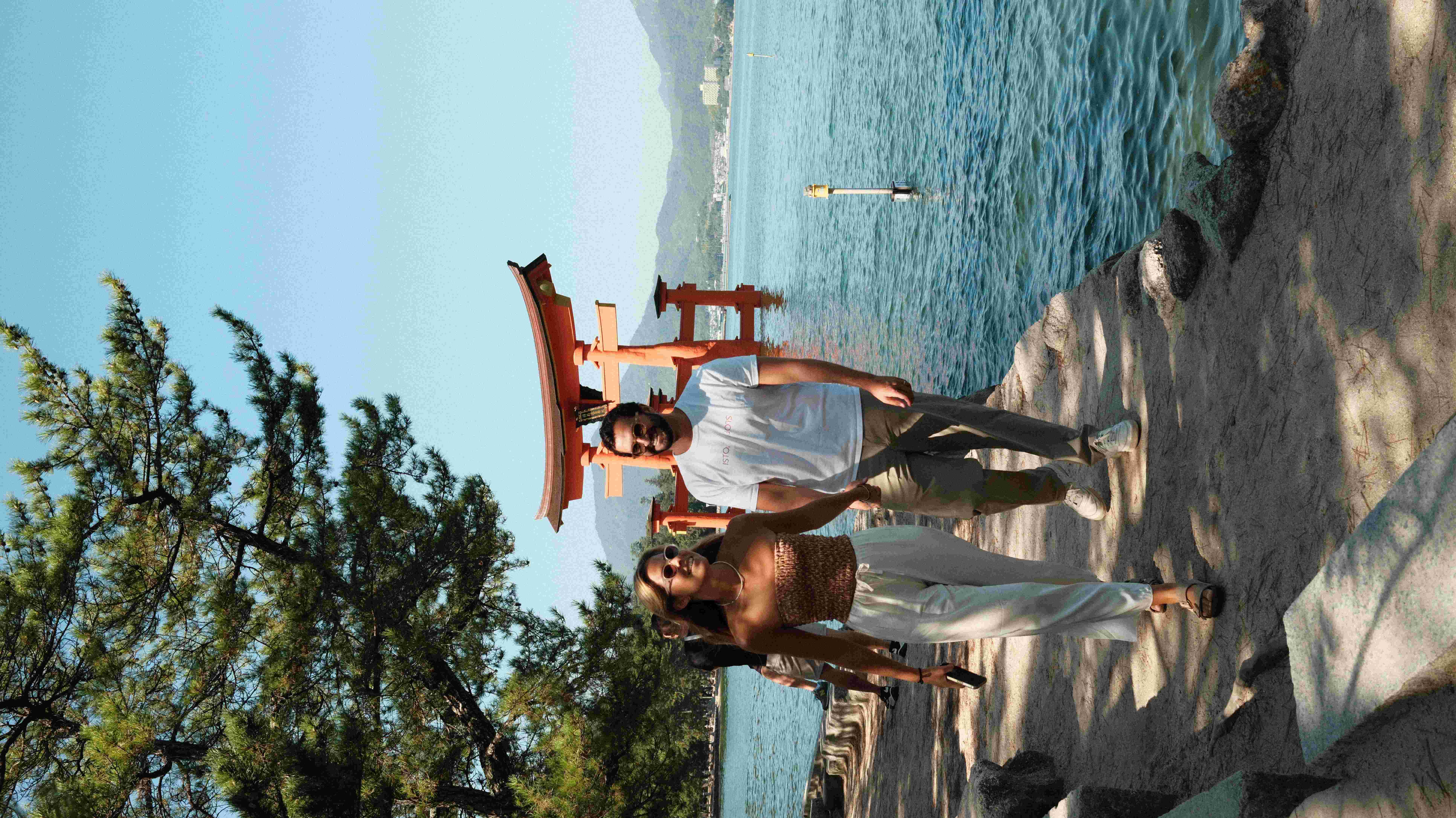
Tokyo, Kyoto, Osaka, Kanazawa, Fukuoka, Ishigaki and beyond — every guide we've written on Japan.
8 guides
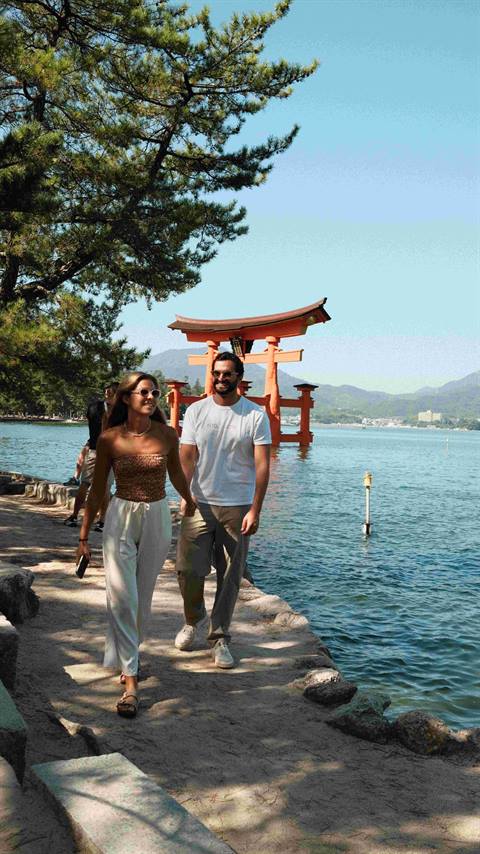
We planned three weeks and stayed a month. Here's our honest answer to whether Japan lives up to every expectation.
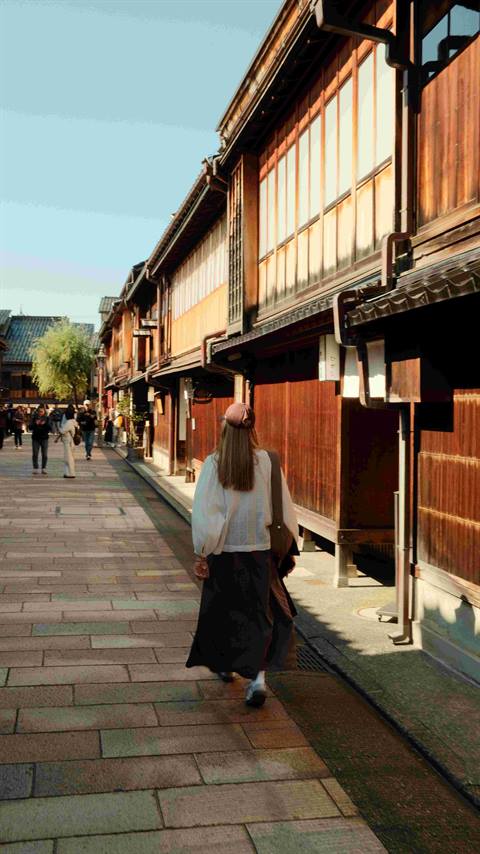
Our exact route across 11 cities — Tokyo, Ishigaki, Fukuoka, Hiroshima, Naoshima, Kobe, Kyoto, Koyasan, Osaka, Kanazawa.
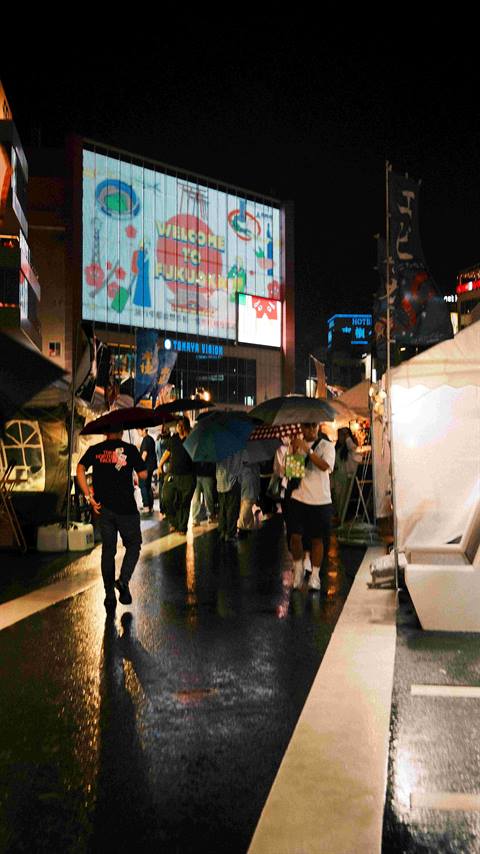
Real numbers across accommodation, food, transport and experiences from a full month of travel.
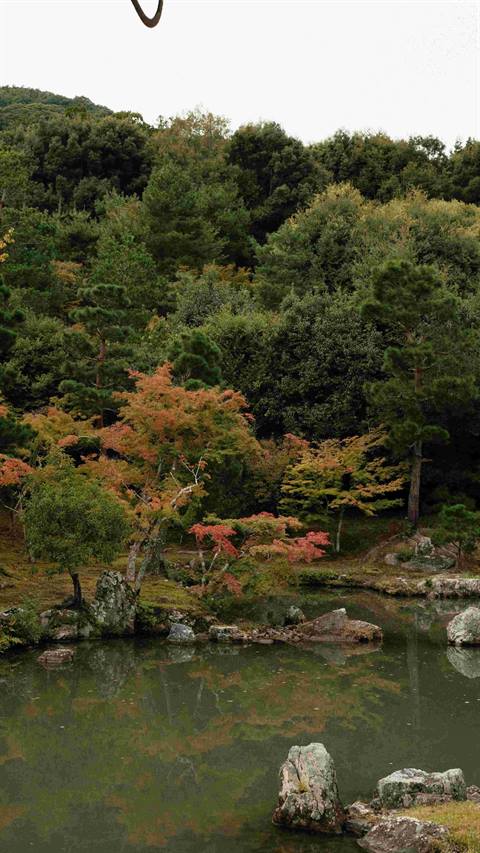
We went in late October — it rained in Hakone, we never saw Mount Fuji, and it was still magical.
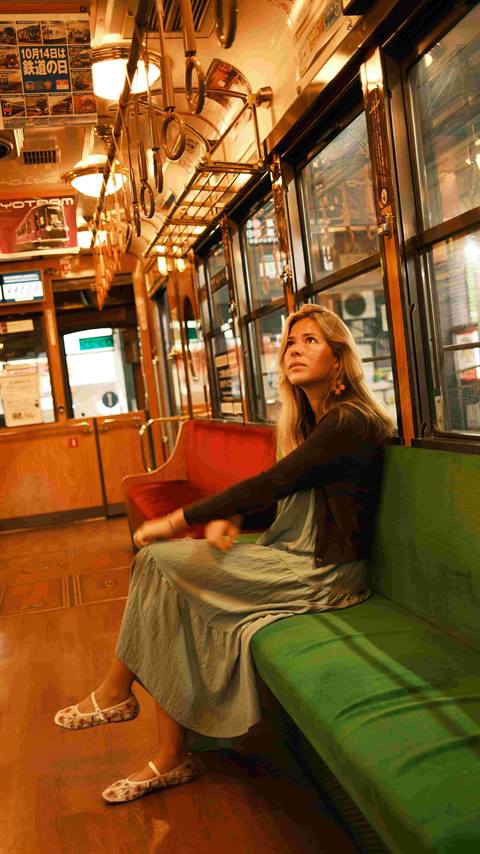
We never bought a JR Pass. Our honest take on Suica cards, Shinkansen tickets, and when a pass is worth it.
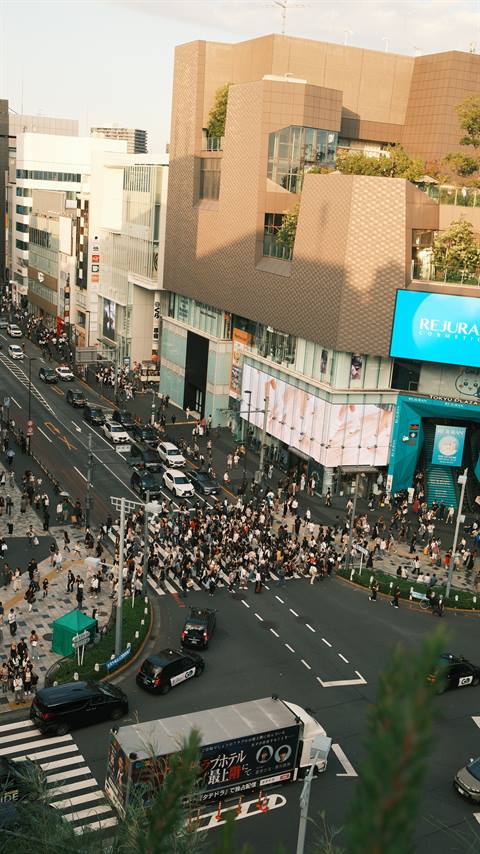
From Suica cards and eSIMs to museum booking tricks — things we wish we'd known before landing in Tokyo.

After a month across 11 cities — what we were glad we packed and the Japan-specific essentials nobody mentions.
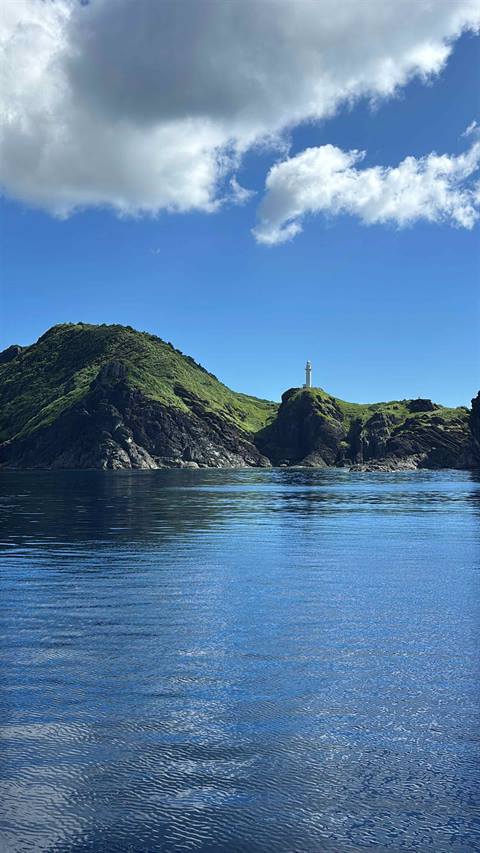
We used Airalo for a full month across Japan including Ishigaki. Here's how it performed.
19 guides
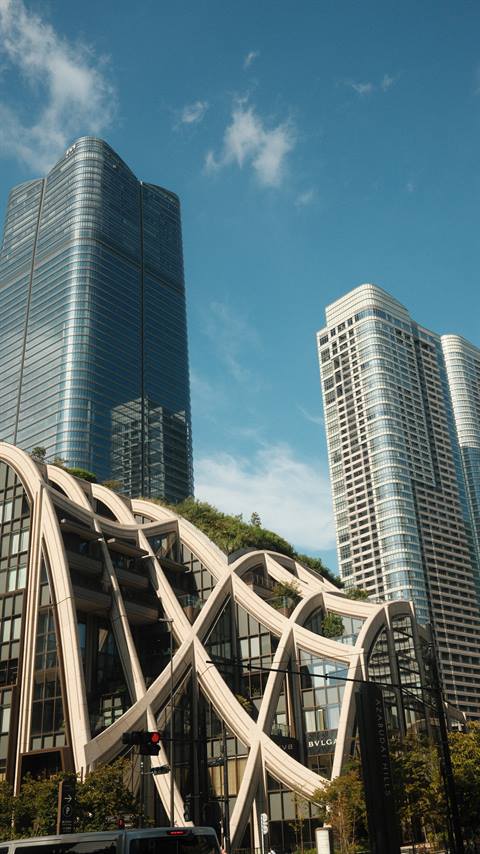
We went expecting to be impressed. We left feeling like we'd only scratched the surface.
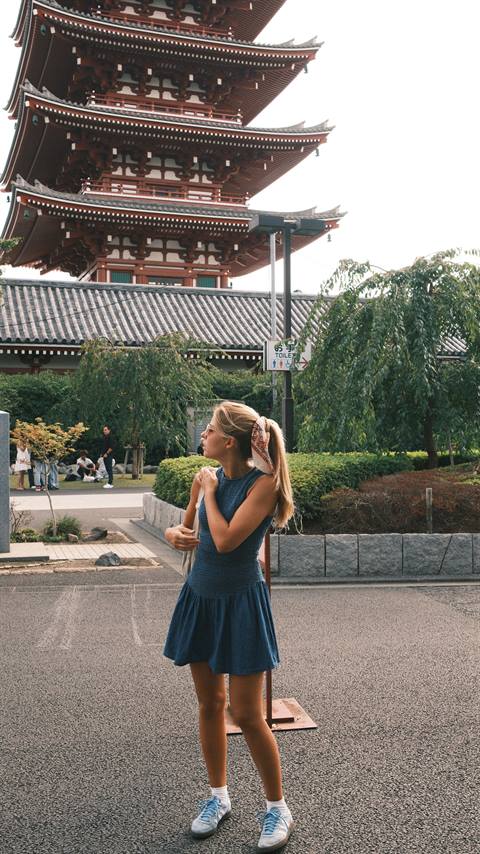
Five days is the minimum, seven is ideal, and ten still won't feel like enough.
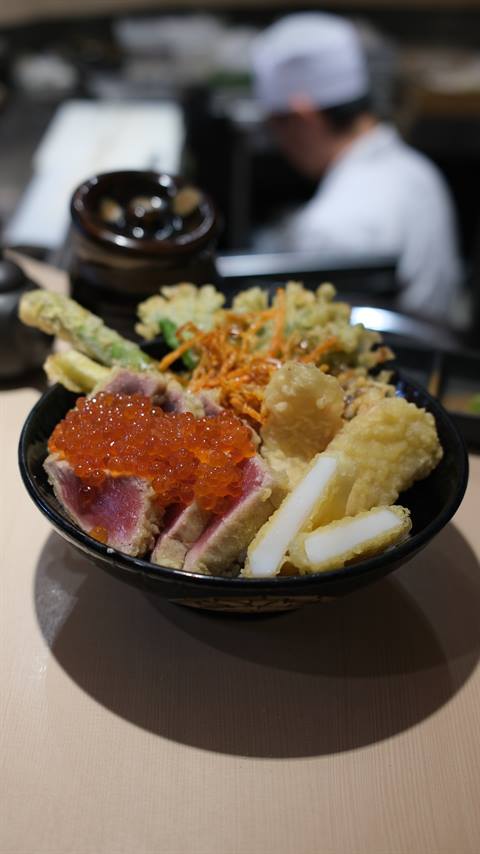
From Tsukiji Market at dawn to omakase counters — where we actually ate and what we'd go back for.
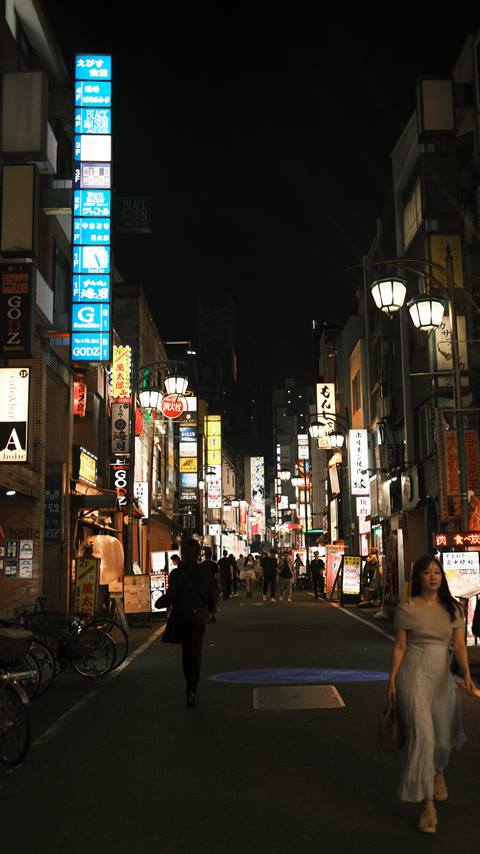
Shinjuku, Harajuku, Shibuya or Asakusa — our honest breakdown of every neighbourhood.
From Sensō-ji at sunrise to TeamLab Borderless — and what isn't worth your time.
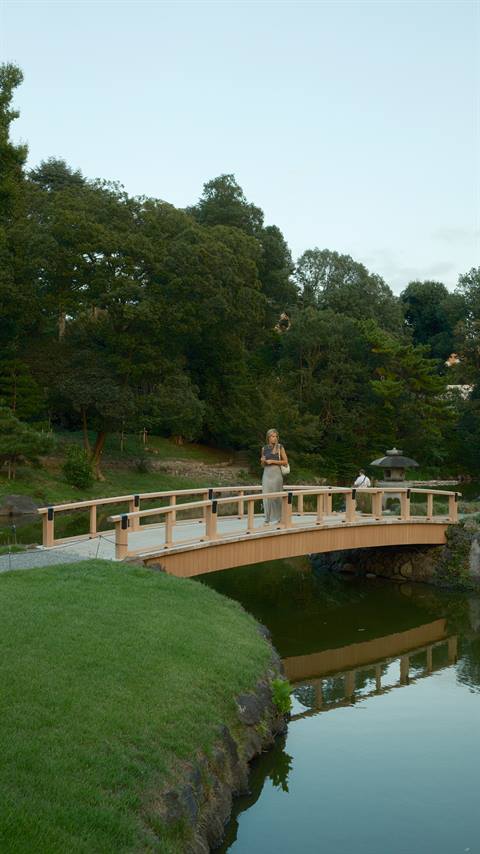
Cherry blossom season, autumn foliage, and the months we'd avoid — our honest month-by-month breakdown.
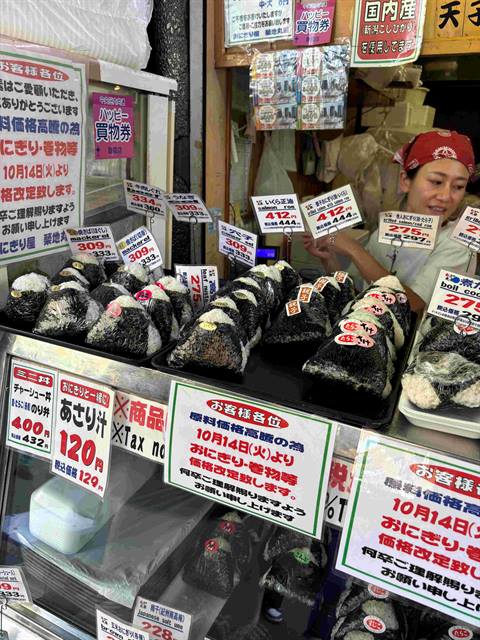
Accommodation, food, transport and activities — exactly what we spent and how to do it for less.
Park Hyatt, Yuen Shinjuku, and our picks across every budget — from luxury to great-value mid-range.
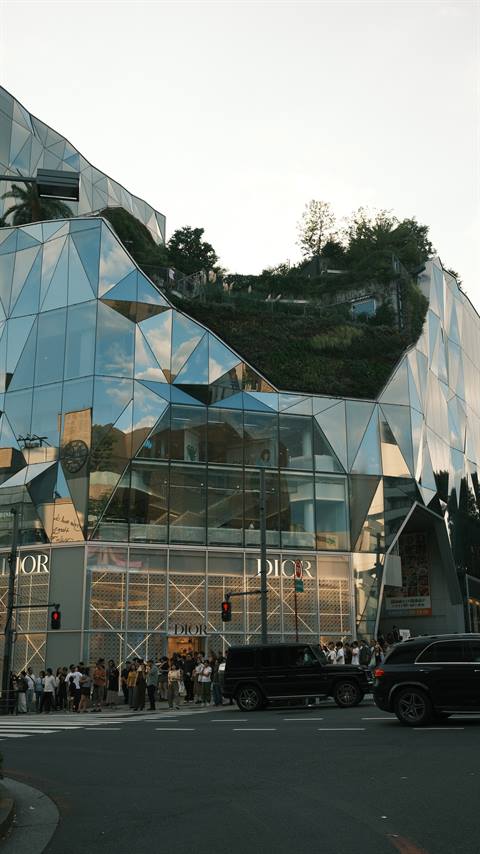
Our top recommendation for first-timers — calm, walkable, and four minutes from Shinjuku by train.
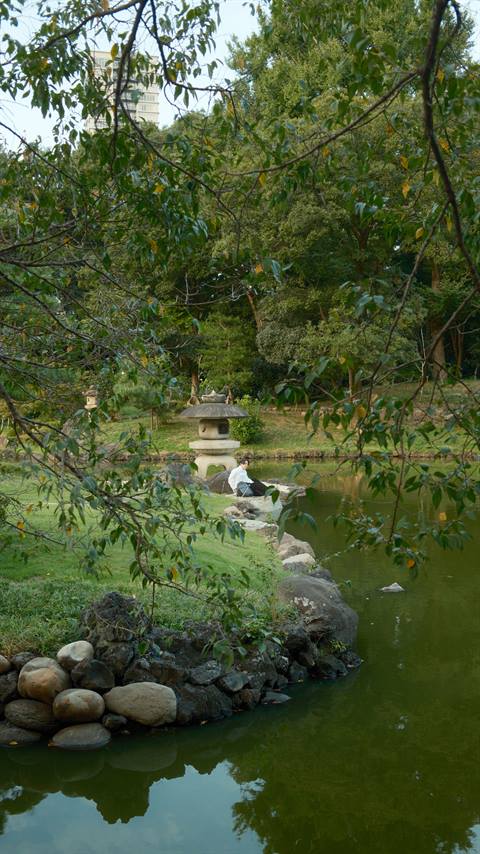
A direct comparison of Tokyo's two most popular bases. We've stayed in both — here's our verdict.
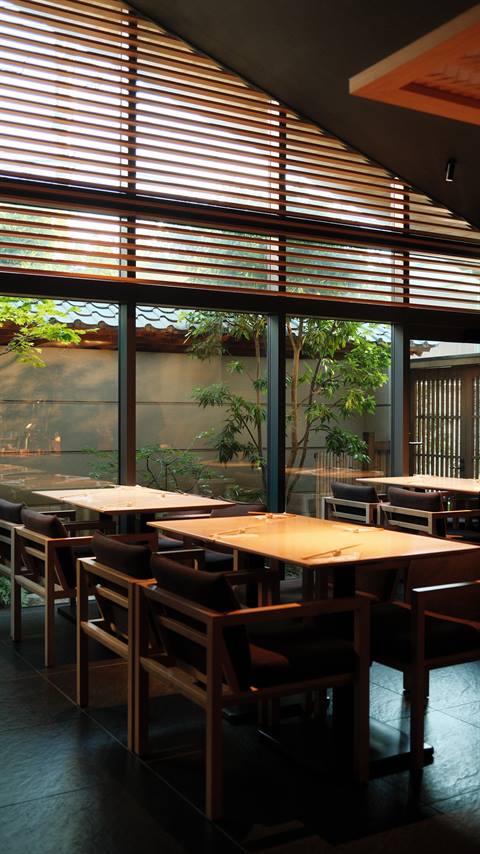
From Onibus in Nakameguro to classic kissaten — Tokyo's coffee scene is extraordinary and this is where to go.
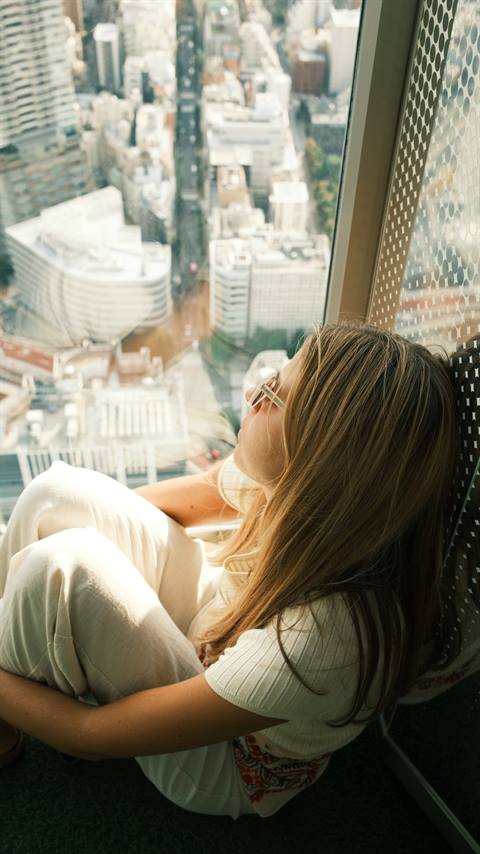
How we'd spend a single day — from a Tsukiji breakfast to Sensō-ji to Golden Gai at night.
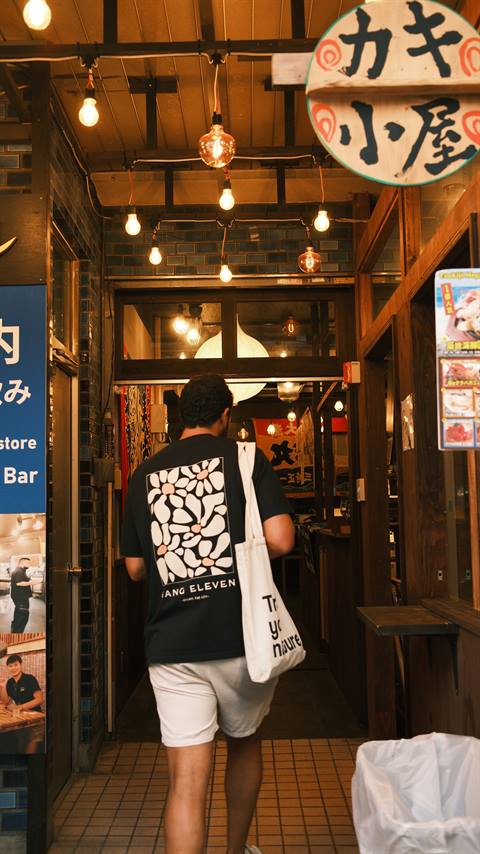
Three days covering old Tokyo, creative west, and electric Shinjuku — our day-by-day plan.
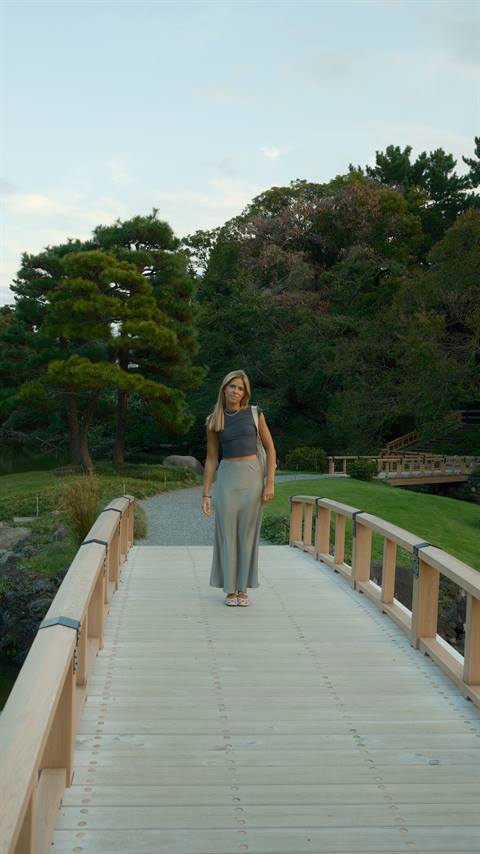
Seven days, seven neighbourhoods, one day trip to Kamakura — the full Tokyo experience.
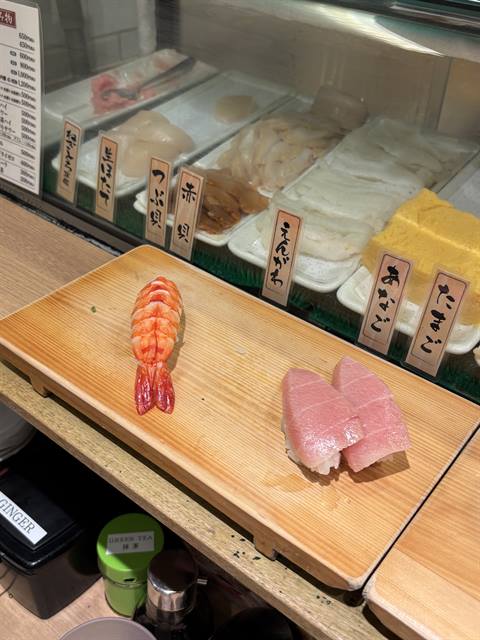
What's still open, what to eat, when to go — the definitive guide to Tokyo's most famous market.

We visited the new Azabudai Hills location — our honest verdict on Tokyo's most talked-about attraction.
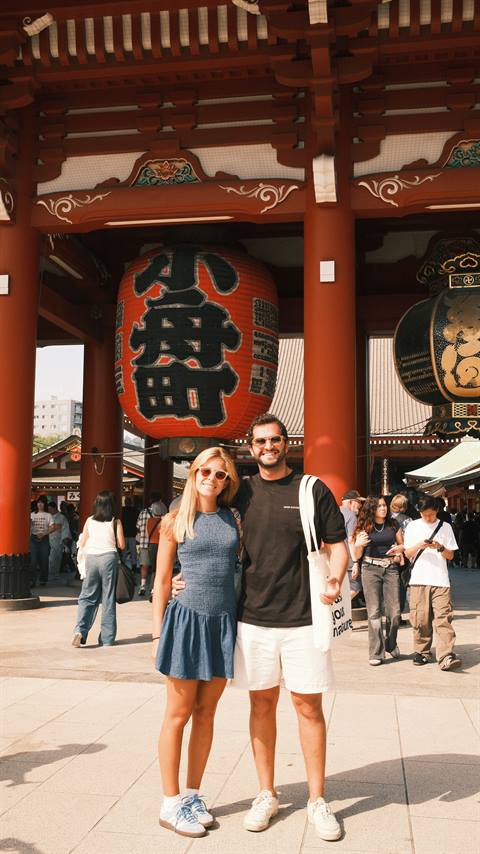
When to go, what to see, and what most visitors miss at Tokyo's oldest and most beautiful temple.
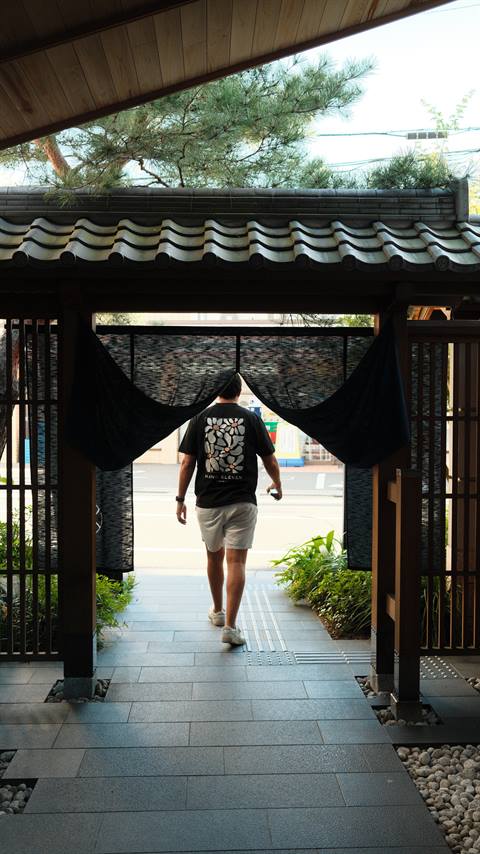
Beyond Sensō-ji — Kappabashi, Hoppy Street, Sumida River and the best of Tokyo's most historic district.
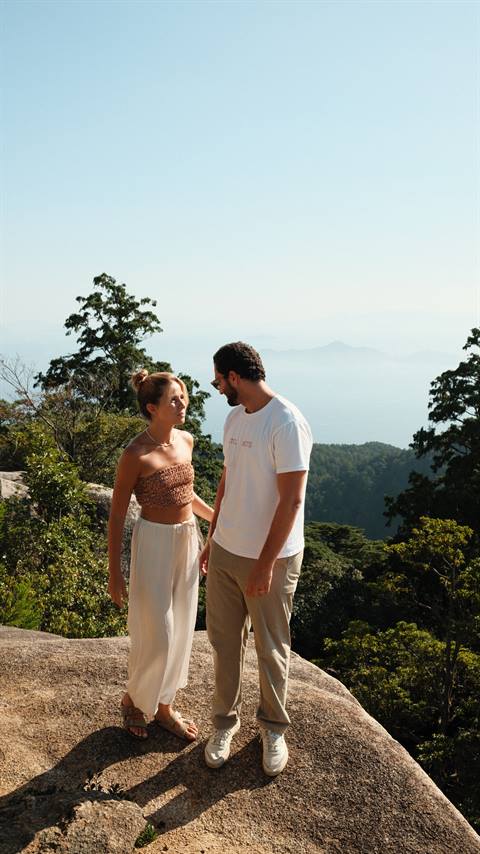
Kamakura, Hakone, Nikko — which are worth the journey and which we'd skip.
14 guides
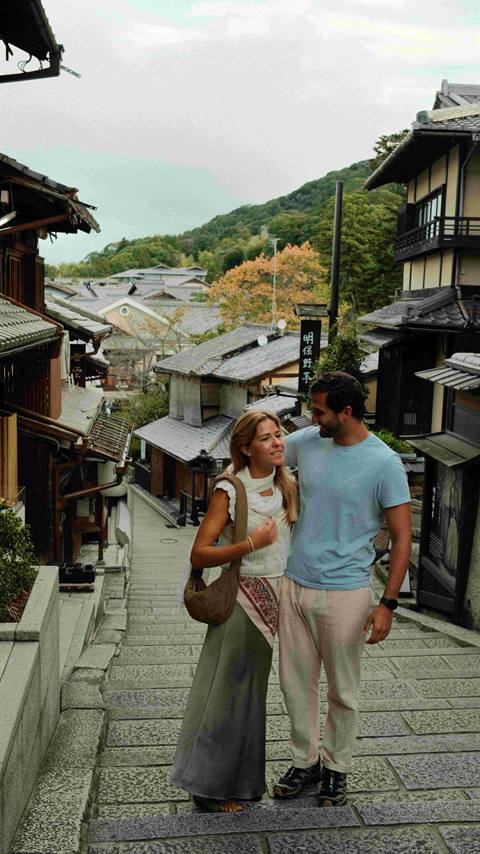
Everything people say it is — and still somehow more. Our honest take after four days in Japan's cultural capital.
Three days is the minimum, four is ideal — our honest breakdown of how to structure your time in Kyoto.
Cherry blossom in April and autumn foliage in November are extraordinary — October is the sweet spot.
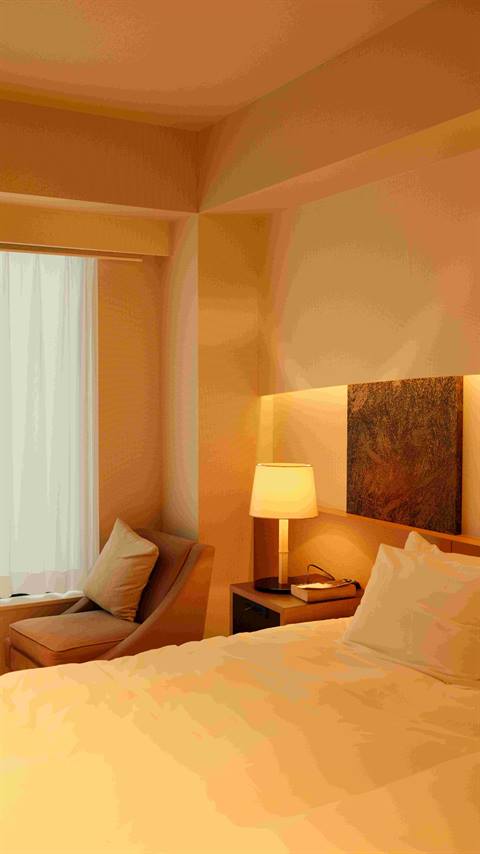
Central Kyoto, Higashiyama, Arashiyama — which area to base yourself in, and where we stayed.
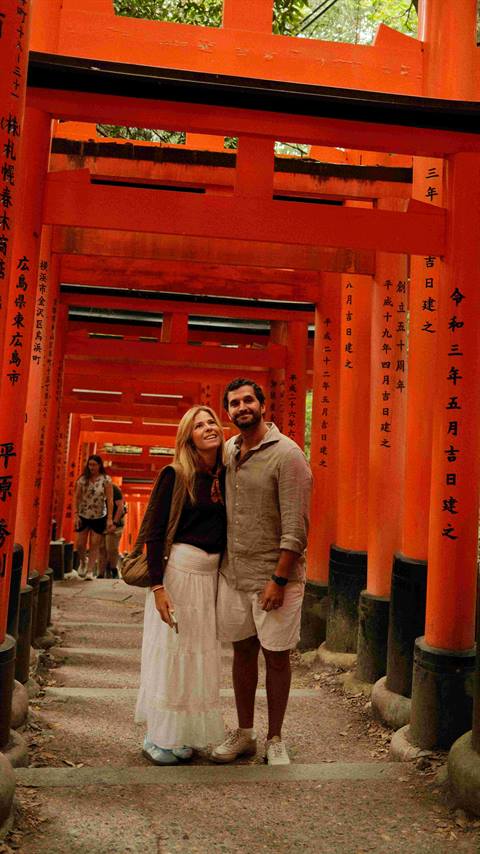
Fushimi Inari at dawn, the bamboo forest, a cooking class — and the things that aren't worth your time.
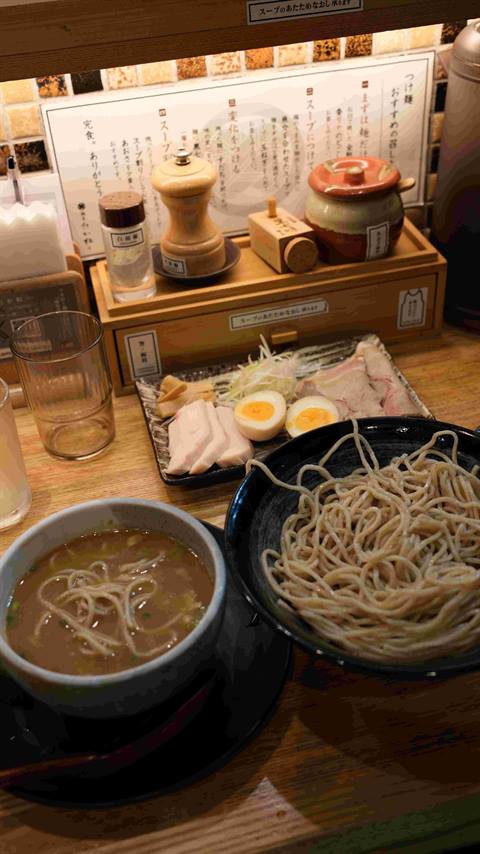
Where we actually ate — from kaiseki-style lunches to the ramen spot we went back to twice.
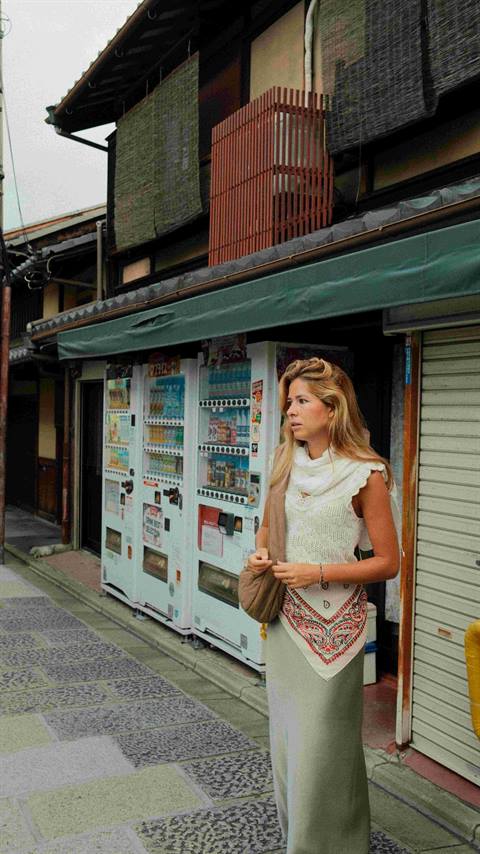
Kyoto's cafe culture is defined by matcha and quiet interiors. Our favourite spots for a morning slow-down.
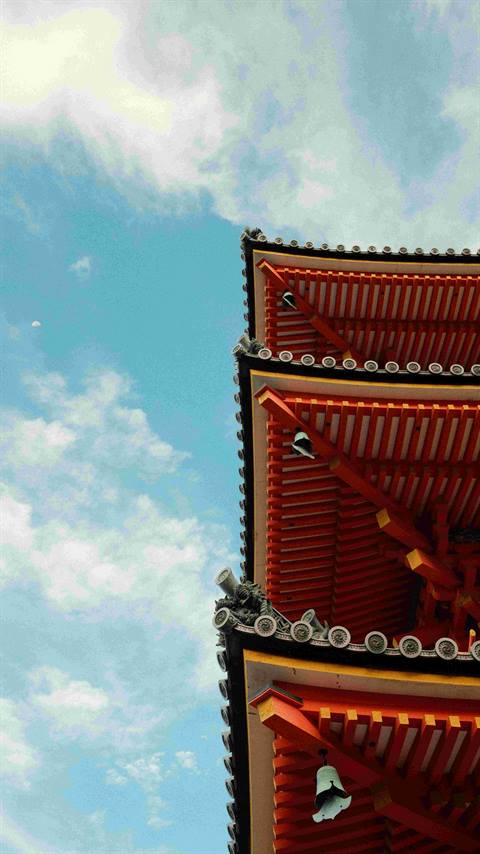
One day is not enough — but here's how to make it count, starting before 7am at Fushimi Inari.
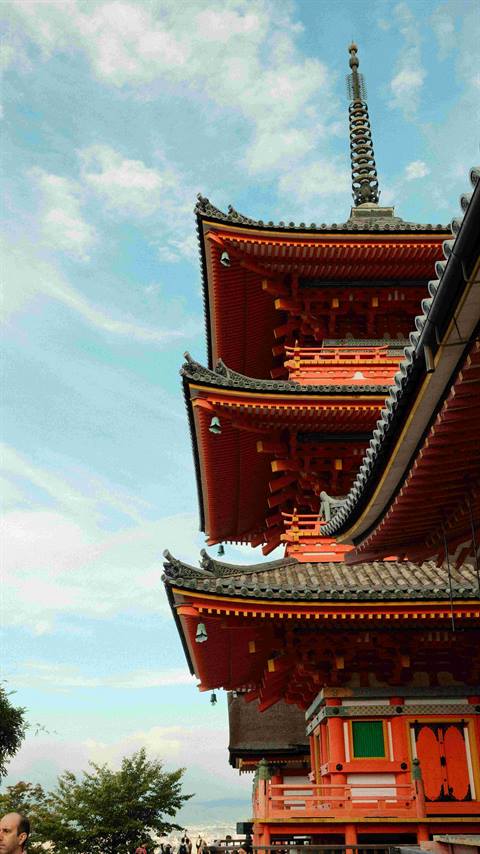
Temples, bamboo forest, markets, cooking class — our ideal two-day structure for Kyoto.
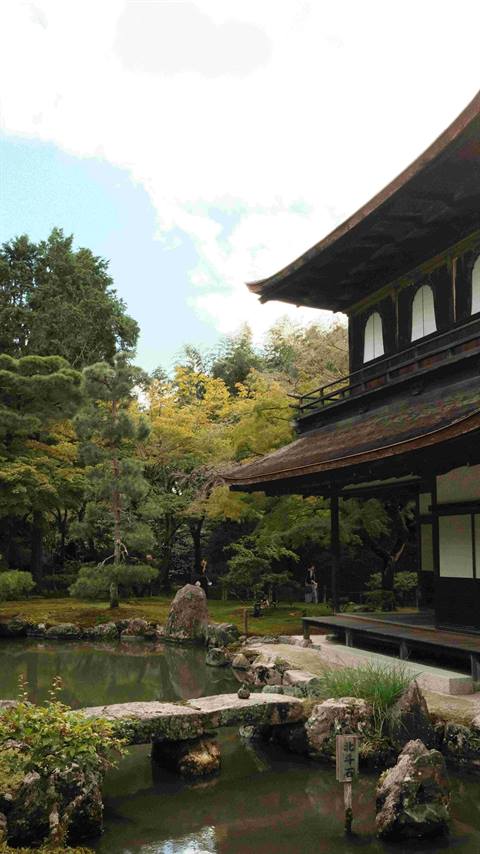
Kyoto has over 1,600 temples. These are the ones actually worth your time.
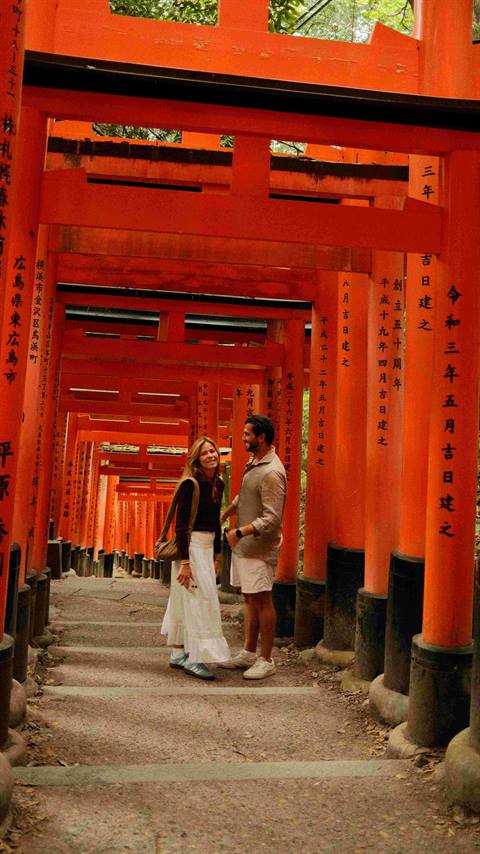
Go before 7am and it's one of the most atmospheric places in Japan. Go at 11am and it's a crowd management exercise.
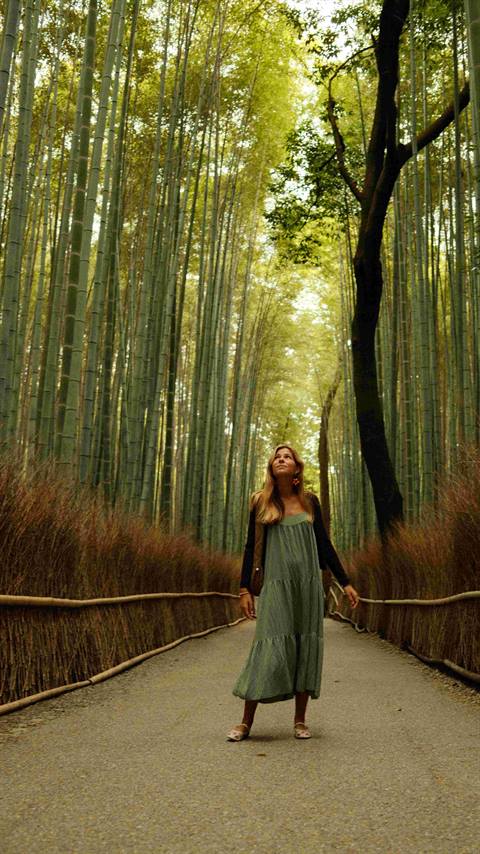
Smaller than it looks in photos, beautiful in person, and completely transformed by arriving early.
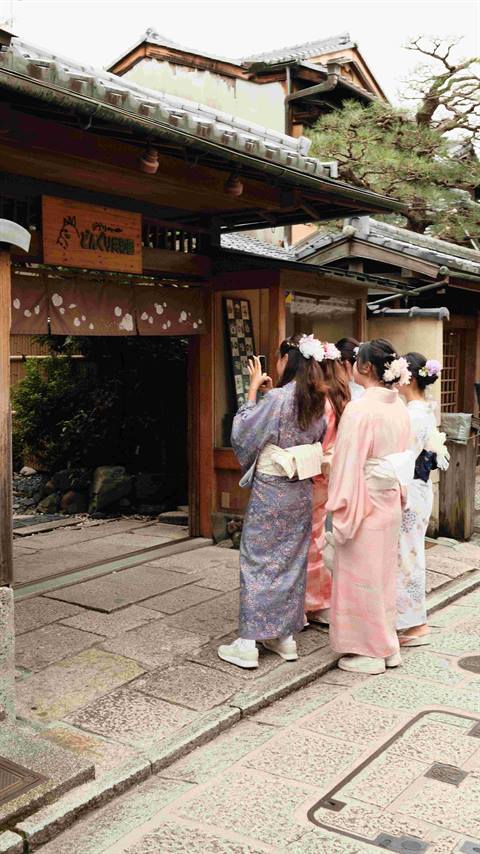
We booked a traditional tea ceremony and weren't sure what to expect. Here's what it's actually like.
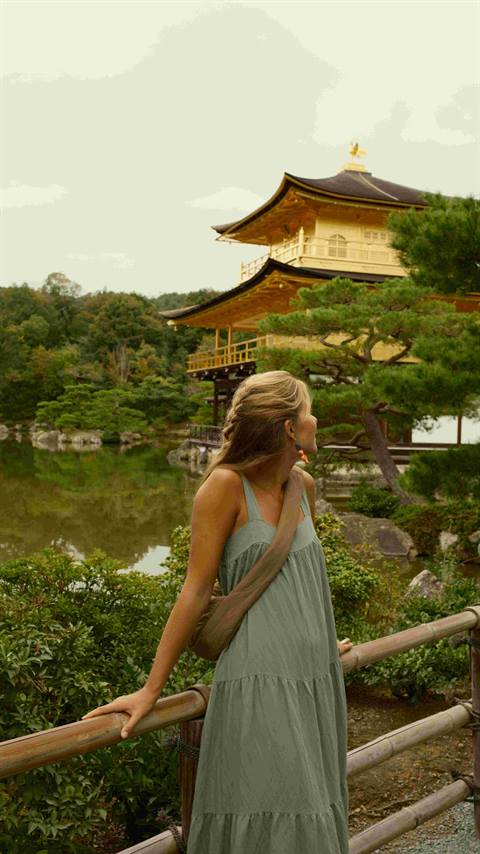
We stayed in both — Kyoto for temples and calm, Osaka for food and energy. Here's how to decide.
11 guides
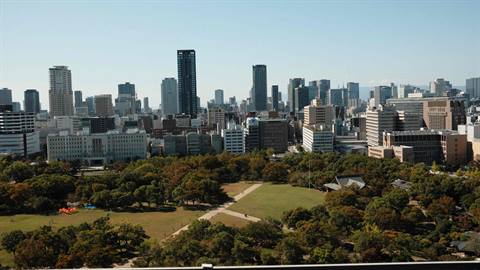
Loud, delicious, and completely different from every other city in Japan. Our honest take on Japan's food capital.
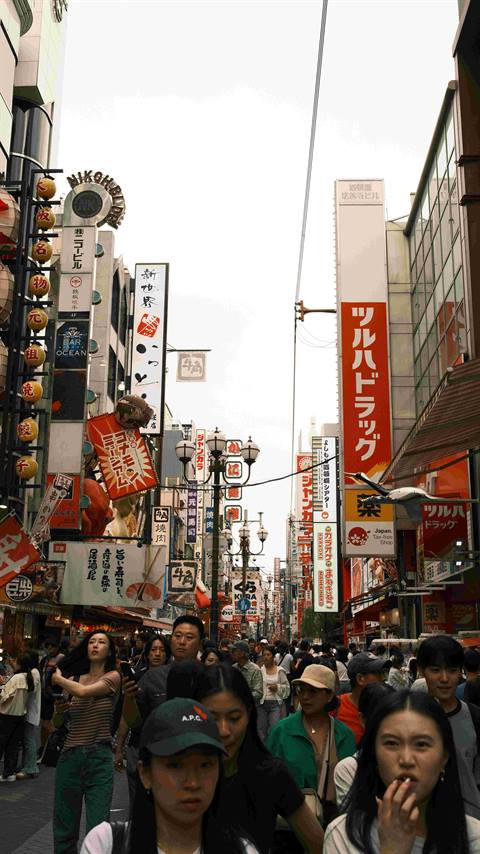
Two days is workable, three is the sweet spot — our honest breakdown for Osaka.
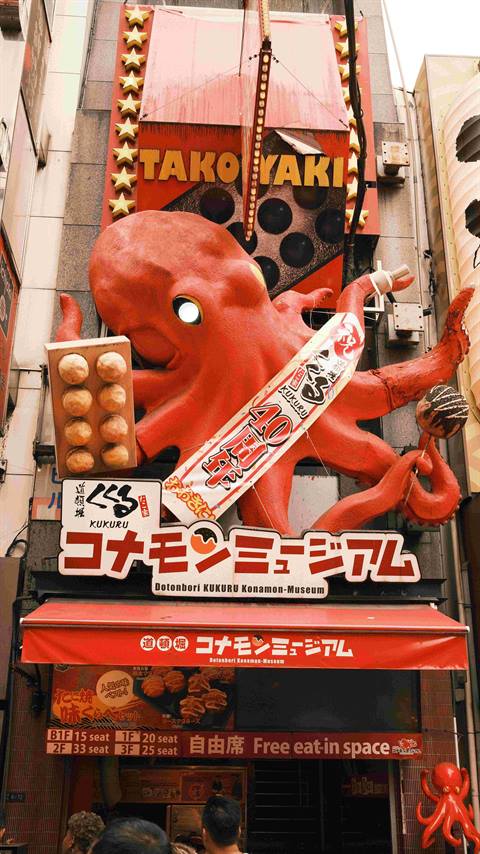
Osaka is a year-round city — but spring and autumn are when it's at its most beautiful.
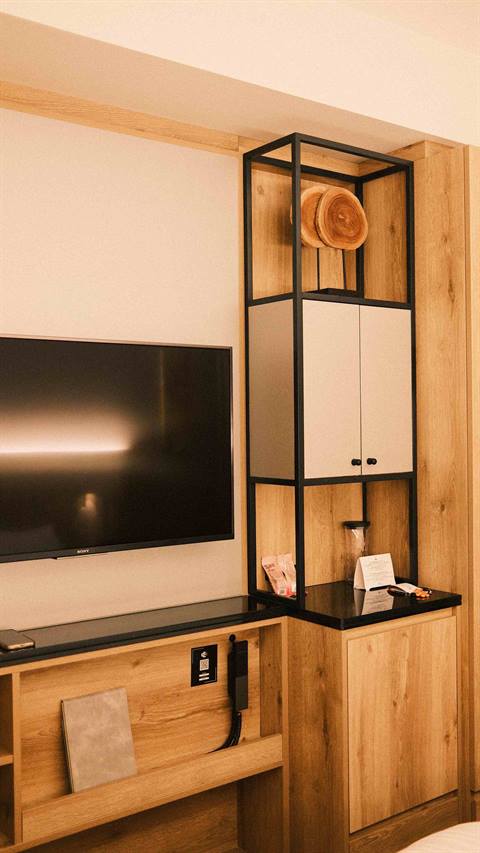
Dotonbori, Namba, Shinsaibashi — which area puts you closest to the food.
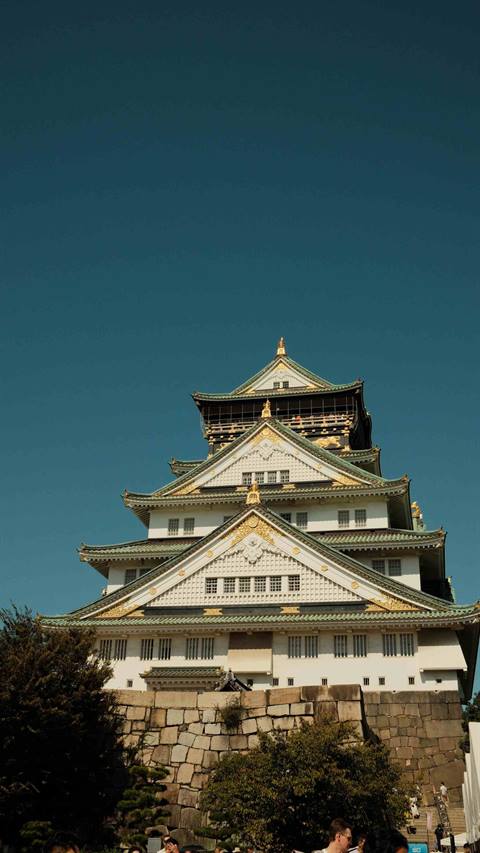
Dotonbori at night, Osaka Castle, wagyu at Yakiniku Uchida — and what isn't worth your time.
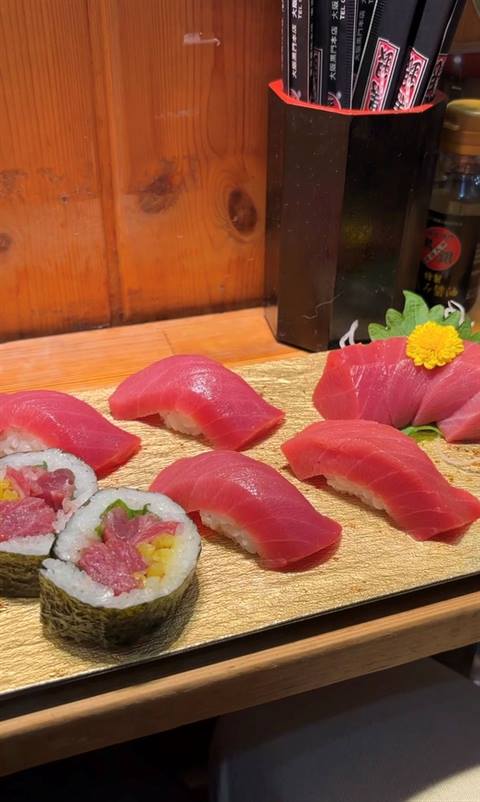
Osaka's food scene is relentless and excellent at every price point. Where we actually ate.
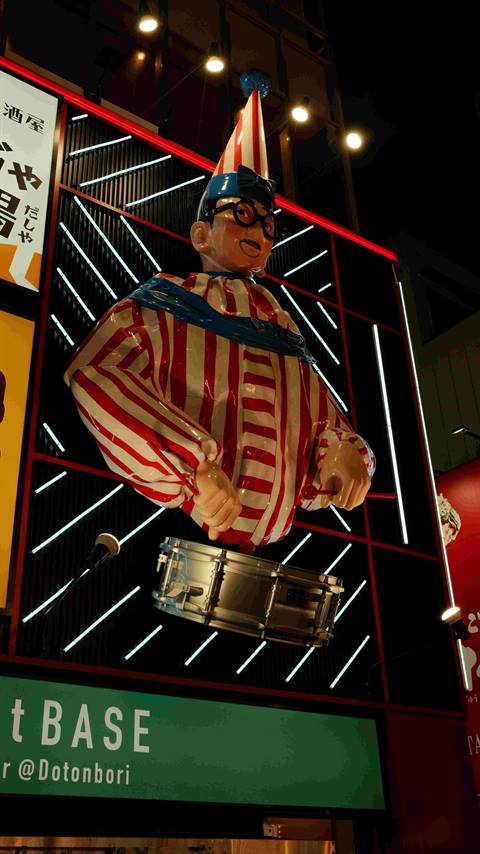
Takoyaki, kushikatsu, okonomiyaki — what to eat on the streets of Dotonbori.
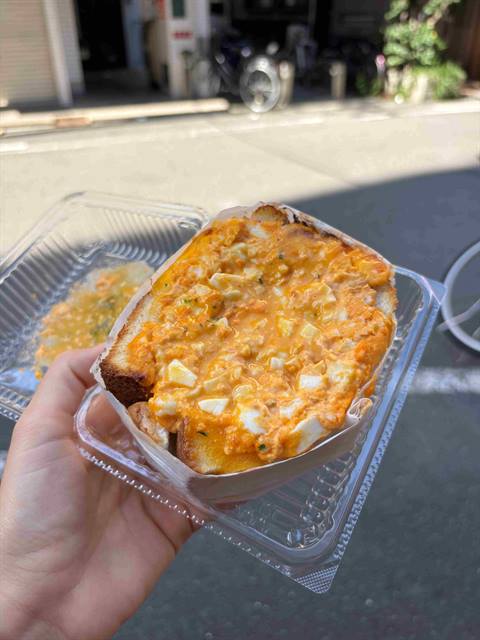
Our favourite cafes in Osaka — from specialty coffee to the best places to sit down after a morning at Dotonbori.
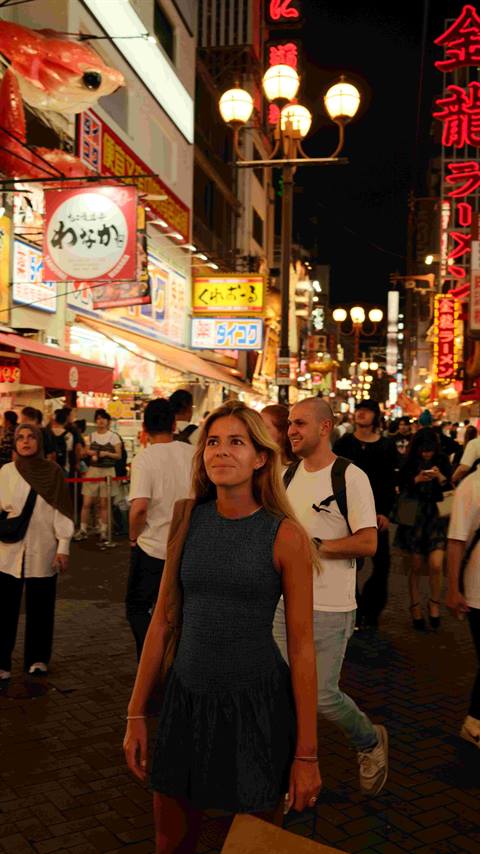
Our day-by-day structure — Dotonbori, the castle, a day trip to Kobe, and the restaurants worth staying up late for.
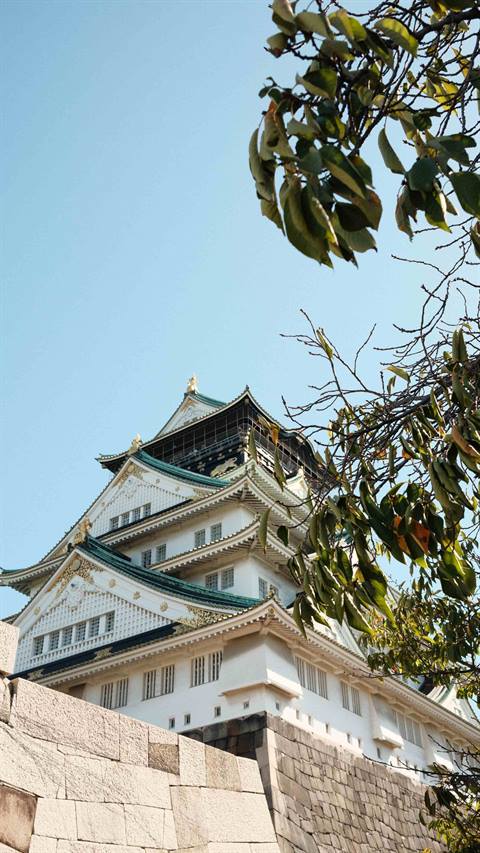
The exterior is photogenic and the park is lovely. The interior museum is optional. Our honest take.
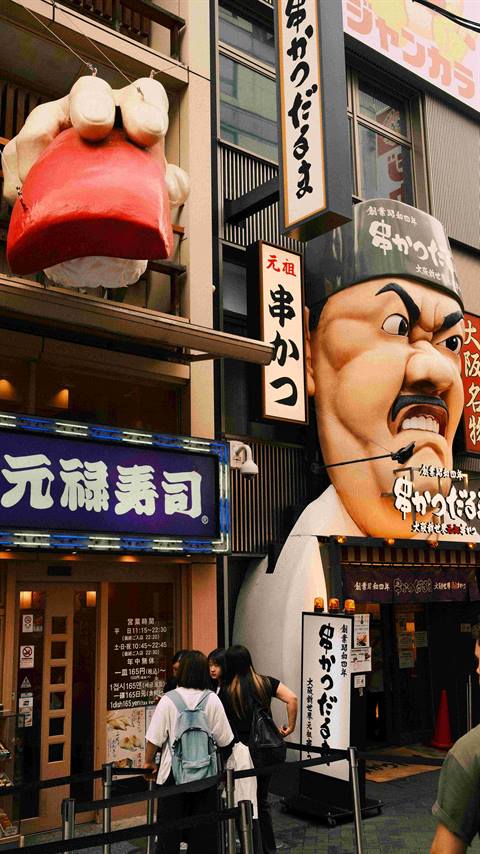
We stayed in both — Kyoto for temples and calm, Osaka for food and energy. Here's how to decide.
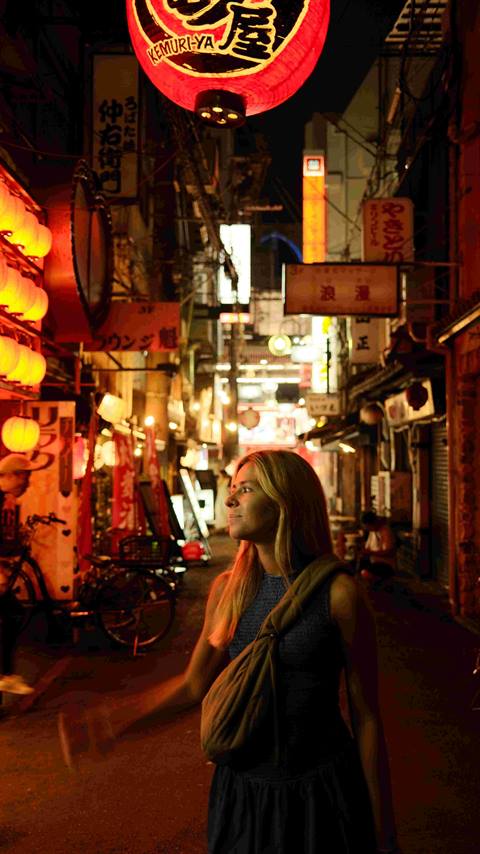
Tokyo is the most spectacular city in the world. Osaka is Japan's warmest, most food-obsessed city. Our honest comparison.
9 guides
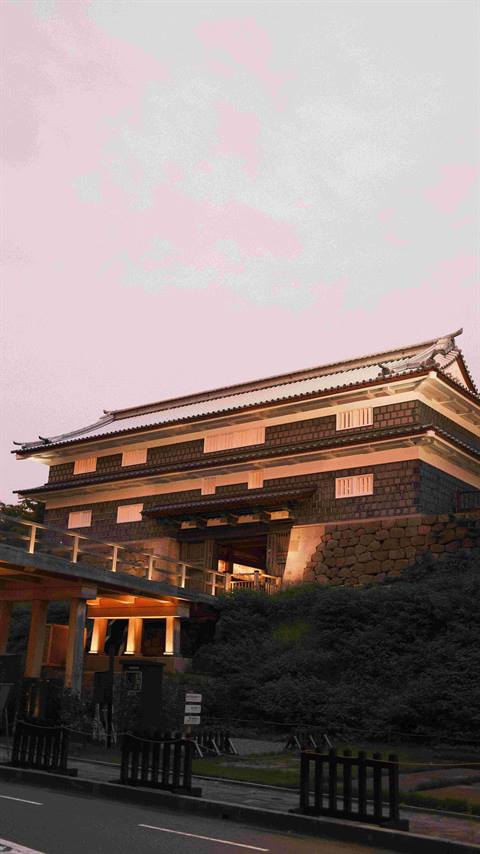
The most commonly skipped city on a Japan itinerary and one of our favourite stops — king crab, geisha districts, no crowds.
Two days is enough; three is leisurely and worth it. Our honest breakdown of how to structure Kanazawa.
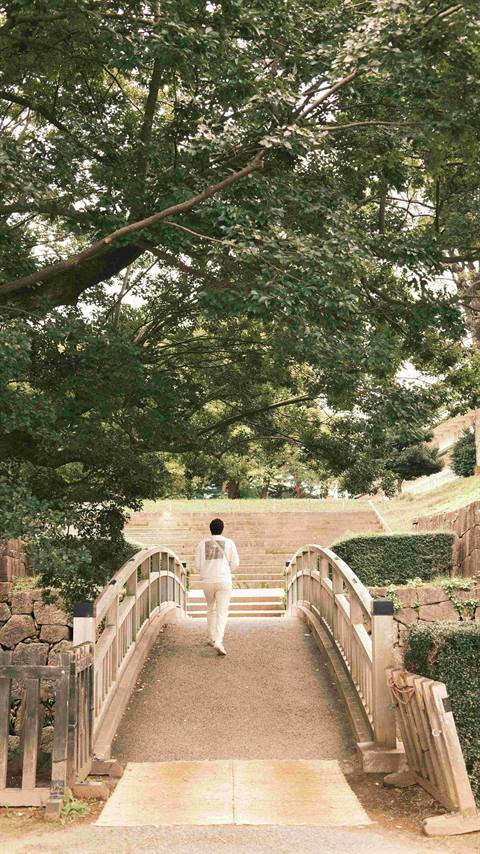
Kanazawa under snow in winter is extraordinary. Autumn foliage in the gardens is spectacular.
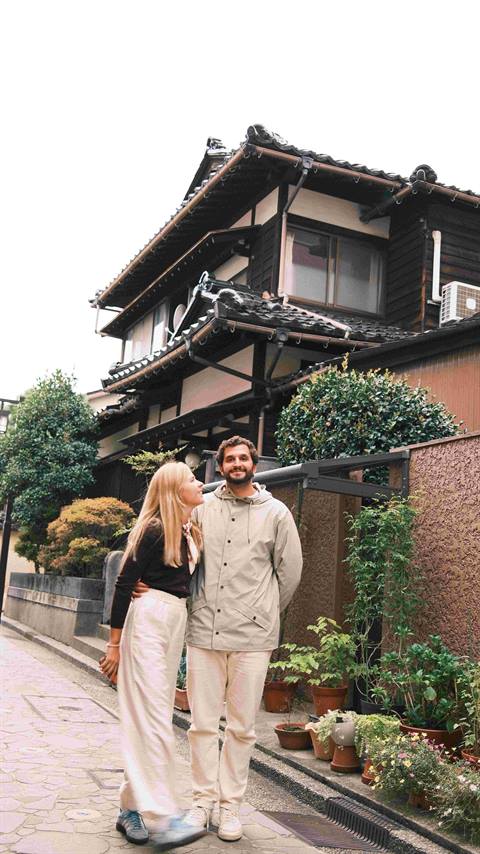
Central Kanazawa puts you walking distance from Omicho Market and the Higashi Chaya geisha district.
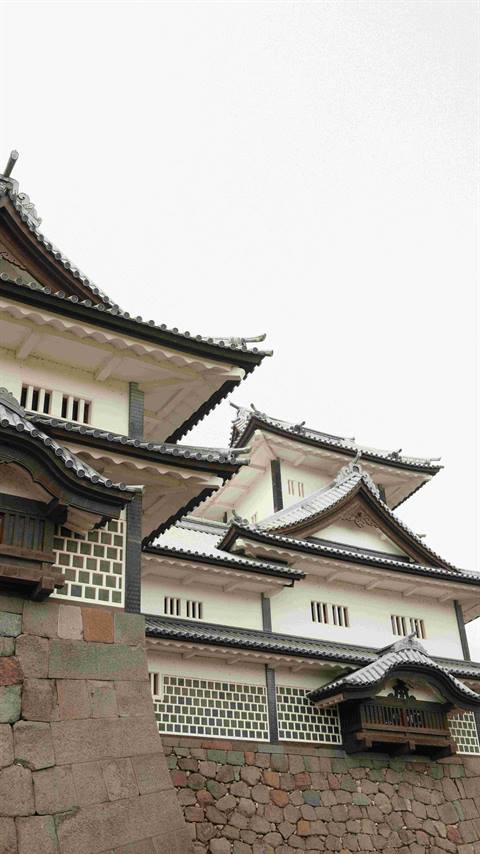
Omicho Market for the freshest crab in Japan, Kenroku-en, the geisha district, the 21st Century Museum.
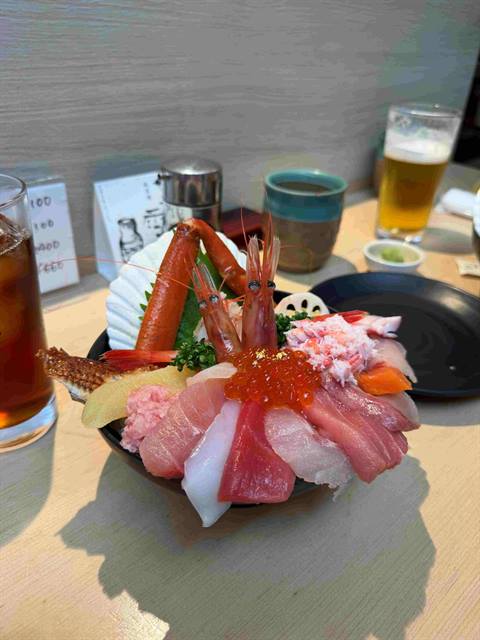
Kanazawa has some of Japan's best seafood — fresh from the Sea of Japan, best at Omicho Market.
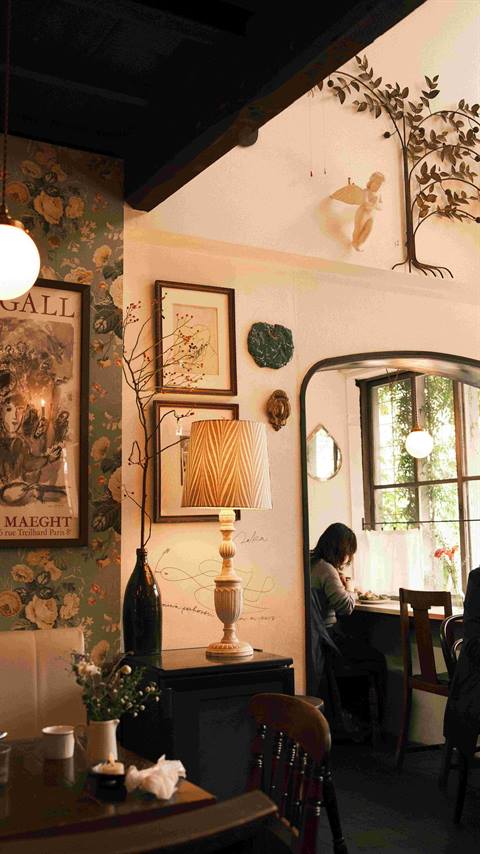
Kanazawa's cafe scene is small, thoughtful, and worth exploring between the markets and gardens.
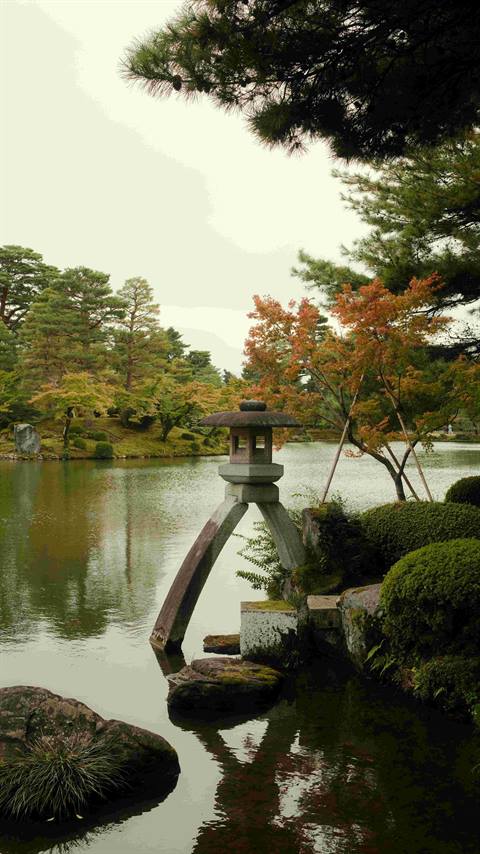
Omicho Market at opening, Kenroku-en, the geisha district, and the 21st Century Museum.
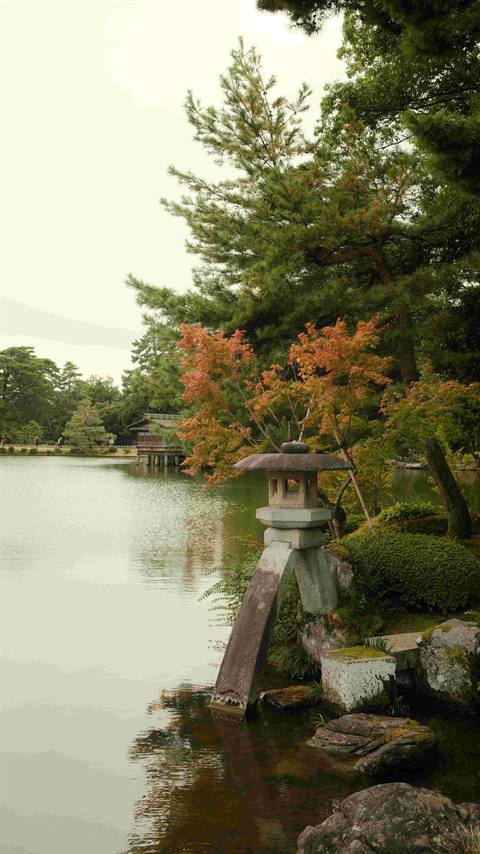
One of Japan's three most celebrated gardens — genuinely beautiful. Go early before the tour groups arrive.
9 guides
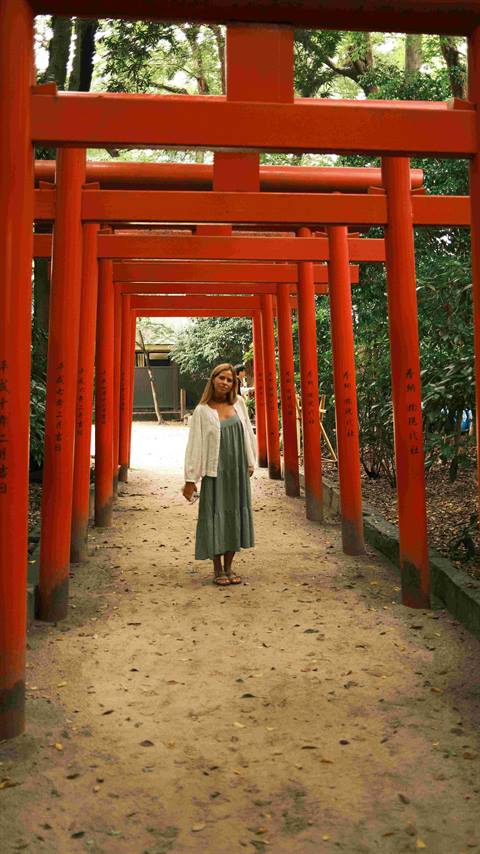
Underrated in a way that feels almost deliberate — relaxed, genuinely local, and with some of the best food in Japan.
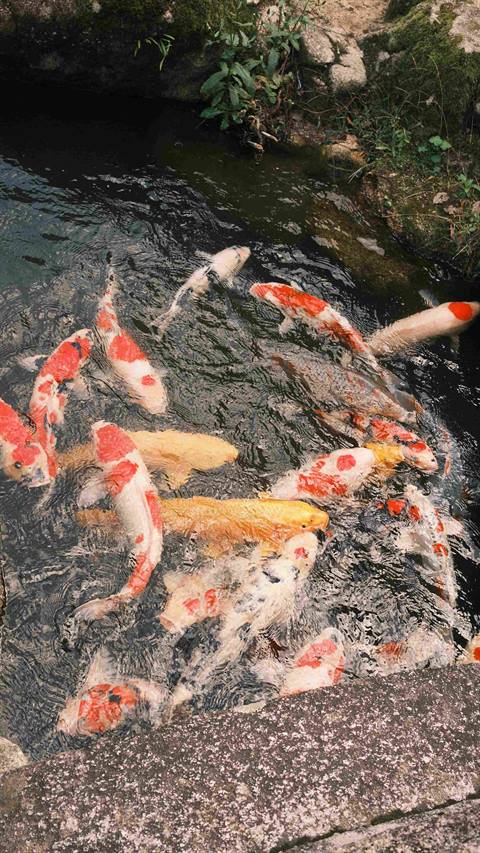
Two days covers the essentials; three gives you breathing room for a Dazaifu day trip.
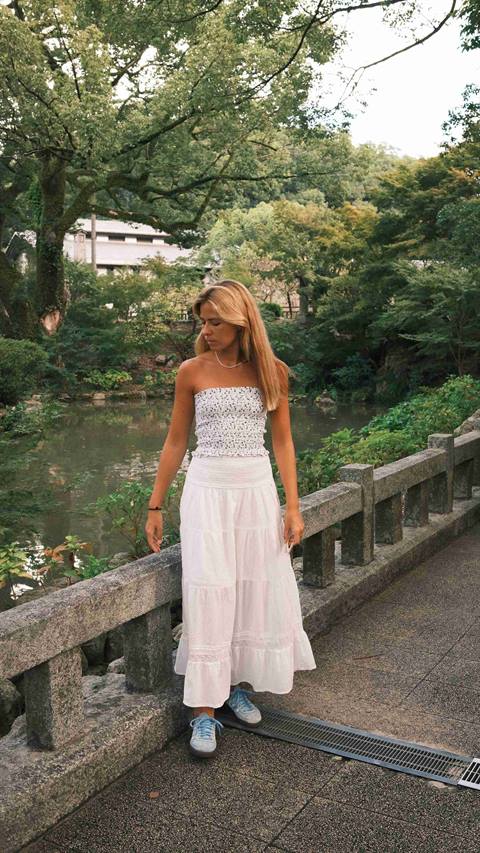
Fukuoka is good year-round — but autumn is when the yatai stalls and mild evenings make it exceptional.
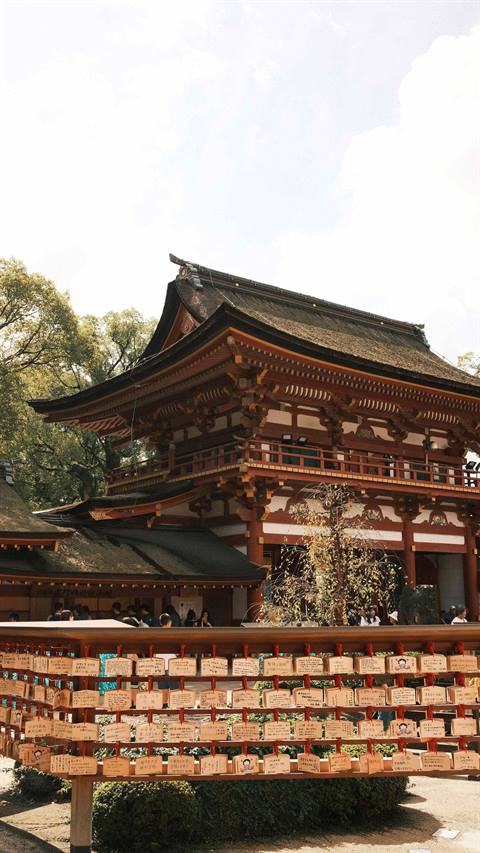
Hakata or Tenjin — which base is better for first-timers, and which hotels we'd book.
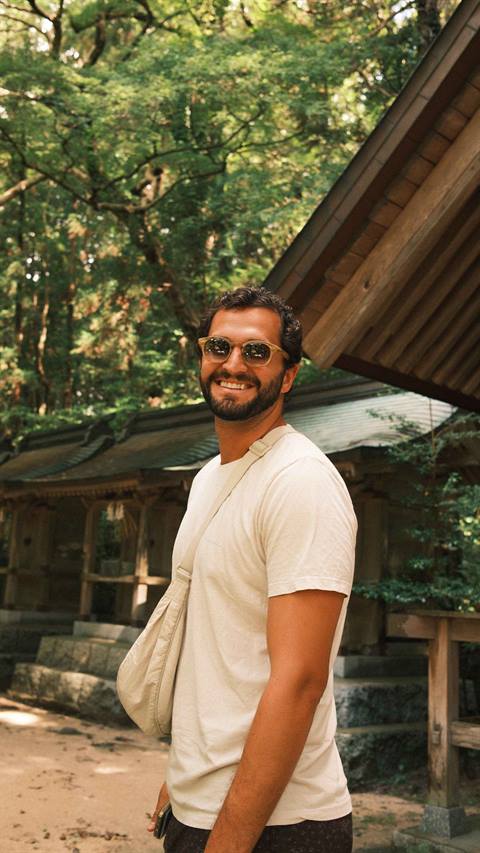
Yatai food stalls, Dazaifu, ramen, Ohori Park — and the one thing every guide recommends that we'd actually skip.
Fukuoka has its own ramen style, its own yatai culture, and the best sashimi counter we found in Japan.
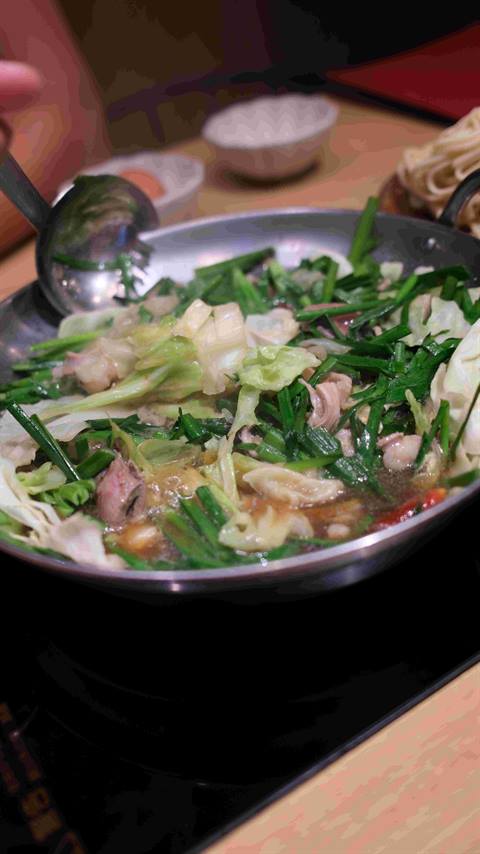
Fukuoka's specialty coffee scene is small but good. Our favourite spots for a slower morning before the yatai evenings.
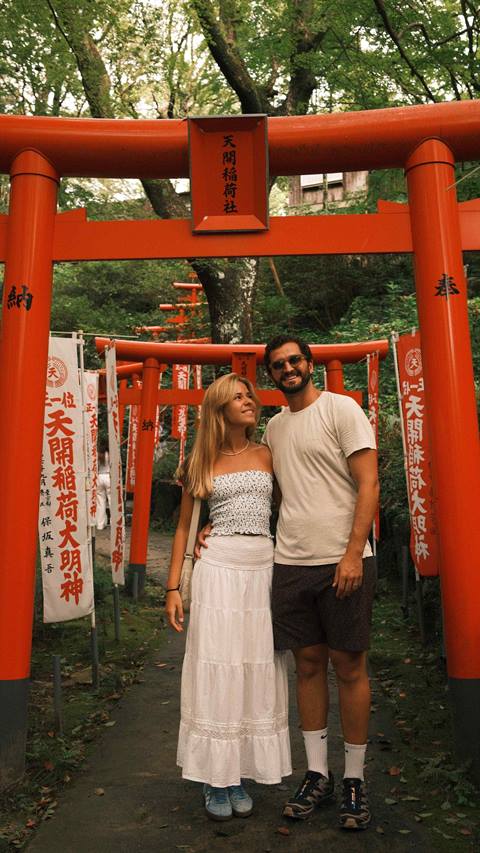
A Shinto shrine, a surreal Kengo Kuma Starbucks, and a town that rewards wandering.
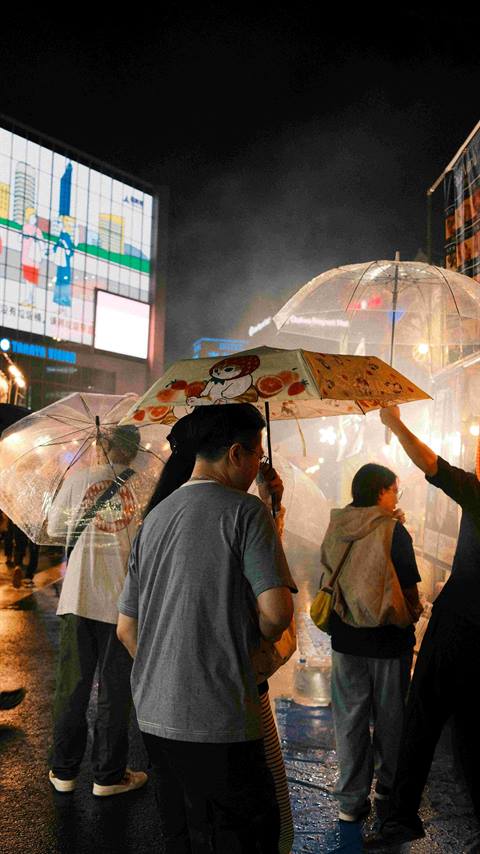
From morning ramen to midnight yatai, with a Dazaifu day trip built in.
9 guides
The part of Japan nobody tells you about — turquoise water, coral gardens, sea turtles, and almost no crowds.
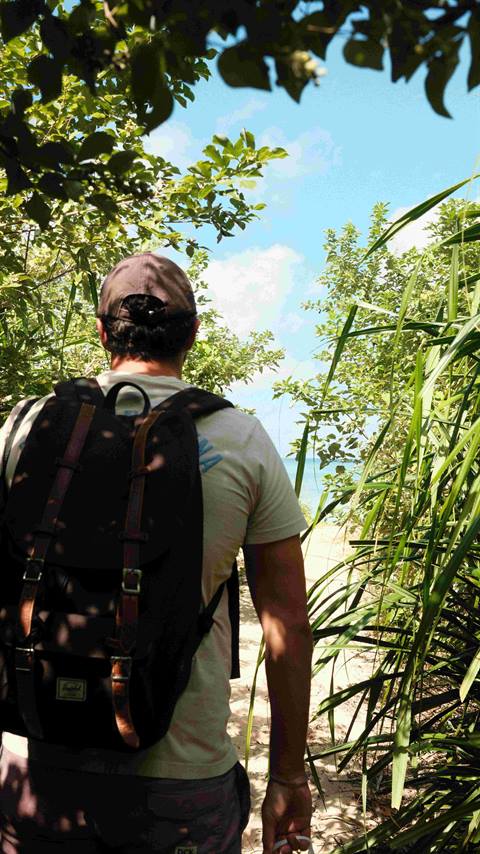
Five days is our sweet spot — enough for diving, beaches, Taketomi, and Iriomote without rushing.
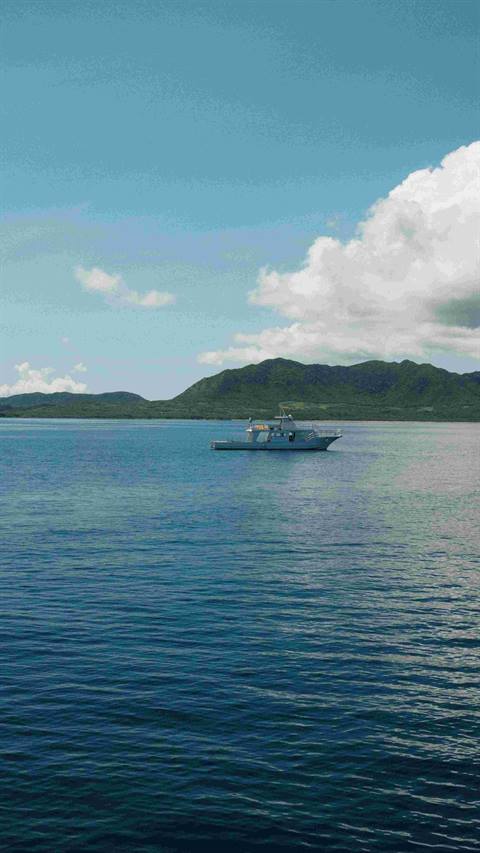
June to October for the best diving visibility and beach weather — but watch the typhoon window.
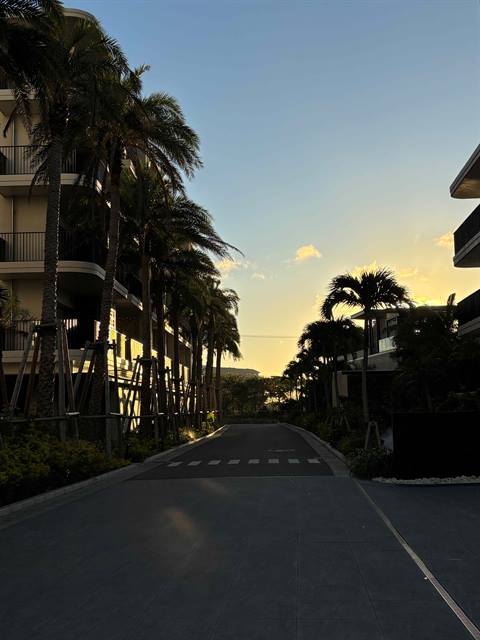
We stayed at SevenxSeven — calm, modern design, perfect for a diving and beach base.
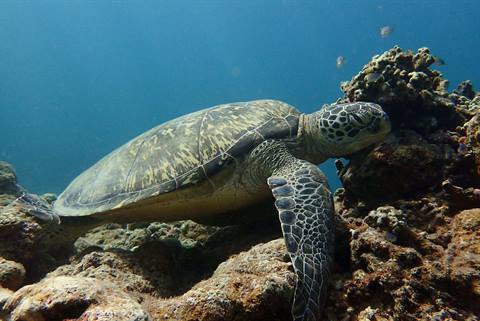
Diving, the north coast hidden beaches, Taketomi day trip, Kabira Bay — our honest list.

Crystal water, coral gardens, and sea turtles on every dive — one of the top five experiences of our Japan trip.
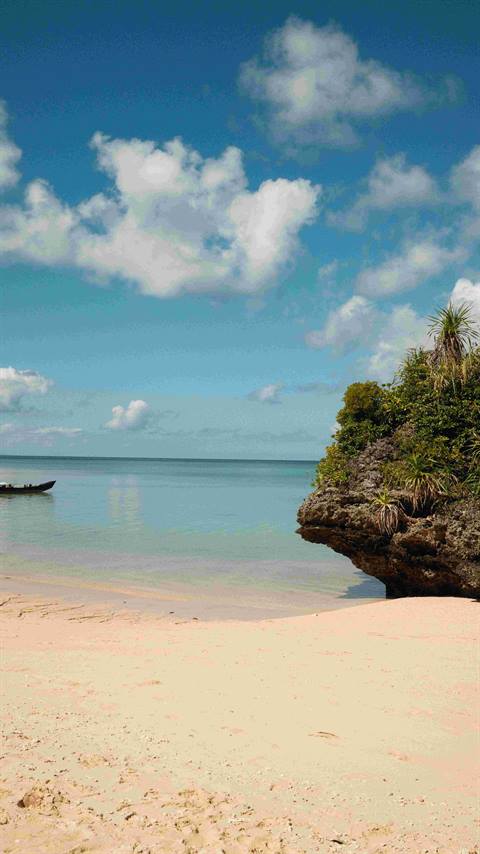
The north coast beaches that don't appear on most tourist maps. Our self-drive guide to finding them.
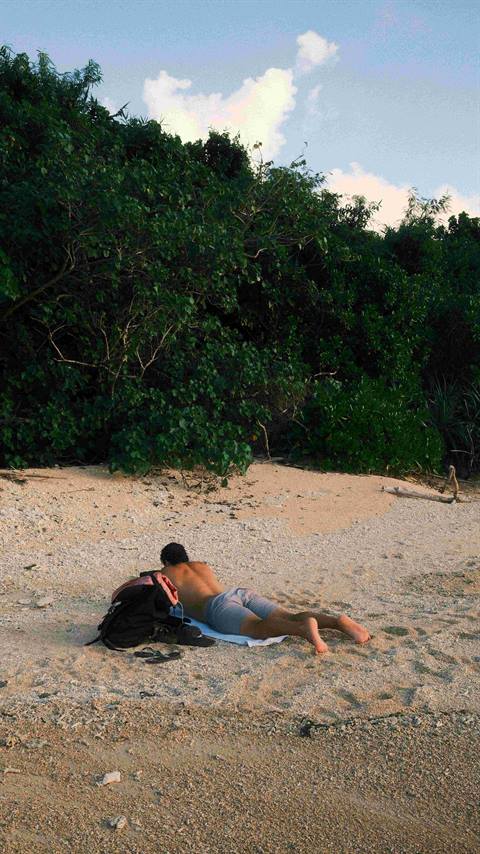
Taketomi for water buffalo carts and star sand beaches. Iriomote for jungle and river mangroves.
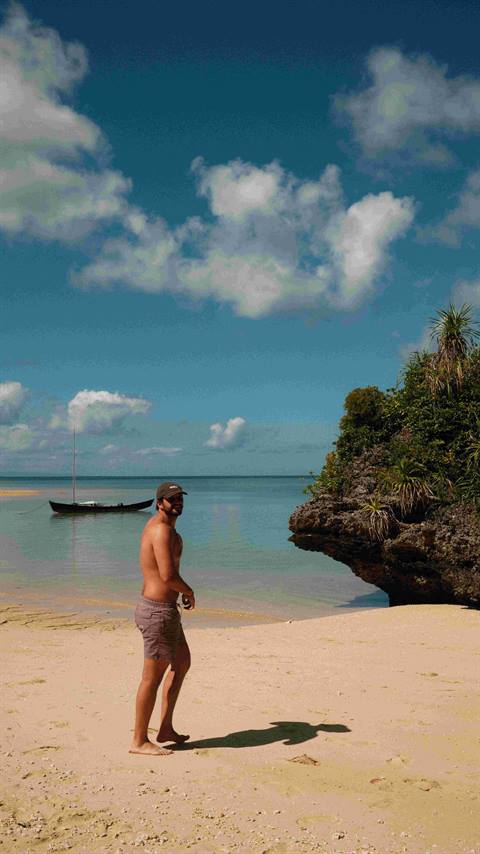
If you only have two days — how to prioritise between diving, beaches, and island hopping.
7 guides
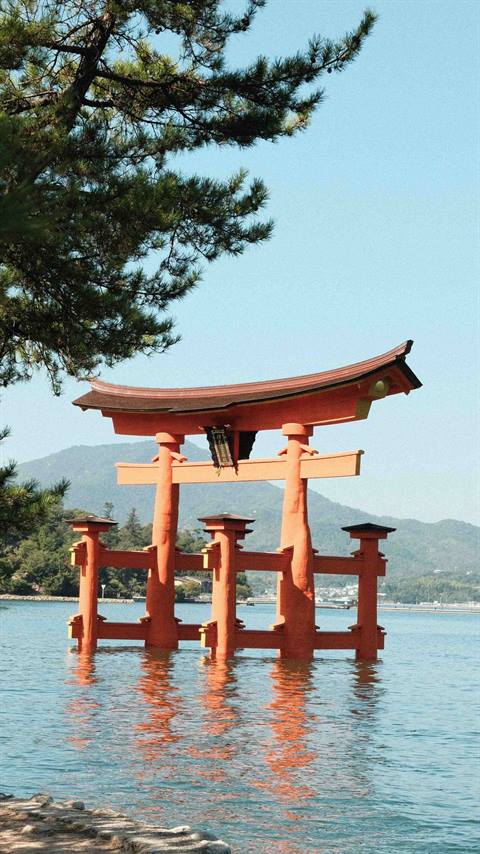
Hiroshima carries weight before you arrive and confirms it in person. And Miyajima was our biggest surprise of the trip.
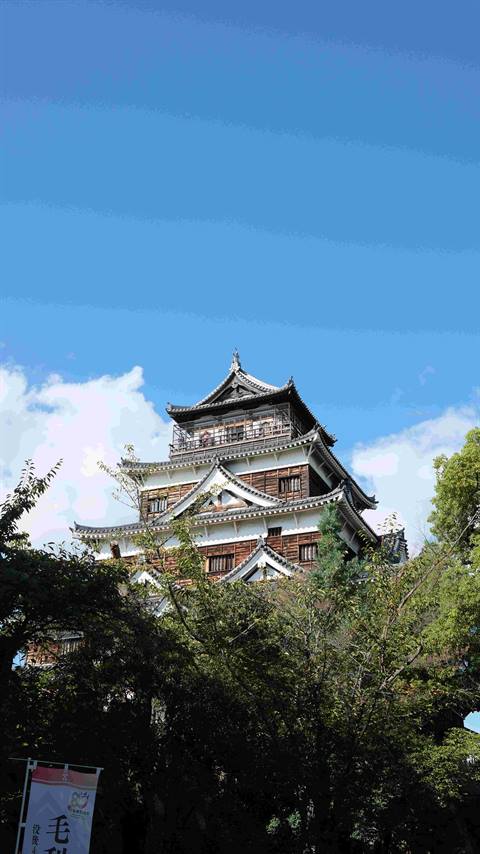
One day for Hiroshima city and the Peace Memorial Museum, one day for Miyajima island.
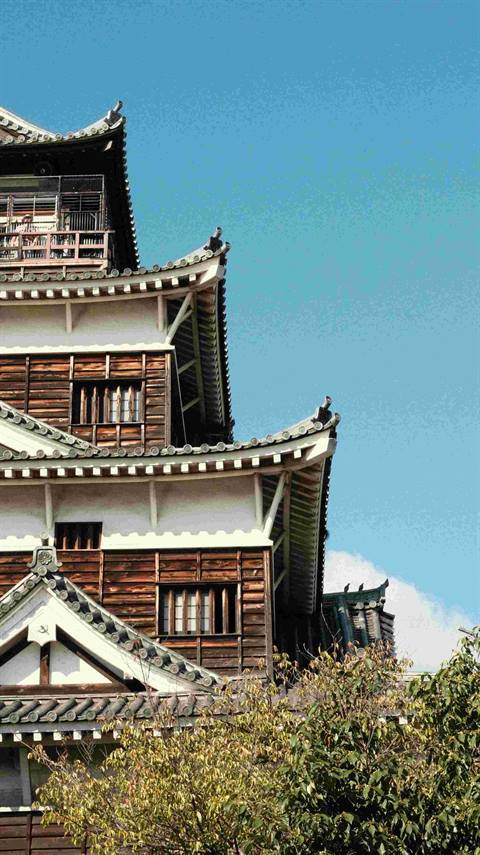
Central Hiroshima puts you close to the Peace Memorial Park and the tram lines.
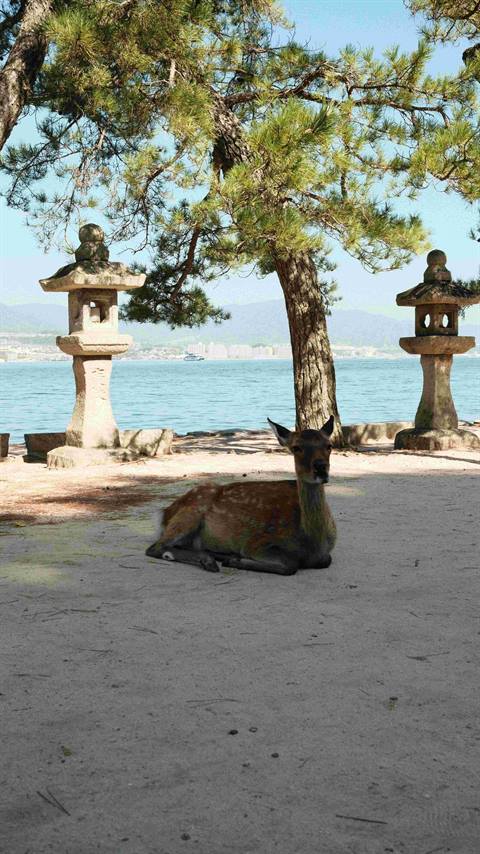
The Peace Memorial Museum, Miyajima island, okonomiyaki, and the tram — everything worth doing in Hiroshima.
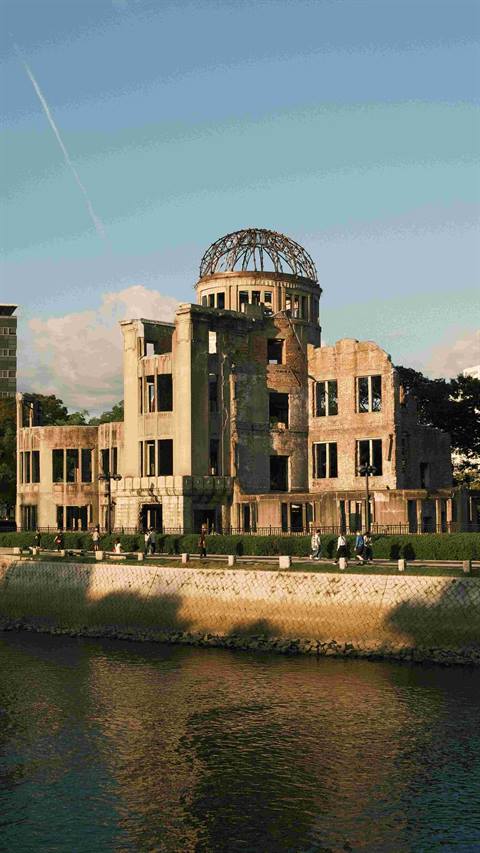
The most important museum in Japan. Take the time to read the exhibits — the experience stays with you.
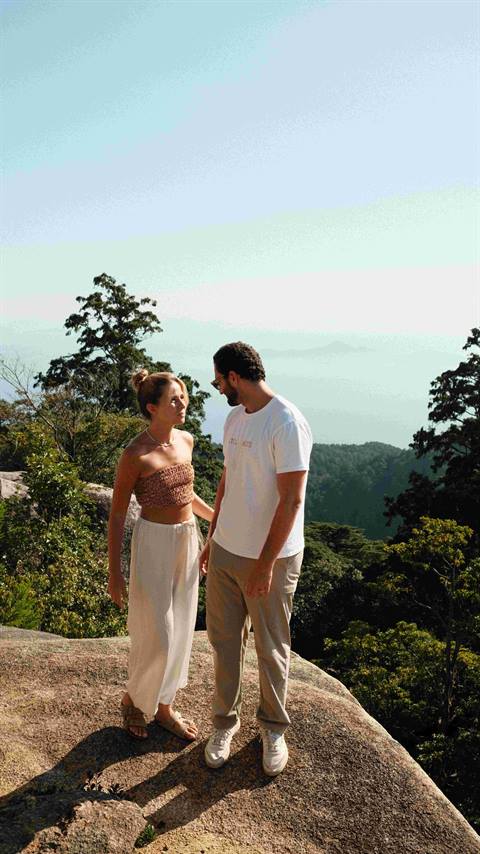
We went with low expectations and found one of the most beautiful places in Japan. Don't underestimate Miyajima.
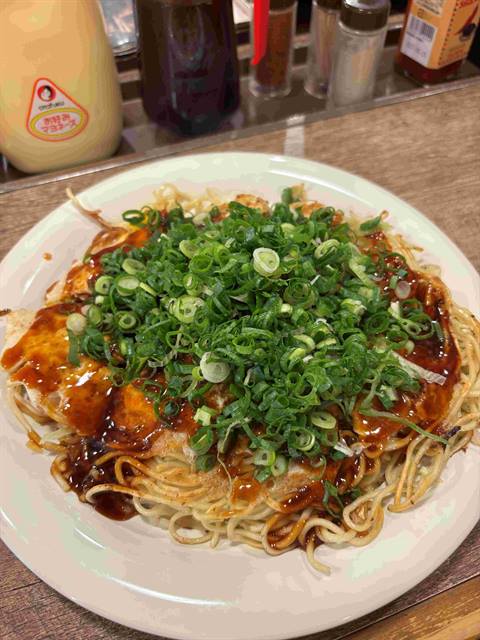
Hiroshima-style okonomiyaki is layered, satisfying, and different from the Osaka version. We tried both.
6 guides
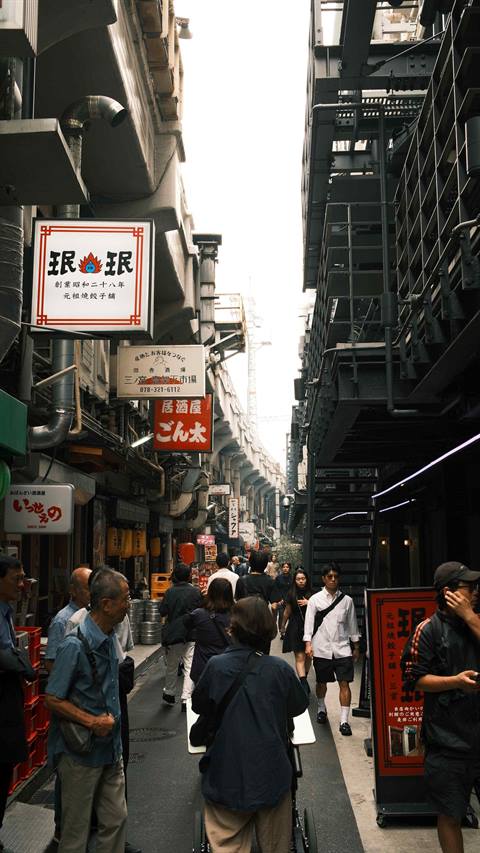
An excellent day trip from Osaka — the A5 Kobe beef at Mouriya was the single most memorable restaurant meal of the trip.
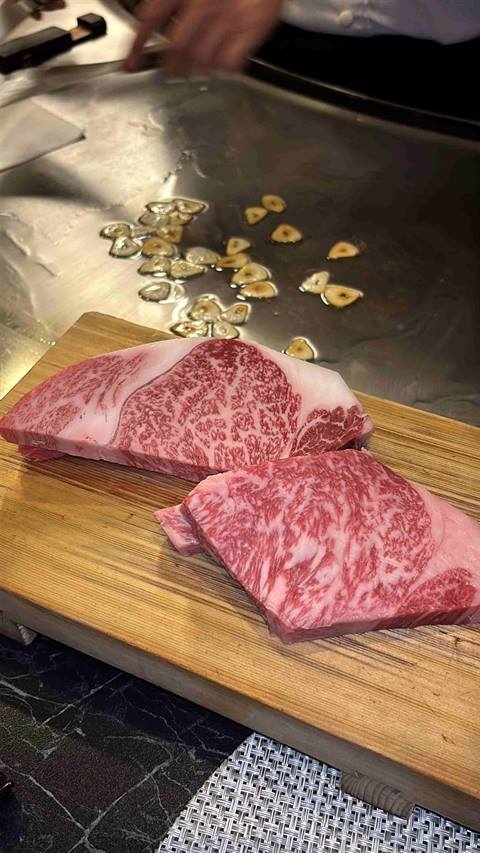
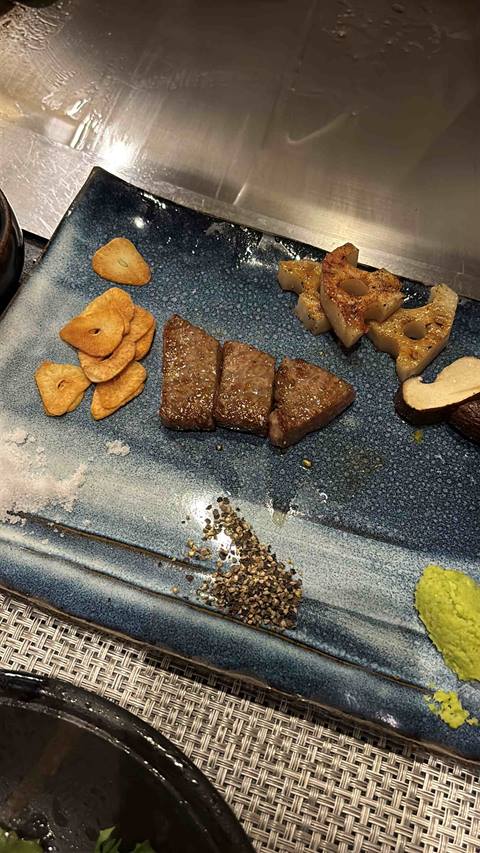
Mouriya Honten for A5 sirloin and ribeye cooked tableside. Every bit as good as the reputation, and worth every yen.
Kobe beef, Chinatown, the Kitano foreign settlement district, and the port area.
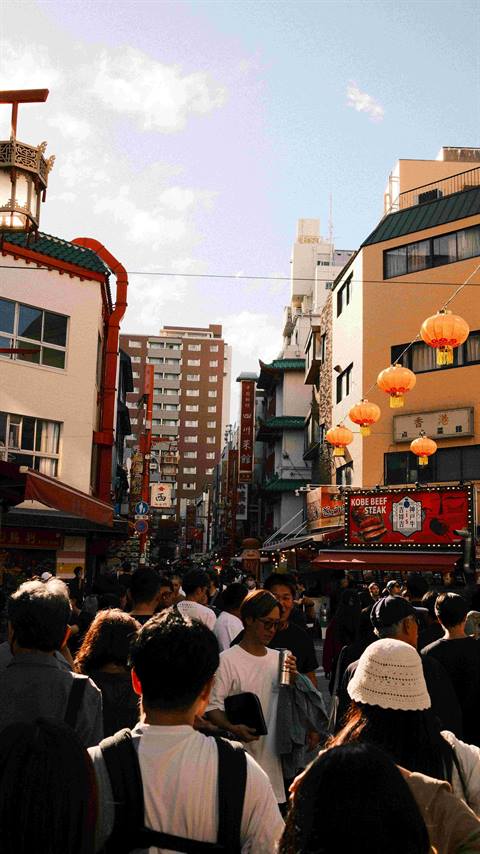
One of Japan's three Chinatowns and one of the best street food strips in the country. What to eat and skip.
Central Kobe for the port, Chinatown, and easy Shinkansen access. Our picks for a night or two.
Kobe is 30 minutes from Osaka by train — how to fit in the beef, Chinatown, and the port in a day.
6 guides
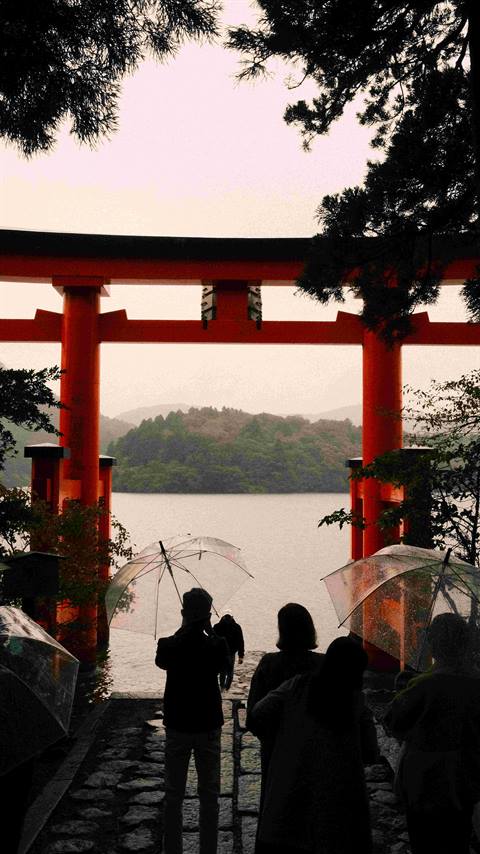
We went for Mount Fuji and got rain and mist for three days. Still one of the best stays of the trip.
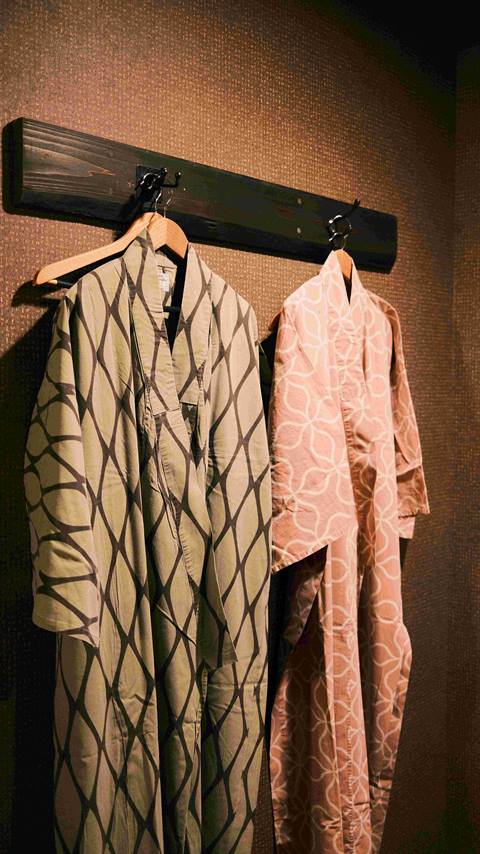
A private onsen room with a balcony overlooking the misty mountains — one of the most relaxing hours of the trip.
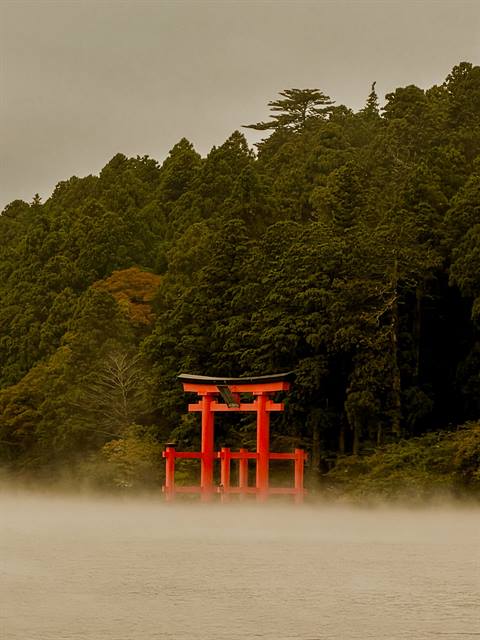
The onsen, Hakone Shrine's torii gate, the Open Air Museum, and the ropeway — what's genuinely worth doing.
We stayed at WPU Hakone — warm, stylish, close to the best onsen. Our picks from boutique ryokan to value hotels.
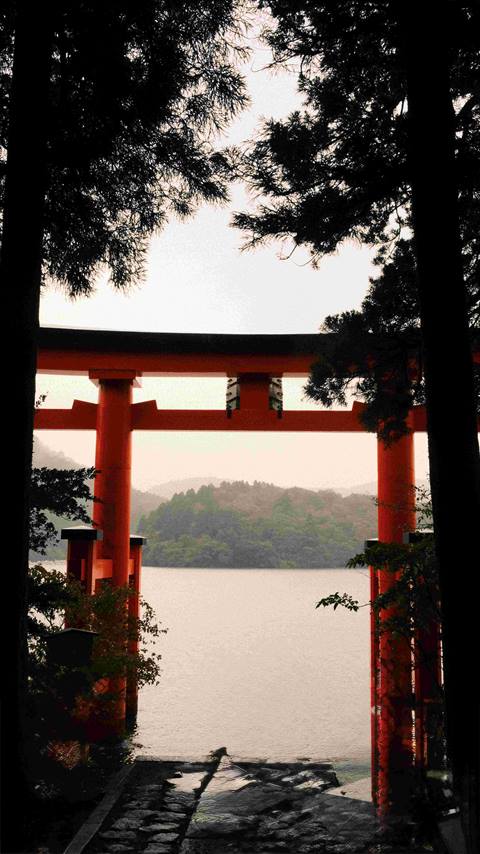
Spring for Fuji views and cherry blossom, autumn for foliage — and October can mean rain and no Fuji, which we know firsthand.
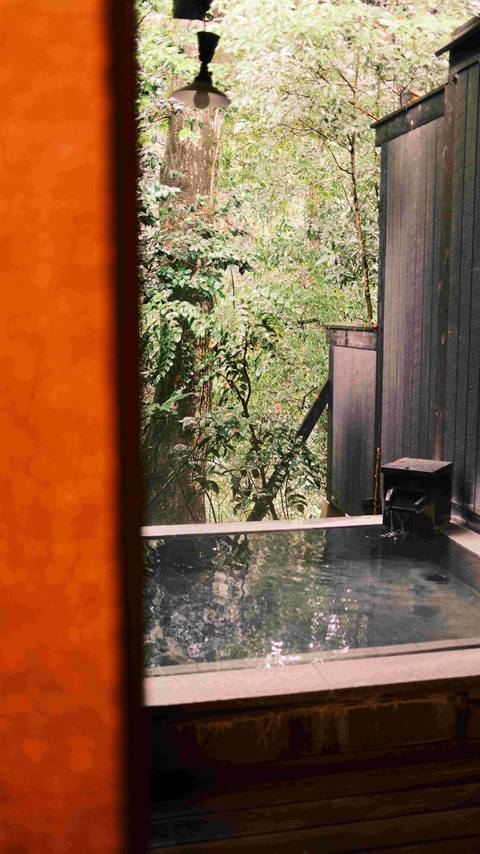
One night in Hakone is enough for the onsen, the shrine, and a hike. Our structure from Shinjuku to the mountains.
5 guides
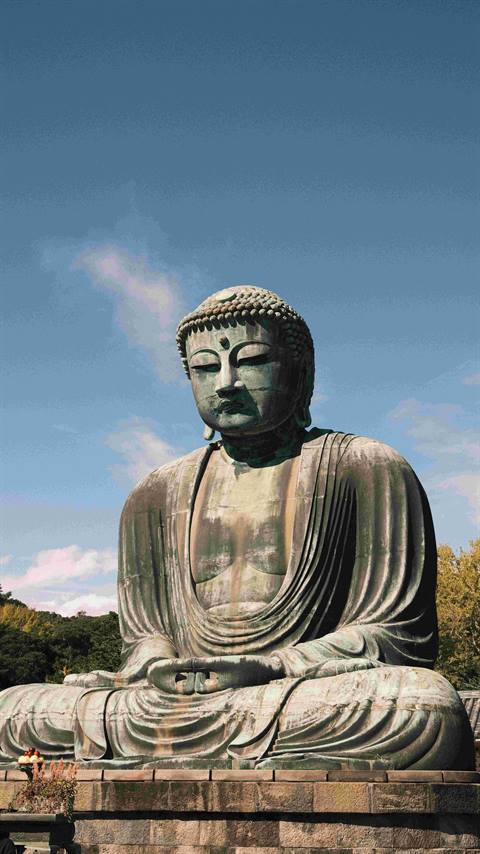
Culture, a temple hike, and surfing beaches one hour from Tokyo. We had no idea Kamakura had surf.
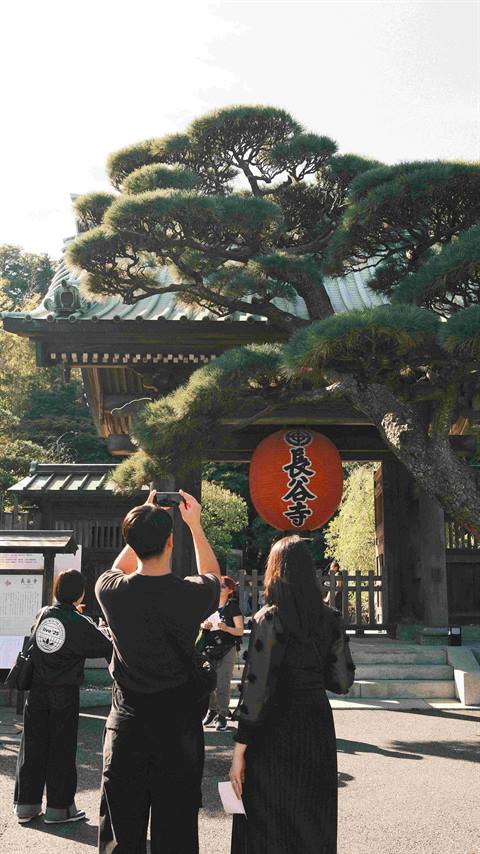
The Great Buddha, Hasedera, the hiking trail, and the beach — our honest guide to a day or two in Kamakura.
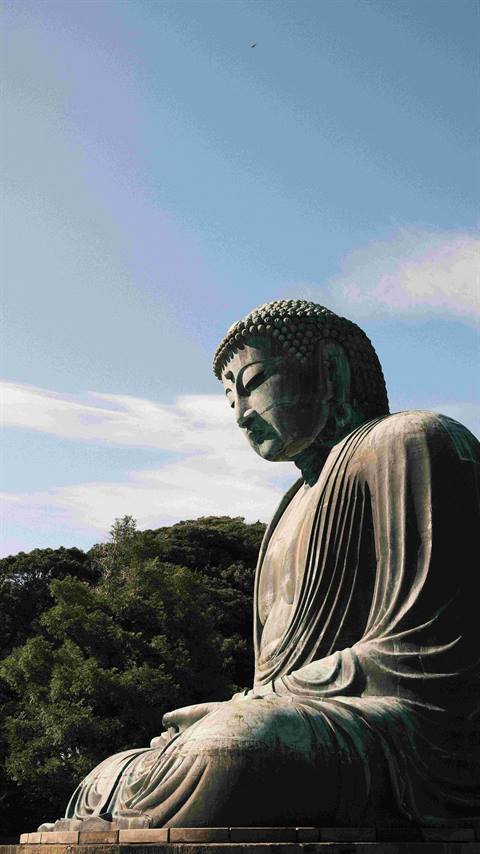
A nice temple to visit with amazing views. Worth an hour — here's what to know before you go.
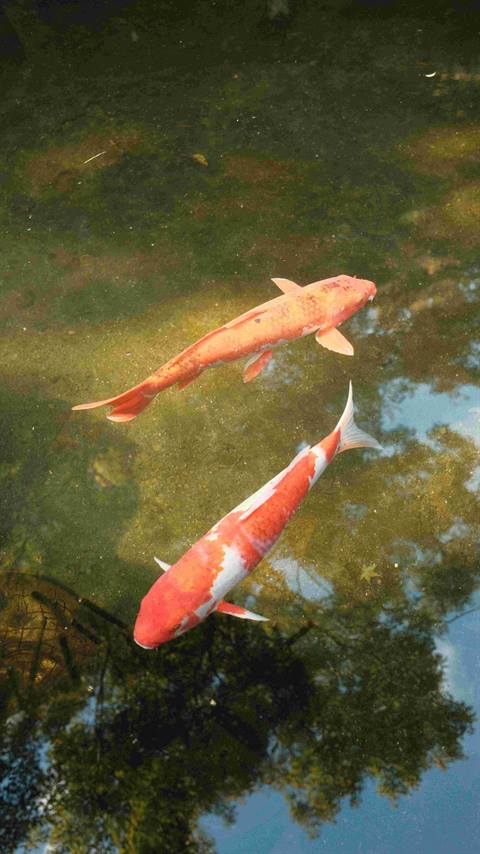
You can surf one hour from Tokyo. We didn't know until we were standing on the beach watching other people do it.
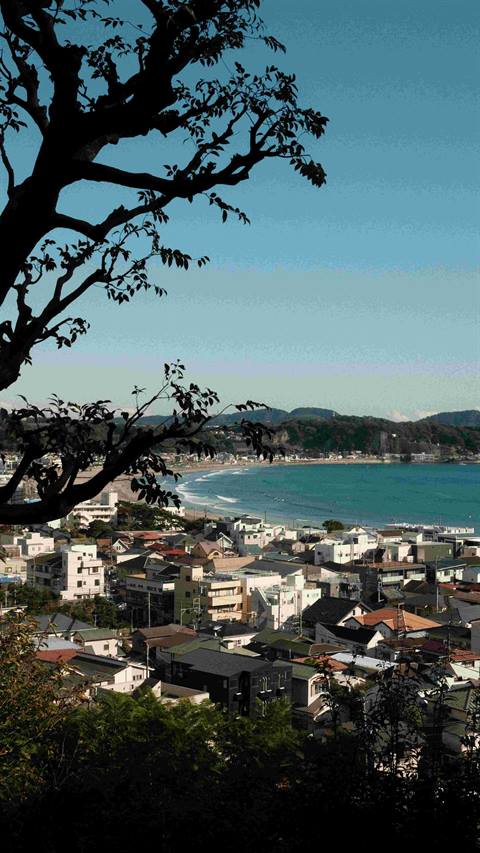
Temples in the morning, hike midday, beach in the afternoon — our structure for the perfect Kamakura day.
5 guides
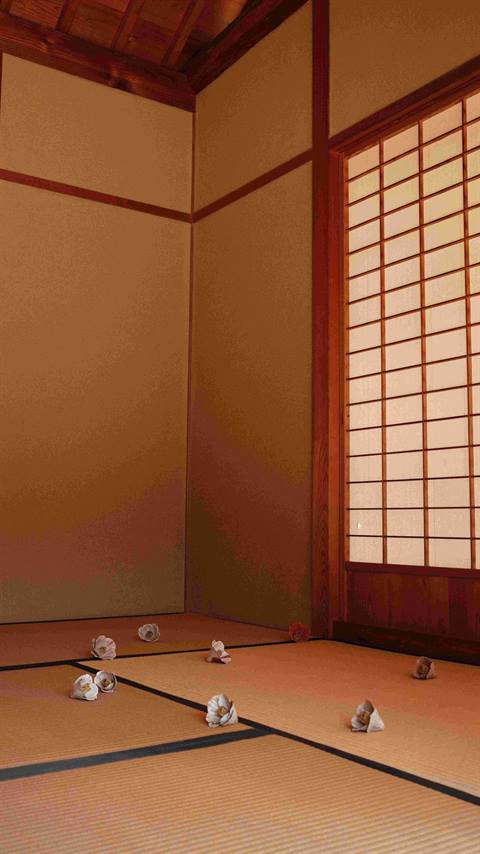
Contemporary art built into a quiet island landscape, Tadao Ando architecture, Kusama pumpkins on the beach. Unlike anywhere else in Japan.
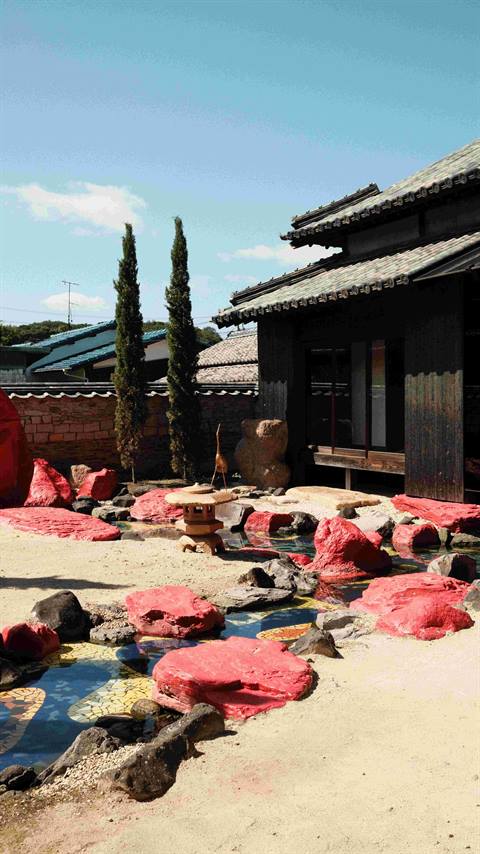
Every installation worth visiting — Chichu Art Museum, Lee Ufan Museum, Art House Project — and how to get tickets.
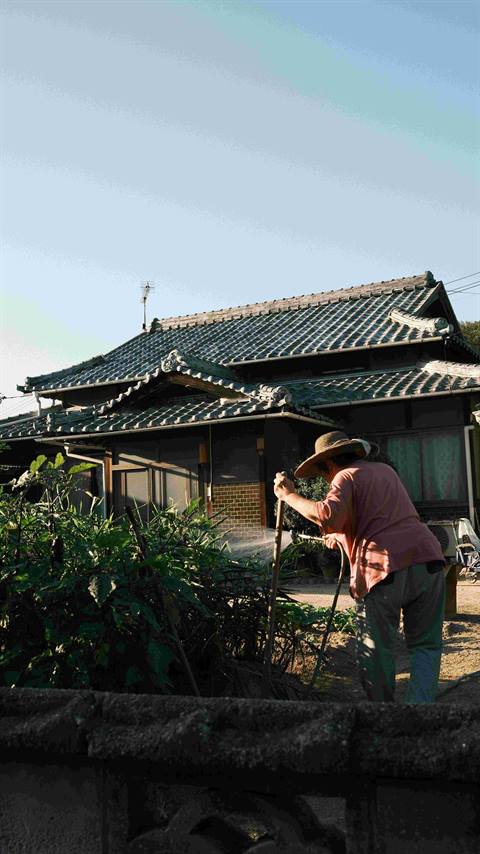
A concrete shell on a hillside where water pools through the floor and light comes through the roof. One of Japan's most unique art spaces.
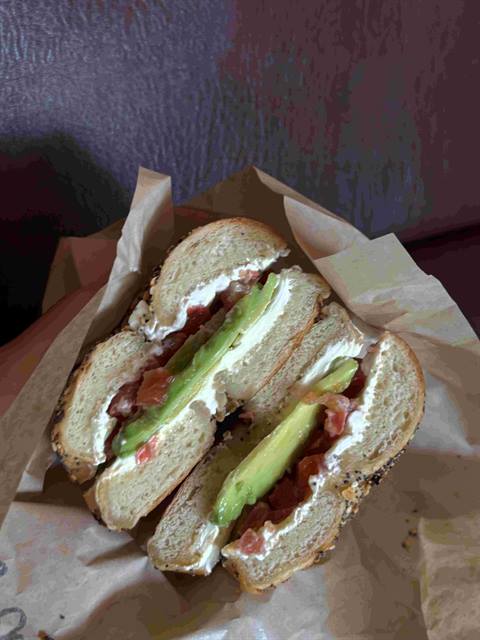
Staying on Naoshima is overpriced and books out early. Uno Port Inn on the mainland is smarter — right by the ferry.
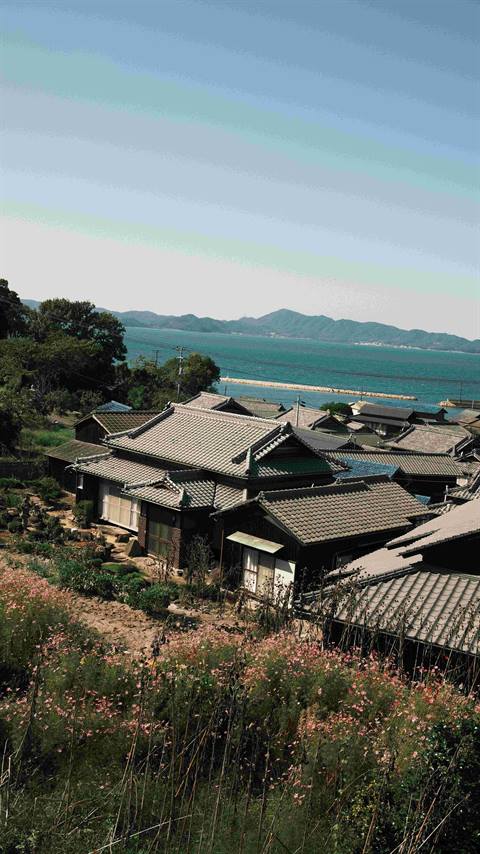
We missed the first Teshima ferry and waited three hours. Here's how to plan both islands properly.
5 guides
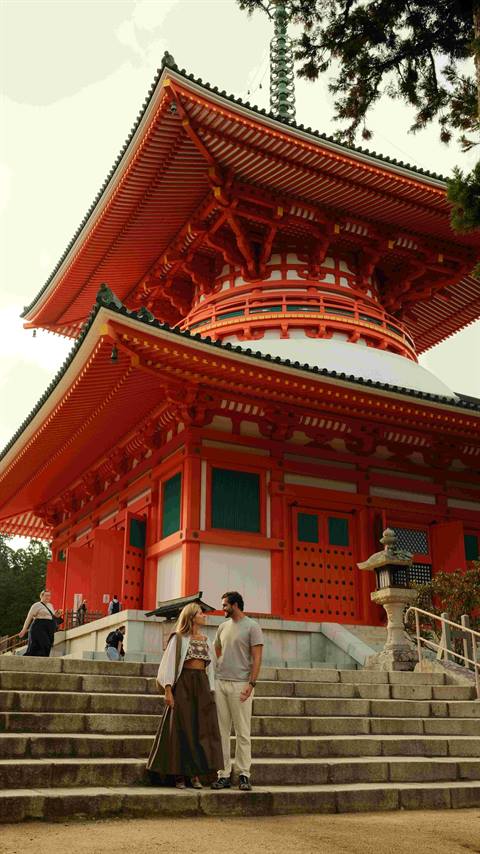
After the rush of Kyoto and Osaka, Koyasan was exactly what we needed — monks as hosts, Buddhist food, and Okuno-in at night.
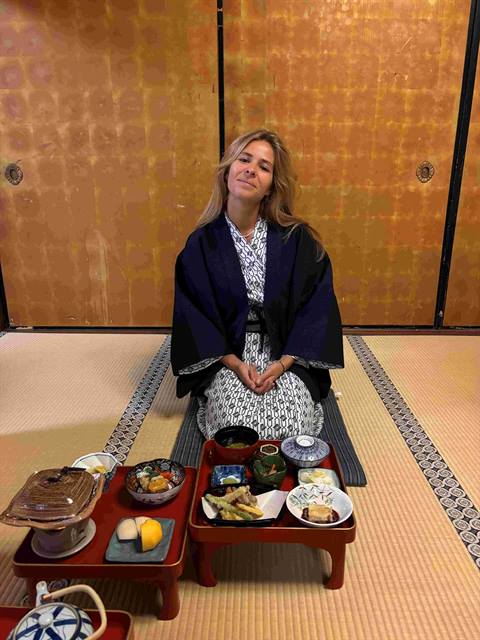
Tatami rooms, incredibly kind monks, shojin ryori dinner that surprised us completely, and a morning chanting ceremony.
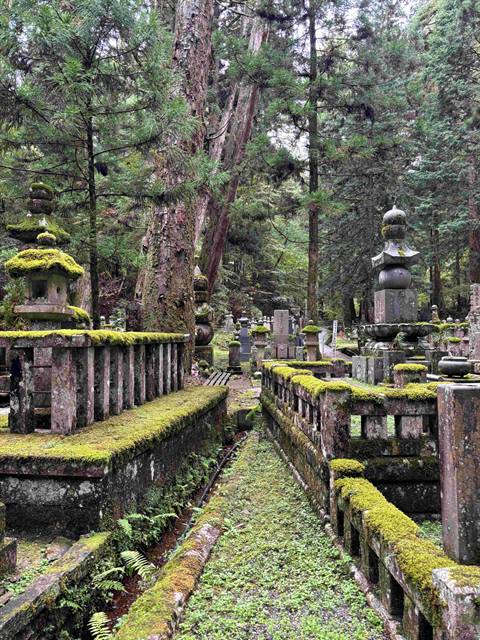
Lantern-lit stone paths through ancient cedars, moss-covered graves, and complete silence. Pure magic.
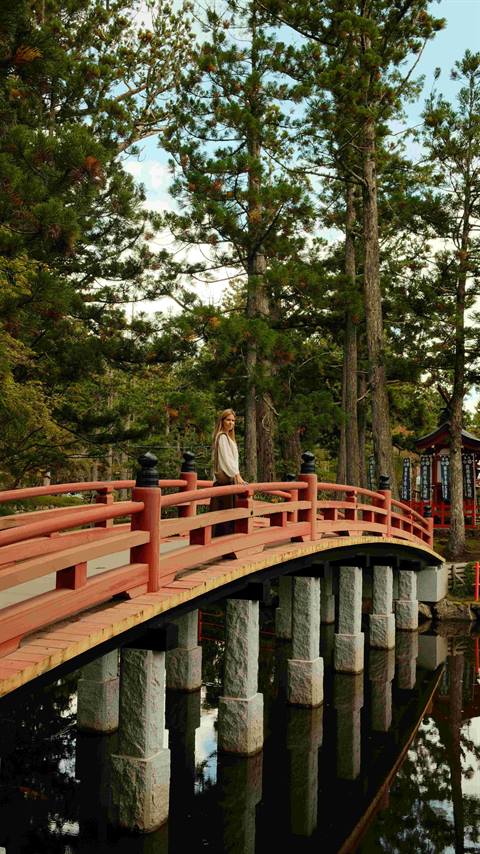
Temple stay, morning chanting ceremony, Okuno-in at dusk and dawn, shojin ryori dinner.
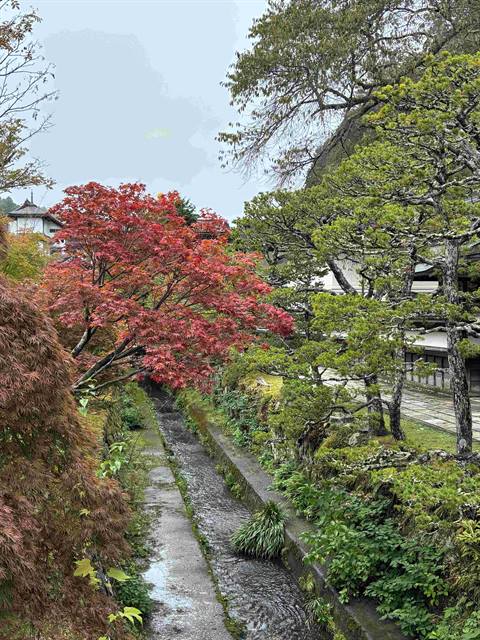
A day trip is possible — an overnight stay is where Koyasan reveals itself. Our guide to the perfect 24 hours.