The best time to visit Fukuoka is spring (late March–April) for cherry blossoms at Ohori Park and Maizuru Park, or autumn (October–November) for comfortable temperatures and smaller crowds. Unlike Kyoto or Tokyo, Fukuoka's main draw — its food culture and yatai stalls — is entirely year-round. The yatai are actually better in cool weather.
Season by Season
Spring — Late March to May ★★★★★
Cherry blossom season transforms Fukuoka's parks — Ohori Park and Maizuru Park (next to Fukuoka Castle ruins) are two of the best hanami spots in Kyushu. The lake at Ohori Park with blossoms reflecting in the water is especially beautiful. Locals gather for picnics and the parks fill with life.
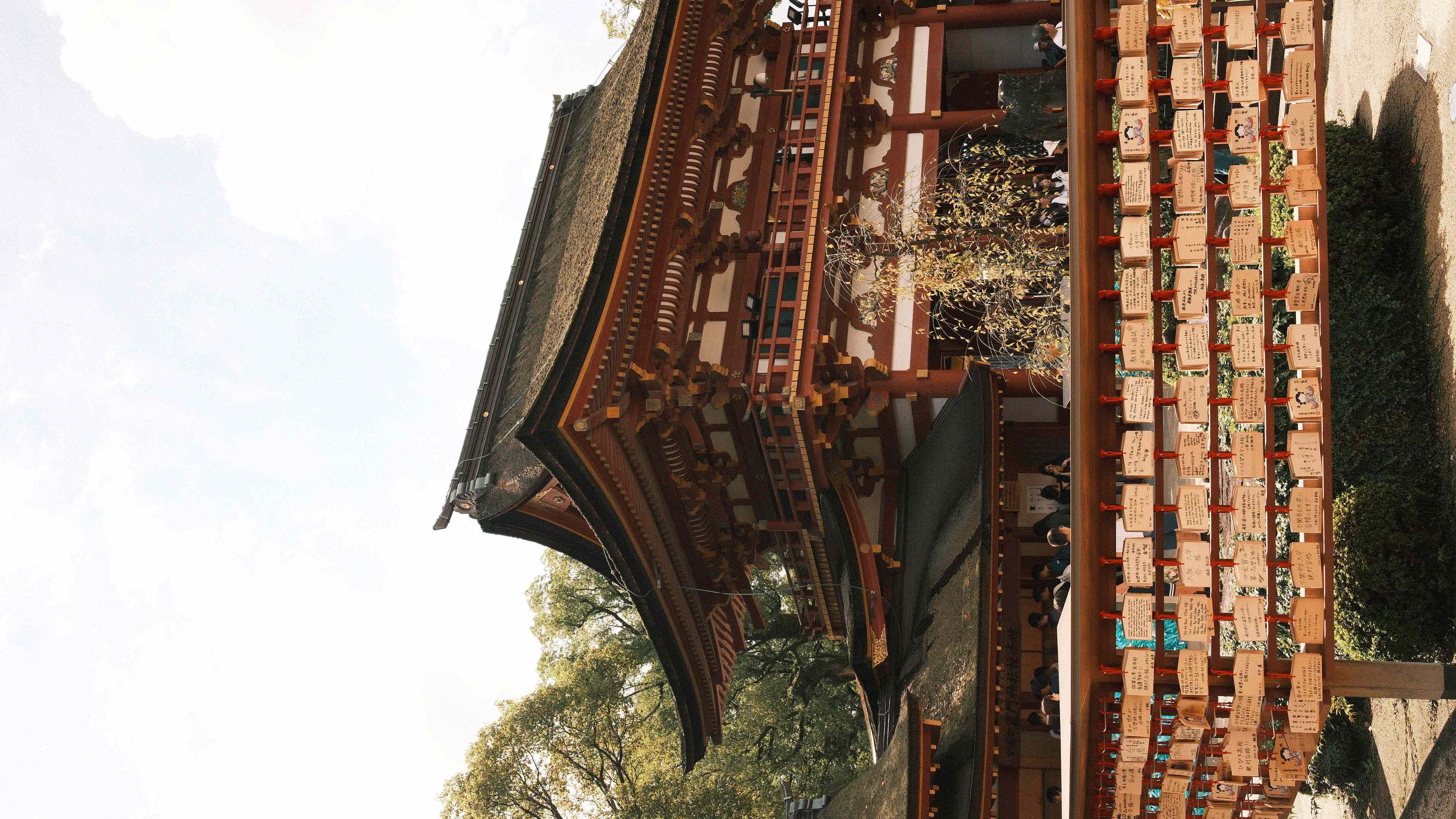
Dazaifu Tenmangu Shrine — always beautiful — is extraordinary in late February and early March when its famous plum trees (over 6,000 trees) bloom. Dazaifu is actually more famous for plum blossoms than cherry blossoms; visiting during late February gives you a pre-cherry blossom experience that most tourists miss entirely.
Temperatures are mild (14–20°C), the yatai operate comfortably, and the city is at its most photogenic.
Verdict: The best time to visit. Book accommodation early if visiting during cherry blossom peak (late March–early April).
Autumn — October to November ★★★★★
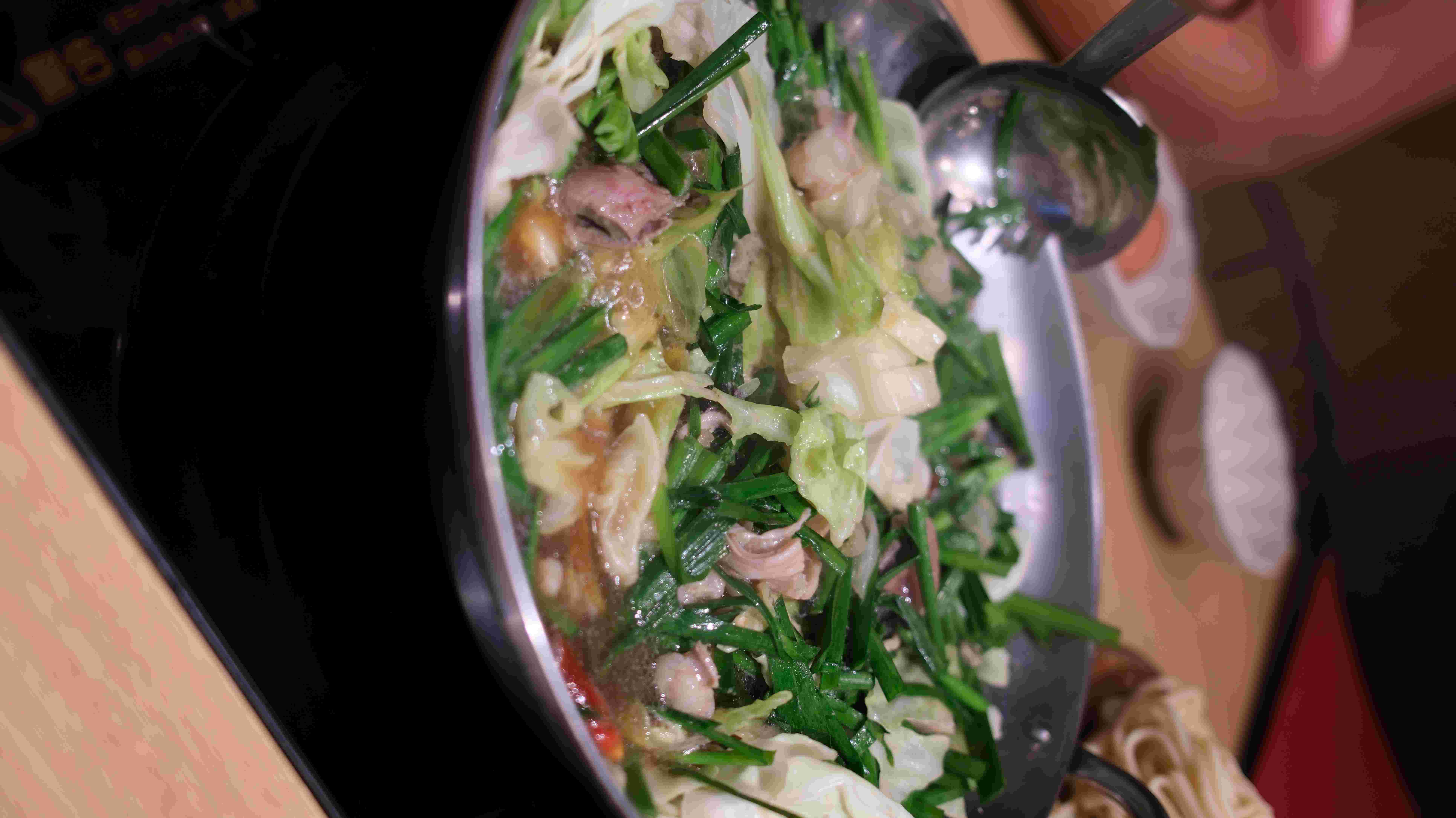
Our second recommendation. Temperatures drop to a comfortable 15–22°C, the humidity of summer is gone, and the foliage in Ohori Park and at Dazaifu begins to turn. The yatai stalls are particularly atmospheric in cool autumn air — a bowl of tonkotsu ramen at an open-air stall when the temperature is dropping is one of the best possible Japan experiences.
Verdict: Excellent — arguably the best for food comfort. The yatai experience is at its best in cooler weather.
Summer — June to August ★★★☆☆

Fukuoka summers are hot and humid — July and August reach 32–35°C with high humidity. The yatai operate through summer but the outdoor seating is uncomfortable in peak heat. The covered arcades of Tenjin and Canal City make daytime exploration manageable.
Summer also brings Hakata Gion Yamakasa — one of Japan's most dramatic summer festivals (July 1–15), culminating in teams racing enormous decorative floats through the streets of Hakata at 4:59am on July 15th. If you can be in Fukuoka for this, it's genuinely extraordinary.
Verdict: Hot and humid, but Yamakasa festival is reason enough to visit in July. Otherwise, autumn or spring are more comfortable.
Winter — December to February ★★★★☆
Fukuoka winters are mild — the city sits far enough south that temperatures rarely drop below 5°C. The yatai are at their most atmospheric in winter: steaming broth, cold air, the warmth of the stall and the people around you. The ramen hits differently when you're cold.
Crowds are at their lowest, accommodation is cheapest, and the food culture loses nothing. Late February brings the plum blossoms at Dazaifu — one of the most beautiful off-season sights in Japan.
Verdict: An underrated time to visit. Especially good for food-focused trips where weather is secondary.
Month by Month Summary
- January–February: Mild, quiet, low crowds. Late Feb: plum blossoms at Dazaifu.
- March: Early cherry blossoms from late March. Dazaifu plum season peaks early March.
- April: Peak cherry blossoms. Best spring weather.
- May: Post-blossom, still excellent. Temperatures comfortable.
- June: Rainy season begins. Humidity rising.
- July: Hot, humid — but Hakata Gion Yamakasa festival (July 1–15) is extraordinary.
- August: Hottest month. Yatai uncomfortable in peak heat.
- September: Tail end of summer heat. Improving by late September.
- October: Excellent. Comfortable temperatures, foliage beginning.
- November: Autumn colour at Ohori Park and Dazaifu. Yatai at their best.
- December: Cool, quiet, atmospheric. Good value accommodation.
More Fukuoka Guides
- Is Fukuoka Worth Visiting? Our Honest Review
- The Best Things to Do in Fukuoka + What to Skip
- Fukuoka Food Guide: Ramen, Yatai and Our Favourites
- Dazaifu Day Trip from Fukuoka
- How Many Days in Fukuoka Do You Need?
- Where to Stay in Fukuoka
- The Best Cafes in Fukuoka
- 2 Days in Fukuoka Itinerary
- Is Hiroshima Worth Visiting? (Next Stop from Fukuoka)
- All Japan Guides
FAQ
What is the best month to visit Fukuoka?
Late March to early April for cherry blossoms, or October to November for comfortable temperatures and the best yatai atmosphere. Both are excellent.
Is Fukuoka worth visiting in winter?
Yes — mild temperatures (rarely below 5°C), low crowds, and the yatai experience is arguably at its best in cool weather. Late February adds Dazaifu's plum blossoms.
What is the Hakata Gion Yamakasa festival?
One of Japan's most dramatic summer festivals — July 1–15, culminating in teams racing enormous floats through Hakata's streets at dawn on July 15th. If you're in Japan in July, try to time your Fukuoka visit around it.
Some links in this post are affiliate links. If you book through them, we earn a small commission at no extra cost to you.