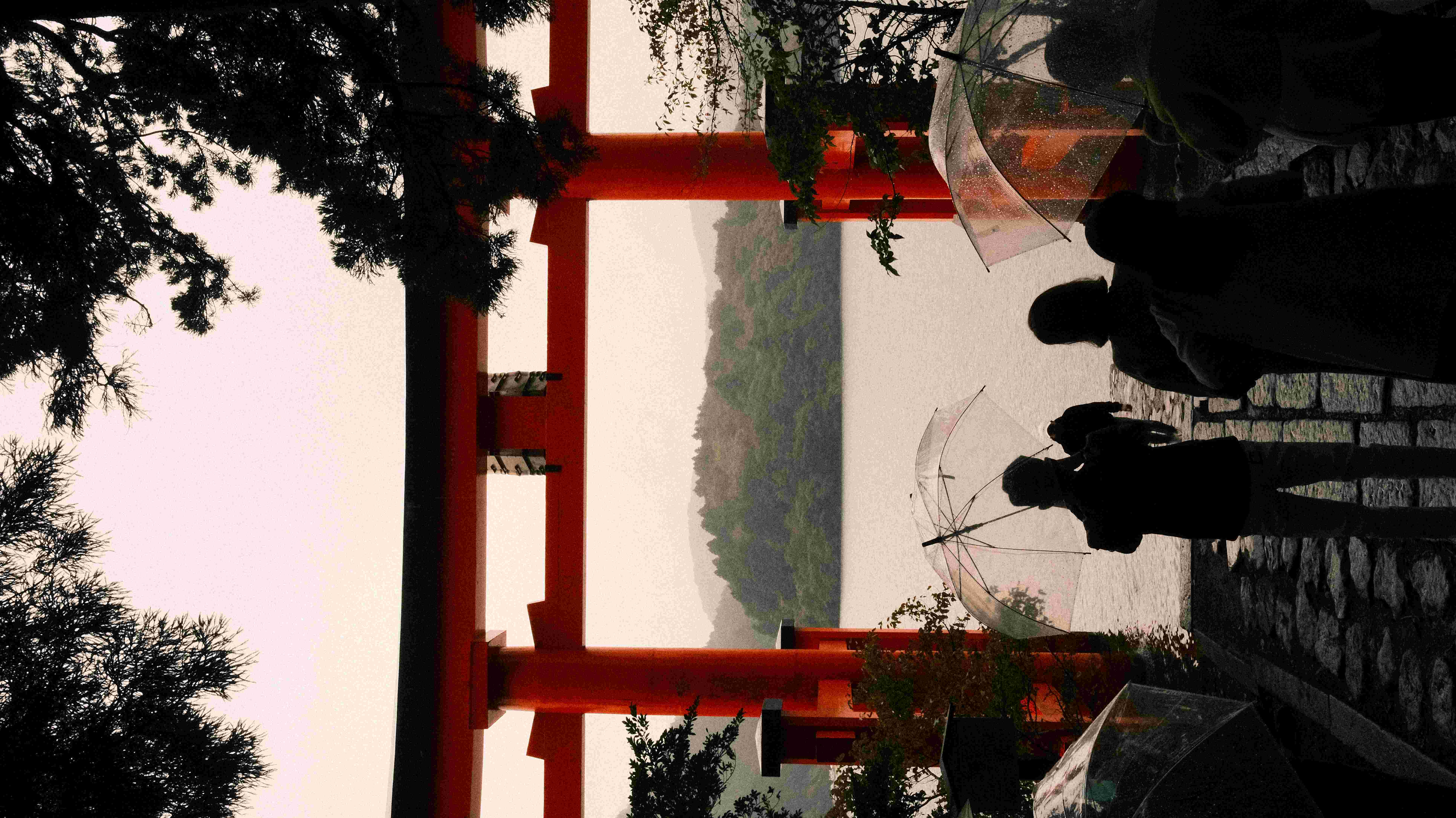
We visited Hakone at the end of October. It rained every single day and we never saw Mount Fuji — not even a glimpse through the clouds. We're telling you this upfront because most Hakone guides show clear blue skies and a perfect Fuji reflection in Lake Ashi. That version of Hakone exists. It just requires some luck, the right season, and ideally an early morning. Here's what we actually know about timing a Hakone visit — Fuji views and everything else.
When to Go for Mount Fuji Views
Fuji visibility is determined by two things: season and time of day. The mountain creates its own weather — warm air rises, clouds form around the summit, and by midday even on a theoretically clear day the view is often obscured. The best Fuji views in Hakone happen in the early morning before the clouds build.
By season:
- Winter (December–February) ★★★★★ — The most reliable season for clear Fuji views. Cold, dry air, little moisture to form clouds. Snowcapped Fuji against a blue sky is at its most dramatic. Crowds are lower than spring and autumn. Onsen feel especially good in the cold. Our top recommendation if Fuji views are your priority.
- Spring (March–May) ★★★★☆ — Cherry blossom season brings beautiful scenery but also Hakone's biggest crowds, especially April. Fuji views are possible but less reliable than winter as humidity builds. Book everything months in advance for cherry blossom timing.
- Summer (June–August) ★★★☆☆ — June is rainy season; July–August are hot and humid. Fuji is often cloud-covered all day. Crowds are high in July and August as Japanese domestic tourism peaks. Not the strongest season for Hakone.
- Autumn (September–November) ★★★★☆ — Autumn foliage peaks in mid-November and is spectacular. But the weather is more unpredictable than winter — we had rain every day in late October. Early November is generally clearer than late October. Fuji views happen; they're just not guaranteed. The foliage more than compensates if Fuji doesn't cooperate.
Our Experience: Late October
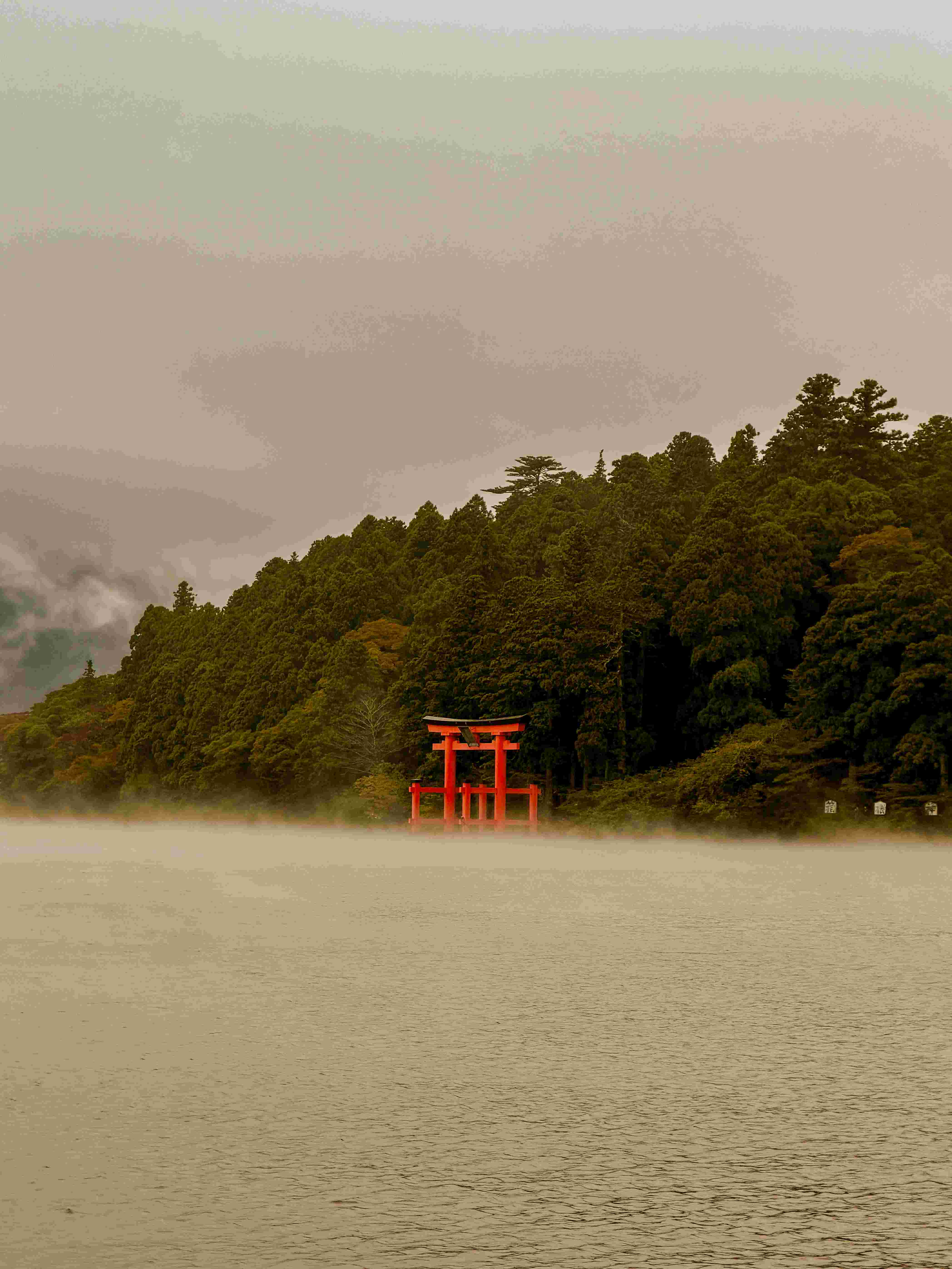
Rain every day. No Fuji. Hakone still made it into our top experiences of Japan. The misty volcanic landscape, the red torii gate rising from the fog on Lake Ashi, the private onsen with the mountain in cloud in front of us — the atmosphere was genuinely beautiful even without the postcard view. If you go in autumn and don't see Fuji, you have not wasted your trip.
That said: if you're going specifically for the iconic Mount Fuji backdrop, winter is your best bet. Go in late October or November for the foliage knowing Fuji might not appear, and you'll be happy either way.
Crowds by Season
| Season | Crowd Level | Notes |
|---|---|---|
| Spring (cherry blossom) | ★★★★★ Highest | Book 2–3 months ahead. Golden Week (late April–early May) especially busy. |
| Summer | ★★★★ High | Domestic tourism peaks; hot and humid. |
| Autumn foliage | ★★★★ High | Mid-November foliage peak draws big crowds. Late October slightly calmer. |
| Winter | ★★★ Moderate | Best Fuji visibility, lower crowds, cold but manageable. Best overall value. |
Practical Tips for Any Season
Go early for Fuji views. Whatever month you visit, be at Lake Ashi or on the ropeway by 8–9am if you want the best chance of a clear view. Clouds build through the morning; by noon the probability drops significantly.
Book onsen and hotels early for autumn. Hakone Yuryo private baths fill up on weekends throughout autumn. Book at least 2–3 weeks ahead for weekdays, 4–6 weeks for weekends in October and November.
Check the ropeway status. The Hakone Ropeway occasionally closes due to volcanic activity at Owakudani. Check before you visit — the Lake Ashi boat and alternative buses are viable alternatives if it's down.
Weekdays vs. weekends. Hakone is an extremely popular Tokyo day trip. Weekend crowds at the torii gate and ropeway are significantly larger than weekdays. If you can visit midweek, do.
More Hakone Guides
FAQ
What is the best month to visit Hakone?
December or January for the best Mount Fuji visibility and lowest crowds. November for autumn foliage (stunning but busier). April for cherry blossom (beautiful but book everything months in advance).
Can you see Mount Fuji from Hakone in October?
Sometimes — but October is one of the less reliable months. We were there late October and it rained every day with no Fuji visible at all. Early October has better odds than late October. Winter is the safest bet for guaranteed clear views.
Is Hakone worth visiting in the rain?
Yes — the mist and rain create an atmospheric quality that's genuinely beautiful, especially at Lake Ashi and the torii gate. The onsen experience is also better in cooler, wetter weather. Don't cancel a Hakone trip because of rain forecasts.
Some links in this post are affiliate links. If you book through them, we earn a small commission at no extra cost to you.