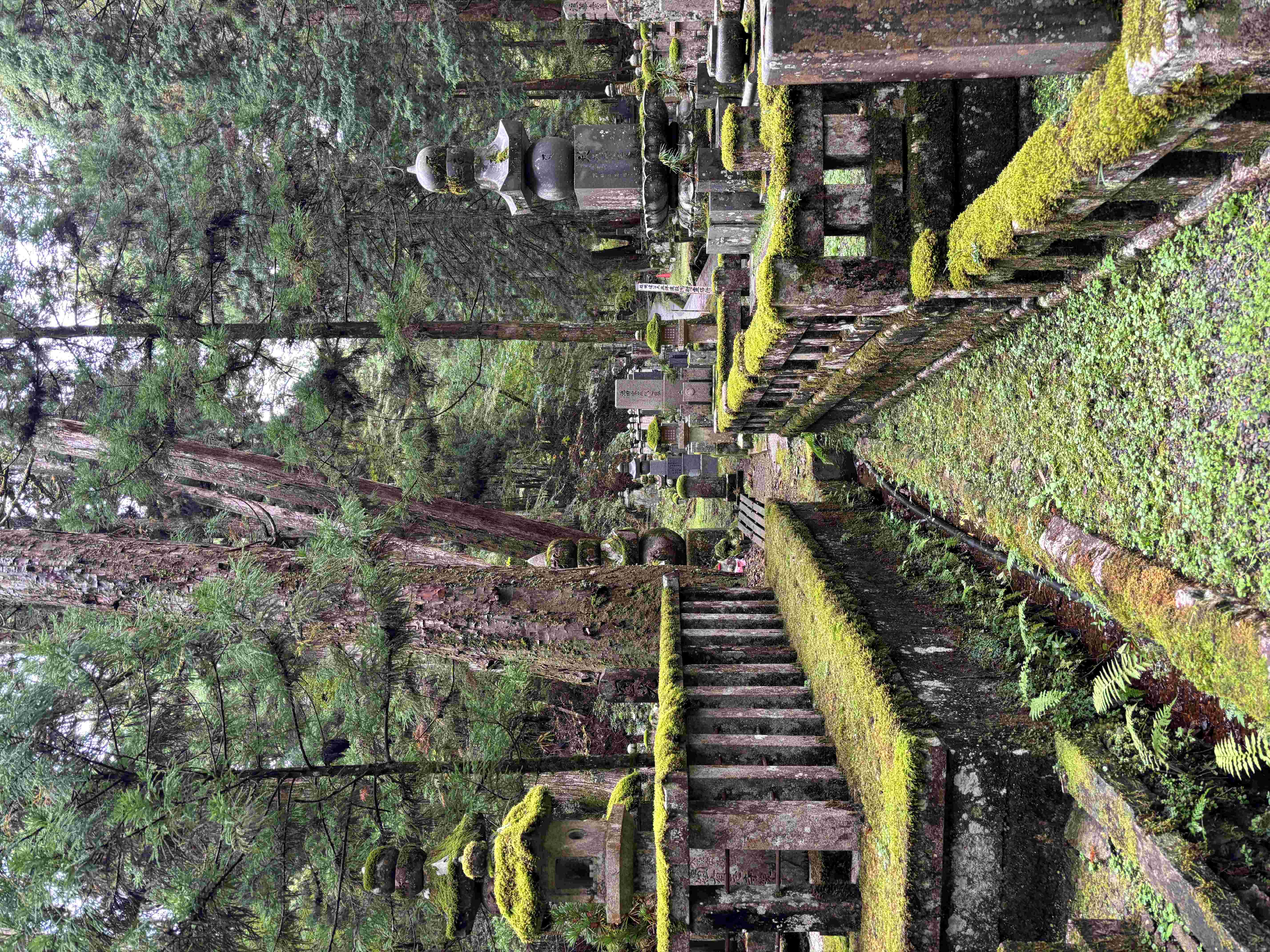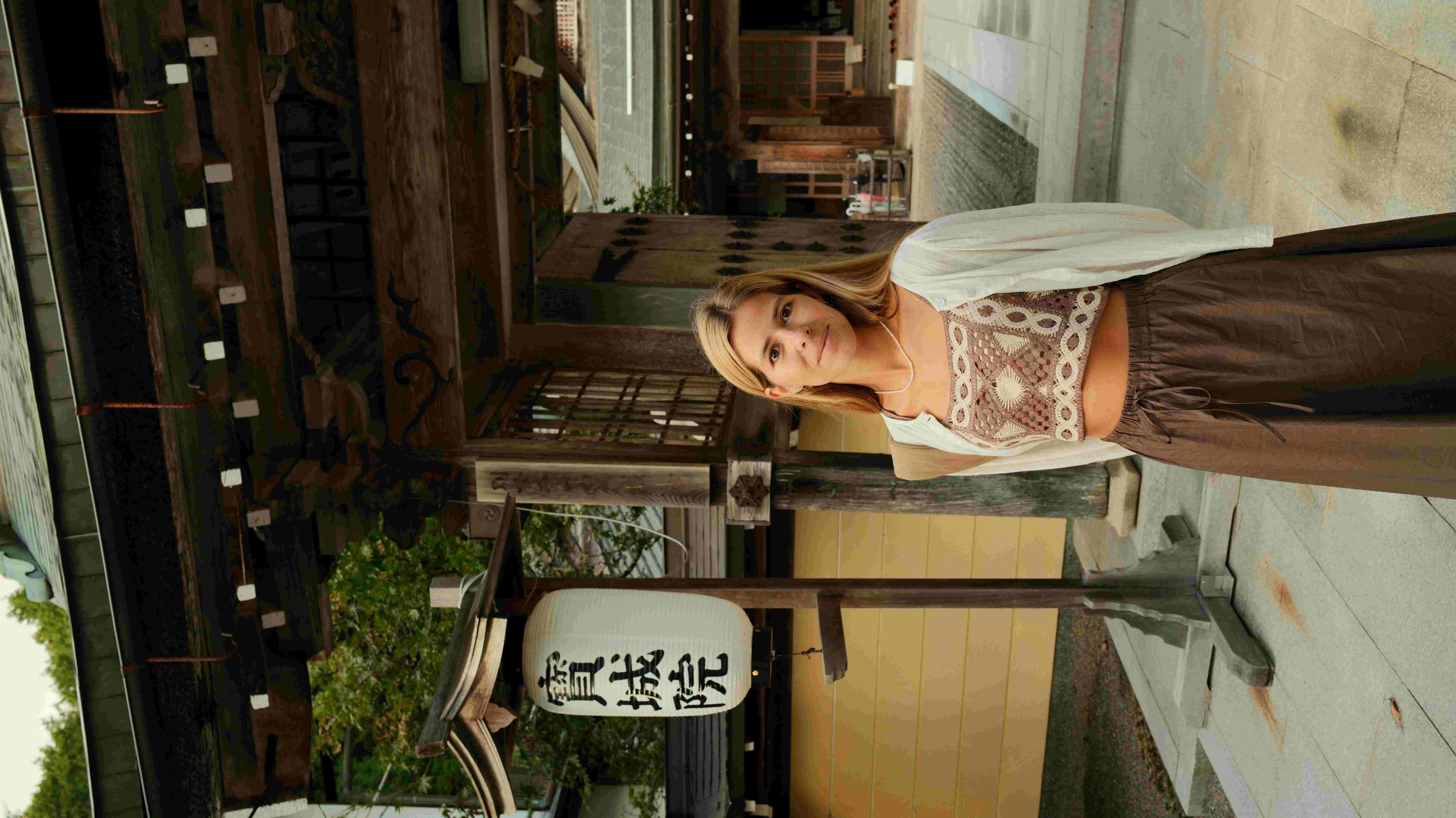
We'd never stayed in a Buddhist monastery before. We weren't entirely sure what to expect — whether it would feel austere, or awkward for non-Buddhist guests, or just a novelty version of a hotel with tatami floors. It was none of those things. Hojo-in was beautiful, peaceful, and genuinely welcoming. The monks were kind. The rooms were simple and perfect. Dinner was one of the best meals of the Japan trip. And the morning chanting ceremony — sitting in a wooden hall while monks performed a ritual that has happened in that same room every morning for centuries — was one of the most moving experiences we had anywhere.
What Is a Temple Stay (Shukubo)?
Shukubo (宿坊) means "temple lodging" — staying overnight in a working Buddhist monastery as a guest. About 50 of Koyasan's temples offer this. You sleep in traditional tatami-mat rooms with futon bedding, eat Buddhist vegetarian meals (shojin ryori) prepared by the temple kitchen, and have the option to attend the morning prayer ceremony alongside the resident monks.
It is accommodation in a functioning religious institution, not a theme hotel. The monks live there. The ceremonies are not performed for visitors — visitors are welcome to observe what happens every day regardless. That distinction is what makes the experience genuine rather than performative.
Our Stay at Hojo-in ★★★★★
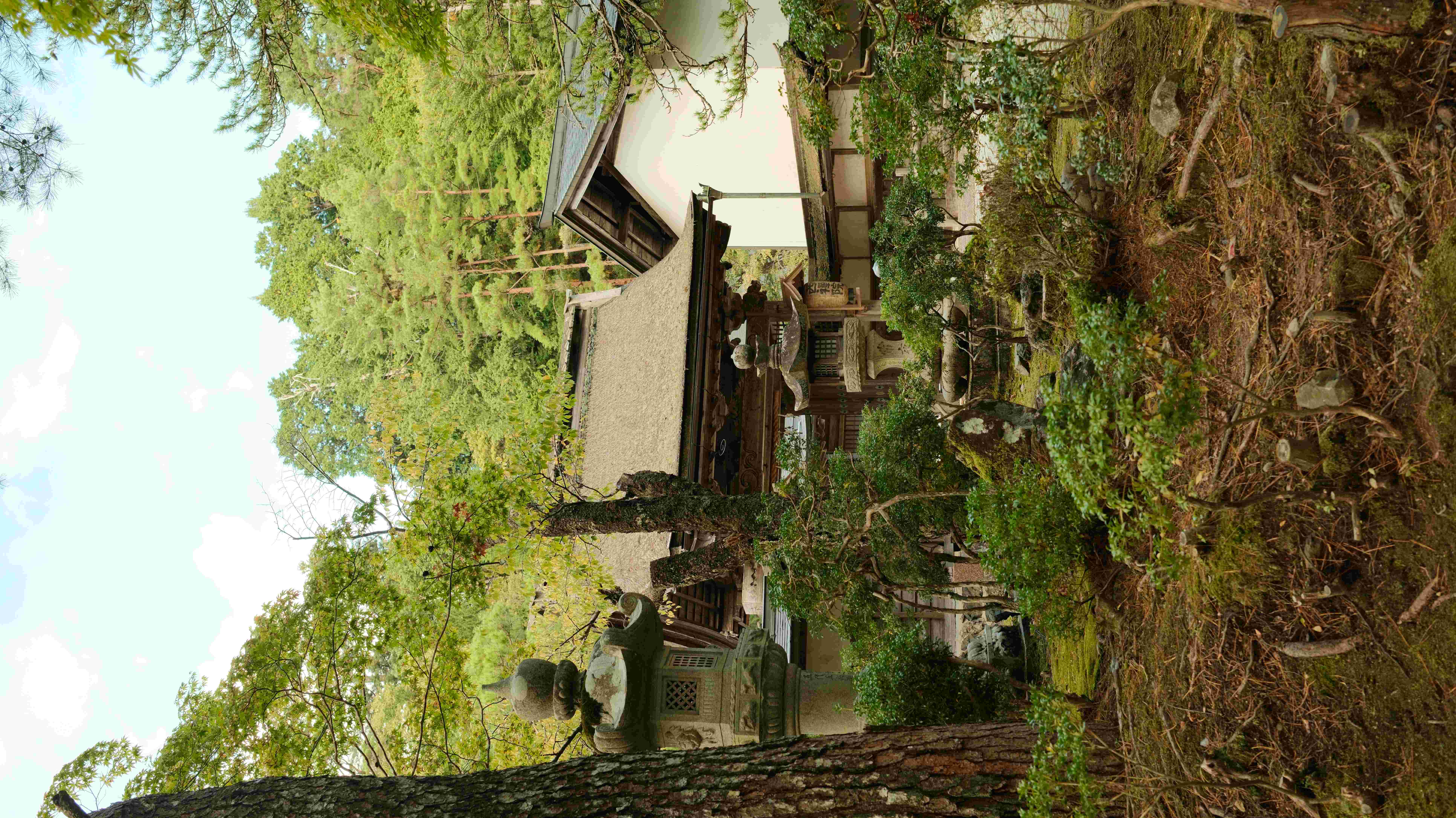
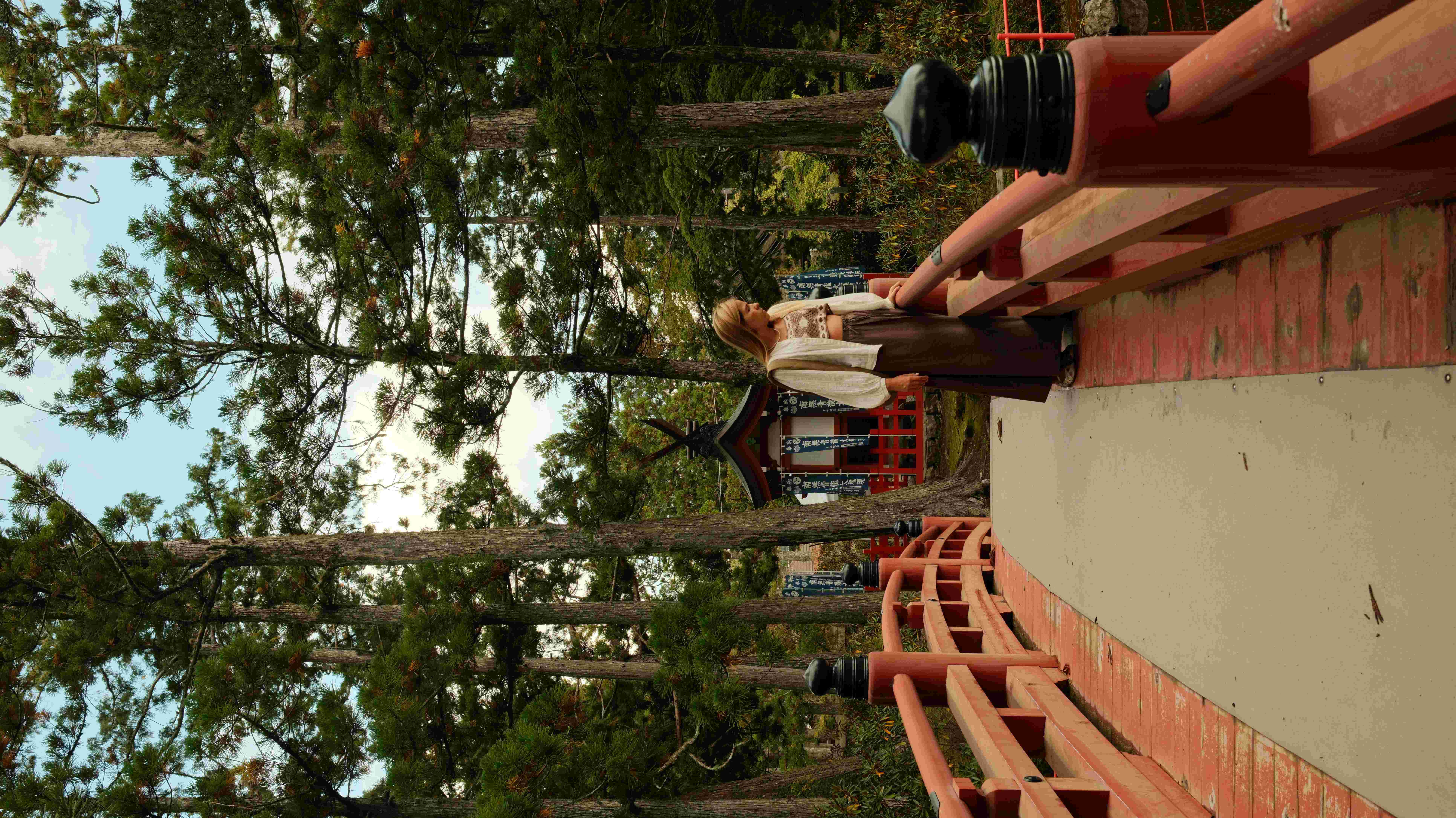
Hojo-in sits among Koyasan's cedar trees, surrounded by small gardens and stone lanterns. Arriving in the late afternoon, after the cable car and bus from Gokurakubashi, the quiet was immediate. No traffic noise. No city sounds. The corridors of the temple were cool and dim, the wooden floors worn smooth by generations of feet.
Our room was traditional tatami-style — the kind of room that looks simple in photos and feels immediately right in person. Low table, floor cushions, futon laid out on the mat, paper screens filtering the garden light. The monks were, as the guide says, "incredibly kind and welcoming" — attentive without being intrusive, happy to answer questions about the temple and what to expect the next morning.
Shojin Ryori Dinner ★★★★★
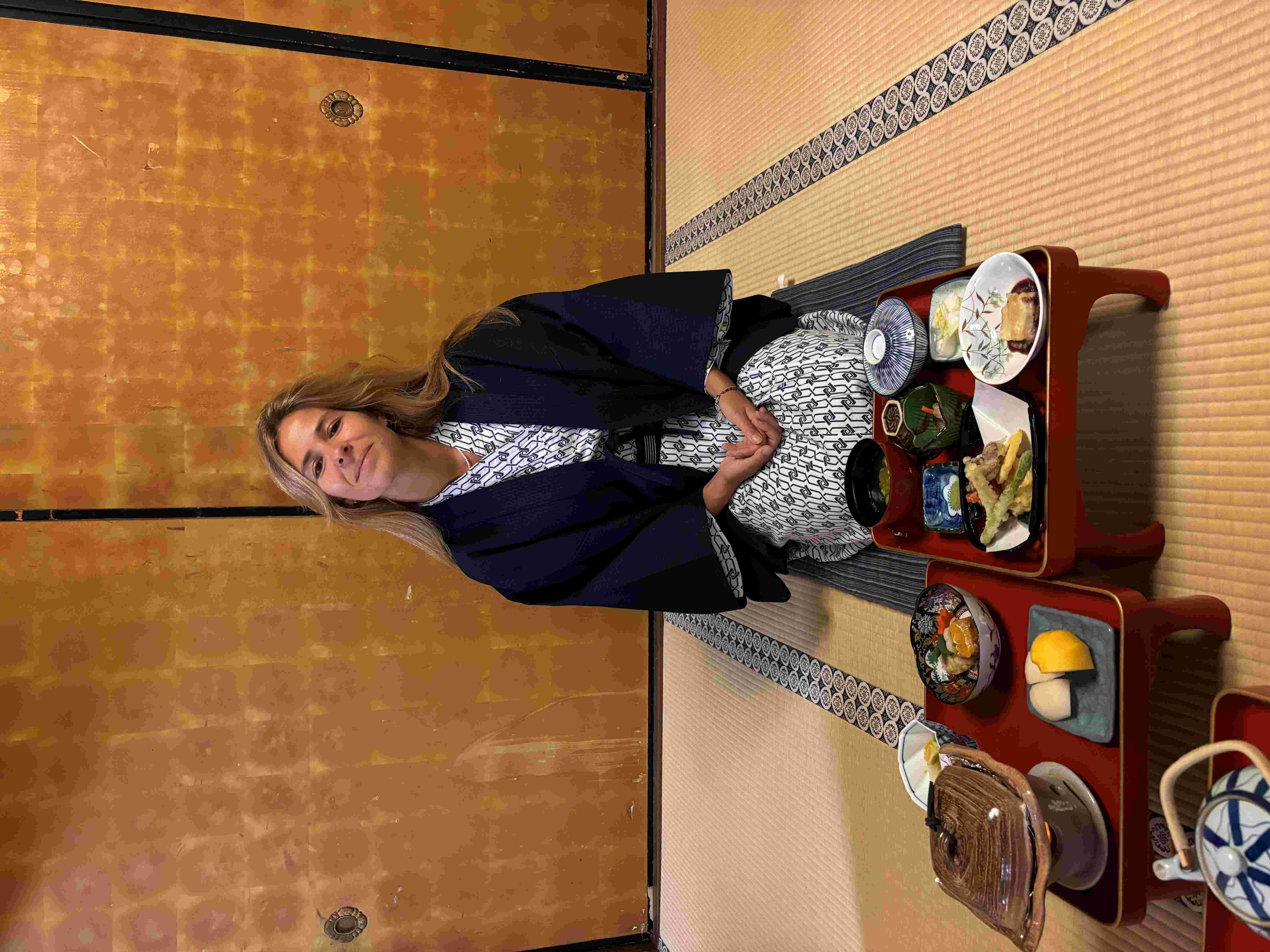
Dinner at Hojo-in was a highlight of the entire Japan trip. Shojin ryori is the Buddhist vegetarian cuisine of Japanese temples — no meat, no fish, no alliums (onion, garlic, leek), rooted in the Buddhist precept of non-harm. It sounds restrictive. The result is the opposite of bland.
Ours arrived on lacquered trays: tofu prepared in wine sauce (silky, complex, the wine adding a depth that surprised us), tempura (light batter, seasonal vegetables and mushrooms), miso-glazed vegetables, clear soups, pickles, rice. Everything served with quiet precision — each dish considered, nothing excessive. It was beautiful food made with complete attention.
If you're sceptical about vegetarian food in general, Koyasan's temple cuisine is the most likely place to change your mind. The technique applied to plant ingredients at this level of practice produces results that don't feel like compromise.
Morning Chanting Ceremony
The morning ceremony at Hojo-in happens before breakfast — typically around 6am. Guests are welcome to sit quietly at the back of the hall while the monks perform their morning prayers: rhythmic chanting, incense, the ringing of bells, candlelight on the altar. The ceremony lasts about 30–45 minutes.
We went in with no particular expectations and came out genuinely moved. There's something about the combination of the pre-dawn cold, the ancient wooden hall, the sound of monks who have done this every morning for their entire adult lives — it produces a stillness in you that's hard to manufacture in any other way. This is the reason to stay overnight rather than day-trip. You cannot experience this on a day visit.
Practical Information
| Location | Koyasan temple town — walkable to Okuno-in and Garan precinct |
|---|---|
| Room style | Traditional tatami rooms with futon bedding |
| Meals | Dinner and breakfast included — both shojin ryori |
| Morning ceremony | Optional; approximately 6am. Guests sit quietly at the back of the hall. |
| Booking | Book directly via the temple website or through Koyasan Shukubo Temple Lodging Association. Book months in advance — spots are limited and fill up for spring and autumn. |
| Check-in / out | Typically check-in 3–5pm, check-out by 10am |
| English | Basic English spoken — enough to communicate; more information available at check-in |
| Dress | Respectful, modest clothing. Robes are provided for wearing in common areas. |
Tips for Temple Stays in Koyasan
- Book as early as possible. Popular temples — including Hojo-in — fill up months ahead, especially spring (April) and autumn (October–November).
- Arrive in the afternoon. Check-in windows are typically 3–5pm. Use the morning to travel from Osaka and the afternoon to explore before dinner.
- Attend the morning ceremony. This is the reason to stay overnight. Set your alarm; it's worth the early wake-up.
- Walk Okuno-in at dusk — after dinner, before full dark, the lantern-lit cemetery paths are the best possible way to spend your evening in Koyasan. See our Okuno-in guide.
- Respect the quiet. Koyasan is an active religious community. Lower your voice in corridors, observe temple rules, and remember that the monks are not there for your entertainment.
More Koyasan Guides
FAQ
What is a shukubo temple stay?
Overnight accommodation in a working Buddhist monastery. You sleep in tatami rooms, eat shojin ryori (Buddhist vegetarian meals), and have the option to attend the morning prayer ceremony. About 50 temples in Koyasan offer this.
Is Hojo-in a good temple to stay in Koyasan?
Yes — one of the most memorable stays of our Japan trip. Beautiful gardens, kind monks, excellent shojin ryori dinner, and the morning chanting ceremony. Book as early as possible; it fills up.
Do you need to be Buddhist to stay at a temple in Koyasan?
No — the shukubo temples in Koyasan welcome guests of all backgrounds. You observe, you don't participate unless you choose to. Respect for the space and the practice is all that's required.
What do you eat at a Koyasan temple stay?
Shojin ryori — Buddhist vegetarian cuisine. No meat, no fish. At Hojo-in: tofu in wine sauce, tempura, miso-glazed vegetables, pickles, rice, miso soup. Beautifully prepared and genuinely delicious. One of the best meals we ate in Japan.
Some links in this post are affiliate links. If you book through them, we earn a small commission at no extra cost to you.