Yes — Fushimi Inari is absolutely worth visiting. But there is a version of this experience that is one of the best things we did in Japan, and a version that is a slow queue through a tourist corridor. The difference is entirely when you arrive.
What Is Fushimi Inari?
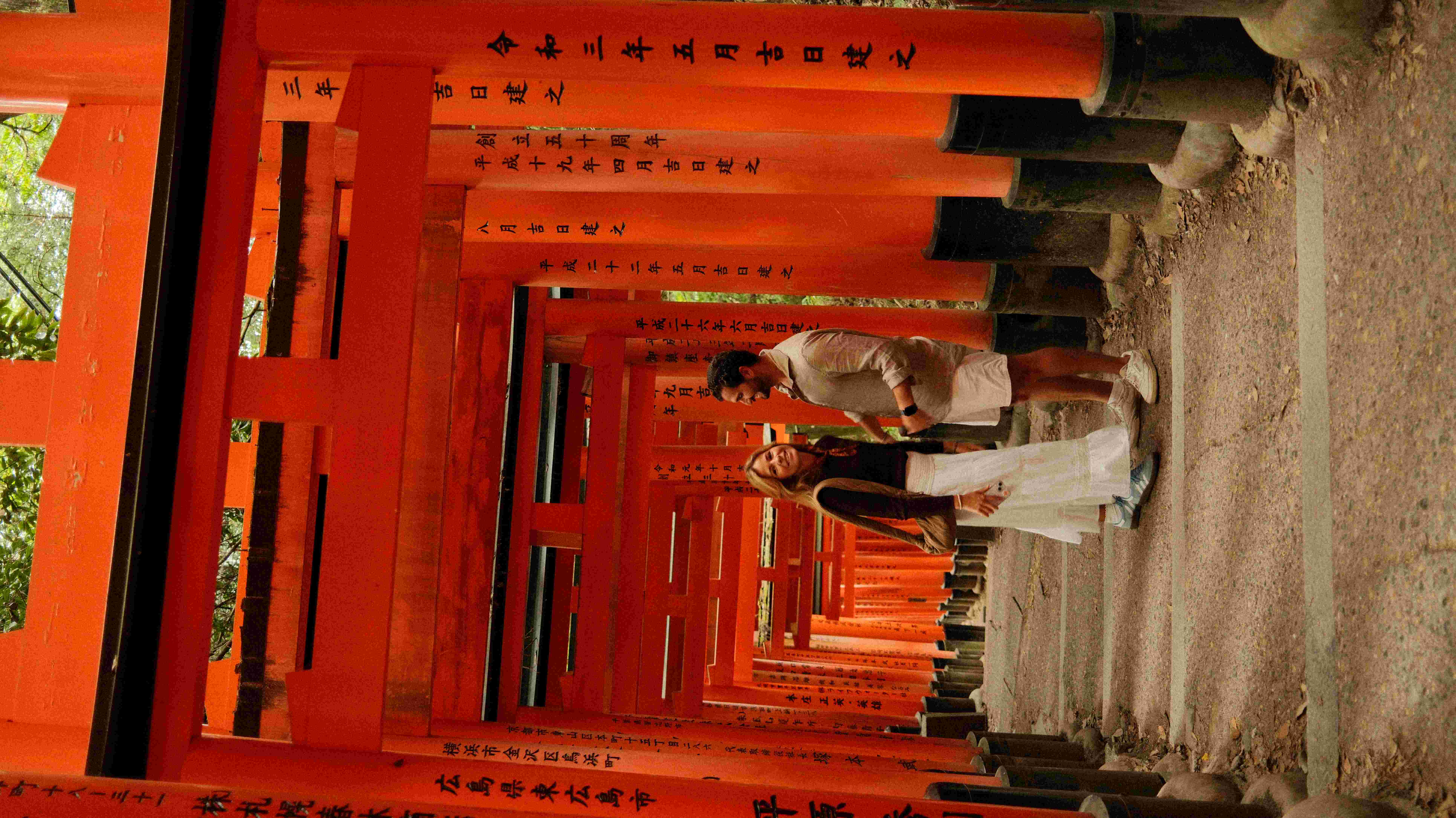
Fushimi Inari Taisha is a Shinto shrine dedicated to Inari, the deity of rice, sake, and prosperity. It sits at the base of Inari Mountain in southern Kyoto and is famous for its thousands of vermillion torii gates — donated by businesses and individuals over centuries — that wind up the mountain in dense, overlapping corridors.
The gates are one of Japan's most photographed sights. Seeing them in person is a different experience from the photographs — the scale, the colour, the way the light moves through the columns at different times of day.
The Honest Take: Before 7am vs. After 9am
We visited Fushimi Inari before sunrise and the difference from what you see in peak-hour photos is extraordinary.
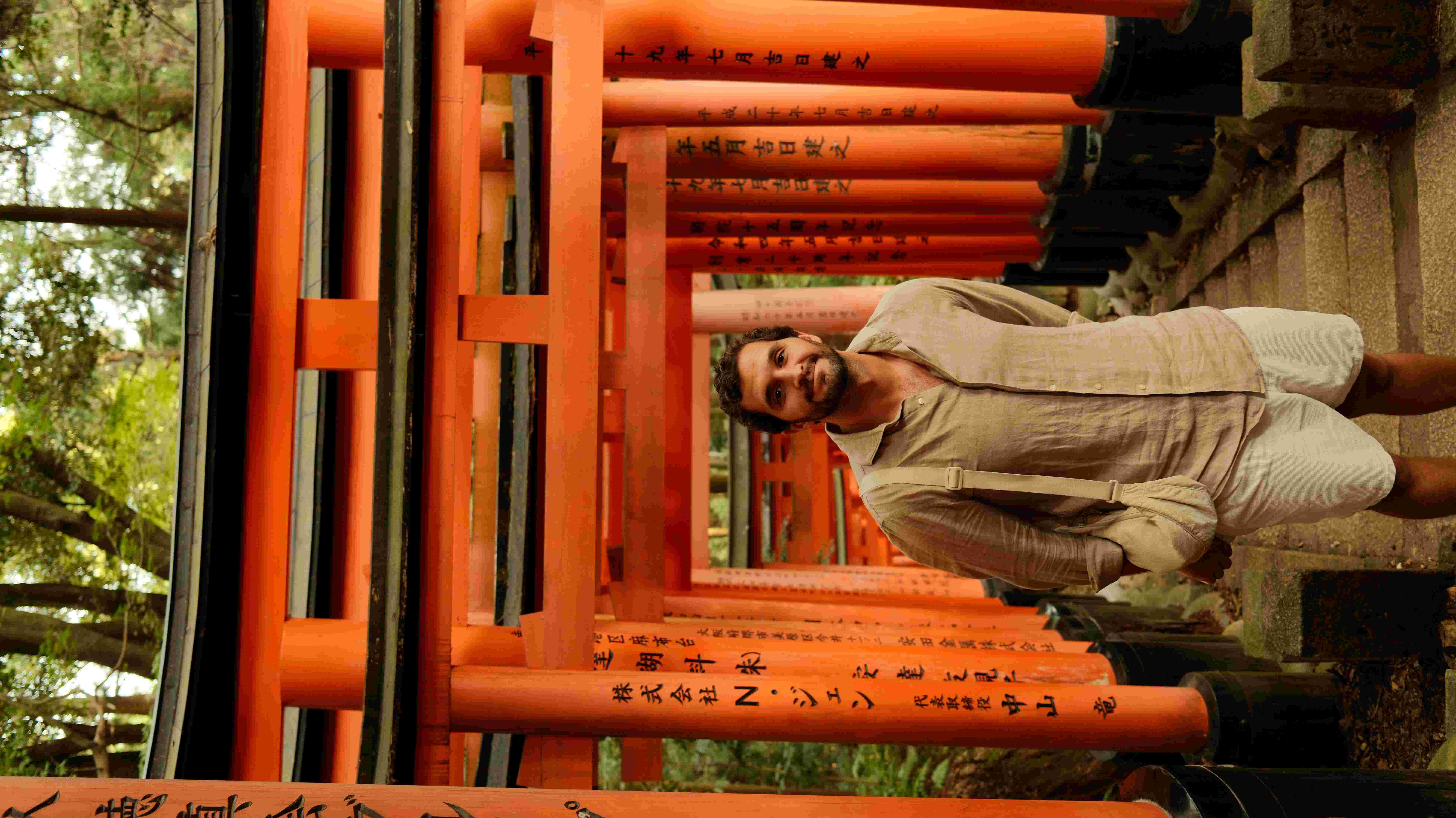
Before 7am: The lower gate corridors are nearly empty. The vermillion columns glow in the pre-dawn light. You can stand in the middle of the main torii tunnel and hear only the sound of the mountain. The atmosphere is ancient, quiet, and genuinely moving. This is one of the best experiences in Japan.
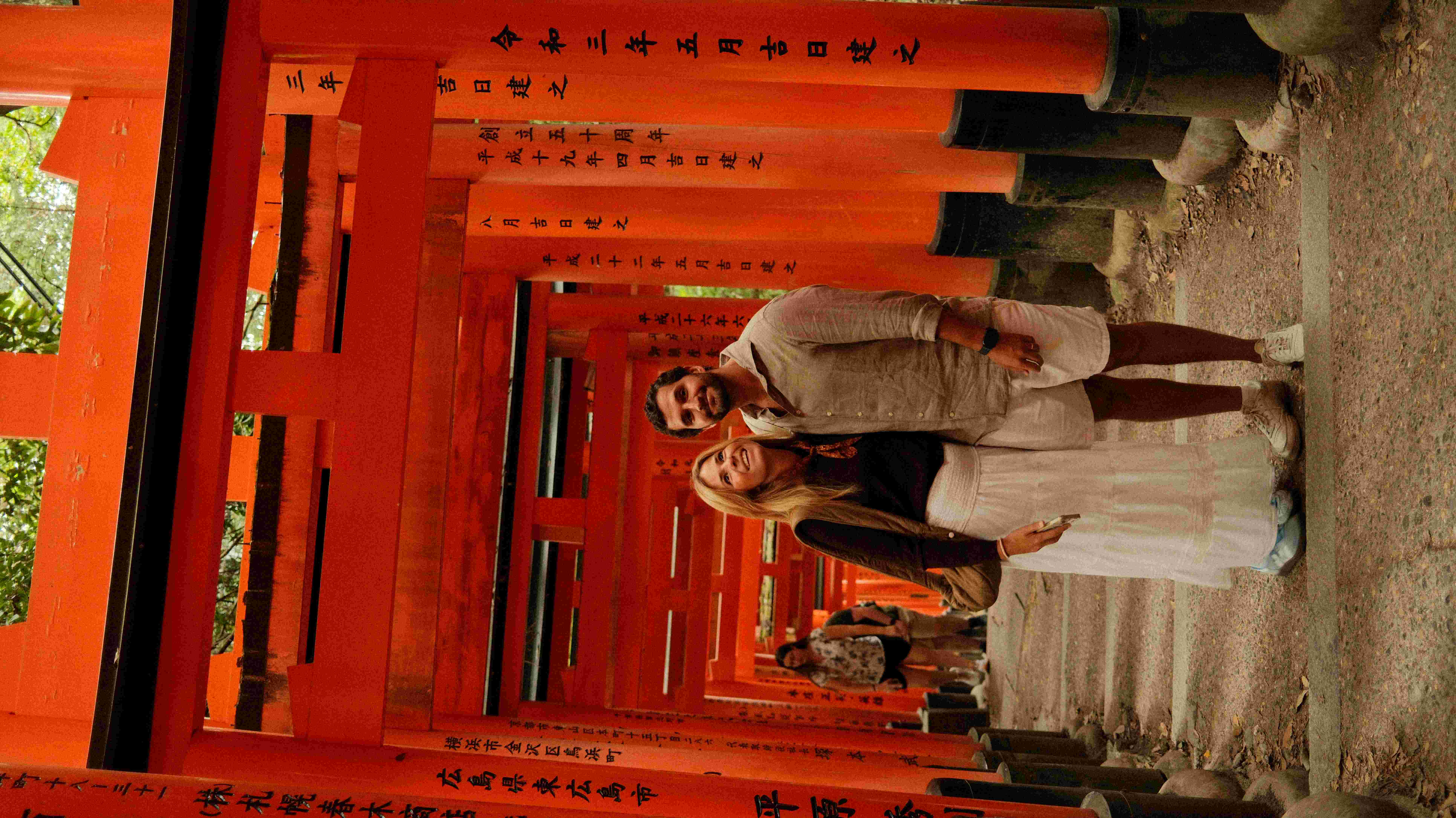
After 9am: The main corridors fill quickly. By 10am it's shoulder-to-shoulder — tour groups, photographers waiting for gaps in the crowd, the photo you've seen a hundred times proving impossible to replicate. It's still beautiful. It's just a different experience.
Our recommendation: go before sunrise, without exception. Set the alarm. It's worth it.

How to Get There
Fushimi Inari is easy to reach from central Kyoto:
- JR Nara Line from Kyoto Station to Inari Station — 5 minutes, ¥150. The shrine is a 2-minute walk from the station exit.
- Keihan Line to Fushimi Inari Station — slightly longer walk to the main gate.
Entry is free and the shrine is open 24 hours — there is genuinely no reason not to arrive before sunrise.
How Long to Spend
The lower section — 45–60 minutes
The most photogenic gates are in the first 30–45 minutes of walking. Two main gate tunnel corridors wind uphill through dense torii, opening into small shrine clearings. This is what most visitors come for. If you're on a tight schedule, you can see the essential gates and return in under an hour.
The full hike — 2–3 hours
The full route winds all the way to the Ichinomine summit at 233m. The upper mountain is quieter (fewer tourists make it this far), more forested, and dotted with smaller shrines and fox statues. It's a proper hike — comfortable shoes required — but rewarding if you have the time and energy.
Our take: For most visitors, the lower section plus the first major ridge (about 90 minutes total) is the sweet spot. You see the best gates, get above the main crowds, and leave with energy for the rest of the day.
What Else to Know
- It's free. No entry fee, open 24 hours.
- Bring water. The mountain is steeper than it looks and the stalls at the top charge tourist prices.
- Comfortable shoes are essential. Uneven stone steps throughout.
- The Fushimi Sake District is a 10-minute walk from the shrine — old sake breweries, willow trees, and stone walls along a canal. A beautiful half-hour detour after the hike.
- Pair it with Nishiki Market or central Kyoto for breakfast after you come down from the mountain.
Is Fushimi Inari Worth It?
Yes — emphatically. A sunrise visit to Fushimi Inari was one of the highlights of our entire Japan trip. The gates at dawn, with the mountain quiet around you and the light beginning to filter through the vermillion columns, is one of those experiences that stays with you.
Don't make the mistake of arriving at 10am and concluding that it's overrated. It's not overrated — it's undertimed.
More Kyoto Guides
- Is the Kyoto Bamboo Forest Worth Visiting?
- The Best Temples and Shrines in Kyoto
- The Best Things to Do in Kyoto + What to Skip
- 1 Day in Kyoto Itinerary
- 2 Days in Kyoto Itinerary
- Is Kyoto Worth Visiting? Our Honest Review
- How Many Days in Kyoto Do You Need?
- The Best Time to Visit Kyoto
- Where to Stay in Kyoto: Best Areas & Hotels
- Kyoto Food Guide: Our Top Restaurants
- The Best Cafes in Kyoto
- Tea Ceremony in Kyoto: Is It Worth It?
- Kyoto vs Osaka: Where Should You Stay?
- Is Osaka Worth Visiting?
- Koyasan from Osaka/Kyoto: Day Trip or Overnight
- Is Kanazawa Worth Visiting?
- All Japan Guides
FAQ
What time should I arrive at Fushimi Inari?
Before sunrise — ideally by 5:30–6am. The difference between the pre-dawn experience and the mid-morning experience is significant. The shrine is open 24 hours and free to enter.
How long does Fushimi Inari take?
The lower section (most photogenic gates) takes 45–60 minutes. The full mountain hike is 2–3 hours. For most visitors, 60–90 minutes covers everything essential.
Is Fushimi Inari free?
Yes — completely free, open 24 hours.
Do I need to hike the full mountain?
No. The most impressive torii gate corridors are in the lower section of the hike. The full summit hike is worth it if you enjoy hiking and have the time, but the essential experience is in the first 45 minutes.
Is Fushimi Inari worth it if I only have one day in Kyoto?
Yes — make it your first stop of the day, before sunrise, and you'll still have most of the day left for the rest of the city. See our 1-day Kyoto itinerary for how to pair it.
Some links in this post are affiliate links. If you book through them, we earn a small commission at no extra cost to you.