The hardest thing about visiting Tokyo isn't finding things to do — it's choosing what not to do.
Every neighbourhood has something worth your time. Every morning has three things competing for it. And Tokyo is big enough that trying to see everything in one trip is how you end up exhausted and somehow disappointed by the most extraordinary city you've ever visited.
So here's what we actually did, what we'd prioritise, and — just as importantly — what we'd skip.
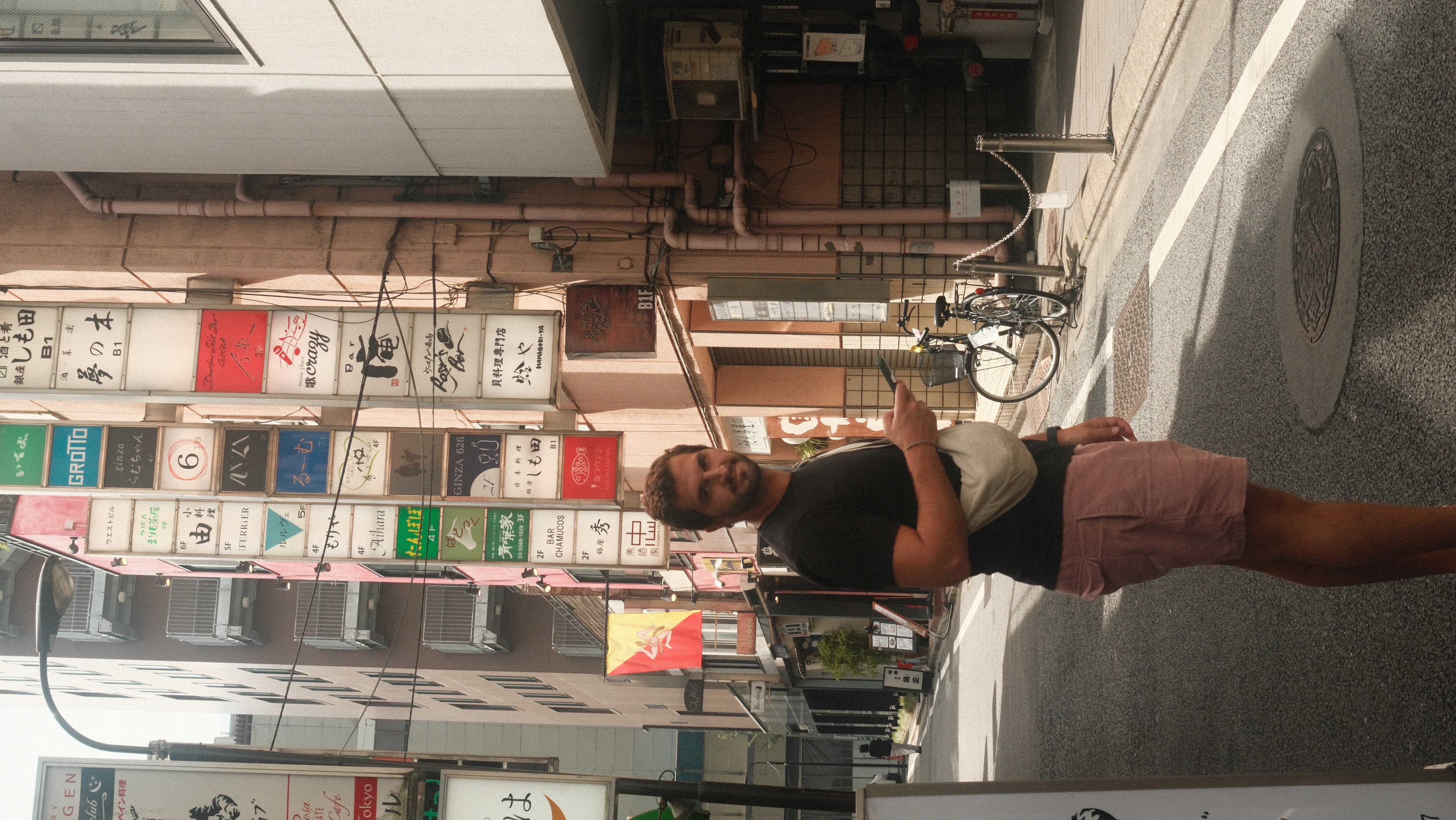
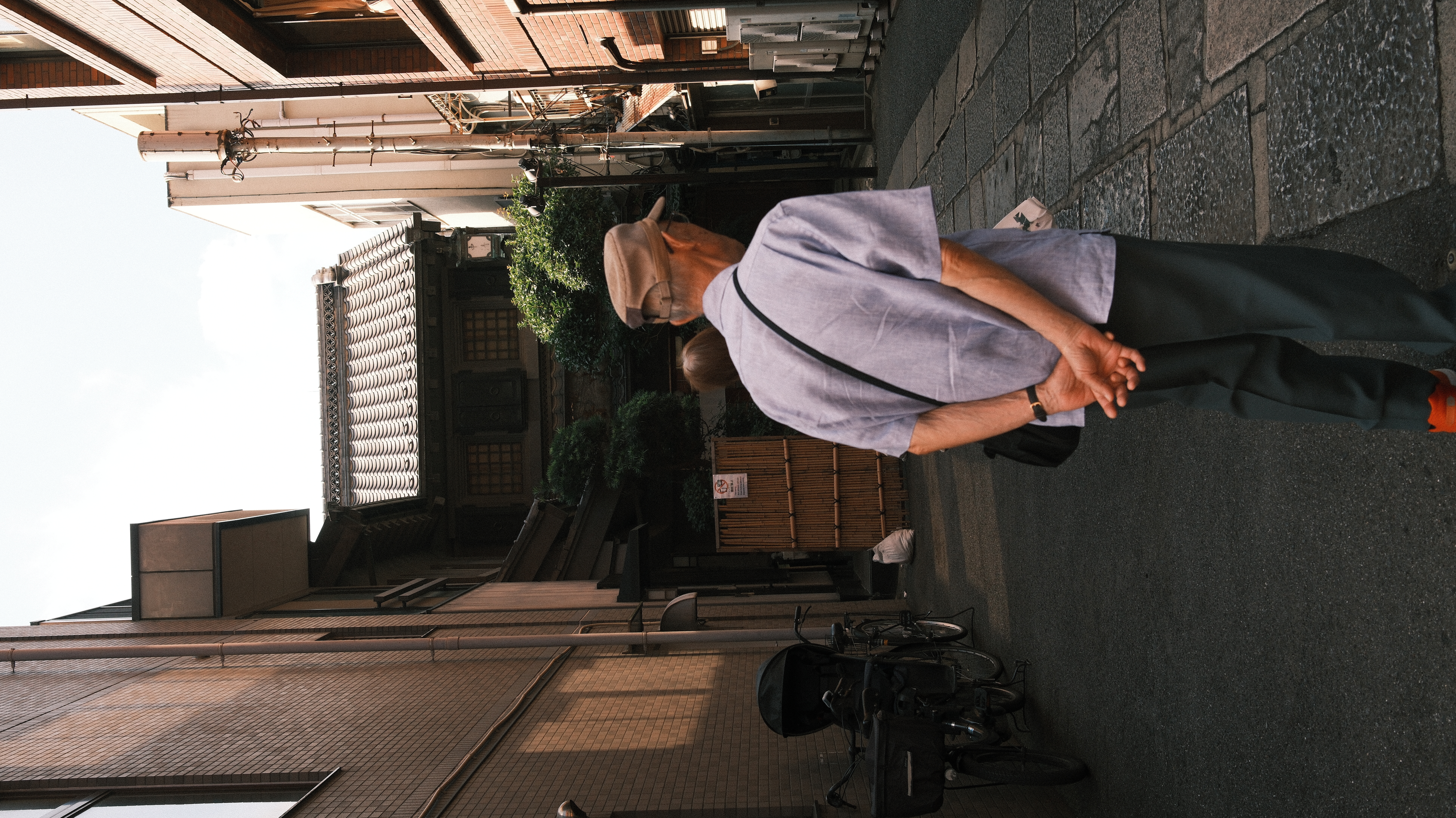
The best Tokyo moments happen between the things on the list.
| Don't miss | Sensō-ji at dawn, Golden Gai, Shibuya Crossing at night, Tsukiji Market morning |
|---|---|
| Worth it if you're interested | TeamLab Borderless, day trip to Kamakura or Hakone |
| We'd skip | Tokyo Tower, Odaiba, most of Akihabara unless you're into it |
| How many days you need | See our How Many Days in Tokyo guide |
| Where to stay | See our Where to Stay in Tokyo guide |
The Best Things to Do in Tokyo
1. Sensō-ji Temple at Sunrise — Asakusa
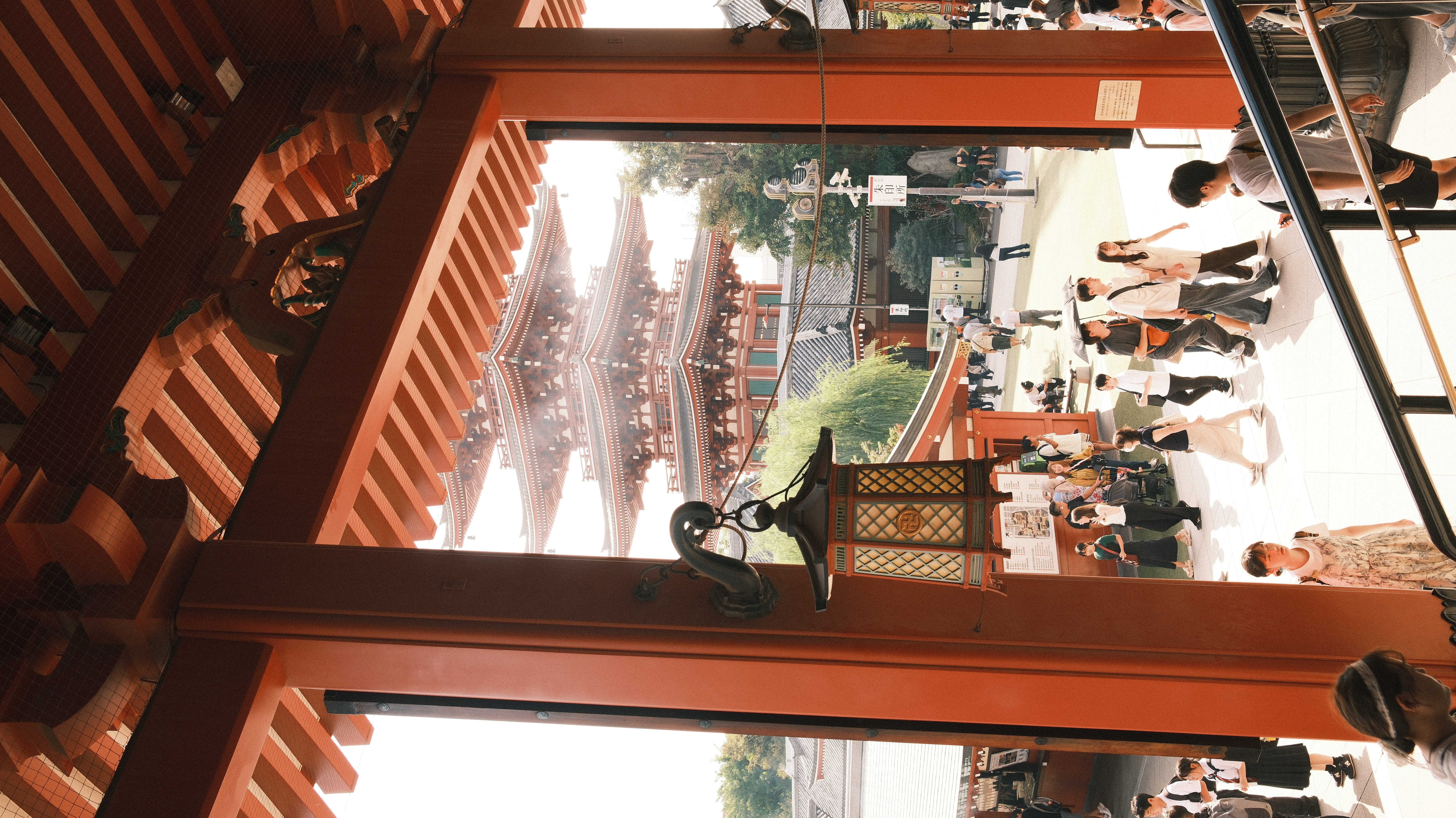
Sensō-ji at 6am. This is why you set the alarm.
Sensō-ji is Tokyo's most visited temple — which means that for most of the day, it's crowded to the point of being hard to enjoy. The solution is simple: go at sunrise.
The temple opens at 6am. Get there before 7am and you'll share it with a handful of early risers, the scent of incense, and morning light coming through the famous Kaminarimon gate. It's one of the most genuinely moving experiences we had in Tokyo. By 9am, the tourist coaches arrive. The difference is total.
The practical bit: Take the Ginza or Asakusa metro line to Asakusa Station. The temple is a 5-minute walk. Nakamise Street (the shopping street leading to the temple) doesn't open until later — come back for street food and souvenirs after breakfast.
The whole area is part of Tokyo's most historic district — see our Asakusa neighbourhood guide for everything else worth doing while you're there. For the temple itself, read our full Sensō-ji guide — timing, what to see, and what most visitors miss.
2. Golden Gai — Shinjuku
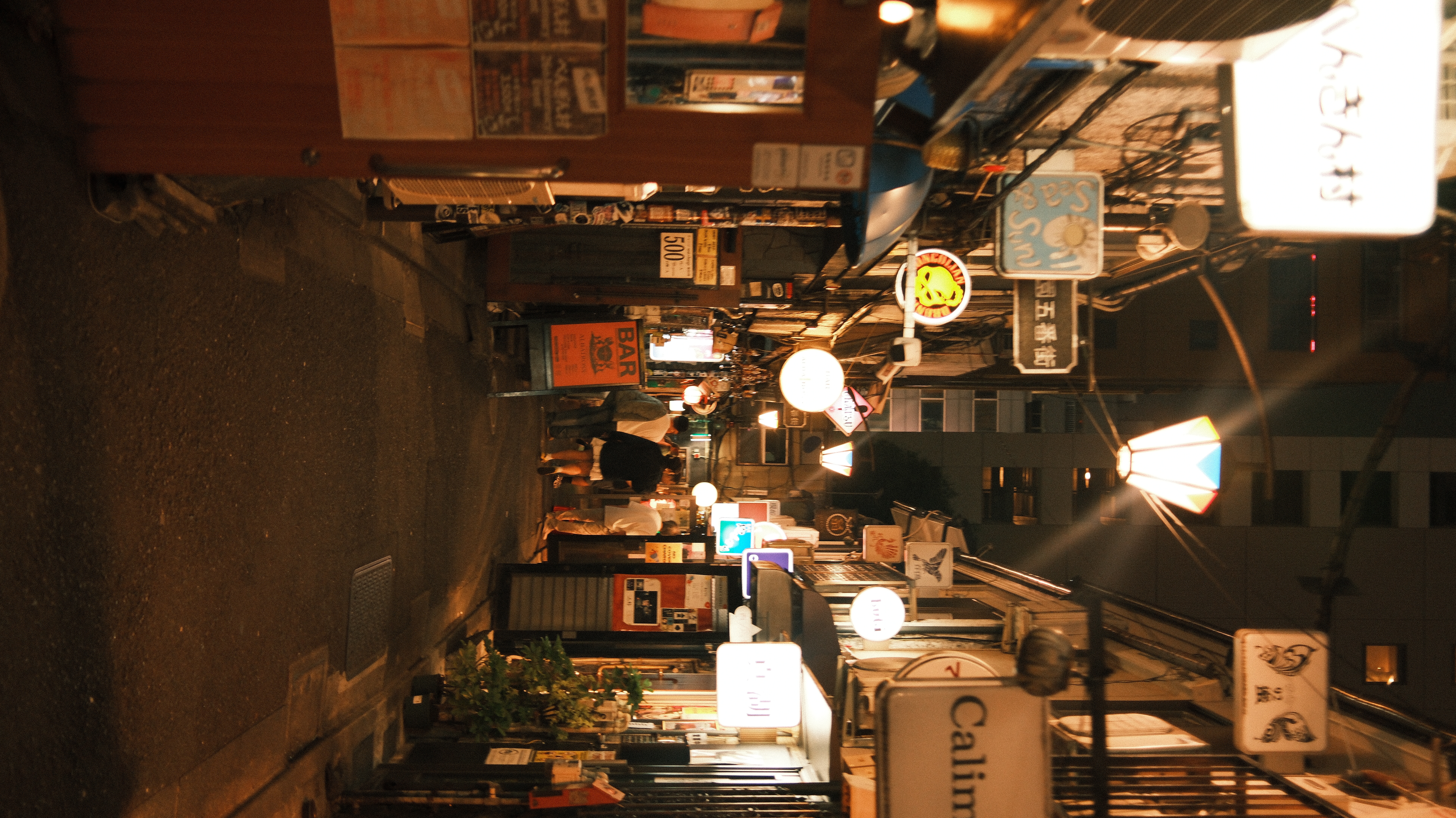
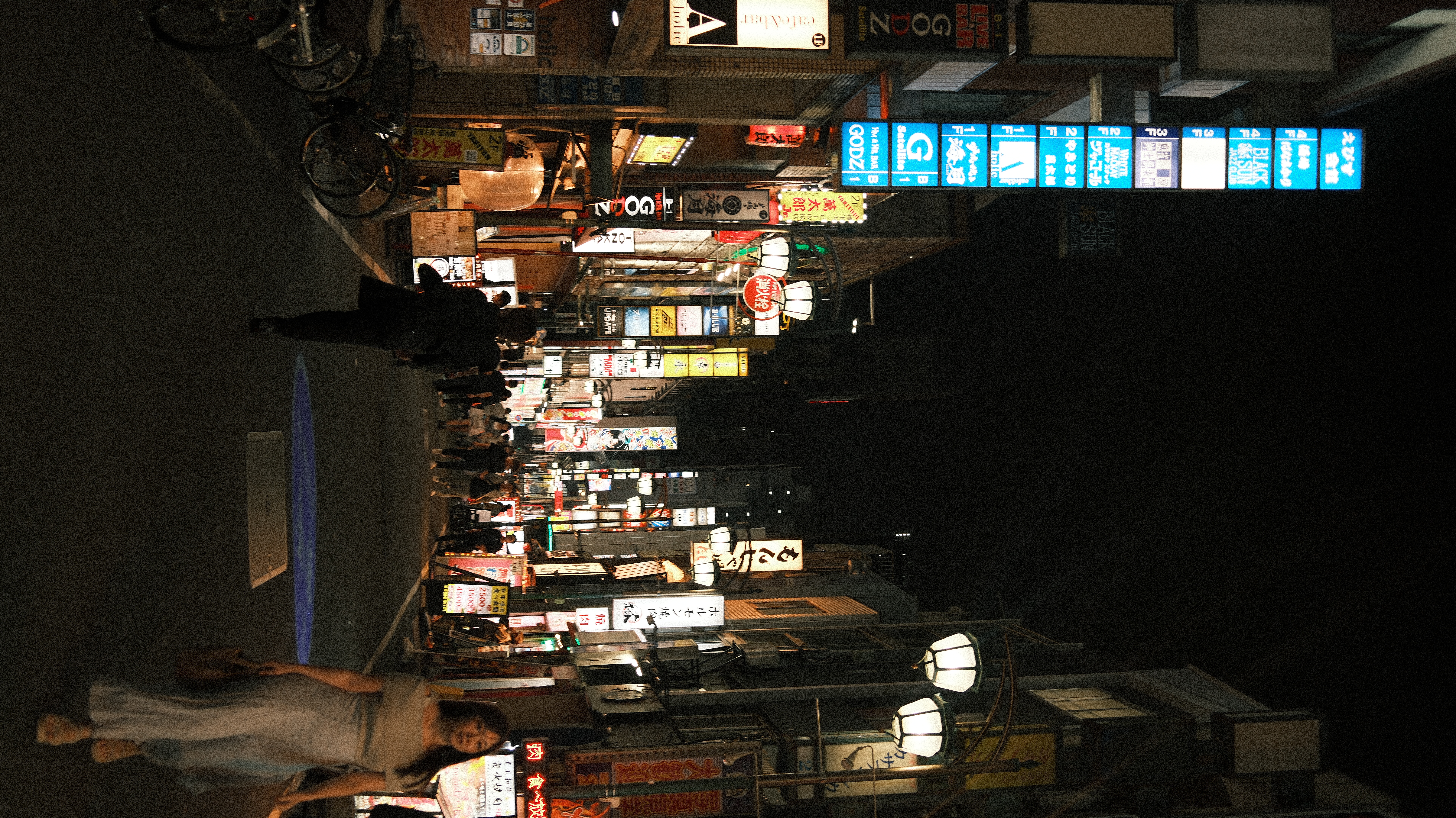
Every door in Golden Gai opens into a different world.
Golden Gai is six narrow alleyways in Shinjuku lined with around 200 tiny bars. Each bar seats between 6 and 12 people. Many have themes — jazz, horror films, Japanese literature, punk rock. Some have been run by the same owner for 40 years. The whole area feels like a secret that somehow hasn't been destroyed by tourism.
How to do it: Walk the alleys first, read the handwritten signs outside each bar, pick one that feels right and go in. There's usually a cover charge (€3–5). Drinks run €5–8. Don't rush it. This is one of those experiences that only works at its own pace.
When to go: Tuesday to Thursday evenings are ideal. Weekends are busier but still good. Avoid going too early — most bars don't get going until 9pm.
3. Shibuya Crossing at Night
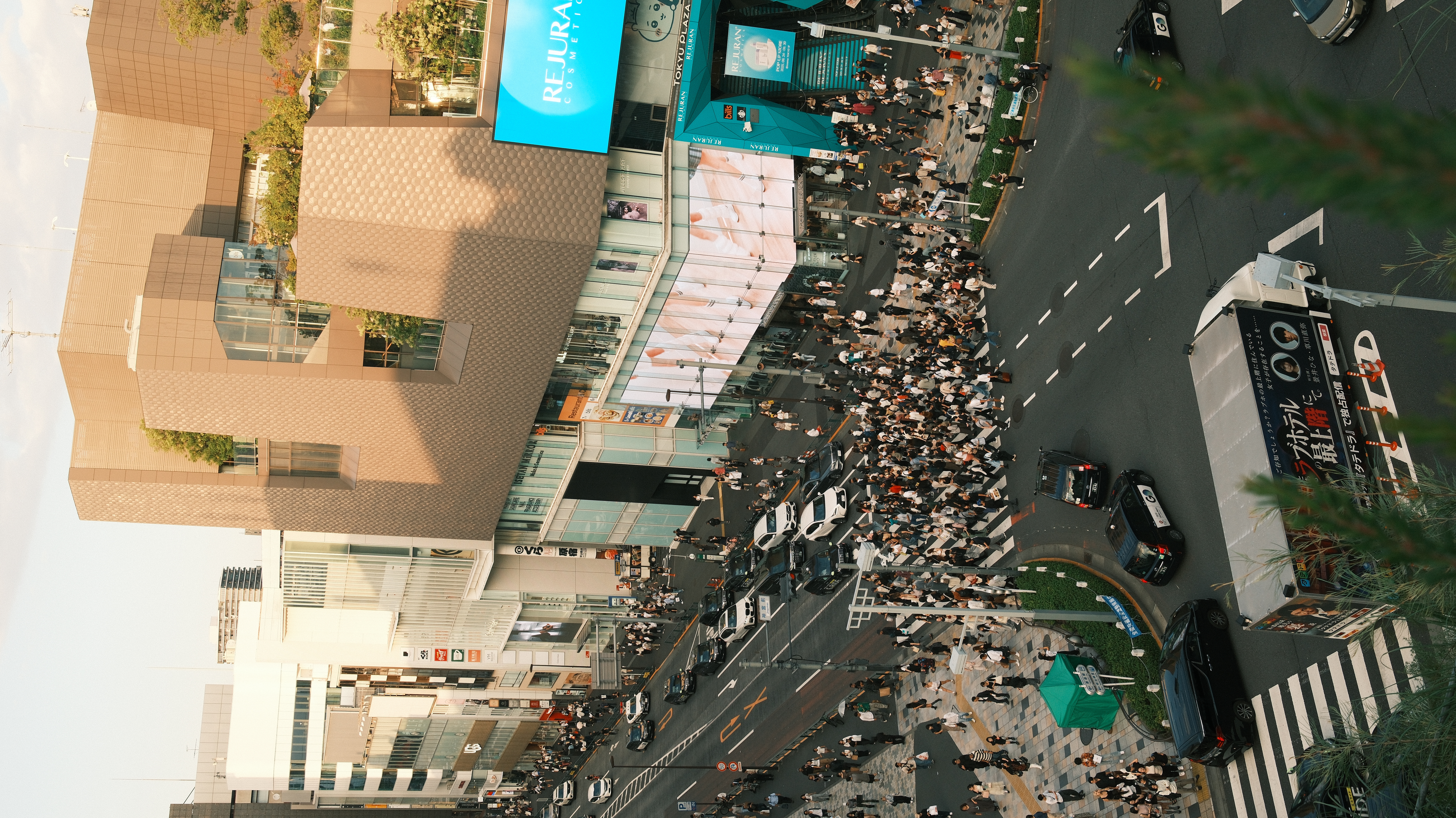
Yes, it's a crossing. Yes, it's famous. Yes, it genuinely exceeds expectations in person — especially at night.
The Shibuya Scramble Crossing is one of the busiest pedestrian intersections in the world. When the lights change, hundreds of people cross in every direction simultaneously, lit by the surrounding neon, advertisement screens and department stores. The scale of it is hard to understand until you're standing in the middle of it.
Two ways to experience it:
- On the ground — cross it, feel the energy, let the city move around you
- From above — the Starbucks on the second floor of the Mag's Park building directly overlooks the crossing. Get a coffee and watch it from up there. Different experience entirely.
When: At night, when the screens are lit and the crowd is at its fullest. Friday or Saturday evenings are the best.
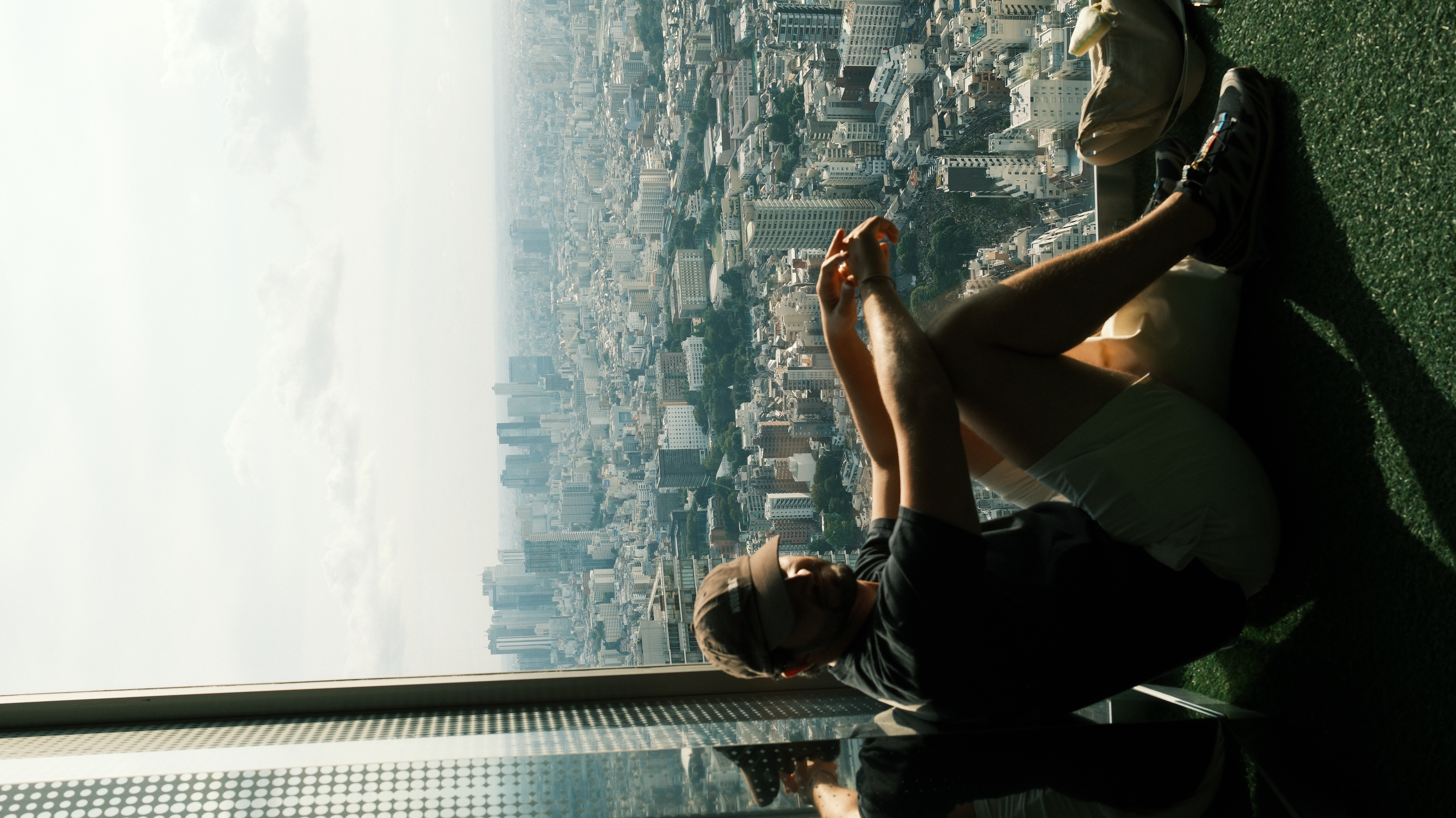
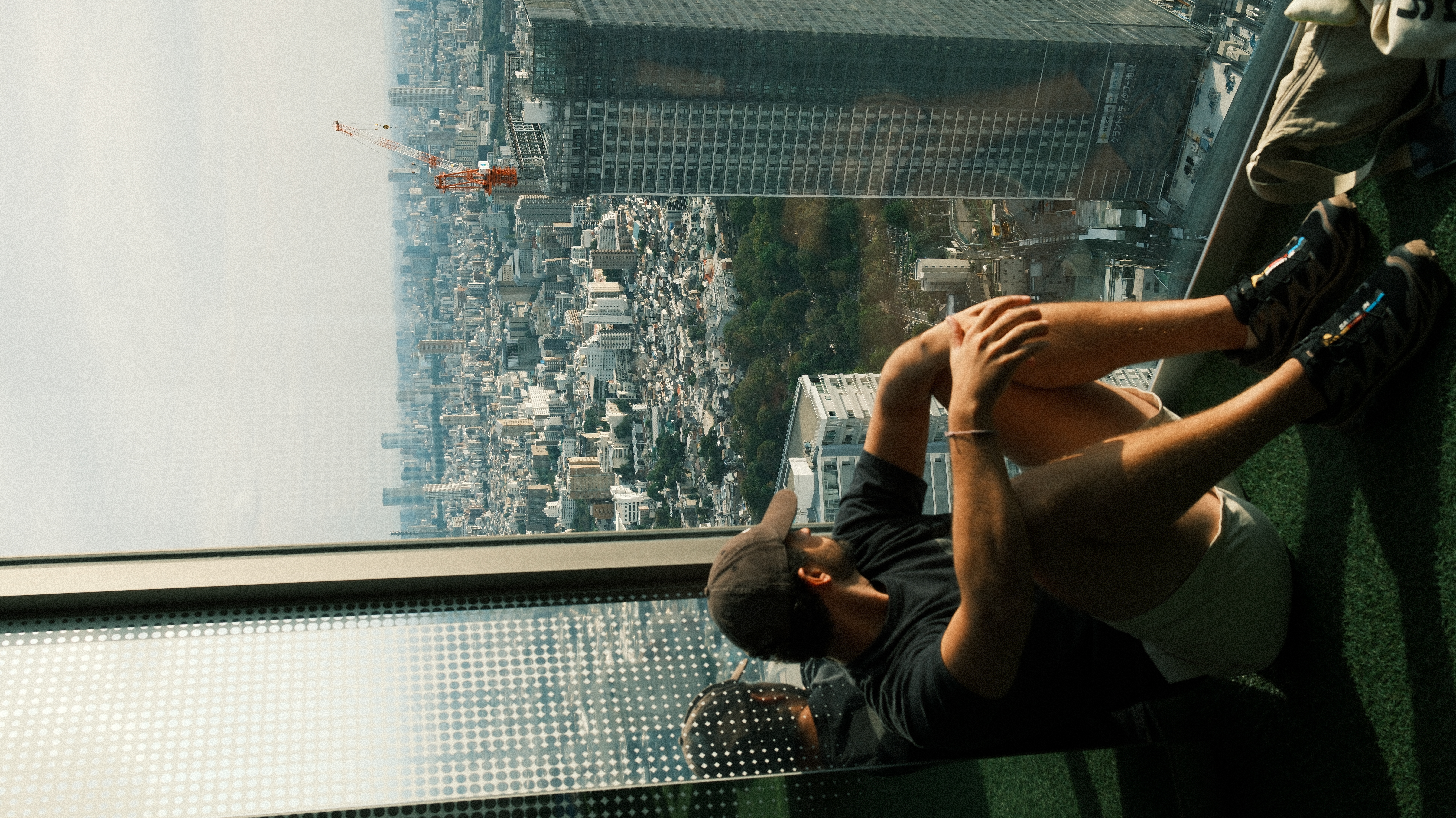
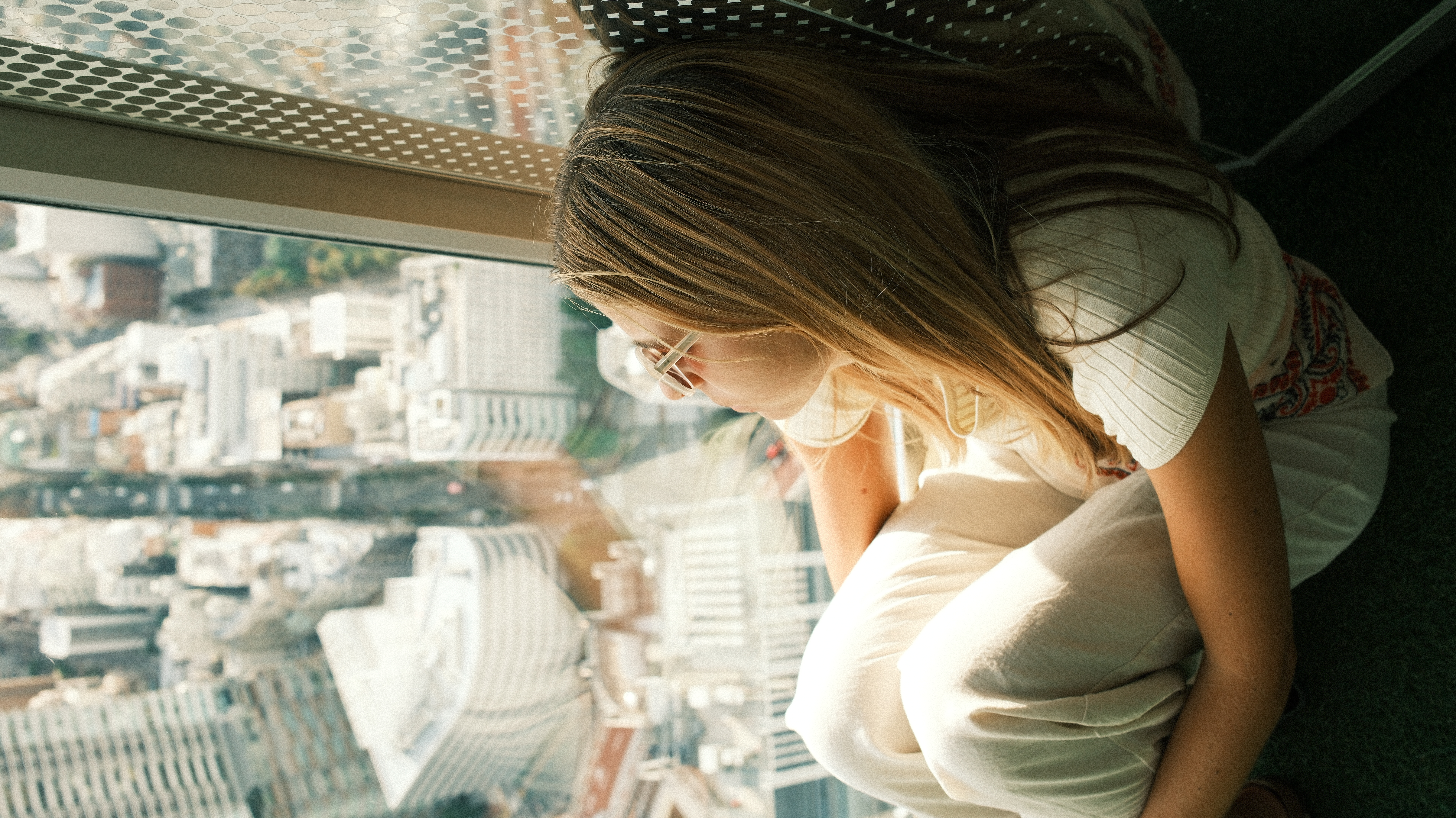
Shibuya Sky observation deck. The view from 229 metres makes it immediately clear why this city is unlike anywhere else.
4. Tsukiji Outer Market — Morning
Tsukiji is Tokyo's famous market and one of the best food experiences in Japan. The inner fish wholesale market moved to Toyosu in 2018, but the outer market — the part that matters for visitors — is still very much alive.
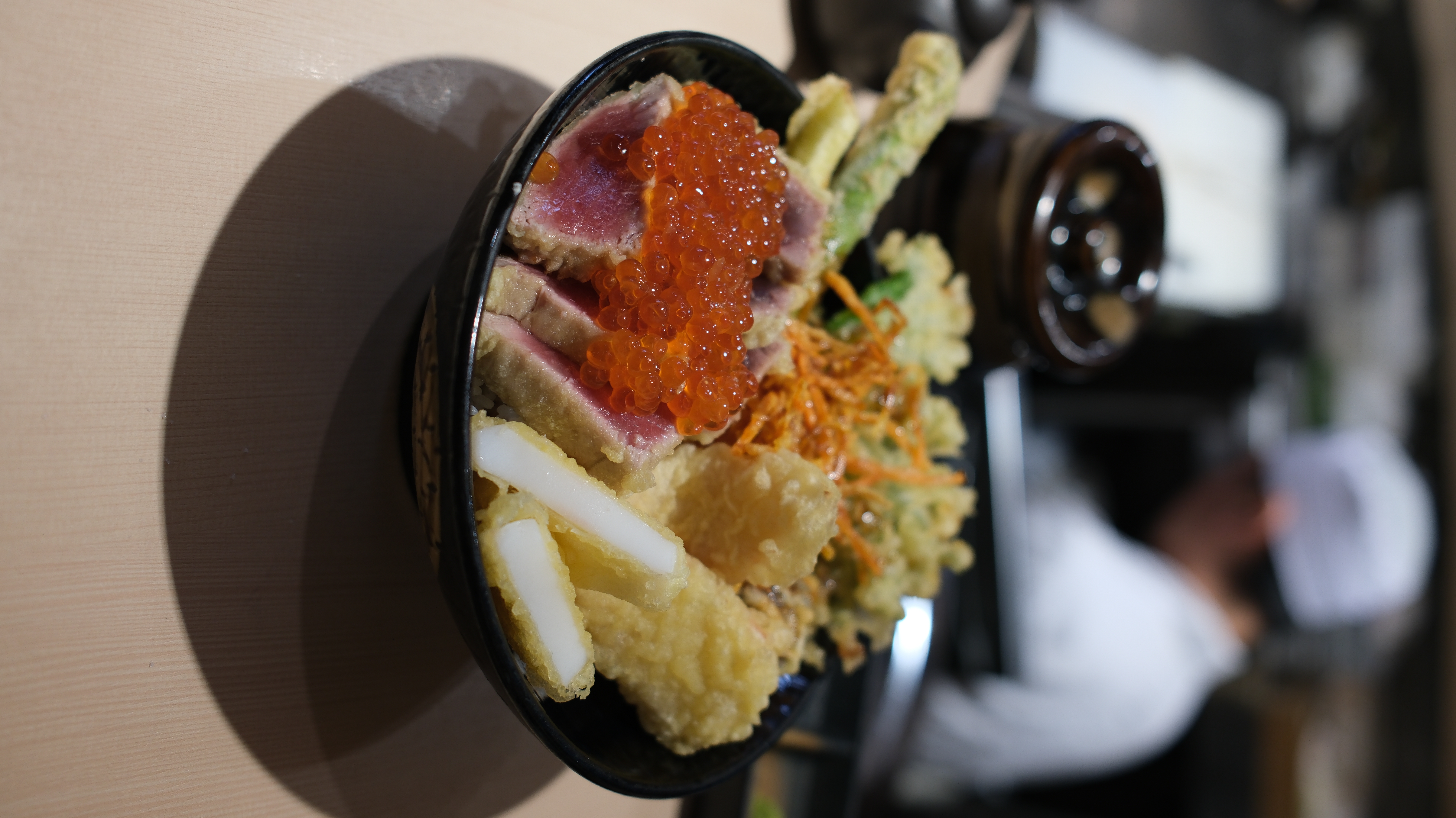
What to do: Arrive before 9am. Walk the stalls. Eat everything — toro nigiri made in front of you, wagyu beef skewers, fresh oysters, tamagoyaki, uni bowls. Budget €20 and you'll leave full and satisfied.
The practical bit: Most stalls are cash only. Bring yen. It gets very crowded from 10am onwards. Pairs perfectly with a morning walk through Ginza.
For the rest of Tokyo's unmissable food experiences beyond the market, see our guide to the best restaurants in Tokyo. And for everything about the market itself, our full Tsukiji Market guide covers exactly what to eat, when to go, and how to get there.
5. TeamLab Borderless — Digital Art Museum

TeamLab Borderless. Photos don't do it justice — you need to be inside it.
TeamLab Borderless is an immersive digital art museum where the installations have no borders between rooms — the art flows from space to space, responding to people and movement. It's genuinely unlike any art experience we'd had before.
Is it worth it? Yes, if you're at all interested in art, technology, or experiences you haven't had before. It's not a museum where you walk around and look at things. It's a space you move through and become part of.
Book in advance. TeamLab Borderless sells out consistently — sometimes weeks ahead. Book online before you arrive in Tokyo. Don't leave this to chance.
When to go: Weekday mornings are less crowded. The experience is better with fewer people. Budget 2–3 hours.
Read our full TeamLab Borderless review for our honest take and everything practical you need to know.
6. Shinjuku Gyoen — The Park
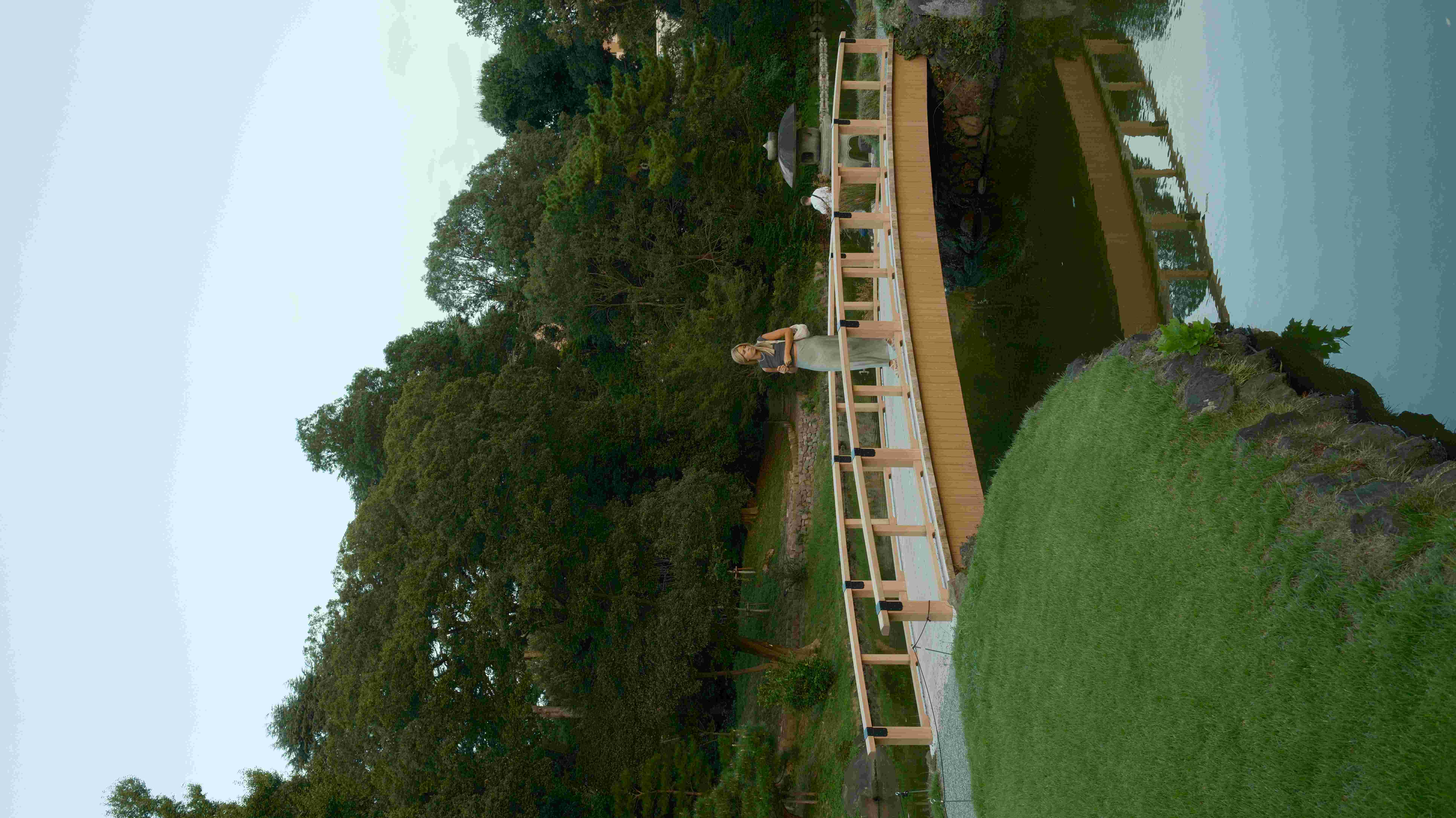
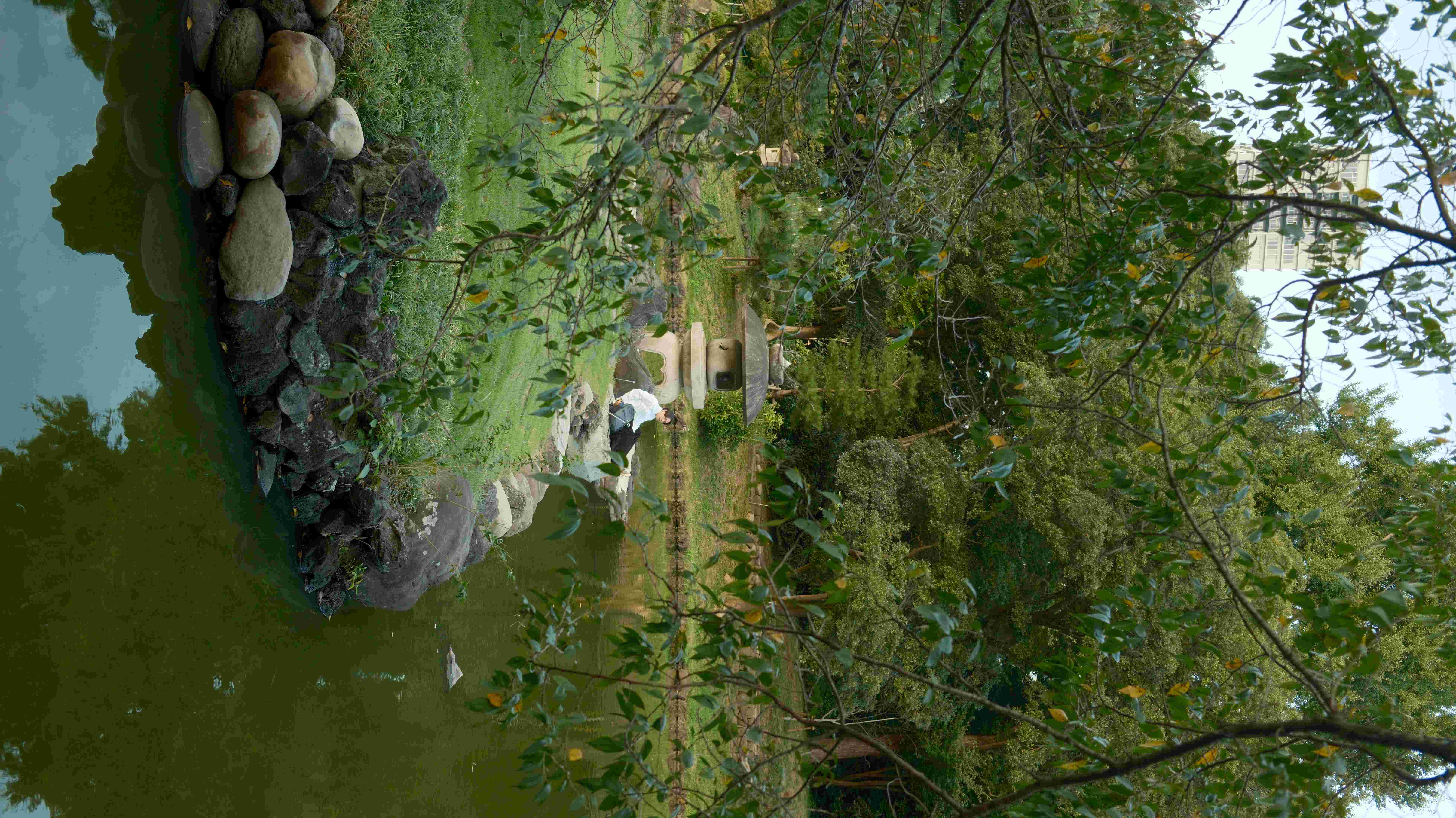
58 hectares of formal gardens, minutes from Kabukicho's neon.
Shinjuku Gyoen is one of the best parks in Tokyo — 58 hectares of formal Japanese, French and English gardens in the middle of Shinjuku. It's a complete contrast to the neighbourhood around it, which is part of what makes it so good.
When to go: It's beautiful year-round, but peak times are cherry blossom season (late March to early April) when the park is spectacular, and autumn (October–November) for the foliage. A weekday morning is always calmer than weekends.
The practical bit: Entry is around €2. No alcohol allowed inside (strictly enforced during blossom season). Bring food from a nearby convenience store and make a morning of it.
Planning your Tokyo days?
7. Meiji Shrine — Harajuku
Meiji Shrine is a Shinto shrine in the middle of a forested area just off Harajuku. The approach — a long gravel path through tall trees — is peaceful in a way that feels completely separate from the city around it. That contrast is the whole point.
When to go: Early morning or late afternoon. The light through the trees is best then, and the crowds thinnest. Avoid visiting during national holidays when it can become very busy.
How long to spend: 45 minutes to an hour is enough. Combine it with a morning walk through Harajuku's quieter streets and a coffee on Cat Street.
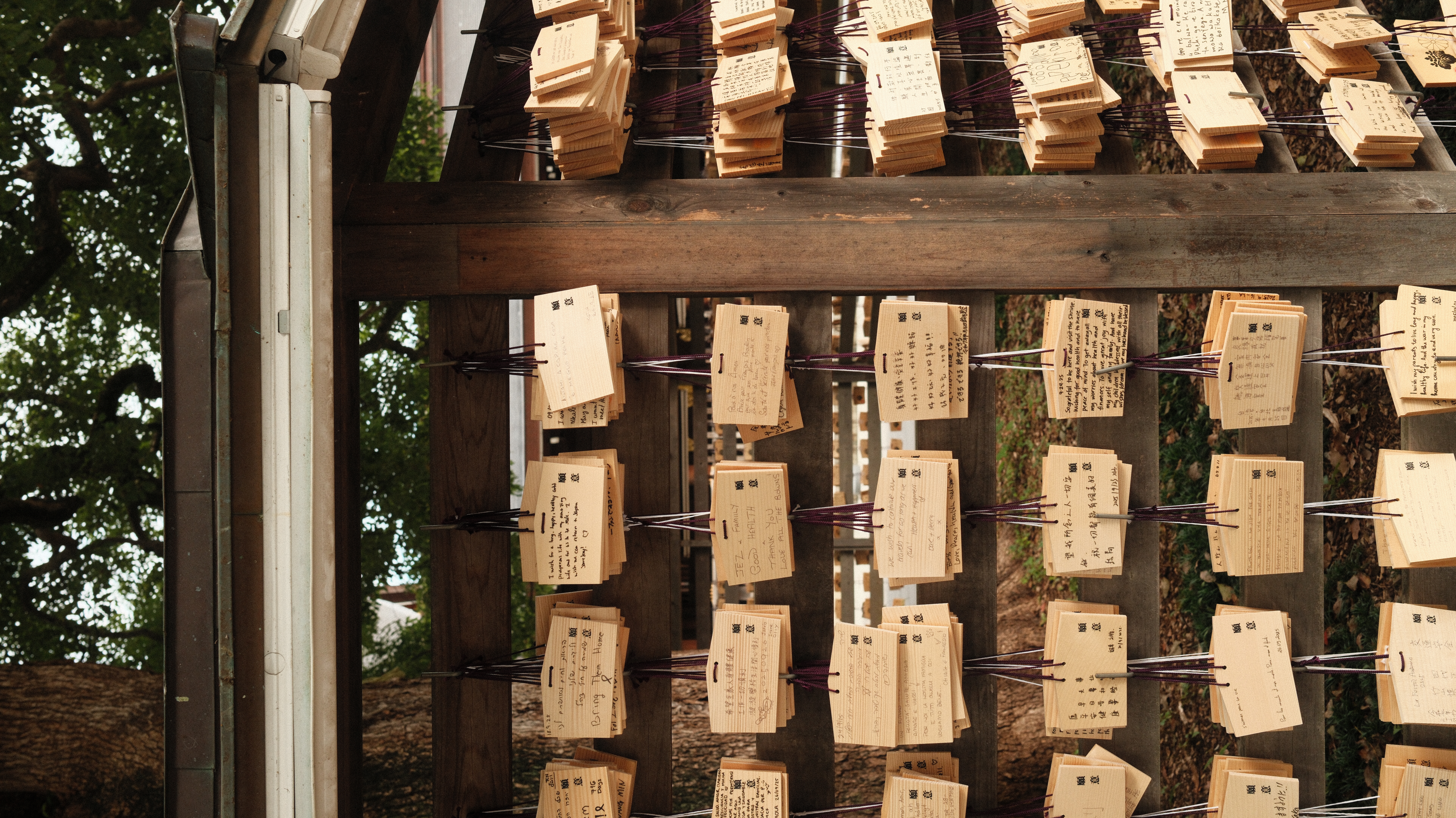
Ema prayer plaques at Meiji Shrine. Visitors write their wishes and hang them here.
8. Wander a Neighbourhood with No Plan
The Tokyo that doesn't make the guidebooks is often the best Tokyo.
The most memorable things we did in Tokyo weren't on any list. They happened because we walked in a direction without a plan and found something.
A few neighbourhoods that reward wandering:
- Yanaka — Tokyo's best-preserved old shitamachi neighbourhood. Low buildings, old shops, a cemetery with cats, a high street that feels like it's from 50 years ago. Genuinely lovely.
- Shimokitazawa — vintage clothing, live music venues, small theatres, coffee shops, izakayas. A completely different Tokyo from Shinjuku or Shibuya.
- Nakameguro — especially in cherry blossom season, when the canal banks become one of the most beautiful spots in the city. Good coffee and restaurants year-round.
- Koenji — alternative, indie, lots of vintage and record shops. Tokyo's answer to a creative neighbourhood.
9. A Day Trip to Kamakura or Hakone
Both are worth at least a day from Tokyo if you have the time.
Kamakura (1 hour from Shinjuku) — seaside town with the giant Kotoku-in Buddha, hiking trails through forested hills connecting ancient temples, and some of the best seafood and matcha desserts we had in Japan. A genuinely great day.
Hakone (1.5 hours from Shinjuku) — mountain resort area with views of Mt. Fuji (weather permitting), hot spring onsen baths, the Hakone Open Air Museum, and the famous mountain railway. If you want to see Fuji and experience a proper onsen, Hakone is the best day trip option from Tokyo.
We'd recommend Kamakura for culture and food, Hakone for nature and onsen. If you have a week in Tokyo, try to do both. Our full guide to day trips from Tokyo covers transport, costs, and exactly what to do in each place.
What We'd Skip
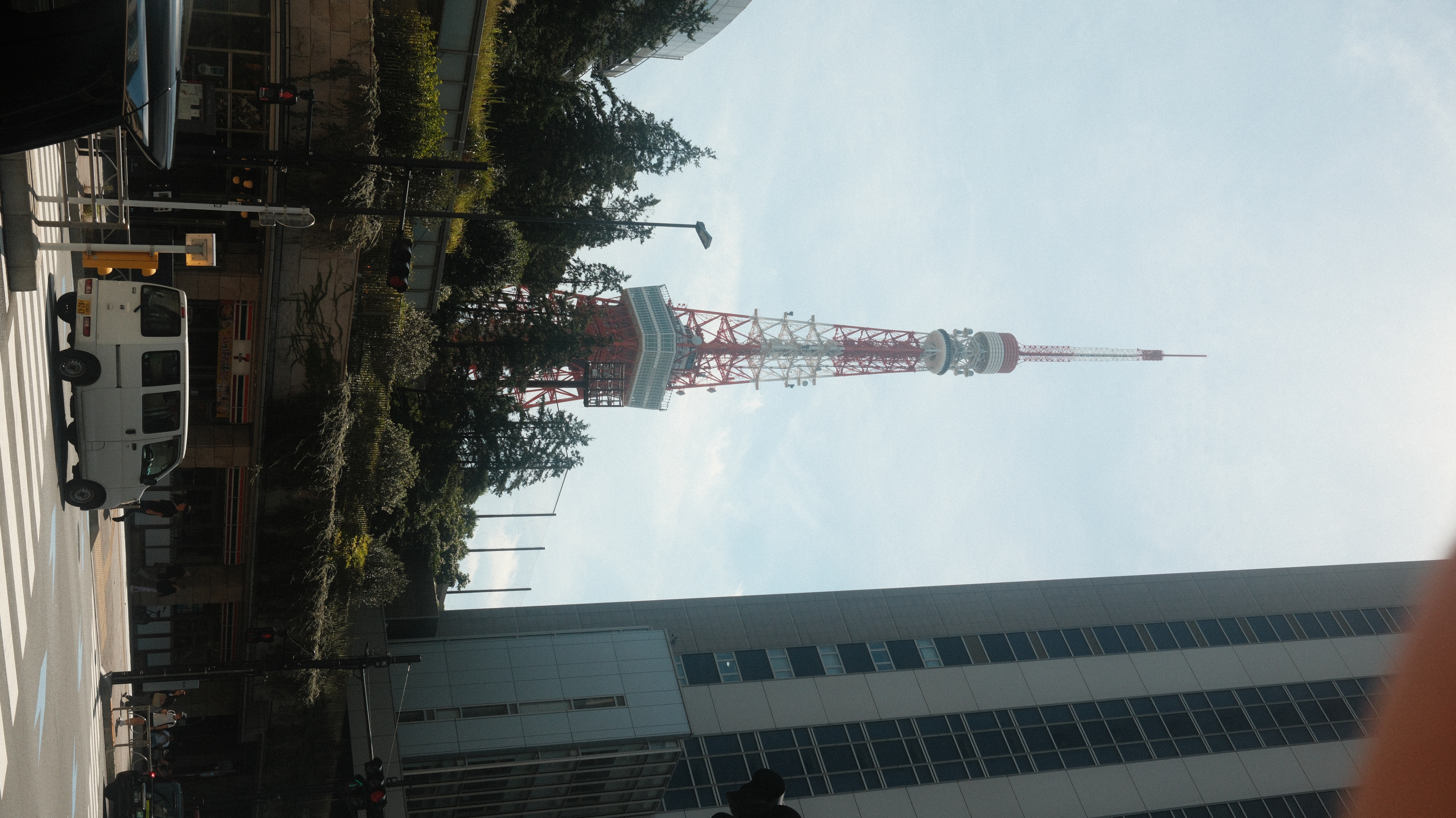
Tokyo Tower — it's iconic from the outside but the observation deck experience doesn't match the view. Tokyo Skytree (in Asakusa) is taller, more modern, and the views are better. If you're doing one observation deck, make it Skytree.
Odaiba — the artificial island across the bay. Fun if you're into the giant Gundam statue or the teamLab Planets (different from Borderless). But the journey is long and the overall experience feels thin compared to what you can do in central Tokyo.
The Robot Restaurant in Shinjuku — a famous tourist show that's loud, expensive (€60–80+), and very much designed for tourists rather than for any authentic Tokyo experience. Skip it.
Akihabara (unless it's specifically your thing) — Tokyo's electronics and anime district is fascinating for about 30 minutes if you're not deeply into gaming or anime culture. The crowds and sensory overload aren't worth it without that interest. If you are into it, go — it's extraordinary for what it is.
Rushing between sights on a bus tour — Tokyo is a city for walking, wandering, and going slowly. A full-day bus tour ticking off the "main sights" is exactly the wrong way to experience it.
FAQ
What is the number one thing to do in Tokyo?
If we had to pick one: Sensō-ji Temple at sunrise. Go before 7am. The experience of that space without the crowds is something you won't forget. Everything else Tokyo offers is extraordinary too — but that's where we'd start.
Is TeamLab Borderless worth it in Tokyo?
Yes — but read our full TeamLab Borderless review before booking so you know what to expect. It's not a traditional art museum. Some people find it transformative, some find it overwhelming. Book in advance regardless.
How many days do you need in Tokyo to see everything?
You can't see everything — Tokyo is too big. Five days covers the highlights without rushing. Seven days gives you space to actually enjoy it. Read our How Many Days in Tokyo guide for a full breakdown by travel style.
Is Kyoto or Tokyo better for sightseeing?
They're completely different. Tokyo is vast, modern, overwhelming, electric — a city of contrasts and neighbourhoods. Kyoto is quieter, more traditional, the best place in Japan for temples and geisha districts. Most people visit both. If you're planning a Japan trip combining the two, our Japan destination guide covers how to structure it.
What should I do in Tokyo at night?
Golden Gai in Shinjuku is the best evening experience in Tokyo. Shibuya Crossing at night is essential. Kabukicho for the spectacle. Nakameguro for a quieter drink by the canal. Tokyo at night is a completely different city from Tokyo in the day — plan at least one late evening.
Are day trips from Tokyo worth it?
Yes, if you have 6+ days in Tokyo. Kamakura (1 hour) and Hakone (1.5 hours) are both excellent and easy to do. On a shorter trip, stay in the city — there's more than enough here to fill every day.
More Tokyo Guides
- Is Tokyo Worth Visiting? Our Honest Review
- How Many Days in Tokyo Do You Need?
- The Best Restaurants in Tokyo
- The Best Cafes in Tokyo
- Where to Stay in Tokyo
- Tsukiji Market Guide
- Sensō-ji Temple Guide
- TeamLab Borderless Review
- Best Day Trips from Tokyo
- 3 Days in Tokyo Itinerary
- 1 Week in Tokyo Itinerary
- All Japan Guides
Some links in this post are affiliate links. If you book through them, we earn a small commission at no extra cost to you — it helps us keep writing guides like this one. We only recommend places we've actually been to and would genuinely go back to.