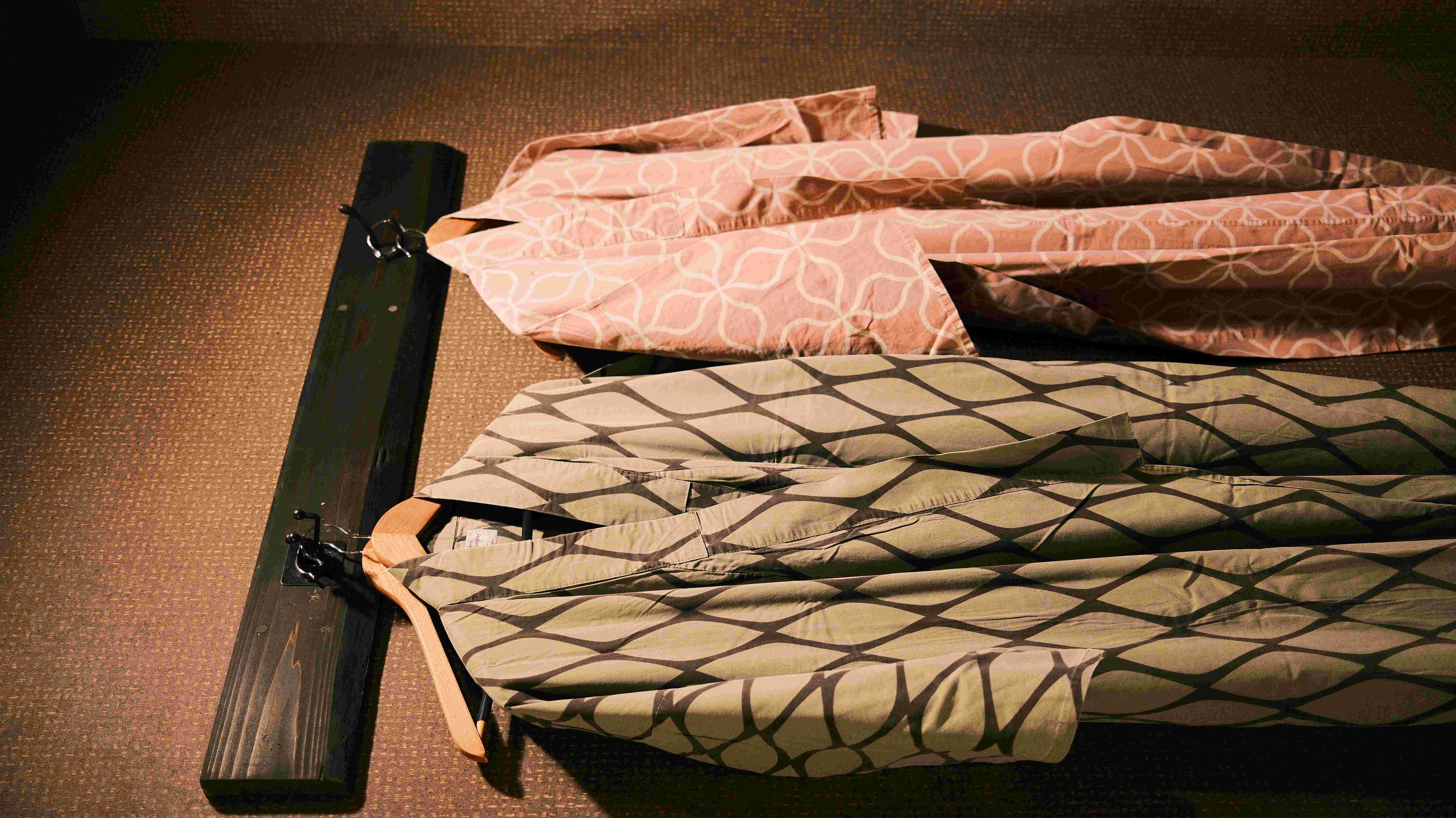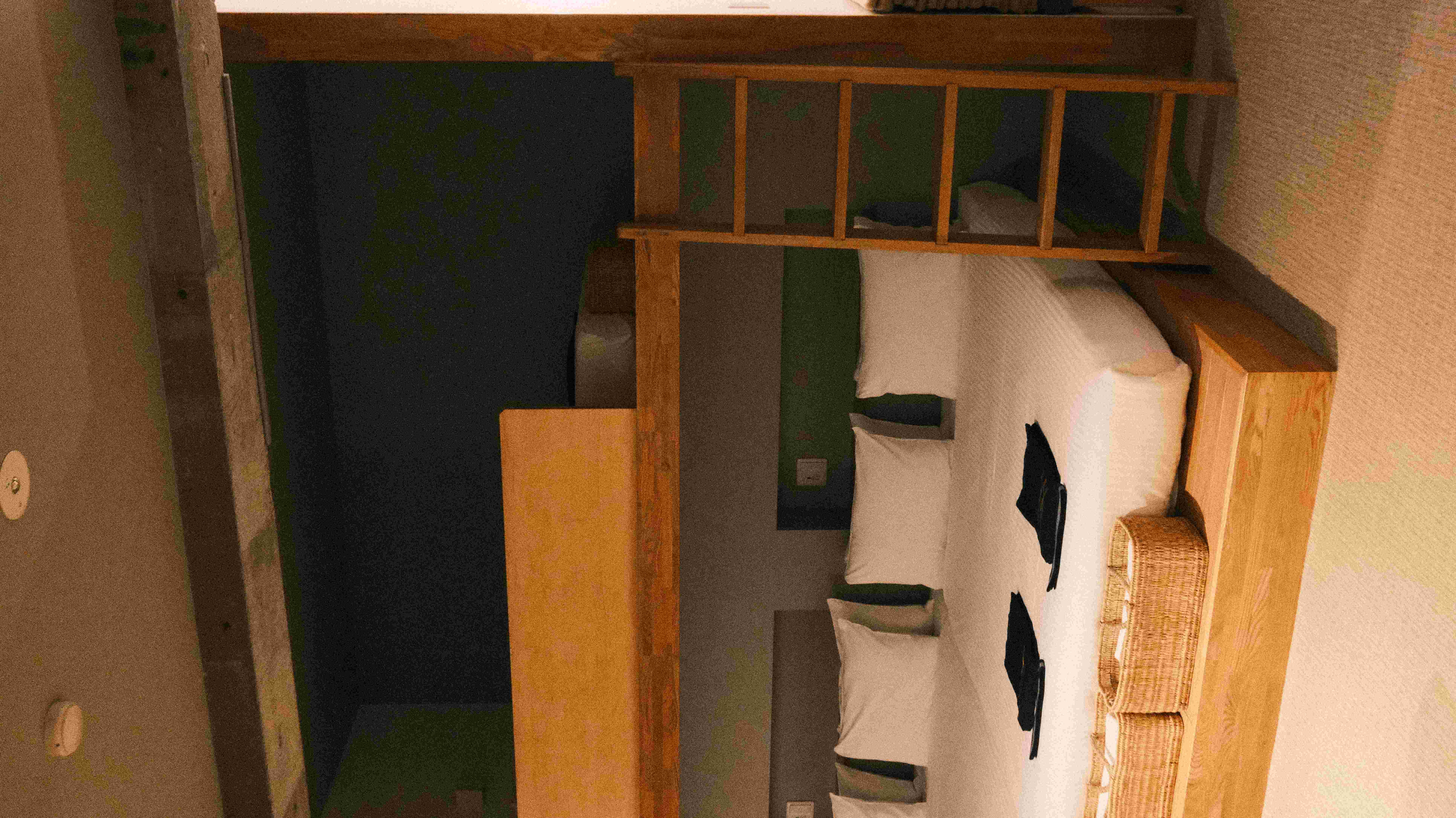
What struck us immediately about Hakone was how well it all connects. You arrive at Hakone-Yumoto by the Romancecar from Shinjuku — about 85 minutes, scenic, relaxed — and from there the whole mountain system opens up. Cogwheel railway up the slope, ropeway over the volcanic valley, boat across Lake Ashi, buses everywhere in between. With the Hakone Free Pass in your pocket, you don't need to plan every move in detail. You just get on things and Hakone reveals itself.
Book before you go: private bath at Hakone Yuryo (fills up, especially weekends and autumn) + massage appointment at the same time. That's all you need to pre-book.
The Hakone Free Pass — Buy This First
Before anything else: buy the Hakone Free Pass at Shinjuku Station (Odakyu line ticket counter or vending machine). It covers:
- Odakyu Romancecar train from Shinjuku → Hakone-Yumoto (one way) + return
- Hakone Tozan Railway (cogwheel mountain train)
- Hakone Tozan Cable Car
- Hakone Ropeway (over Owakudani)
- Hakone Sightseeing Cruise (Lake Ashi boats)
- Hakone Tozan Bus (connecting everything)
Cost: approximately ¥6,100–7,000 from Shinjuku for a 2-day pass (prices vary by season; check the Odakyu website). Without it, you'd pay separately for each of these — the pass pays for itself within the first day.
Day 1 — Arrival, Ropeway, Lake Ashi, Onsen
9:00am — Romancecar from Shinjuku
Take the Romancecar limited express from Shinjuku to Hakone-Yumoto (approximately 85 minutes, covered by the Free Pass). Reserve a seat in advance — the Romancecar is a proper reserved express train, not a regular commuter service. Scenic mountain route; worth looking out the window. Arrive at Hakone-Yumoto around 10:30am.
11:00am — Check in, then take the Tozan Railway up
Drop bags at WPU Hakone (or ask them to store bags if it's too early for check-in). Take the Hakone Tozan Railway from Hakone-Yumoto up the mountain — the cogwheel train switchbacks up the steep slope, which is memorable in itself. Change at Gora for the cable car to Sounzan.
12:00pm — Hakone Ropeway over Owakudani
From Sounzan, board the ropeway across the Owakudani volcanic valley. The landscape below is extraordinary: grey volcanic rock, sulphur vents, steam rising from cracks in the earth. At Owakudani Station, stop for kuro-tamago (black eggs cooked in sulphur springs — one or two each, the volcanic setting makes them memorable). Continue on the ropeway to Togendai at Lake Ashi.
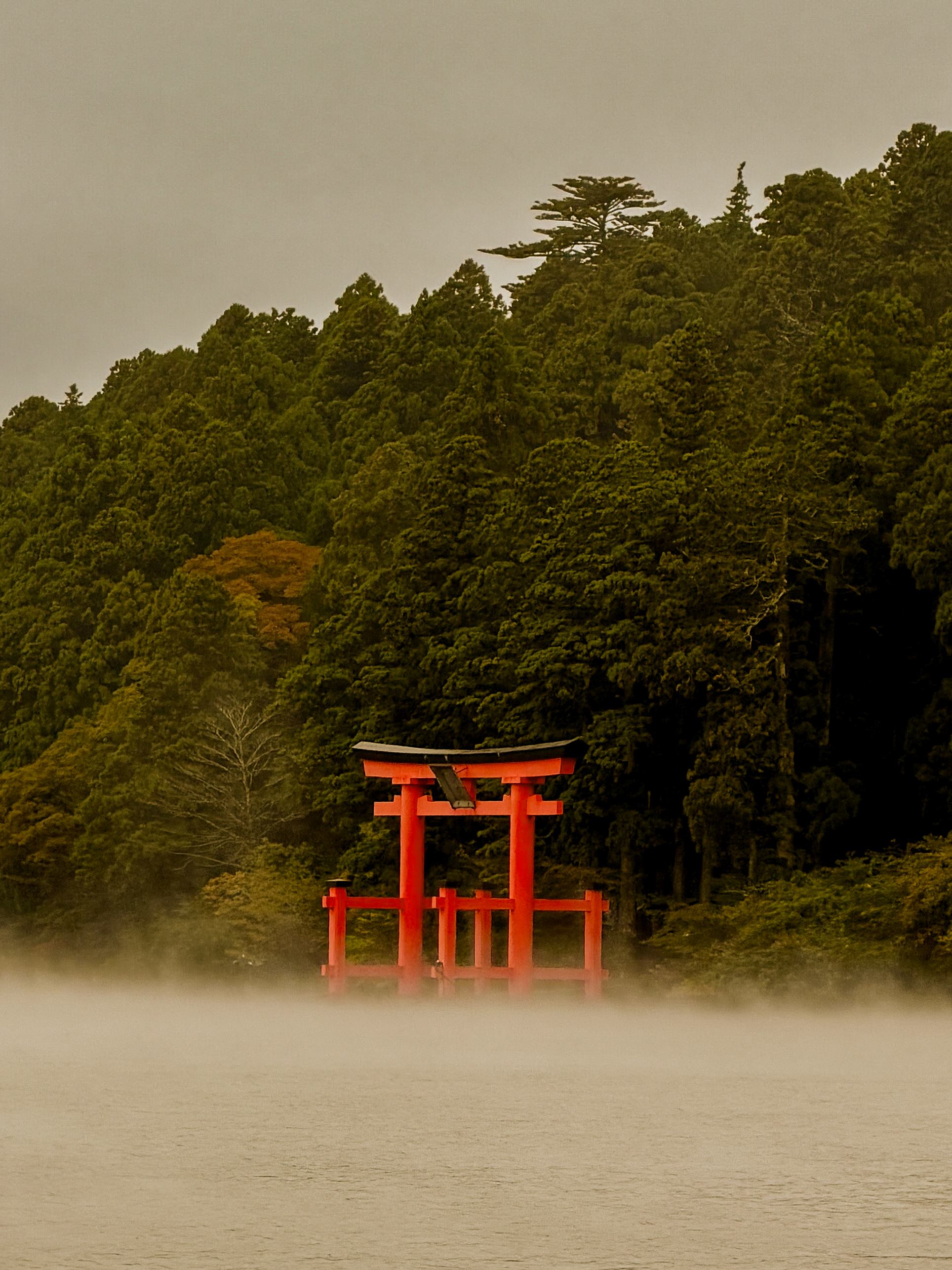
1:30pm — Lake Ashi and Hakone Shrine Torii Gate
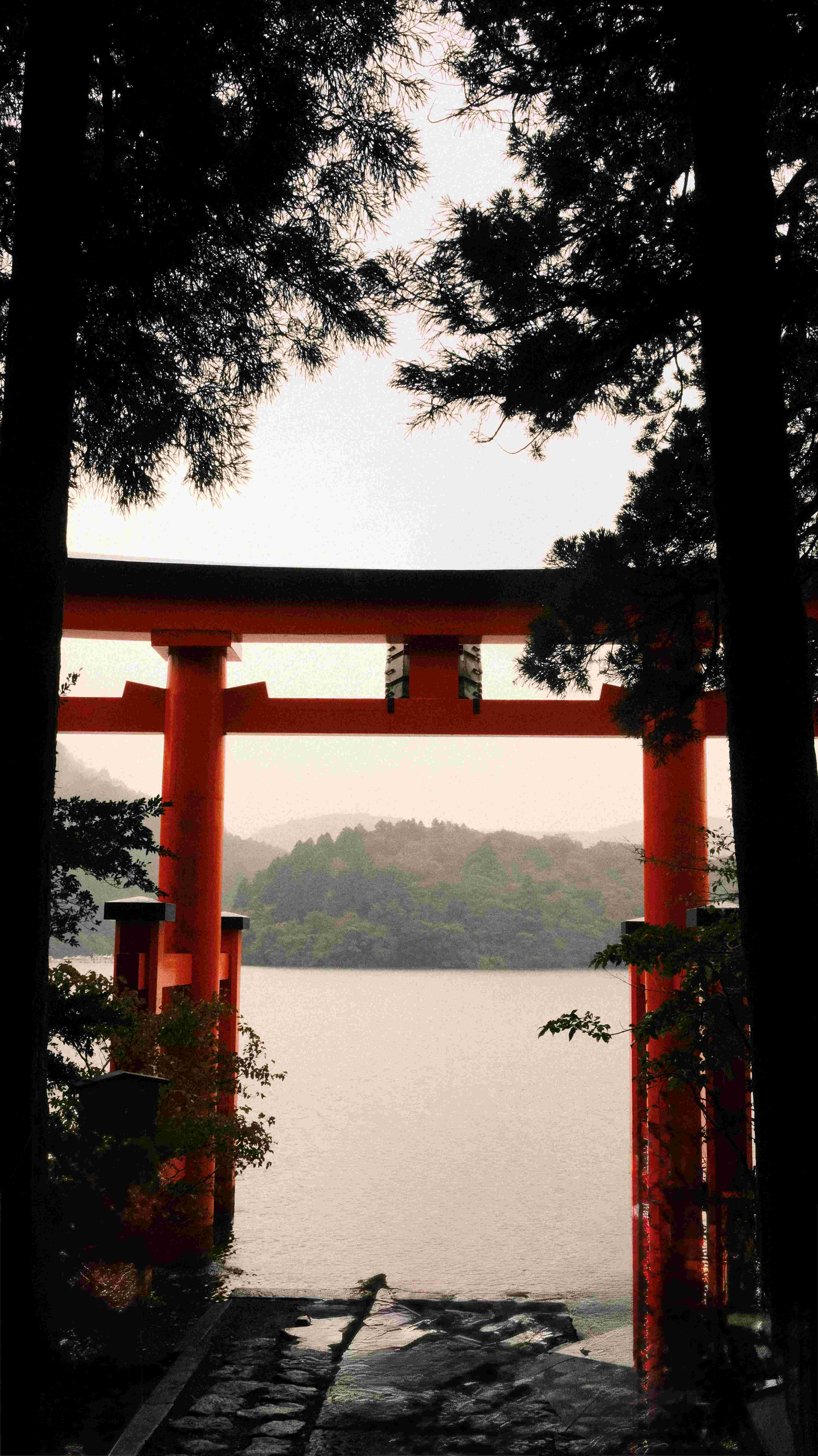
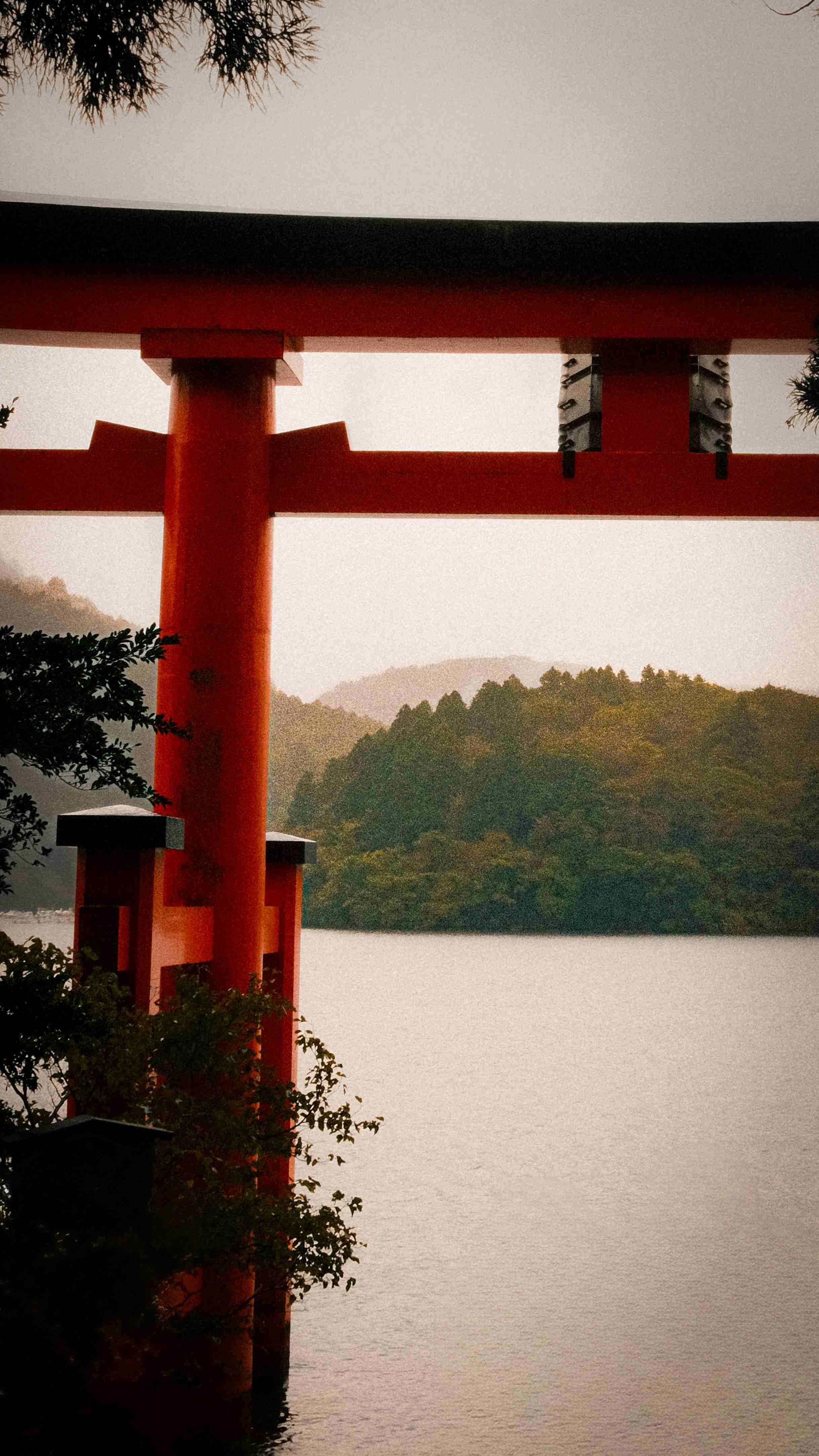
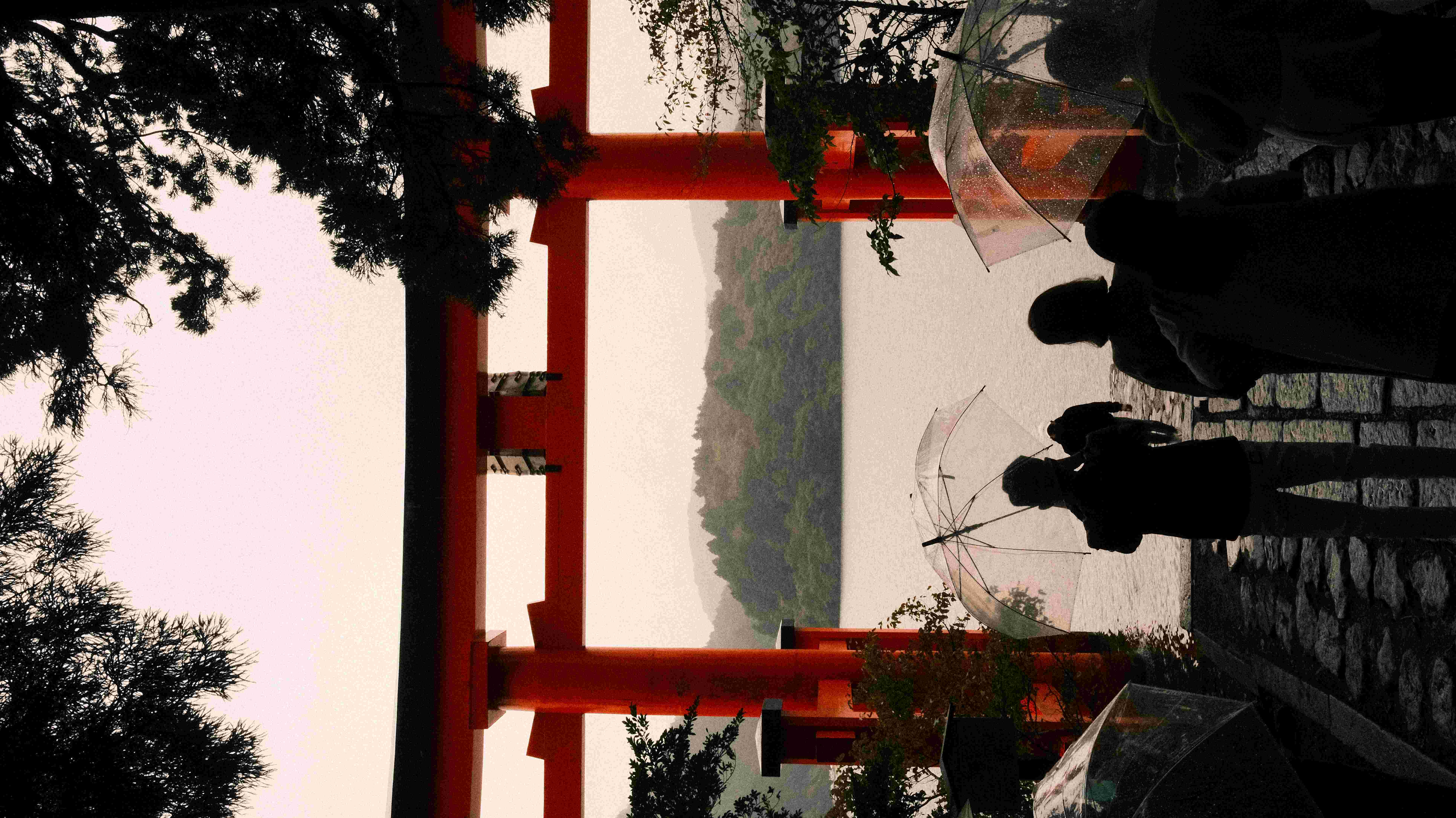
Take the sightseeing cruise from Togendai across Lake Ashi to Hakone-en or Moto-Hakone (covered by Free Pass). The view of the red torii gate from the water is excellent — and the misty mountains behind the lake on a cloudy day are just as beautiful as the clear-Fuji postcard version. At Moto-Hakone, walk to the torii gate at the water's edge. Even in the rain, even with a line of people waiting to photograph it — the gate rising from the lake is genuinely impactful.
Walk up through the cedar forest to Hakone Shrine proper. Quiet, cool, the ancient trees creating almost complete shade even in open weather.
3:30pm — Private Onsen at Hakone Yuryo
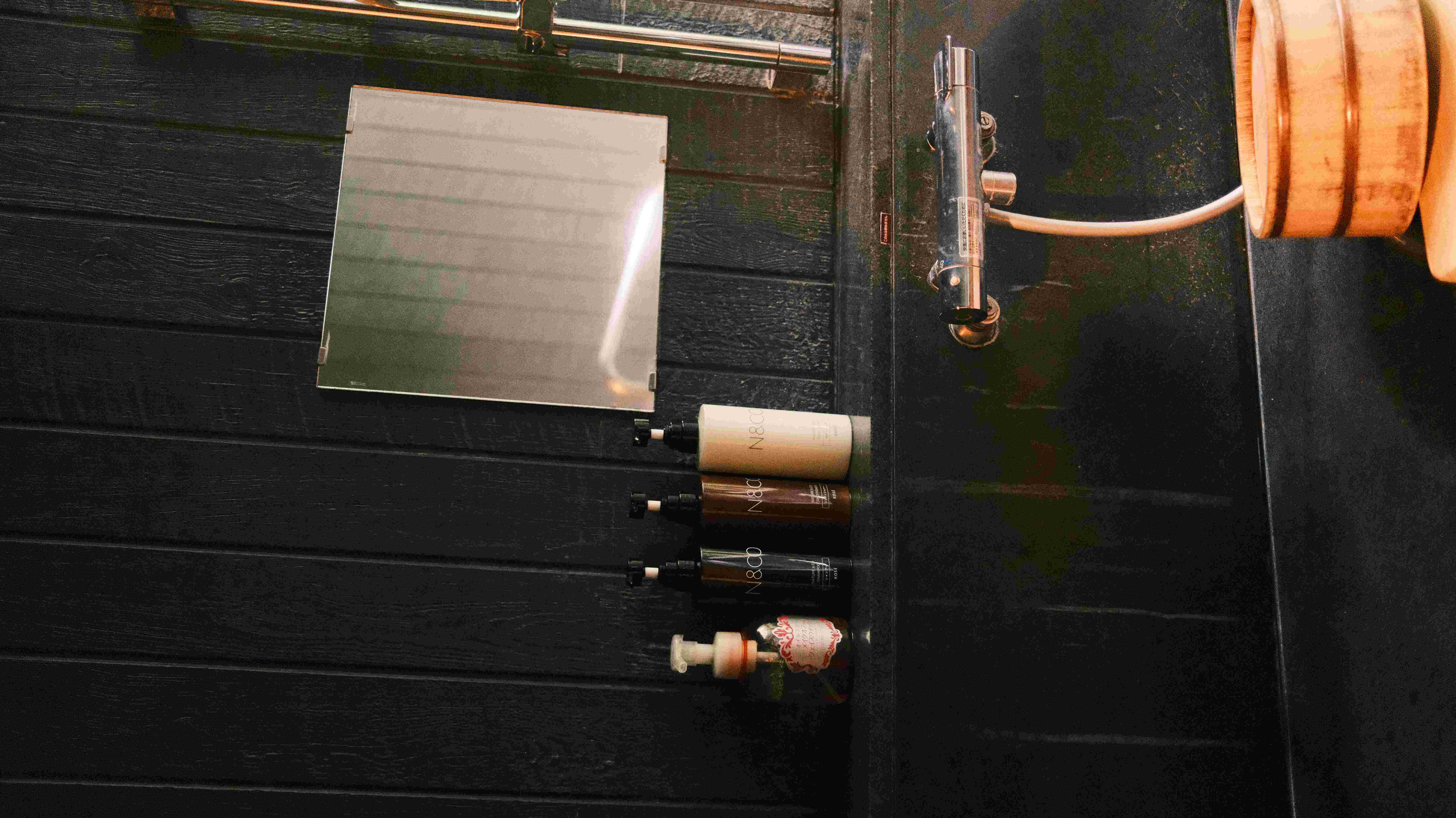
The afternoon you booked. Take the bus back toward Hakone-Yumoto and head to Hakone Yuryo for your private bath — your own room, your own balcony, your own onsen tub looking out at the mountain. One hour in the water. Then directly into your massage appointment. Budget the full afternoon for this: onsen + massage + gentle time after is about three hours total and is not something to rush.
This was the highlight of our Hakone stay. See our full Hakone onsen guide for all the details.
7:00pm — Dinner near Hakone-Yumoto
Hakone is not a restaurant city — don't expect the food scene of Tokyo or Osaka. The area around Hakone-Yumoto has solid soba restaurants (buckwheat noodles are the local specialty), izakayas, and small cafés. Eat light after the onsen and massage; your body has been through a lot in the best possible way.
Day 2 — Hiking, Open Air Museum, Return
8:00am — Early morning at Lake Ashi (best Fuji chance)
If Mount Fuji views are on your list, early morning is your best window — clouds build through the day. Take the first bus to Moto-Hakone and be at the lake before 9am. Whether Fuji appears or not, the early morning light on the lake is beautiful.
10:00am — Hakone Open Air Museum
Take the Tozan Railway to Chokoku-no-Mori Station (one stop from Gora). The Open Air Museum spreads across forested mountain grounds with major sculptures by Rodin, Henry Moore, Giacometti, and Picasso in the open air. There's an indoor Picasso pavilion and an onsen foot bath within the grounds — worth using. Budget two to three hours. The combination of sculpture, forest, and mountain backdrop works genuinely well.
1:00pm — Hike the Old Tokaido Road
The ancient Tokaido Highway between Edo and Kyoto passes through Hakone — sections of the original stone-paved road through cedar forest are still intact and hikeable. Accessible by bus from Hakone-Yumoto. Quiet, almost empty on weekdays, with enormous old cedars on either side of a path that feels entirely unchanged from three centuries ago.
3:30pm — Romancecar back to Shinjuku
Take the Romancecar from Hakone-Yumoto back to Shinjuku, arriving around 5pm. The mountain light in the afternoon is good from the train window on the return trip.
1-Day Version (Day Trip from Tokyo)
Hakone works as a Tokyo day trip — early Romancecar out, late Romancecar back. The compressed version: ropeway → Owakudani → Lake Ashi boat → torii gate → private onsen at Hakone Yuryo. Skip the Open Air Museum and hiking. You'll be back in Shinjuku by 9–10pm.
One night is better — the onsen deserves a full unhurried afternoon, and the early morning lake is worth staying for. But the day trip works if your Tokyo time is fixed.
Practical Notes
Suica: Covers convenience stores, some local buses, and anything not included in the Free Pass. Keep it topped up.
Cash: Small restaurants and some onsen facilities prefer cash. Keep ¥5,000–10,000 available.
Shoes: Hiking sections are on uneven stone paths. Comfortable walking shoes throughout.
Check the ropeway: Owakudani sometimes closes due to volcanic activity. If it does, take the Lake Ashi boat directly from Togendai by bus as an alternative.
More Hakone Guides
FAQ
Is 2 days enough for Hakone?
Two days is ideal — enough for the ropeway, Lake Ashi, the onsen, and a hike or the Open Air Museum without rushing anything. One day works as a compressed day trip from Tokyo; three or more is too long unless you're specifically there to fully disconnect.
What is the Hakone Free Pass and is it worth it?
The Free Pass covers the Romancecar train from Shinjuku plus all local transport in Hakone (ropeway, boats, buses, mountain railway). It pays for itself easily over two days. Buy it at Shinjuku Station before you leave Tokyo.
How do you get from Tokyo to Hakone?
Take the Odakyu Romancecar from Shinjuku to Hakone-Yumoto — approximately 85 minutes, covered by the Hakone Free Pass. Reserve seats in advance.
Some links in this post are affiliate links. If you book through them, we earn a small commission at no extra cost to you.