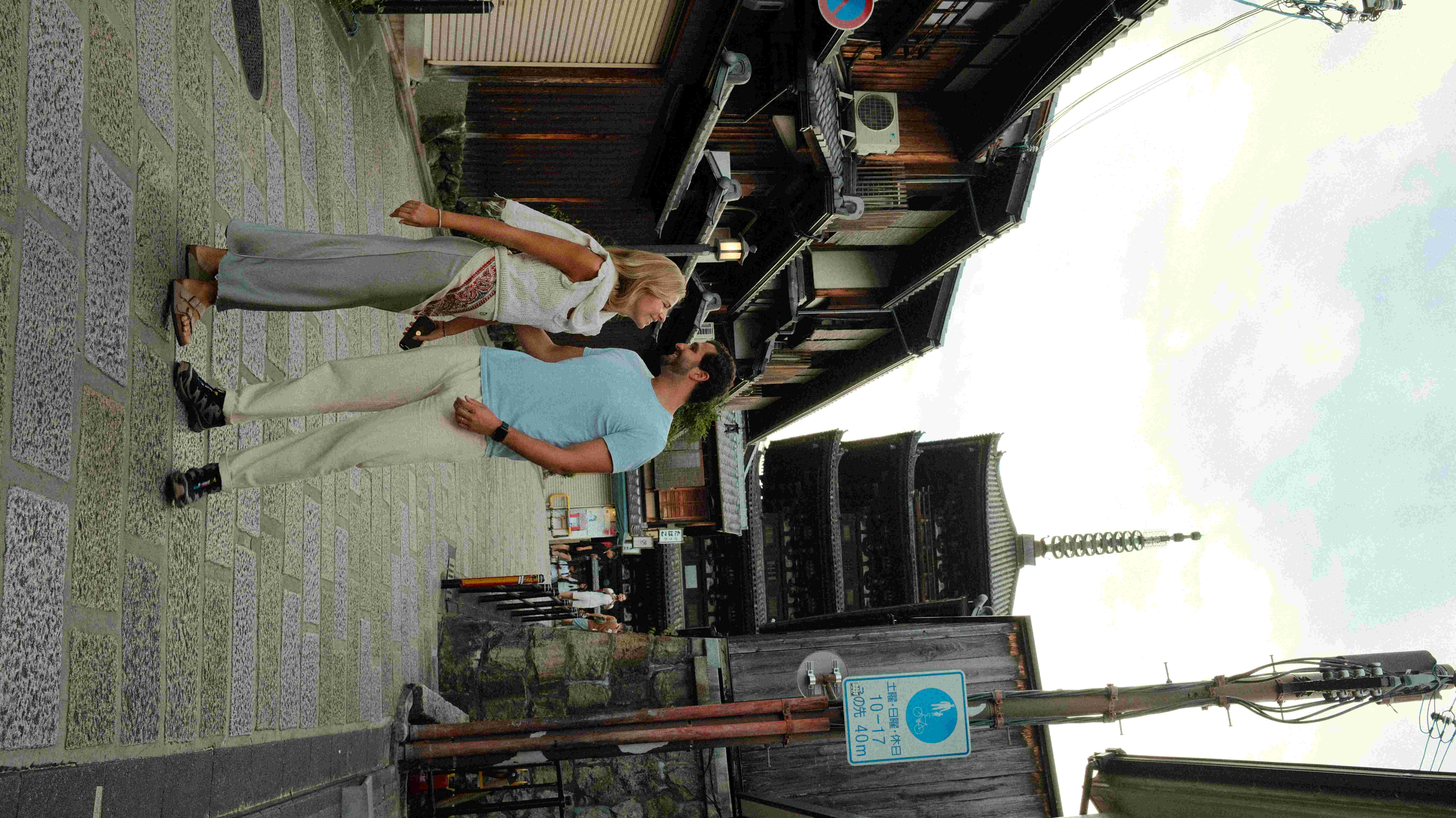
If Tokyo is energy and Kyoto is elegance, Osaka is flavor. These are two completely different cities — and the question of where to base yourself isn't really about which one is better. It's about what kind of Japan trip you're taking.
We spent time in both during our Japan trip. Here's the honest breakdown.
The Short Answer
Stay in Kyoto if: temples and history are central to your trip, you want calm mornings and old Japan atmosphere, or you're a photographer who will get up at 5am.
Stay in Osaka if: food is your main reason for being in Japan, you prefer a city with nightlife and energy, or you want the best value base for day-tripping around the Kansai region.
Best answer: stay in both. They're 15 minutes apart by shinkansen, under an hour by regular train. An itinerary that gives you 3 nights in Kyoto and 2–3 nights in Osaka is far better than picking one and missing the other.
Kyoto: Elegance, Temples, Stillness
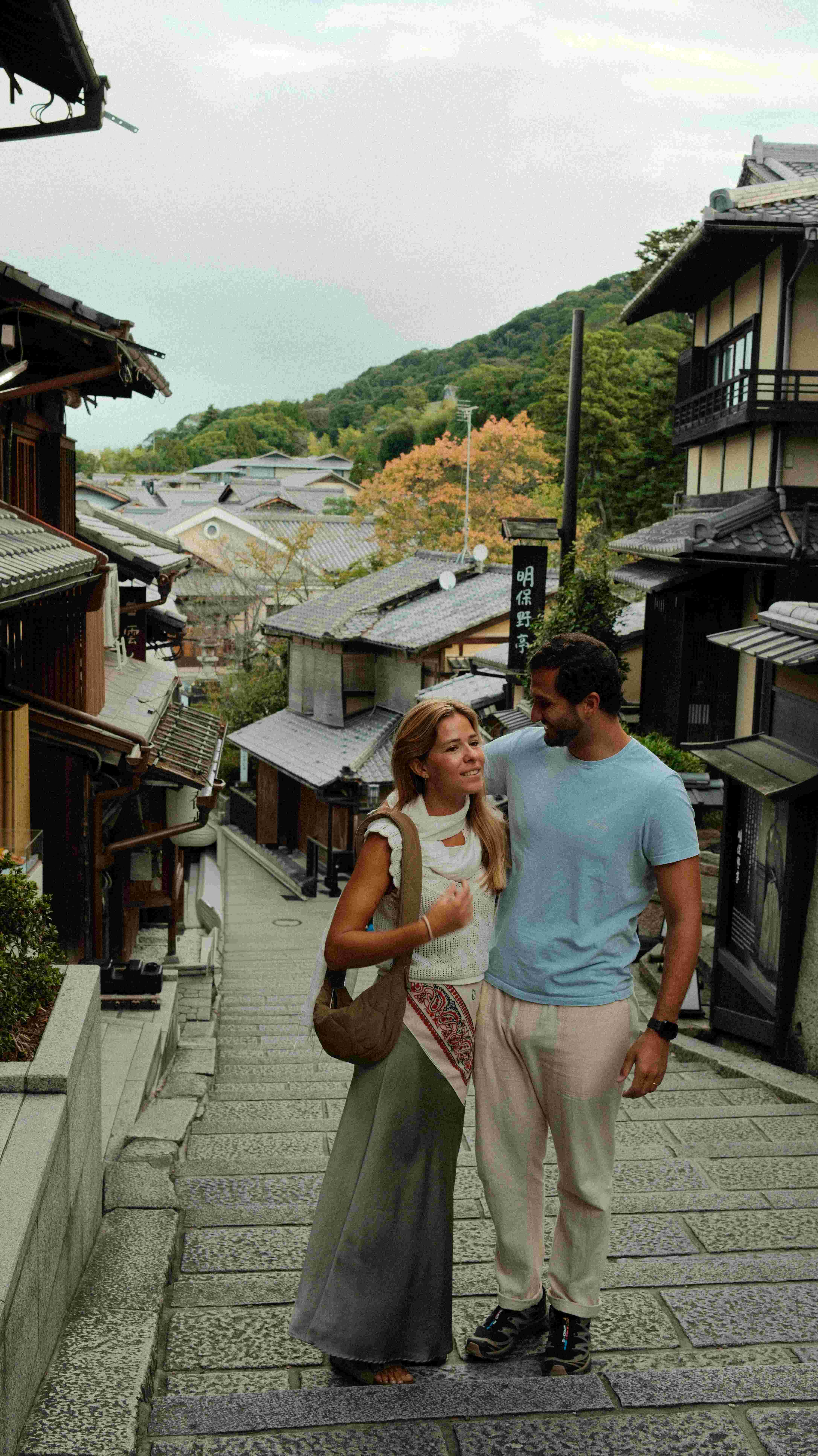
Kyoto was Japan's imperial capital for over a thousand years. The result is a city unlike anywhere else in the country — a density of temples, shrines, and wooden machiya townhouses that exists nowhere else in Japan. Over 1,600 temples and shrines, UNESCO World Heritage Sites within walking distance of each other, traditional neighborhoods where geiko still move between appointments at dusk.
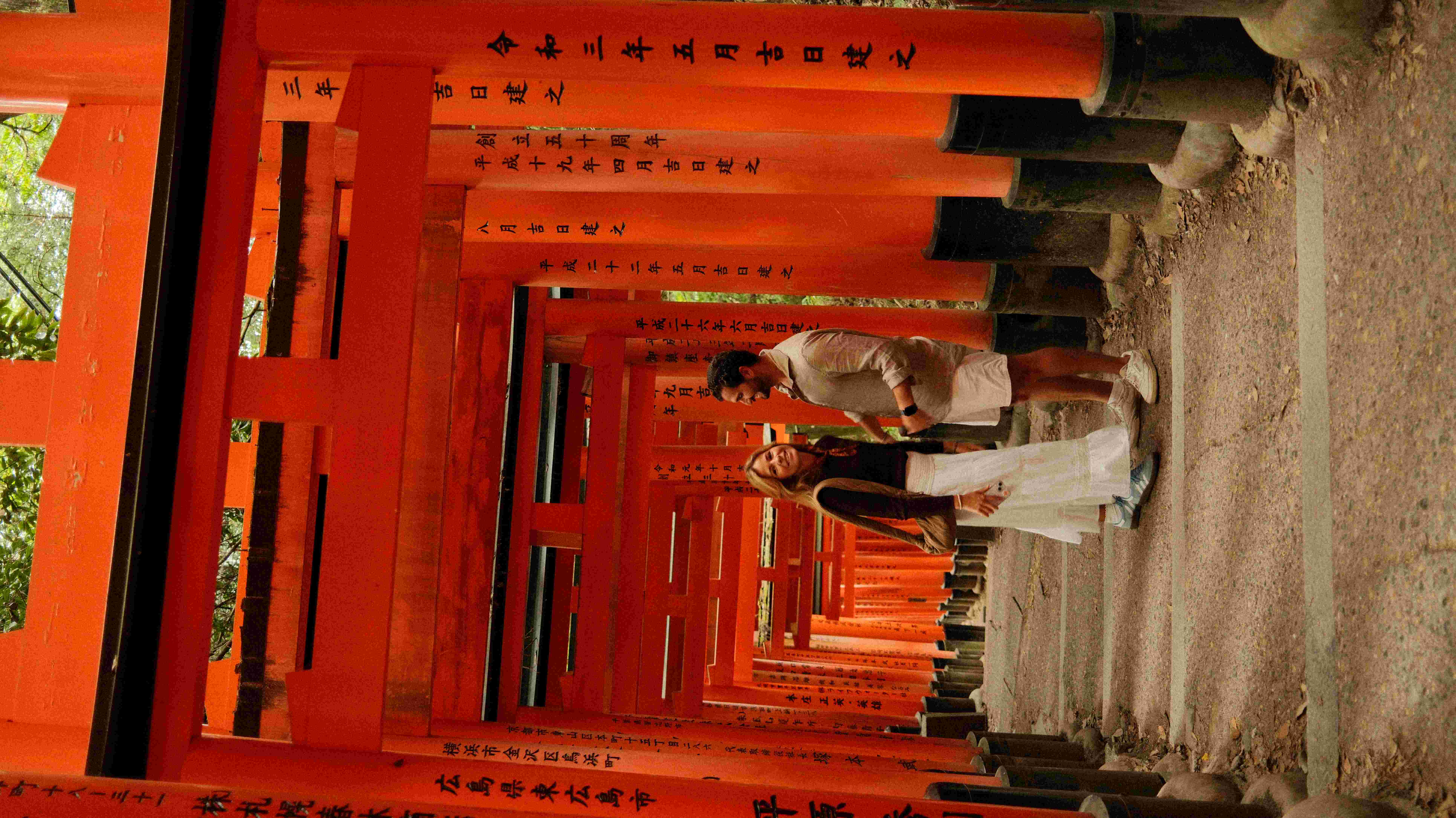
What Kyoto does to you, if you let it, is slow you down. The pace is meditative. The city rewards early mornings — the Fushimi Inari torii gates before sunrise, the bamboo grove at Arashiyama before the tour groups arrive. These are some of the most extraordinary experiences in Japan, and they're almost exclusively available to people willing to set a 5am alarm.
What we loved in Kyoto
- Kenninji Temple — our favourite temple in all of Japan. Kyoto's oldest Zen temple in Gion, twin dragon ceiling paintings, almost always quiet. See our full temple guide.
- Fushimi Inari before sunrise — thousands of vermillion torii gates winding up Inari Mountain, near-empty at 5:30am. One of the best experiences in Japan. See our Fushimi Inari review.
- Pontocho Alley — a narrow lane of traditional restaurants parallel to the Kamo River. Summer evening, riverside terrace, good sake. This is Kyoto at its most beautiful.
- The cooking class — ramen, gyoza, and onigiri with local hosts. One of our top five experiences in all of Japan. Book through GetYourGuide and filter for small groups.
Where we stayed in Kyoto
The General Kyoto Shijo Shinmachi — central location, walking distance to Pontocho and good bus connections to all major areas. Clean, well-designed, a solid base. Full area breakdown and alternatives in our Kyoto accommodation guide.
Osaka: Flavor, Energy, Neon
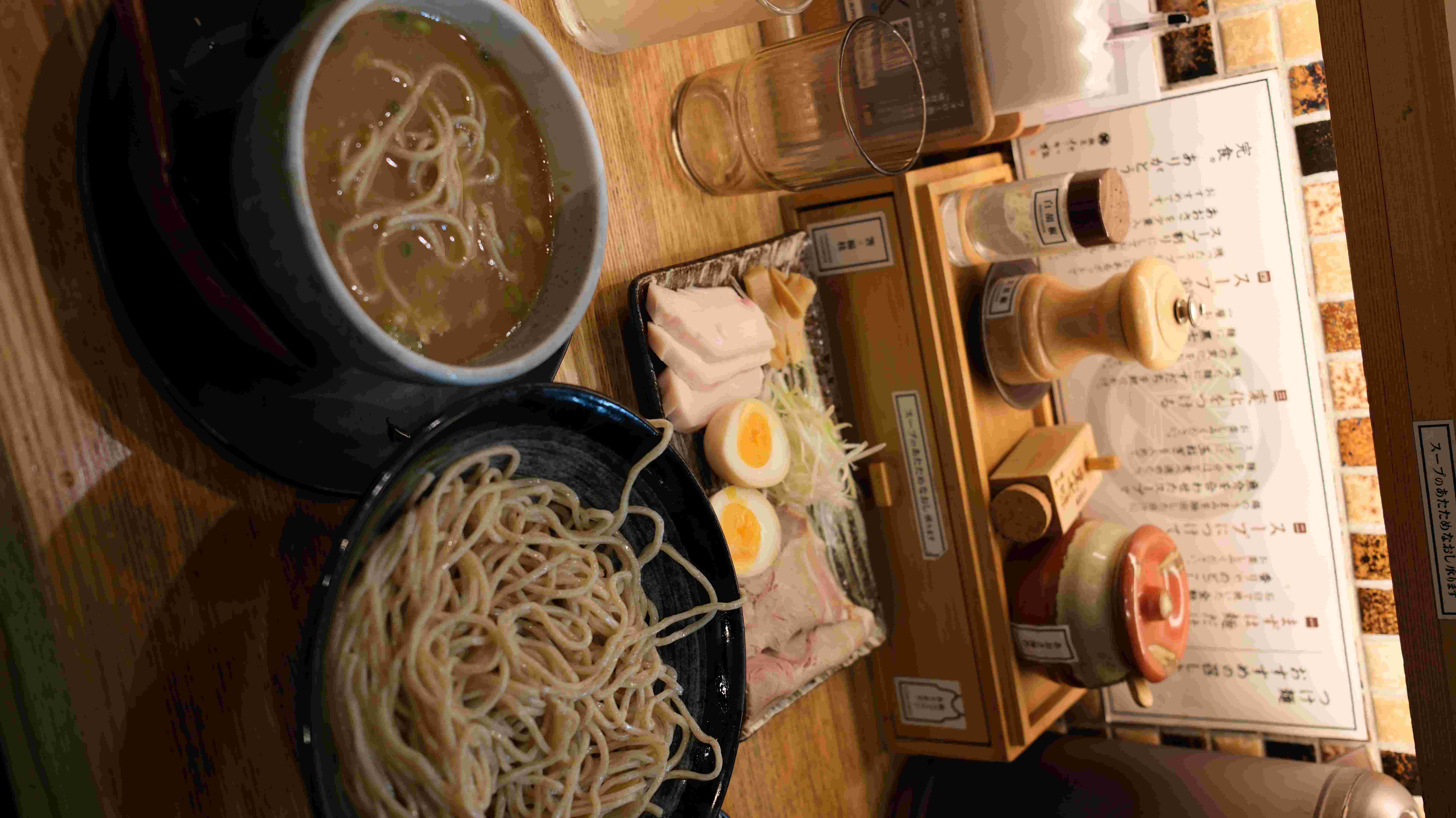
Osaka is Japan's food capital, and it knows it. The city has a saying — kuidaore — that means "eat until you drop," and it applies. The food in Osaka is extraordinary: street snacks at Dotonbori at midnight, tuna at Kuromon Market in the morning, wagyu that will permanently recalibrate what beef means to you.
The energy is different from Kyoto in every way. Louder, busier, more electric. Dotonbori — the main canal strip with its enormous neon signs and wall-to-wall restaurants — is the visual opposite of Kyoto's stone lanes. The people are different too: Osaka locals are famously direct, warm, and willing to talk to strangers in a way that's less common elsewhere in Japan.
What we loved in Osaka
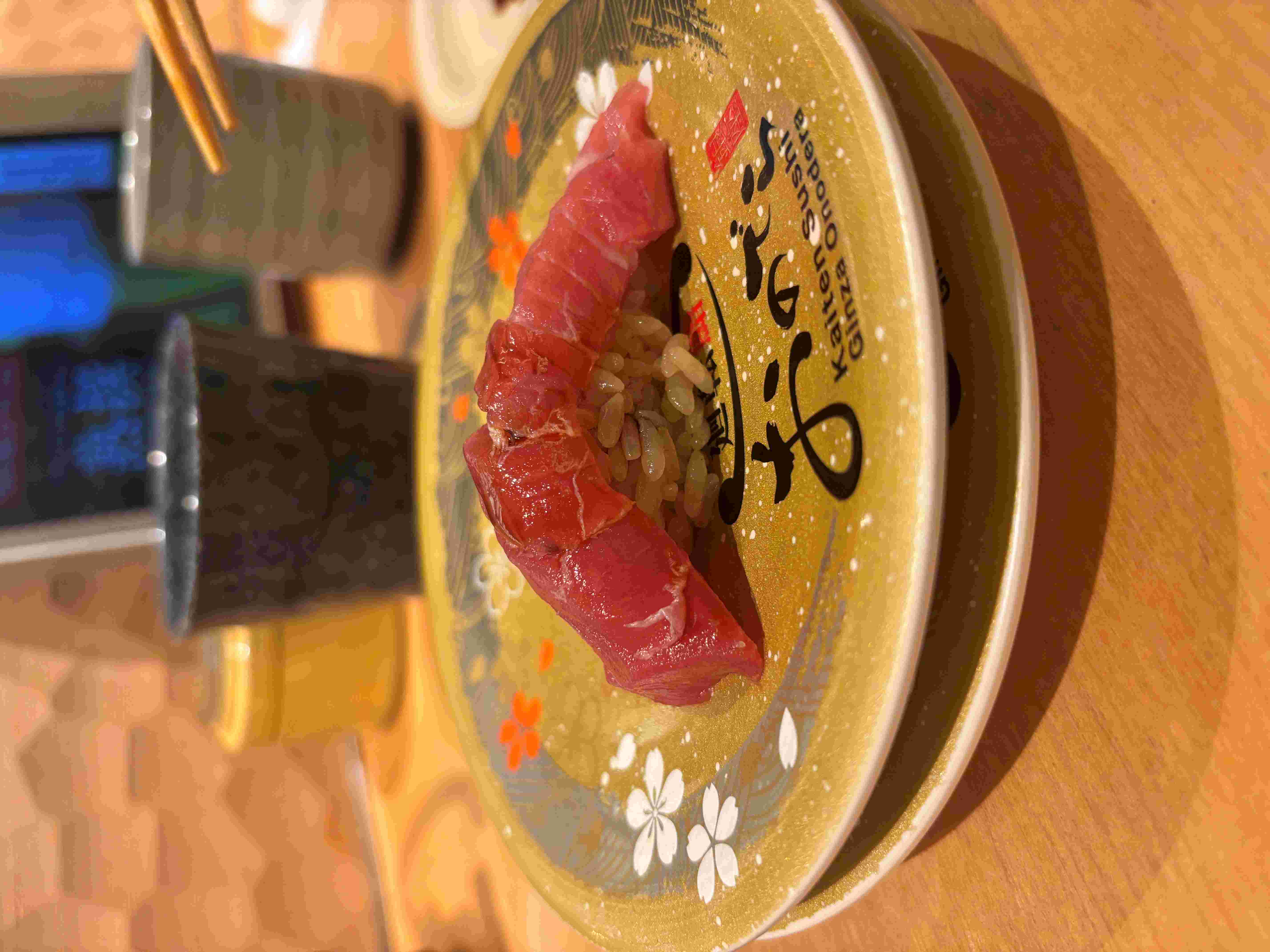
- Kuromon Market — a covered market of food stalls: fresh tuna, wagyu, seafood, pickled vegetables, tamagoyaki. Go in the morning for the full produce selection. One of the best food experiences in all of Japan.
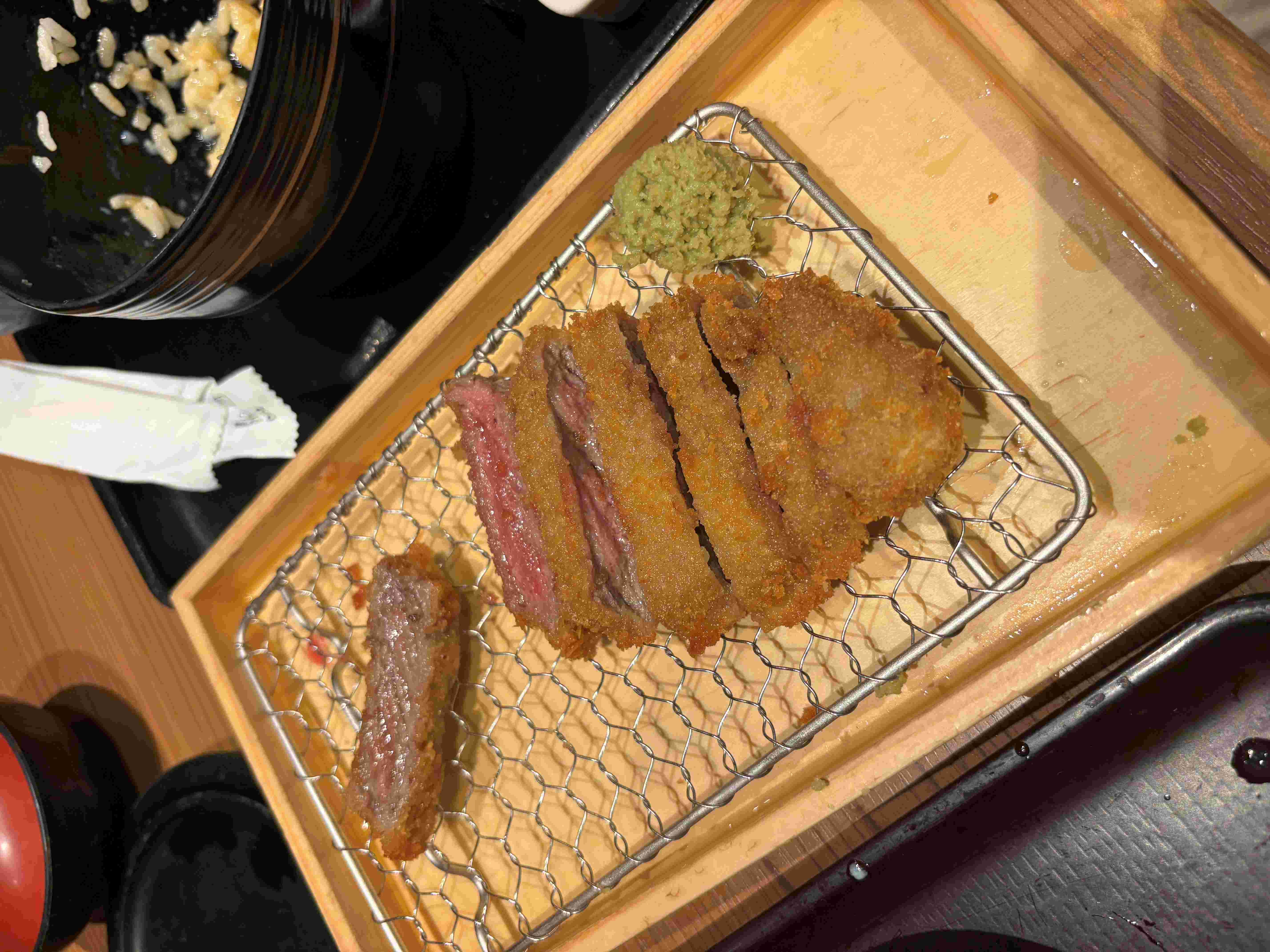
- Wagyu at Wagyu Idaten — wagyu beef bowls for lunch. The quality at this price point doesn't exist outside Osaka. This is the meal you'll tell people about.
- Takoyaki at Kukura — octopus balls fresh from the iron mould, eaten standing on the street. Quintessential Osaka.
- Yakiniku Uchida — wagyu sashimi and A5 cuts. A dinner worth planning the whole evening around.
- Maguroya Kurogin — the tuna specialists. Multiple cuts, extraordinary quality, an education in tuna eating.
- Umeda Sky Building — a floating garden observatory connecting two towers, views across the whole Osaka basin. Dramatic at sunset.
- Osaka Castle — beautifully restored, with one of the best castle parks in Japan surrounding it.
Where we stayed in Osaka
DEL Style Osaka — stylish, modern, well located for the main Osaka areas. Miyako City Osaka Hommachi is another excellent option in the Hommachi district, quieter but very well connected by subway.
The Comparison
Food
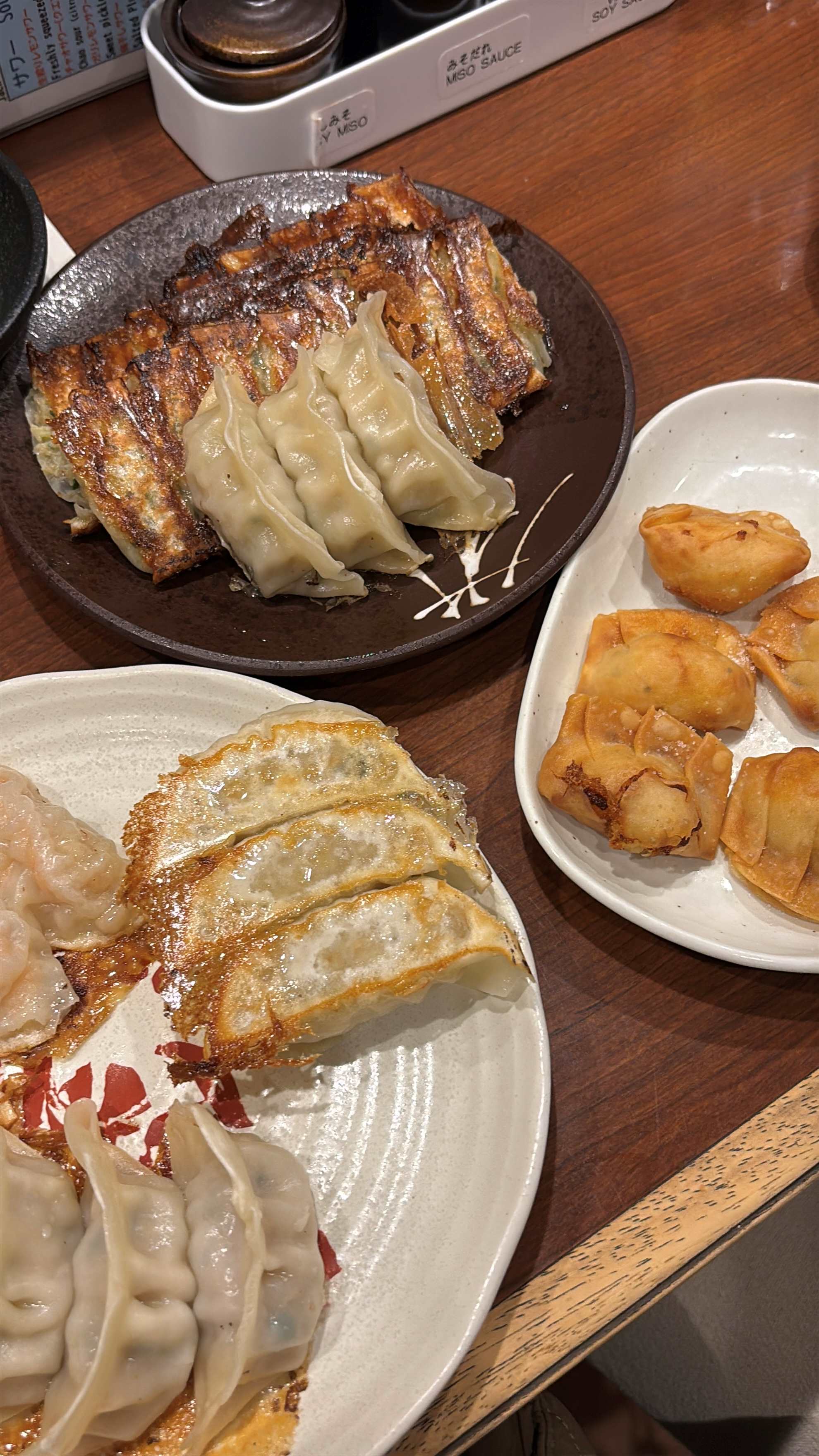
Osaka wins. Not close. Osaka is one of the great food cities in the world. Kyoto has excellent food — Maruman for sushi, Ramen Sen-no-Kaze, Chao Chao Gyoza — but the depth and range and pure food-obsession of Osaka is on another level. If food is your primary reason for visiting Japan, base yourself in Osaka.
Temples and history
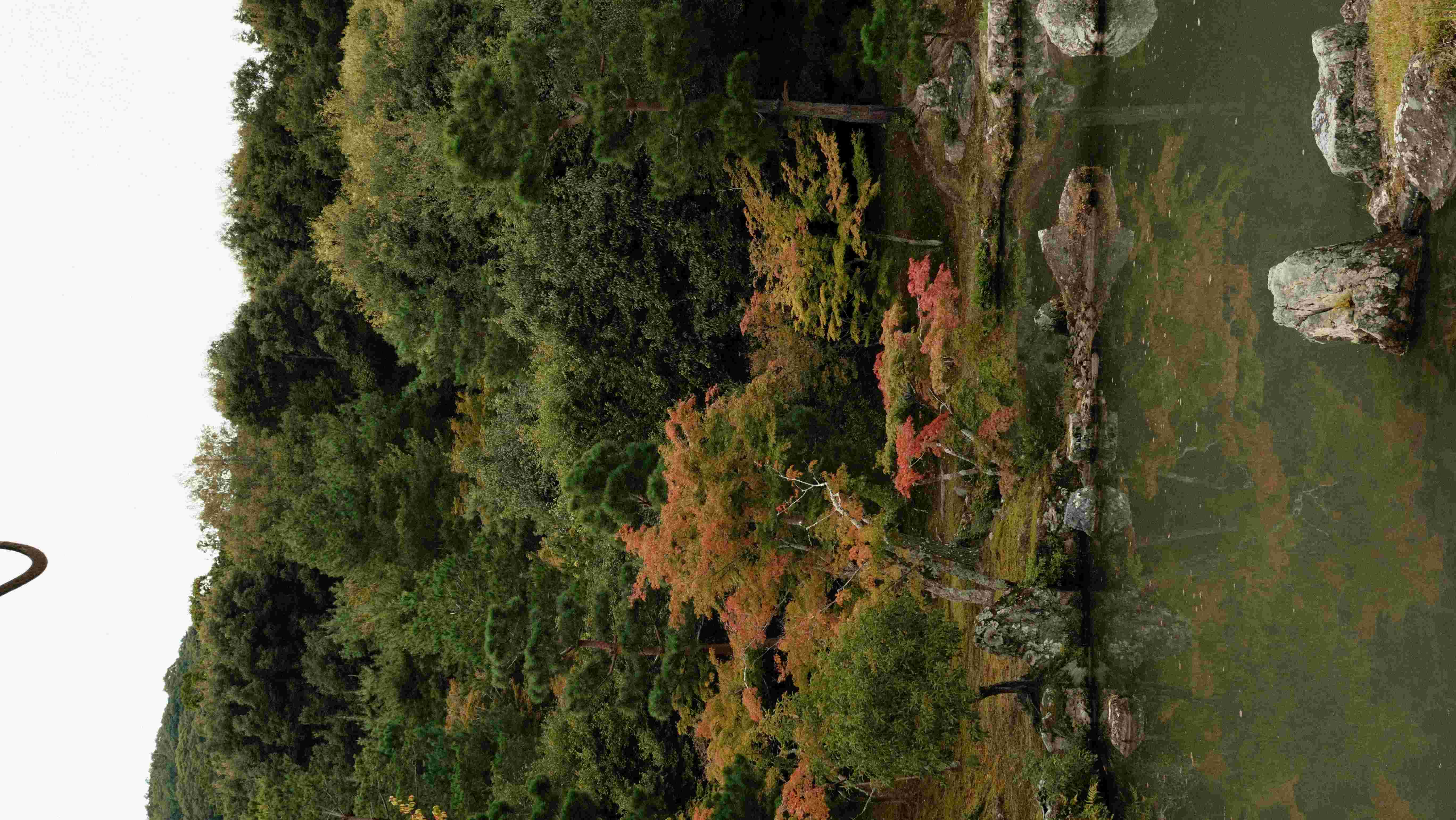
Kyoto wins completely. Osaka has Osaka Castle and some interesting historical areas, but the density of genuine cultural and spiritual sites in Kyoto is unmatched in Japan. 1,600 temples and shrines. Walking streets that have barely changed in 300 years. No comparison.
Atmosphere and vibe
Depends entirely on what you want. Kyoto is quiet, meditative, ancient. Osaka is loud, warm, electric. Both are extraordinary in completely different ways. The best Japan trip includes both.
Value
Osaka is cheaper. Accommodation, meals, and drinks all tend to run slightly lower than Kyoto, where premium is built into the experience. Osaka also has better discount food options — the street food scene means you can eat extremely well for very little.
Day trips
Both excellent bases. From Kyoto: Nara (1 hour by JR, wild deer, Todai-ji temple), Hiroshima and Miyajima (2.5 hours by shinkansen), Uji (30 minutes, the matcha capital of Japan). From Osaka: Nara (45 minutes), Kobe (30 minutes for wagyu beef and port atmosphere), Kyoto itself (40 minutes by express train).
Can You Do Both?
Yes — and you should. Kyoto and Osaka are connected by one of Japan's most convenient train routes:
- Shinkansen: Kyoto to Shin-Osaka, 14 minutes
- Keihan Express: Kyoto Shijo to Osaka Namba, about 45 minutes
- Hankyu Limited Express: Kyoto Kawaramachi to Osaka Umeda, about 45 minutes
The most common approach: 3 nights in Kyoto (cover Fushimi Inari, Higashiyama, Arashiyama), then 2–3 nights in Osaka (Dotonbori, Kuromon, day trip to Nara or Kobe). The cities complement each other perfectly — historical depth followed by flavor and energy.
Our Verdict
Kyoto was the most culturally rich city of our entire Japan trip. The combination of temples, early mornings, the cooking class, and Pontocho evenings gave us some of our most vivid memories. We walked out of Kenninji Temple talking about it for the rest of the day.
Osaka was the best food we ate in Japan. The wagyu at Wagyu Idaten, the tuna at Maguroya Kurogin, the market morning at Kuromon — Osaka is where Japan's food obsession makes its most direct case. If we had to choose one meal from the whole trip, it was in Osaka.
We didn't choose between them, and neither should you.
More Japan Guides
- Is Kyoto Worth Visiting? Our Honest Review
- The Best Things to Do in Kyoto + What to Skip
- Kyoto Food Guide: Our Top Restaurants
- Is Fushimi Inari Worth Visiting?
- Where to Stay in Kyoto: Best Areas & Hotels
- How Many Days in Kyoto Do You Need?
- The Best Time to Visit Kyoto
- The Best Cafes in Kyoto
- 1 Day in Kyoto Itinerary
- 2 Days in Kyoto Itinerary
- The Best Temples and Shrines in Kyoto
- Kyoto Bamboo Forest: Is It Worth Visiting?
- Tea Ceremony in Kyoto: Our Honest Review
- Is Osaka Worth Visiting? Our Honest Review
- How Many Days in Osaka Do You Need?
- The Best Time to Visit Osaka
- Where to Stay in Osaka
- The Best Things to Do in Osaka
- Osaka Food Guide: Our Top Restaurants
- The Best Street Food in Osaka
- The Best Cafes in Osaka
- 2 Days in Osaka Itinerary
- Is Osaka Castle Worth Visiting?
- Osaka vs Tokyo: Which City Should You Visit First?
- Is Kobe Worth Visiting? (Day Trip from Osaka)
- Koyasan from Osaka/Kyoto: Day Trip or Overnight
- Is Kanazawa Worth Visiting?
- All Japan Guides
FAQ
Is Kyoto or Osaka better?
Neither — they're completely different. Kyoto is for temples, history, and quiet mornings. Osaka is for food, energy, and street life. The ideal Japan trip includes both. They're 15–45 minutes apart by train.
Is Kyoto more expensive than Osaka?
Yes, slightly. Accommodation and dining in Kyoto tends to carry a premium compared to Osaka. Osaka also has a richer street food culture that lets you eat extraordinarily well at low cost.
Can you stay in Osaka and day trip to Kyoto?
Yes — completely doable. The Keihan Express runs Osaka to Kyoto in about 45 minutes. However, Kyoto rewards early mornings (Fushimi Inari at 5:30am, bamboo grove at 6:30am), and an Osaka base makes those starts very early. If temples and sunrise experiences are priorities, staying in Kyoto is better.
Is Osaka better for food than Kyoto?
Yes. Kyoto has excellent restaurants, but Osaka is one of the great food cities in the world. If food is your main reason for visiting Japan, base yourself in Osaka.
How many days do you need in Kyoto and Osaka?
Minimum: 3 days in Kyoto, 2 days in Osaka. Ideal: 4–5 days in Kyoto to cover all areas comfortably, 3 days in Osaka. See our Kyoto days guide for the full breakdown.
Some links in this post are affiliate links. If you book through them, we earn a small commission at no extra cost to you.