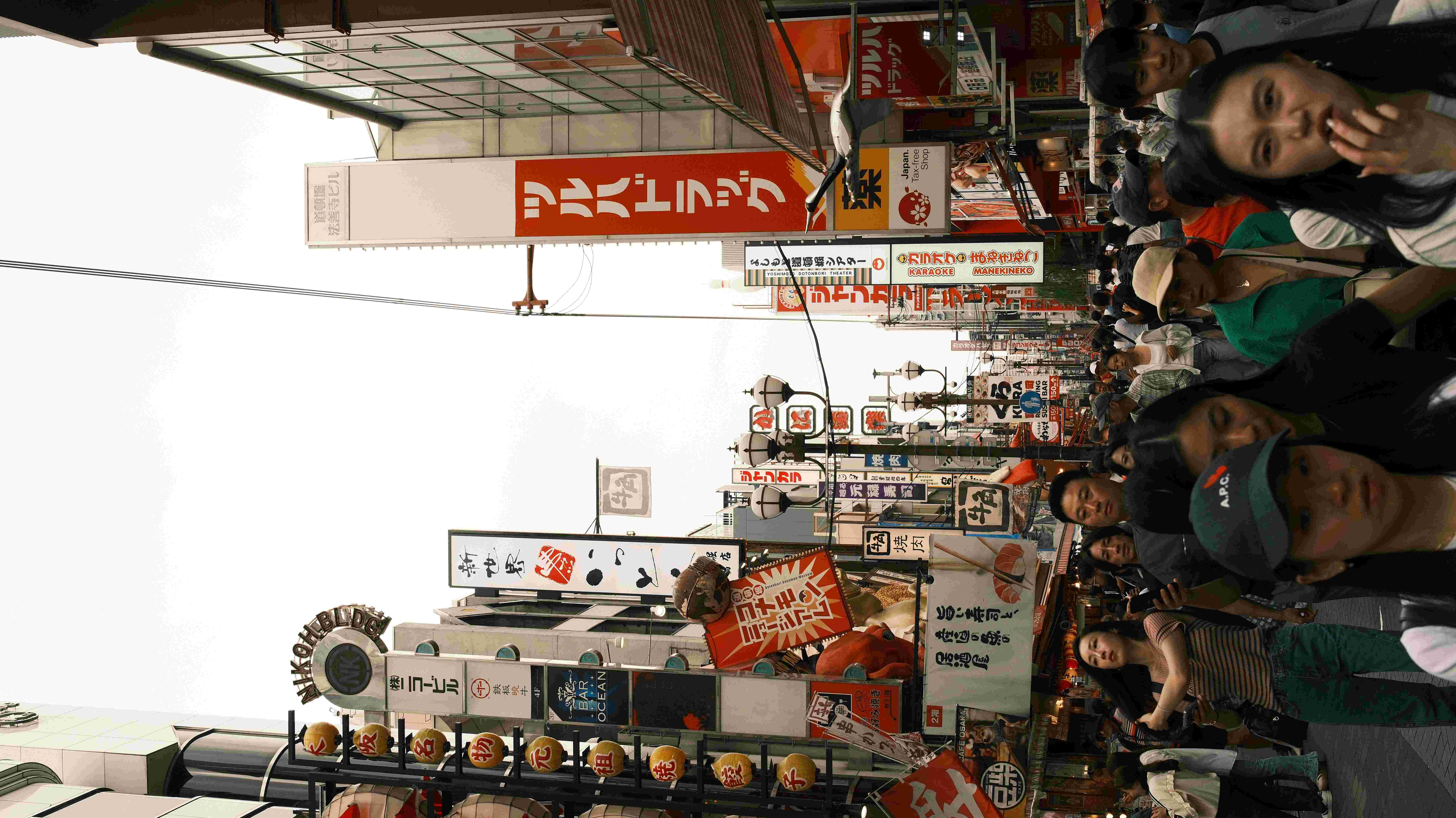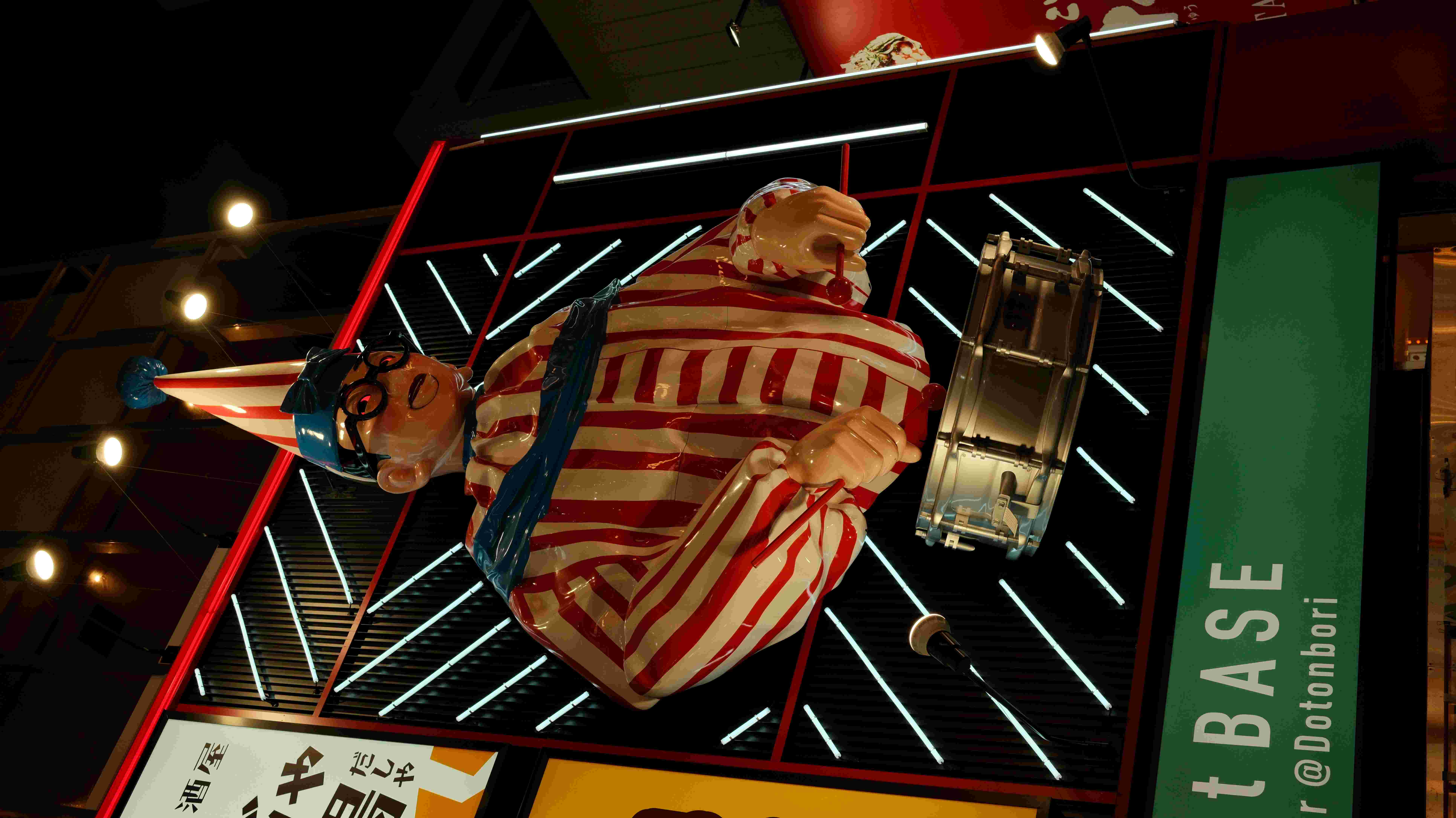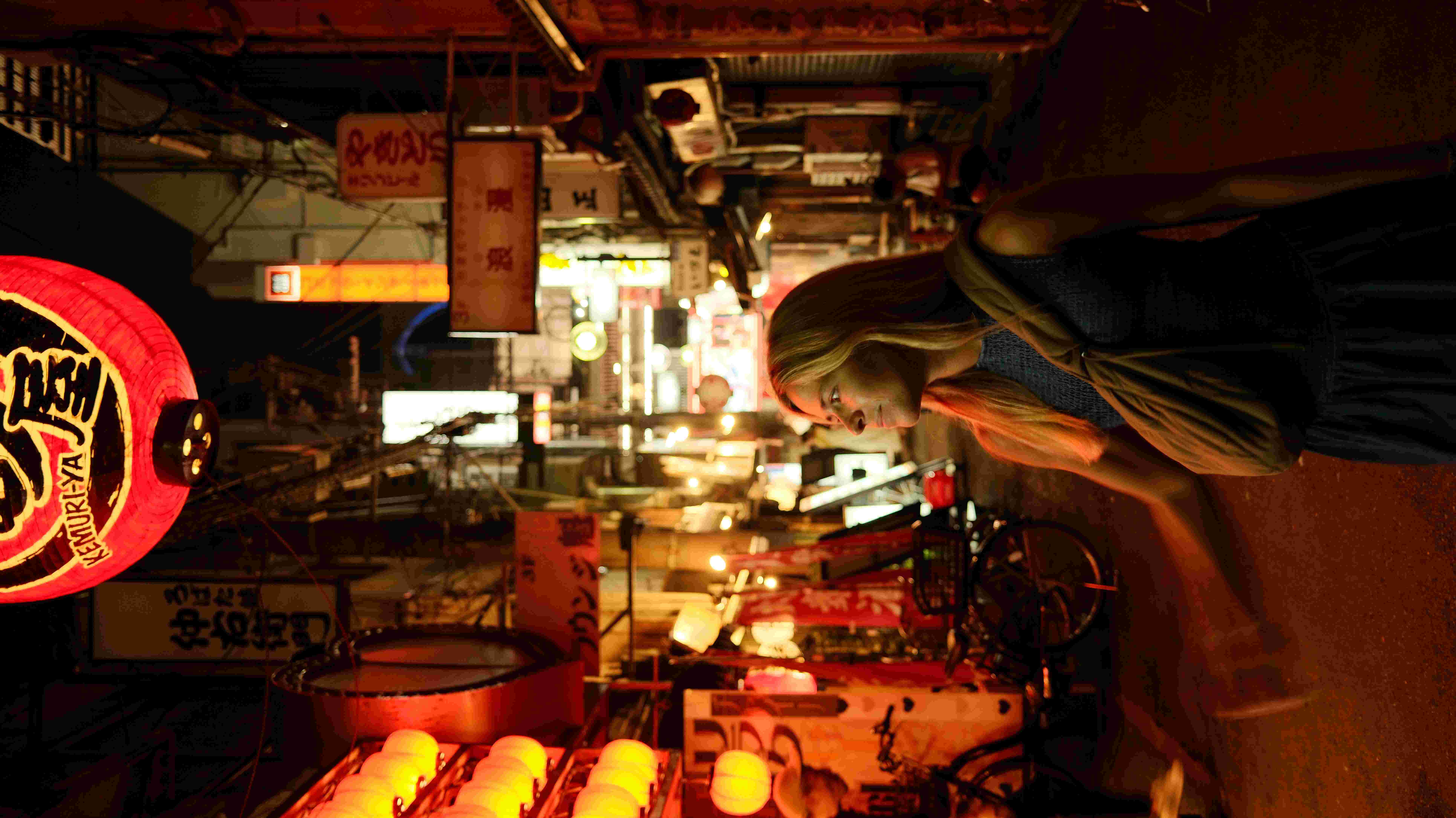
Osaka's street food is a city-wide institution. Dotonbori is the most famous spot, but the best eating is often one street back from the main canal — where prices are lower, queues shorter, and the food is frequently better. Here's what to eat, where, and how to navigate the tourist-trap trap.
Takoyaki — Osaka's Most Famous Food
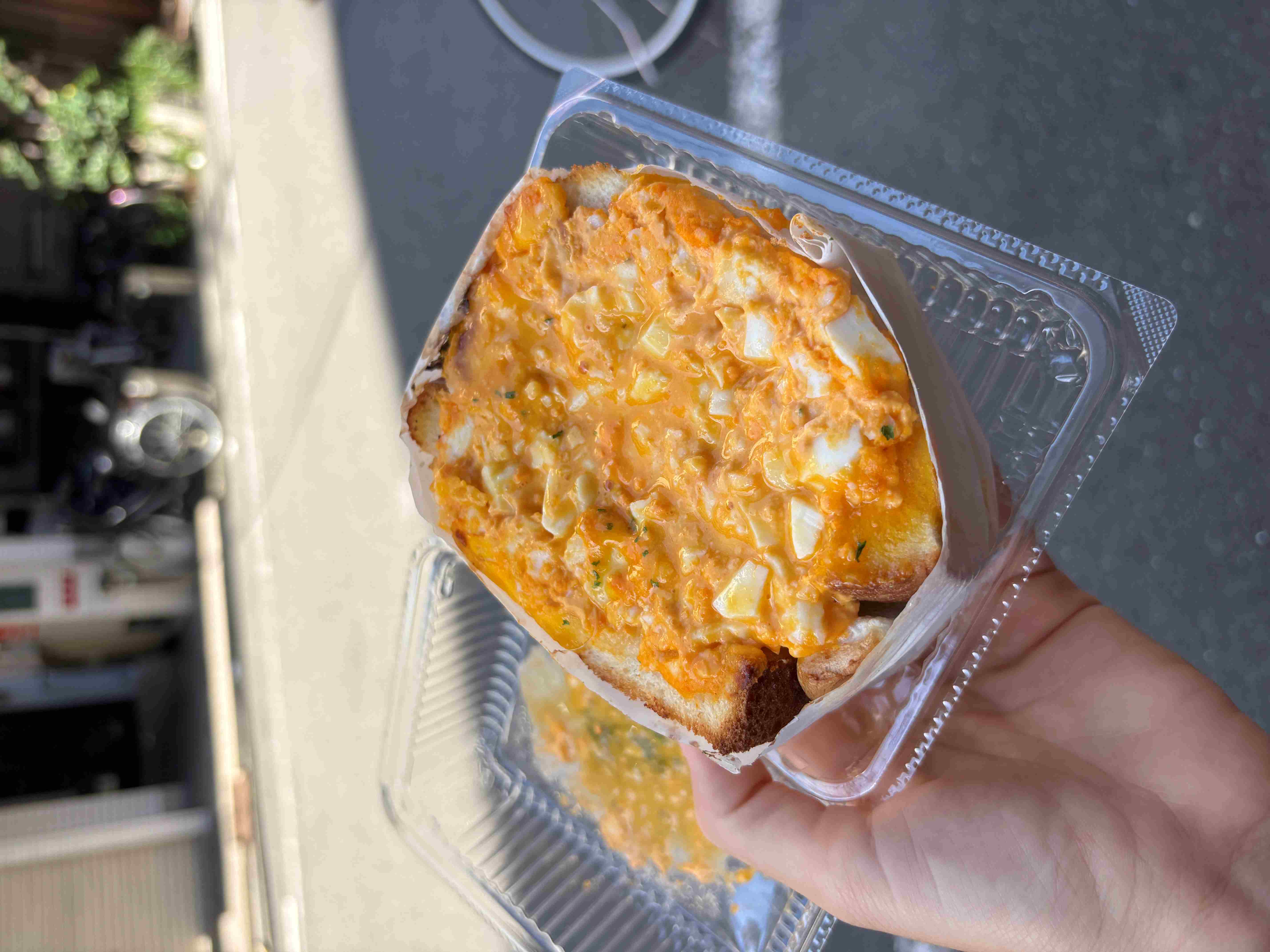
Osaka invented takoyaki in the 1930s — small balls of batter with octopus inside, cooked in a special round iron mould, flipped with metal picks, and finished with sauce, Japanese mayonnaise, dried bonito flakes, and green seaweed. The bonito flakes dance in the steam from the hot balls. It's street food with theatre.
Kukura was one of our favourites — crispy outside, genuinely gooey inside, cooked fresh and served immediately. The guide's note is accurate: "careful not to burn your mouth." The inside stays molten for several minutes after the outside cools. Wait 60 seconds longer than you think you need to.
Where to eat it: Any local stall rather than the enormous chains on the main Dotonbori strip. The big branded stands (Wanaka, Doraku) are fine; the smaller local stalls are often fresher. One street back from the canal, quality increases and queue length decreases.
Kushikatsu — The Shinsekai Special
Breaded, deep-fried skewers — pork, chicken, prawns, lotus root, cheese, quail egg — cooked to order and served with a shared trough of thick dipping sauce. The only rule: no double-dipping. (The sauce is shared between all tables. Dip once. If you want more sauce, use the cabbage provided to scoop it.)
Kushikatsu belongs to Shinsekai — the retro neighborhood built in 1912 that now feels frozen in the 1970s. Eat it in one of the old neighborhood shops rather than the tourist-facing chains near Dotonbori. The difference in atmosphere is significant.
What to order: Ask for an assortment. Most shops offer a set — 5 or 10 skewers — that covers the classics. Add extras as you go.
Okonomiyaki — Osaka Style
Osaka-style okonomiyaki is a savory pancake mixed entirely together — cabbage, batter, egg, and your choice of filling (pork belly, squid, cheese, mochi) — cooked on a flat griddle and topped with okonomiyaki sauce, mayonnaise, and bonito flakes. Hiroshima-style layers the ingredients; Osaka-style mixes them. Locals have strong opinions about which is better. Try both.
Dotonbori has several good okonomiyaki shops. Kiji (near Osaka Station, in a narrow alley off Umeda) is considered one of the best in the city.
Kuromon Market — Morning Street Eating
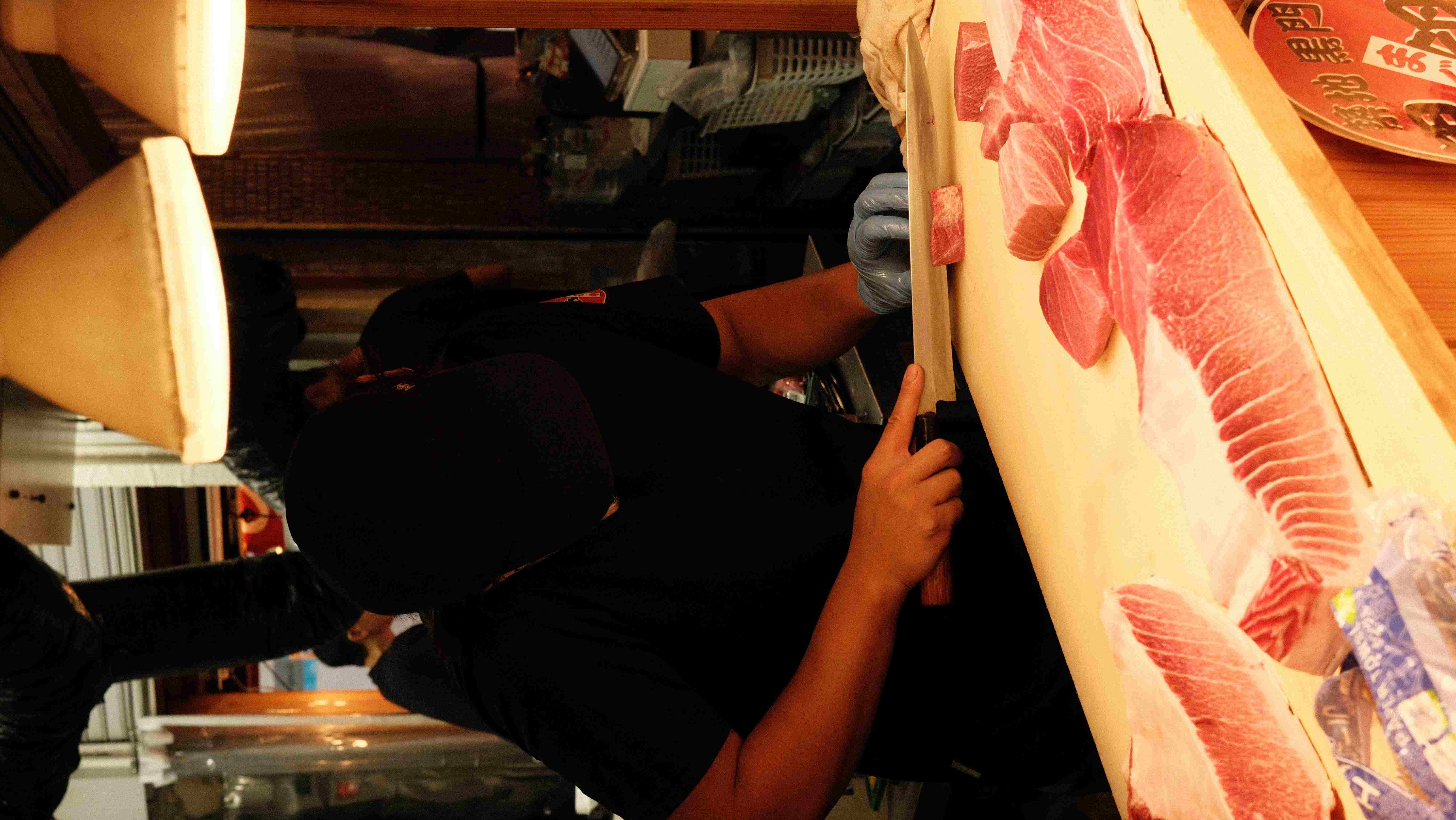
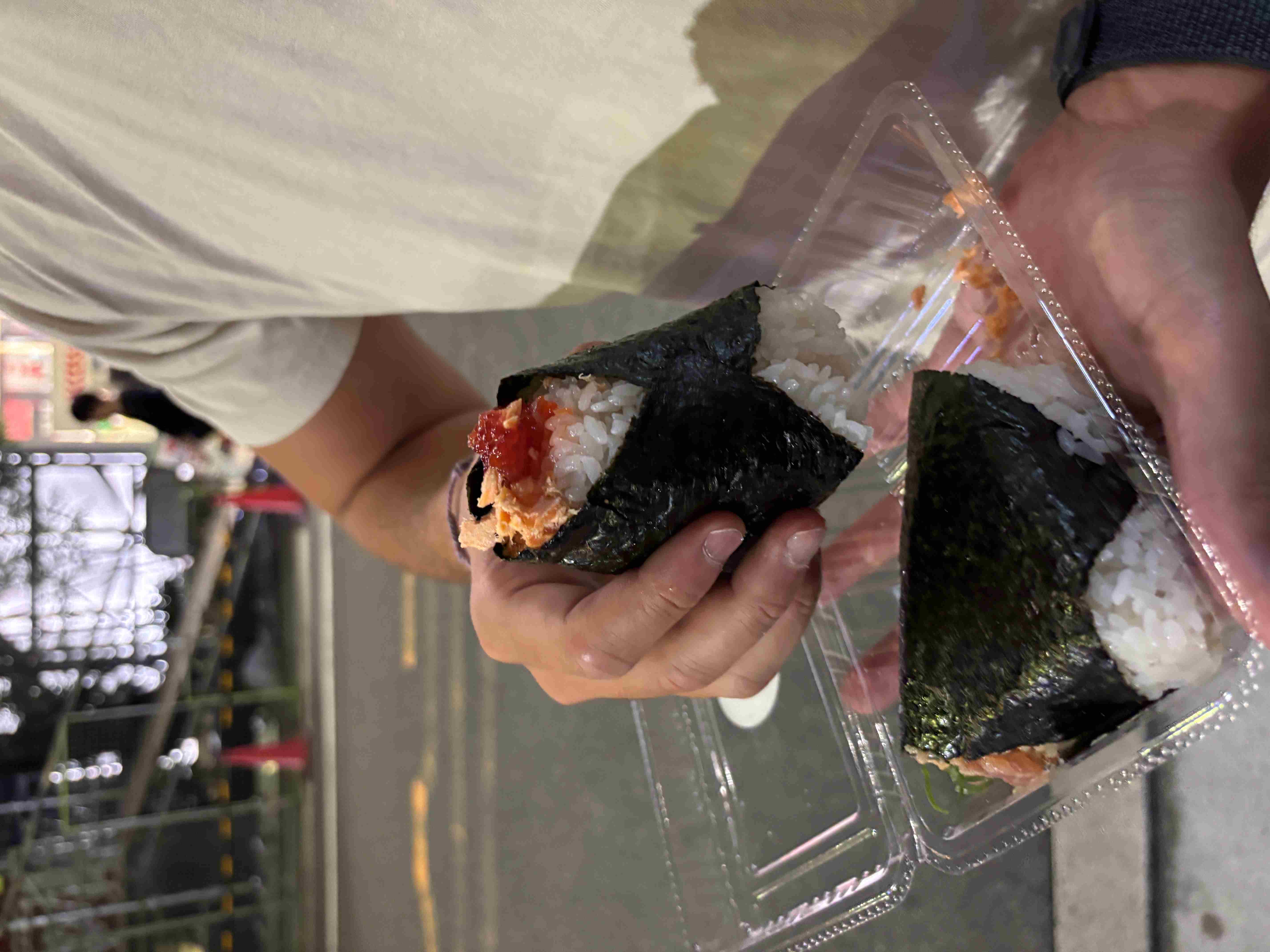
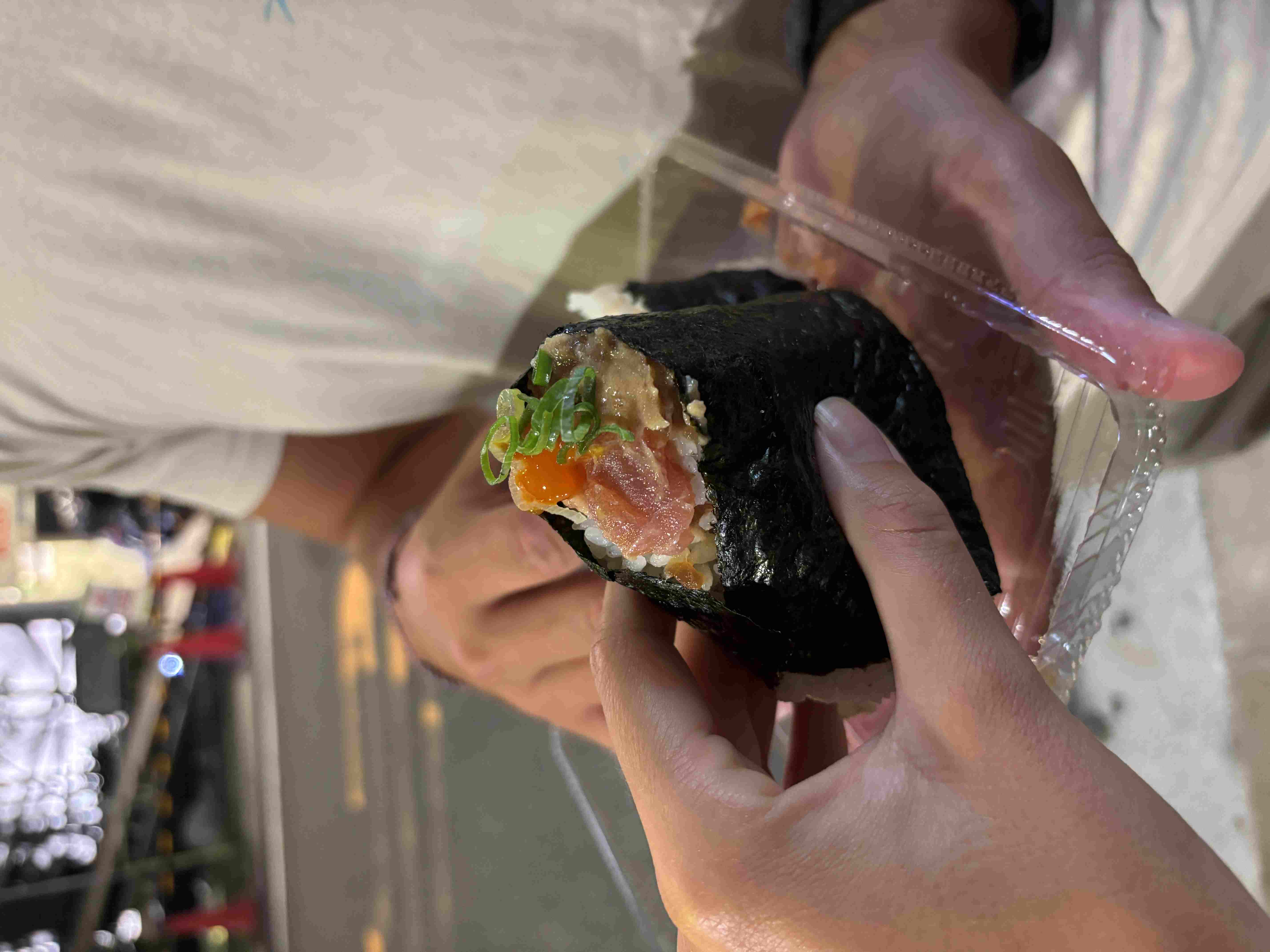
Kuromon Market is Osaka's covered food market — technically not "street food" but the best morning eating in the city happens here. Fresh onigiris at Onigiri Gorichan, tuna at Maguroya Kurogin, oysters grilled to order, king crab legs, tamagoyaki still warm from the pan, fresh uni eaten from the shell.
The market is best before noon — some stalls sell out by 11am. Budget ¥2,000–4,000 for a proper market breakfast.
What to Skip on the Main Dotonbori Strip
The main canal-side strip of Dotonbori has some excellent food and some very ordinary food at inflated tourist prices. The rule is consistent: the bigger the neon sign and the louder the tout, the less interesting the food. The restaurants one street back — Hozenji Yokocho, the side alleys off Shinsaibashi — are consistently better and cheaper.
- Giant crab restaurants: The huge mechanical crabs are for photos. The restaurants underneath them are fine but not worth seeking out for the food.
- Queue-heavy branded stalls: If there are 30 people waiting for a stall with a mascot, walk one block away and find the same food with no queue.
Practical Notes
- Cash: Most street food stalls and market vendors are cash-only. ¥5,000–10,000 per person per day.
- Eating standing up: Normal and expected for street food. Many stalls have small counters or standing areas; some have no seating at all.
- Timing: Kuromon Market: morning. Dotonbori: any time but best at night for atmosphere. Shinsekai kushikatsu: afternoon or early evening. Izakayas: dinner and late night.
More Osaka Guides
- Osaka Food Guide: Our Top Restaurants
- The Best Things to Do in Osaka + What to Skip
- 2 Days in Osaka Itinerary
- Is Osaka Worth Visiting? Our Honest Review
- How Many Days in Osaka Do You Need?
- The Best Time to Visit Osaka
- Where to Stay in Osaka
- The Best Cafes in Osaka
- Is Osaka Castle Worth Visiting?
- Kyoto vs Osaka: Which City Should You Base Yourself In?
- Osaka vs Tokyo: Which City Should You Visit First?
- Is Kobe Worth Visiting? (Day Trip from Osaka)
- Koyasan from Osaka: Day Trip or Overnight
- Is Kyoto Worth Visiting?
- All Japan Guides
FAQ
What is the most famous street food in Osaka?
Takoyaki — octopus balls cooked in a round iron mould. Osaka invented them and the city takes them seriously. Look for fresh-made versions at small local stalls rather than the tourist-facing branded chains.
Where is the best takoyaki in Osaka?
Kukura was our pick. Beyond that: any small local stall one street back from the main Dotonbori strip. Fresh-cooked from the mould is what you're looking for.
Is Dotonbori street food good?
Yes — but the best food is often one block off the main canal strip. The tourist-facing stalls on the main stretch are fine; walk one street back and the quality goes up and the queues go down.
Some links in this post are affiliate links. If you book through them, we earn a small commission at no extra cost to you.