Kobe is compact and walkable — almost everything worth doing is within 20 minutes of Sannomiya Station on foot. That makes it unusually easy to pack a lot into a day, whether you're visiting as a day trip from Osaka or staying overnight. Here's everything worth your time, in order of priority.
Eat A5 Kobe Beef at Mouriya Honten ★★★★★
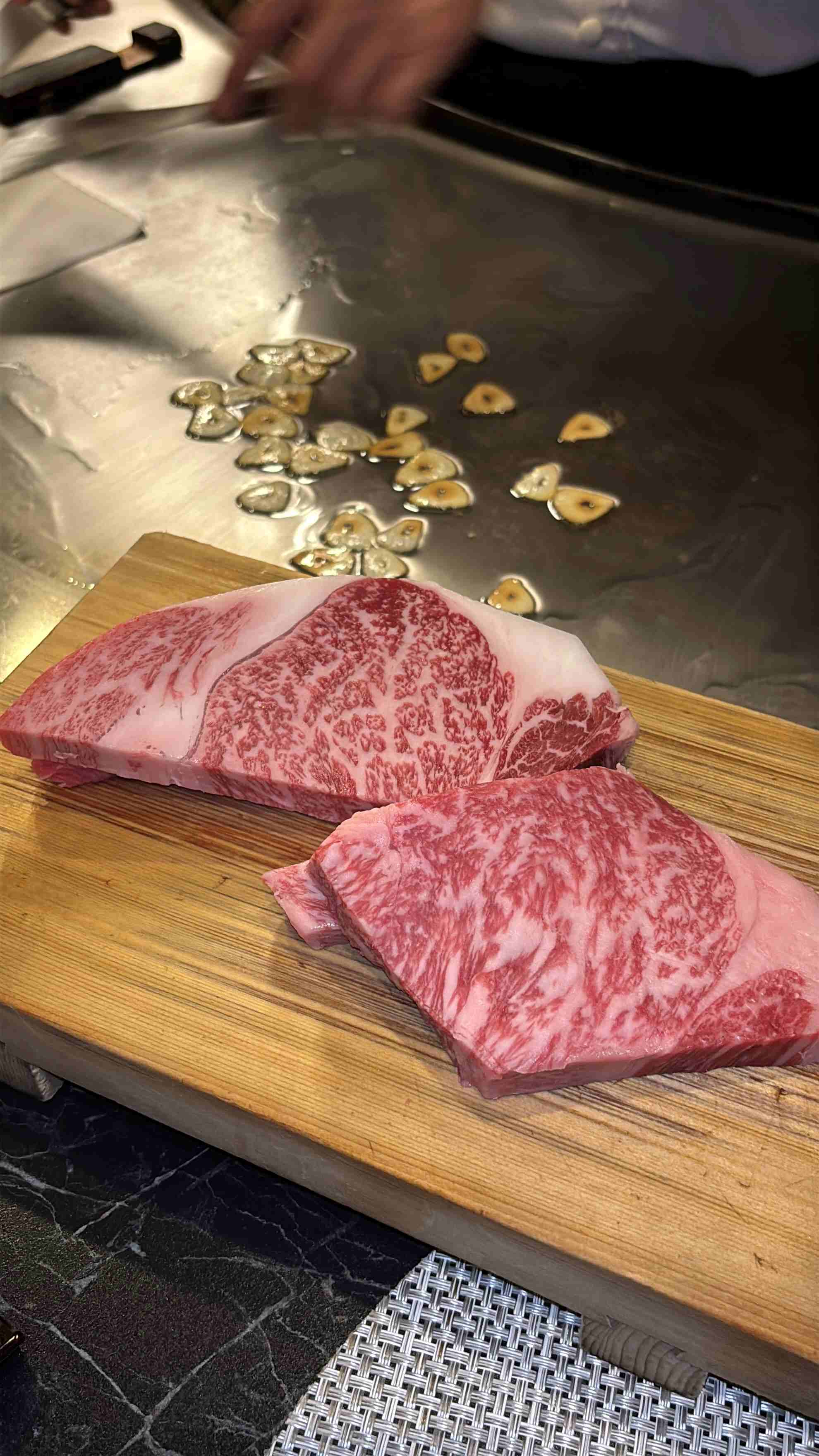
The non-negotiable. Whatever else you do in Kobe, book a table at a proper A5 Kobe beef teppanyaki restaurant. Mouriya Honten is the benchmark — certified beef, expert teppan chefs, the right atmosphere. Sirloin and ribeye cooked at the table: rich, melt-in-your-mouth perfection that justifies everything the reputation has built up.
Book in advance — Mouriya fills up, especially evenings. See our full Kobe beef guide for what to order, how to book, and what the experience is actually like.
Verdict: The defining Kobe experience. Book first, plan everything else around it.
Kobe Chinatown (Nankinmachi) ★★★★★
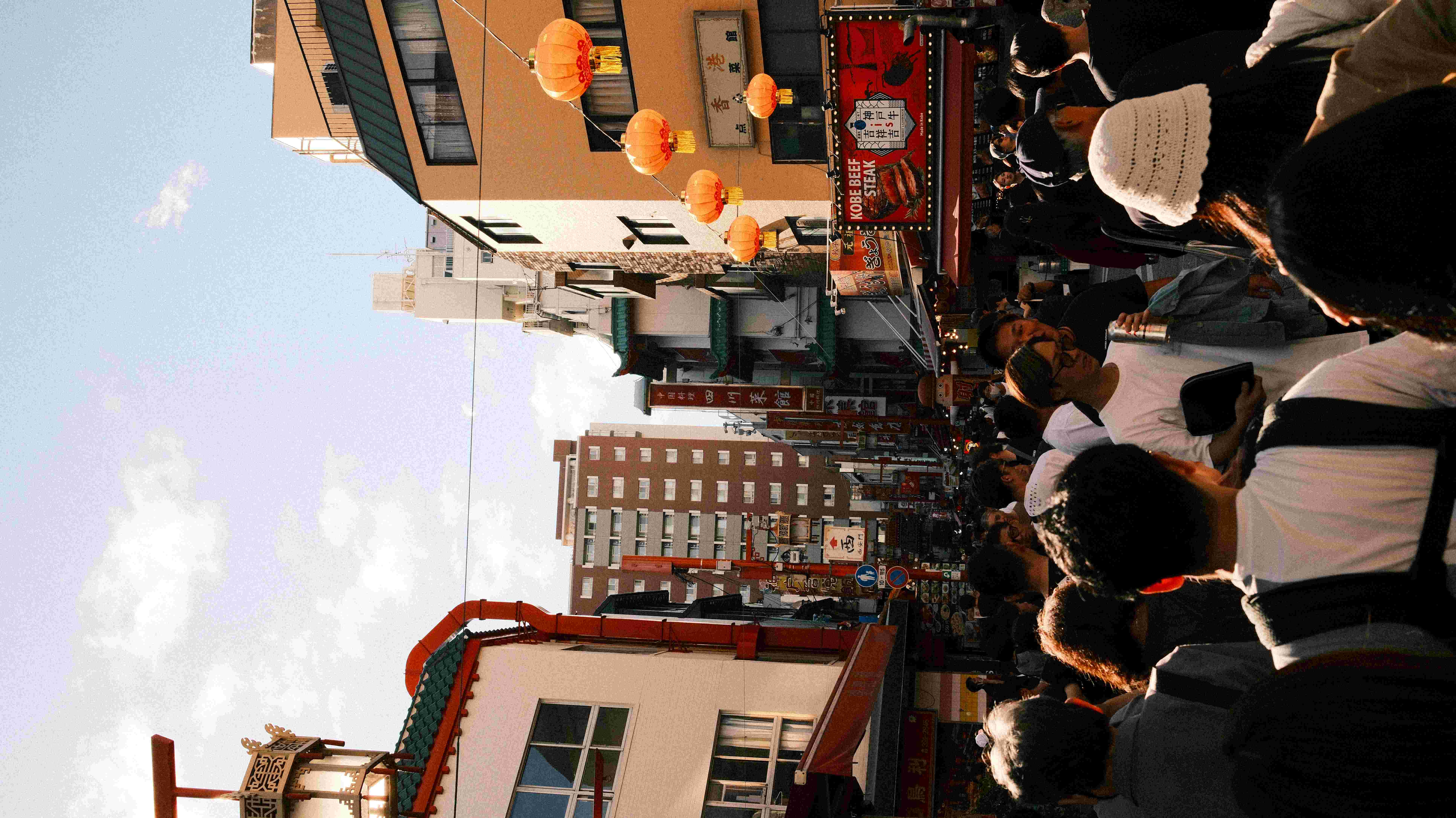
One of Japan's three main Chinatowns (alongside Yokohama and Nagasaki) — and the liveliest one we've visited. Red lanterns strung between buildings, street food on every corner, a specific energy that larger Japan Chinatowns often lose. The food is the point: soup dumplings at Yun Yun (warm burst of broth inside each one — our favourite Chinatown bite), pork buns at Rōshōki (soft, juicy, pure comfort food), and the obligatory Kobe croquettes at KOBE CROQUETTE (crispy outside, creamy inside).
Go with a strategy: pick a few specific things to eat rather than grazing at every stall. The dumplings and pork buns together make an excellent late-morning snack before lunch. See our full Chinatown food guide for the full breakdown.
Verdict: Excellent — and genuinely one of the better Chinatown experiences in Japan.
Kobe Kitano Ijinkan-Gai ★★★★☆
The hillside district where foreign merchants — British, American, German, French, Dutch — built their Western-style residences during Kobe's trading heyday in the Meiji era (1868 onward). The ijinkan (foreigners' houses) are a cluster of 19th-century Western mansions in various European styles: Victorian Gothic, Dutch colonial, Tudor half-timber. Many are open to visitors; the neighborhood as a whole is atmospheric and walkable.
Kitano is a 15-minute uphill walk from Sannomiya — or a short bus ride. The views back over the city and toward the harbor from the higher streets are excellent. The neighborhood has cafés and small shops worth browsing; the architectural contrast with the rest of Kobe is striking.
Verdict: Worth an afternoon, especially if European architecture in a Japanese context is your kind of thing. Less relevant if you're on a tight schedule.
Nunobiki Herb Gardens & Ropeway ★★★★★
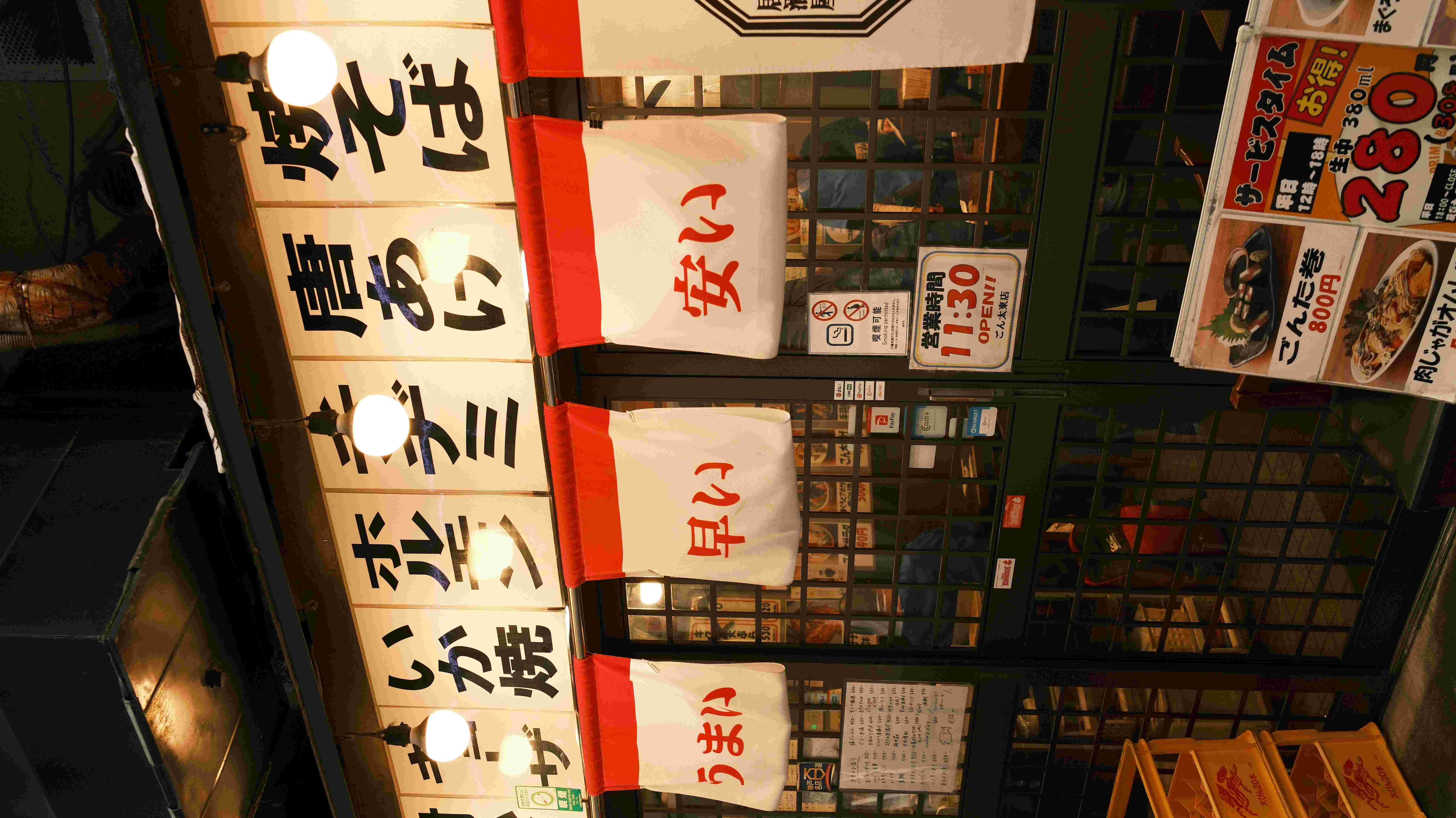
The ropeway climbs from the city's edge up the Rokko Mountain face to the Nunobiki Herb Gardens — terraced gardens of herbs and flowers with sweeping views over Kobe and its harbor at every level. The gardens themselves are pleasant; the views are the main event.
The guide's advice is specific and right: "Ride the Nunobiki Ropeway close to sunset for magical light over the harbor." The combination of the late-afternoon light on the Osaka Bay, the city lights beginning to appear below, and the fragrant herb terraces is one of Kobe's best experiences. Time your visit for 1–1.5 hours before sunset.
Entry: Ropeway round trip approximately ¥1,800; gardens included.
Verdict: Essential for the sunset view. The best elevated urban view in the Kobe–Osaka–Kyoto triangle.
Ikuta Shrine ★★★★☆
One of Japan's oldest shrines — established, according to tradition, in 201 CE — sitting directly in the heart of Kobe's modern city centre. The contrast is striking: a ancient forested shrine enclosure in the middle of a dense urban grid, with the covered shopping arcade running alongside it. The shrine forest (shinboku) is one of the few original forested areas left in central Kobe. Worth 20–30 minutes; free entry.
Verdict: A pleasant stop between Chinatown and Kitano — not a destination in itself, but a good addition to a walking route through the city.
Motomachi Shopping Street ★★★☆☆
The covered shopping arcade running from Sannomiya westward toward Chinatown — a mix of boutiques, vintage clothing shops, old-school cafés, hardware stores, and the unpredictable variety that makes Japanese shopping streets worth walking. Less curated than Kyoto's shopping streets; more characterful than standard mall shopping. Good for a browse between other activities.
Gyozas at Min Min Honten — Don't Miss This
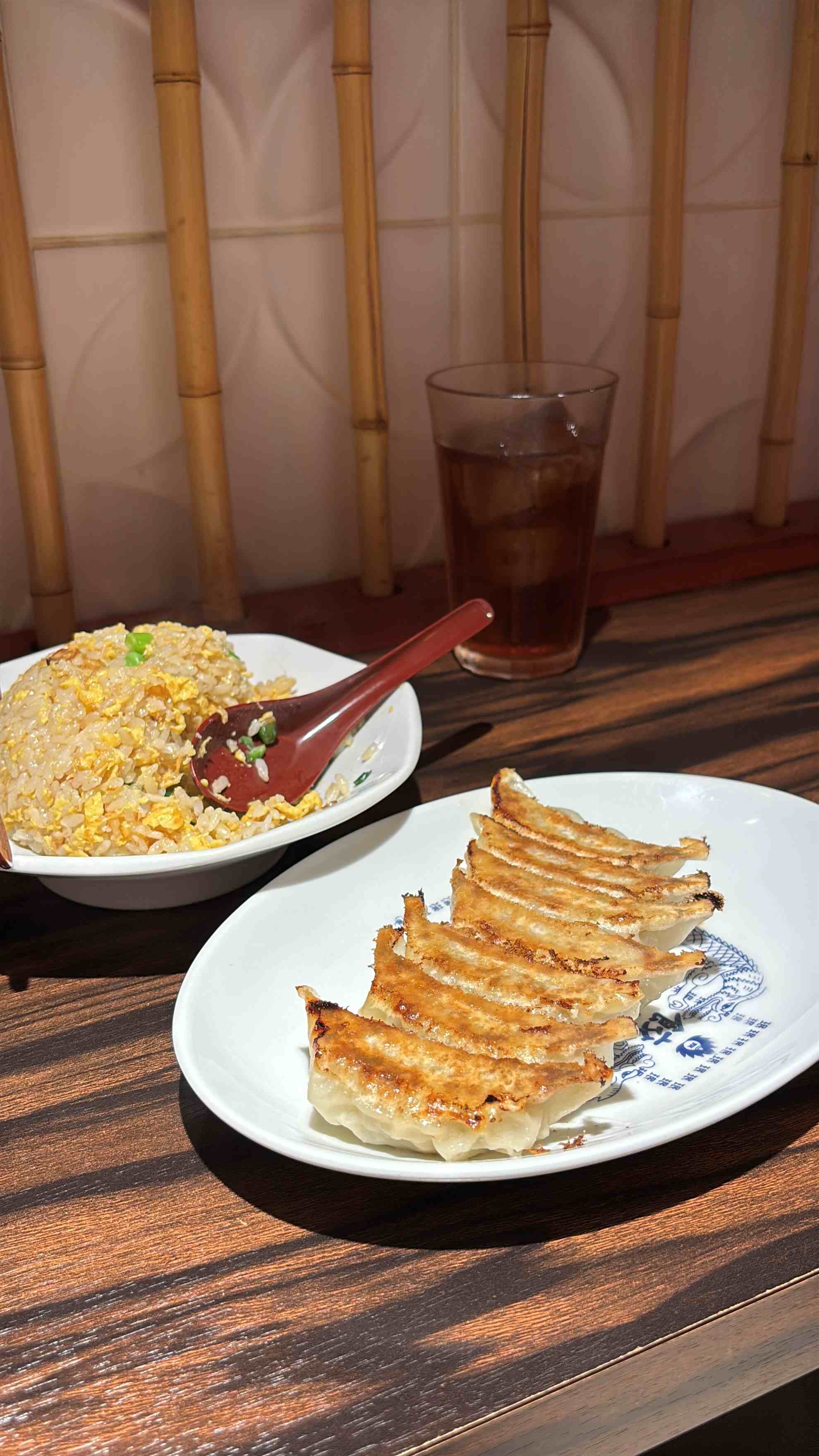
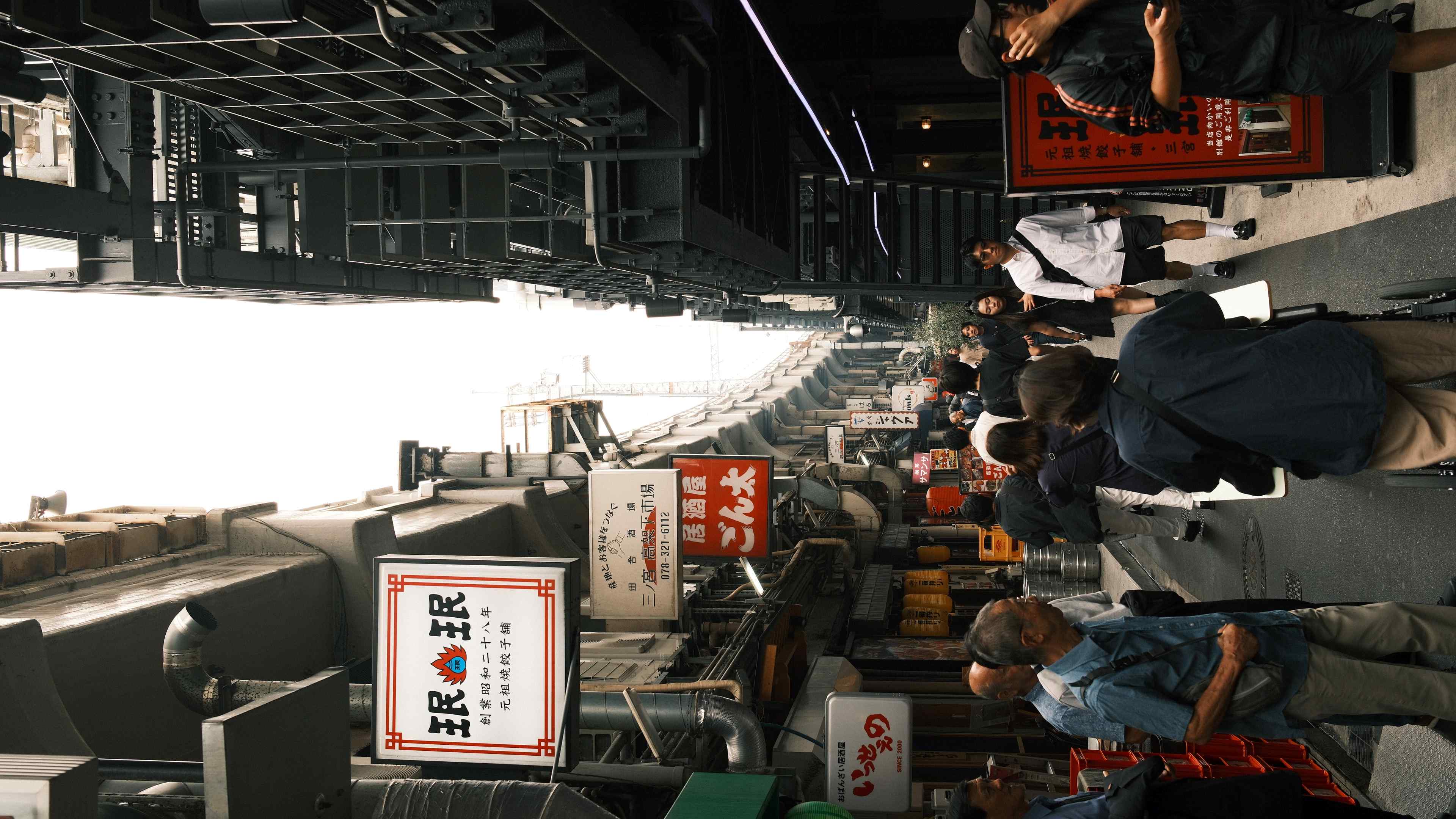
Not a sight — a restaurant. But it deserves mention here because it's the kind of place that only gets found by word of mouth. Min Min Honten is hidden in a small alley between the train lines near Sannomiya Station — no signage pointing at it from the main street, primarily local customers, a short menu. The gyozas and fried rice are some of the best we had anywhere in Japan. Go at least once. See our Kobe food guide for directions and details.
More Kobe Guides
- Kobe Beef Guide: Where to Eat A5 Wagyu in Kobe
- Kobe Chinatown Food Guide: What to Eat at Nankinmachi
- 1 Day in Kobe Itinerary (+ Osaka Day Trip Guide)
- Is Kobe Worth Visiting? Our Honest Review
- Where to Stay in Kobe
- Is Osaka Worth Visiting? (Base for Kobe Day Trip)
- Is Kyoto Worth Visiting? (Nearby)
- All Japan Guides
FAQ
What is Kobe famous for besides beef?
Kobe Chinatown (Nankinmachi) — one of Japan's best. The Kitano Ijinkan hillside district of Western-style houses. The Nunobiki Herb Gardens and ropeway views over the harbor. And the gyozas at Min Min Honten, which shouldn't be famous but are.
How walkable is Kobe?
Very — almost everything is within 20 minutes of Sannomiya Station on foot. Chinatown is 10 minutes west; Kitano is 15 minutes north (uphill); the ropeway base station is a short bus ride or 20-minute walk. Kobe is one of the most walkable cities in Japan for a tourist.
Some links in this post are affiliate links. If you book through them, we earn a small commission at no extra cost to you.