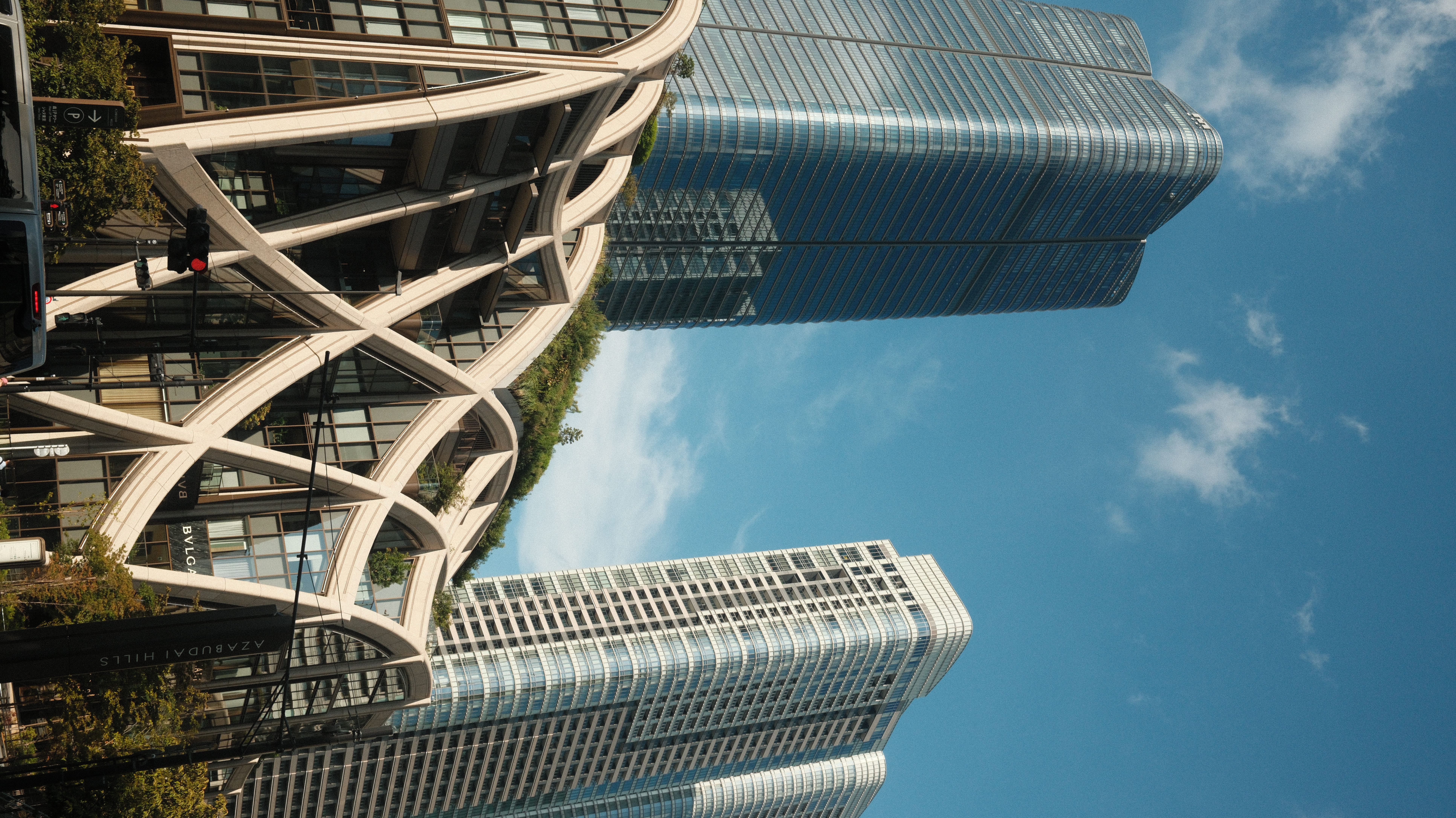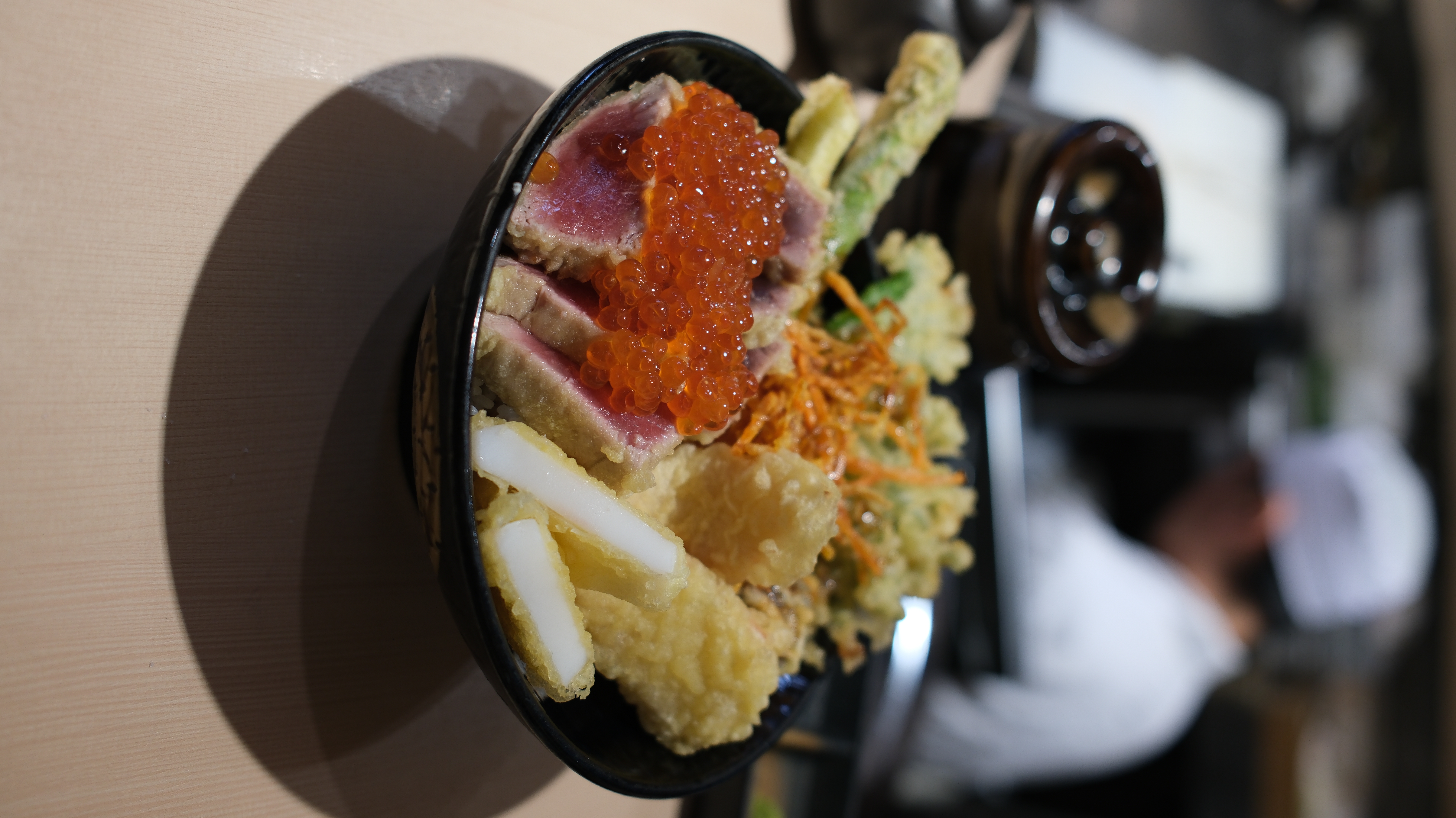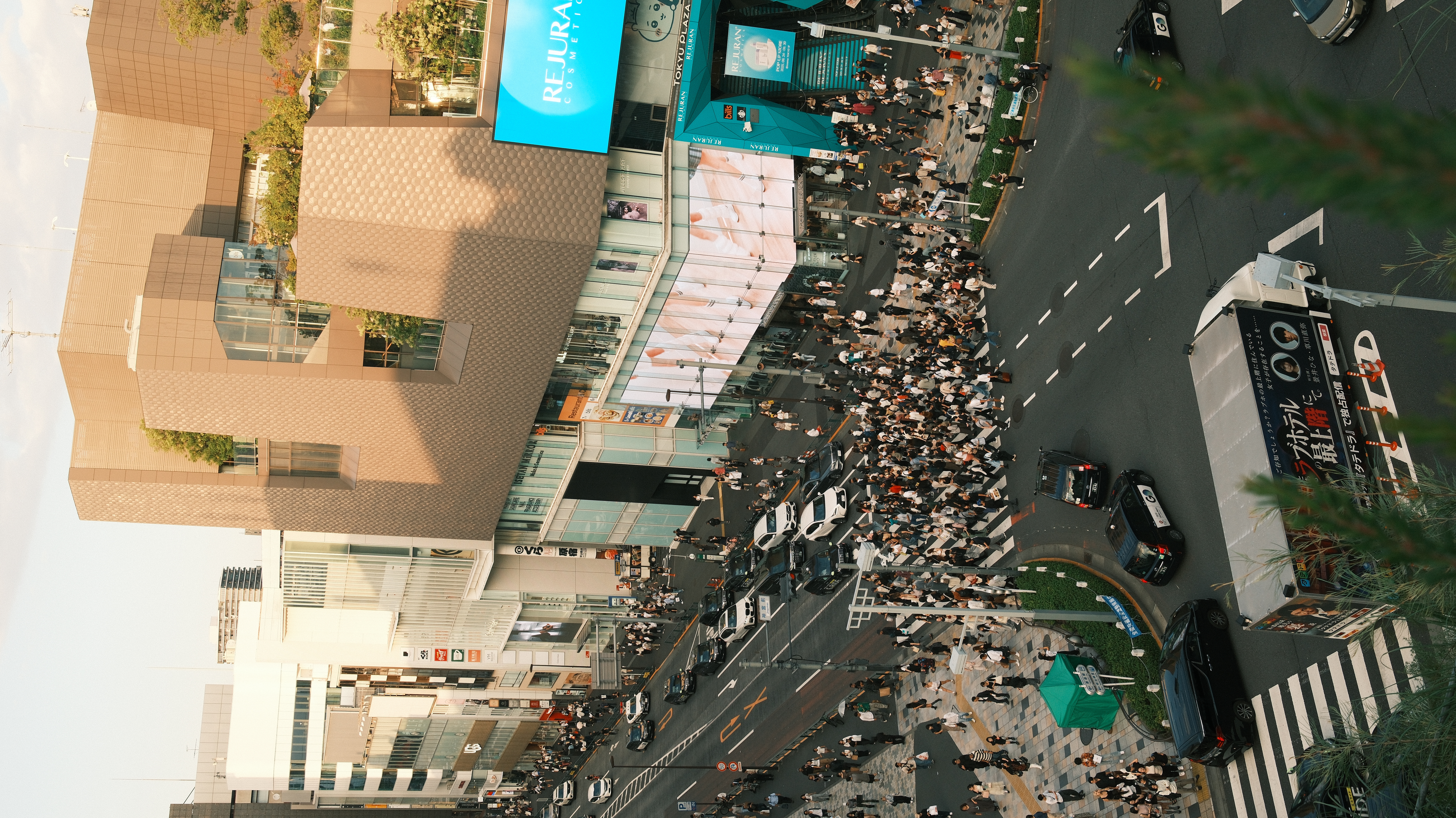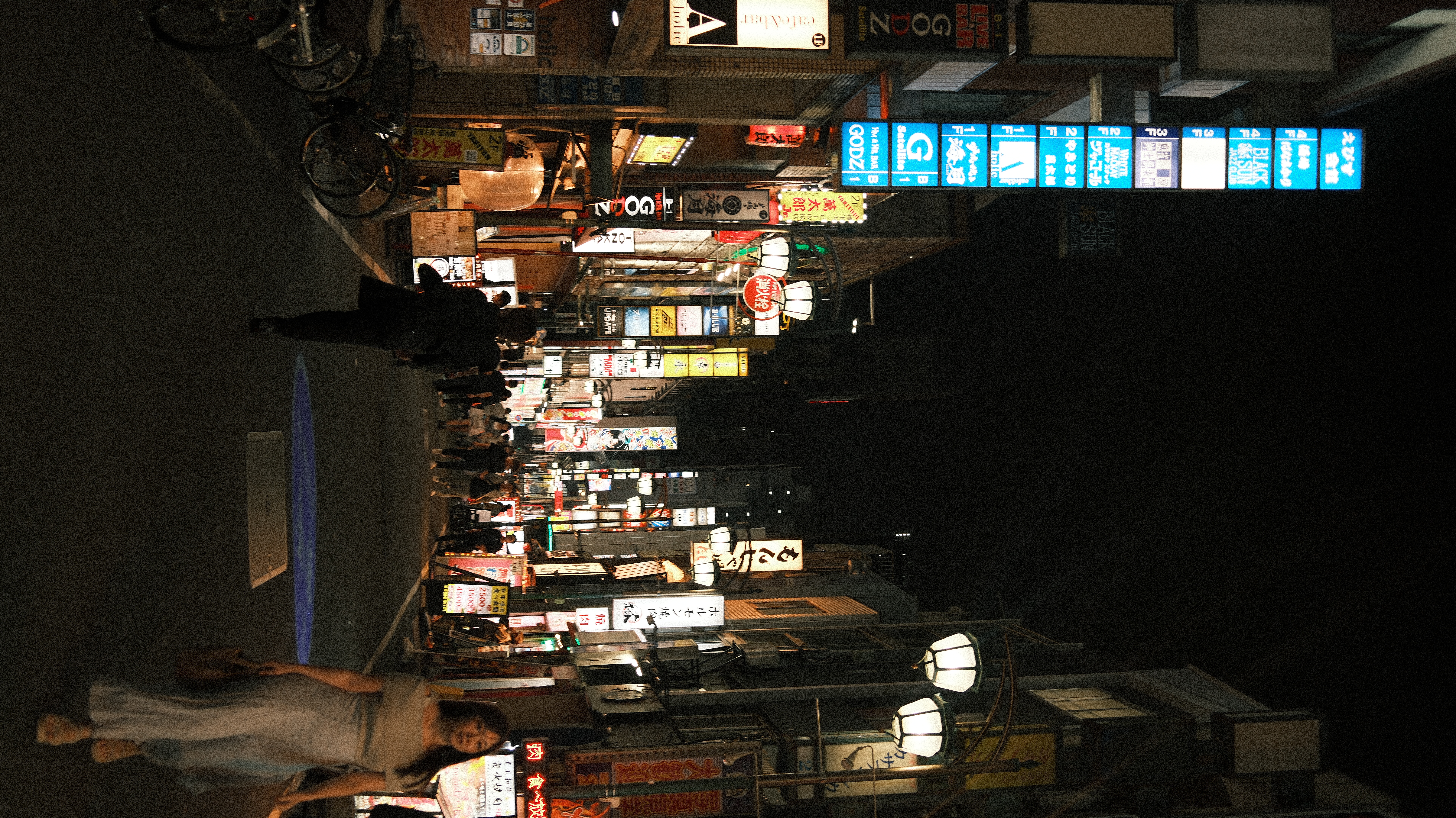
Our pick for first-timers: stay in Harajuku. It's quieter than Shinjuku, has excellent food and coffee on your doorstep, and puts you within a few metro stops of everything you'll want to see.
That said, Tokyo's metro is so good that where you stay matters less than you'd think. You're never more than 20–30 minutes from anywhere in the city. What you're really choosing is what you wake up to — and that does make a difference to how the trip feels.
Here's our honest breakdown of every main area, who it's best for, and the specific hotels we'd actually book. For what to do once you've settled in, see our guide to the best things to do in Tokyo.
| Best area overall | Harajuku (our pick) or Shinjuku |
|---|---|
| Best for first-timers | Harajuku — calm, walkable, well-connected |
| Best for nightlife | Shinjuku |
| Best for culture | Asakusa |
| Best for luxury | Ginza or Shinjuku (Park Hyatt) |
| Getting around | Suica card covers everything — all metro lines, buses, convenience stores |
| How many days | See our How Many Days in Tokyo guide |
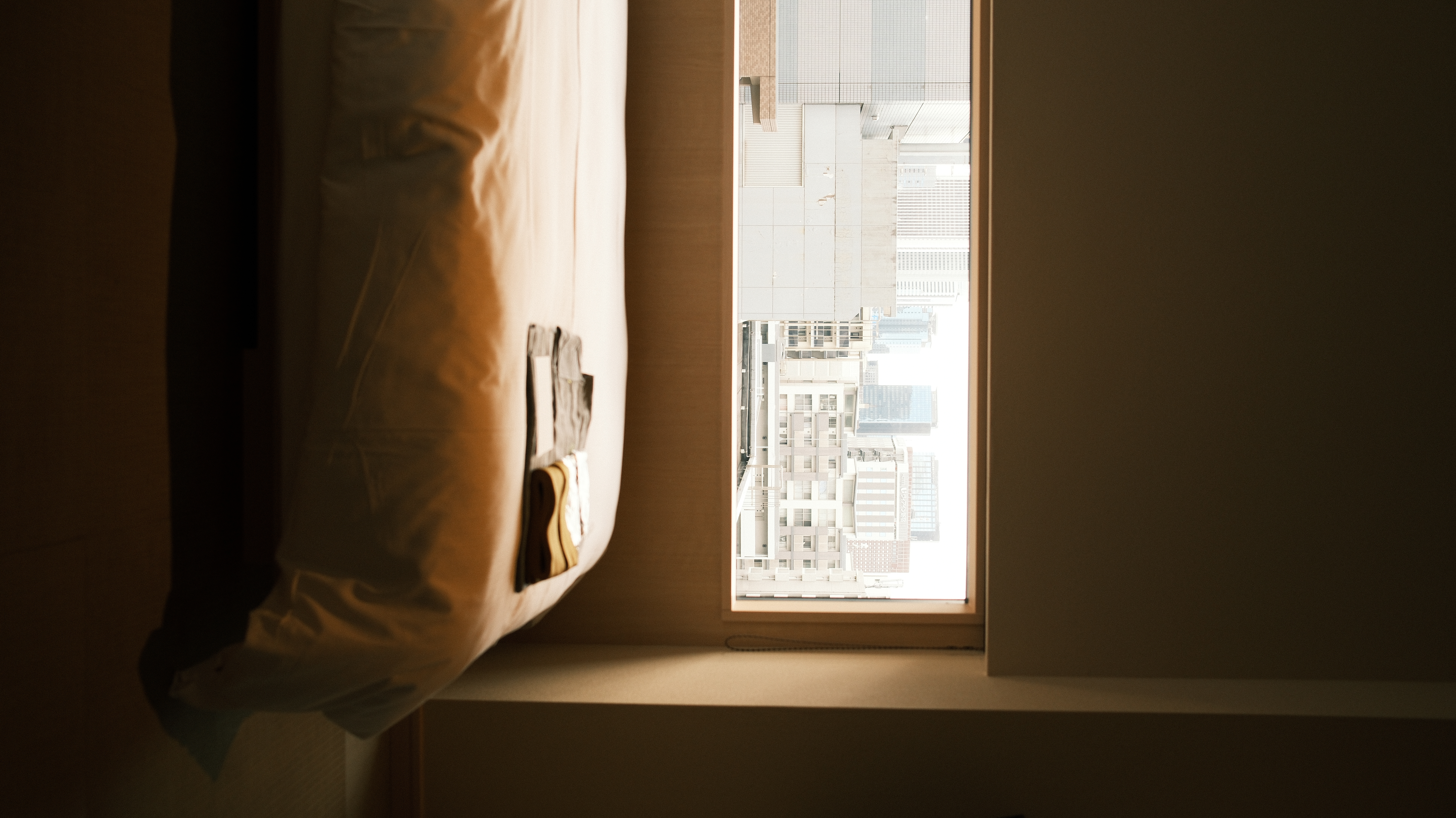
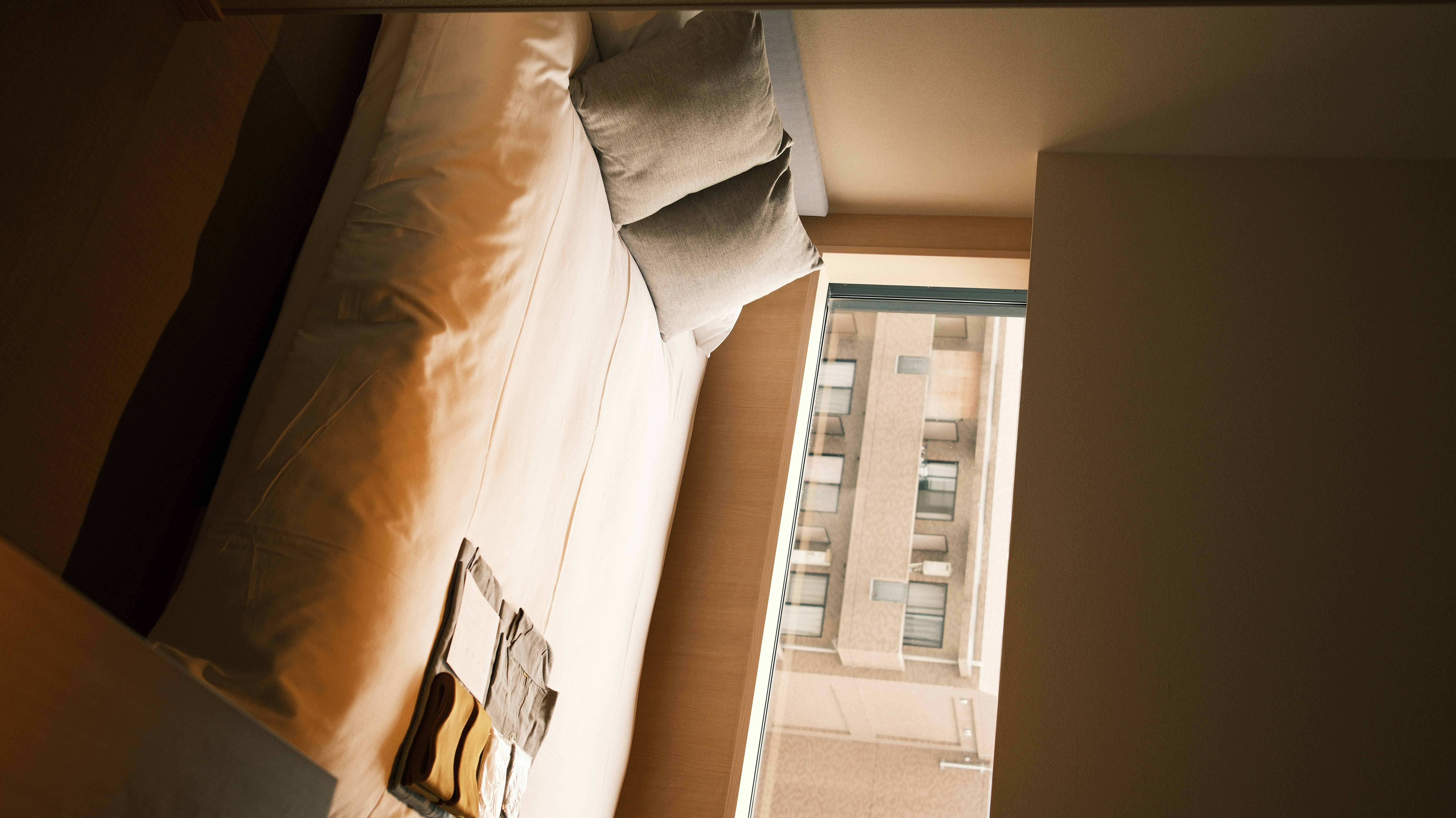
Where you sleep in Tokyo shapes how the trip feels. Choose the neighbourhood, not just the room.
The Best Areas to Stay in Tokyo
Harajuku — Our Top Pick for First-Timers
Harajuku is where we'd stay if we went back to Tokyo tomorrow. It's not the most central neighbourhood on a map, but in practice it's one of the best-connected — Harajuku Station puts you directly on the Yamanote Line, which loops around the whole city and gets you to Shibuya in 2 minutes, Shinjuku in 4, and Ebisu and Meguro in minutes.
The neighbourhood itself is genuinely enjoyable to be based in. Cat Street (the local shopping street that runs parallel to the main drag) has great coffee, small restaurants, vintage shops, and none of the chaos of Shibuya or Shinjuku. Meiji Shrine is a 10-minute walk. You can have a quiet morning and then be in the heart of the city within minutes.
Best for: Couples, first-timers, food lovers, people who want a liveable base rather than a buzzing one.
Hotels we'd look at in Harajuku:
- Jingumae Combi — boutique, great location on Cat Street, small and well-designed
- Dormy Inn Premium Shibuya-Jingumae — mid-range, excellent value, onsite onsen bath, excellent breakfast
Shinjuku — Best for Everything at Once
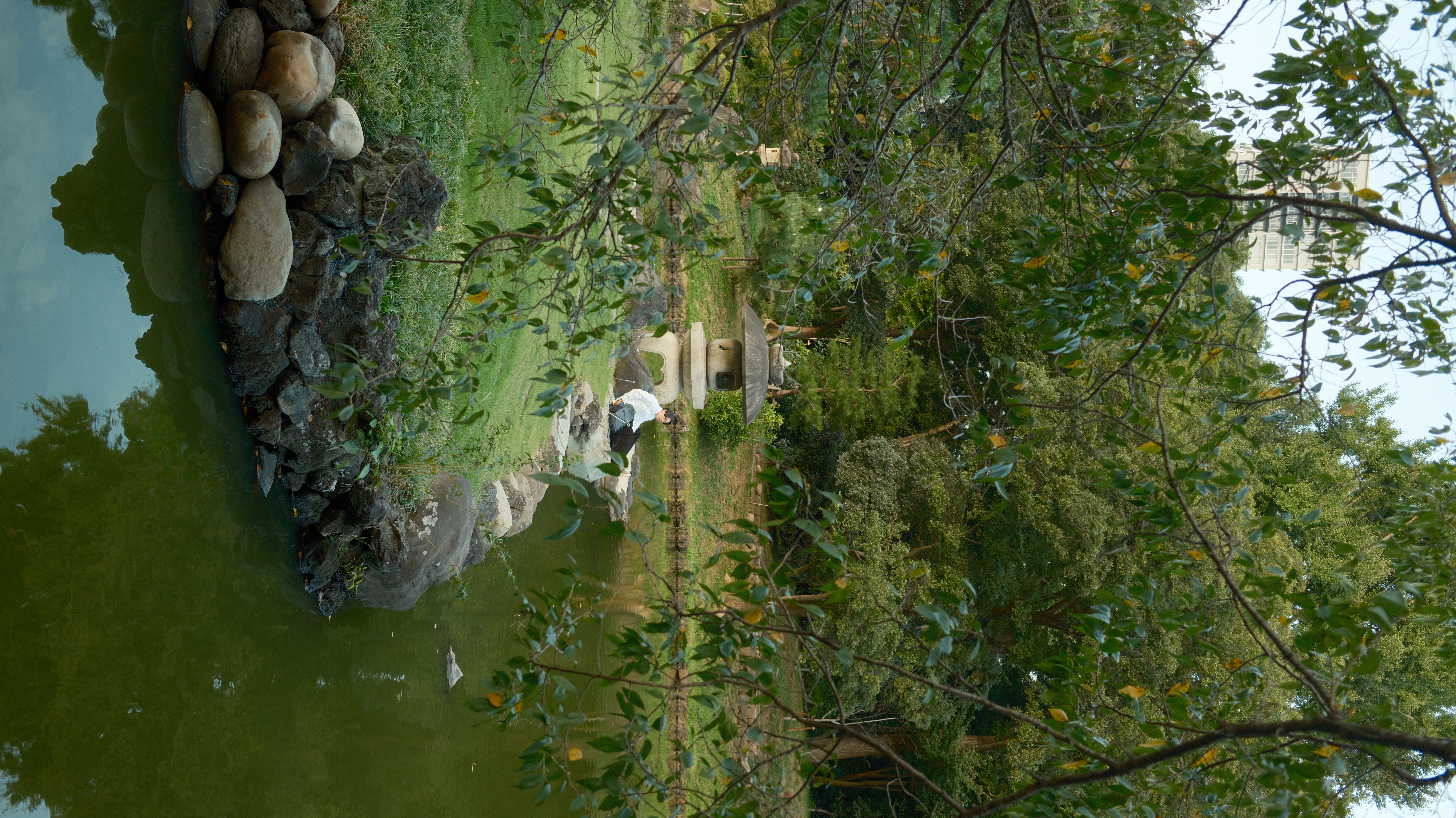
Shinjuku Gyoen. Shinjuku contains multitudes — from Kabukicho neon to one of Tokyo's best parks.
Shinjuku is the most practical choice for a first visit. It's Tokyo's main transport hub — dozens of metro lines, the JR Yamanote Line, night buses, the express to the airport, everything. If you're doing day trips to Hakone or Kamakura, you'll likely be starting from Shinjuku anyway.
The neighbourhood around the station is also extraordinary in itself. Department stores, Golden Gai, Kabukicho's neon chaos, Shinjuku Gyoen (the park, which is one of the best in the city) — it's a full experience just to walk it.
The downside: it's loud, busy, and the streets immediately around the station can feel overwhelming on your first day. If you're sensitive to that, Harajuku is a calmer option.
Best for: People who want maximum convenience, solo travellers, anyone doing multiple day trips.
Hotels we'd look at in Shinjuku:
- Yuen Shinjuku — boutique ryokan-inspired hotel in the heart of Shinjuku. Excellent rooms, Japanese aesthetic, great location. Our pick in this area.
- Park Hyatt Tokyo — the iconic Lost in Translation hotel. Stunning rooms, high floor views, pool, one of the best hotel bars in the world. A splurge worth making if the budget allows.
- Citadines Central Shinjuku — solid mid-range option with apartment-style rooms, good for longer stays.
More on Shinjuku
Shibuya — For the Energy
Shibuya is where Tokyo's creative energy lives. The crossing, the department stores, the restaurants, the nightlife — it's all here. But as a base, it can feel relentlessly busy. Staying in Shibuya means you never really escape the pace of it.
That said, if you're here for the buzz — if you want to step out of your hotel into the heart of it — Shibuya is that. And the food and coffee scene around Daikanyama and Nakameguro (a short walk from Shibuya) is exceptional.
Best for: Nightlife, shopping, young couples who want to be in the thick of it.
Hotels we'd look at in Shibuya:
- Trunk Hotel — design-forward boutique hotel, genuinely beautiful, slightly removed from the main Shibuya chaos
- Cerulean Tower Tokyu Hotel — high-rise, great views, well-located, good mid-to-upper range option
Asakusa — For Old Tokyo
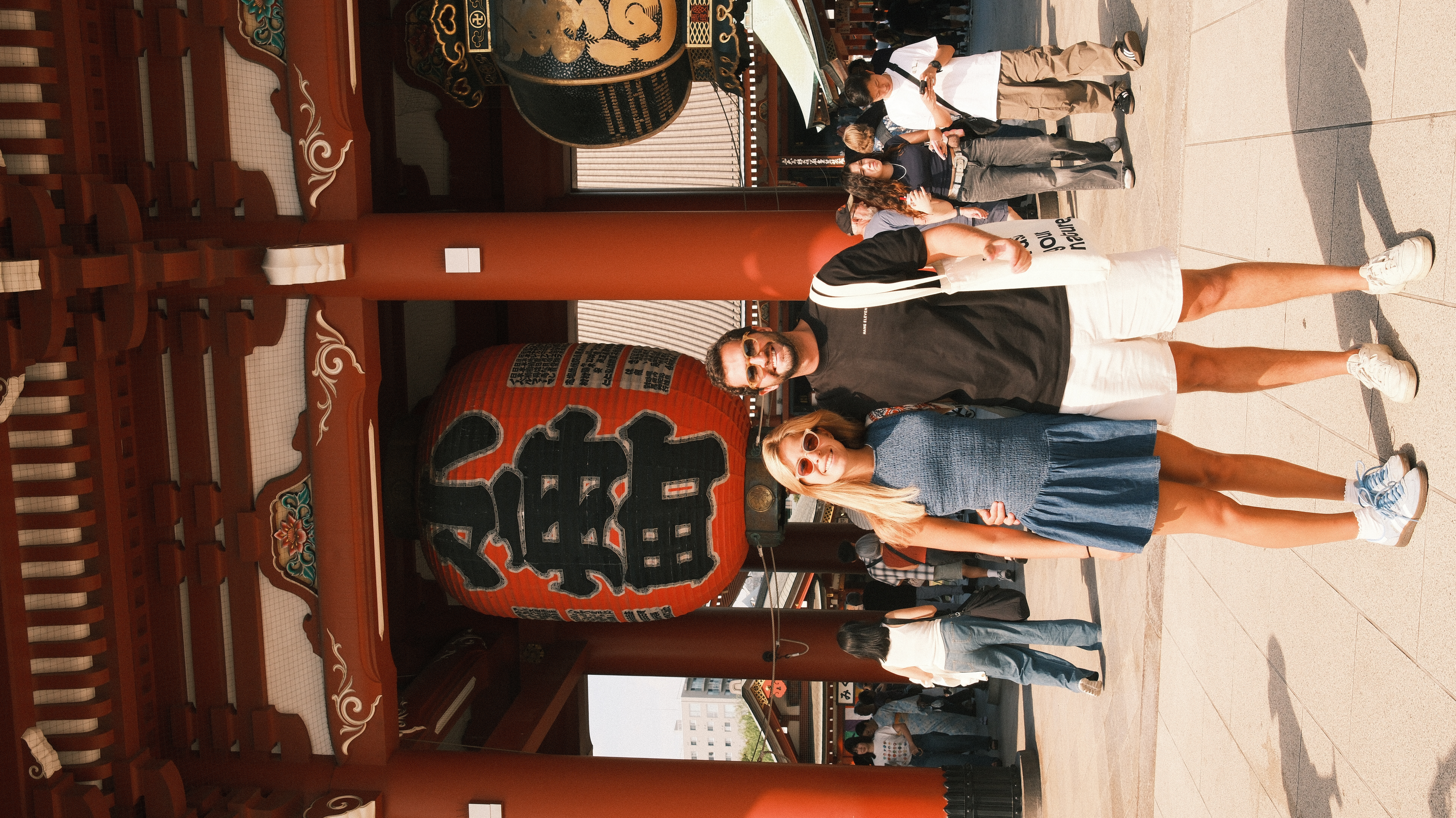
Staying in Asakusa means Sensō-ji is a 5-minute walk from your bed.
Asakusa is the part of Tokyo that feels most like it did before the modern city took over. Low-rise streets, traditional shops, rickshaws, and Sensō-ji Temple as your local landmark. It's a genuinely beautiful neighbourhood to wake up in — read our full Asakusa neighbourhood guide for everything worth doing in the area.
The tradeoff is distance. Asakusa is on the eastern edge of central Tokyo — you're further from Shibuya, Harajuku and Shinjuku than if you're based in those neighbourhoods. The metro connection is good but it adds time to your days.
Best for: People who want a cultural, atmospheric base; those most interested in temples, traditional crafts, and old Tokyo.
Hotels we'd look at in Asakusa:
- Kaminarimon Hotel — excellent boutique option steps from Sensō-ji
- Ryokan Sawanoya — a traditional family-run ryokan, tatami rooms, communal bath. One of the most authentic accommodation experiences in Tokyo.
- Dormy Inn Asakusa — reliable mid-range chain, great value, good location
Ginza — For Elegance
Ginza is Tokyo's most refined district — flagship stores, high-end restaurants, wide boulevards, and a completely different atmosphere from the rest of the city. Staying here puts you close to Tsukiji Market (a 10-minute walk) and in the most elegant version of Tokyo.
It's quieter at night than Shinjuku or Shibuya, which some people love and others find dull. The restaurants here lean expensive. But if you want the most polished version of Tokyo as your base, Ginza is it.
Best for: Luxury travellers, couples on a special trip, anyone combining Ginza and Tsukiji as a morning itinerary.
Hotels we'd look at in Ginza:
- The Okura Tokyo — a Tokyo institution. Redesigned beautifully, exceptional service, stunning lobby.
- Mandarin Oriental Tokyo — high-rise luxury, extraordinary views, exceptional spa.
Where We'd Stay by Travel Style
| Travel style | Our pick |
|---|---|
| First time in Tokyo, couples | Harajuku — calm, connected, great food scene |
| Want maximum convenience | Shinjuku — best transport links in the city |
| Culture and atmosphere | Asakusa — old Tokyo on your doorstep |
| Nightlife and energy | Shibuya — you're in the middle of it |
| Luxury splurge | Park Hyatt Shinjuku or Mandarin Oriental Ginza |
| Boutique / design hotel | Yuen Shinjuku or Trunk Hotel Shibuya |
| Traditional Japanese experience | Ryokan in Asakusa — tatami rooms, communal bath |
What to Avoid
Staying purely based on price. Tokyo hotel prices are higher than Southeast Asia but very reasonable by European standards. Choosing a cheap hotel far from the metro adds travel time and stress that isn't worth the saving.
Booking without checking the metro stop. Always check which metro line the hotel is on before booking. Being on the Yamanote Line (which loops the whole city) is ideal. Being on a single line in the far east of the city means extra transfers every day.
Ignoring capsule hotels if you're curious. They're not for everyone, but a night in a well-designed capsule hotel (like the Anshin Oyado chain) is a uniquely Tokyo experience worth trying on a longer trip.
FAQ
What is the best area to stay in Tokyo for first-timers?
We'd recommend Harajuku for first-timers — it's calm, walkable, has great food and coffee on your doorstep, and the metro connection is excellent. Shinjuku is the most practical if you want to be right at the city's transport hub. See our full comparison in Shinjuku vs Harajuku: Where Should You Stay?
Is Shinjuku or Shibuya better to stay in?
Shinjuku for practicality and nightlife variety (Golden Gai, Kabukicho). Shibuya for creative energy and the crossing. Both are excellent — it comes down to the vibe you want from your base.
How much do hotels cost in Tokyo?
Budget: €60–100/night. Mid-range: €100–200/night. Luxury: €250–500+/night. Tokyo is more affordable than equivalent hotels in Paris or London at every level. For full budget context, see our Is Tokyo Expensive? guide.
Should I stay in a ryokan in Tokyo?
If you can, yes — at least for one or two nights. A traditional ryokan with tatami rooms and a communal bath is a genuinely different experience from a standard hotel. Asakusa has the best options for this in central Tokyo. If you want a deeper ryokan experience, consider Kyoto or Hakone, where the tradition is even stronger.
Is it worth paying more for a hotel with a view in Tokyo?
Yes, if that's something you value. High-floor views over Tokyo at night are genuinely spectacular — the city is vast and lit up in every direction. The Park Hyatt bar and the Mandarin Oriental's higher floors are both worth it for that alone.
How far in advance should I book hotels in Tokyo?
For popular periods (cherry blossom in March–April, autumn foliage in November), book 3–6 months ahead. Outside peak season, 4–6 weeks is usually fine. The good boutique hotels fill faster than chains.
More Tokyo Guides
- Where to Stay in Shinjuku: Our Top Hotel Picks
- Where to Stay in Harajuku: Our Top Hotel Picks
- Shinjuku vs Harajuku: Where Should First-Timers Stay?
- The Best Restaurants in Tokyo
- The Best Things to Do in Tokyo
- How Many Days in Tokyo Do You Need?
- Is Tokyo Expensive? Our Budget Breakdown
- Sensō-ji Temple Guide
- Tsukiji Market Guide
- All Japan Guides
Some links in this post are affiliate links. If you book through them, we earn a small commission at no extra cost to you — it helps us keep writing guides like this one. We only recommend places we've actually stayed at or would genuinely book.