Kyoto is Japan's cultural heart — and yes, it is absolutely worth visiting. But it rewards people who plan ahead and wake up early. Those who don't often leave disappointed.
We came to Kyoto after spending time in Tokyo and several other Japanese cities, which meant we arrived with high expectations. Kyoto met them — not in a loud, overwhelming way, but in a slow, layered one. The kind of city that gets better the more time you give it.
Here's our honest take.
What Makes Kyoto Special
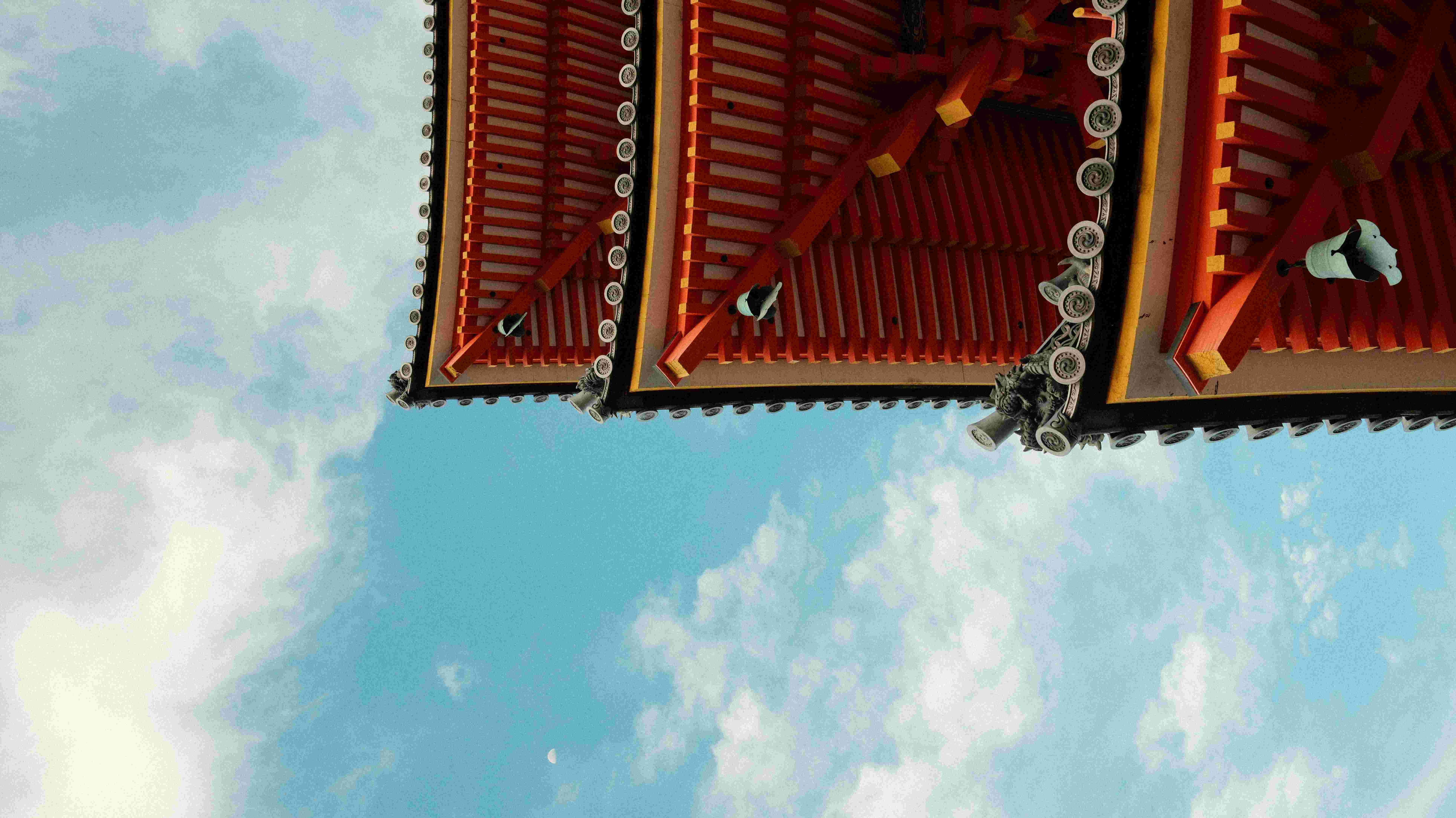
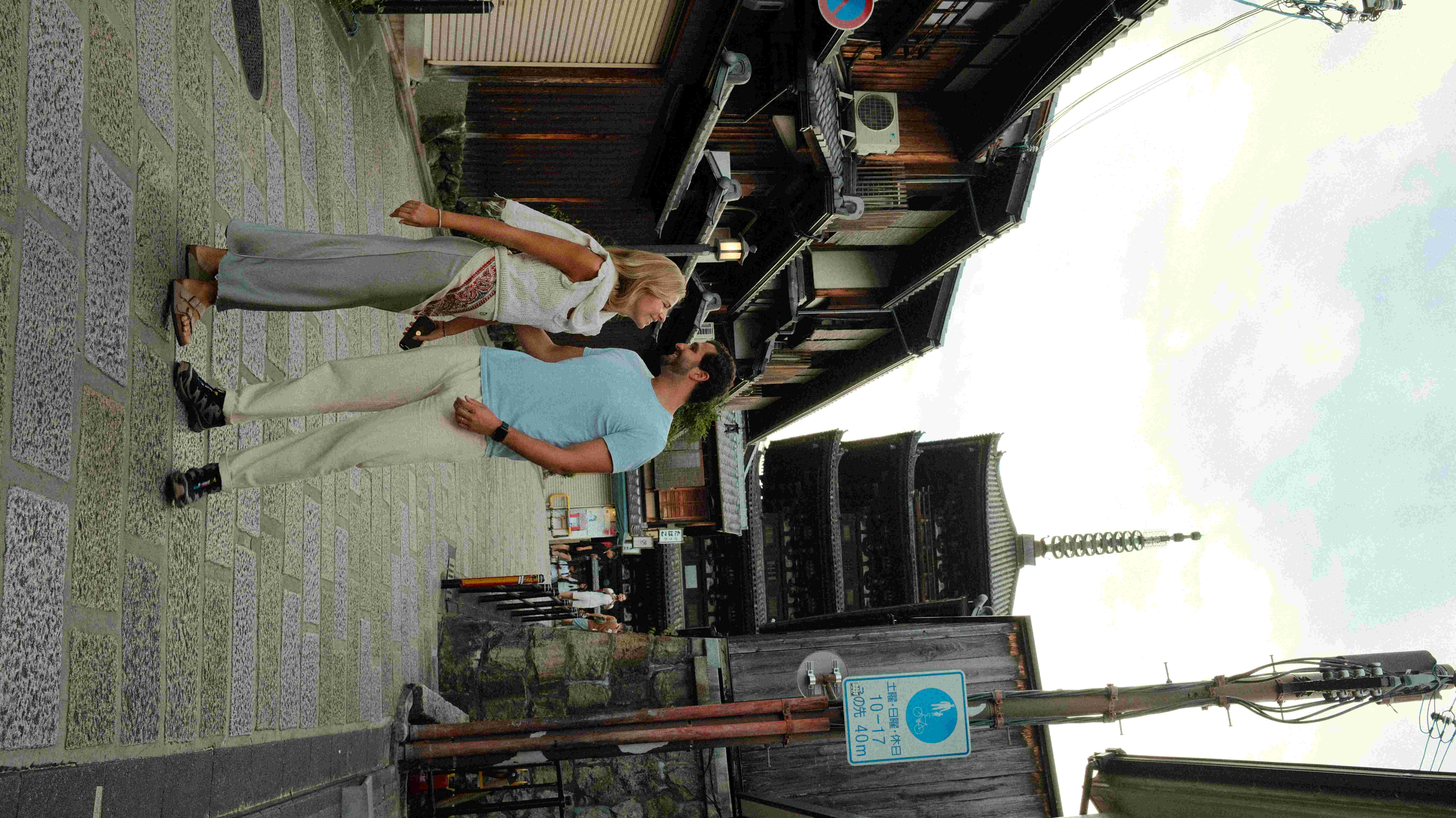
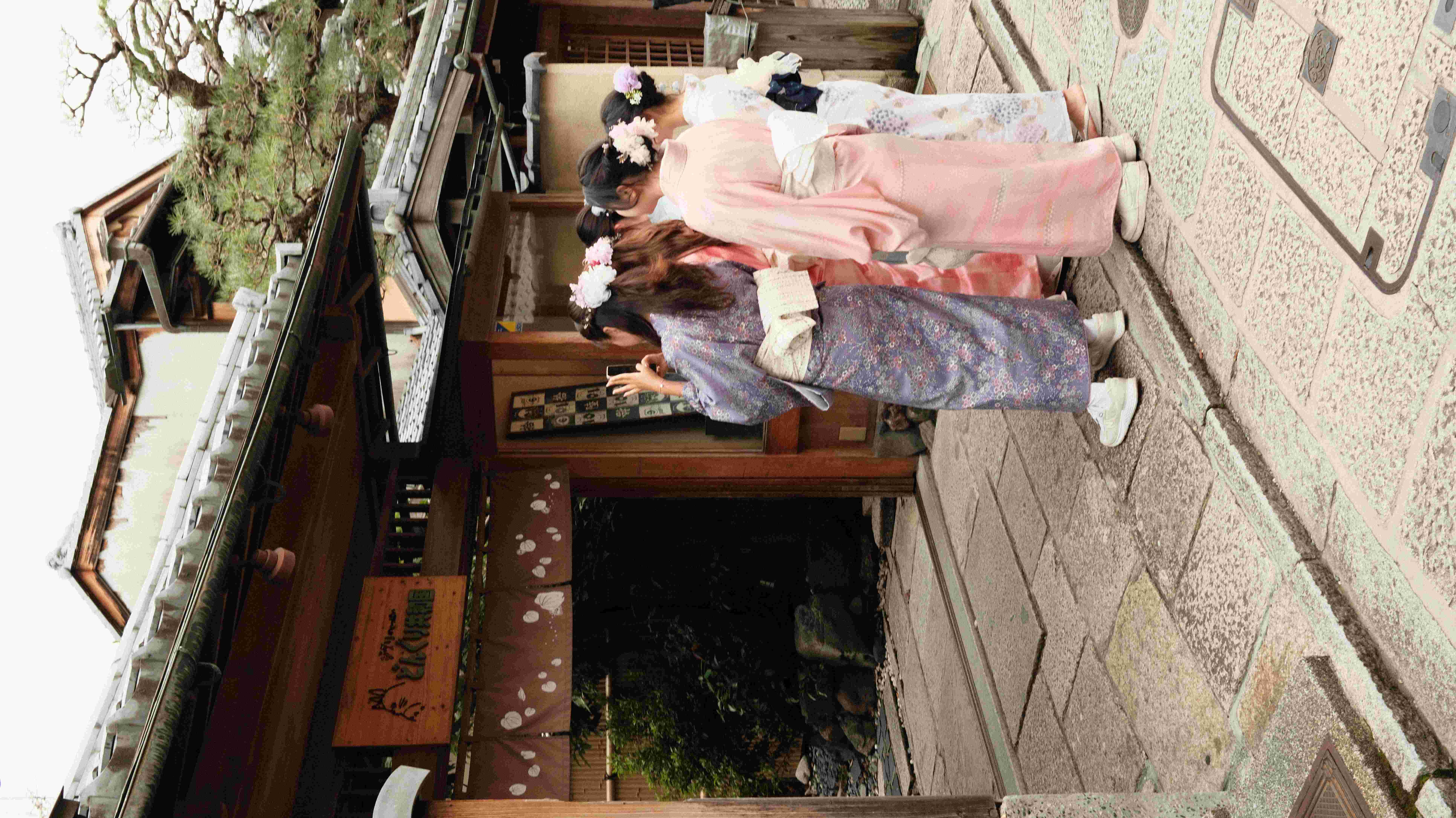
Kyoto was Japan's imperial capital for over a thousand years, and that history shows in every corner. Over 1,600 temples and shrines, traditional wooden streets, tea houses, geisha culture — things that exist in fragments elsewhere in Japan feel concentrated here.
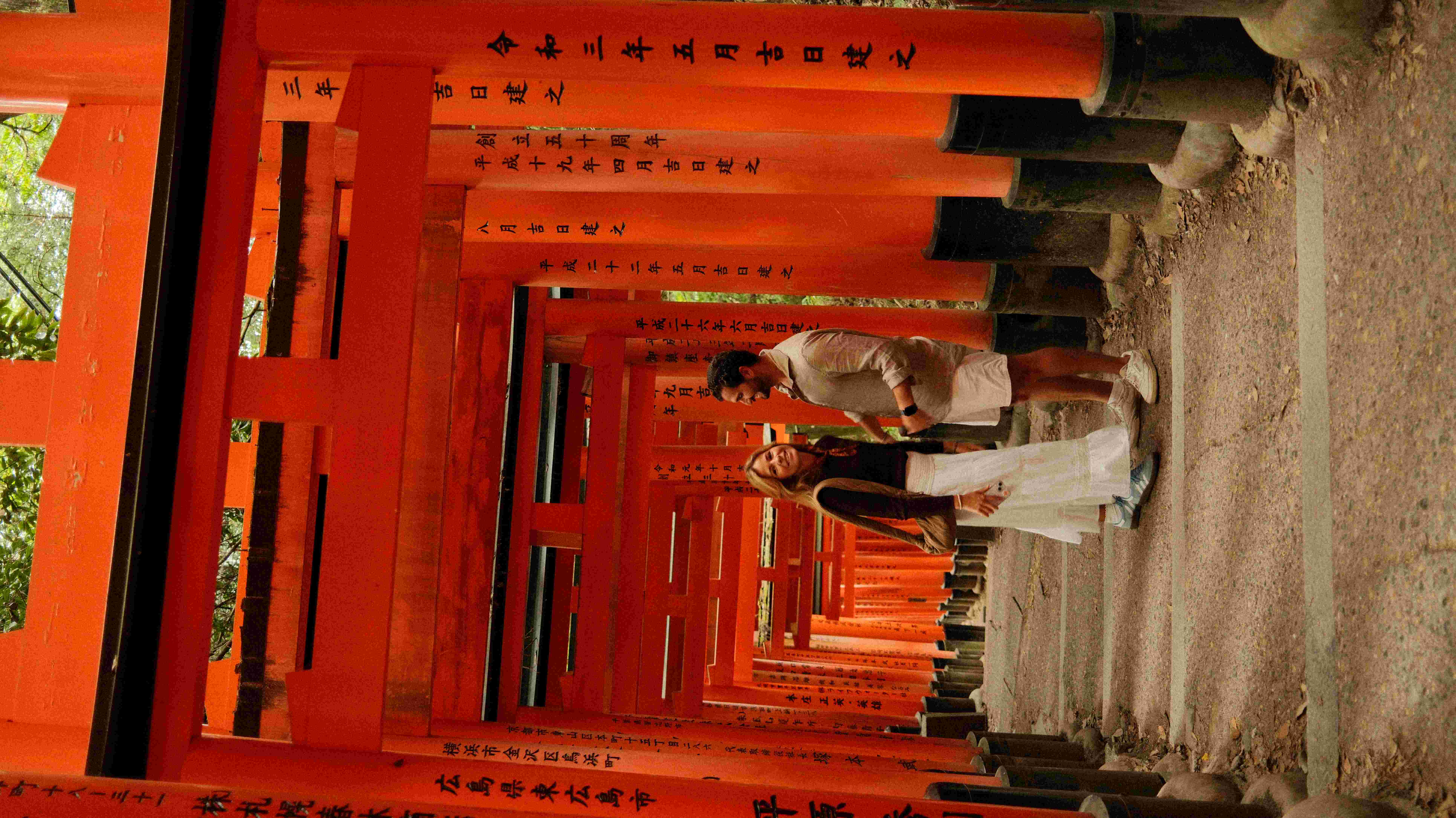
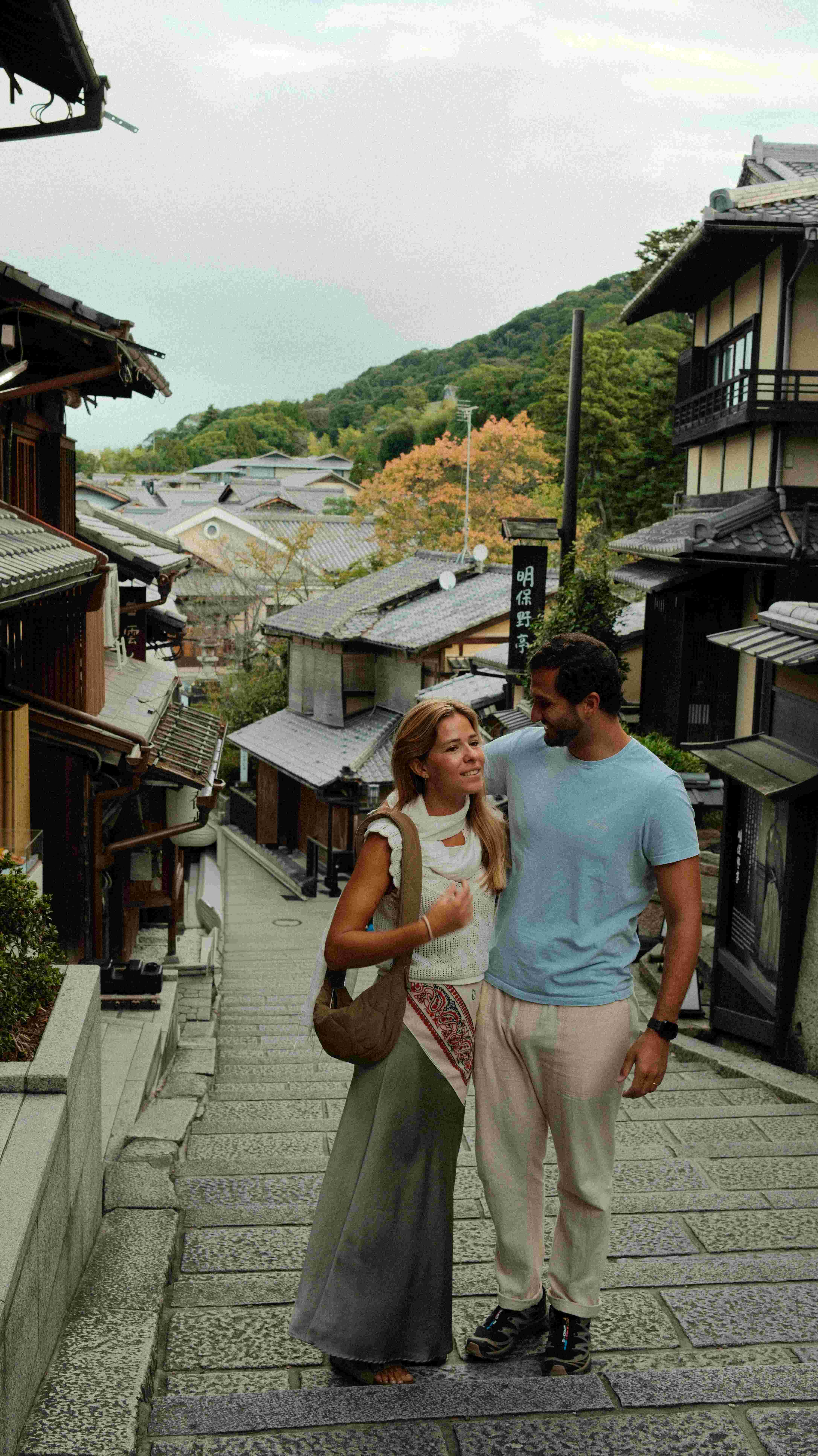
What surprised us most was the atmosphere. Tokyo is electric; Kyoto is something quieter and harder to name. Walking through Hanamikoji Street in the early evening, past the wooden facades and the occasional glimpse of a geiko heading to an appointment, felt like being in a different century. It doesn't always feel that way — when the tourist crowds hit, the spell breaks. But when you catch Kyoto at the right moment — early morning at the bamboo grove, or Fushimi Inari before 7am — it's extraordinary.
Our Honest Take — What We Loved
Kenninji Temple
This was one of our favorite places in all of Kyoto — and one of the most overlooked. Tucked into the Gion area, Kenninji is Kyoto's oldest Zen temple. The twin dragon ceiling paintings are stunning: a pair of ink dragons covering an enormous circular canvas, painted to mark the temple's 800th anniversary. The gardens are quiet, the atmosphere is contemplative, and because it's not on most tourists' first lists, it rarely feels crowded. Don't skip it.
Arashiyama — the bamboo grove at dawn
The bamboo grove is one of those places that can either be magical or deeply underwhelming, depending entirely on when you arrive. We arrived just after sunrise, before the souvenir stalls opened, and it was magical — tall green walls of bamboo filtering the morning light, almost completely silent. By 9am it's packed. Go early, or don't bother. We've covered this in detail in our honest review of the Kyoto bamboo forest.
Kinkaku-ji (the Golden Pavilion)
Yes, it's touristy. Yes, it's crowded. And yes, it's still breathtaking. The gold-leaf pavilion reflecting perfectly in the mirror pond on a clear morning is one of those images that genuinely lives up to its photographs. Go early, move quickly through the grounds, and let yourself be impressed by it.
The cooking class experience
One of our top five experiences in all of Japan. We learned to make ramen, gyoza, and onigiri with locals — and it changed how we understood Japanese food. Kyoto is one of the best cities in Japan to do this. Book through GetYourGuide and filter for hands-on classes with small groups.
Philosopher's Path and the Silver Pavilion
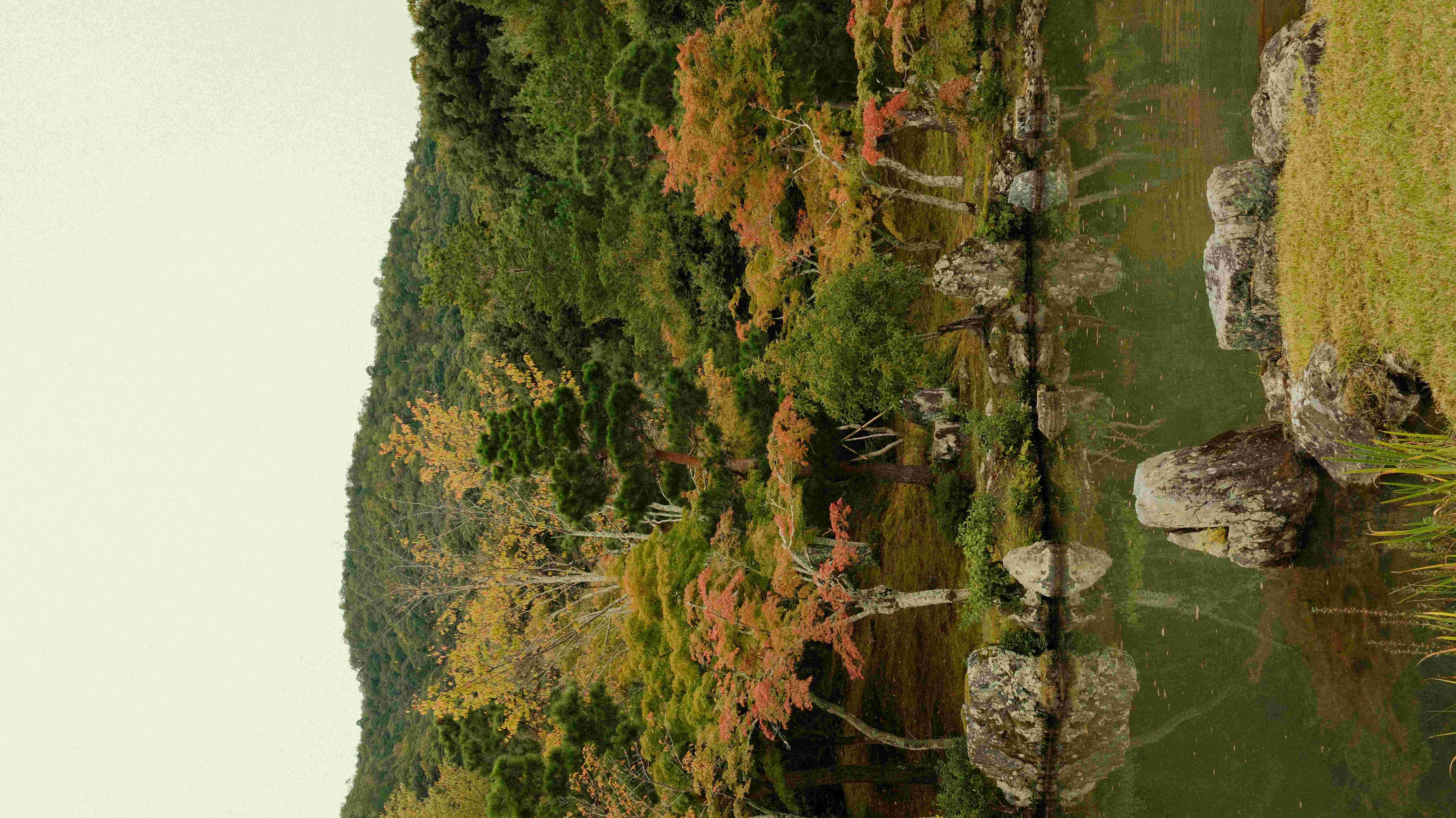
The Philosopher's Path is a quiet canal-side walk connecting Ginkaku-ji (Silver Pavilion) southward through a residential neighbourhood. It's the kind of walk that doesn't photograph particularly well but feels exactly right in person — slow, green, and genuinely peaceful.
What to Know Before You Go
Crowds are real — but manageable
Kyoto is one of Japan's most visited cities, and the main attractions get genuinely crowded between 9am and 5pm. The fix is simple: wake up early. Almost every major site in Kyoto is either open at dawn or accessible before the tour groups arrive. Plan your first visit to each temple or shrine for 7–8am and the rest of your day becomes easy.
Plan by area, not by list
Kyoto's sights are spread across the city in clusters — Arashiyama in the west, Higashiyama and Gion in the east, Fushimi in the south, the Silver Pavilion and Philosopher's Path in the north. The mistake most visitors make is zigzagging between clusters. Pick one area per day and go deep. See our full guide to what to do in Kyoto for how to structure this.
Carry some cash
Most temples charge small entry fees (usually ¥500–1,000) and many smaller ones are cash-only. Keep a few thousand yen on you.
Don't skip the smaller temples
The quieter, less-visited temples were consistently our most memorable. Kenninji, Ninna-ji, and Adashino Nenbutsuji all offer the atmosphere people come to Kyoto for — without the crowds. The famous ones are worth seeing, but the smaller ones are where Kyoto actually lives.
Is Kyoto Worth It?
Yes — genuinely, unreservedly yes. But Kyoto asks something of you. It doesn't hand over its best moments to people who arrive at 10am and leave at 5pm. Wake up early, plan your days by neighbourhood, and build some slow time into the schedule. The city will reward you for it.
If you're deciding how long to stay, read our guide on how many days you need in Kyoto. For where to base yourself, our Kyoto accommodation guide covers the best areas and what to know about each one.
More Kyoto Guides
- How Many Days in Kyoto Do You Need?
- The Best Time to Visit Kyoto
- Where to Stay in Kyoto: Best Areas & Hotels
- The Best Things to Do in Kyoto + What to Skip
- Kyoto Food Guide: Our Top Restaurants
- The Best Cafes in Kyoto
- 1 Day in Kyoto Itinerary
- 2 Days in Kyoto Itinerary
- The Best Temples and Shrines in Kyoto
- Is Fushimi Inari Worth Visiting?
- Is the Kyoto Bamboo Forest Worth Visiting?
- Tea Ceremony in Kyoto: Is It Worth It?
- Kyoto vs Osaka: Where Should You Stay?
- Is Osaka Worth Visiting?
- Koyasan from Osaka/Kyoto: Day Trip or Overnight
- Is Kanazawa Worth Visiting?
- All Japan Guides
FAQ
Is Kyoto worth visiting in 2026?
Yes. Kyoto remains one of Japan's most extraordinary destinations — temples, traditional streets, food, and culture that you won't find anywhere else in the country. The key is planning around the crowds with early starts and a neighbourhood-by-neighbourhood approach.
How many days do you need in Kyoto?
At least 3 full days to cover the main areas properly. Four or five days lets you move more slowly and discover the smaller temples and quieter moments. See our full breakdown here.
Is Kyoto better than Tokyo?
They're completely different experiences. Tokyo is modern, electric, and vast. Kyoto is traditional, layered, and deliberately slower. If you can visit both, do — they complement each other perfectly. If you can only visit one, it depends on what you're looking for: city energy or cultural depth.
Is Kyoto too touristy?
The famous spots are crowded, especially mid-morning to late afternoon. But Kyoto is big enough that early mornings, neighbourhood side streets, and lesser-known temples remain genuinely quiet. The crowds are real but manageable with planning.
What is Kyoto best known for?
Its temples and shrines (over 1,600 of them), Fushimi Inari's iconic red torii gates, the geisha culture of the Gion district, the Arashiyama bamboo grove, Kinkaku-ji (the Golden Pavilion), and traditional Japanese tea ceremony culture.
Some links in this post are affiliate links. If you book through them, we earn a small commission at no extra cost to you — it helps us keep writing guides like this one. We only recommend places we've actually been to and would genuinely go back to.