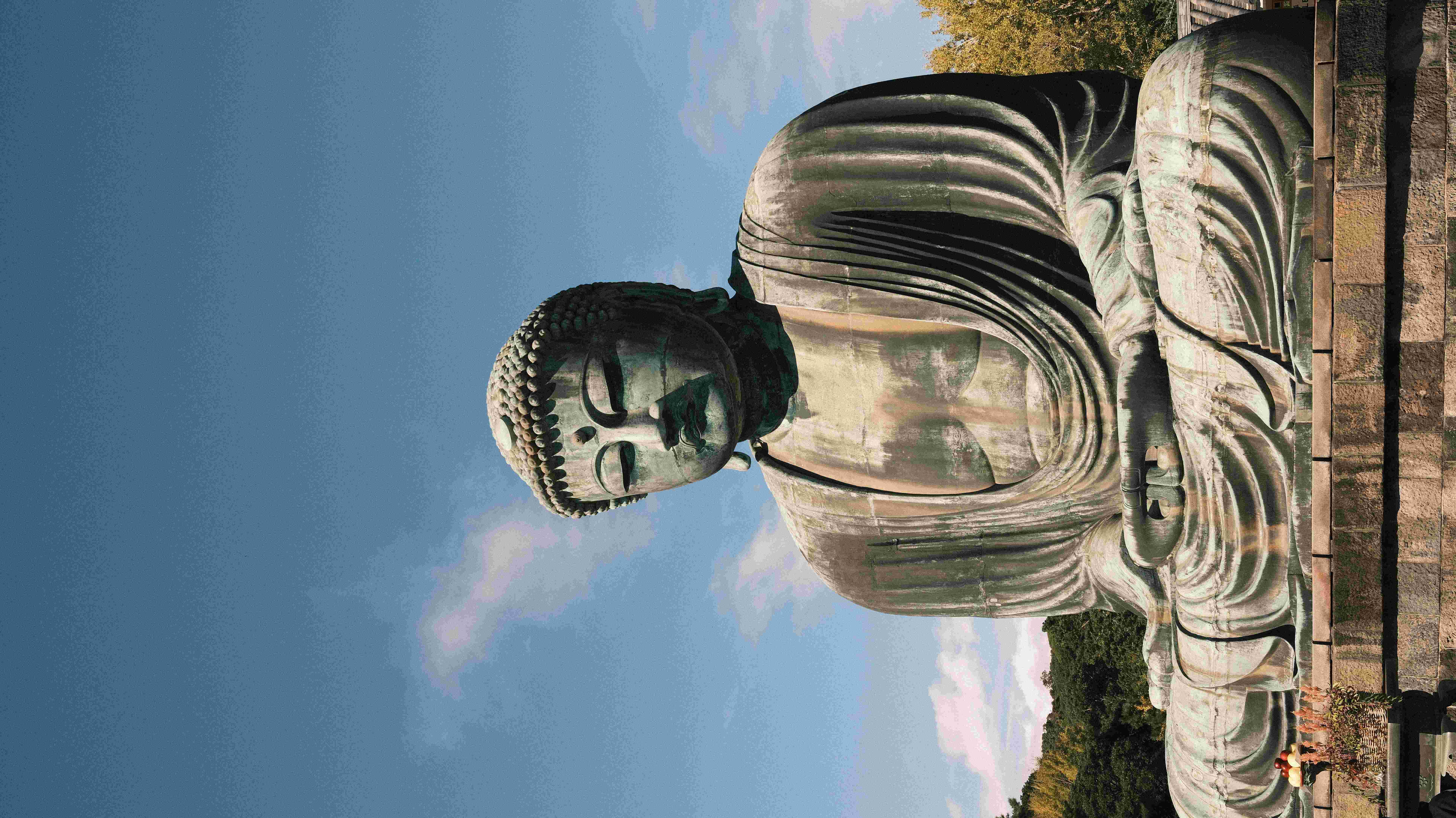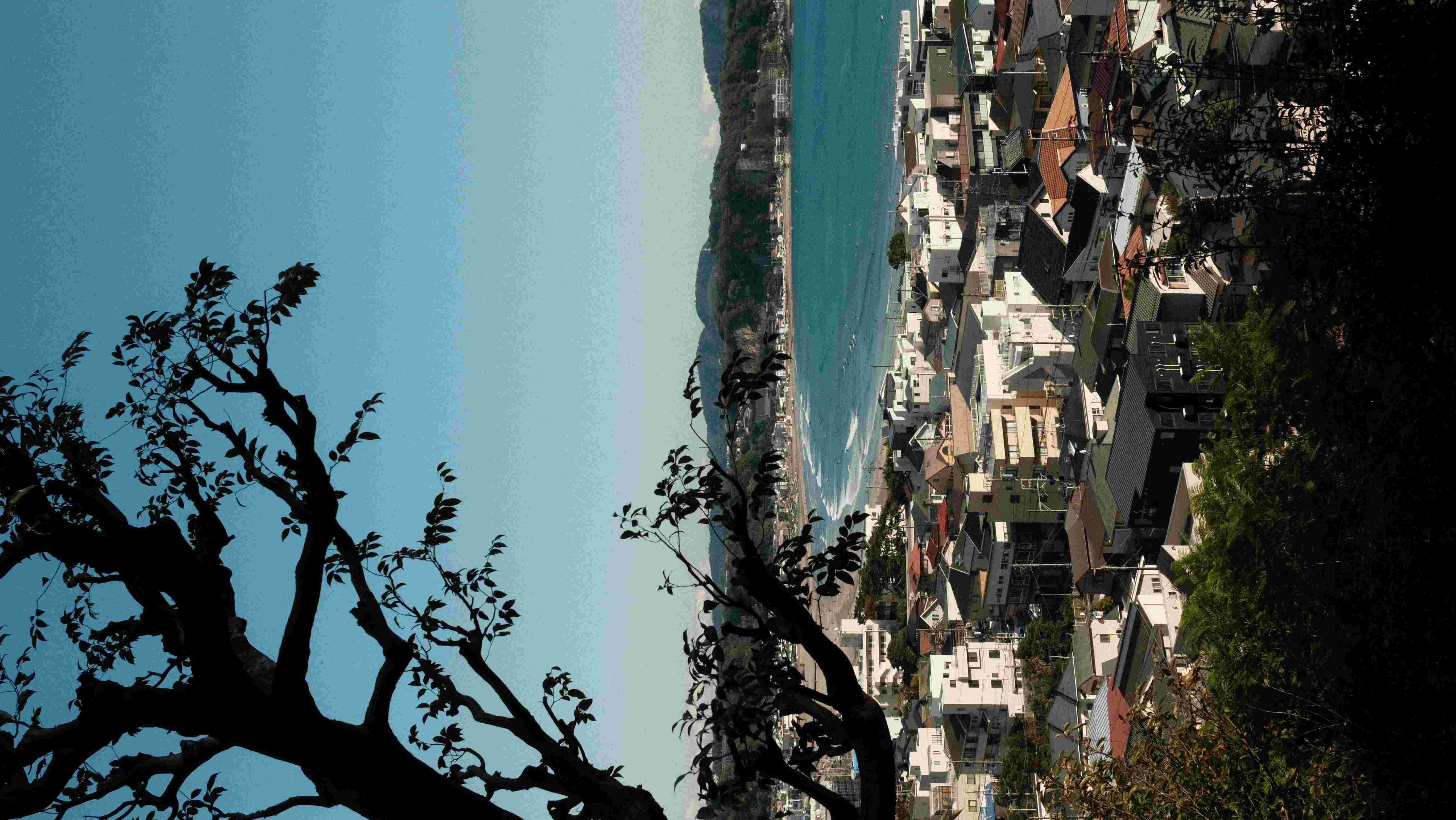
We were standing on the beach after Hasedera Temple, looking at the ocean, when we realised there were surfers in the water. Actual surfers, with real boards, catching real waves — less than an hour from central Tokyo. We stood there genuinely gutted. If we had known this existed, we would have planned an entire extra day in Kamakura just to get in the water. Just to say we surfed in Japan. We're writing this post so you don't make the same mistake.
The Shonan Coast — Japan's Surf Zone
The Shonan coast is Japan's most established surf destination — a stretch of Pacific coastline running southwest of Tokyo through Kamakura, Enoshima, and beyond. It has been Japan's surf hub since the 1960s, when the sport arrived from California and immediately found its home on these consistent beach breaks. The surfing culture here is real and deeply rooted: there are surf shops on every coastal block, generations of local surfers who have been riding these waves their entire lives, and an infrastructure for learners that works.
None of this is obvious from a standard Japan travel guide, which is why so many visitors stand on the beach exactly as we did — surprised, impressed, and a little sad about the session they didn't plan.
The Beaches
Yuigahama Beach — The main Kamakura town beach, 15 minutes walk from Hase Station. Long stretch of sand facing the Pacific, surf rental shops operating through the summer season, consistent beach break suitable for beginners. In summer (July–August) this beach gets very busy with Tokyo day-trippers and domestic tourists; shoulder season (May–June, September–October) is significantly calmer.
Zaimokuza Beach — East of Kamakura Station, quieter than Yuigahama, also surfable. A longer walk or short bus ride from the main temple area. Better if you want more space and fewer crowds.
Inamuragasaki and further west — As you move further along the Enoden line toward Enoshima, the breaks get more varied and the surf culture more concentrated. The stretch around Enoshima itself is where you'll find the densest collection of surf shops and the most consistent waves for intermediate and advanced surfers.
Surfing in Kamakura — What to Know
Surf rentals: Available at multiple shops on and near Yuigahama Beach through the main season (roughly May–October). Board and wetsuit rental runs approximately ¥3,000–5,000 for a half-day. Most shops have English-speaking staff or can communicate basics without language being a barrier.
Surf lessons: Multiple schools operate on the Shonan coast offering beginner lessons, typically 2–3 hours including instruction, equipment, and time in the water. Book in advance for summer weekends — they fill up. English-language lessons are available.
Skill level: Yuigahama's beach break is gentle and well-suited to beginners — the waves are consistent but not large or powerful. For more experienced surfers, the breaks further along the Enoden toward Enoshima and Fujisawa offer more variety.
Water temperature: Warmest July–September (around 24–26°C, boardshorts weather). A spring wetsuit is comfortable May–June and September–October. Full wetsuit for winter surfing (December–March), when water drops to around 15°C — cold but manageable for those who want it.
Wave conditions: The Shonan coast faces south and picks up swells from typhoon season (late summer) and Southern Ocean groundswells. Summer can be inconsistent; autumn often delivers the best conditions as typhoon swells arrive without the storms themselves. Spring is generally clean and light.
The Beach Without Surfing
Even if you're not surfing, the Kamakura beach is worth the walk after the temples. The Pacific horizon feels surprising after a day of wooden shrines and cedar forests — a reminder that this is a coastal town, and that coast is real. Watching the local surf culture from the sand, in Japan, one hour from Tokyo, is its own kind of pleasure even if you never get in the water.
Swim in summer (July–August); the beach is officially supervised with lifeguards during this period. The rest of the year, swimming is not recommended due to currents — but walking, watching, and sitting are always good.
Our Honest Regret
We're putting this plainly: we did not surf in Kamakura, and we wish we had. The information that Japan has a real surf culture concentrated an hour from Tokyo is not widely shared in standard travel planning. We found out by standing on the beach and seeing it with our own eyes. If you're reading this before your Japan trip — you now know. Plan accordingly. Even one afternoon in the water is worth building into the itinerary.
More Kamakura Guides
FAQ
Can you surf near Tokyo?
Yes — the Shonan coast, about an hour from central Tokyo, is Japan's established surf zone. Kamakura and Enoshima are the main hubs. Boards for rent, surf schools, consistent beach breaks. It's genuinely there and genuinely good.
Is Kamakura beach good for beginners?
Yes — Yuigahama Beach has a gentle beach break well-suited to learners, with multiple surf schools and rental shops operating through the season. For more advanced surfing, the breaks toward Enoshima offer more variety.
What is the best time to surf at Kamakura?
Autumn (September–October) often brings the best conditions — typhoon groundswells arriving after the storms pass. Summer is warm but can be inconsistent and crowded. Spring is clean and lighter. Winter is cold (full wetsuit required) but uncrowded.
How far is Kamakura beach from the Great Buddha?
About 15 minutes walk from Hase Station (where Kotoku-in and Hasedera are). Easy to do both in the same day — temples in the morning, beach in the afternoon.
Some links in this post are affiliate links. If you book through them, we earn a small commission at no extra cost to you.