The honest answer: three days is the minimum to see Kyoto properly. Four is comfortable. Five lets you breathe.
Kyoto's problem isn't that there's too little to do — it's that everything is spread across the city in clusters, and moving between them takes time. The visitors who leave disappointed almost always tried to fit too much into too few days, zigzagged across the city, and arrived at temples mid-morning when the crowds had already settled in.
Here's how to actually use your time well.
The Golden Rule: Plan by Neighbourhood
Kyoto's main areas are roughly 20–40 minutes apart by bus. If you try to visit Arashiyama in the morning, Fushimi Inari at lunch, and Gion in the evening, you'll spend half the day on a bus and arrive everywhere too late. Instead, pick one area per day and cover it properly.
The four main clusters:
- Arashiyama (west) — bamboo grove, Tenryu-ji, Kinkaku-ji
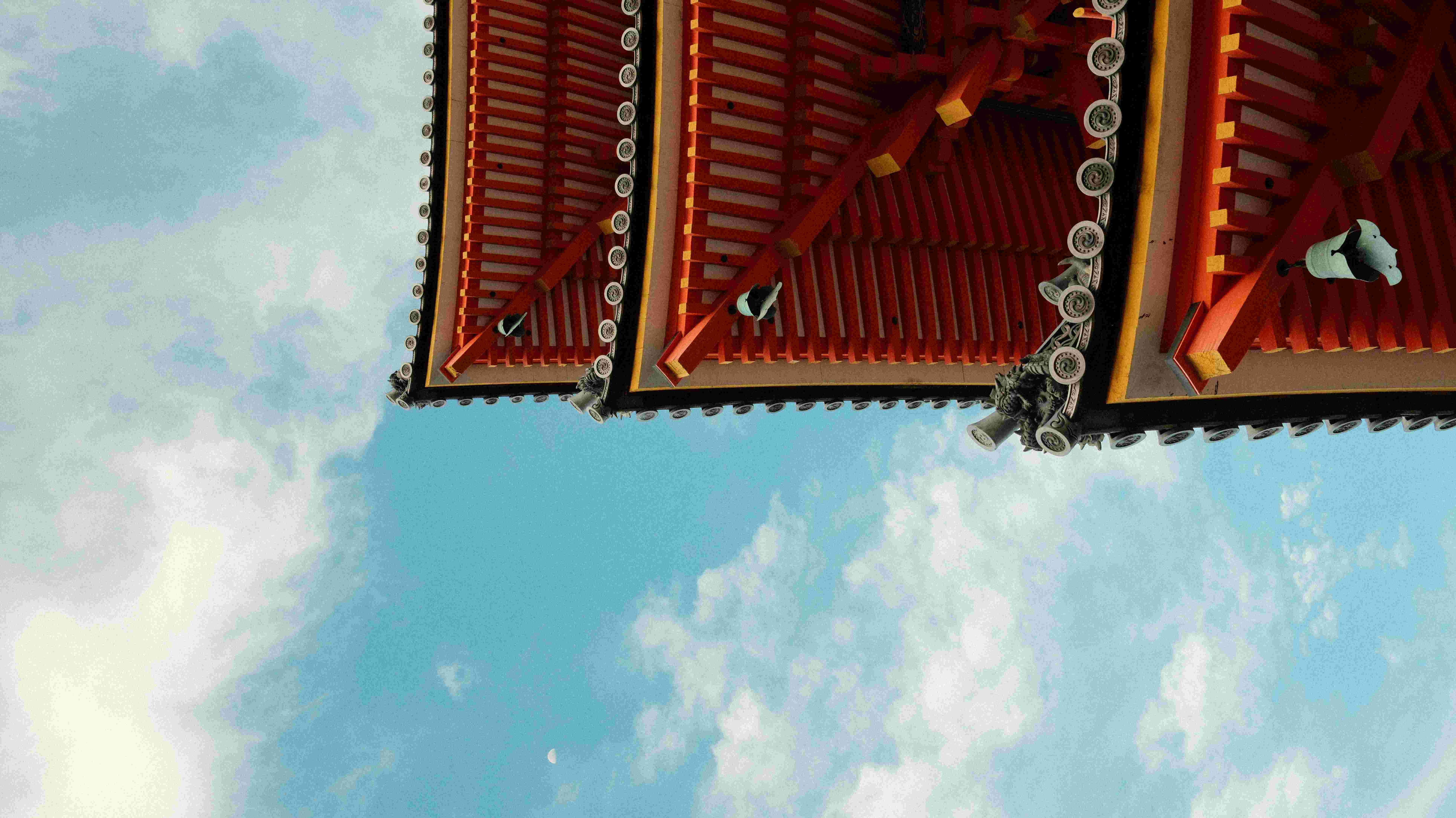
- Higashiyama & Gion (east) — Kiyomizu-dera, Ninenzaka, Kenninji, Hanamikoji
- Fushimi (south) — Fushimi Inari torii gates
- Central & North — Silver Pavilion, Philosopher's Path, Nijo Castle, Ninna-ji

3 Days in Kyoto
Three days gives you one day per main cluster, with Fushimi Inari slotted into an early morning before heading somewhere else. See our full 3-day Kyoto itinerary for the detailed breakdown, but here's the shape of it:
Day 1 — Higashiyama & Gion
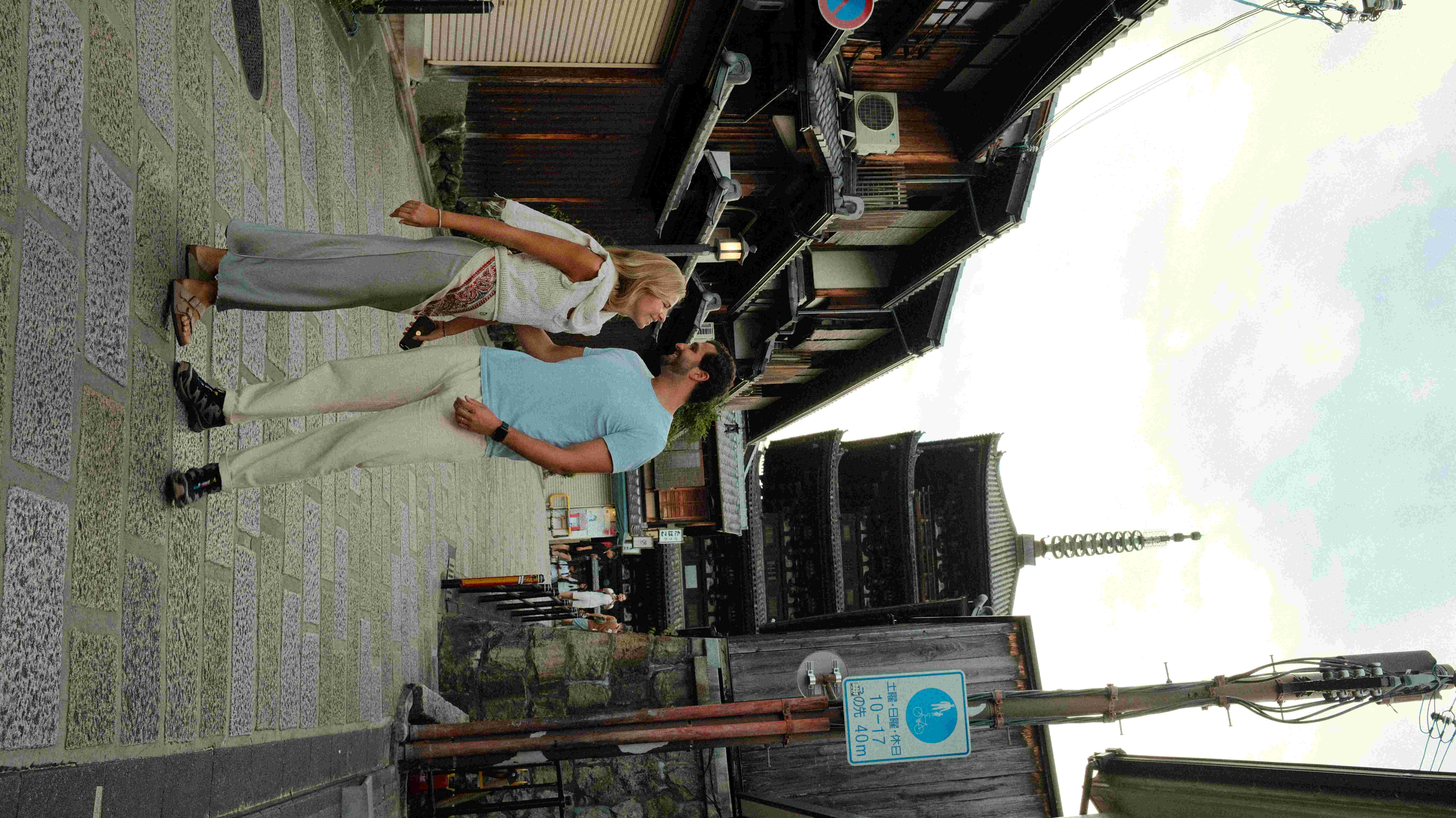
Start early at Ninenzaka and Sannenzaka — the old stone lanes are quiet before 8am. Work up to Kiyomizu-dera for the city views, then spend the afternoon in Gion. Walk Hanamikoji Street in the late afternoon. End the day at Kenninji Temple — one of our favourite spots in Kyoto, almost always overlooked. The twin dragon ceiling paintings are extraordinary.
Day 2 — Arashiyama
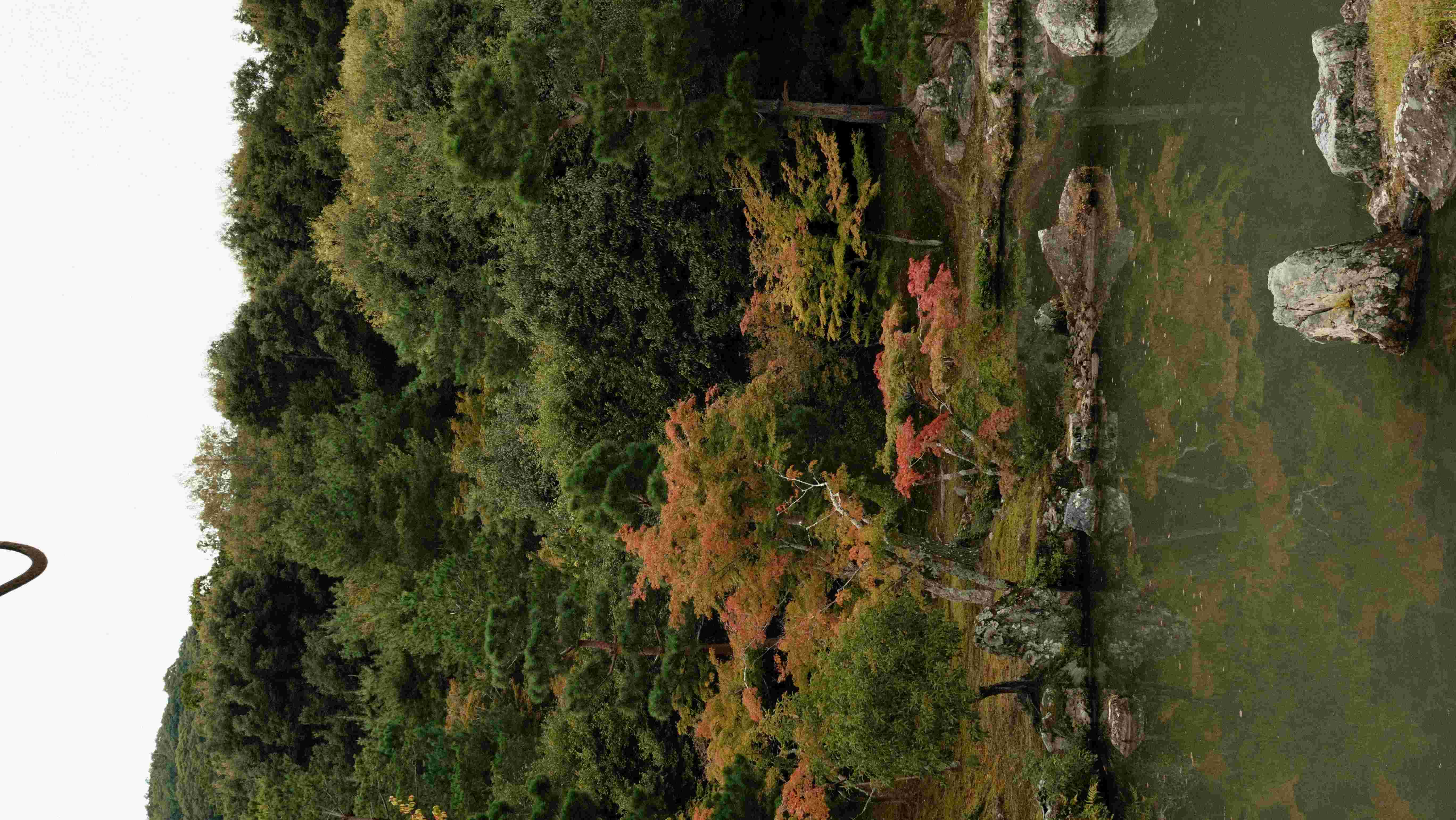
Arrive at the bamboo grove as early as possible — before 7:30am if you can. Walk through, then spend the rest of the morning at Tenryu-ji and its Zen garden. Wander the quieter temples nearby: Ninna-ji is spacious and peaceful, often overlooked. Afternoon: take a slow boat or walk back along the river.
Day 3 — Fushimi Inari + Central Kyoto
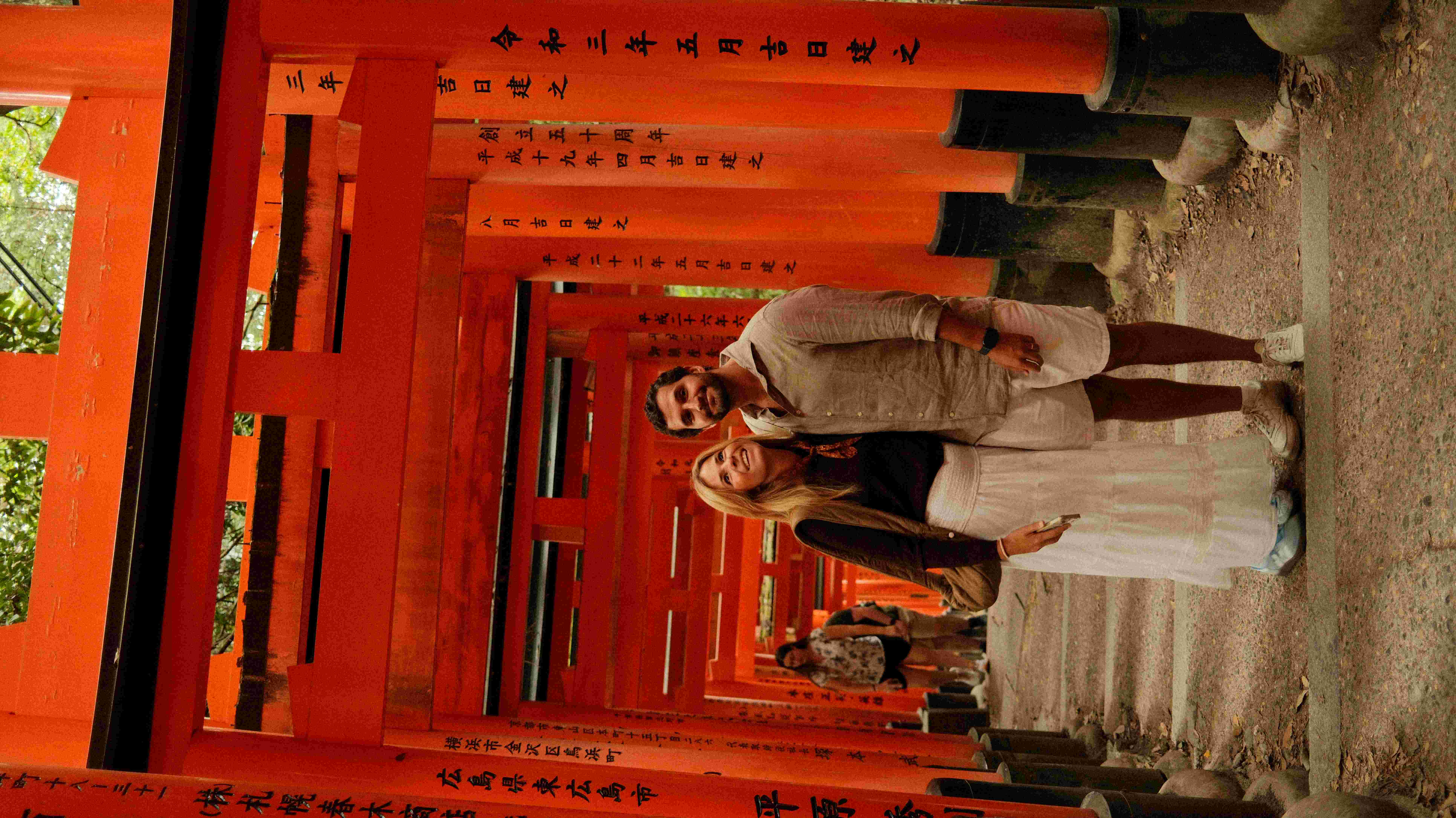
Wake up before sunrise and head to Fushimi Inari Taisha. The torii gates before 7am are one of the best experiences in Japan — quiet, atmospheric, nothing like the photos taken at peak hour. After, head back to central Kyoto: walk the Philosopher's Path, visit Ginkaku-ji (Silver Pavilion), and finish at Nijo Castle.
4 Days in Kyoto
Four days gives you room to breathe — and to go deeper into things that deserve more time.
Day 4 — Slow day + cooking class
One of our top five experiences in all of Japan was a cooking class in Kyoto, learning to make ramen, gyoza, and onigiri with locals. A fourth day is the right time for this — your legs will thank you for a morning that doesn't involve walking up temple steps. Afternoons: revisit a neighbourhood you liked, browse the side streets of Pontocho, or pick up something from the Nishiki Market.
5 Days in Kyoto
Five days is Kyoto at full stretch — the smaller temples, the quieter corners, the kind of visit you'll actually remember.
Day 5 — Day trip or deep dive
Use the fifth day for a half-day trip to Nara (45 minutes by train — deer, great Buddha, easy morning) or go deeper into areas you loved. The smaller, quieter temples — Adashino Nenbutsuji, Daikaku-ji near Arashiyama — rarely appear on itineraries and are often the most memorable. A fifth day is also the right time for a proper tea ceremony experience.
Practical Notes
- Getting around: Use buses — your Suica card works. Plan routes on Google Maps and check the bus number before you leave your hotel.
- Start early, every day: Every major attraction is better before 9am. Build your mornings around arrival at first light.
- Temple fees: Most temples charge ¥500–1,000 entry. Carry cash.
- Getting to Kyoto: Easy by Shinkansen from Tokyo (about 2h15m) or regular train from Osaka or Kobe.
More Kyoto Guides
- Is Kyoto Worth Visiting? Our Honest Review
- The Best Time to Visit Kyoto
- Where to Stay in Kyoto: Best Areas & Hotels
- The Best Things to Do in Kyoto + What to Skip
- Kyoto Food Guide: Our Top Restaurants
- 1 Day in Kyoto Itinerary
- 2 Days in Kyoto Itinerary
- Is Fushimi Inari Worth Visiting?
- Is the Kyoto Bamboo Forest Worth Visiting?
- Kyoto vs Osaka: Where Should You Stay?
- The Best Cafes in Kyoto
- The Best Temples and Shrines in Kyoto
- Tea Ceremony in Kyoto: Is It Worth It?
- Is Osaka Worth Visiting?
- Koyasan from Osaka/Kyoto: Day Trip or Overnight
- Is Kanazawa Worth Visiting?
- All Japan Guides
FAQ
Is 2 days in Kyoto enough?
Two days is tight but workable if you're decisive. You'd need to choose between Arashiyama and Higashiyama rather than doing both properly, and you'd miss Fushimi Inari at its best. If you have flexibility, add a third day.
Is 3 days in Kyoto enough?
Yes — three well-planned days covers the essential areas: Higashiyama and Gion, Arashiyama, and Fushimi Inari plus Central Kyoto. You won't do everything, but you'll do the important things properly.
Is 5 days too long for Kyoto?
Not if you use them well. Kyoto rewards slowness — smaller temples, cooking classes, a day trip to Nara, proper meals in the evening. Five days lets you move at a pace that matches the city rather than fighting against it.
Should I visit Kyoto before or after Osaka?
Either works — they're 15 minutes apart by regular train. We'd suggest Kyoto first, Osaka second: Kyoto is quieter and sets a beautiful context for the contrast of Osaka's energy. Read our Kyoto vs Osaka comparison for more.
Some links in this post are affiliate links. If you book through them, we earn a small commission at no extra cost to you — it helps us keep writing guides like this one.