Hiroshima is a city that stays with you. We came expecting to learn; we left deeply moved. Today it's peaceful, green, and full of excellent food — but its history gives it a depth that almost no other place in the world has. Visiting Hiroshima is both emotional and inspiring: a reminder of what humanity is capable of destroying, and what it's capable of rebuilding. It is absolutely worth visiting.
What Hiroshima Is Actually Like
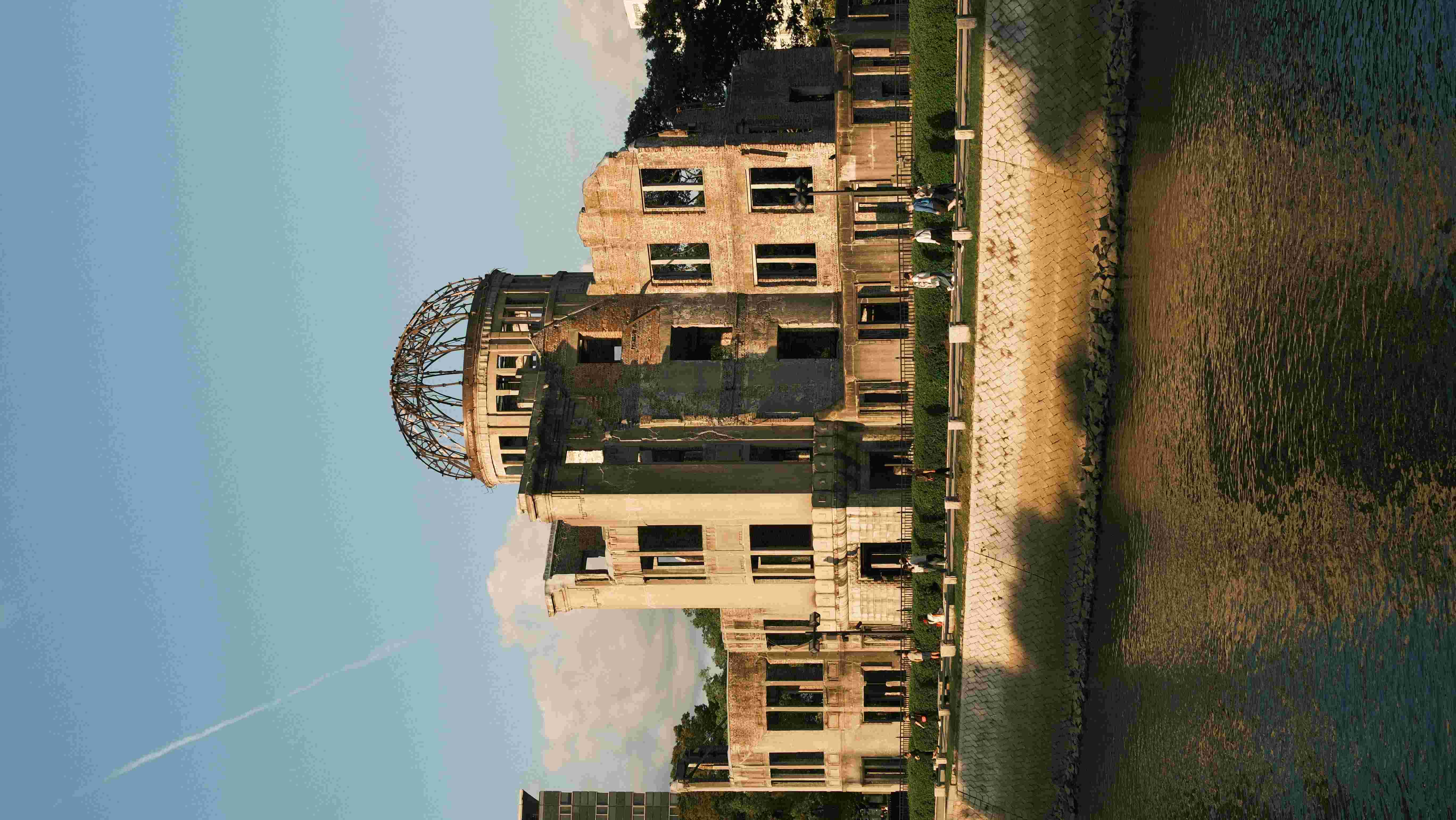
The Hiroshima most visitors imagine — a city defined entirely by its trauma — is not quite what you find. The city that exists today is modern, liveable, and genuinely pleasant: wide boulevards, a network of old-fashioned trams, a castle surrounded by moats and cherry trees, excellent restaurants, and the lively Okonomimura food building where you eat Hiroshima's signature dish on three floors of open kitchens. There is life and warmth here.
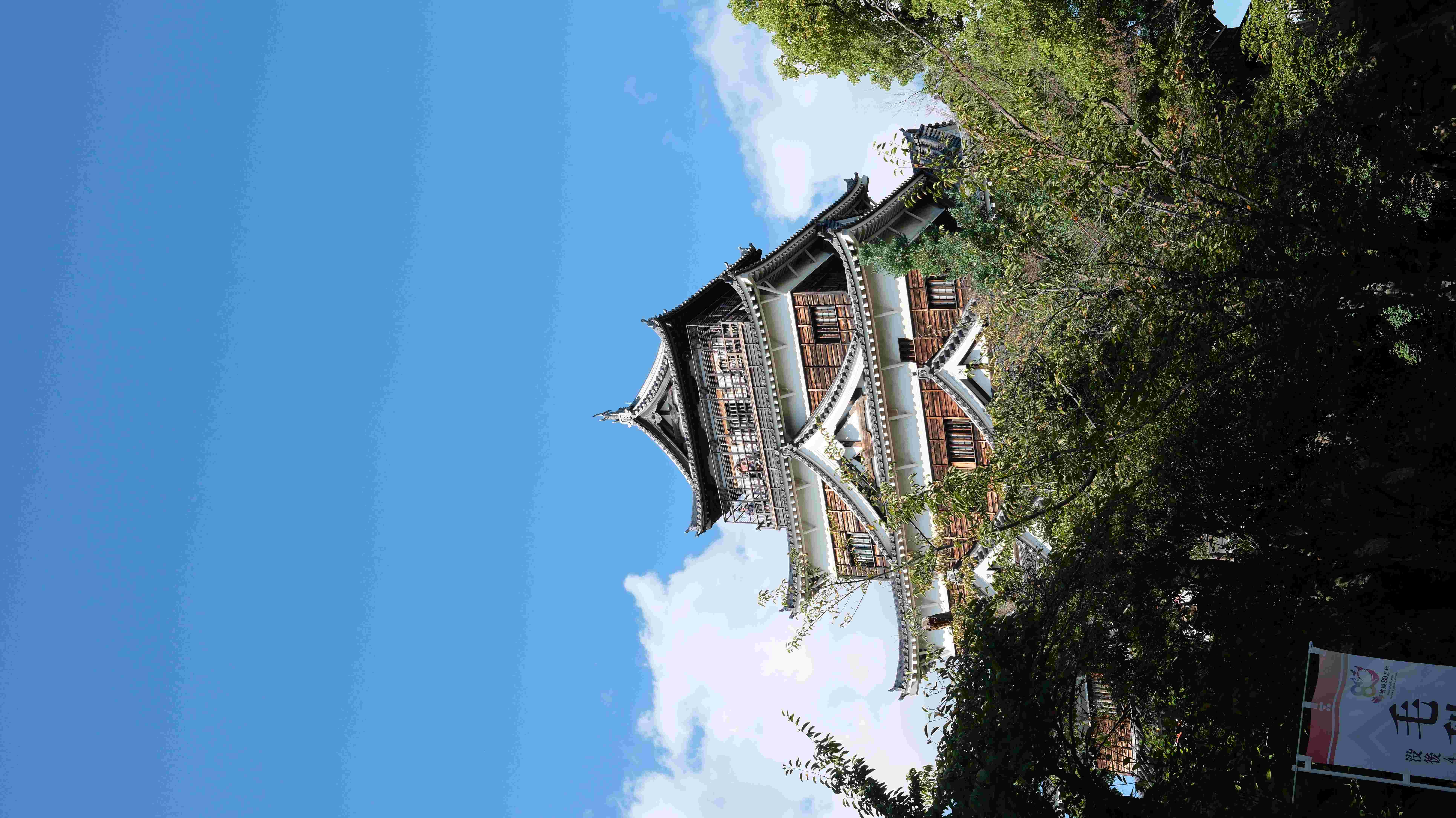
The Peace Memorial Park sits at the heart of the city — a wide, calm park along the Ōta River delta where the hypocenter of the 1945 atomic bomb was located. Walking through it is unlike walking through any other historical site in Japan. The Atomic Bomb Dome (Genbaku Dome) — the skeletal ruins of the only building left partially standing near the hypocenter — stands at the park's edge exactly as it was, preserved as it collapsed. It is one of the most sobering things you will ever see.
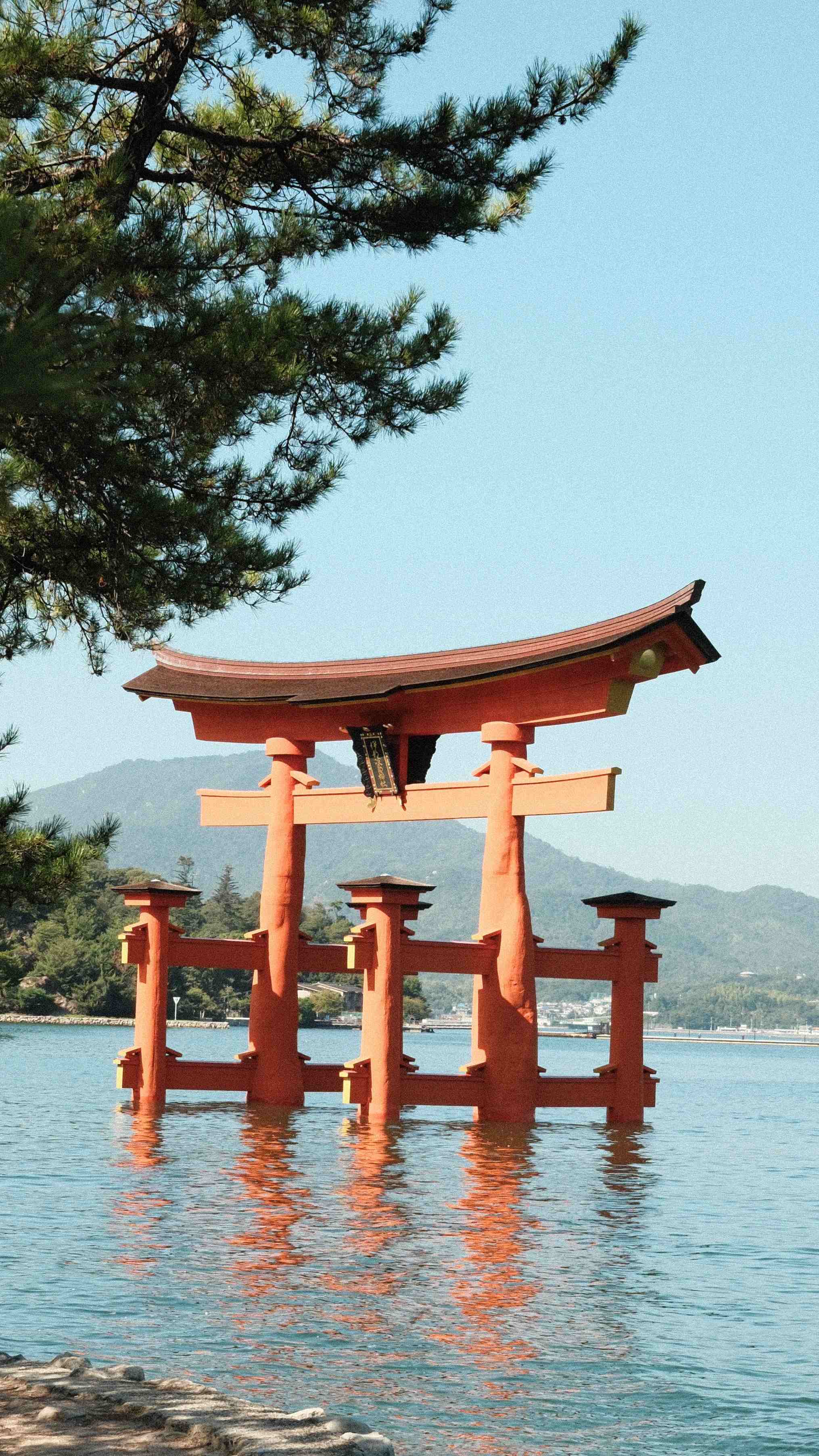
And then, a short train and ferry ride away: Miyajima Island — one of Japan's most beautiful places, with the great floating torii gate rising from the sea, ancient temples on forested hillsides, and some of the best food in the region. The contrast between Hiroshima's gravity and Miyajima's beauty is striking and somehow right.
What We Loved
The Peace Memorial Park Walking Tour
We joined a walking tour of the Peace Memorial Park focused on the atomic bombing — and it transformed the visit. Our guide Thomas was exceptional: his knowledge was deep, his storytelling was personal and devastating in the right way, and the context he gave for each location in the park made everything we were seeing matter in a way it simply couldn't have from a guidebook. If you do one thing in Hiroshima, book this tour.
The Peace Museum inside the park covers the full story — the decision to drop the bomb, the immediate aftermath, survivor testimonies, and the long shadow of radiation. It is raw, unflinching, and essential. Go early in the morning before the crowds arrive; the museum deserves quiet attention.
Miyajima Island
A half-hour train and a quick ferry from Hiroshima — one of Japan's most iconic views. The Itsukushima Shrine's great torii gate appears to float on the water at high tide; at low tide you can walk to it across the sandbar. The island has excellent food (anago-meshi, Hiroshima oysters, momiji manju maple leaf cakes), peaceful temples, and the ropeway to Mount Misen for sweeping views over the Seto Inland Sea. Plan a full day.
Okonomiyaki at Okonomimura
Hiroshima's signature dish — a layered savoury pancake with cabbage, noodles, meat, and sweet-savoury sauce, cooked on a teppan grill in front of you. Okonomimura is a dedicated food building with 25+ okonomiyaki restaurants across three floors; sitting at the counter watching the chefs flip and stack each layer is part of the experience. One of the best evenings of the Hiroshima stay.
The Beef Tongue at GOROU
An unexpected highlight — Charcoal Yakiniku GOROU was one of our favourite meat restaurants of the entire Japan trip. Beef tongue grilled over charcoal: tender, smoky, perfectly seasoned. Not what you associate with Hiroshima, but a meal worth planning around.
Honest Notes
It's heavy — and it should be
The Peace Museum is genuinely confronting. Allow time and emotional space after visiting it; don't schedule anything demanding for the same afternoon. The weight of what you've seen needs somewhere to go. Walking quietly through the park, or sitting by the river, is the right response.
Two days is ideal
One day for Hiroshima city (Peace Park, Castle, okonomiyaki evening). One full day for Miyajima Island. Two days is the right amount — enough to absorb what Hiroshima has to offer without rushing either experience.
Our Verdict
Hiroshima is one of the most important cities you can visit in Japan — not only for what happened there, but for what it became afterward. The Peace Memorial Park is unlike any other site we've visited anywhere in the world. Miyajima Island is one of the most beautiful places in Japan. And the food — okonomiyaki, oysters, beef tongue — is excellent in its own right. The combination makes Hiroshima essential on any Japan itinerary longer than ten days.
More Hiroshima Guides
- Hiroshima Peace Memorial Park & Museum: Our Full Review
- Miyajima Island Day Trip from Hiroshima
- The Best Things to Do in Hiroshima
- The Best Food in Hiroshima: Okonomiyaki, Oysters & More
- 2 Days in Hiroshima Itinerary
- Where to Stay in Hiroshima
- Is Naoshima Worth Visiting? (Next Stop via Uno Port)
- Is Fukuoka Worth Visiting? (Shinkansen from Hiroshima)
- All Japan Guides
FAQ
Is Hiroshima worth visiting in Japan?
Yes — one of the most important cities in Japan to visit. The Peace Memorial Park is unlike any other historical site in the world. Combined with Miyajima Island, Hiroshima offers one of the most complete and emotionally significant 2-day experiences on any Japan itinerary.
Is Hiroshima depressing to visit?
The Peace Museum is genuinely moving and confronting — which is appropriate. But Hiroshima itself is not a depressing city. It's vibrant, modern, and full of excellent food and friendly people. The gravity of the history coexists with a city that is very much alive.
How many days do you need in Hiroshima?
Two days: one for Hiroshima city (Peace Park, Castle, okonomiyaki), one full day for Miyajima Island. See our 2-day itinerary for the exact plan.
Some links in this post are affiliate links. If you book through them, we earn a small commission at no extra cost to you.