Our verdict: Harajuku for first-timers, Shinjuku for those who want maximum convenience or nightlife.
This is the question we get asked most often about Tokyo accommodation. Both are excellent. Both are well-connected. The difference is in how you want your trip to feel — and what you want to step out into every morning.
We've spent time based in both. Here's the honest comparison.
The Quick Comparison
| Shinjuku | Harajuku | |
|---|---|---|
| Vibe | Buzzing, neon, never sleeps | Calm, walkable, creative |
| Transport | Best in Tokyo — all lines | Excellent — Yamanote Line loop |
| Food scene | Extraordinary — every type | Excellent — more local, less tourist |
| Nightlife | Golden Gai, Kabukicho, izakayas | More limited — better in Shibuya nearby |
| Morning feel | Busy from early | Calm — great coffee and breakfast spots |
| Hotel prices | Slightly higher at mid-range | Slightly better value at mid-range |
| Best for | Solo travellers, maximalists, day-trippers | Couples, first-timers, food-focused travellers |
| Our pick | ✓ For nightlife and convenience | ✓ For overall experience |
The Case for Harajuku
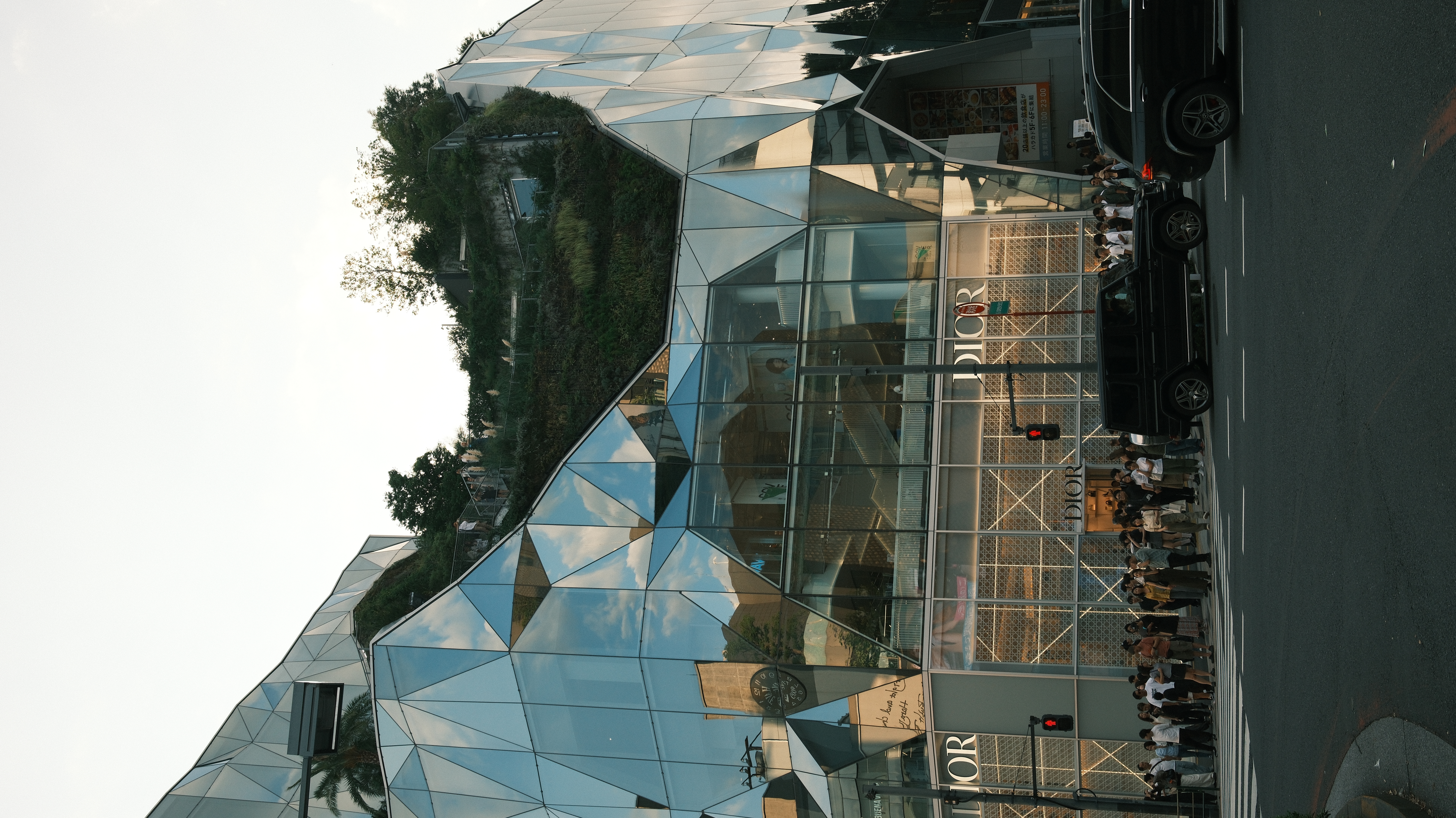
Harajuku is our recommendation because of how a trip feels when you're based there versus when you're based in Shinjuku. In Shinjuku, you start every day already inside the city's intensity. In Harajuku, you start your day in a neighbourhood that's pleasant, human-scaled, and genuinely enjoyable to walk — and then you get on the metro and you're in Shinjuku in four minutes if that's where you want to be.
The practical advantages of Harajuku are real:
- Two minutes to Shibuya by Yamanote Line
- Four minutes to Shinjuku
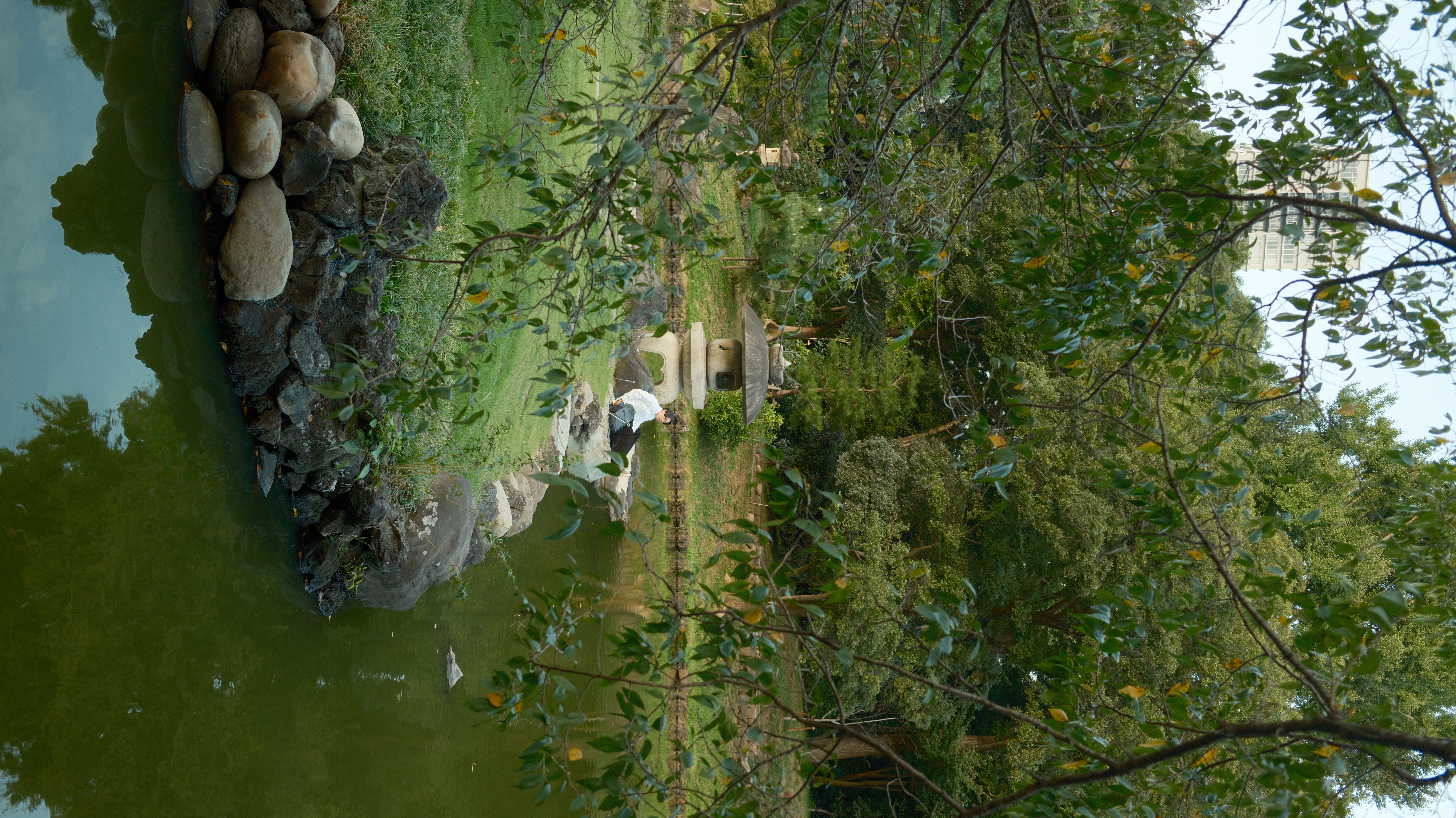
- Ten-minute walk to Meiji Shrine — one of the most peaceful places in Tokyo
- Cat Street and Omotesandō on your doorstep for morning walks and excellent coffee
- Quieter streets make it easier to find genuinely local restaurants rather than tourist-trap ones
Choose Harajuku if: You're visiting as a couple. You want a calm morning routine. You care about the neighbourhood you're sleeping in, not just the sights nearby. You prefer to come to Shinjuku for Golden Gai rather than live in it.
The Case for Shinjuku
Shinjuku is Tokyo's transport centre. Every major metro line runs through Shinjuku Station — the JR Yamanote Loop, the Chuo Line, the Sobu Line, the Odakyu Line to Hakone, the Keio Line. If you're doing day trips to Hakone or Kamakura, your express trains leave from here. If you want the most efficient base in the city, Shinjuku is it.
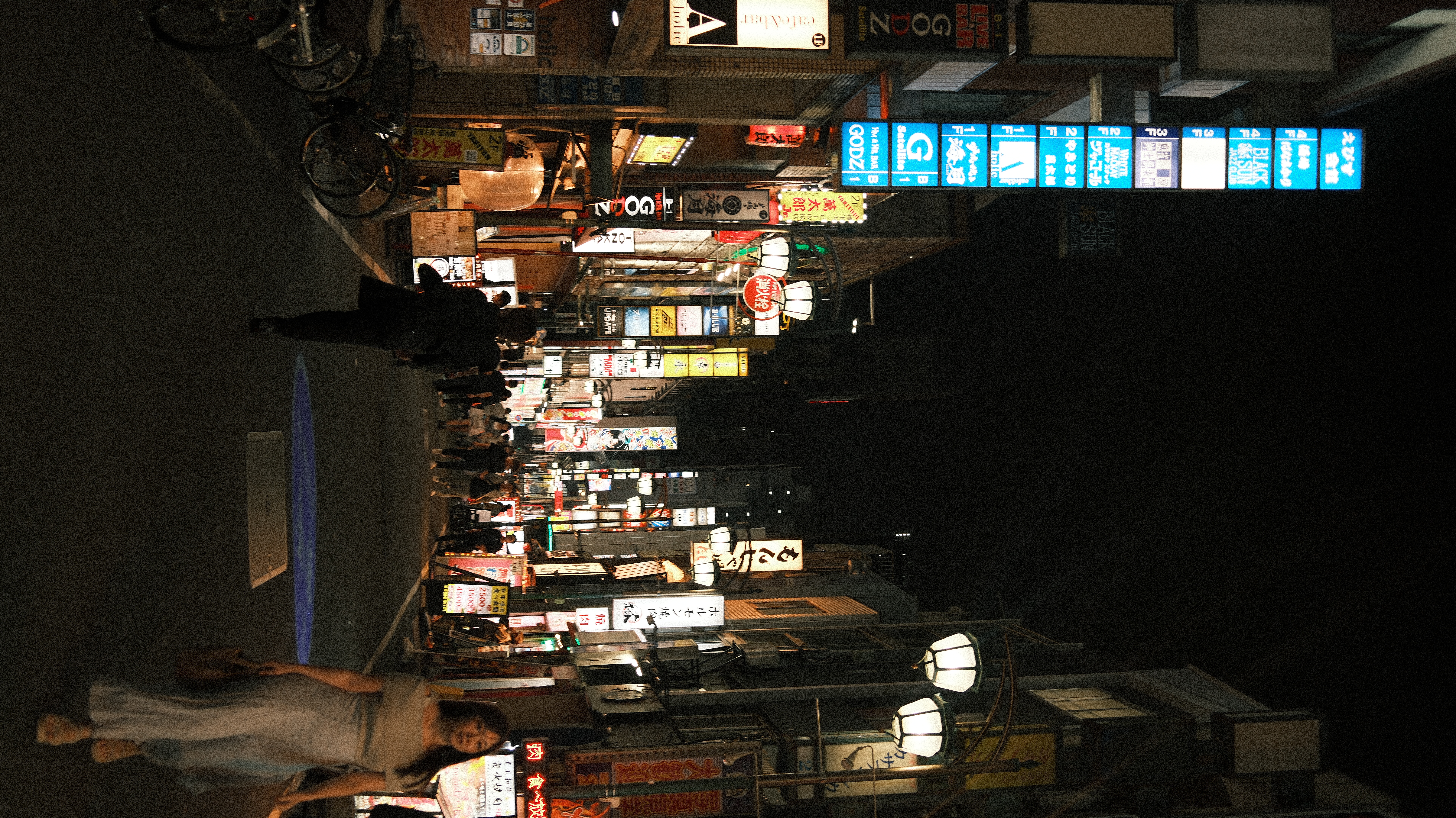
The neighbourhood itself is also extraordinary in its own right — Golden Gai, Kabukicho, the department stores, Omoide Yokocho (Memory Lane, with its tiny yakitori stalls), Shinjuku Gyoen. You could spend three days just in Shinjuku and not run out of things to discover.
Choose Shinjuku if: You're solo or with a friend and want to be at the centre of the action. You're doing multiple day trips and want the easiest transport connections. You want Golden Gai on your doorstep. You're energised rather than overwhelmed by intensity.
Dig deeper into each neighbourhood
What About Shibuya?
Worth mentioning because many first-timers consider it. Shibuya sits between Harajuku and Shinjuku geographically and energetically — more creative than Shinjuku, livelier than Harajuku at night. If you want to be right at Shibuya Crossing, or the restaurants and bars of Daikanyama and Nakameguro are your priority, Shibuya is a valid third option.
Our honest take: Shibuya's hotel prices are often higher for less character than Harajuku. Unless the crossing itself is your main motivation, Harajuku gives you the same metro access at a better base.
The Distance Between Them
One thing worth knowing: Shinjuku and Harajuku are not far apart. By metro it's four minutes on the Yamanote Line. By foot, you can walk the distance in about 25 minutes through pleasant residential streets. This means the debate is really about neighbourhood feel, not access. Whichever you choose, the other is always a short trip away.
Our Final Answer
For most first-time visitors to Tokyo, especially couples: Harajuku. The neighbourhood is more enjoyable to be based in, the food and coffee scene is excellent, and you're four minutes from Shinjuku anytime you want it.
For solo travellers, people doing multiple day trips, or anyone who specifically wants Golden Gai outside their door: Shinjuku East. Specifically near the east exit — more atmospheric, better restaurants nearby, closer to the things that make Shinjuku worth staying in.
FAQ
Is Shinjuku or Harajuku better for first-time visitors?
For most first-timers — especially couples — we'd say Harajuku. It's calmer, very well-connected, and more pleasant to wake up in. Shinjuku is better for those who want maximum convenience or specifically want the nightlife on their doorstep.
How far apart are Shinjuku and Harajuku?
Four minutes by Yamanote Line train. About 25 minutes on foot. They're close enough that you can stay in one and easily visit the other any time.
Is Harajuku safe?
Yes — Tokyo is one of the safest cities in the world and Harajuku is no exception. Walking alone at any hour, leaving your bag at a café table, exploring side streets at night — none of it is a concern.
Which area is cheaper — Shinjuku or Harajuku?
Broadly similar, with Harajuku offering slightly better mid-range value. Shinjuku has more budget options (business hotels, capsule hotels) but also Tokyo's most expensive hotels (Park Hyatt). Harajuku's boutique options offer good value at the mid-range level.
Can I do both — stay in one and explore the other?
Absolutely. They're four minutes apart by train. Wherever you stay, you'll visit both. The choice is purely about which neighbourhood you wake up in.
More Tokyo Guides
Some links in this post are affiliate links. If you book through them, we earn a small commission at no extra cost to you — it helps us keep writing guides like this one.