Koyasan asks you to slow down. The mountain enforces it — the cable car, the quiet streets, the temples where sound carries differently than in a city. After the rush of Kyoto and Osaka, we needed exactly that. What we found was a place that operates at its own pace entirely, and once you match it, everything here lands differently: the cemetery, the morning ceremony, the meals, the forest paths. Here's everything worth your time on the mountain.
Walk Okuno-in Cemetery at Dusk ★★★★★
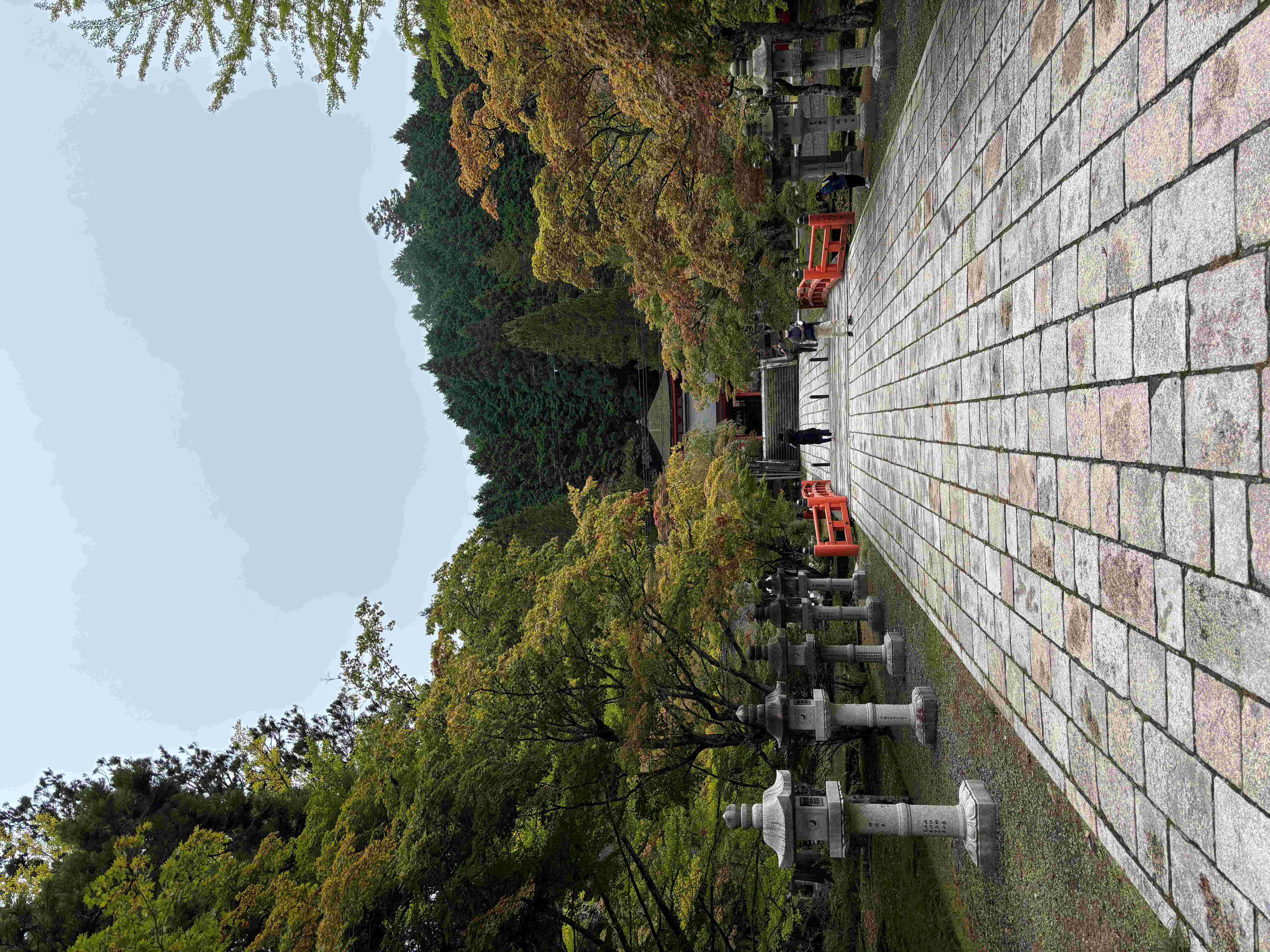
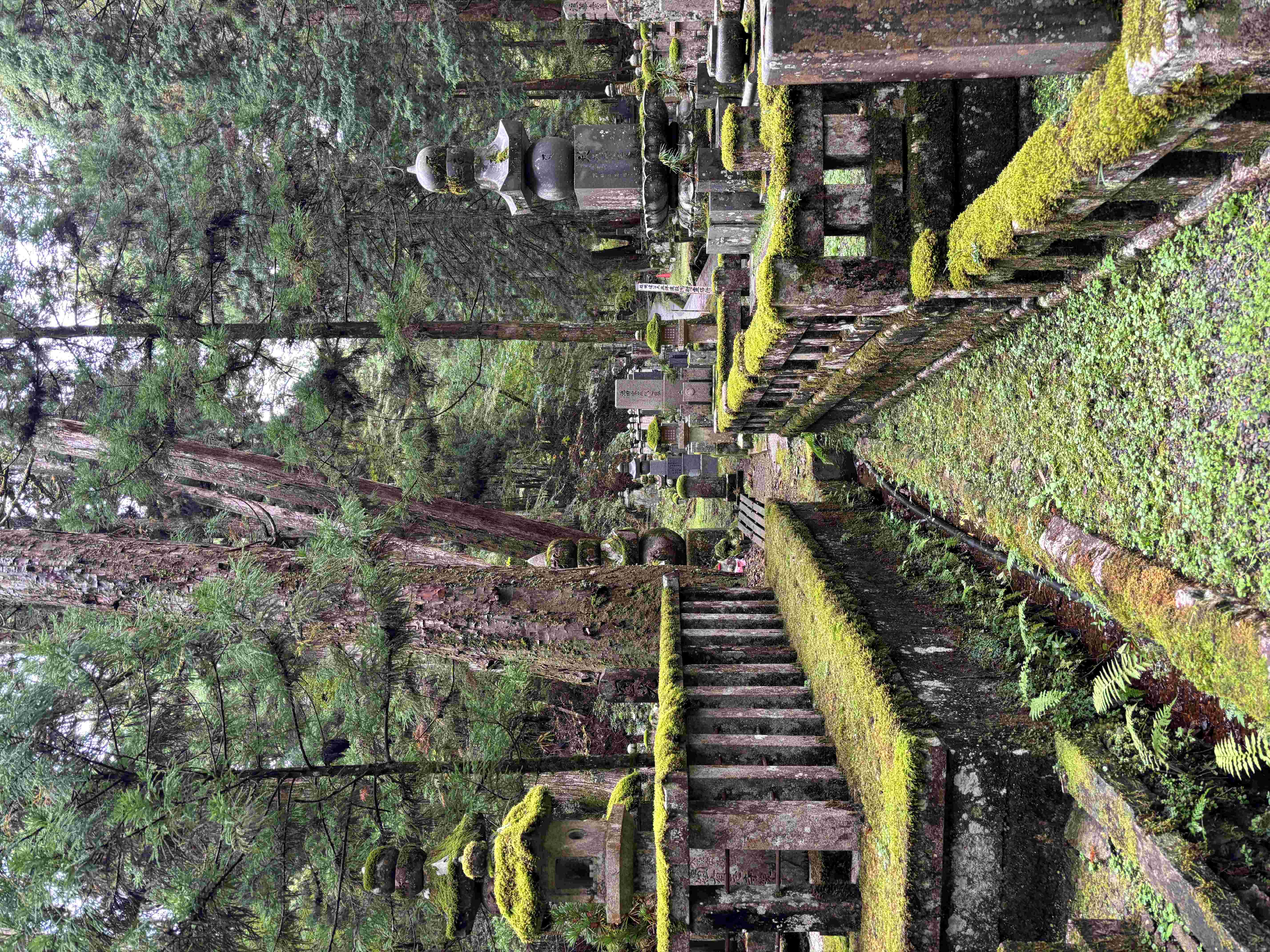
The single most important thing to do in Koyasan — and the main reason to stay overnight rather than day-trip. Over 200,000 graves beneath towering cedar trees, thousands of stone lanterns lining the path, moss covering everything in deep green. We walked it after dinner as the light was fading and the lanterns began to glow. It's pure magic — the guide's own words, and they're accurate. Read our full Okuno-in guide for what to expect and when to go.
Don't miss: the Lantern Hall (Toro-do) at the far end, filled with thousands of lanterns burning continuously. The inner mausoleum of Kobo Daishi lies beyond — no photography permitted.
Stay at a Temple (Shukubo) ★★★★★
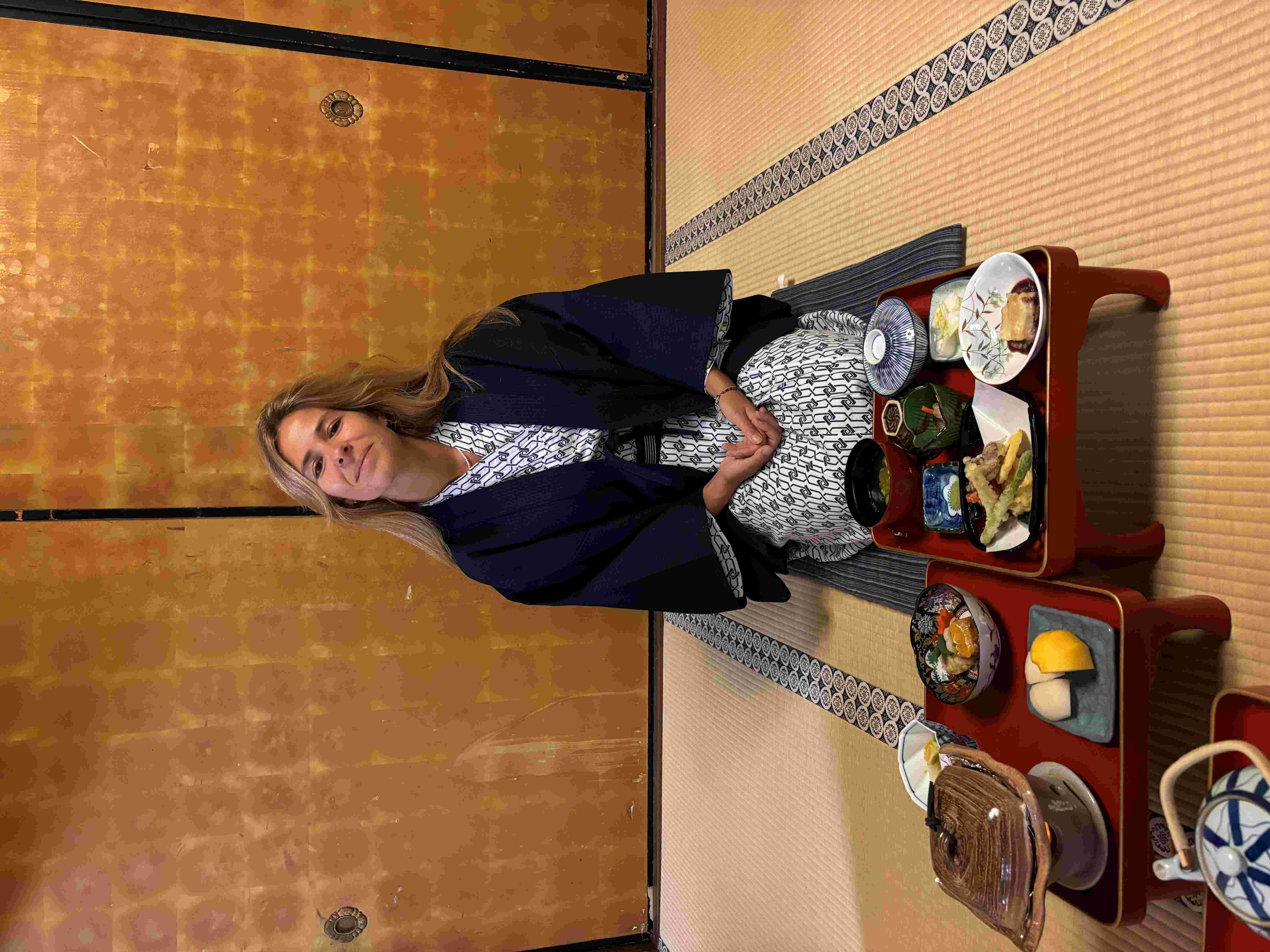
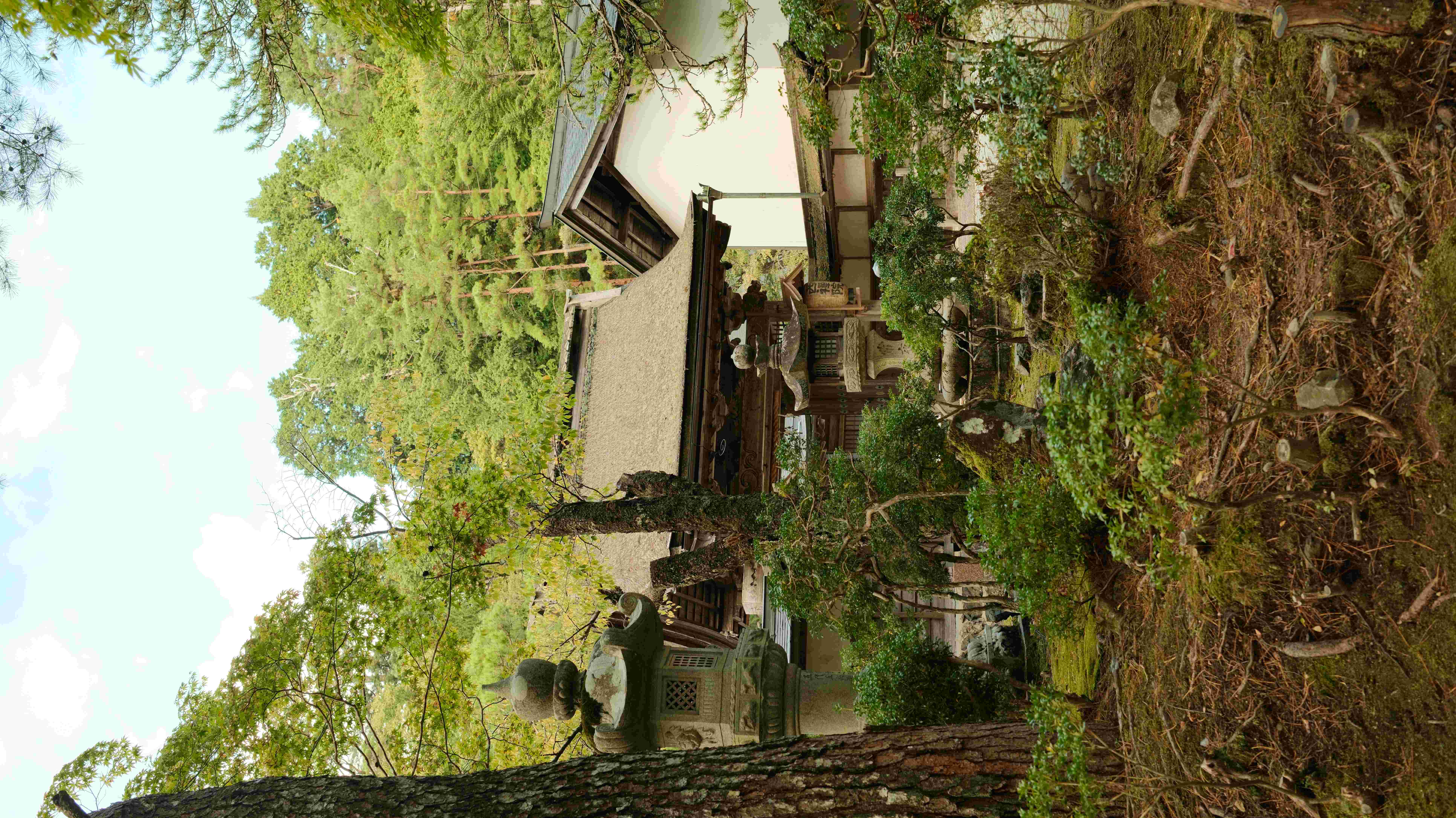
Sleeping in a working Buddhist monastery is the defining Koyasan experience — not just accommodation, but the whole evening and morning that come with it. We stayed at Hojo-in: tatami rooms, shojin ryori dinner (Buddhist vegetarian cuisine — tofu in wine sauce, tempura, miso-glazed vegetables, beautifully prepared), and the morning chanting ceremony at dawn that was one of the most moving experiences of the Japan trip. This is not a hotel with a Japanese aesthetic. It is the real thing. See our full Hojo-in review.
Kongobu-ji Temple ★★★★★
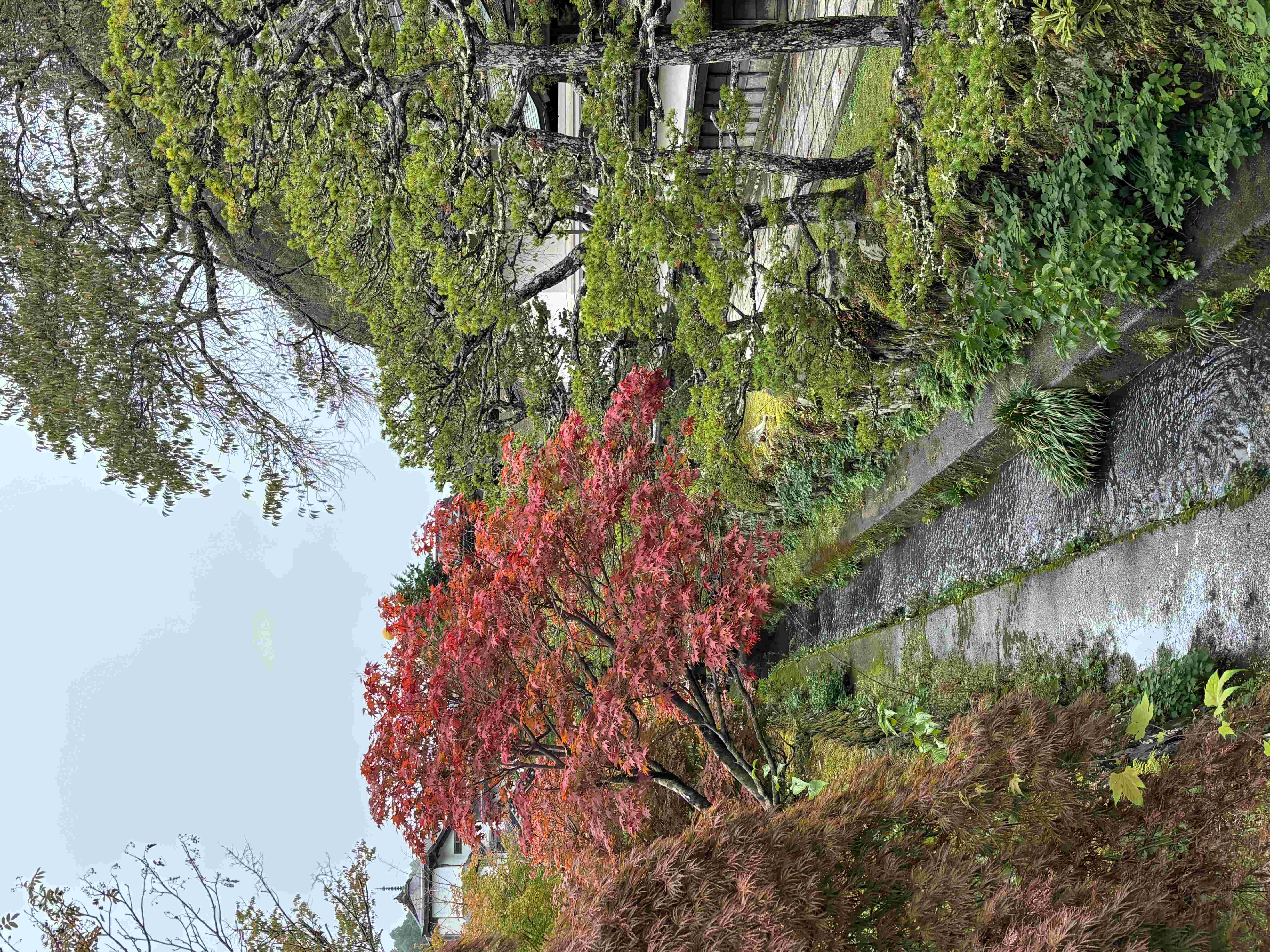
The head temple of Shingon Buddhism and Koyasan's most significant building. The main hall dates from the 19th century; the tradition it represents goes back over a thousand years. The interior contains elaborate sliding door paintings (fusuma-e) by master painters across multiple rooms — Buddhist iconography and landscapes rendered in gold leaf on dark wood. The most famous feature is the Banryutei rock garden: Japan's largest rock garden, a sweeping composition of 140 granite stones said to represent two dragons emerging from cloud. It is a genuinely remarkable piece of design.
Entry: ¥1,000. Budget 45–60 minutes.
Danjo Garan (Elevated Precinct) ★★★★★
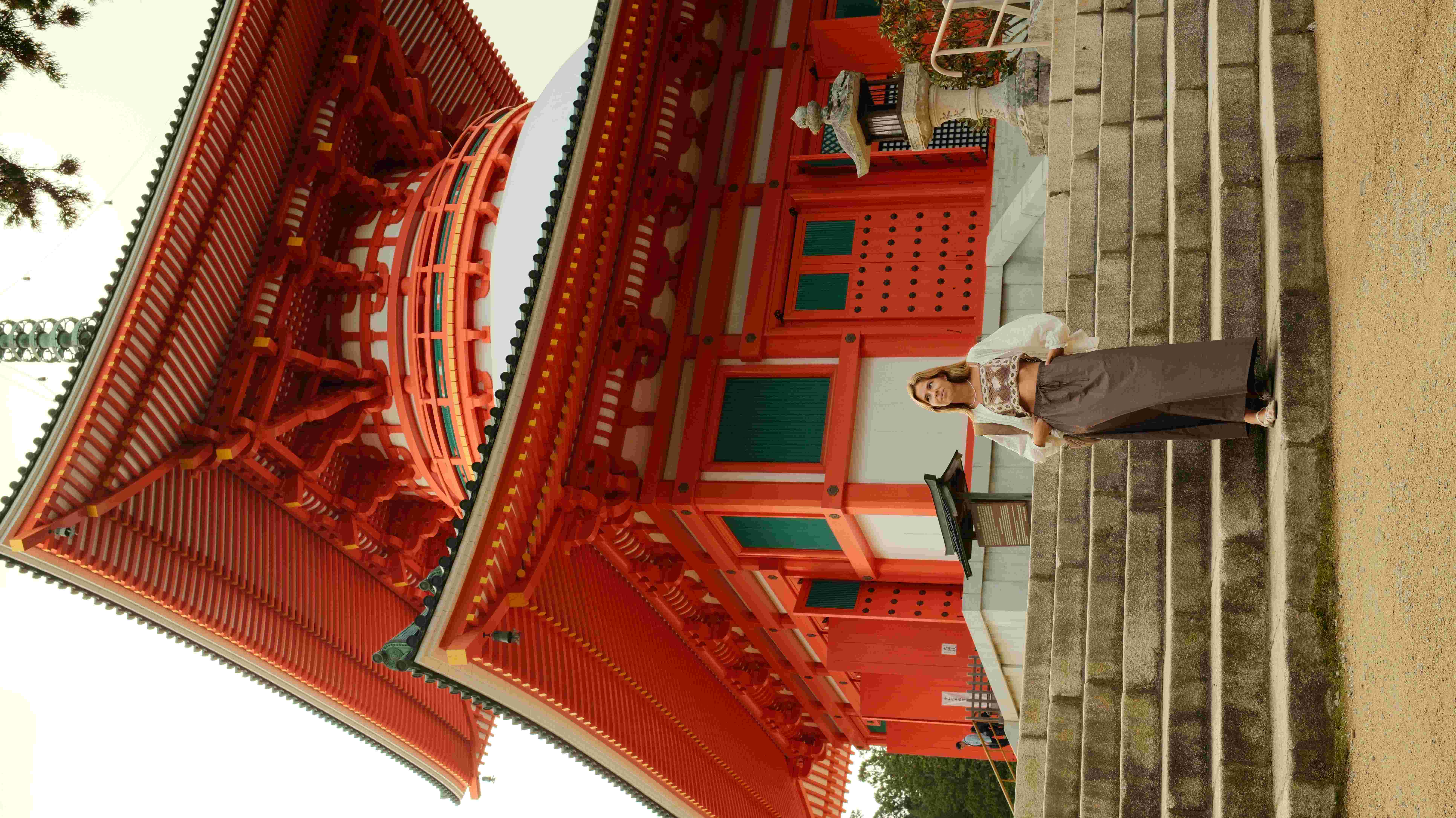
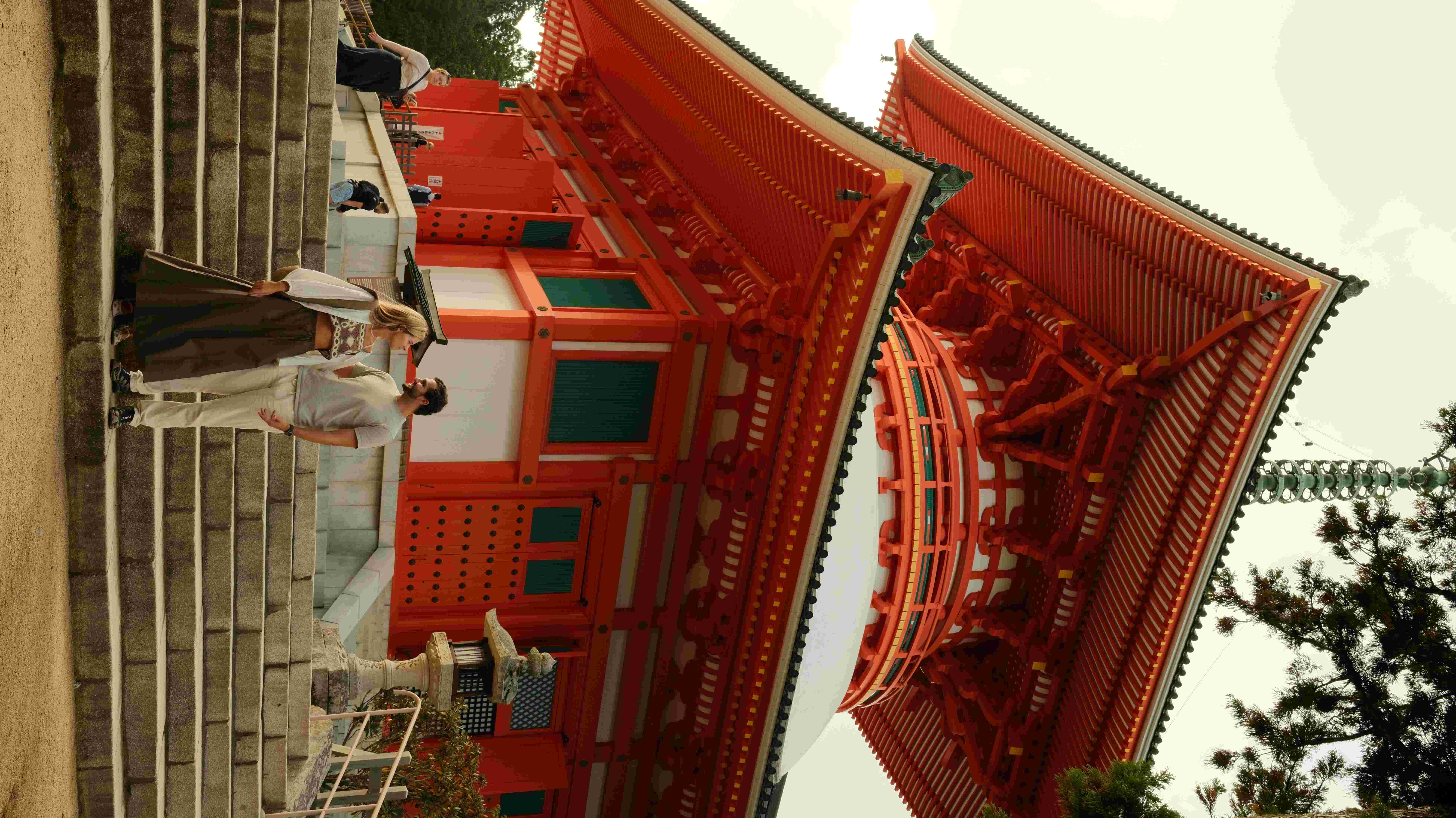
The spiritual and architectural centrepiece of Koyasan — an elevated ceremonial precinct containing the most important buildings in the Shingon tradition. The Daito (Great Pagoda) is the most visible: a massive vermillion pagoda visible from most of the town, its colour extraordinary against the grey stone paths and green cedar trees. The Kondo (Main Hall) and Miedo (the founder's hall, containing an image said to be the only likeness of Kobo Daishi made during his lifetime) are also here. The precinct is free to walk; individual buildings have small entry fees.
Go in the early morning before other visitors arrive — the light on the pagoda and the quiet of the precinct are best then.
Hiking the Forest Trails ★★★★☆
Koyasan is surrounded by hiking trails through old-growth cedar forest, connecting temples and sacred sites across the mountain. The Choishi-michi pilgrimage trail — a 24km route ascending from the valley below — is the most famous, but shorter sections within the temple town itself are beautiful and largely visitor-free. A meditative walk through the forest connecting smaller temples and stone markers is one of the best ways to absorb what Koyasan feels like away from the main sights.
Eat Shojin Ryori in Town
If you're not eating dinner at your temple, a few good options in town:
- Ponpoko — cozy local spot for simple Japanese comfort food, unpretentious and warm
- Anpei (安平) — traditional dishes in a family-run setting, the kind of place that's been feeding pilgrims for generations
- Kasu Udon no Kawachiya (かすうどんの河内屋) — rich, hearty udon soup; exactly what you want after a day of walking in mountain air
Important: Restaurants in Koyasan close early — most by 6–7pm. Plan accordingly, or eat at your temple (which is the better meal anyway at a place like Hojo-in).
More Koyasan Guides
FAQ
What is Koyasan most famous for?
The temple stay (shukubo) experience, Okuno-in Cemetery, and the Danjo Garan ceremonial precinct. It is the headquarters of Shingon Buddhism — the most sacred mountain in the tradition, active for over 1,200 years.
How much time do you need in Koyasan?
One overnight minimum to do it properly — arriving in the afternoon, temple dinner, Okuno-in at dusk, morning ceremony at dawn, full day of sightseeing before departure. A day trip is possible but misses the best of what Koyasan offers.
Some links in this post are affiliate links. If you book through them, we earn a small commission at no extra cost to you.