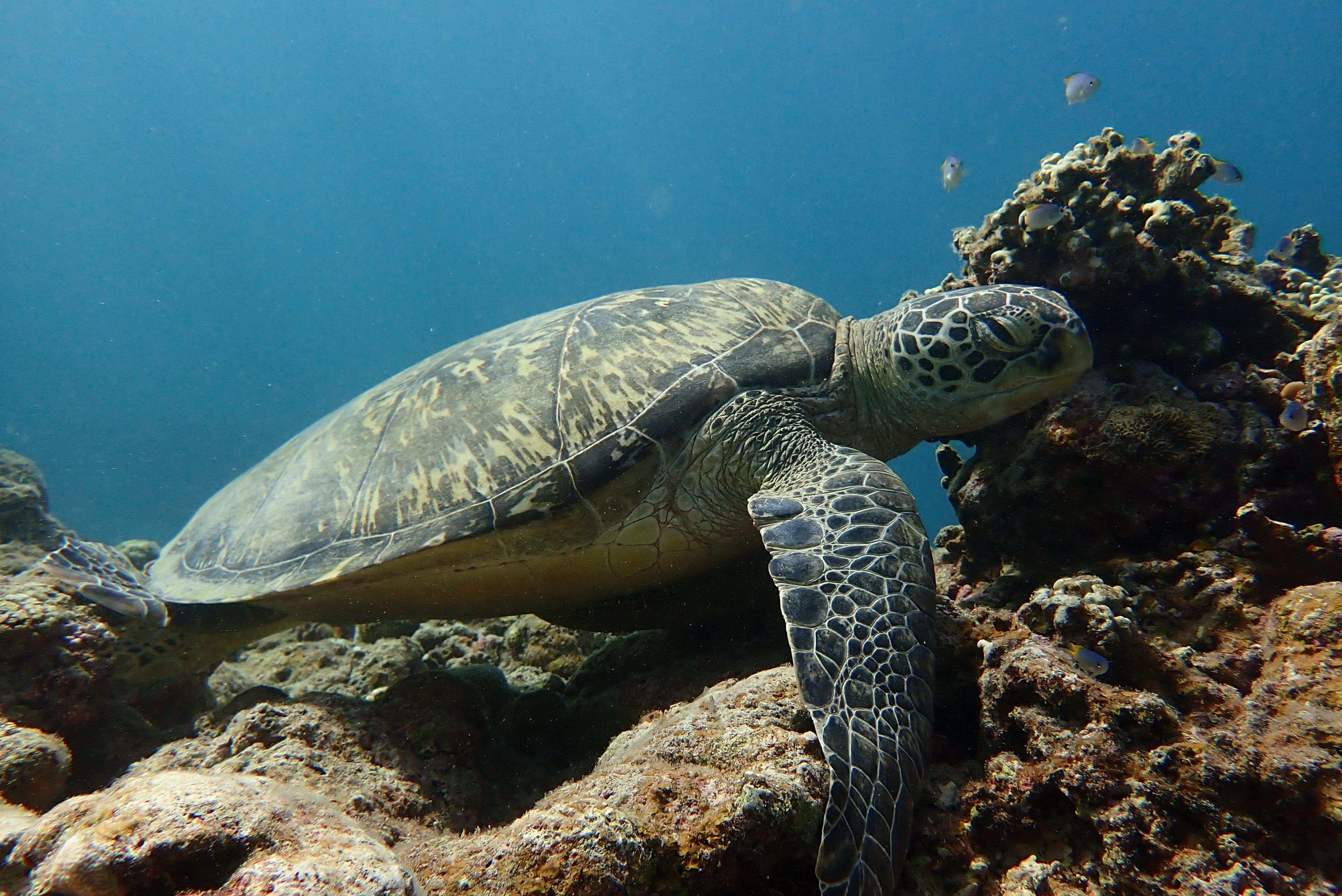
Ishigaki is one of the best diving destinations in Asia — world-famous for its manta ray encounters, extraordinary coral reefs, and crystal-clear visibility that regularly exceeds 30 metres. We dived with Prime Scuba Ishigaki and it was one of the highlights of our entire Japan trip. Here's everything you need to know: the best dive sites, manta ray season, which operator to choose, and what to expect if this is your first time diving in Japan.
Why Ishigaki for Diving?
Ishigaki sits at the edge of the Pacific Ocean's coral triangle — the world's most biodiverse marine zone. The water conditions are exceptional: warm year-round (22–30°C depending on season), minimal currents at most dive sites, and visibility that far exceeds what you'll find in comparable diving destinations in Thailand or the Philippines.
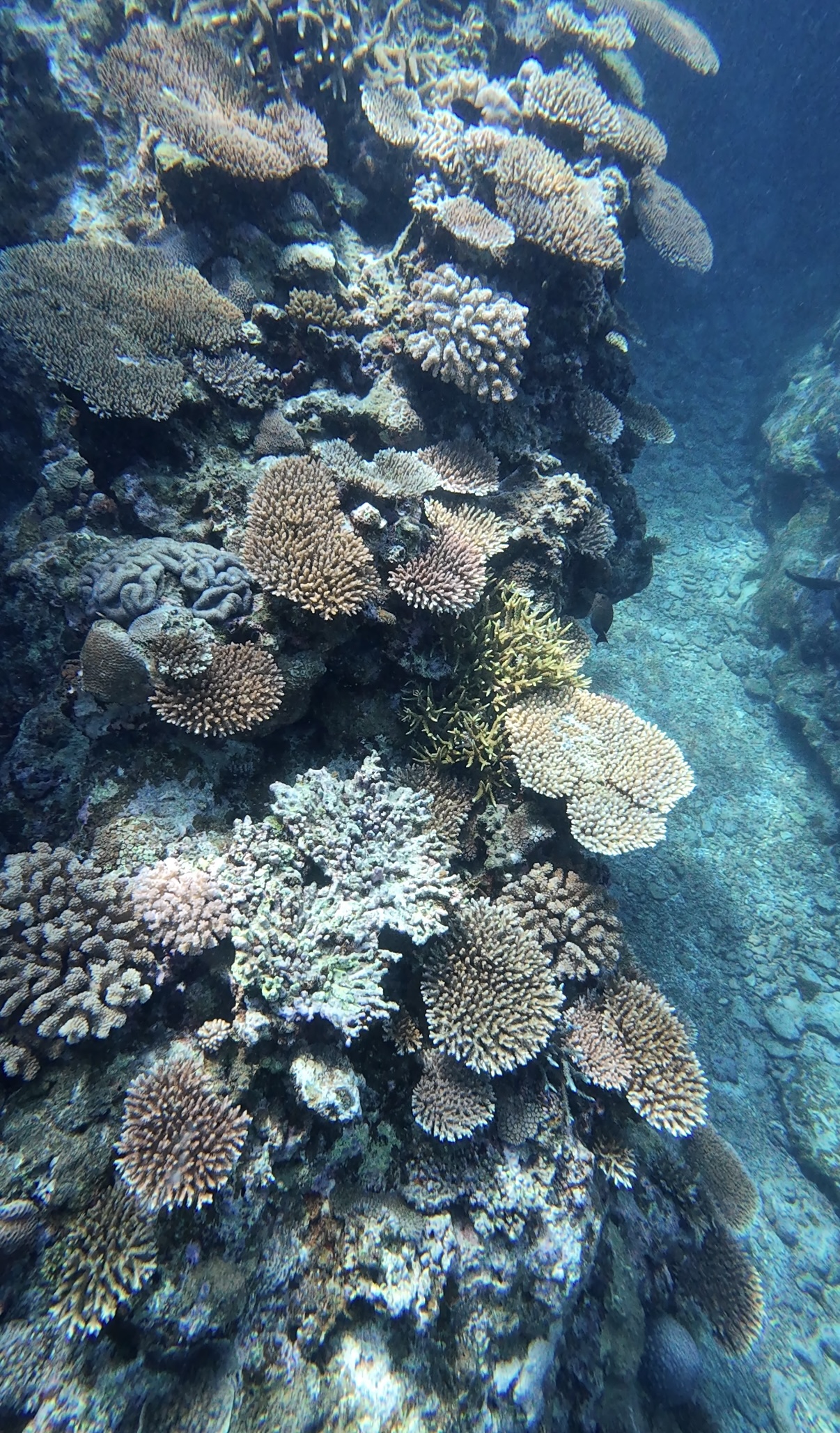
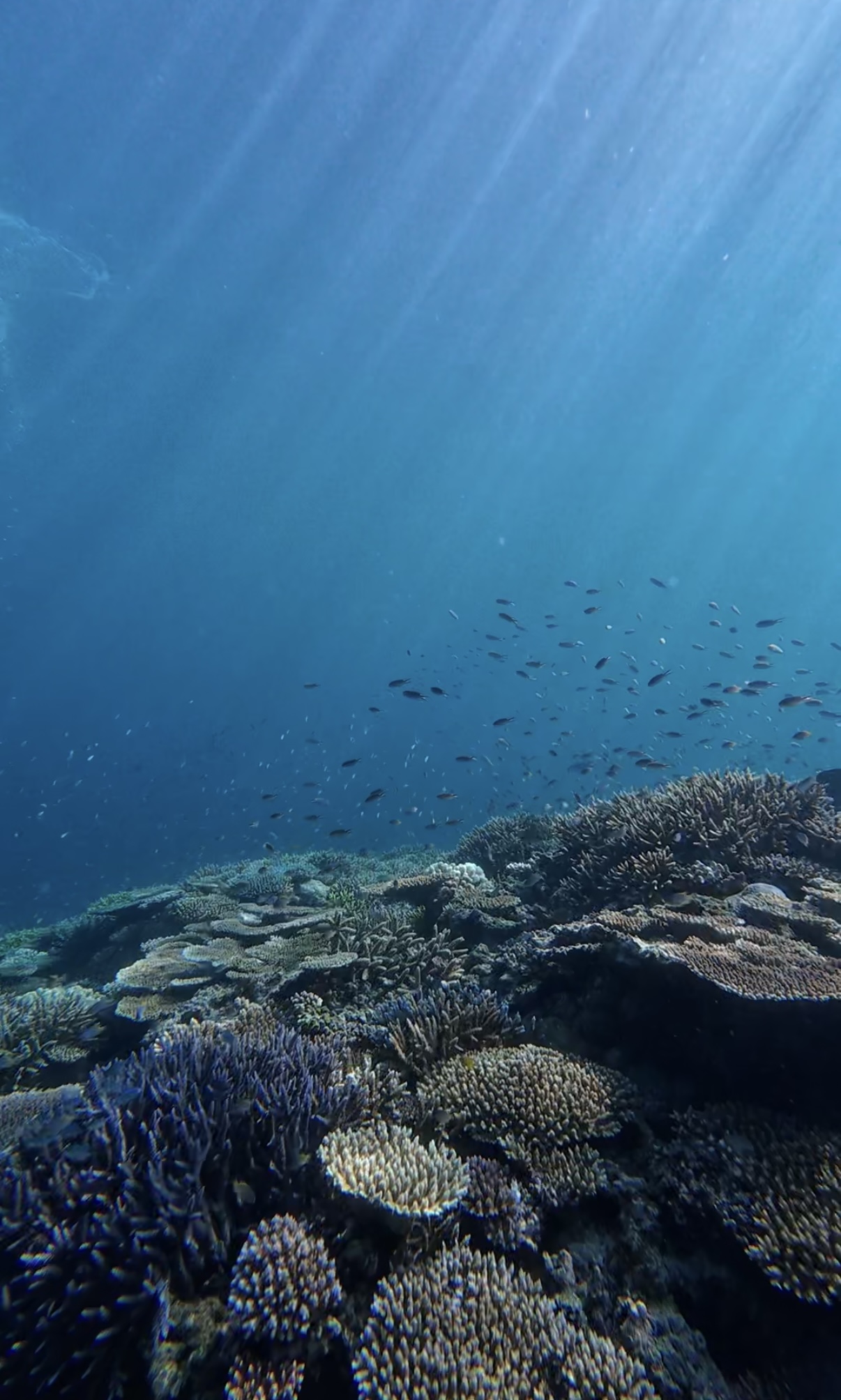
What makes Ishigaki unique is the combination of exceptional coral health and reliable manta ray sightings. Japan's waters are among the cleanest in Asia (strict environmental protections, low coastal development in the Yaeyamas), and the reef systems around Ishigaki show it — vivid corals, high fish density, and minimal bleaching compared to most of the Indo-Pacific.
For Japanese divers, Ishigaki is a domestic bucket-list destination. For international visitors, it's a genuine world-class discovery that most people haven't heard of.
The Manta Rays
Ishigaki's manta rays are oceanic mantas that visit specific cleaning stations — submerged outcrops where cleaner wrasse fish remove parasites and dead skin from the mantas' underside. The mantas circle slowly over these stations, sometimes in groups of 5–10 individuals, allowing divers to watch for extended periods at close range.
Manta Point (Manta City) in the north of the island is the primary site — one of the most reliable manta encounter locations in Asia. Unlike whale shark tourism in other countries, Ishigaki's manta diving does not involve feeding or baiting — the encounters are natural, on the mantas' schedule, in their habitat.
Manta season: November to June, peaking in March–May. Sightings are possible year-round but frequency drops significantly in summer as the water warms and the mantas move to deeper feeding grounds.
Our Operator: Prime Scuba Ishigaki ★★★★★
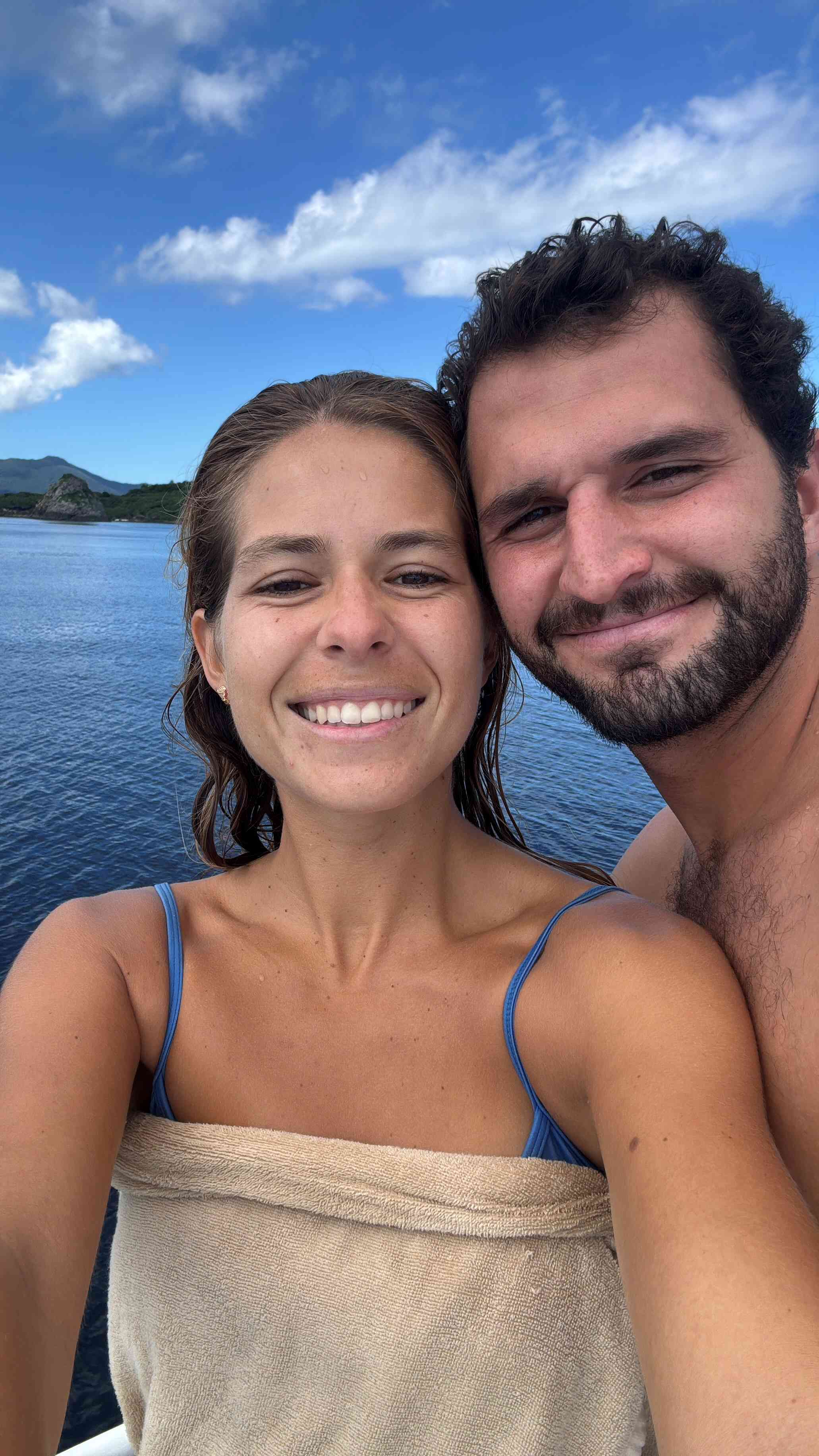
We booked our dives with Prime Scuba Ishigaki — and we'd book them again without hesitation. The guide's description is accurate and honest: friendly, knowledgeable guides who clearly love what they do, great food served onboard between dives, and a deliberate choice to dive quieter sites away from the mass-market operators who crowd the most famous spots.
Prime Scuba typically runs two-tank morning trips — two dives in the morning, back to port by early afternoon, leaving you the rest of the day for beaches or town. They're English-speaking, experienced with international guests, and genuinely invested in the dive experience rather than moving volume through the sites.
Book in advance. Prime Scuba fills up, especially during manta season (March–May) and summer. Email or book through their website at least 2–3 weeks ahead; 4–6 weeks in peak season.
Certifications: You need at least an Open Water certification for most trips. Advanced Open Water opens up the deeper or more current-exposed sites. Prime Scuba can arrange discover scuba dives for uncertified divers at introductory sites.
What to Expect on an Ishigaki Dive Day
A typical two-tank trip with Prime Scuba runs as follows:
- Morning briefing (7:30–8:00am): Meet at the port office, gear check, site briefing. The guide explains the planned sites, depth profiles, what you're likely to see, and any conditions to be aware of.
- Boat journey (20–40 min): The dive sites are offshore, with journey times depending on which sites the guide selects for the day's conditions.
- Dive 1 (45–60 min): Entry, guided dive, surface interval on the boat.
- Surface interval (30–45 min): Food is served — this is not a crackers-and-water situation. Hot food, freshly prepared on board. Unexpectedly excellent.
- Dive 2 (45–60 min): Second site, often at a different depth or character to the first.
- Return to port (~12:30–1:30pm): Gear rinse, logbook update, afternoon free.
The Dive Sites
Manta City (Manta Point) — Manta Rays
The primary manta ray cleaning station in Ishigaki's north. Depth typically 15–18m. The dive involves positioning near the cleaning station and waiting — when the mantas arrive (and they frequently do), they circle overhead at close range. One of the most surreal dive experiences available in Japan.
Kabira Bay Reef — Coral and Fish Life
A healthy, vibrant reef system in the sheltered bay. Excellent for coral photography — the coral diversity and health in Ishigaki's protected waters is striking. Good for intermediate divers; generally calm and well-organised.
Yonaguni and Outer Sites (Advanced)
For Advanced Open Water divers with current experience: the outer sites around Ishigaki and the nearby island of Yonaguni (Japan's westernmost island, a 1-hour ferry) offer more challenging conditions and different marine life — including hammerhead sharks at Yonaguni in certain seasons. Ask Prime Scuba about their current schedule for advanced sites.
Diving Essentials for Ishigaki
| Certification needed | Open Water (AOW opens more sites) |
| Best season for mantas | November–June (peak: March–May) |
| Water temperature | 22°C (Jan–Feb) to 30°C (Aug). Wetsuit recommended in winter |
| Visibility | 15–30m+ depending on season; best Dec–April |
| Operator we used | Prime Scuba Ishigaki — highly recommended |
| Sunscreen | Reef-safe only — standard chemical sunscreens bleach coral |
More Ishigaki Guides
- The Best Things to Do in Ishigaki
- The Best Time to Visit Ishigaki (Including Manta Ray Season)
- The Best Beaches in Ishigaki
- Is Ishigaki Worth Visiting? Our Honest Review
- How Many Days in Ishigaki Do You Need?
- Where to Stay in Ishigaki
- Taketomi & Iriomote: Island Hopping from Ishigaki
- 2–3 Days in Ishigaki Itinerary
- All Japan Guides
FAQ
Is Ishigaki good for beginner divers?
Yes — most sites have minimal current and good visibility, making Ishigaki suitable for Open Water certified divers. The manta ray sites are typically at accessible depths (15–18m). Complete beginners can do discover scuba dives at the introductory sites.
When is manta ray season in Ishigaki?
November to June, peaking in March–May. Summer months see fewer manta sightings. Winter visibility is often the best of the year, making it excellent for photography even if manta frequency is slightly lower.
Is Prime Scuba Ishigaki the best dive operator?
It's our recommendation based on our experience — friendly guides, excellent food onboard, and a preference for quieter sites. There are several good operators on the island; ask your hotel for updated recommendations if you're visiting after mid-2026.
Do I need to bring my own dive gear to Ishigaki?
No — all equipment (BCD, regulator, wetsuit, tanks) is provided by the operator. Bring only your certification card and a reef-safe sunscreen.
Some links in this post are affiliate links. If you book through them, we earn a small commission at no extra cost to you.