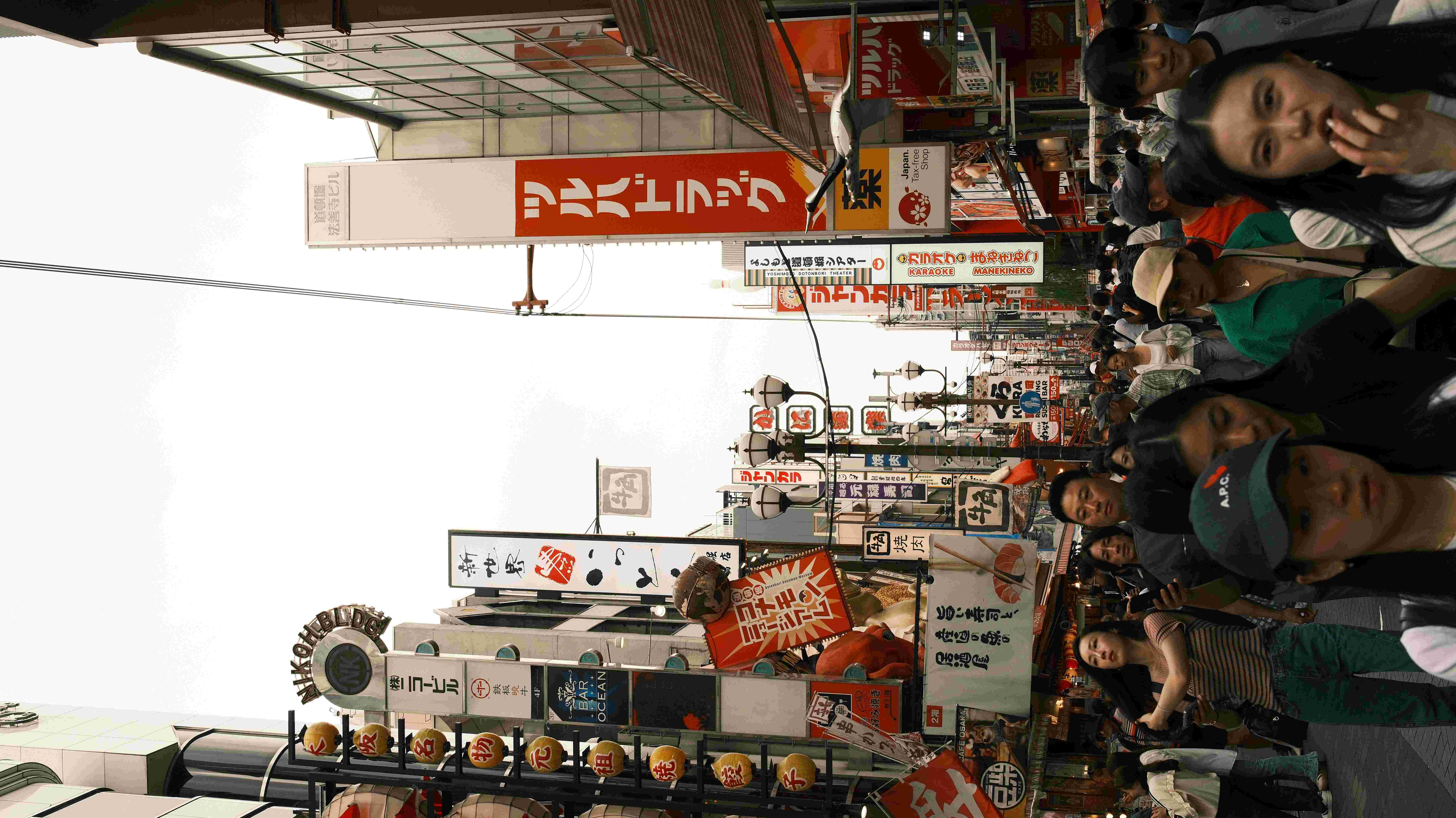
Osaka is not a city organized around sightseeing. It's a city organized around eating. The best things to do here are almost all food-first: a market in the morning, street food at midday, an izakaya at night. The temples and museums exist, but they're supporting acts. Plan accordingly.
Dotonbori & Shinsaibashi — The Heart of Osaka
Dotonbori ★★★★★
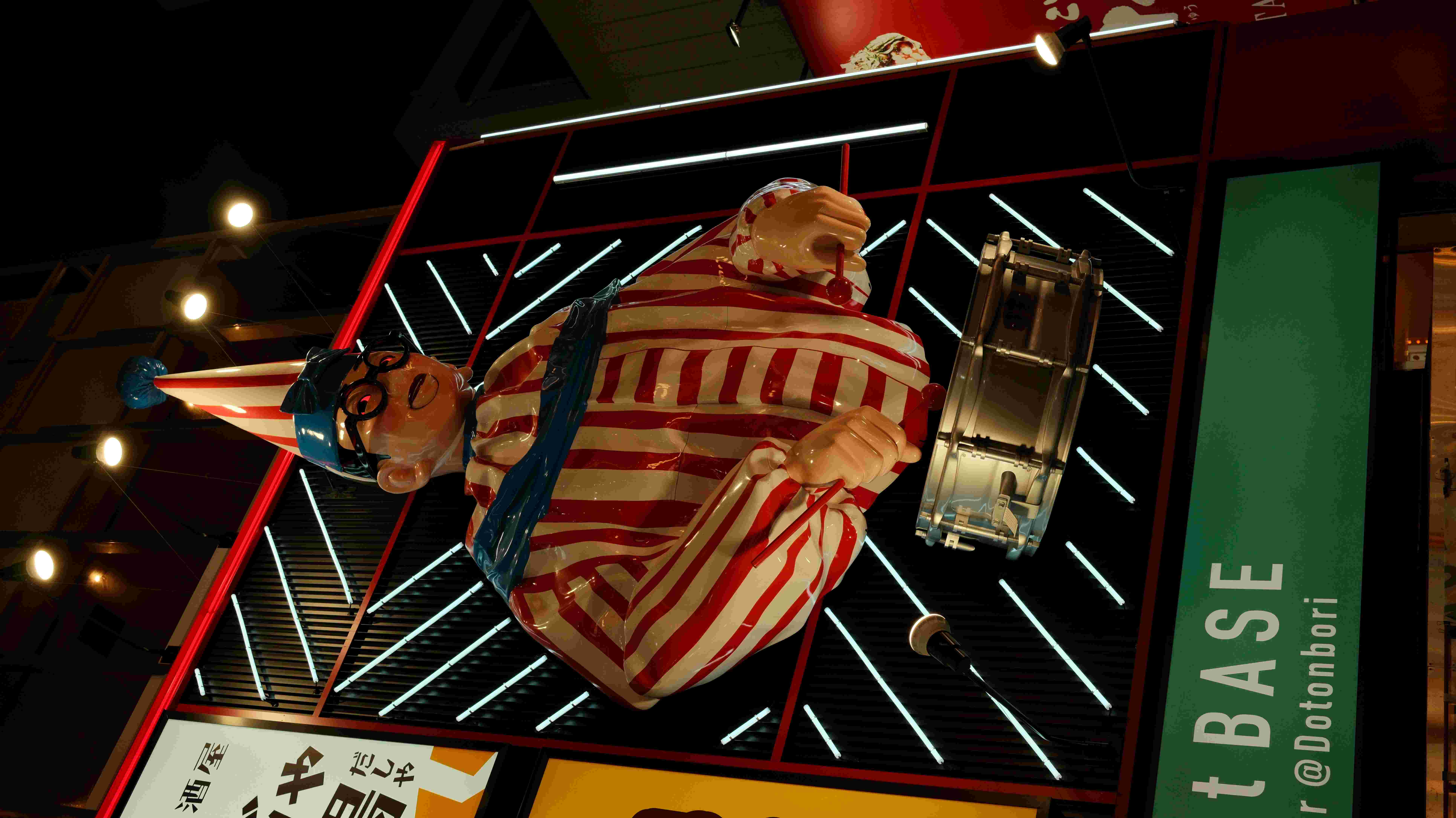
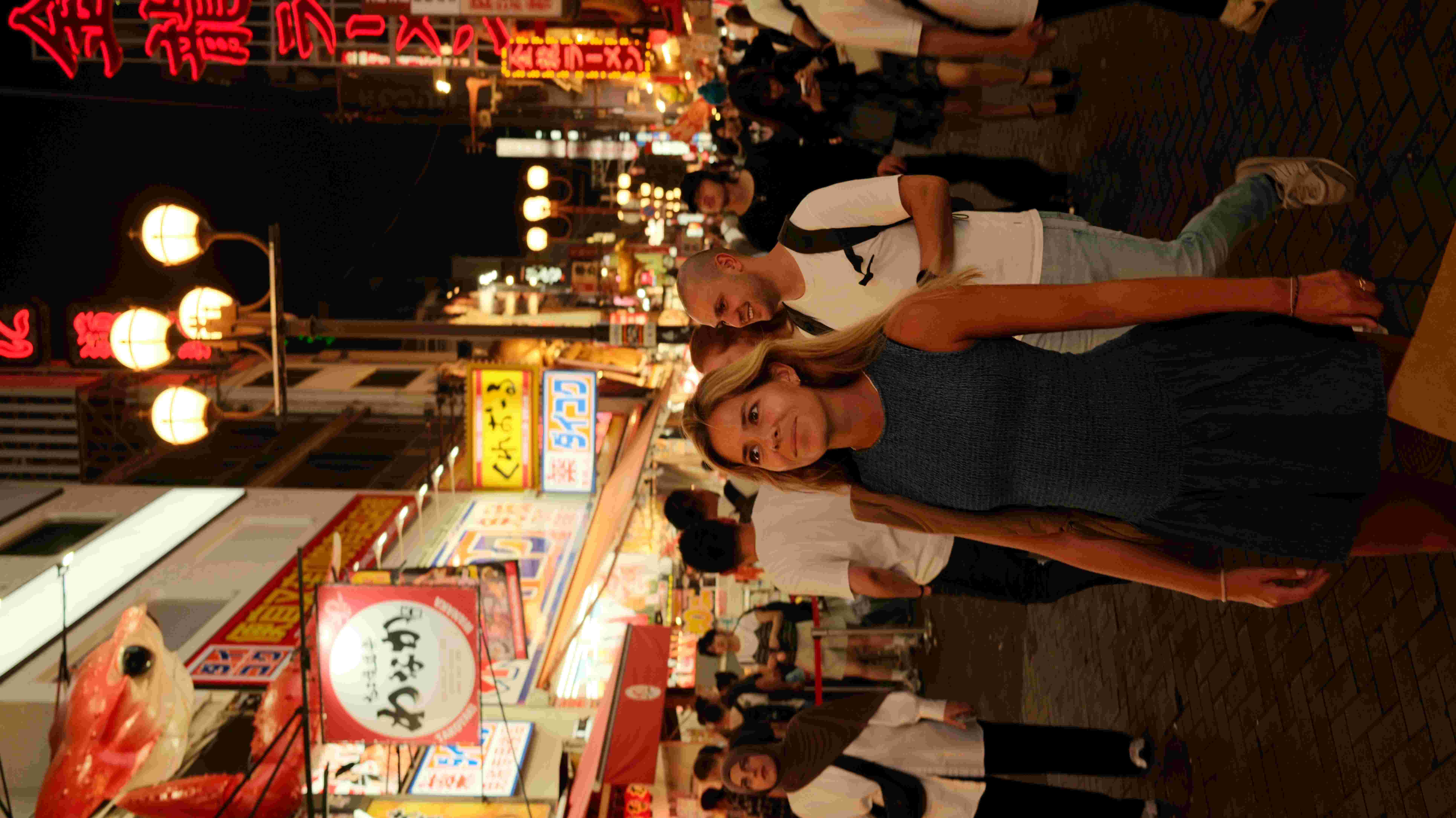
The canal strip that defines Osaka's image — enormous neon signs (the famous Glico running man, the giant mechanized crab), wall-to-wall restaurants, food stalls, and a constant crowd. Go once during the day and once at night: the vibe changes completely. The daytime version is busy and colourful; the night version, with the neon reflecting in the canal, is one of the most visually dramatic scenes in Japan.
Verdict: Essential. See it twice — day and night.
Shinsaibashi-Suji Shopping Street ★★★★☆
A covered shopping arcade running north from Dotonbori — hundreds of shops, restaurants, and street food stalls under a single roof. A good place to drift through, and practically speaking the best way to move between Dotonbori and the Namba station area while staying sheltered from rain or heat.
Verdict: Worth walking through. More useful than it is spectacular.
Hozenji Yokocho Alley ★★★★★
One block off Dotonbori — a narrow stone alley of old izakayas, flickering lanterns, and a moss-covered Buddhist statue. Feels a hundred years removed from the neon strip one street over. The statue is perpetually doused in water by visitors making offerings, turning it an extraordinary shade of green. A must-see hidden gem right in the middle of Namba.
Verdict: Ten minutes off the main strip. Don't miss it.
Kuromon Market ★★★★★
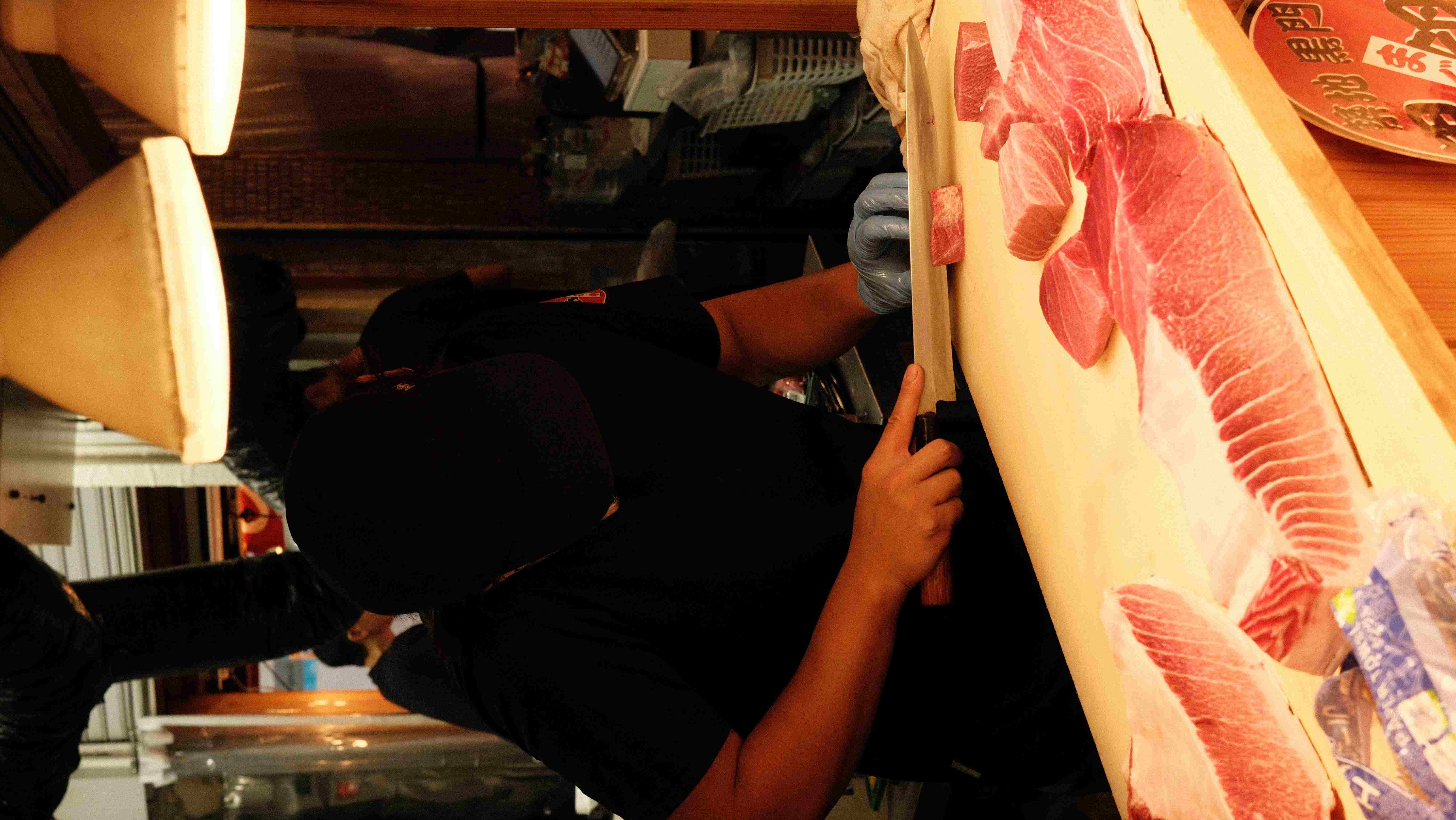
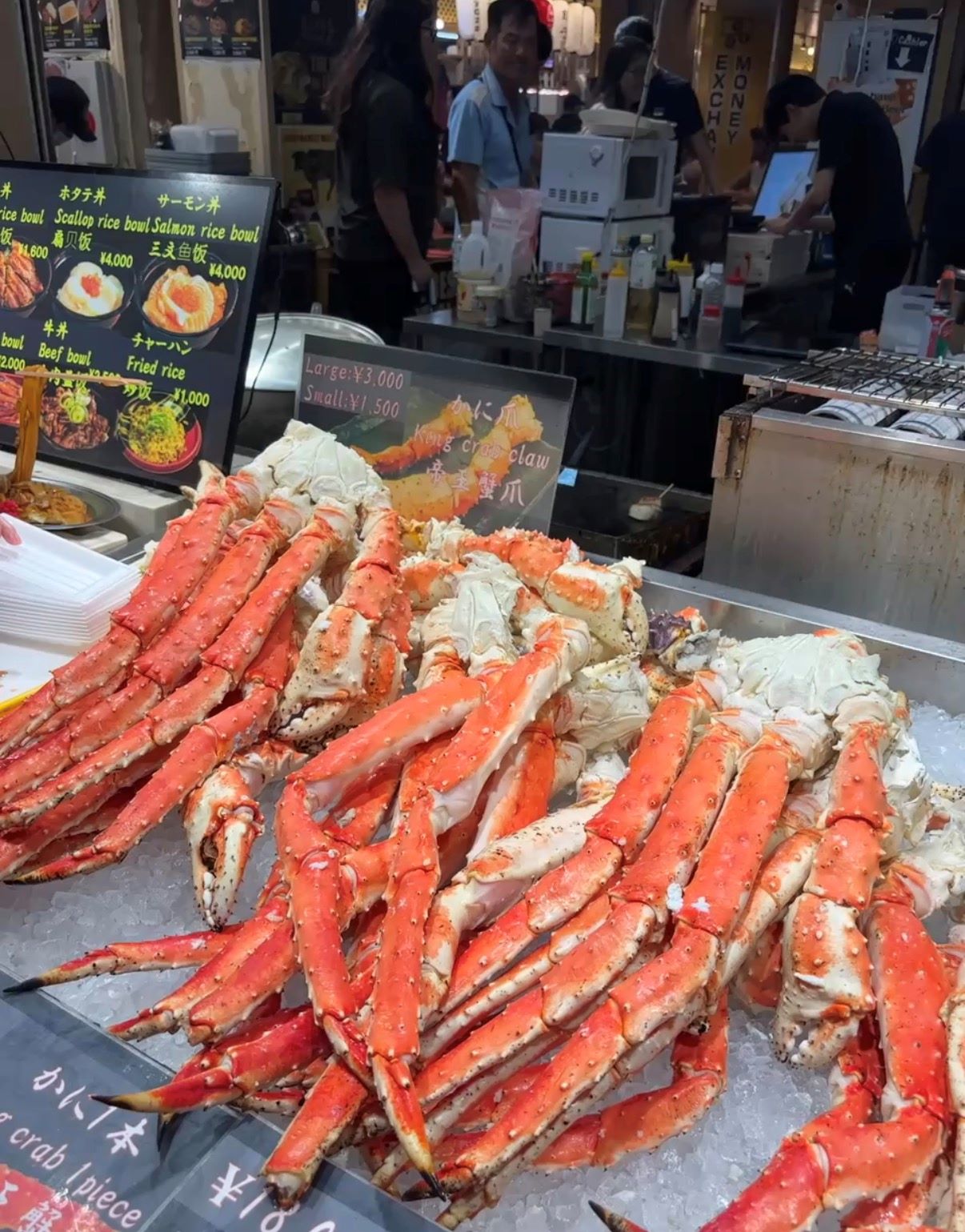
Osaka's covered seafood and food market — a long arcade of stalls selling fresh tuna, king crab, oysters, uni, wagyu, tamagoyaki, pickled vegetables, and street food. The guide's verdict: "a seafood paradise." Go in the morning when everything is freshest and the chefs at the tuna stalls are still preparing the day's cuts. Watch a chef slice a fresh tuna at Maguroya Kurogin and choose your piece — it's theatre and breakfast in one.
Verdict: One of the best food experiences in Japan. Do not skip this.
Nipponbashi & Shinsekai ★★★★☆
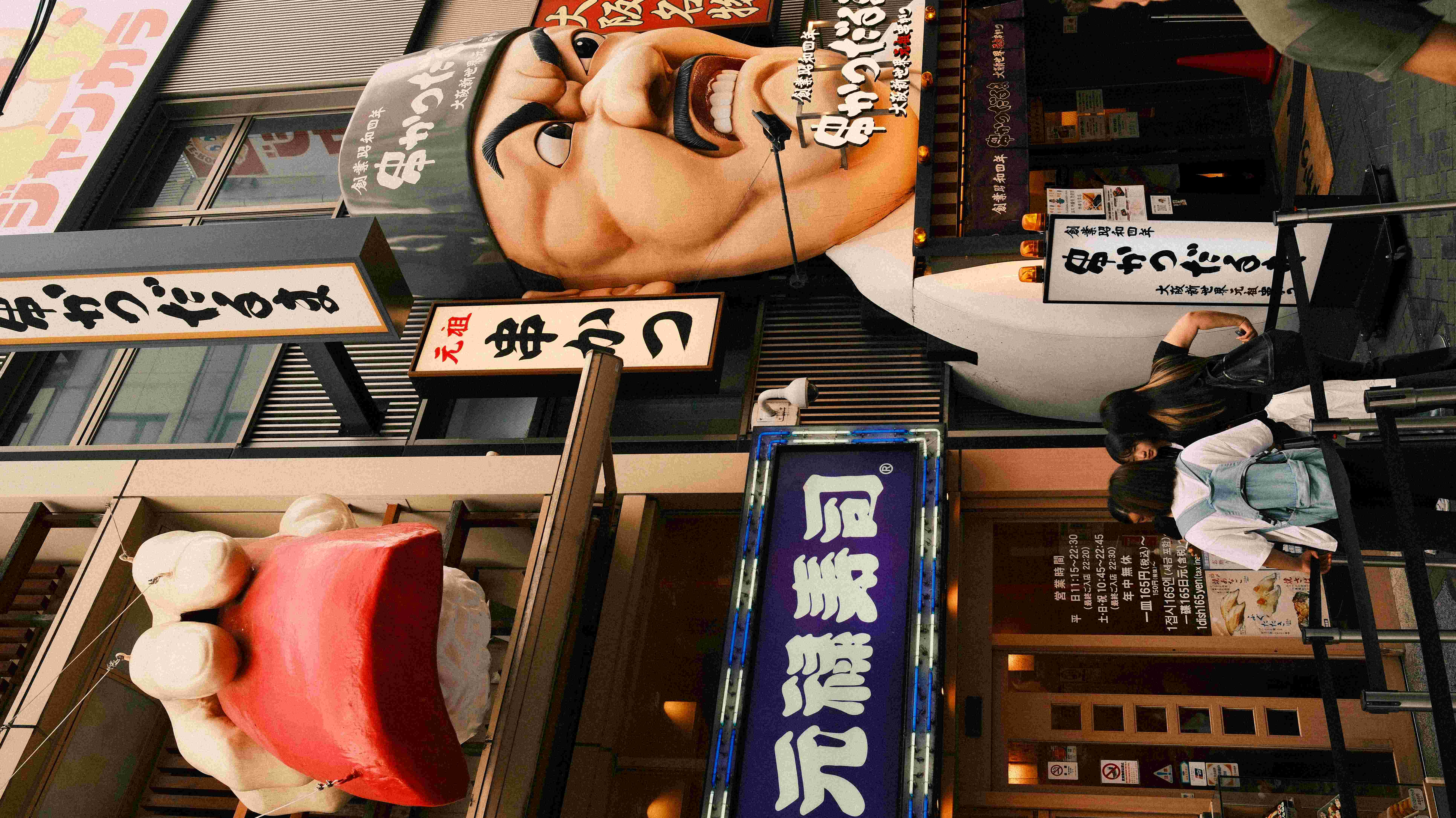
Shinsekai ("New World") is Osaka's retro entertainment district — originally built in 1912 to rival Paris and New York, now a lovably time-warped neighborhood of fried food stalls, billiard halls, and kushikatsu restaurants under the Tsutenkaku Tower. Everything here is cheap and the atmosphere is unlike anywhere else in Japan: earthy, nostalgic, unpretentious.
Kushikatsu (breaded and fried skewers) is the local specialty — the unbreakable rule is no double-dipping in the shared sauce. Try it in Shinsekai where it belongs.
Nipponbashi, just north, is Osaka's electronics and anime district — the Osaka equivalent of Akihabara in Tokyo.
Verdict: Worth an afternoon. Shinsekai in particular is a genuine local neighborhood that feels authentically Osaka.
Osaka Castle & Osaka Castle Park ★★★★☆
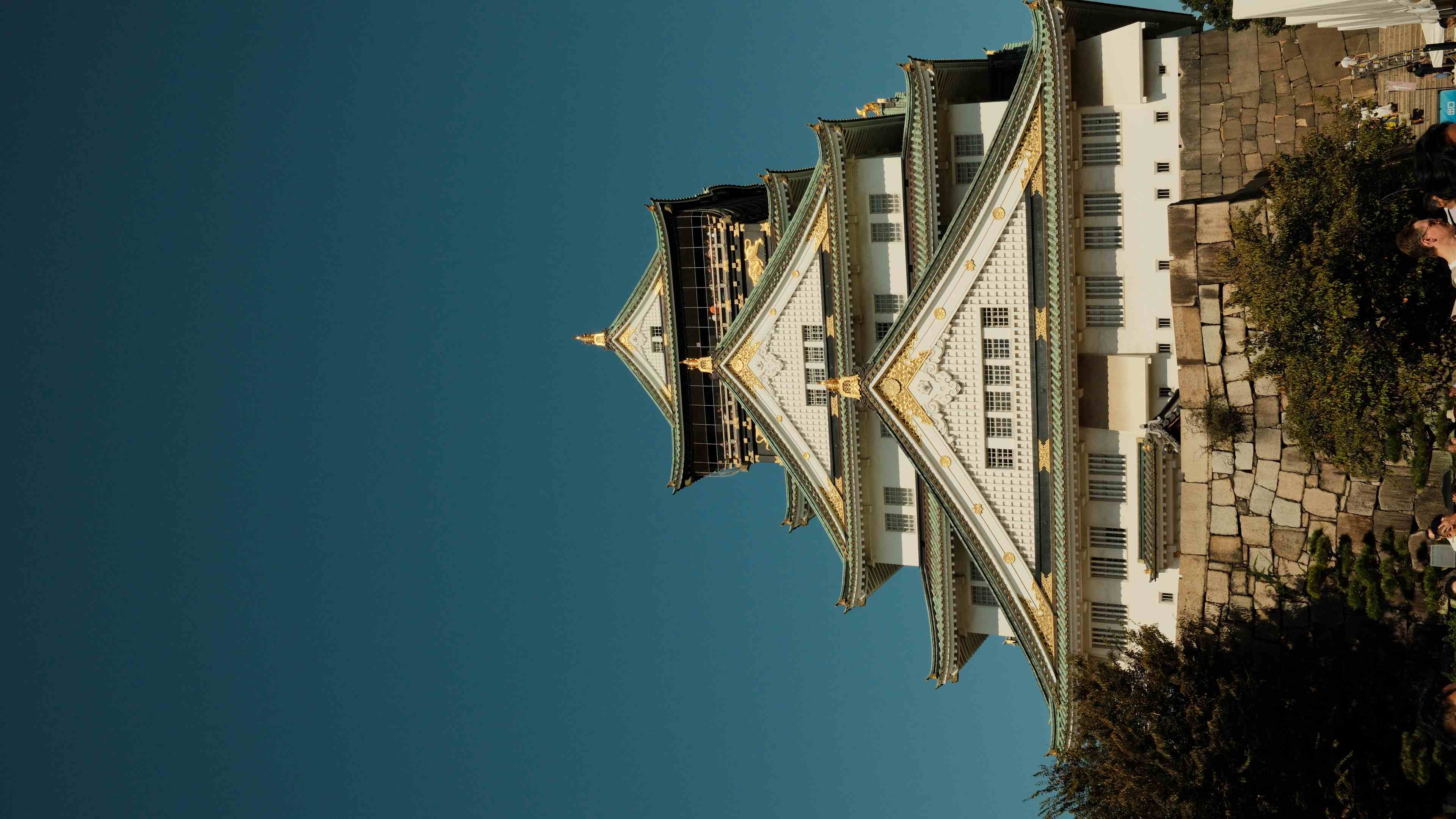
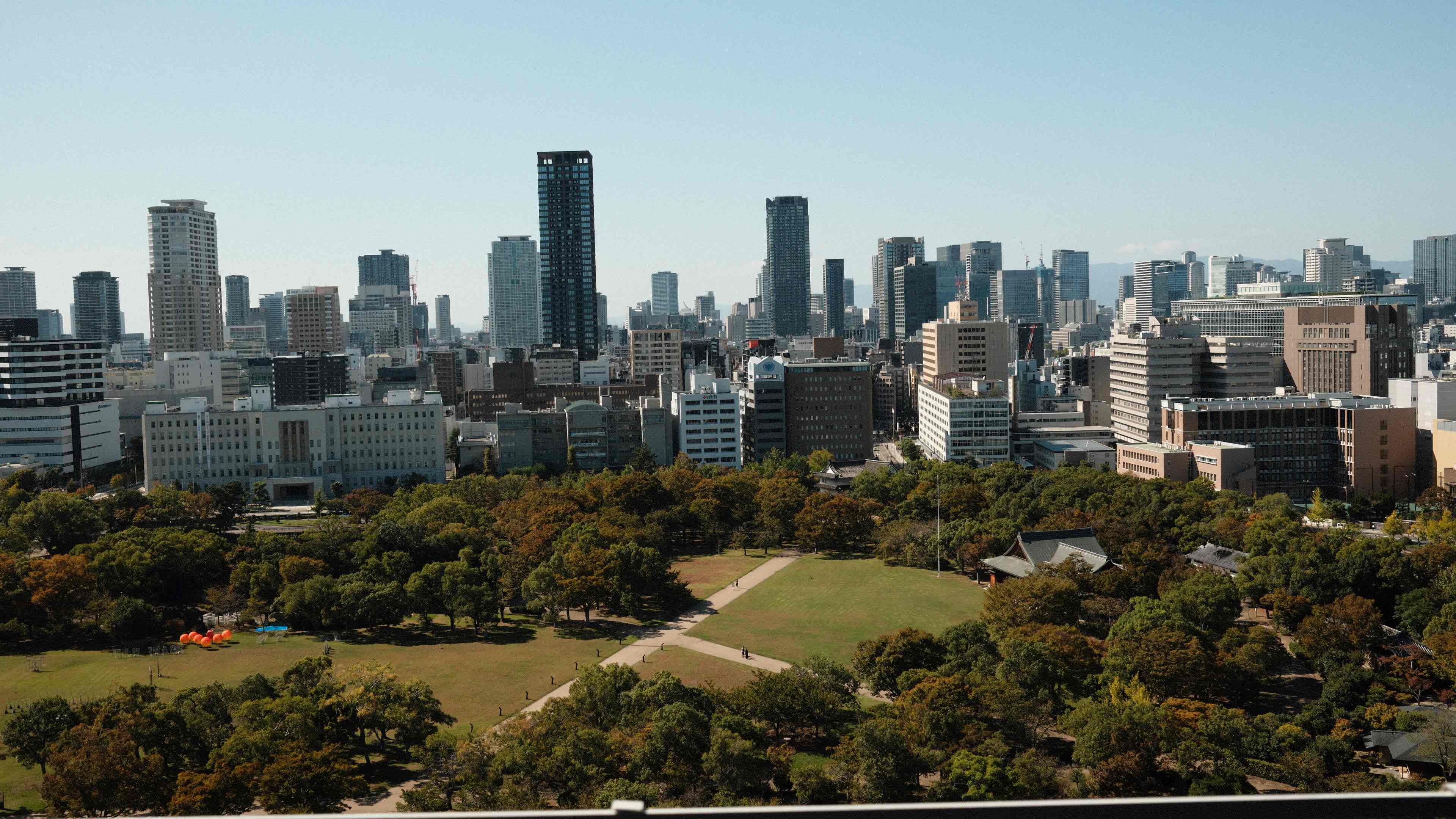
Osaka Castle is one of Japan's most iconic structures — the white and green tower rising behind massive stone walls and a wide moat. The castle interior is a museum (the history of Toyotomi Hideyoshi and the Sengoku period) and the views from the top floor extend across the city. The surrounding park is one of the best cherry blossom spots in Japan in late March–early April.
Go in the morning before the tour groups arrive. The stone walls and moat are most beautiful with soft light, and the grounds are quiet before 9am.
See our full Osaka Castle review for everything you need to know.
Verdict: Worth it — especially for the park and the exterior. Entry ¥600 for the interior; park is free.
Umeda Sky Building ★★★★★
Two towers connected by a floating garden observatory 170 metres above the city — walk across a glass-floor bridge between the two tower tops for panoramic views of Osaka in every direction. The architecture is dramatic from below and the views at sunset, as the city lights up, are extraordinary.
Go 30–45 minutes before sunset and stay until after dark for the full effect. Entry ¥2,000.
Verdict: One of the best observatory experiences in Japan. More interesting architecturally than Tokyo's standard sky decks.
Universal Studios Japan ★★★★★
If you have a full day to spare: Super Nintendo World is genuinely impressive — the Mario Kart ride and the overall immersive design make it one of the best theme park experiences in the world. Book tickets and Express Passes weeks in advance; Super Nintendo World timed entry and Express Passes sell out early. Without an Express Pass, the queues for major attractions can be 2–3 hours.
Verdict: Absolutely worth it if Japan is a longer trip. A full day minimum.
What We Would Skip
Osaka Aquarium Kaiyukan
One of the world's largest aquariums — impressive in scale, but a full-day commitment and very expensive (¥2,400) for what is essentially an aquarium. Skip unless you have children with you or genuinely love marine life.
Tempozan Marketplace / Harbor area
The waterfront area near the aquarium has a Ferris wheel, a mall, and not much else. Not worth the commute from central Osaka.
Osaka Museum of History
Good, but Osaka Castle covers similar ground more viscerally. With limited time, skip the museum.
More Osaka Guides
- Is Osaka Worth Visiting? Our Honest Review
- Osaka Food Guide: Our Top Restaurants
- The Best Street Food in Osaka: Dotonbori & Beyond
- Is Osaka Castle Worth Visiting?
- 2 Days in Osaka Itinerary
- How Many Days in Osaka Do You Need?
- The Best Time to Visit Osaka
- Where to Stay in Osaka
- The Best Cafes in Osaka
- Kyoto vs Osaka: Which City Should You Base Yourself In?
- Osaka vs Tokyo: Which City Should You Visit First?
- Is Kobe Worth Visiting? (Day Trip from Osaka)
- Koyasan from Osaka: Day Trip or Overnight
- Is Kyoto Worth Visiting?
- All Japan Guides
Some links in this post are affiliate links. If you book through them, we earn a small commission at no extra cost to you.