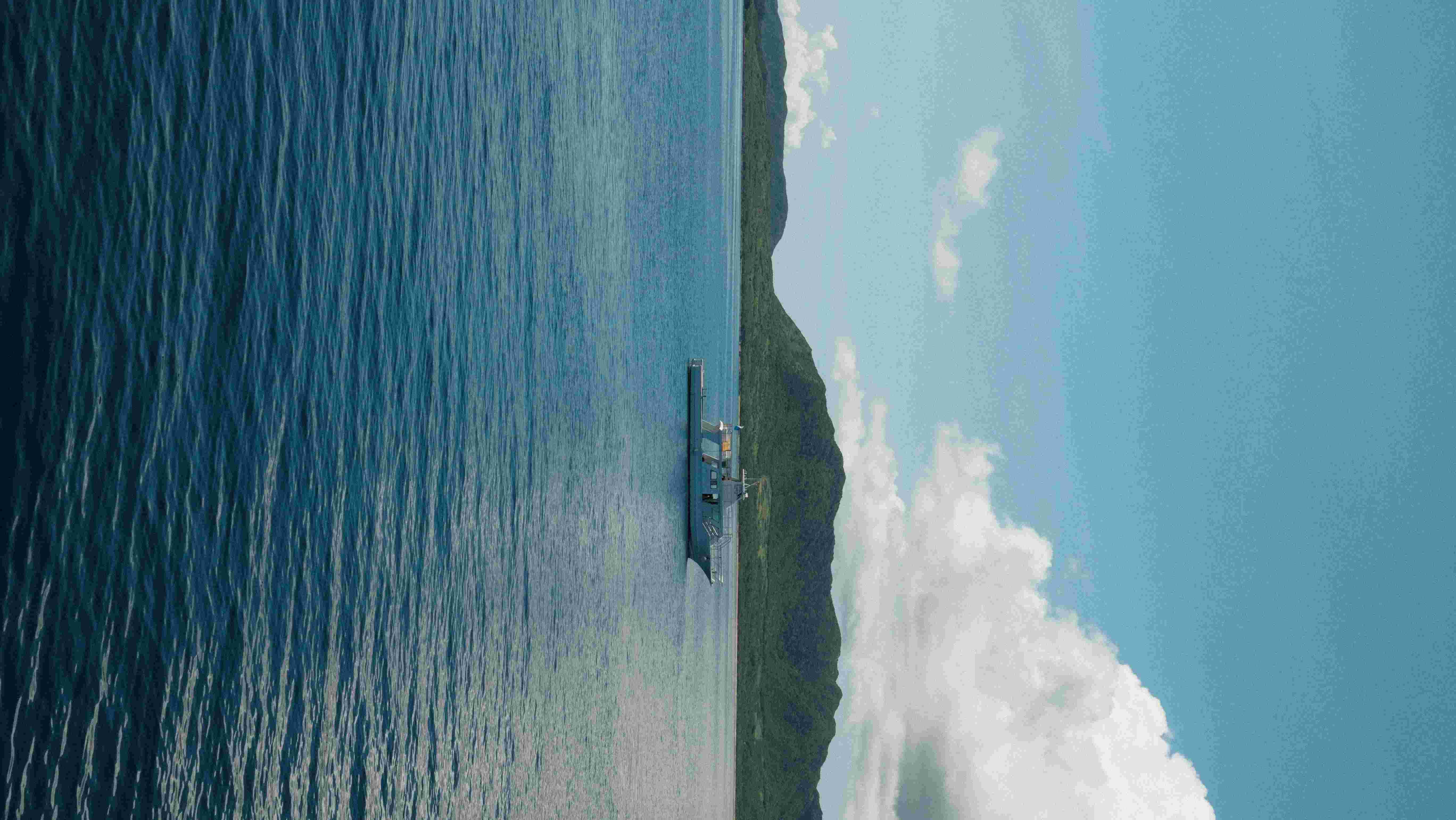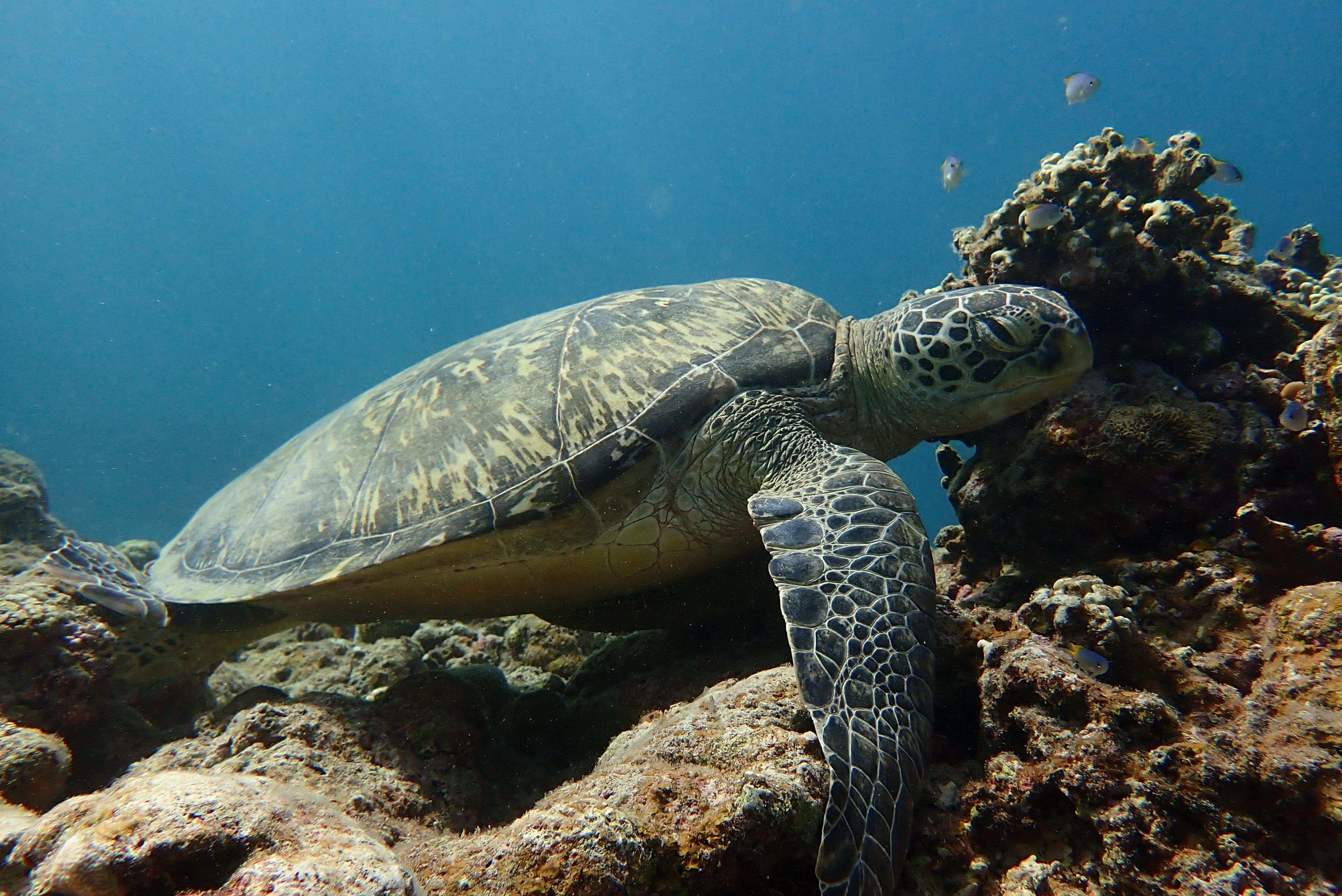
Ishigaki is a subtropical island — warm year-round, beautiful in every season. The best time to visit depends on what matters most: manta rays (November to June), diving visibility (December to April when it's clearest), avoiding typhoons (stay away August–October), or avoiding the summer peak crowds (June–July is a sweet spot). We visited in the dry season and the water was extraordinary. Here's the full seasonal breakdown.
Season by Season
Spring — March to May ★★★★★
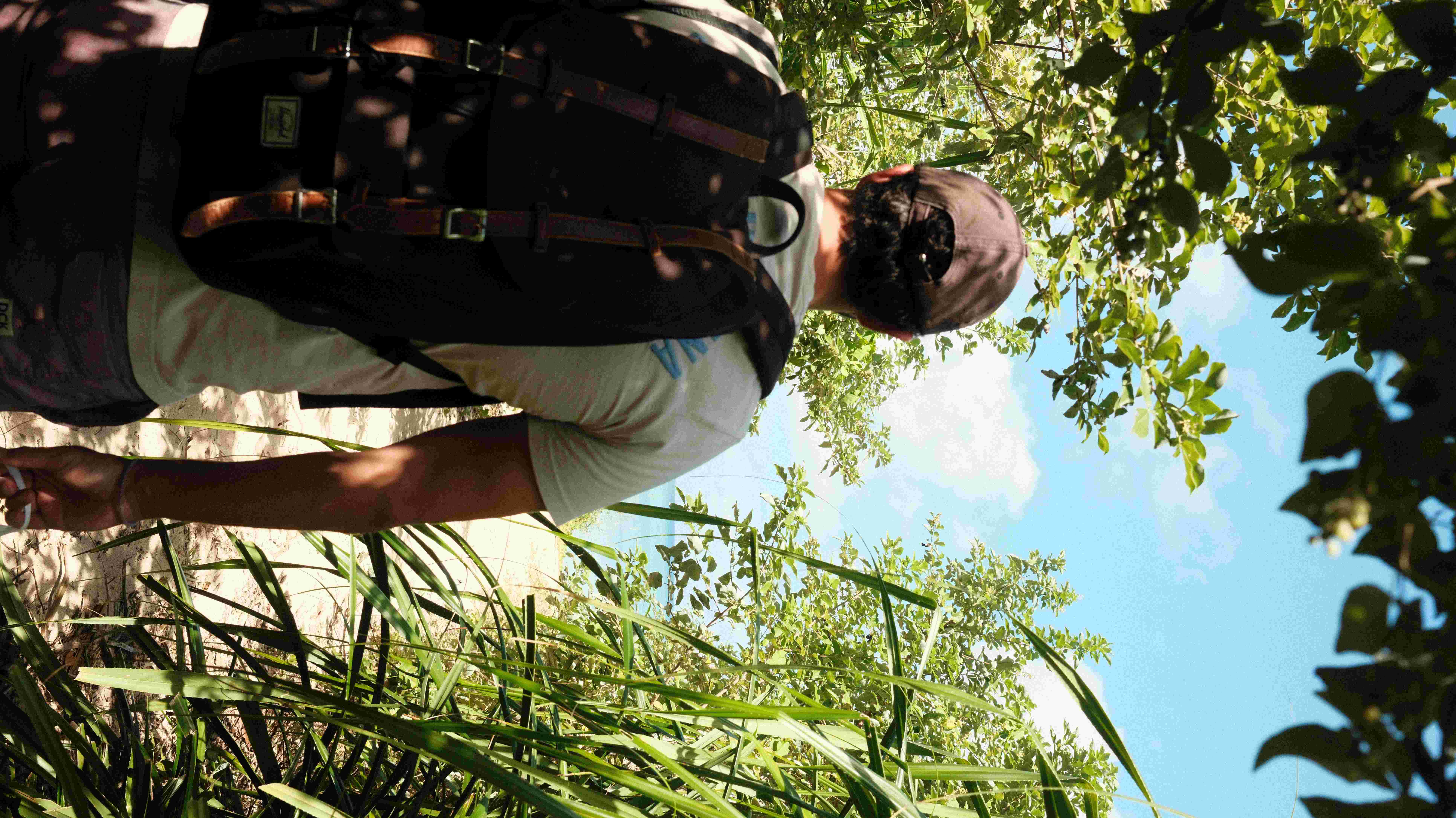
The best all-round time to visit. The water has warmed from its winter low (25–28°C), visibility is excellent, manta rays are actively feeding at the dive sites, the typhoon season hasn't started, and accommodation is easier to find than in the peak summer months. The island is lush and green, the beaches are never crowded, and the weather is reliably warm (22–28°C) without the oppressive humidity of July and August.
March and April are particularly good for diving — visibility can exceed 30 metres at the best sites, and the mantas are present throughout. May brings slightly more visitors as Japanese Golden Week (late April to early May) sends domestic tourists south.
Verdict: The best season. Aim for March–April for the optimal combination of good weather, excellent diving, and manageable crowds.
Summer — June to August ★★★★☆
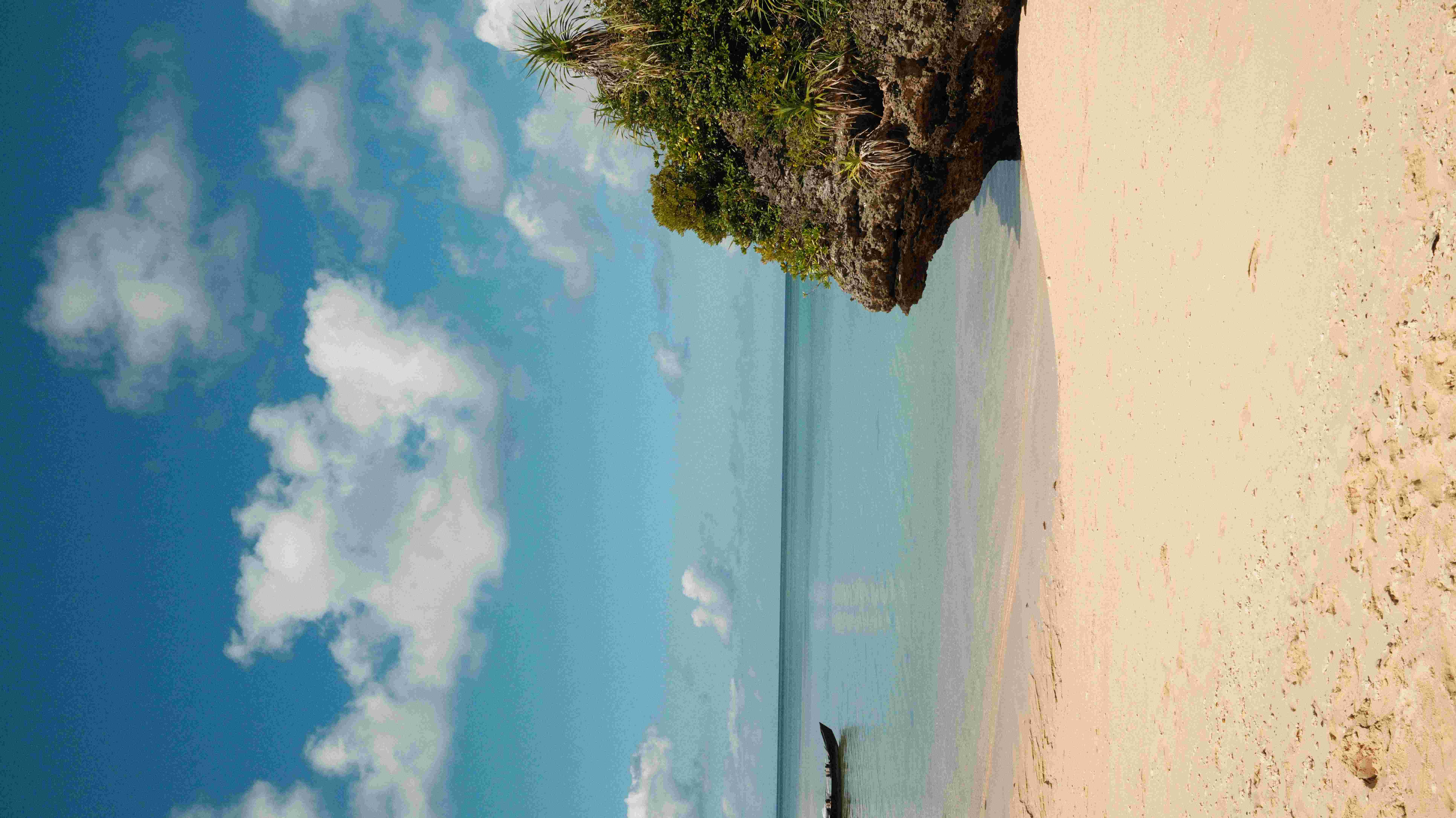
Peak season — the warmest temperatures (28–33°C), the bluest water, and the most visitors. Japanese domestic tourism fills Ishigaki in July and August; accommodation books up fast and prices rise. The water temperature is at its highest (28–30°C), which is excellent for snorkelling and casual swimming but slightly reduces diving visibility compared to winter and spring.
Typhoon season technically begins in June and peaks in August–September. Early June is still reliably clear; late August and September carry meaningful typhoon risk that can disrupt flights and cancel dive tours with little warning.
Verdict: Excellent for the beach experience; book everything months ahead. Avoid late August onward if typhoon disruption would ruin the trip.
Autumn — September to November ★★★☆☆
September is the highest typhoon risk month — the Pacific typhoon season peaks and Ishigaki sits directly in the most common paths. Travel insurance and fully flexible bookings are essential if you go in September. October sees typhoon frequency drop significantly; by mid-October the worst of the season is generally past and the island returns to excellent conditions.
November is underrated — the typhoon risk is minimal, the summer crowds are gone, the water is still warm (24–26°C), and manta rays become active again as the water temperature begins to drop. November is one of the quieter months with some of the best diving conditions of the year.
Verdict: September is risky. October is improving but uncertain. November is excellent — arguably one of the best months to visit.
Winter — December to February ★★★★☆

Ishigaki's "winter" is mild by any global standard — temperatures average 18–22°C, rarely dropping below 15°C. The water cools to 22–23°C (wetsuit recommended for diving; manageable for snorkelling in a rashguard). What winter loses in warmth it gains in clarity: diving visibility in December to February is frequently 30+ metres — the best of the year — and the fewer crowds make sites feel genuinely private.
Manta rays are present throughout winter at the main feeding sites. The beaches are quiet. The mood is slower. This is Ishigaki at its most contemplative — still beautiful, just cooler.
Verdict: Excellent for divers who prioritise visibility and quiet sites over warm water. Less ideal for pure beach holidays.
Manta Ray Season in Ishigaki
Manta rays visit Ishigaki's cleaning stations from roughly November through June — peaking in spring (March–May) when the water temperature is in the mantas' preferred range and visibility is at its best. Summer (July–October) sees fewer manta sightings as the warmer, less clear water makes conditions less favourable. If manta rays are the primary reason for your visit, plan for spring or early winter.
Typhoon Guide for Ishigaki
Ishigaki is one of Japan's most typhoon-exposed locations. The risk by month:
- June: Low but possible — typhoon season begins
- July: Moderate — increasing frequency
- August: High — peak season, plan with flexibility
- September: Highest — statistically the most disruptive month
- October: Moderate declining — improving but not safe to ignore
- November–May: Minimal risk
Typhoons can ground all flights for 1–3 days and cancel all boat tours and dive trips. If you're visiting July–October, ensure your flights and accommodation are fully refundable and travel insurance covers weather disruptions.
More Ishigaki Guides
- Is Ishigaki Worth Visiting? Our Honest Review
- Ishigaki Diving Guide: Manta Rays and Where to Dive
- The Best Beaches in Ishigaki
- How Many Days in Ishigaki Do You Need?
- Where to Stay in Ishigaki
- The Best Things to Do in Ishigaki
- Taketomi & Iriomote: Island Hopping from Ishigaki
- 2–3 Days in Ishigaki Itinerary
- All Japan Guides
FAQ
What is the best time to visit Ishigaki?
March to May — excellent diving visibility, manta rays active, no typhoon risk, manageable crowds. November is also excellent. Avoid late August and September for the lowest typhoon risk.
What months have manta rays in Ishigaki?
November to June, peaking in March–May when the water is at the right temperature and visibility is best. Summer months see fewer mantas due to warmer, less clear water.
Does Ishigaki get typhoons?
Yes — August and September are the highest-risk months. Book refundable options if travelling July–October and get comprehensive travel insurance that covers weather disruption.
Is Ishigaki good in winter?
Yes for divers — winter offers the best visibility of the year and quieter dive sites. Less ideal for beach holidays (18–22°C air temperature, 22–23°C water temperature), but still beautiful.
Some links in this post are affiliate links. If you book through them, we earn a small commission at no extra cost to you.