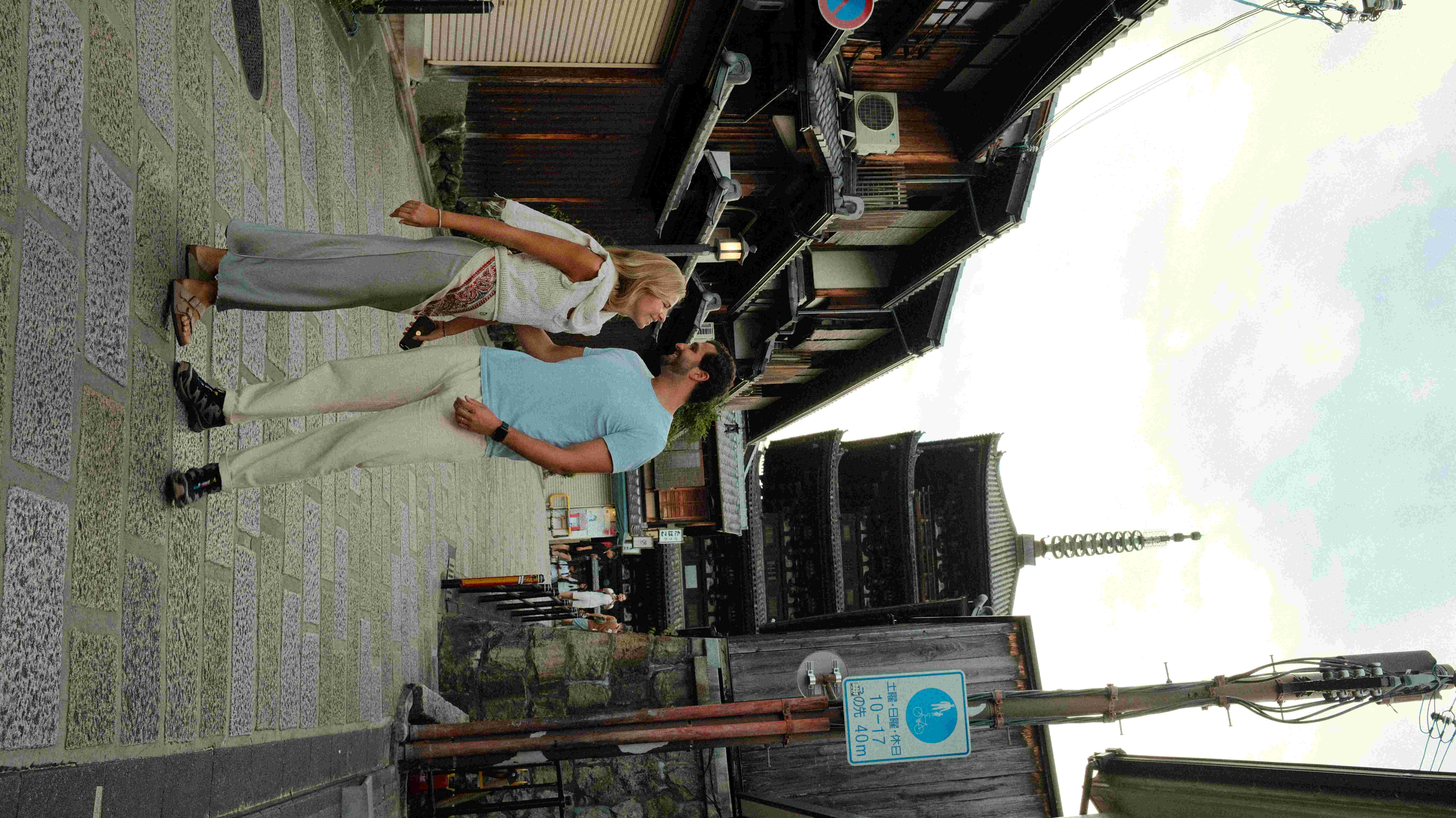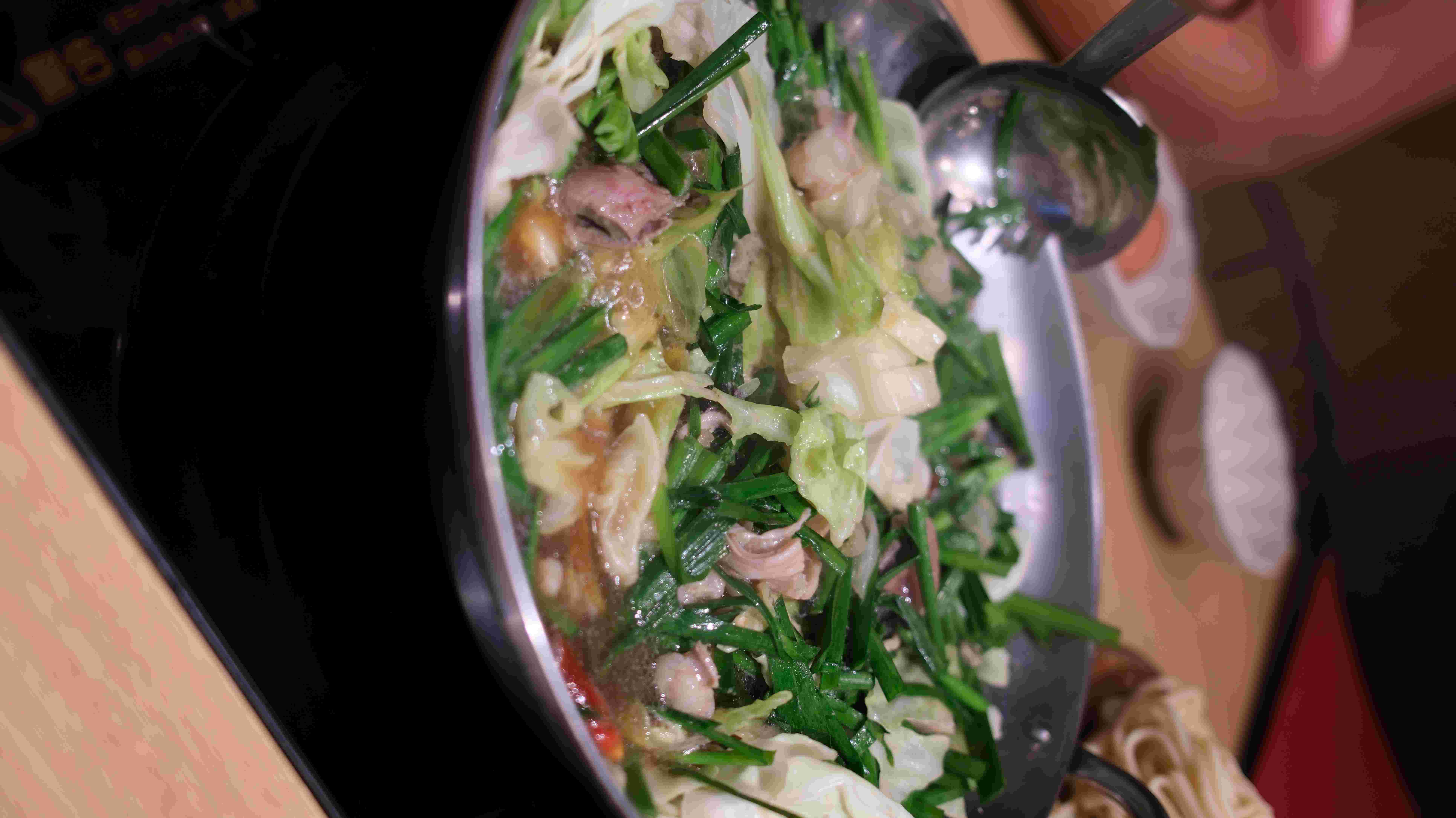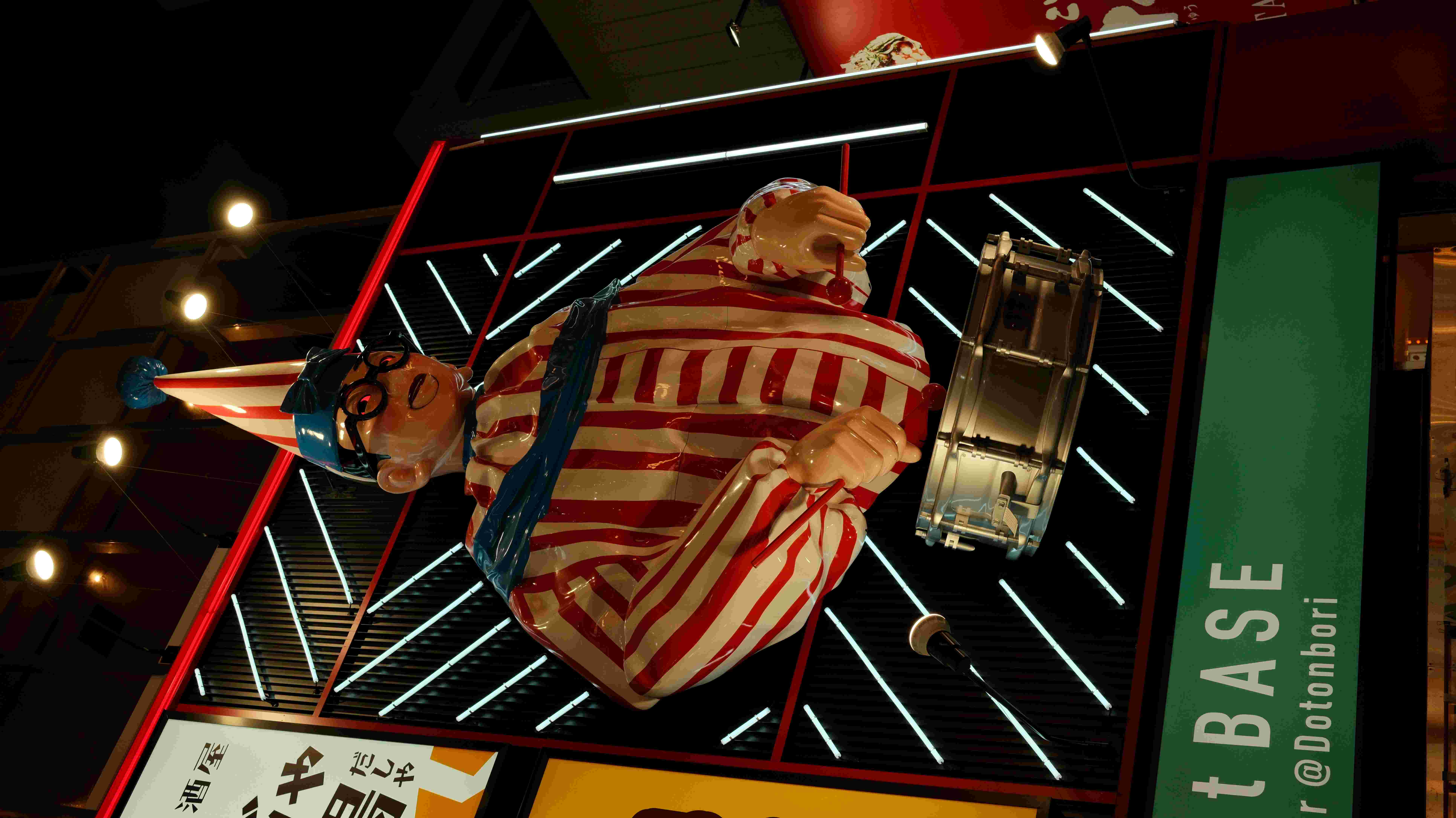
Japan was our first stop on a year of full-time travel. We arrived in Tokyo with months of research behind us and still spent the first few days discovering things nobody had told us — about transport, food, booking systems, etiquette, and logistics. After a month across 11 cities, here are 20 things we'd tell ourselves before we landed.
Logistics and Transport

1. Get a digital Suica card before you land
The Suica is an IC card that covers all metro, buses, local trains, and even convenience store purchases across Japan. Add it to Apple Pay or Google Pay via the Suica app before your flight. It's the most useful single item for Japan travel. Without it, every transit requires a separate ticket transaction; with it, you just tap and walk.
2. You probably don't need a JR Pass
This is the most debated question in Japan travel forums and the answer is: it depends on your itinerary. We spent a month across 11 cities and never bought one — individual Shinkansen tickets at the station were cheaper and more flexible for us. Calculate your specific routes against the pass price before buying. The JR Pass can make sense for a tight 2-week Tokyo → Kyoto → Hiroshima → Fukuoka loop; for longer or more varied itineraries, it usually doesn't. See our full JR Pass vs Suica guide.
3. Buy Shinkansen tickets at the station on the day
Japan's Shinkansen rarely sells out outside major holiday periods. Walk to any JR ticket machine (all have English), buy your ticket to the next city, and board. A day in advance is plenty of buffer if you want peace of mind. No need to book weeks ahead for most routes.
4. Get an eSIM before you leave home
You will need data constantly in Japan — Google Maps for train routing, Google Translate for menus, museum booking apps, navigation to hotels from unfamiliar backstreets. Don't rely on hotel wifi. We used Airalo for the whole month and it worked reliably in every city including Ishigaki (Okinawa). See our eSIM guide for setup instructions.
5. 7-Eleven ATMs work with international cards
Japan is more cash-dependent than its infrastructure suggests — smaller restaurants, temples, and local shops often don't accept card. When you need yen, find the nearest 7-Eleven (they are everywhere) and use the ATM. It accepts international cards and works in English. Keep ¥10,000–15,000 (~€65–100) in cash as a baseline.
6. Google Maps handles everything — including transit routing
Set Google Maps as your primary navigation app and don't overthink Japan's transport system. Enter your destination, select transit, and it gives you the exact line, platform, number of stops, and transfer instructions — all updated in real time. It handles subway changes, bus routes, and even ferry timetables.
Culture and Etiquette
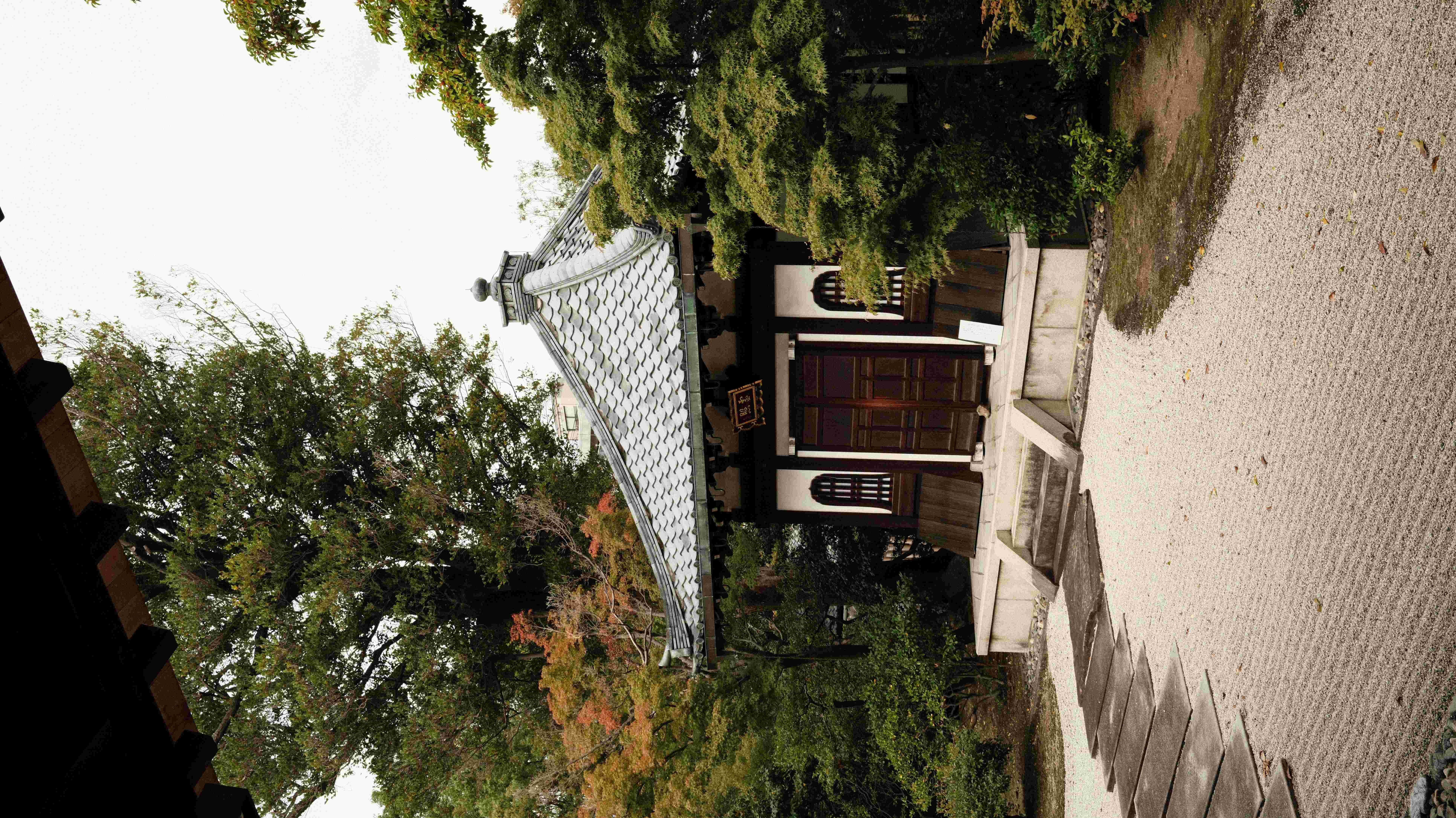
7. Remove your shoes constantly
You take your shoes off at traditional restaurants, ryokan and hotel rooms, most temples and shrines, tea houses, and some museums. Wear shoes that come off and go back on easily. Lace-up boots become genuinely annoying by day three. This is the most practical single piece of advice for Japan.
8. Don't tip — it can be seen as rude
Tipping is not part of Japanese culture and can create awkwardness or even offense. Your bill is your bill. Leave nothing extra. The service quality across Japan — at every price point — is extraordinary without financial incentive, which says everything about the culture.
9. Speak quietly in public spaces
Japan's public spaces operate at a lower volume than most countries. Trains and subways are quiet — no phone calls, no loud conversations. The cultural expectation is that public space is shared space and your noise level is your contribution to that. Keep your voice down on transit; it won't feel natural at first, but you'll notice how much better it makes the journey.
10. A small bow goes a long way
A slight head nod or bow when thanking someone in a shop, restaurant, or hotel is the right gesture — and visibly appreciated. You don't need to master formal Japanese bowing; a simple, genuine acknowledgment communicates respect. Pair it with arigatou gozaimasu (thank you, formal) and you'll get warm responses everywhere.
11. Learn five phrases in Japanese
Train stations and most large restaurants have English. Smaller local spots don't. Five phrases unlock warmth in places that would otherwise be awkward: Konnichiwa (hello), Arigatou gozaimasu (thank you), Sumimasen (excuse me/sorry), Oishii (delicious — genuinely useful at ramen counters), and pointing at a menu and saying Kore kudasai (this one please) covers most ordering situations.
Food and Restaurants
12. Convenience store food is genuinely excellent
7-Eleven, Lawson, and FamilyMart in Japan are not like convenience stores anywhere else. The onigiri (rice balls with fillings), fresh sandwiches, hot foods (nikuman, chicken, karaage), and breakfast options are genuinely good. We ate convenience store meals multiple times throughout the trip — before Naoshima ferry runs, on busy Shinkansen mornings, late nights in cities. Budget ¥500–800 (~€3–5) for a satisfying meal.
13. Use TableCheck for restaurant reservations
Japan has some of the world's best restaurants at every price point — and the most popular ones book up fast. TableCheck is the most reliable English-language reservation app for Japan, covering restaurants across Tokyo, Kyoto, Osaka, and other cities. Book the restaurants you care about a week in advance.
14. Google Translate camera mode reads menus
In smaller local restaurants — the best kind — menus are often Japanese only. Open Google Translate, switch to camera mode, and point it at the menu. The app overlays English translations in real time. It's not perfect, but it's good enough to understand what you're ordering. Use it constantly.
Booking and Planning
15. Book museum tickets well in advance — and keep checking if sold out
The major art museums in Naoshima (Chichu Art Museum, Lee Ufan Museum, Teshima Art Museum) and Tokyo (TeamLab Borderless) sell out weeks or months ahead. Book through the relevant websites as soon as your dates are confirmed. If you check and find no availability: keep refreshing. Cancellations release up to 15 minutes before entry time — we found slots appearing while standing outside the museum.
16. On Naoshima, be the first person off the ferry
E-bikes on Naoshima sell out fast — sometimes before 9am. The rental shops are a 3-minute walk from Miyanoura Port. When the ferry docks, walk quickly to rent first. Without an e-bike, covering the island's spread-out art installations becomes significantly harder.
17. Check the Teshima ferry schedule the night before
The Teshima ferry from Uno runs only a handful of times a day — very different from the frequent Naoshima service. We missed the first Teshima ferry and waited three hours for the next one. Check the schedule the night before, note the departure times, and be at the port 15 minutes early.
18. GetYourGuide is the most reliable booking platform for Japan experiences
Cooking classes in Kyoto, TeamLab Borderless, diving in Ishigaki, day tours from multiple cities — GetYourGuide handles bookings with English support and reliable confirmed-in-advance tickets. We used it throughout the trip and it simplified every experience booking.
The Things That Surprised Us
19. Japan is incredibly safe — more than you've internalized from reading about it
You read that Japan is safe. You don't fully internalize it until you're walking alone in an unfamiliar neighborhood at midnight and feel completely comfortable. Japan's safety changes how you travel — less vigilance, more presence, more energy for what you're actually there for. The cultural norms around honesty and respect extend to public space in a way that's almost impossible to describe until you've experienced it for a few days.
20. The places you go with low expectations hit the hardest
We went to Miyajima with low expectations and it became one of the most beautiful places we'd ever been — the island, the torii gate, the deer wandering the paths, the scale of it at dusk. We went to Koyasan expecting a cultural exercise and ended up at a night walk through Okuno-in cemetery that felt like pure magic. Japan rewards you most in the moments you didn't plan for. Build some unscheduled time into every city.
More Japan Planning Guides
- One Month in Japan: Our Full Route and Itinerary
- Is Japan Worth Visiting? Our Honest Review
- Is Japan Expensive? Budget Breakdown
- How to Get Around Japan
- Japan Packing List
- Best eSIM for Japan
- Best Time to Visit Japan
- Tokyo — Is It Worth Visiting?
- Osaka — Is It Worth Visiting?
- Kyoto — Is It Worth Visiting?
- Fukuoka — Is It Worth Visiting?
- Kanazawa — Is It Worth Visiting?
- Ishigaki — Is It Worth Visiting?
- Hiroshima — Is It Worth Visiting?
- Kobe — Is It Worth Visiting?
- Hakone — Is It Worth Visiting?
- Kamakura — Is It Worth Visiting?
- Naoshima — Is It Worth Visiting?
- Koyasan — Is It Worth Visiting?
- All Japan Guides
FAQ
Is Japan easy to travel as a first-timer?
Yes — one of the easiest countries in the world for independent travel. Train stations have English signs and announcements. Google Maps handles all routing. Most hotel staff speak at least basic English. The systems are logical and work reliably. First-time anxiety about Japan is largely unfounded.
How much cash should I bring to Japan?
You don't need to arrive with yen — use a 7-Eleven ATM on arrival (works with international cards). Keep ¥10,000–15,000 (~€65–100) in cash at all times for small restaurants, temples, and rural areas. Most of your spending can be done on card or Suica.
Is Japan good for first-time solo travel?
Exceptional. Japan's safety, clear transit system, English signage, and abundance of good affordable food make it ideal for solo travel. Capsule hotels are inexpensive, social, and very Japanese in themselves.
Some links in this post are affiliate links. If you book through them, we earn a small commission at no extra cost to you.