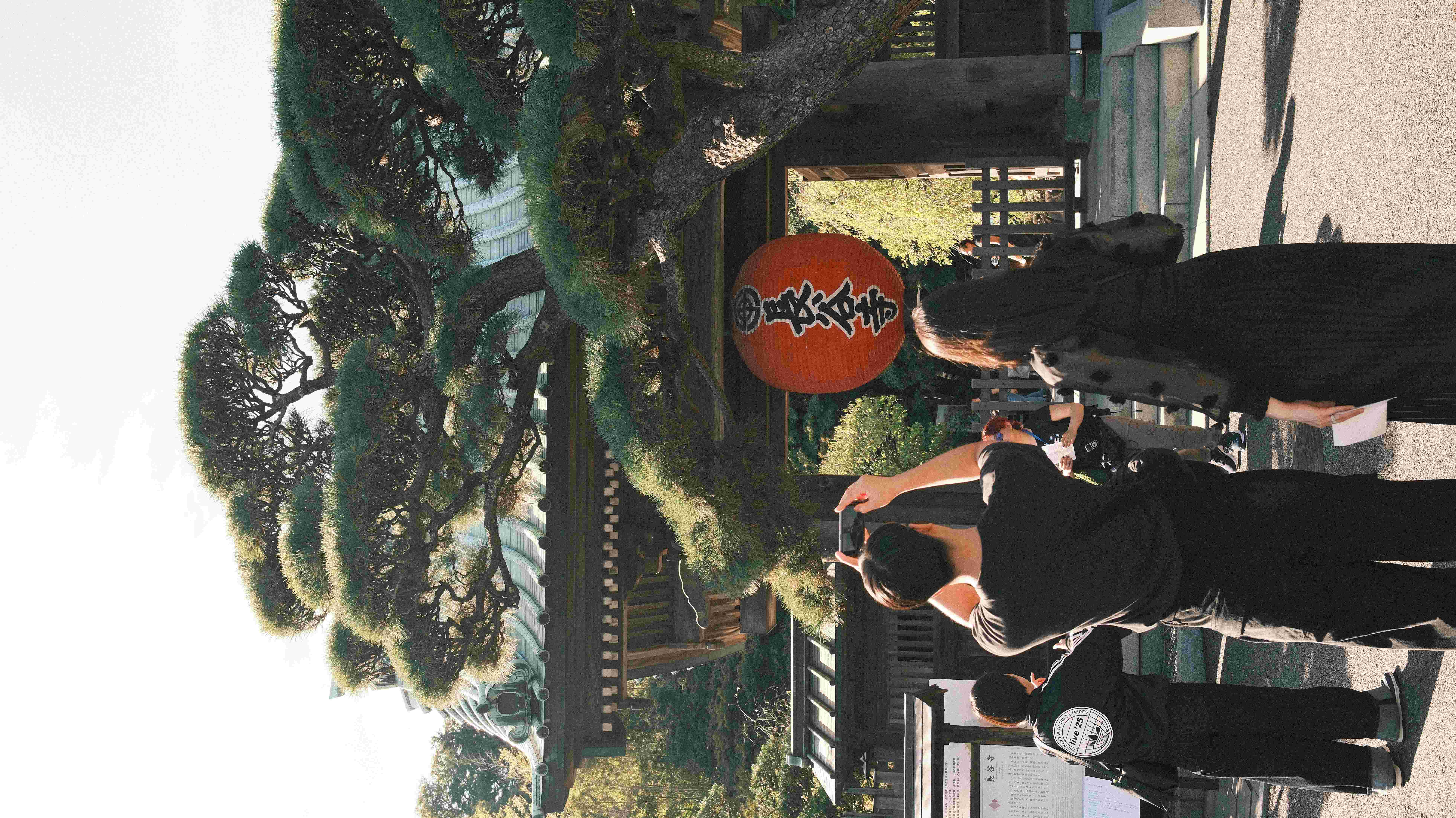
We went to Kamakura expecting a temple day. What we got was temples, a coastal hike, ocean views from a wooden terrace, and then — standing on the beach watching surfers — the realisation that we were less than an hour from central Tokyo. We were immediately gutted we hadn't planned a surf session. Kamakura has more range than almost any other Tokyo day trip, and the surf beach alone makes it worth knowing about earlier than we did.
The Great Buddha at Kotoku-in ★★★★☆
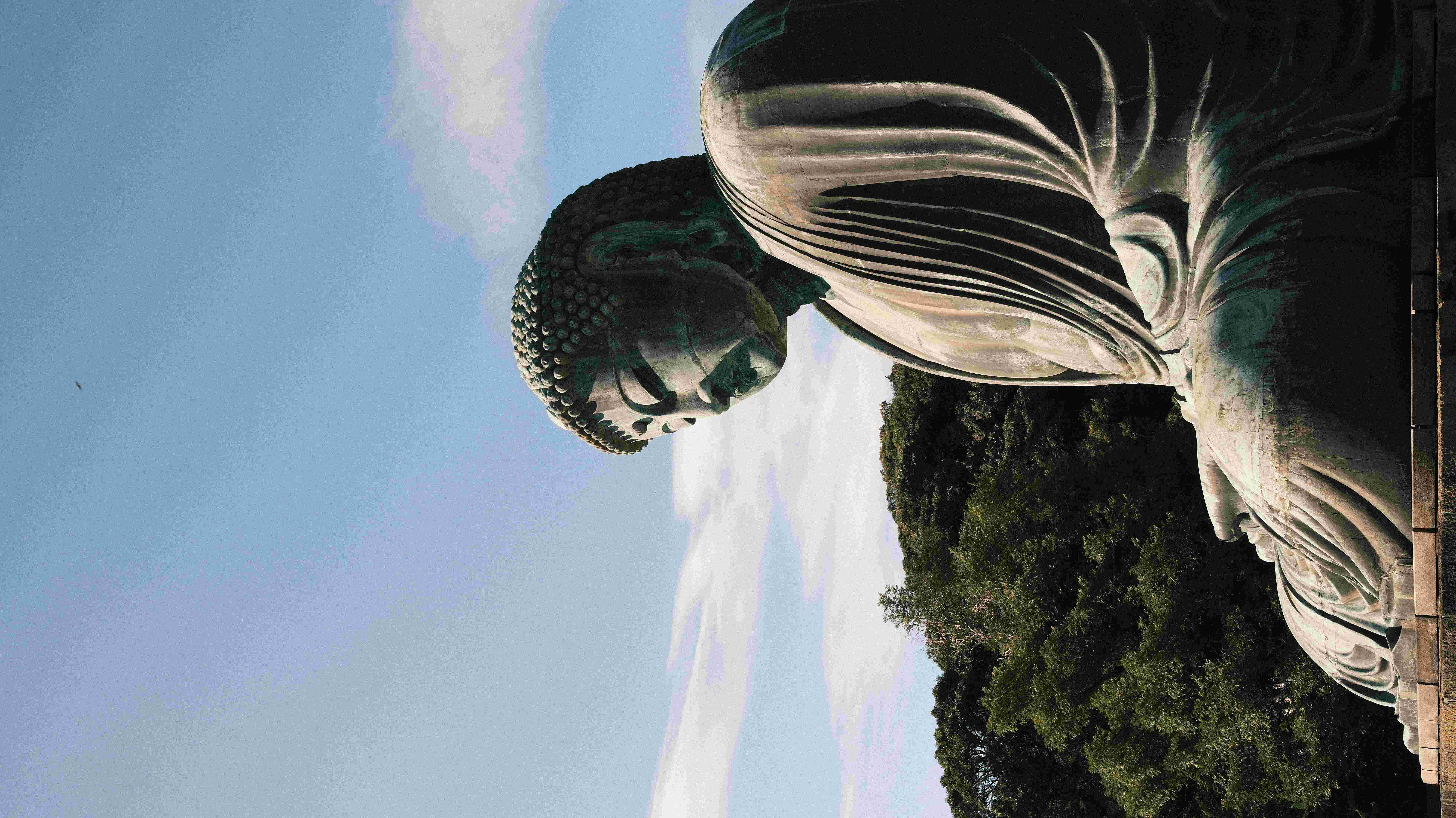
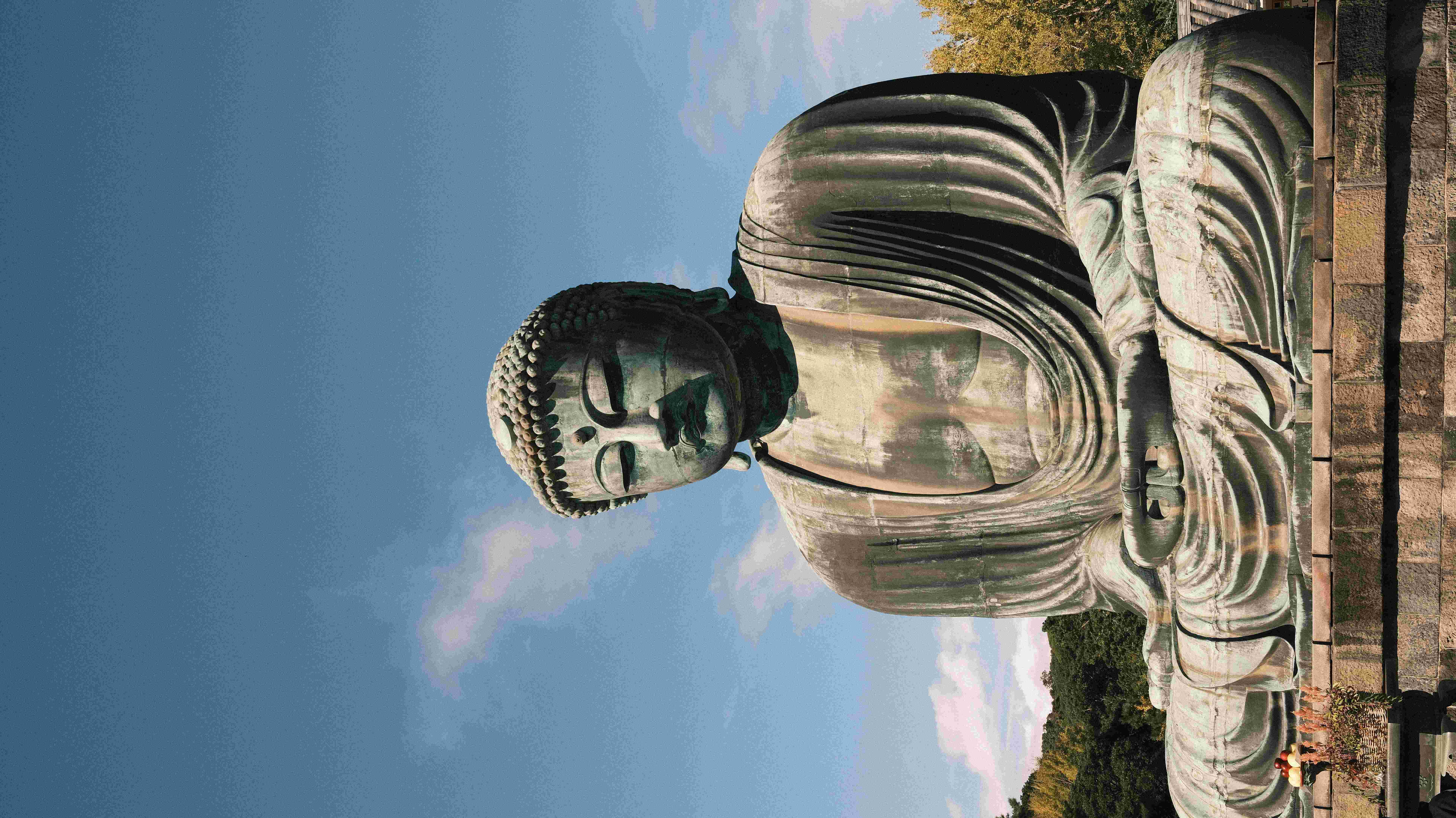
The most famous image in Kamakura — a 13.35-metre bronze Buddha cast in 1252, sitting in quiet dignity in the open air. He's been outside since the 1400s, when the hall that originally enclosed him was destroyed by a storm. The result is a rare thing: a massive ancient monument with no roof over him, surrounded by garden rather than architecture, which gives the visit a spaciousness that enclosed temple halls don't have.
The views from the grounds back toward the tree-covered hills are lovely. We spent a comfortable hour here — circling the statue slowly, sitting on the garden benches, watching the light change on the bronze. You can pay a small additional fee to enter the interior of the statue through doors in the base; the inside is surprisingly large and atmospheric. Nice temple to visit, and the views are genuinely beautiful.
Entry: ¥300 to the grounds; ¥20 additional to enter the statue interior. Open daily.
Hasedera Temple ★★★★☆
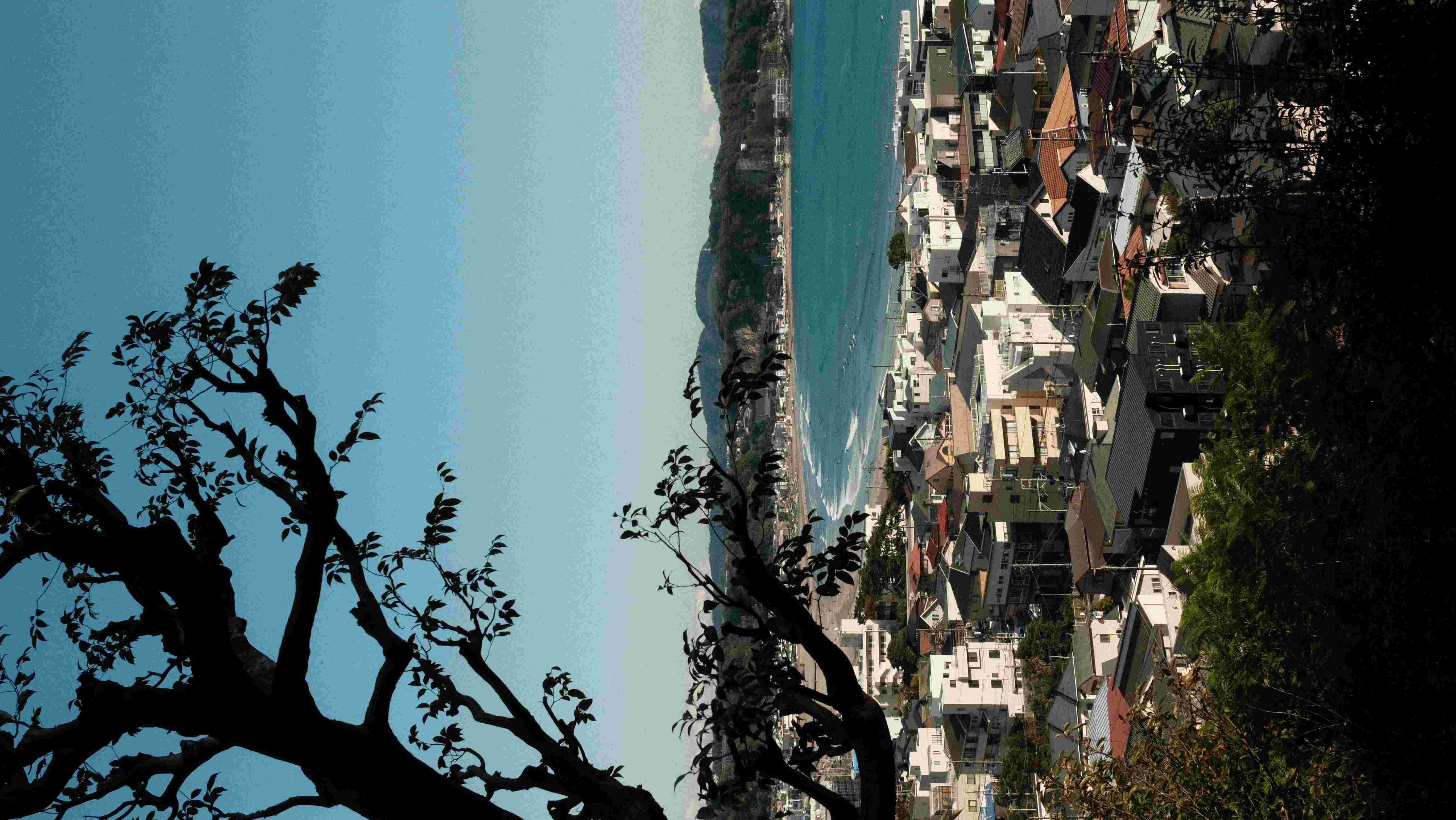
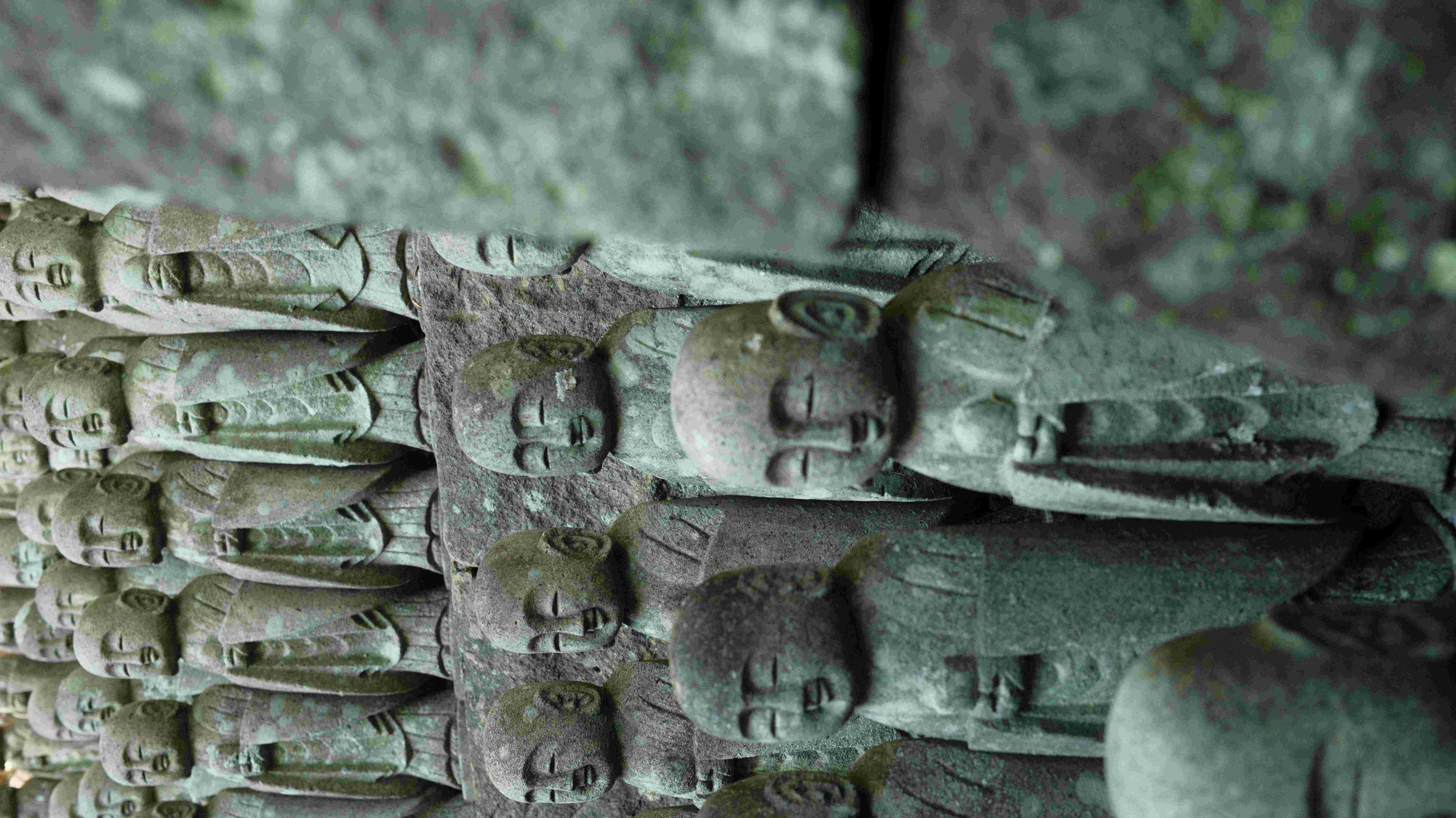
A temple built into the hillside above Hase, with wooden terraces climbing toward the summit and ocean views from the top that are genuinely impressive — the sweep of Sagami Bay stretching out on a clear day. The main hall houses a 9-metre gilded wooden Kannon (goddess of mercy), carved from a single camphor tree in the 8th century. The cave complex below the main hall is atmospheric: a low-ceilinged passage lined with small Benzaiten statues, candlelit and slightly otherworldly.
The views were super cool — the combination of the hillside garden and the Pacific behind it is not something you expect to find this close to Tokyo. The hydrangea season (June) is famous and draws large crowds; any other time is calmer and still beautiful.
Entry: ¥400. Allow 45–60 minutes.
The Surf Beach ★★★★★
The biggest surprise of Kamakura. The Shonan coast — which runs through Kamakura and along to Enoshima — is Japan's established surf zone, and it is genuinely active: surf schools, rental shops, locals in the water, a whole beach culture that exists year-round. We stood on the sand watching this and felt immediately, acutely sad that we hadn't known about it before the trip. If we'd known, we would have planned a full extra day to surf — at minimum to say we surfed in Japan.
The main town beach (Yuigahama) is 15 minutes walk from Hase Station. Zaimokuza Beach to the east is slightly less crowded. Both have surf rental options in season. See our full Kamakura surf guide for everything you need to plan a session.
The Enoden Railway ★★★★★
The Enoshima Electric Railway — universally called the Enoden — is a charming single-car tram that rattles along the coast from Kamakura Station through Hase and on toward Enoshima. It passes through residential streets barely wider than the tram itself, past level crossings and gardens and the occasional flash of ocean between buildings. Even if you're just using it to get between Kamakura Station and Hase Station (two stops), it's worth looking out the window and appreciating what you're riding.
Tip: The Enoden Day Pass covers unlimited rides — worth it if you're exploring the coastline toward Enoshima as well.
The Daibutsu Hiking Trail ★★★★☆
A forest hiking trail connecting Kamakura's northern edge to Kotoku-in near Hase — roughly 3km through wooded hills, passing smaller shrines and viewpoints along the way. The trailhead is accessible by bus from Kamakura Station. It's not strenuous (allow 60–90 minutes) but it's genuinely beautiful — cedar and bamboo forest, quiet, almost no other visitors compared to the main temple sites. A good option if you want to earn your Great Buddha arrival rather than just stepping off the Enoden at Hase.
Tsurugaoka Hachimangu Shrine ★★★★☆
The main shrine of Kamakura — approached by a long tree-lined avenue (Wakamiya-oji) running from the sea toward the hills, flanked by seasonal flowers. The shrine complex at the top is large and active, with the main hall at the top of a broad stone staircase and good views back over the town and the ocean beyond. Free to enter. Particularly atmospheric early morning before the crowds.
Lunch: Restaurant & Bar Plough
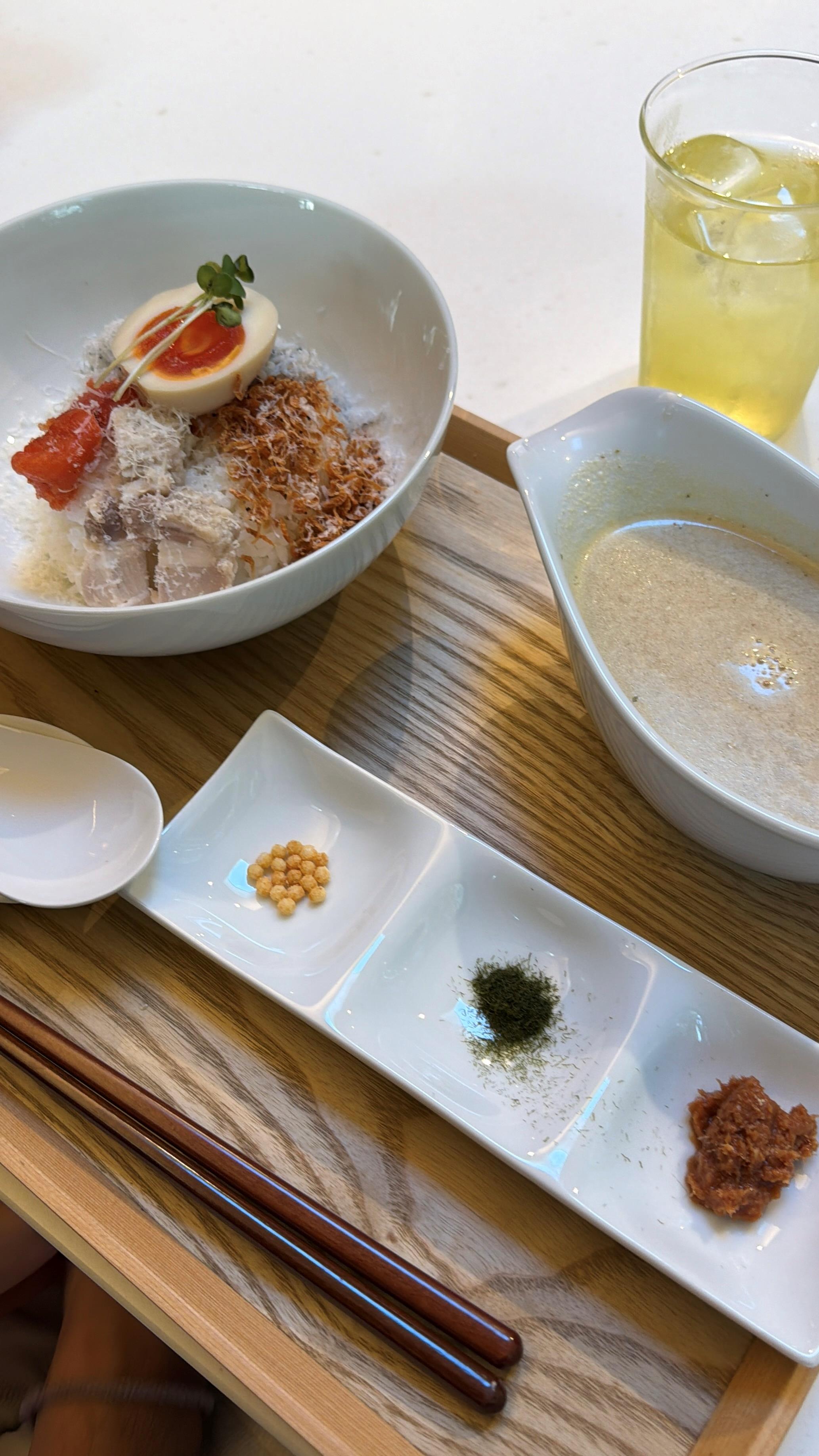
The guide's specific lunch recommendation — near Hasedera, known for its Daishi broth: a warming, comforting soup that makes for a good refuel between the temple and the beach. Cozy atmosphere, the kind of local spot that's easy to walk past without noticing. Worth finding.
More Kamakura Guides
FAQ
What is Kamakura most famous for?
The Great Buddha (Daibutsu) at Kotoku-in — a 13-metre bronze statue cast in 1252, sitting in open air in a tranquil garden. Kamakura is also famous for Hasedera Temple, its forest hiking trails, and — less known internationally — a genuine surf beach on the Shonan coast.
How long do you need in Kamakura?
A full day comfortably covers the Great Buddha, Hasedera, the beach, and the Enoden ride. Add a second day if you want to surf — the Shonan coast beach is worth building a session around.
Some links in this post are affiliate links. If you book through them, we earn a small commission at no extra cost to you.