Naoshima has a layered art ecosystem that takes some planning to navigate — multiple museums, scattered Art Houses in the village, outdoor installations, and a booking system where the most popular venues sell out weeks in advance. We did the research so you don't have to. Here's every installation worth visiting on the island, how to book each one, and the trick that actually works when you can't get a ticket in advance.
How Naoshima's Art Works
Most of Naoshima's art falls under the Benesse Art Site umbrella — managed by the Benesse Corporation and architect Tadao Ando, who shaped the island's transformation from the 1990s onward. The main components:
- Benesse House Museum — the main museum, plus hotel attached
- Lee Ufan Museum — a standalone museum for the Korean-Japanese artist
- Chichu Art Museum — underground Tadao Ando museum, three permanent installations
- Art House Project — traditional houses and buildings in Honmura village transformed into permanent art installations
- Outdoor installations — including Kusama's pumpkins, scattered across the island
Book through the Benesse Art Site website before your trip. Most Art Houses have a combined ticket; the major museums (Benesse House, Lee Ufan, Chichu) require separate timed reservations. All of them — especially Lee Ufan and Chichu — sell out well in advance.
Benesse House Museum ★★★★★
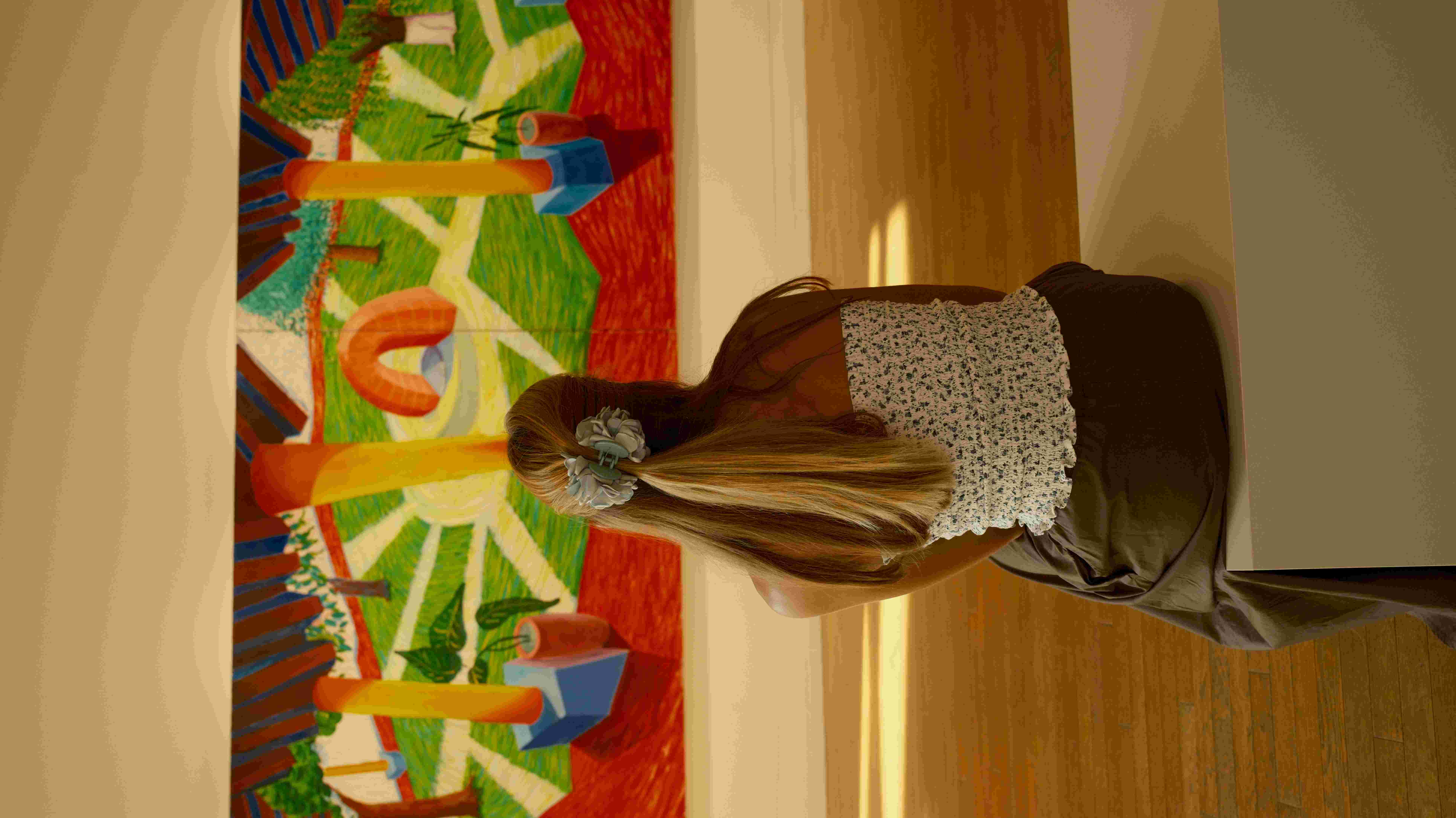
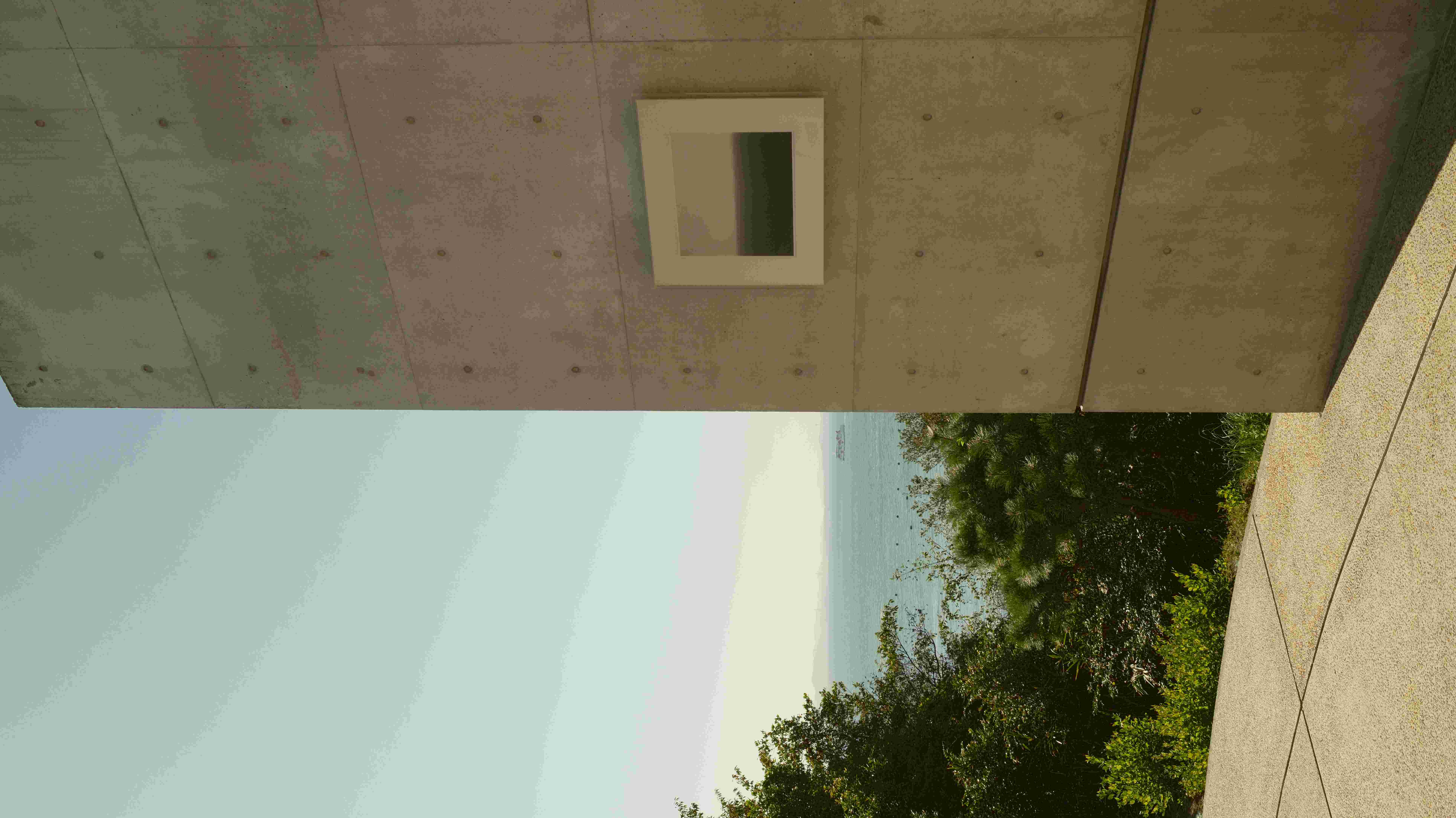
The centrepiece of Naoshima's art world and the reason Tadao Ando's name is inseparable from the island. The building sits on a clifftop above the Seto Inland Sea — concrete and geometry in dialogue with the landscape rather than imposed on it. The collection inside features major international contemporary artists (Bruce Nauman, Hiroshi Sugimoto, Richard Long) integrated into the architecture rather than hung on white walls. The building and the art are designed together; neither functions as mere backdrop for the other.
The hotel rooms within Benesse House are the most coveted accommodation on Naoshima — sleeping surrounded by the art collection, with sea views, is the full island experience. They sell out many months ahead. For everyone else: day visit tickets, booked in advance through the Benesse Art Site.
Entry: ¥1,300. Book in advance. Combined tickets available with other Benesse museums.
Lee Ufan Museum ★★★★★
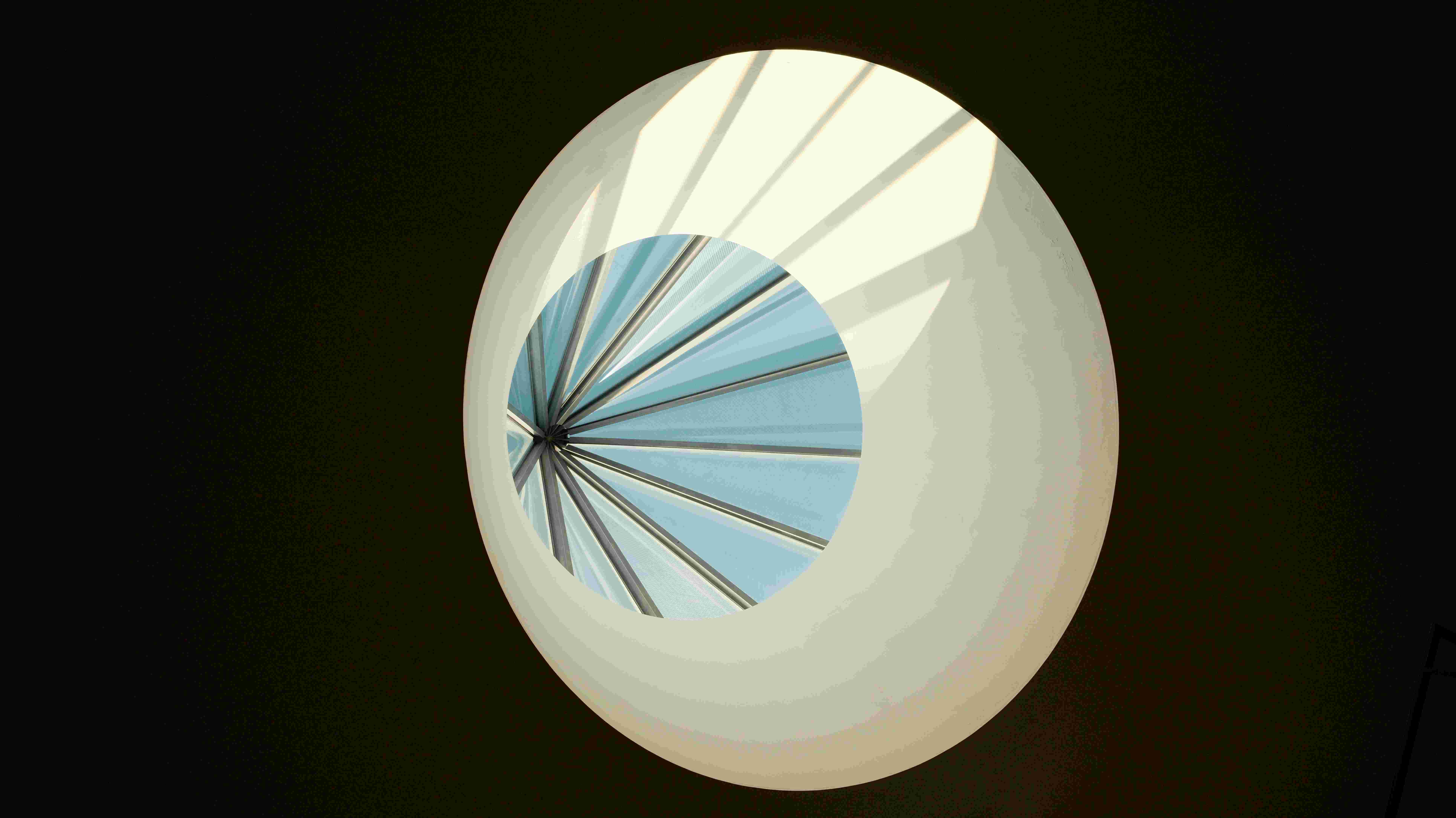
A Tadao Ando building — partly underground, approached by a narrow concrete corridor — dedicated to the work of Korean-Japanese artist Lee Ufan, one of the central figures of the Mono-ha (School of Things) movement. The installations inside place natural materials (stone, steel, glass) in relationship with empty space and the architecture around them. The effect is meditative and genuinely moving if you give it time.
This museum sells out more quickly than almost anything else on Naoshima. Book as early as possible — it is worth the effort.
Entry: ¥1,050. Timed entry, advance booking essential.
Chichu Art Museum ★★★★★
A museum built almost entirely underground — Tadao Ando designed it so the building itself is invisible from the island surface, visible only as geometry cut into the earth. Inside: three permanent installations by Claude Monet (five late Water Lilies paintings in a room designed specifically for them, with natural light), James Turrell (a light work requiring 15 minutes of dark adaptation before you enter), and Walter De Maria (a large sphere in a room calculated around it).
The Monet room alone is worth the visit — the paintings have been relocated here permanently, the room dimensions and lighting designed in collaboration with the artist's estate. There is no better place in the world to see these specific works.
Entry: ¥2,100. Timed entry, advance booking essential. One of the first things to book for any Naoshima trip.
Art House Project — Honmura Village ★★★★★
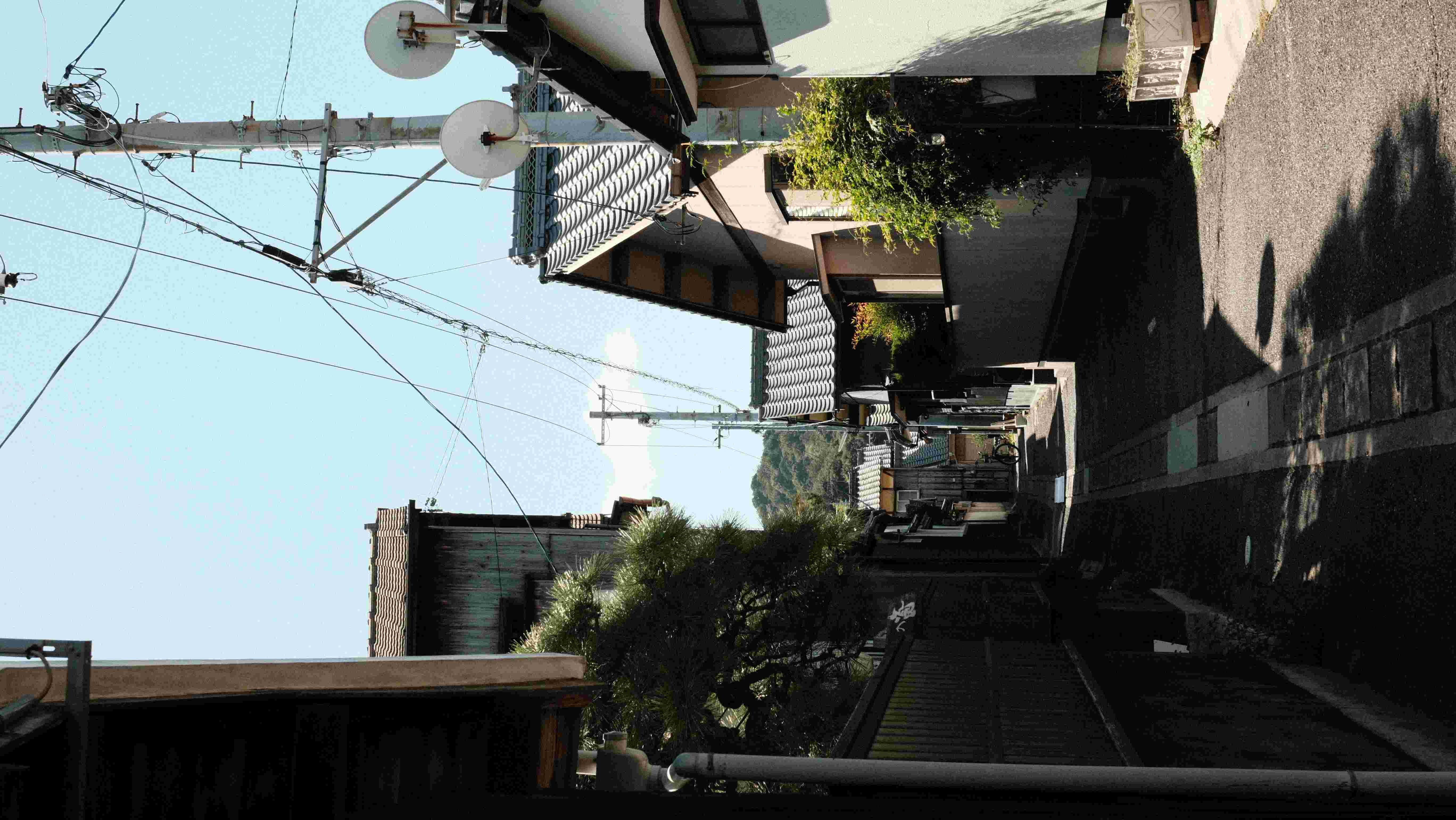
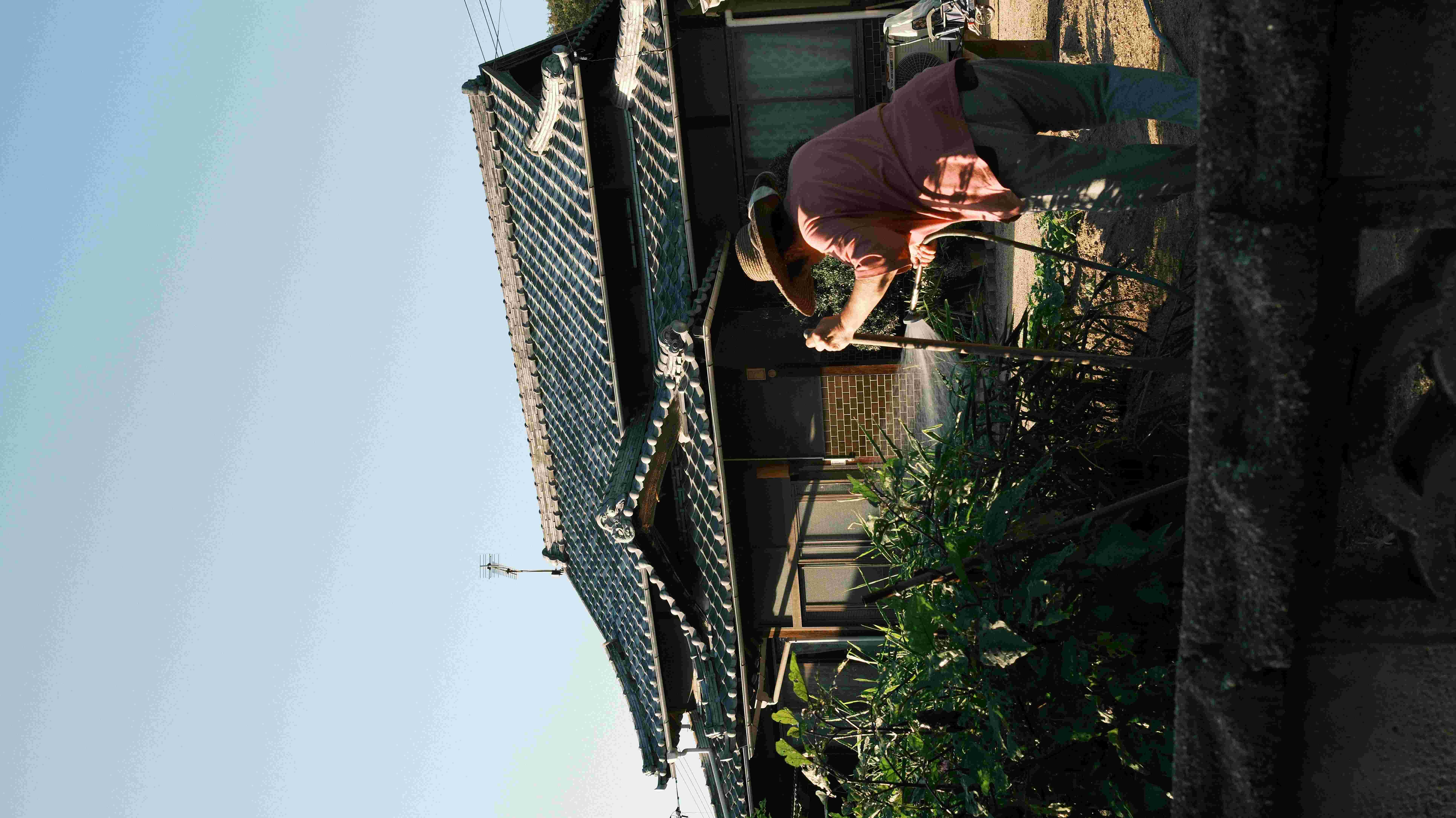
Seven traditional houses and buildings in Naoshima's Honmura village have been transformed into permanent art installations — the exterior unchanged (and still sitting within a functioning residential neighbourhood), the interior reimagined by major artists. The result is a beautiful mix of local life and contemporary art: you're cycling through a village where people live, and one of those houses is a James Turrell light installation, and another is a Rei Naito installation about time and nature.
Highlights:
- Minamidera (James Turrell) — a pitch-dark room where your eyes slowly adjust to reveal a glowing rectangle. One of the most powerful single-room experiences on the island. Timed entry.
- Kadoya (Tatsuo Miyajima) — counter numbers cycling through darkness in a flooded interior. Strange and memorable.
- Go'o Shrine (Hiroshi Sugimoto) — a glass staircase descends beneath the shrine to a subterranean passage. The transition from the old shrine above to the contemporary installation below is extraordinary.
Entry: Combined Art House ticket ¥1,050. Book in advance through Benesse Art Site.
Yayoi Kusama's Pumpkins ★★★★★
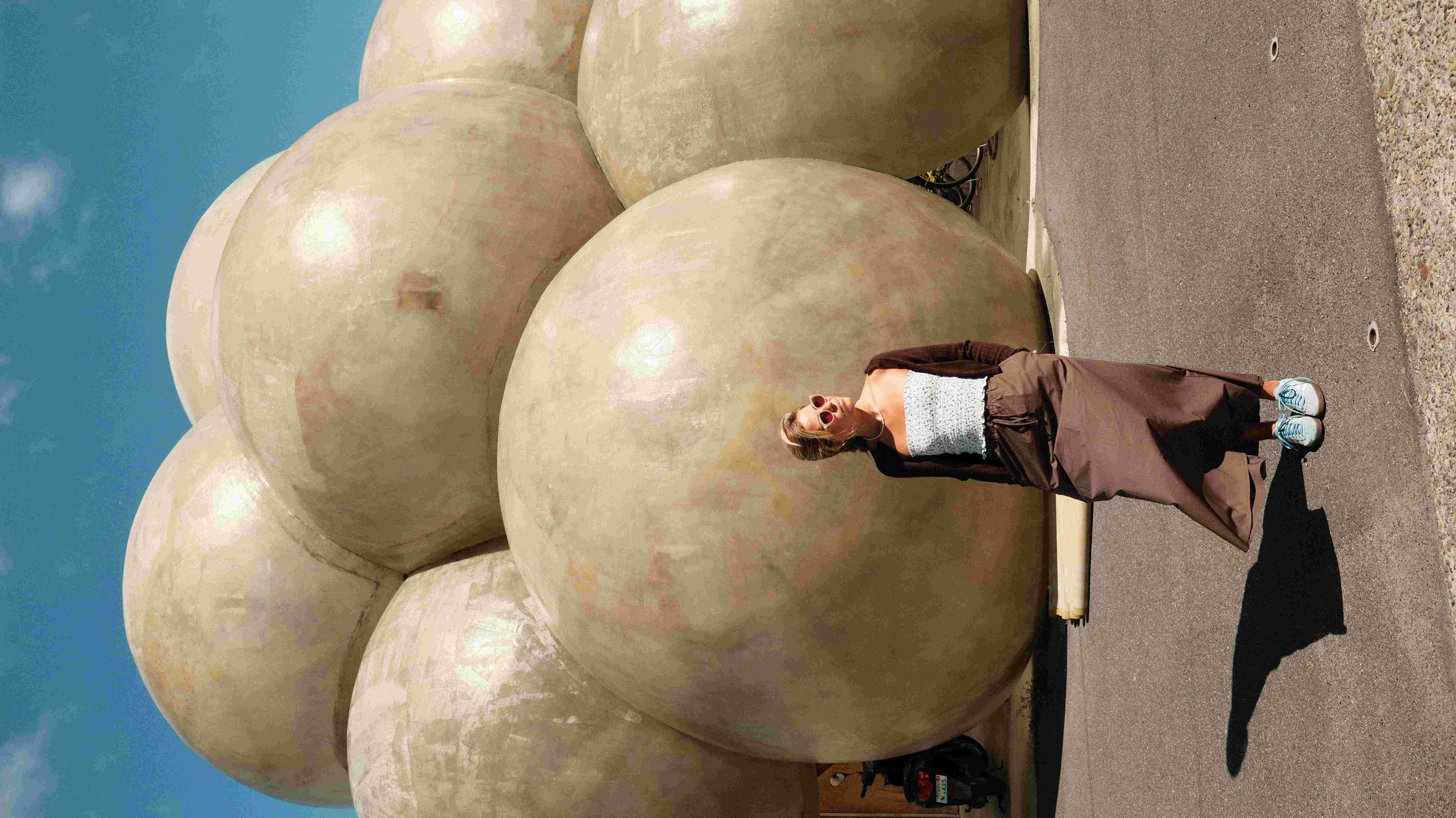
The most iconic images of Naoshima — and rightly so. The yellow pumpkin sits on a small jetty at the southern end of the island, by the beach: a large polka-dotted gourd in Kusama's unmistakable language, looking out at the Seto Inland Sea. The red pumpkin sits near the port at the northern end, similarly bold, similarly inexplicable, similarly delightful.
Both are outdoor, free to approach, and exactly as good as the photographs. The yellow one is smaller than most people expect. It doesn't matter. The combination of the sculpture, the jetty, the sea, and the Naoshima light is one of the most pleasing images of the entire Japan trip.
Note: The yellow pumpkin was temporarily removed for restoration in 2021 and reinstalled in 2022 — it is currently on display.
Booking Strategy — What to Do When Tickets Are Sold Out
This is important. The major Naoshima museums — Chichu, Lee Ufan, Teshima Art Museum — sell out weeks or months ahead. If you check and find no availability:
- Keep checking in the days before your visit — cancellations happen regularly and slots open up
- Check on the morning of your visit — even after you've arrived on the island, keep refreshing the booking page
- Slots release up to 15 minutes before entry time — if you're standing outside a museum and a cancellation appears on your phone, you can book it and walk straight in
We found that persistence on the day works more often than people expect. Don't give up on a museum just because it shows as sold out when you plan the trip.
More Naoshima & Teshima Guides
- Is Naoshima Worth Visiting? Our Honest Review
- Teshima Art Museum: The Complete Guide
- Where to Stay for Naoshima: Why We Chose Uno Port Inn
- Naoshima & Teshima Itinerary: How to Plan the Islands
- Is Hiroshima Worth Visiting? (Nearby via Uno Port)
- Is Osaka Worth Visiting? (Base for Naoshima)
- All Japan Guides
FAQ
How do I book Naoshima art museums?
Through the Benesse Art Site website (benesse-artsite.jp). Book as early as possible — Chichu Art Museum and Lee Ufan Museum sell out weeks ahead. If sold out, keep checking: cancellations release up to 15 minutes before entry and slots do open up on the day.
What is the best museum on Naoshima?
Chichu Art Museum for the Monet room and James Turrell installation. Lee Ufan Museum for the meditative minimalism. Both are essential; both sell out fast. Book both before anything else.
Are Kusama's pumpkins free to see?
Yes — both the yellow pumpkin (near the south beach) and the red pumpkin (near the north port) are outdoor sculptures, free to approach and photograph.
Some links in this post are affiliate links. If you book through them, we earn a small commission at no extra cost to you.