Kyoto has over 1,600 temples and shrines. The question isn't whether to visit them — it's which ones justify the entry fee, the commute, and the time.
We've organised our picks by area — because the only way to see Kyoto well is to cover one neighbourhood per day rather than zigzagging across the city. Each area below has its essential temple and its hidden gem. See our full guide to what to do in Kyoto for the broader picture.
Higashiyama & Gion
Kiyomizu-dera ★★★★★
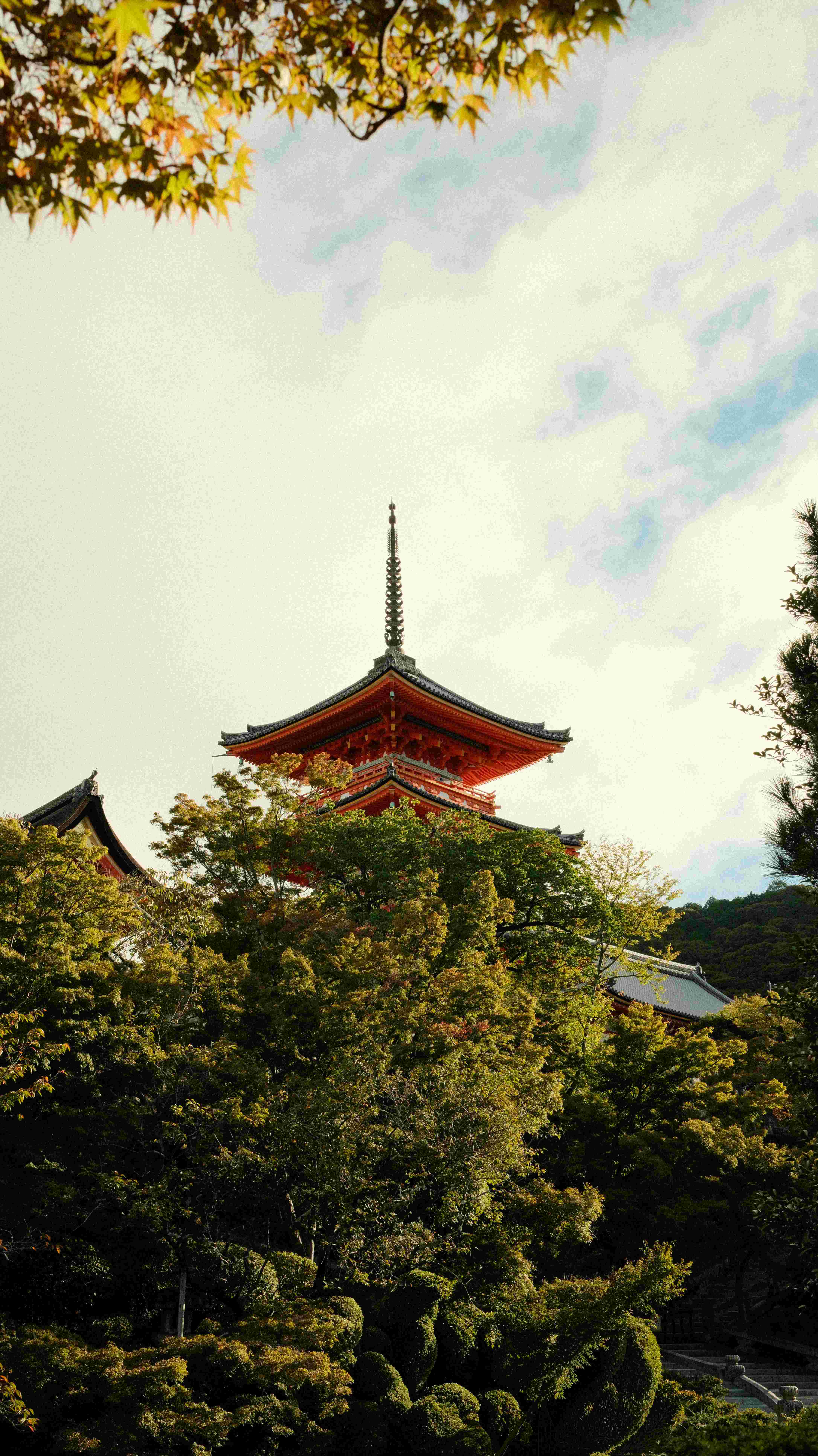
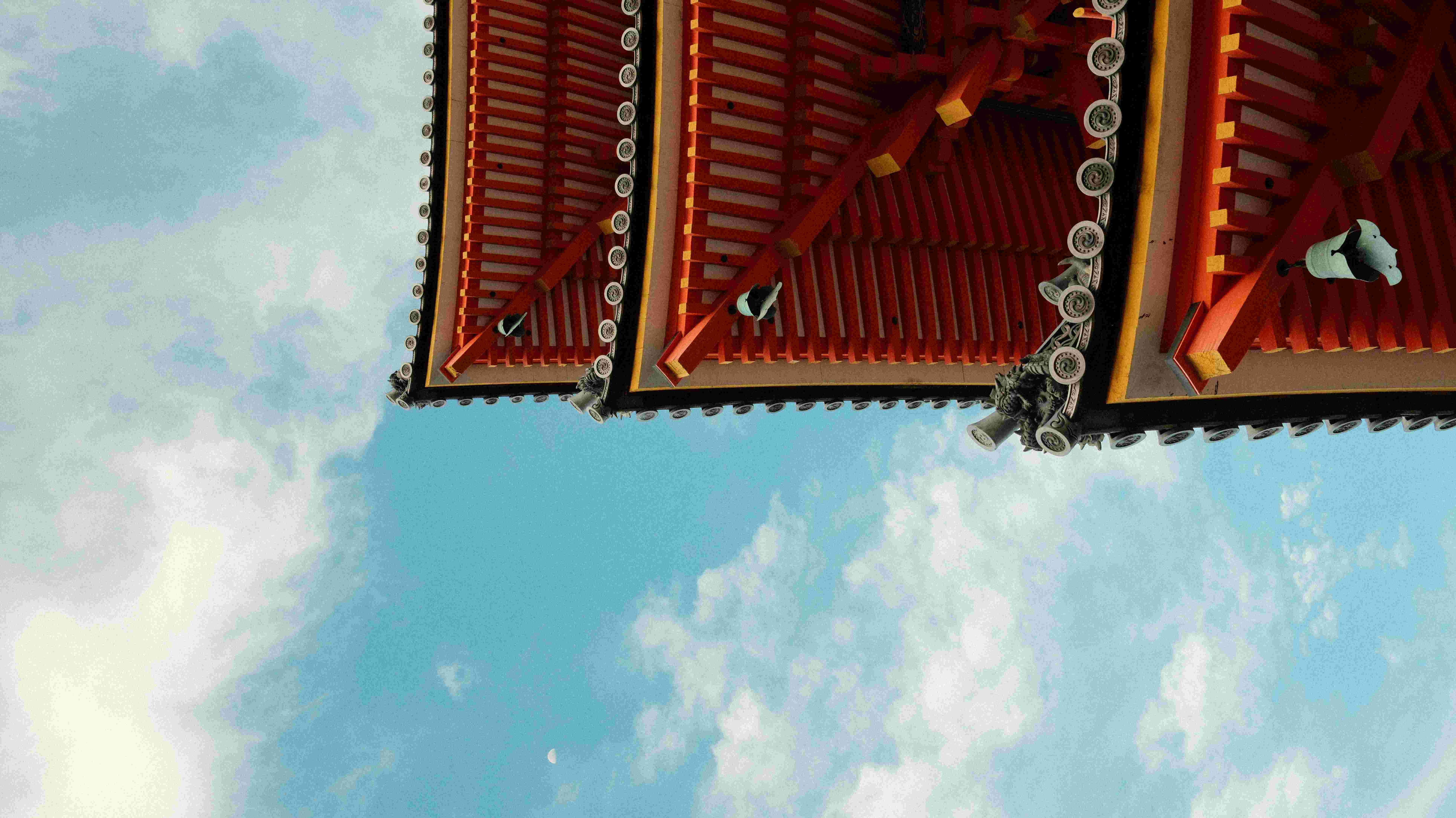
Kyoto's most famous temple — and one of the few that fully justifies its reputation. The wooden stage extending out over the hillside, built without a single nail, is extraordinary architecture. The views across Kyoto's rooftops are some of the best in the city. Go early morning for sunrise views, or late afternoon for soft light. Entry ¥500.
Verdict: Essential. Go early.
Kenninji Temple ★★★★★ — our favourite
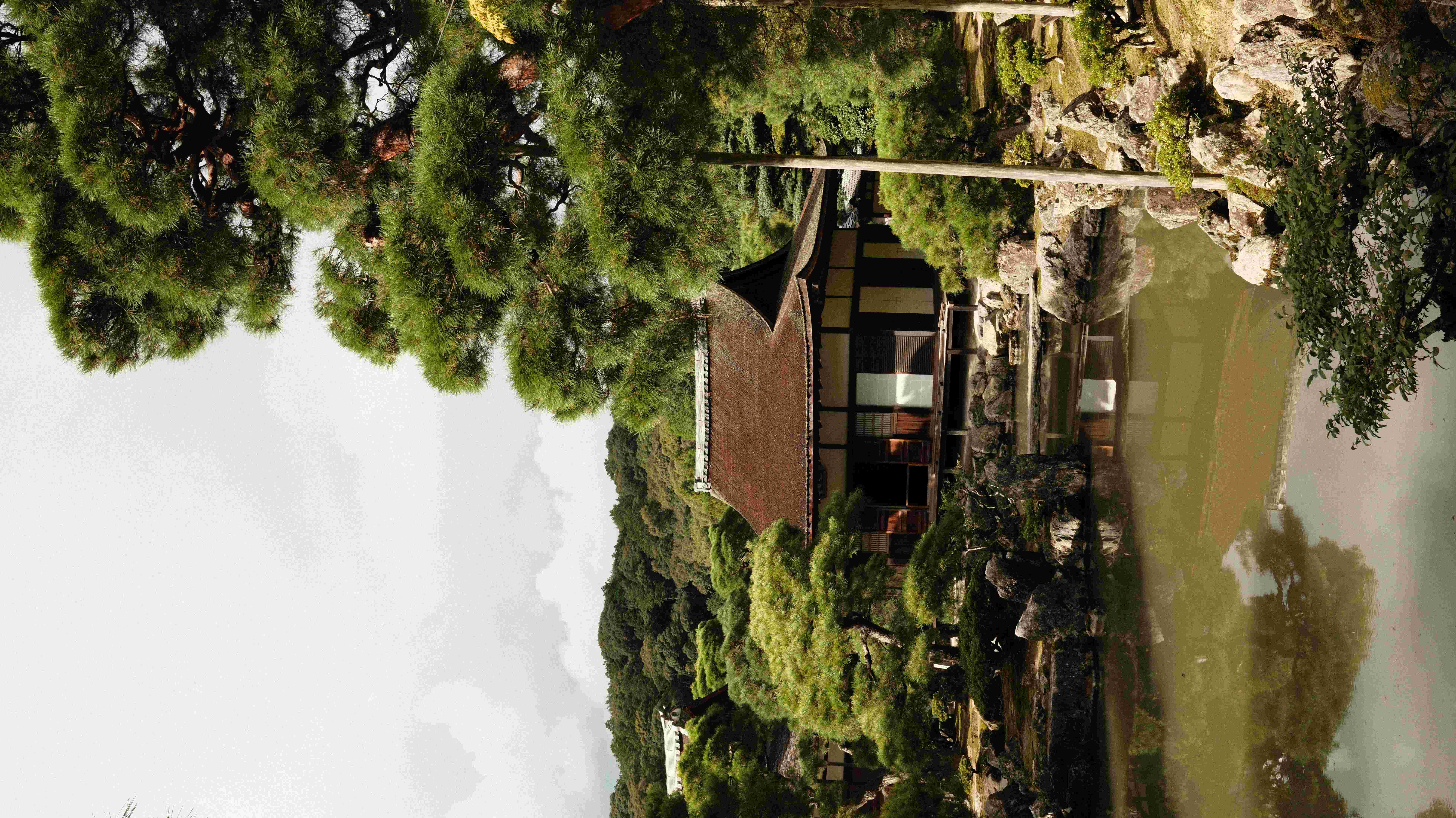
Kyoto's oldest Zen temple, tucked into Gion where most visitors don't think to look. The twin dragon ceiling paintings (Souryuu-zu) — two enormous ink dragons on a circular canvas filling the main hall ceiling — are one of the most surprising and beautiful things in Kyoto. The rock gardens are meditative and precise. Rarely crowded even when Kiyomizu-dera is packed.
Verdict: Don't skip this one. It was our favourite temple in all of Kyoto. Entry ¥600.
Yasaka Shrine ★★★☆☆
Bright vermillion gateway to Gion. Worth five minutes on any walk through the area — it's free, it's beautiful at dusk when the lanterns light up, and it marks a natural transition point between the old lanes and the Gion entertainment district.
Verdict: A five-minute stop, not a destination. Free.
Arashiyama
Tenryu-ji ★★★★★
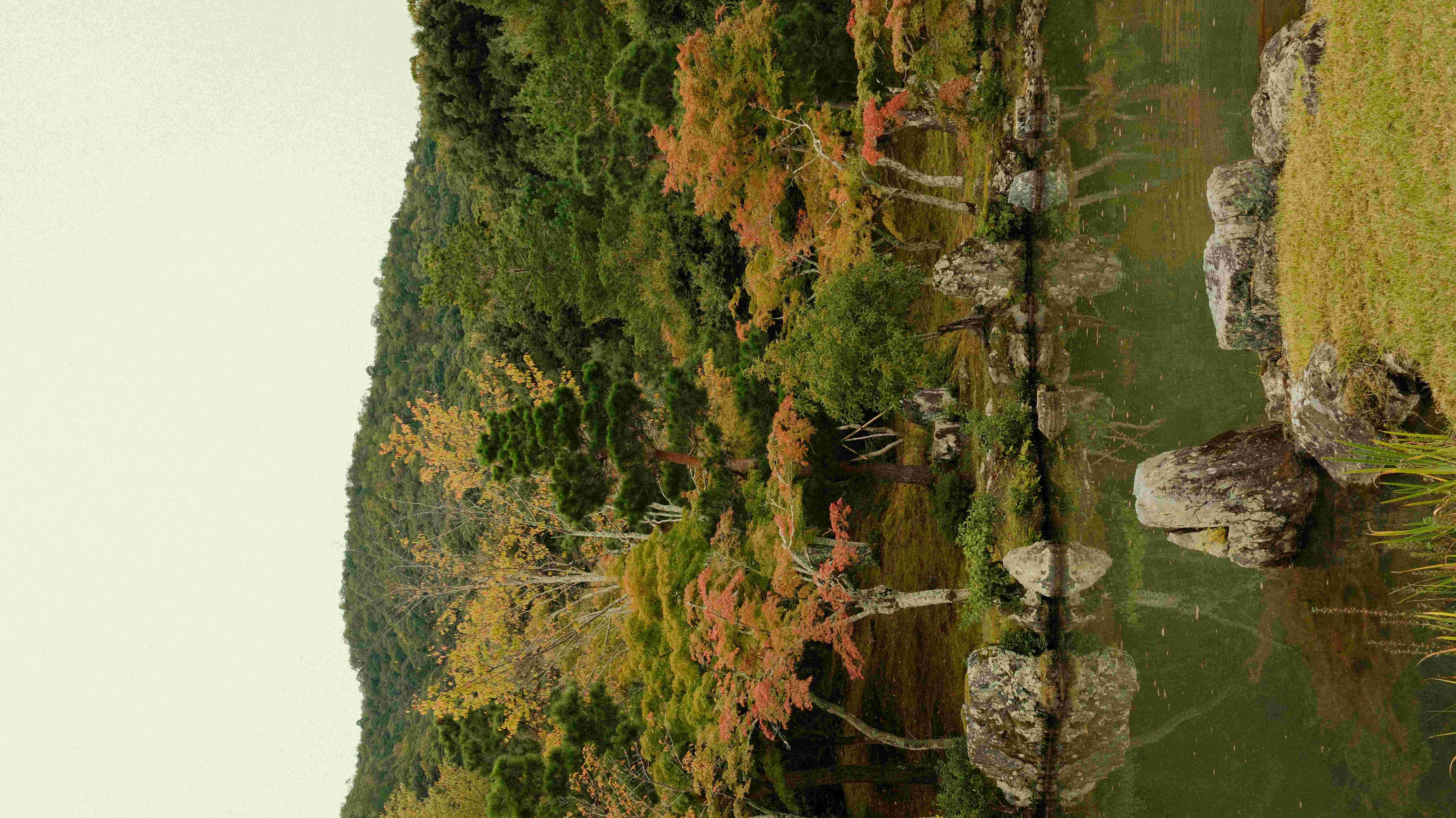
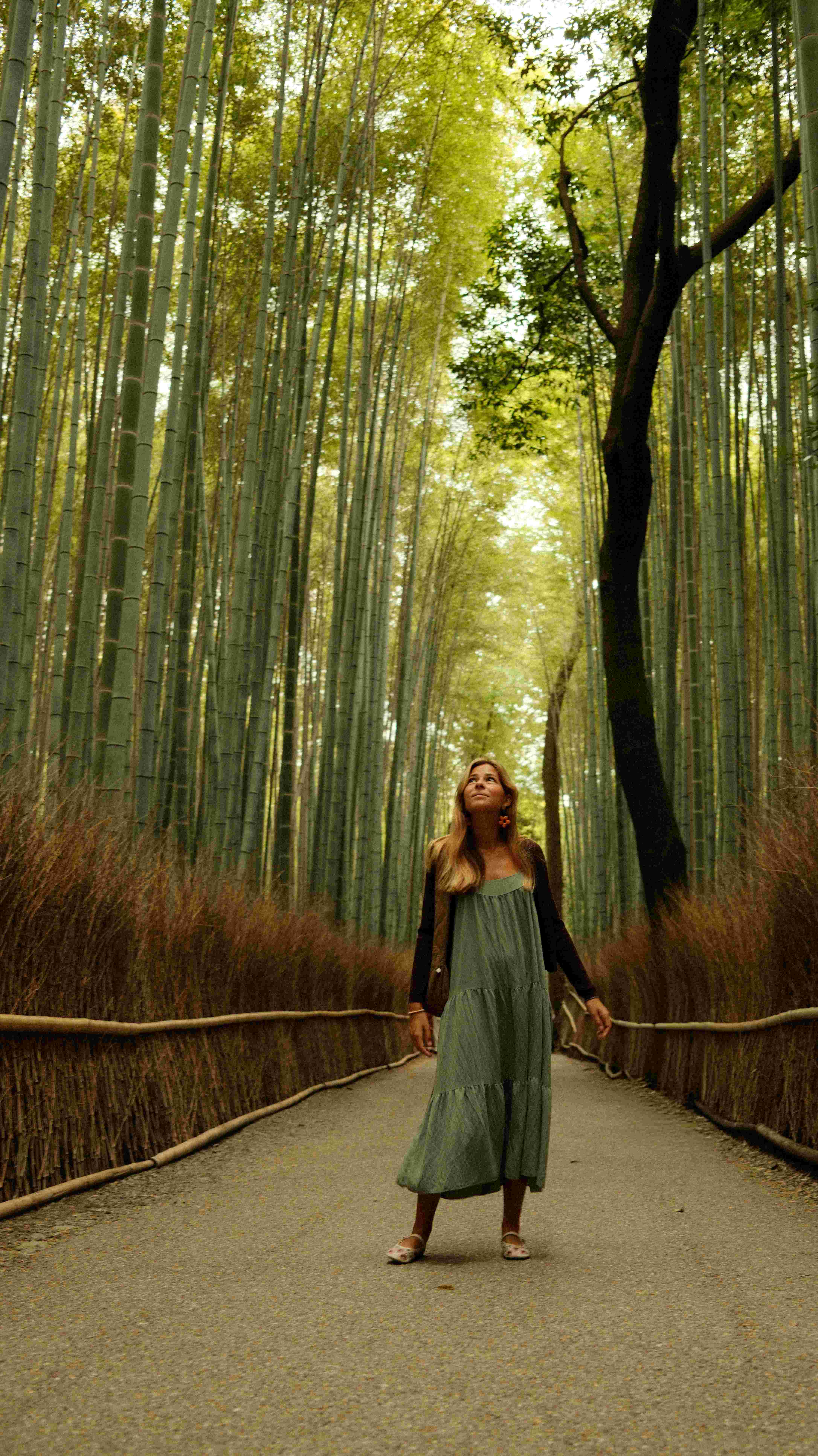
One of Kyoto's finest Zen gardens — a mirror pond surrounded by shaped pines and bamboo, backed by the Arashiyama hills. The garden alone is worth ¥500; the full temple interior adds another ¥300 and is beautiful if you have the time. Visit immediately after the bamboo grove for a perfect Arashiyama morning.
Verdict: Essential in Arashiyama. Go right after the bamboo grove while the area is quiet. Entry ¥500–800.
Ninna-ji ★★★★☆
Often overlooked in favour of the more famous Arashiyama sights, Ninna-ji is spacious, peaceful, and almost never crowded. The five-storey pagoda, the garden, and the sheer scale of the complex give it a grandeur that smaller temples lack. A genuine hidden gem.
Verdict: Worth the detour if you're spending a full day in Arashiyama. Entry ¥800.
Kinkaku-ji (Golden Pavilion) ★★★★★
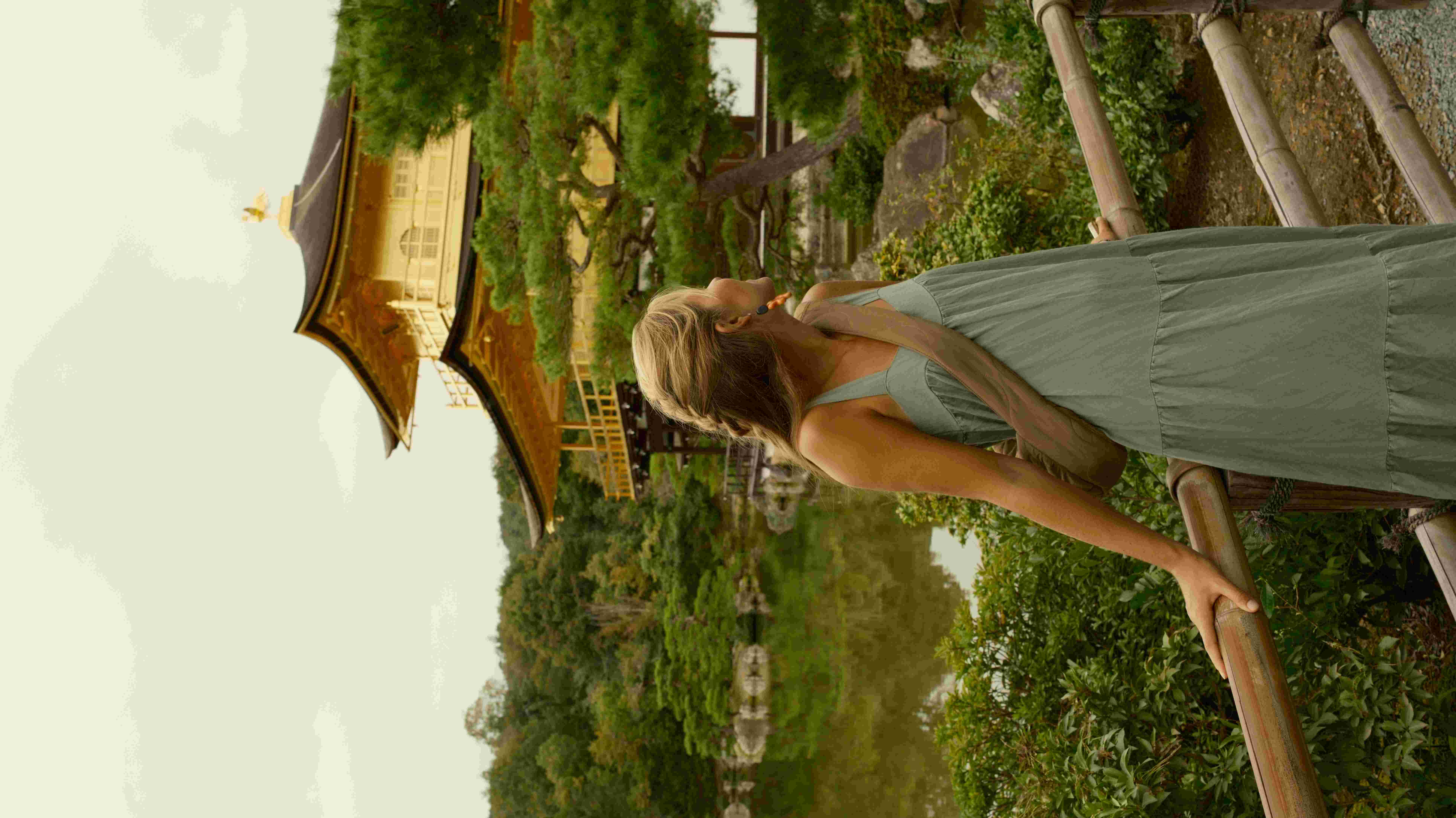
Technically northwest of Arashiyama proper, but easiest to combine with an Arashiyama day given bus routing. Kyoto's most visited sight — the gold-leaf pavilion reflected in a mirror pond — is still breathtaking. Go early, move briskly through the circuit, and let yourself be impressed.
Verdict: Yes, it's touristy. Yes, it's still worth it. Entry ¥500.
Fushimi
Fushimi Inari Taisha ★★★★★
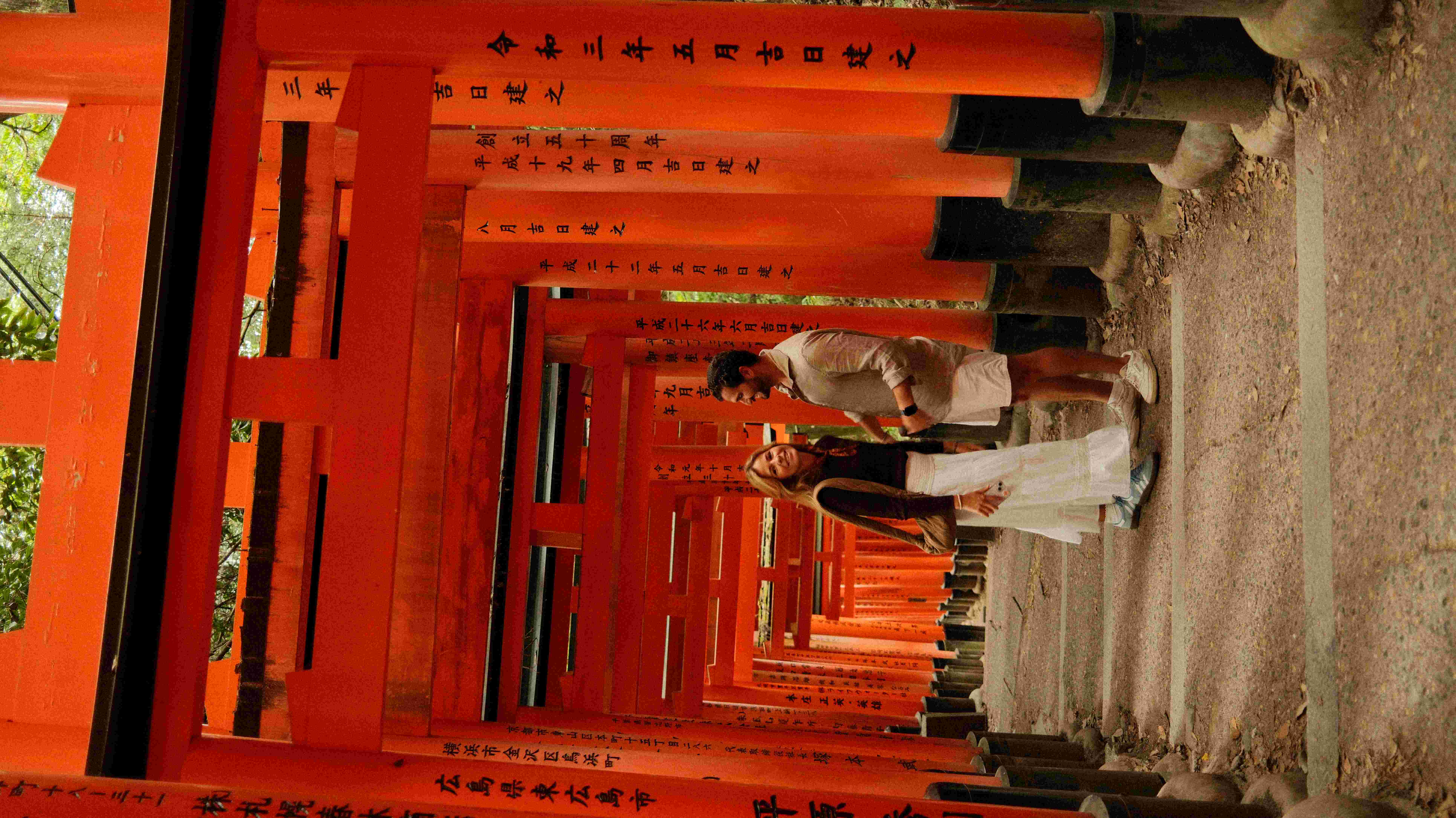
Thousands of vermillion torii gates winding up Inari Mountain. The experience is entirely dependent on arrival time. Before 7am: magical, near-empty, one of the best experiences in Japan. After 9am: crowded queue of tourists. Go before sunrise. Always. Free entry.
Verdict: Essential — but only if you go early. See our full Fushimi Inari review.
Central & Northern Kyoto
Ginkaku-ji (Silver Pavilion) ★★★★☆
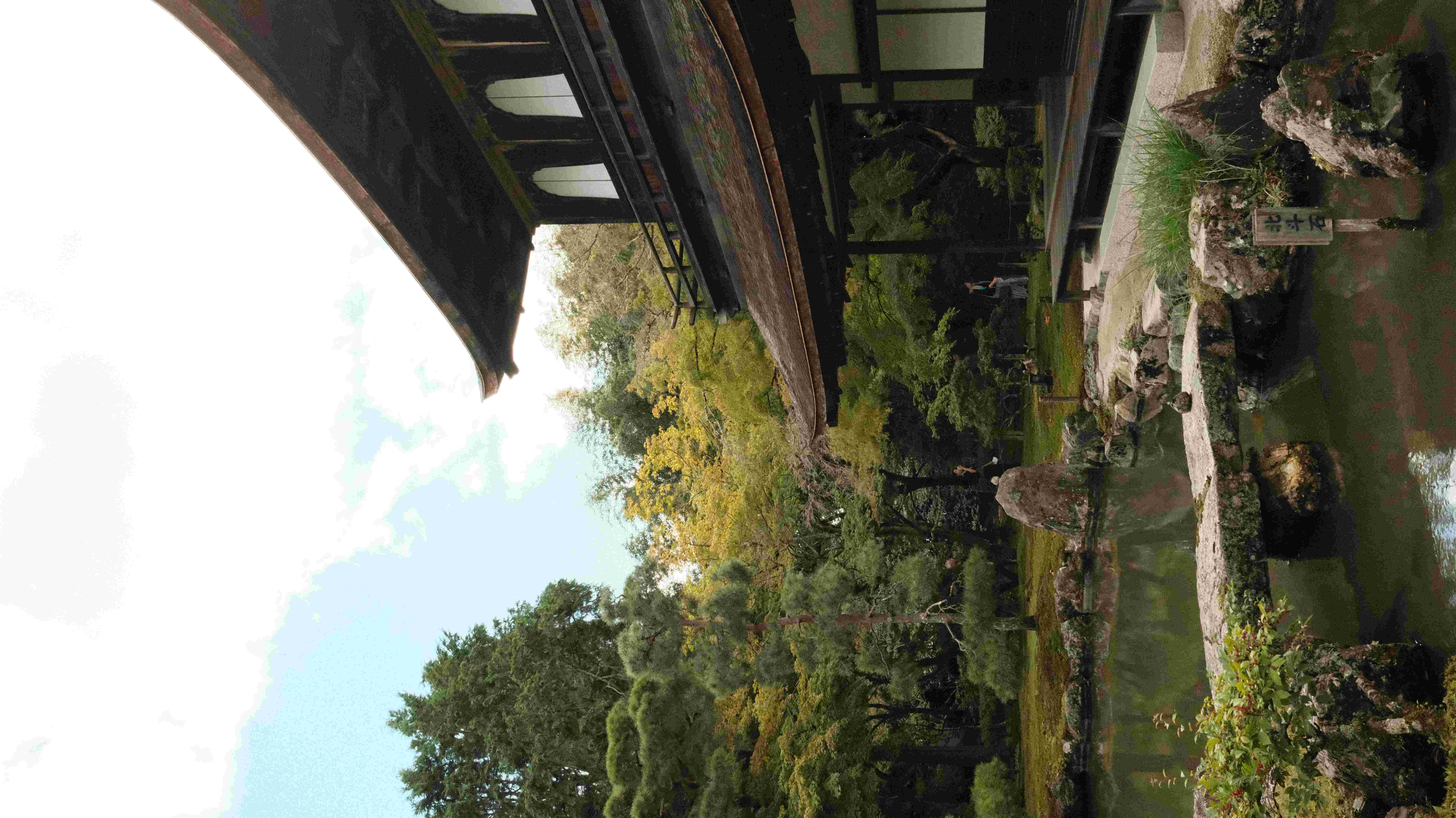
The pavilion was never actually coated in silver — the plan was abandoned. What you get instead is a quietly elegant wooden structure surrounded by some of Kyoto's most beautiful moss gardens and raked sand. More understated than the Golden Pavilion, and often more memorable for it. Pairs naturally with the Philosopher's Path.
Verdict: Worth it, especially if you're walking the Philosopher's Path anyway. Entry ¥500.
Nijo Castle ★★★★☆
Not a temple but included here because it operates similarly and offers a different kind of Kyoto history — political rather than religious. The wooden halls, painted sliding doors, and famous "nightingale floors" (designed to creak and alert guards to intruders) are unlike anything else in the city. Entry ¥1,000.
Verdict: Strong choice for a third or fourth day when you've covered the major temple areas. Entry ¥1,000.
Kyoto Imperial Palace Gardens ★★★☆☆
Vast, peaceful, and free — the gardens surrounding the Imperial Palace are a good mid-day rest between busier sights. Entry to the palace interior requires advance booking; the surrounding Kyoto Gyoen park is open freely at all times.
Verdict: Good for a break, not a destination. Free.
Quieter Gems Worth Seeking Out
Adashino Nenbutsuji — Arashiyama outskirts
A small, atmospheric temple in the hills beyond Arashiyama's main sights — hundreds of stone Buddha figures in a moss-covered garden, commemorating those who died long ago without family to remember them. Quiet, haunting, beautiful. Worth the extra walk.
Daikaku-ji — near Arashiyama
A spacious temple complex with a large pond garden (Osawa Pond) that reflects the sky and surrounding hills. Often empty. One of those Kyoto experiences that feels like a private discovery.
What to Skip
Any temple mid-morning without an early start plan. The real problem with Kyoto's major temples isn't the temples themselves — it's arriving at the wrong time. Plan around early mornings and the experience changes completely.
More Kyoto Guides
- Is Fushimi Inari Worth Visiting?
- Is the Kyoto Bamboo Forest Worth Visiting?
- Tea Ceremony in Kyoto: Is It Worth It?
- The Best Things to Do in Kyoto + What to Skip
- Is Kyoto Worth Visiting? Our Honest Review
- 1 Day in Kyoto Itinerary
- 2 Days in Kyoto Itinerary
- How Many Days in Kyoto Do You Need?
- The Best Time to Visit Kyoto
- Where to Stay in Kyoto: Best Areas & Hotels
- Kyoto Food Guide: Our Top Restaurants
- The Best Cafes in Kyoto
- Kyoto vs Osaka: Where Should You Stay?
- Is Osaka Worth Visiting?
- Koyasan from Osaka/Kyoto: Day Trip or Overnight
- Is Kanazawa Worth Visiting?
- All Japan Guides
Some links in this post are affiliate links. If you book through them, we earn a small commission at no extra cost to you.