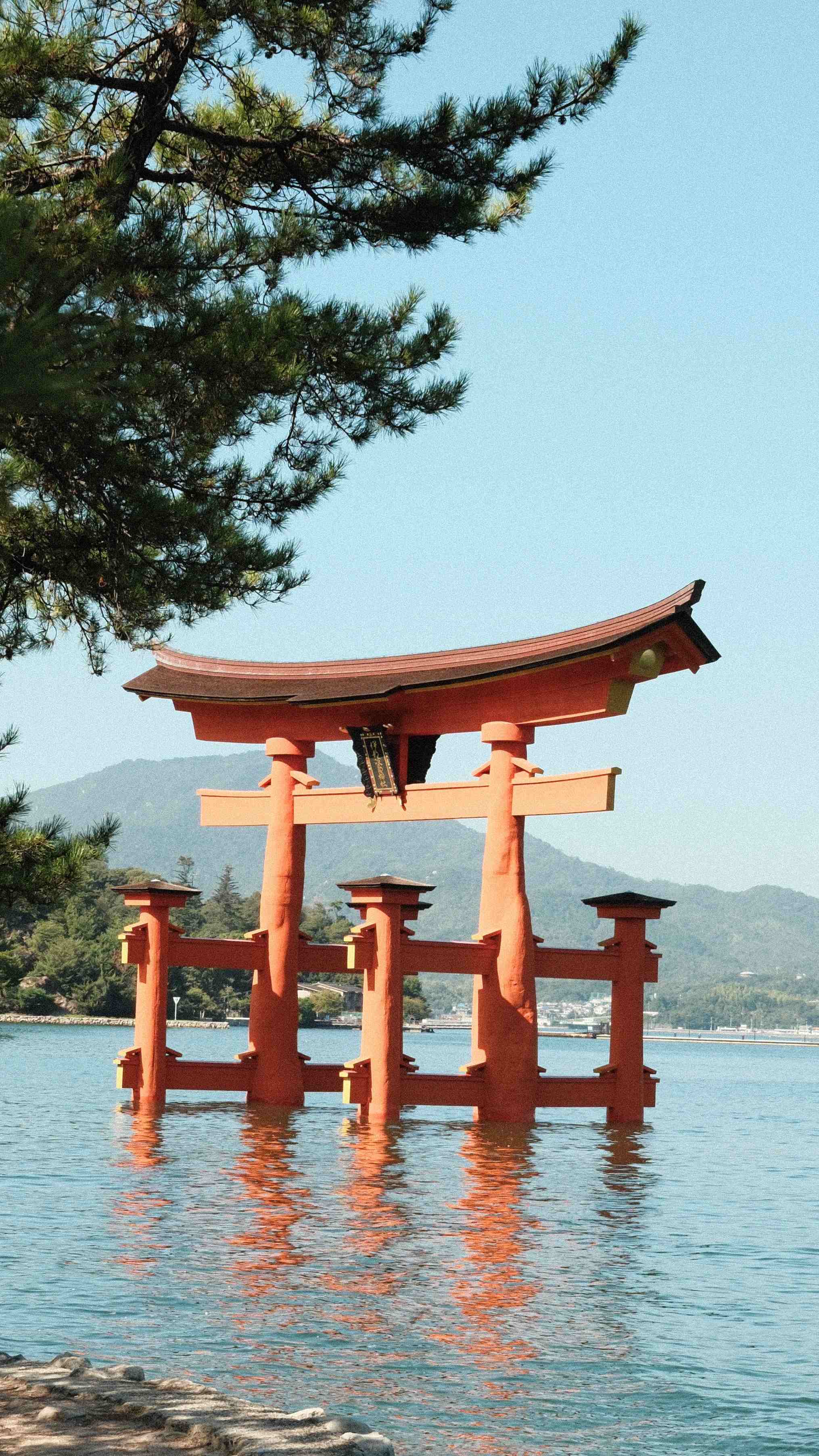
Two days is the right amount for Hiroshima: one day for the city (Peace Memorial Park, the Atomic Bomb Dome, Hiroshima Castle, okonomiyaki), one full day for Miyajima Island. This is our exact itinerary — the timing that worked, the meals that were worth it, and the things we'd do the same if we went back tomorrow.
Before you arrive: Book a walking tour of the Peace Memorial Park through GetYourGuide (ask for Thomas). That's the only pre-booking you need for Hiroshima city. For Miyajima, just check the tide times online for your visit day — you want to arrive before high tide for the floating gate photos.
Day 1: Peace Memorial Park, Hiroshima Castle, Okonomimura
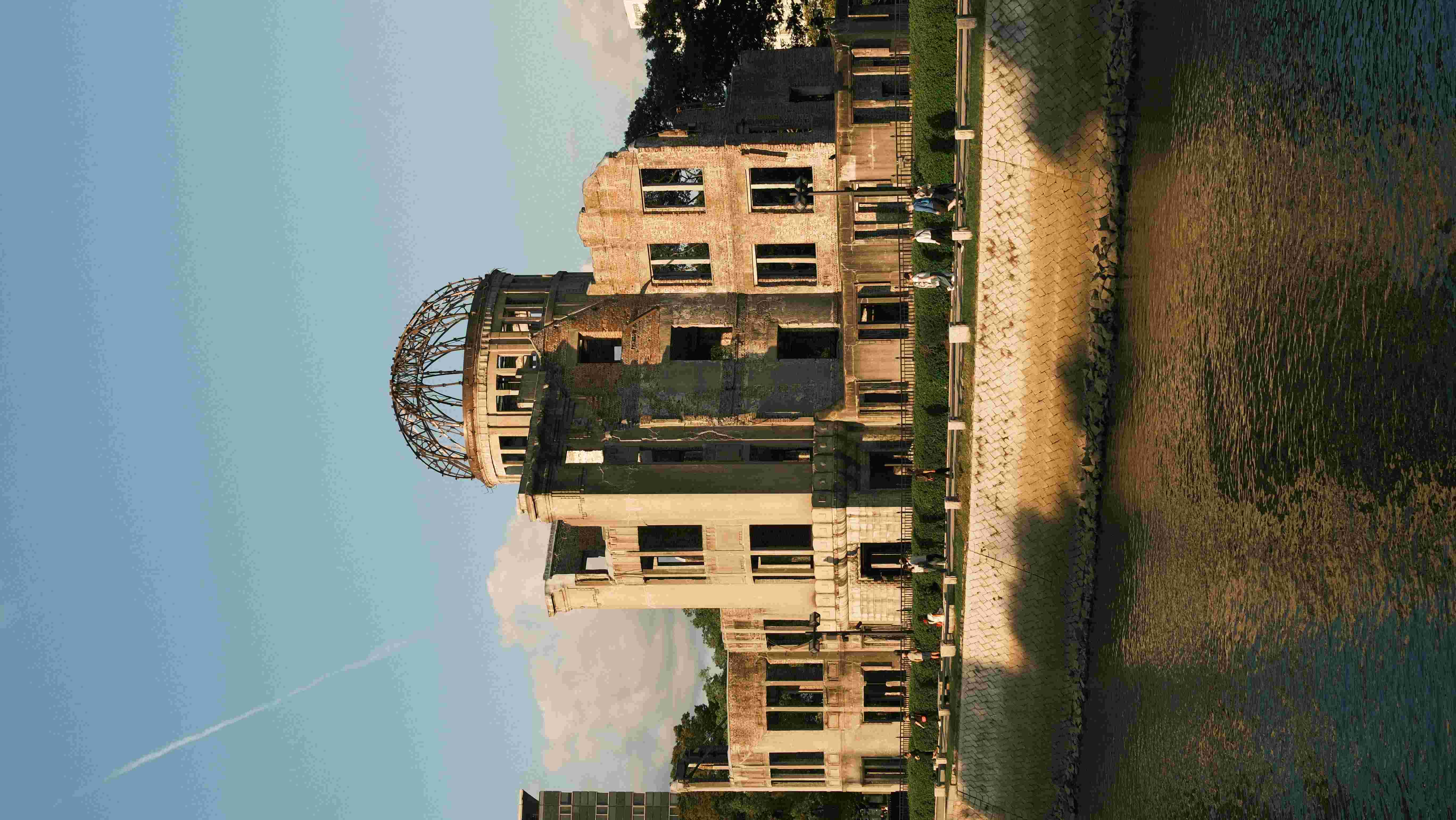
Morning — Walking Tour of the Peace Memorial Park (8:30am)
Start at the Peace Memorial Park walking tour — booked through GetYourGuide. The tour typically begins at the Genbaku Dome and moves through the park's key memorials over approximately two hours. Go with an open mind and patience for the weight of what you're hearing. Our guide Thomas was exceptional: deeply knowledgeable, personal in his approach, and genuinely invested in helping visitors understand rather than just see. This context transforms the museum visit that follows.
Late Morning — Peace Memorial Museum (10:30am)
After the tour, enter the museum directly. Allow 90 minutes minimum — the survivor testimonies and personal effects require time. Don't rush the final rooms. The museum opens at 8:30am; the walking tour brings you to the entrance at the right time for a still-manageable crowd.
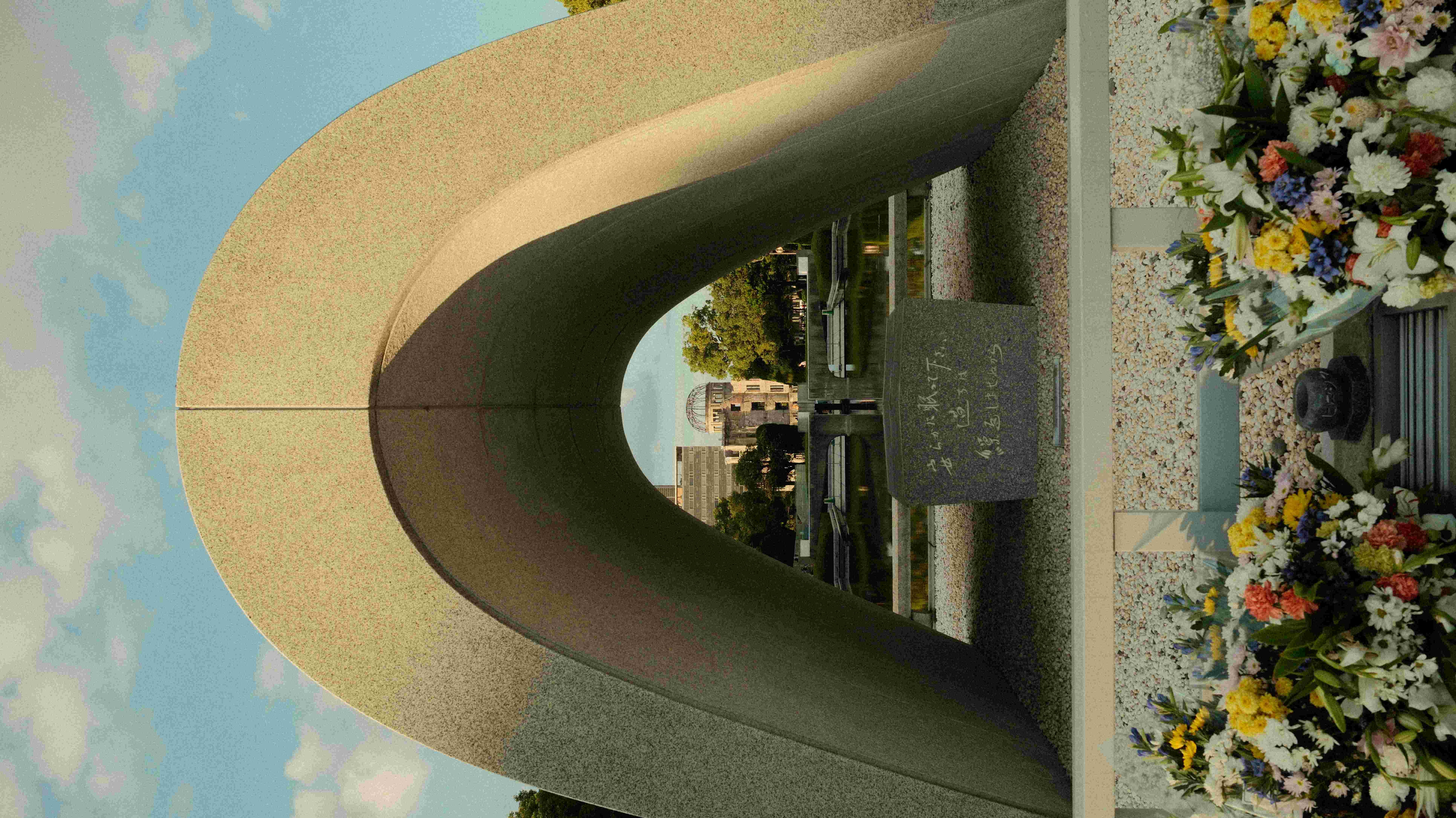
After the museum: walk back through the park slowly. Sit by the Ōta River. Give yourself 30 minutes of quiet before the afternoon. The afternoon activities are lighter by design — Hiroshima Castle is peaceful, Okonomimura is lively. Both are appropriate follow-ons after the morning's gravity.
Afternoon — Hiroshima Castle (1:30pm)
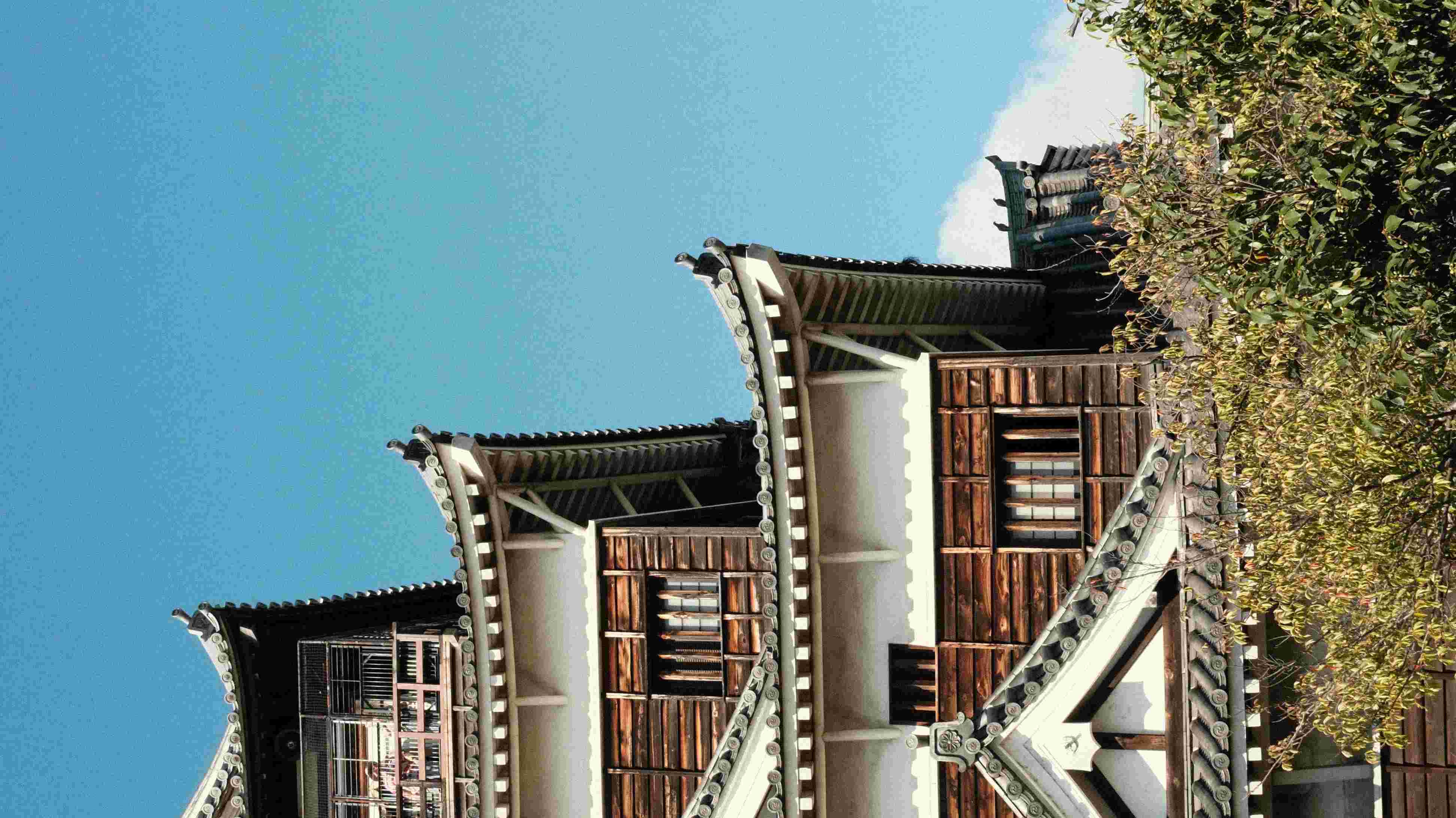
Walk or take the tram north to Hiroshima Castle — 20 minutes on foot from the Peace Park, 10 minutes by tram. The castle grounds are pleasant: wide paths, the moat walk, cherry trees in spring, the restored white tower reflected in the water. The interior museum covers Hiroshima's samurai history (¥370 entry); the view from the top floor is good. Budget 1–1.5 hours including the grounds.
Late Afternoon — Explore the City Centre
Walk from the castle back toward the city centre. The covered shopping arcades (Hondori and Shin-Tenchi arcades) running through the heart of Hiroshima are lively and good for a wander. Pick up a late-afternoon coffee or matcha somewhere along the arcade.
Evening — Okonomimura (7:00pm)
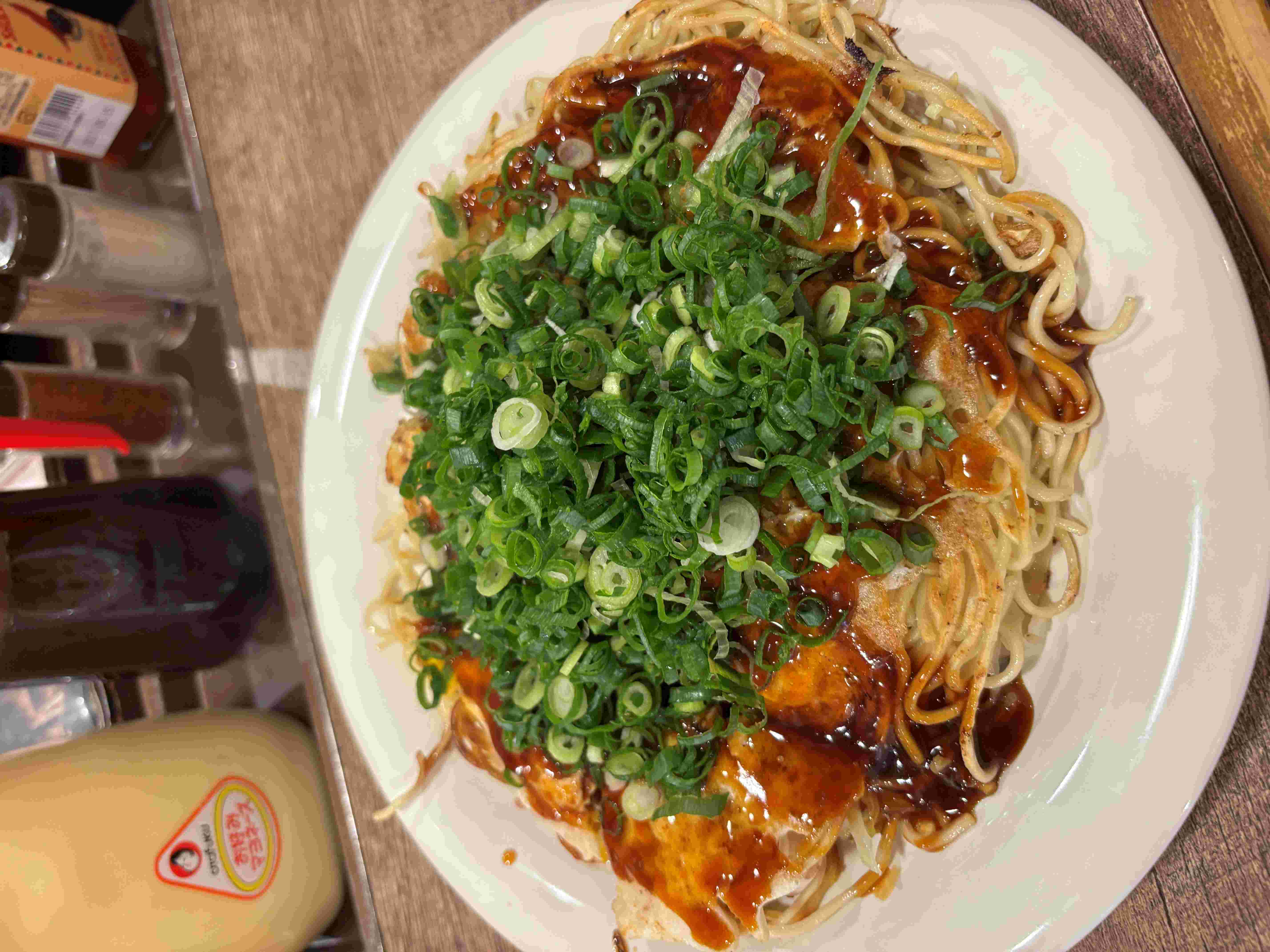
Dinner at Okonomimura — the dedicated okonomiyaki building with 25+ restaurants across three floors. Walk in and find any counter seat with a view of the grill. Order the classic pork belly version (or seafood if you prefer). Watch the entire construction process — batter spread, cabbage piled, noodles added, pork laid on, the patient compression, the perfect flip, the sauce and bonito applied. Eat at the counter. Drink cold beer.
One of the best dinners of the Japan trip. Leave satisfied and walk back to the hotel through the tram-lit streets.
Day 2: Full Day on Miyajima Island
Early Morning — Depart for Miyajima (8:30am)
Take the JR Sanyo Line from Hiroshima Station to Miyajimaguchi (25–30 minutes), then ferry to Miyajima Island (10 minutes). Aim to be on the ferry by 9am — arriving before the main wave of day-trippers from Osaka and Kyoto tour buses makes the first two hours significantly better.
Check tide times before you go. If the morning has a high tide, the floating torii is at its best first thing; if it's a low tide morning, go straight to Daishoin Temple and return to the torii when the tide rises.
Morning — Itsukushima Shrine and Torii Gate (9:15am)
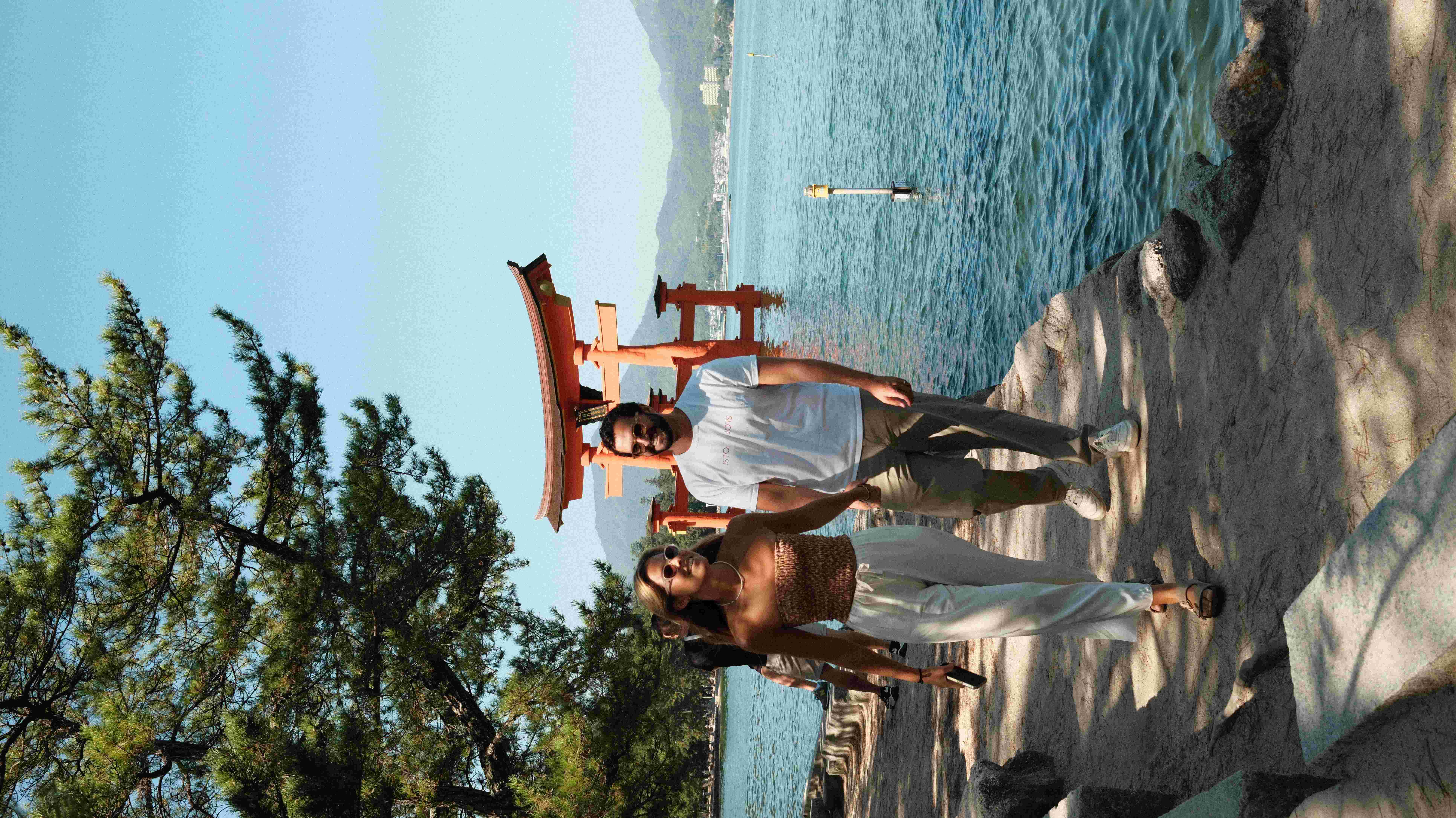
Walk the approach street (deer will investigate your bags — keep food secured), arrive at Itsukushima Shrine, and spend time with the floating torii gate. At high tide: photograph from the beach east of the shrine, where the gate and shrine corridor float together. At low tide: walk across the sandbar to the gate's base and touch it — the scale is much more apparent up close.
Enter Itsukushima Shrine (¥300) and walk the covered corridors over the sea. The construction — columns sunk into the bay, the whole structure floating over water — is extraordinary as a feat of 12th-century engineering.
Late Morning — Daishoin Temple (10:30am)
Walk up from the shrine to Daishoin Temple — 10 minutes on foot. The approach is the experience: stone steps flanked by hundreds of small Jizo Buddha statues in red cloth caps, stone lanterns, a cave illuminated by a thousand oil lamps. One of the most atmospherically peaceful temples in western Japan. Allow 45–60 minutes.
Midday — Oysters and Anago-meshi (12:00pm)
Lunch on the approach street. Two targets:
- Charcoal-grilled oysters from a street stall — eat standing at the counter with the shells open on the grill. This is the Miyajima oyster experience.
- Anago-meshi at one of the sit-down restaurants — conger eel grilled and served over rice in a lacquered box. The island's signature dish.
You don't need to choose between them; they're different enough to eat both as a lunch spread.
Afternoon — Mount Misen Ropeway (2:00pm)
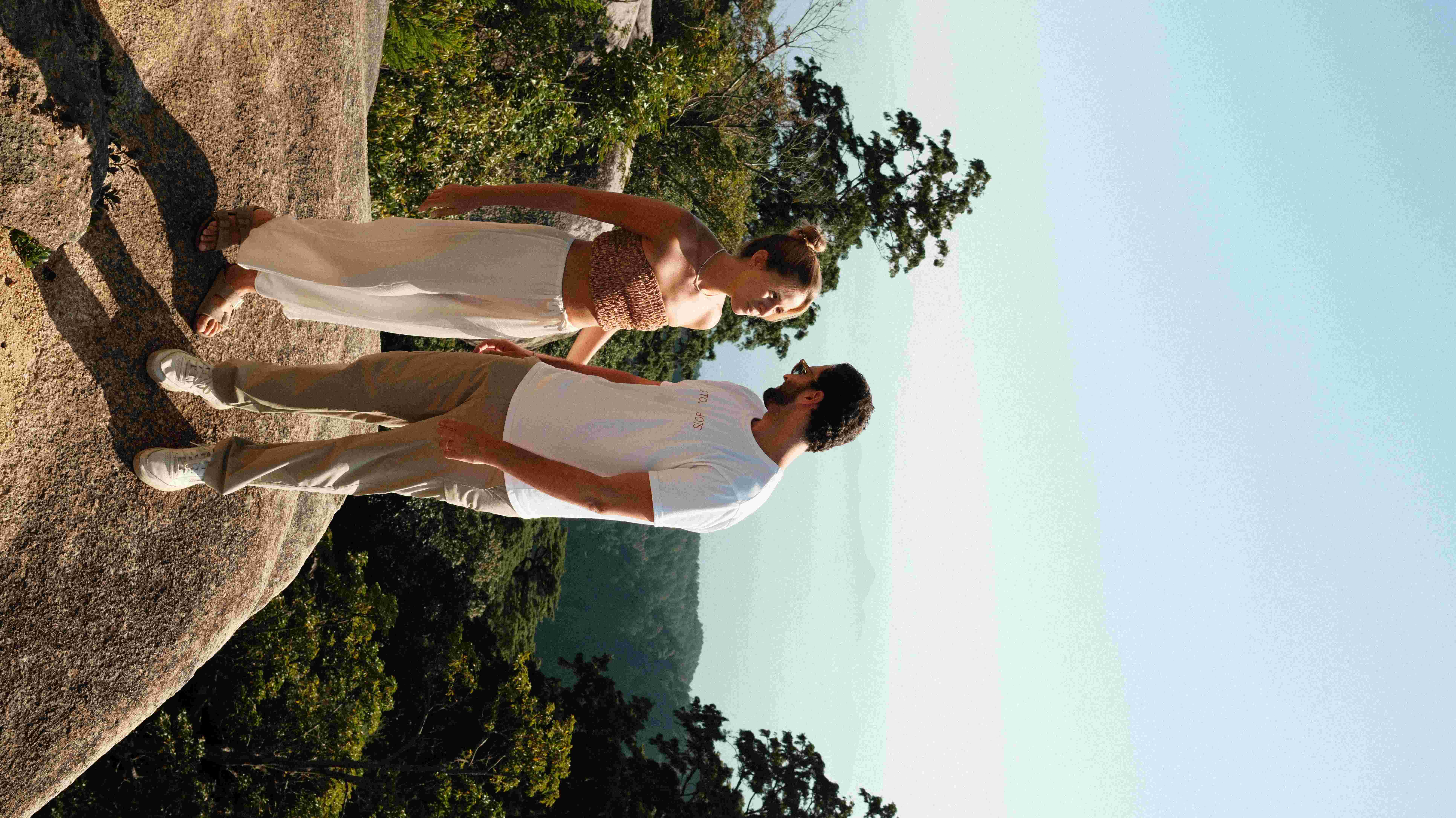
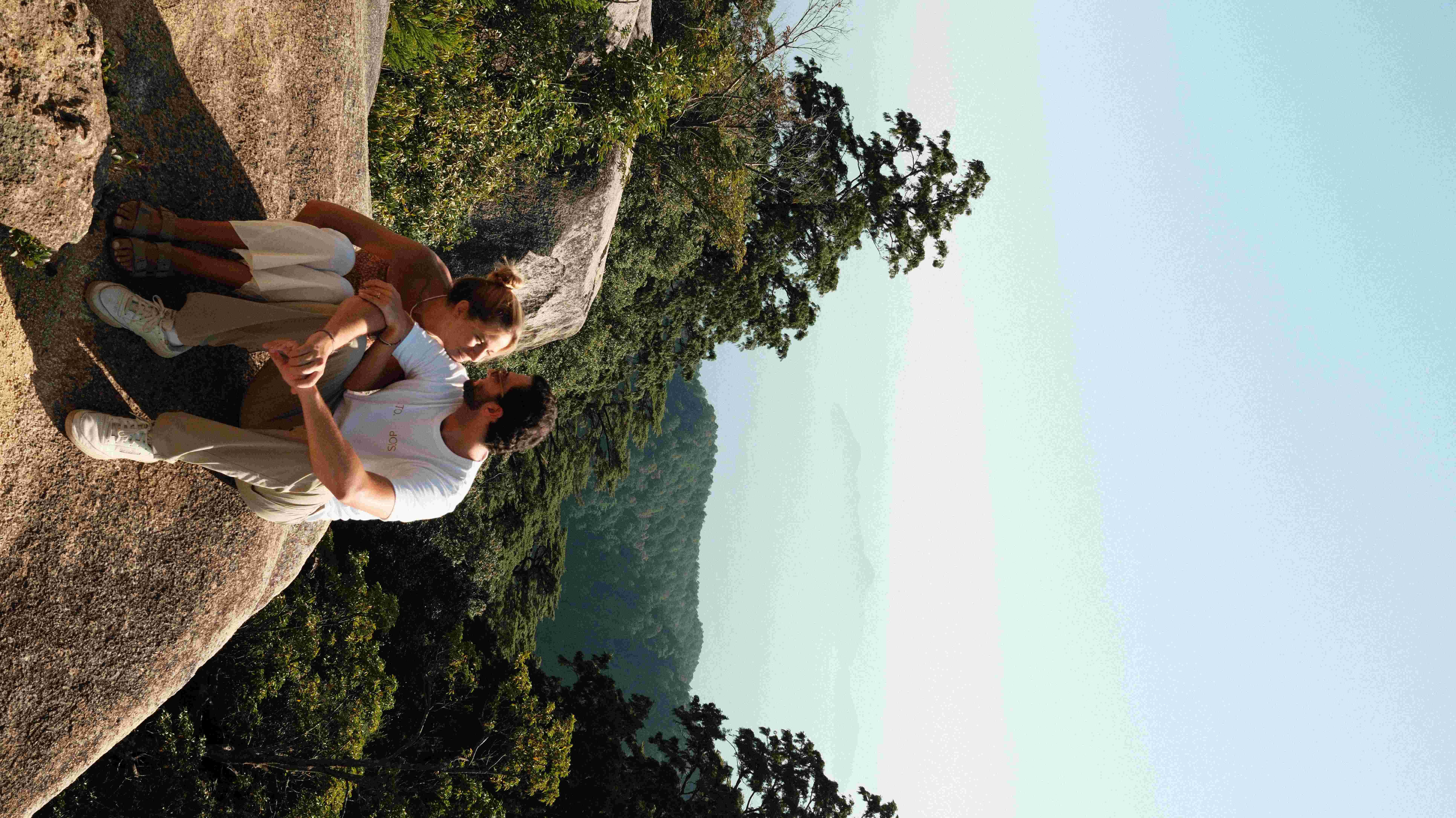
Take the ropeway (¥1,800 round trip) from Momijidani up to Shishiiwa Station, then walk 30 minutes to the summit of Mount Misen (535m). The view over the Seto Inland Sea — hundreds of islands, the Hiroshima delta, the shrine and torii visible below — is one of the best elevated views in Japan. Budget 2.5–3 hours for the full experience.
Alternative if the ropeway is crowded: The Momijidani hiking trail (2km, approximately 1 hour up) is beautiful and bypasses the ropeway queues. The same summit view waits at the top.
Late Afternoon — Momiji Manju and Final Walk (5:00pm)
Return to the approach street as the day-trippers begin leaving. The island noticeably quietens from 4:30pm onward. Pick up freshly baked momiji manju (maple leaf cakes, red bean paste) from a shop where you can watch the moulding process. Walk the approach street slowly one more time with nobody rushing past you.
Evening — Return to Hiroshima, GOROU Dinner
Take the ferry and train back to Hiroshima (aim for the 6:30–7pm ferry). Dinner at Charcoal Yakiniku GOROU — the beef tongue was one of our favourite meat dishes of the entire Japan trip. Smoky, tender, perfectly seasoned over a charcoal grill. Reserve if possible for evening dining.
Practical Notes
Transport: Suica card covers everything — Hiroshima trams, JR train to Miyajimaguchi, JR ferry to Miyajima. JR Pass holders: both the train and JR ferry to Miyajima are covered.
Walking shoes: Essential for Day 2 — Miyajima involves a lot of walking and some uphill paths. Wear comfortable shoes for both days.
Peace Museum timing: Go at opening (8:30am) — significantly quieter in the first 90 minutes than the rest of the day.
More Hiroshima Guides
- Hiroshima Peace Memorial Park & Museum: Our Full Review
- Miyajima Island Day Trip from Hiroshima
- The Best Food in Hiroshima: Okonomiyaki, Oysters & More
- The Best Things to Do in Hiroshima
- Where to Stay in Hiroshima
- Is Hiroshima Worth Visiting? Our Honest Review
- Is Naoshima Worth Visiting? (Next Stop via Uno Port)
- Is Fukuoka Worth Visiting? (Shinkansen from Hiroshima)
- All Japan Guides
FAQ
Is 2 days enough for Hiroshima?
Yes — two full days covers everything essential: the Peace Memorial Park and Museum, Hiroshima Castle, Okonomimura, and a full day on Miyajima Island. A third day is comfortable if you want to slow the pace.
What should I do first in Hiroshima?
The Peace Memorial Park walking tour on your first morning. Book through GetYourGuide before you arrive. It sets the context for everything else in the city.
Which day should I go to Miyajima?
Day 2, after you've processed the Peace Museum on Day 1. Miyajima is beautiful and light; doing it on the same day as the Peace Museum doesn't give either experience the space it deserves.
Some links in this post are affiliate links. If you book through them, we earn a small commission at no extra cost to you.