Kanazawa is one of the country's most underrated gems — and one of our favourite cities in Japan. Often called "Little Kyoto," it has the historical depth of Kyoto (geisha districts, samurai residences, centuries-old temples) with none of the crowds. The seafood market is the best in Japan. The garden is among the finest in the world. We visited in autumn and it felt like a dream.
What Kanazawa Is Actually Like
Kanazawa sits between the mountains and the Sea of Japan on Japan's west coast — a position that gives it exceptional seafood, changeable weather, and a historical isolation from the main Tokyo–Osaka corridor that kept it off most tourist itineraries until the Hokuriku Shinkansen opened in 2015. Before that, reaching Kanazawa required effort. Now it's 2.5 hours from Tokyo by Shinkansen — and the number of visitors has climbed significantly since.
What makes Kanazawa special is the combination of things it has that most Japanese cities don't: a geisha district that still functions, a samurai quarter with original earthen-walled alleys, one of Japan's three great gardens, a world-class contemporary art museum, and a seafood market that — by the guide's own assessment — is the best in Japan. All of this in a compact, walkable city with a population of 460,000 that moves at a completely different pace from Tokyo or Osaka.
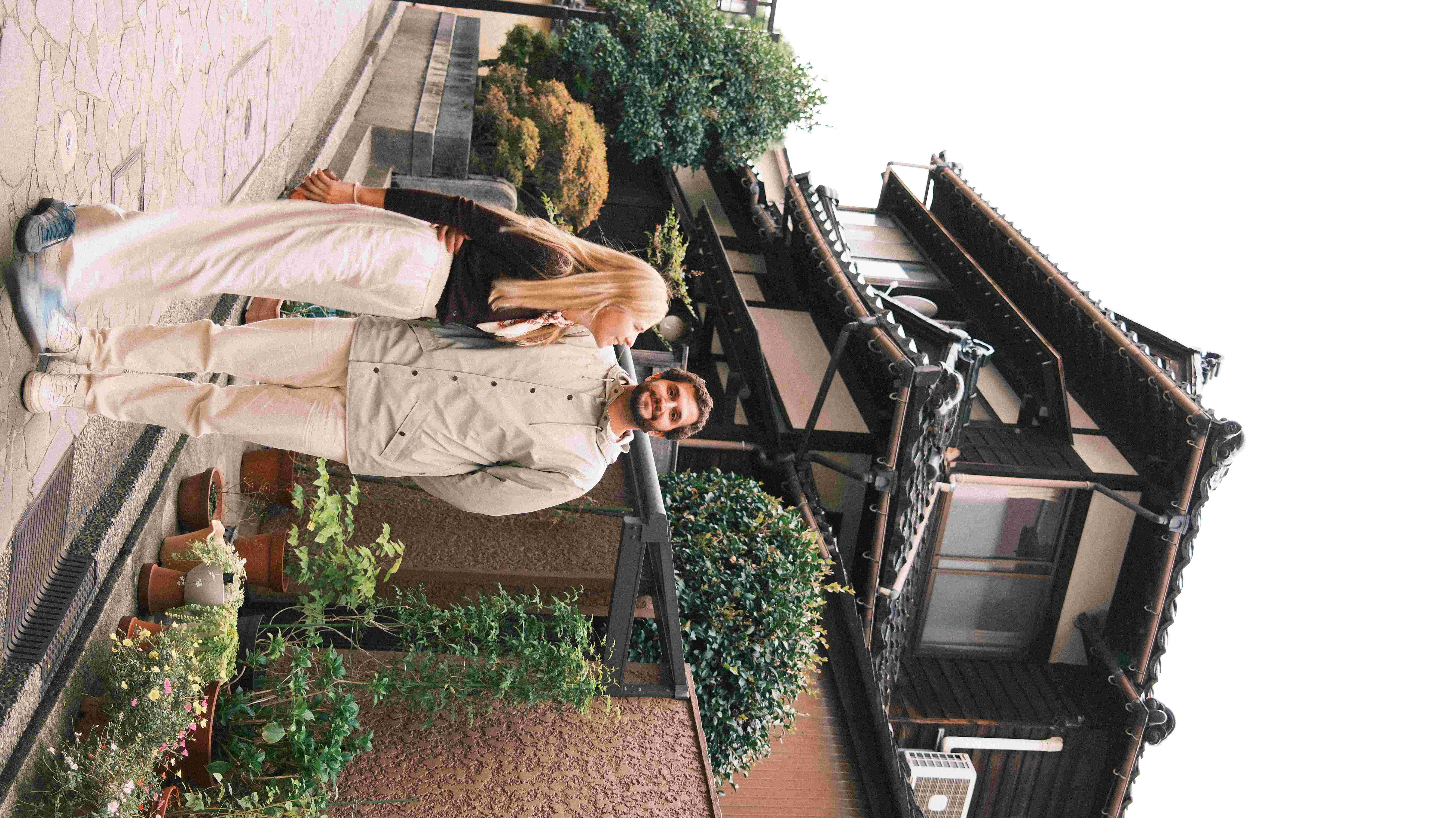
The city also escaped WWII bombing entirely — meaning many of the historical buildings, alleys, and districts are original structures, not reconstructions. That authenticity is palpable when you walk through Higashi Chaya or Nagamachi.
What We Loved
The walking tour
One of the best things we did in Kanazawa — a local guided walking tour booked through GetYourGuide. Our guide had the best stories, a great sense of humour, and seemed to know everyone in town. The context it gave us for Higashi Chaya and Nagamachi transformed those areas from "nice old streets" into genuinely understood pieces of history. Book it for Day 1.
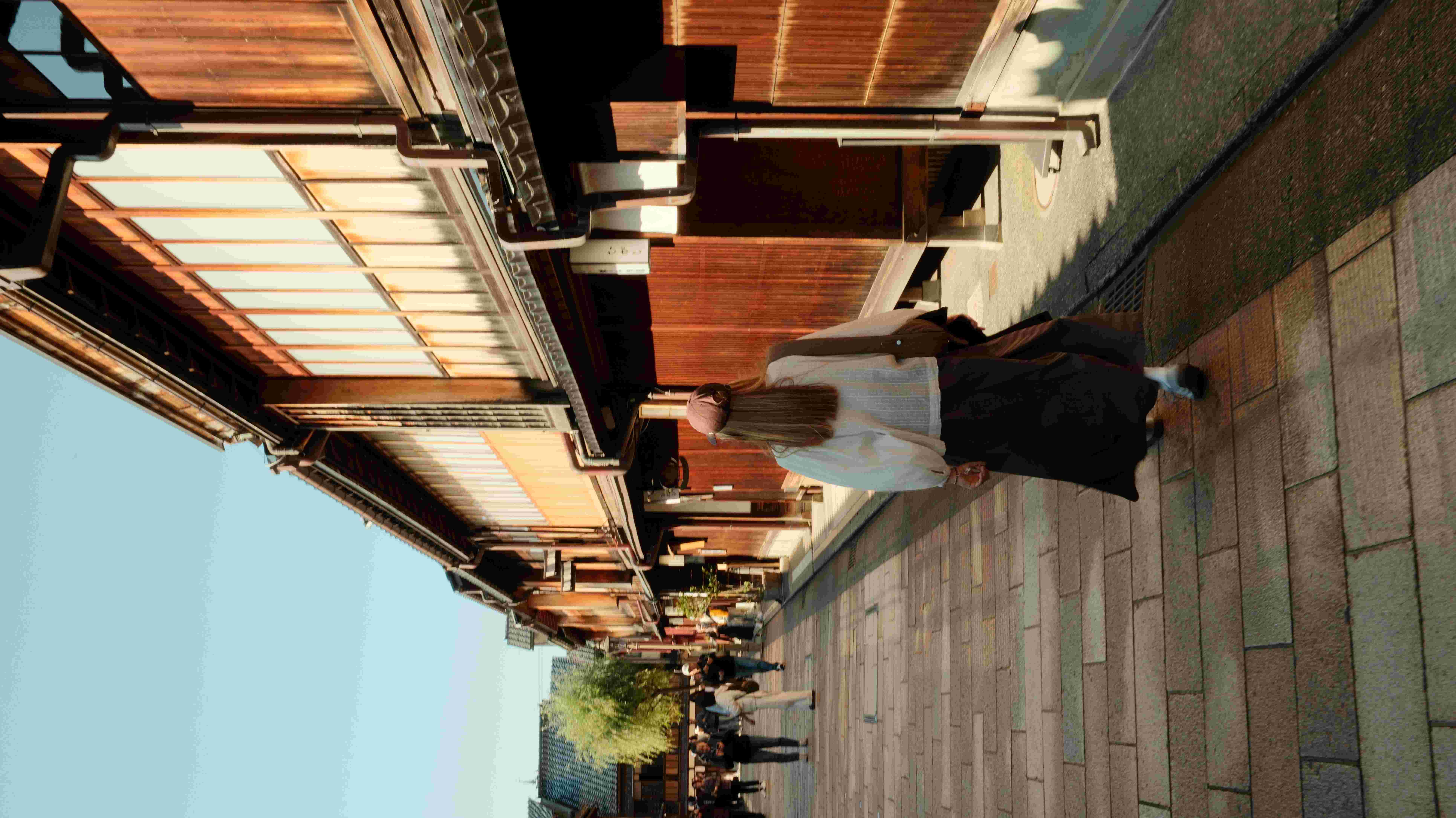
Higashi Chaya District
One of Japan's best-preserved geisha districts — wooden ochaya (teahouse) buildings along quiet stone-paved streets, lanterns hanging at entrances, the occasional sound of shamisen practice from behind closed doors. Less visited than Kyoto's Gion but equally atmospheric. We visited in the late afternoon as the light faded and it was extraordinary.
Omicho Market
The guide's verdict: "by far the best seafood market in Japan." The king crab alone — unbelievably sweet and tender — justifies the visit. Snow crab, yellowtail, fresh sea urchin, sashimi counter after sashimi counter. Go in the morning for the full selection and the best prices.
Kenroku-en Garden
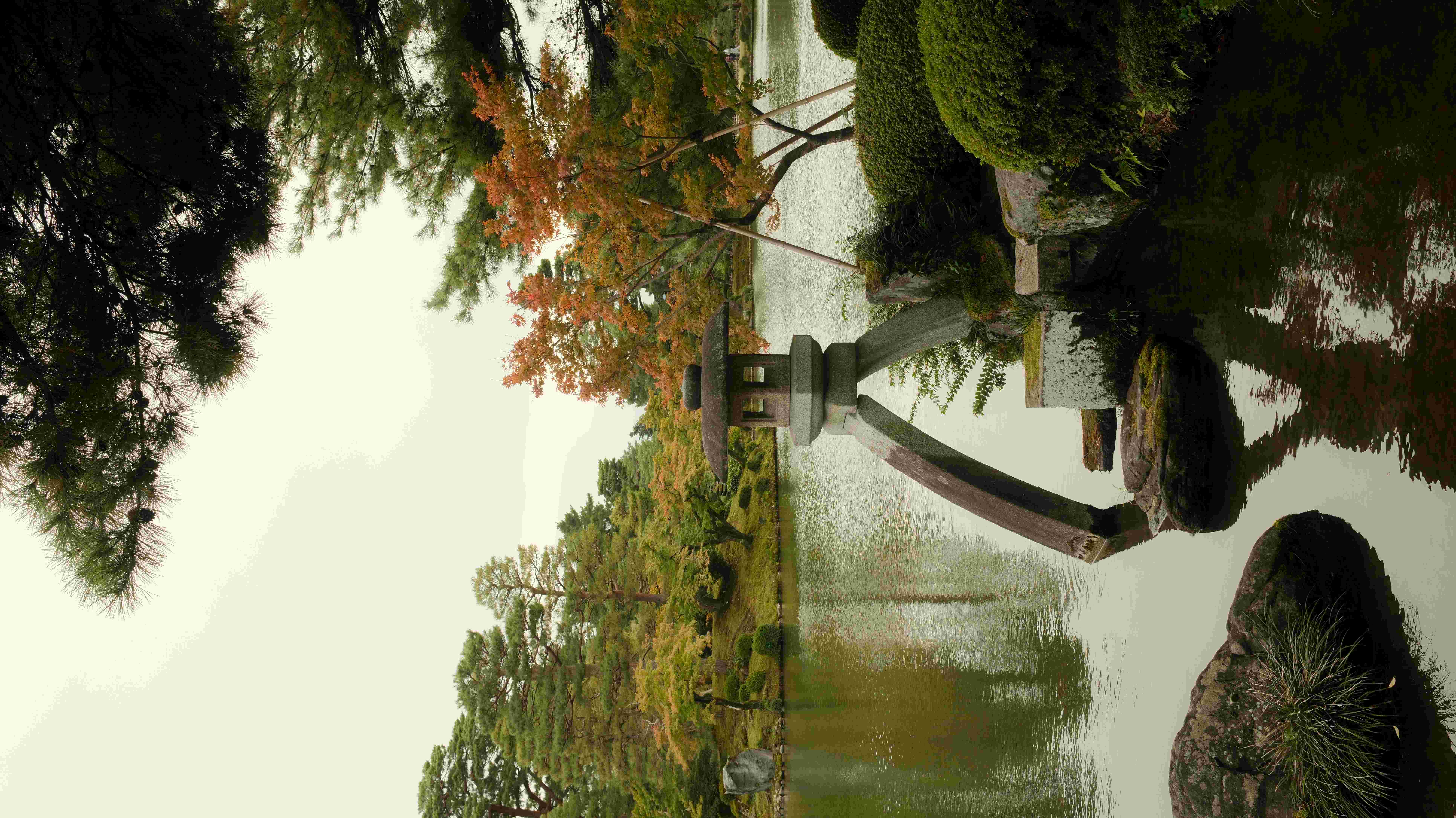
One of Japan's three great gardens — 11 hectares of paths, ponds, stone lanterns, and shaped trees, spectacular in every season. In autumn the maple colours against the grey stone and water made it genuinely one of the most beautiful places we visited in Japan. In winter, yukitsuri (rope-supported pine trees braced against snow) are a Kanazawa icon. See our full Kenroku-en review.
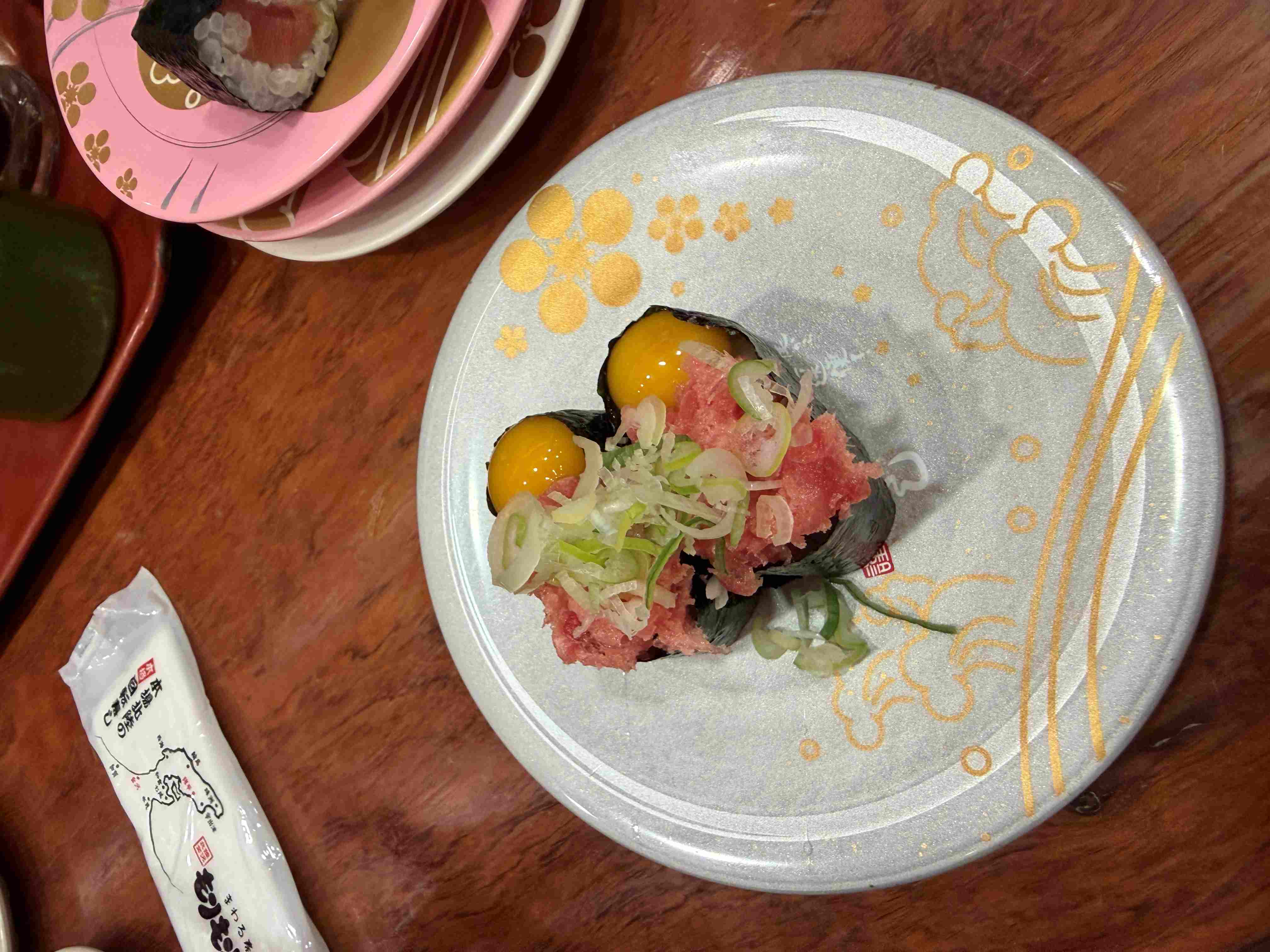
The food at Kourin Sushi
Melt-in-your-mouth sushi served with quiet precision — famous with locals and worth booking in advance. The fish from the Sea of Japan has a character distinct from Pacific-facing cities. One of the best sushi meals of the trip.
Honest Notes
The weather is unpredictable
Kanazawa sits on the Sea of Japan coast — the weather changes quickly and rain is frequent, particularly in winter and spring. Bring a light jacket regardless of season. The city works in the rain (covered markets, indoor museums, ochaya visits) but outdoor sightseeing is weather-dependent in a way that Kyoto's isn't.
Getting there requires a bit of effort
The Hokuriku Shinkansen connects Kanazawa to Tokyo (2.5 hours) and a limited express train connects it to Osaka and Kyoto (2.5 hours). It's not on the main Shinkansen line between Tokyo and Osaka — you have to plan the detour. That detour is completely worth it.
Our Verdict
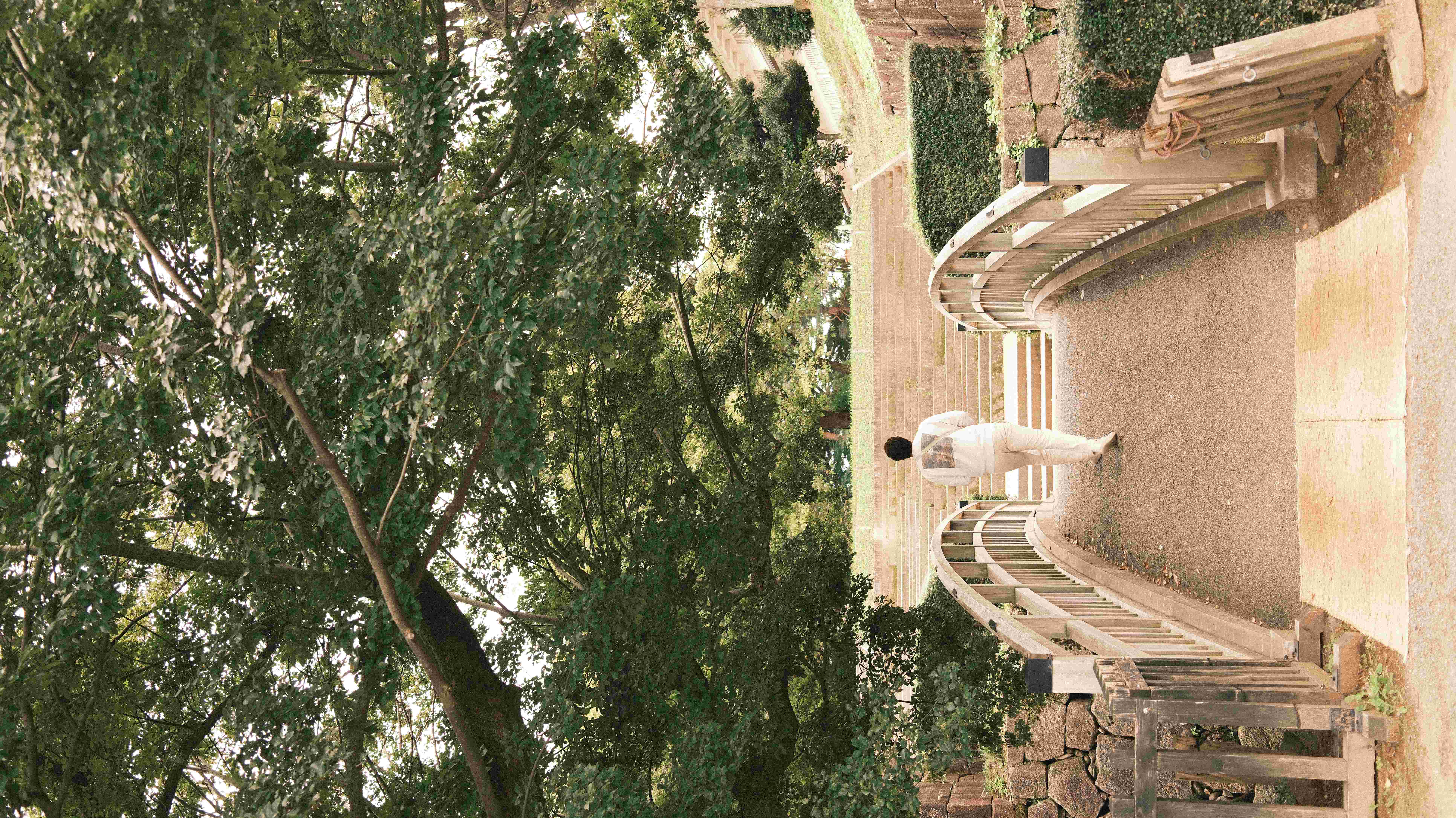
Kanazawa was one of the most complete city experiences of our Japan trip. Not because it has the most to see — Kyoto and Tokyo both outrun it on raw volume — but because everything it has is exceptional and almost entirely free of the crowds that dilute those cities. Walking Higashi Chaya in the late afternoon, or Kenroku-en in the early morning mist, felt like having Japan to ourselves in a way that's increasingly hard to find.
If you have 2 extra days in Japan, go to Kanazawa.
More Kanazawa Guides
- How Many Days in Kanazawa Do You Need?
- The Best Things to Do in Kanazawa + What to Skip
- The Best Food in Kanazawa: Our Favourite Restaurants
- Is Kenroku-en Garden Worth Visiting?
- 2 Days in Kanazawa Itinerary
- Where to Stay in Kanazawa
- The Best Time to Visit Kanazawa
- The Best Cafes in Kanazawa
- Is Kyoto Worth Visiting? (Thunderbird Train from Kanazawa)
- Is Osaka Worth Visiting? (Thunderbird Train from Kanazawa)
- All Japan Guides
FAQ
Is Kanazawa worth visiting in Japan?
Yes — one of the best cities in Japan. The combination of Kenroku-en, Higashi Chaya, Nagamachi, and Omicho Market gives it a density of excellent experiences that few Japanese cities match. The comparative lack of international crowds makes it feel like a discovery even when you know exactly where you're going.
Is Kanazawa better than Kyoto?
Different. Kyoto has more temples, more depth, more to see over a longer stay. Kanazawa has similar historical character with far fewer visitors — and a seafood market that Kyoto can't compete with. Both are worth visiting; Kanazawa is the better second city on a Japan itinerary.
How do you get to Kanazawa?
Hokuriku Shinkansen from Tokyo (2.5 hours). Thunderbird Limited Express from Osaka or Kyoto (2.5 hours — buy tickets at the station in advance). See our planning guide for full routing options.
Some links in this post are affiliate links. If you book through them, we earn a small commission at no extra cost to you.