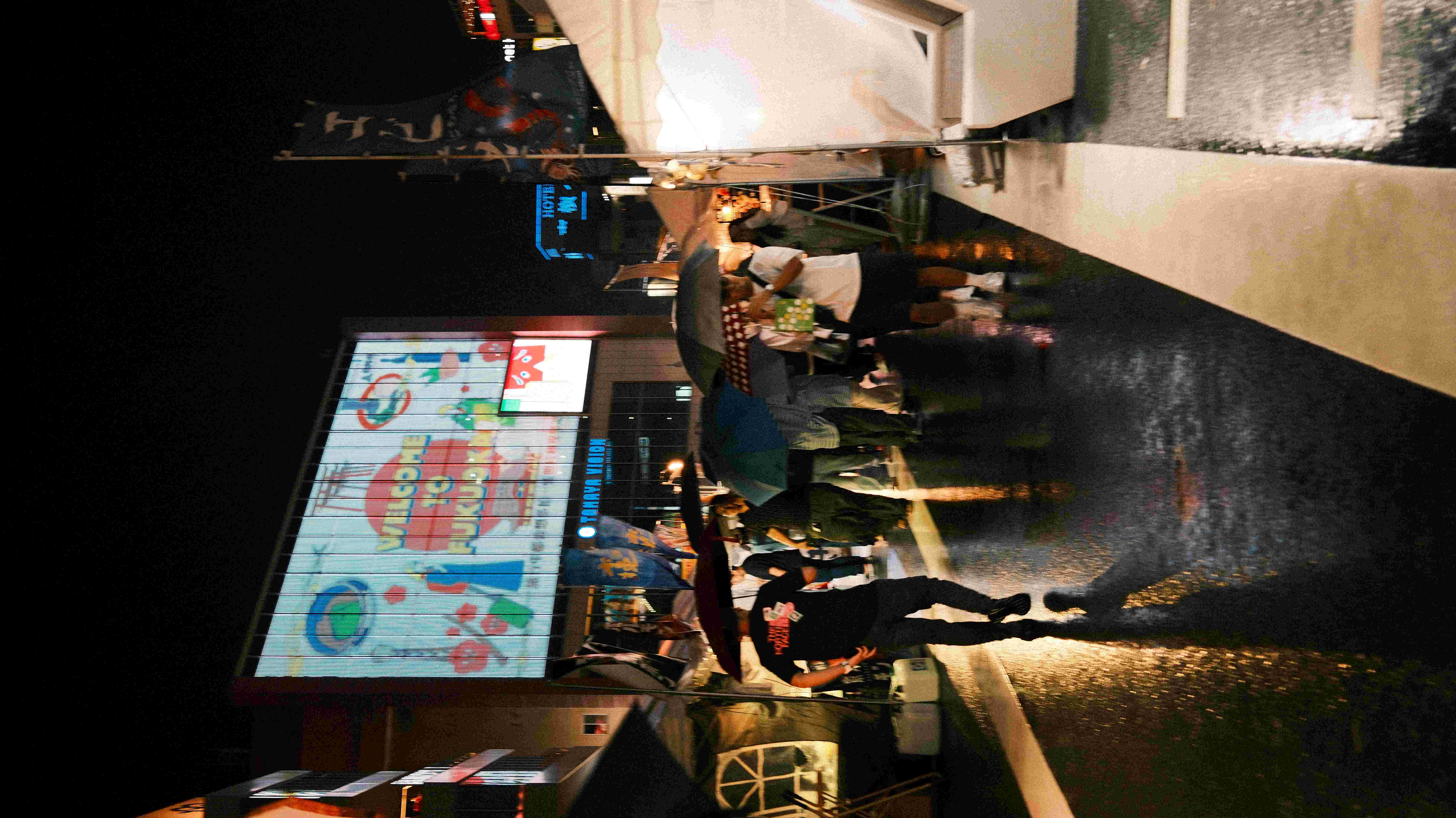
Two days in Fukuoka is the perfect amount of time. It covers Dazaifu, the essential shrines, the yatai experience, the best ramen, and enough wandering to understand why this city is so easy to love. The key is organizing your days around meals — everything else fills in naturally around the food.
For a three or four day breakdown, see our guide on how many days to spend in Fukuoka.
Day 1 — Ramen, Dazaifu, Yatai
8:00am — Hakata Tonkotsu Ramen for Breakfast
Start the day properly: ramen for breakfast. Shin Shin opens early and the queue is shorter in the morning than at lunch. Order the classic tonkotsu — choose firm (kata) noodle texture — and a kaedama (extra noodles) when you're halfway through your bowl. This is what Fukuoka is about and it's a better breakfast than anything you'll find in a café.
9:30am — Dazaifu Day Trip
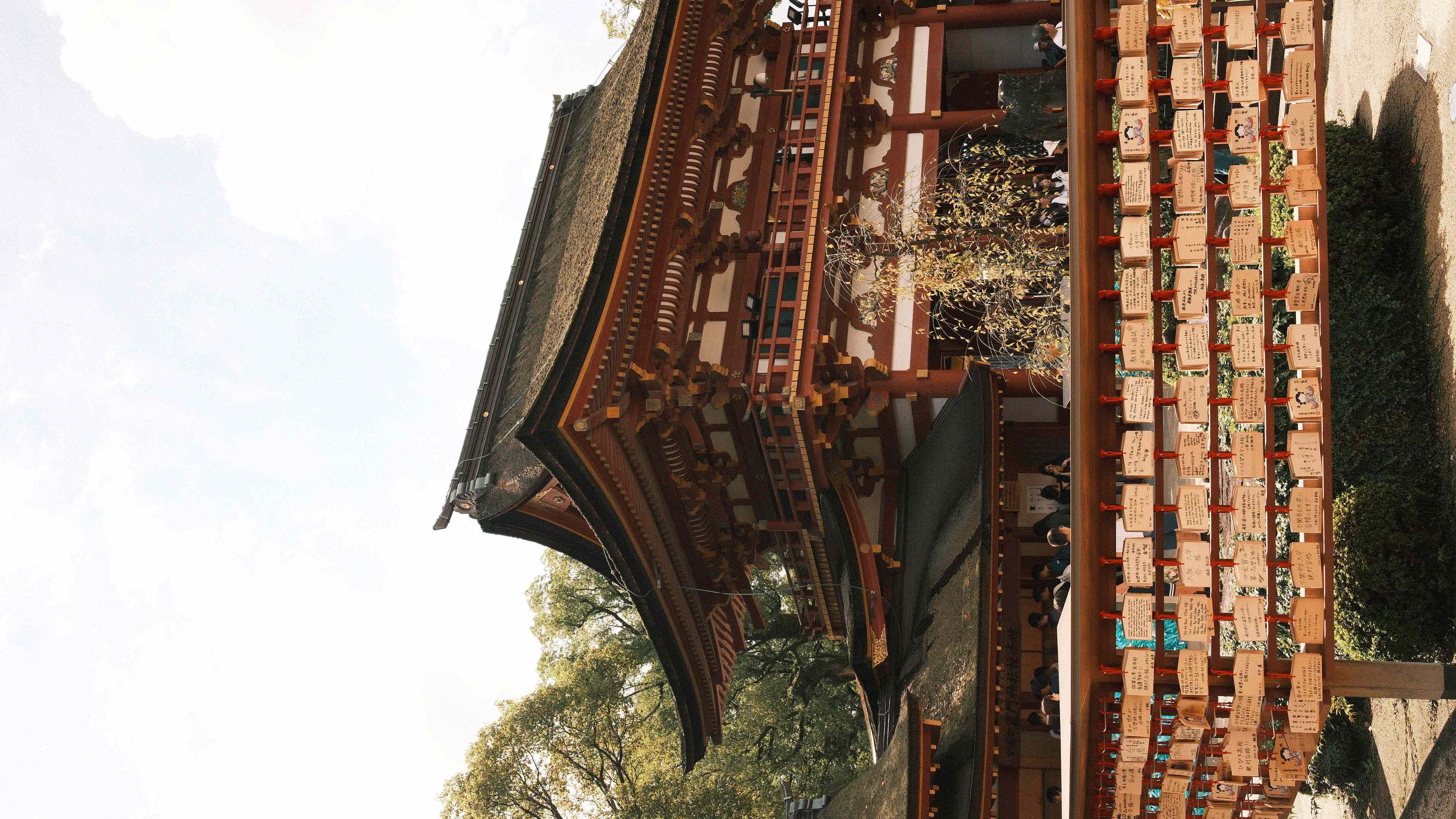
Take the Nishitetsu line from Tenjin Station to Dazaifu (20 minutes, ¥420). Walk the approach street slowly — this is one of the most atmospheric pedestrian approaches in Japan, lined with traditional shops selling crafts, souvenirs, and umegae mochi fresh from the grill. Eat one (or two) of the warm rice cakes — grilled, plum-stamped, red bean paste inside. They're Dazaifu.
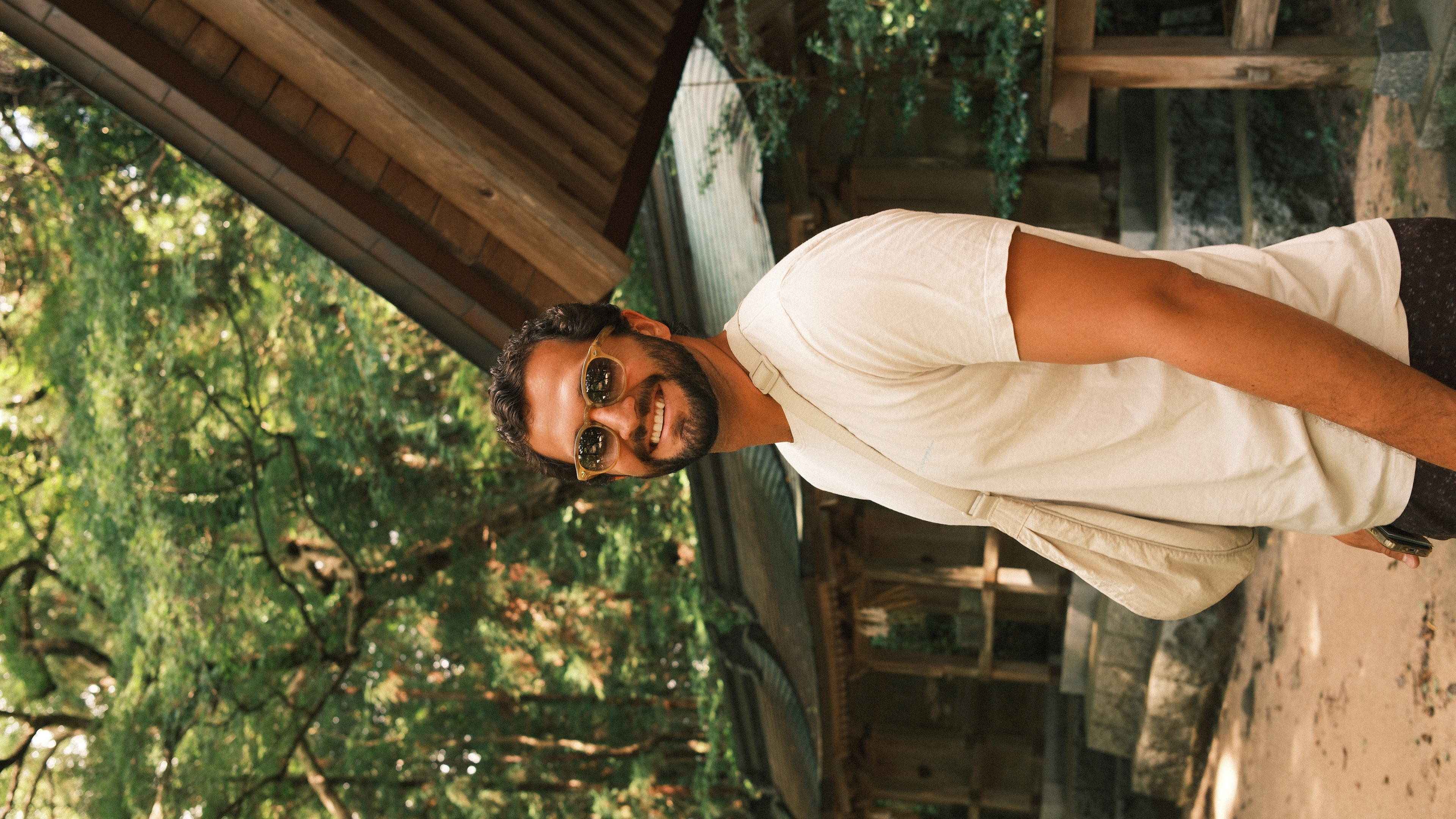
Spend 45–60 minutes at Dazaifu Tenmangu Shrine — cross the arched bridge over the ornamental ponds, through the torii into the forested grounds, and take the full loop. The main hall is beautifully ornate. The plum trees surrounding it are reason enough to come in late February. The forest behind the shrine is quiet and worth walking.
Return to Fukuoka by 1pm. See our full Dazaifu guide.
1:30pm — Lunch
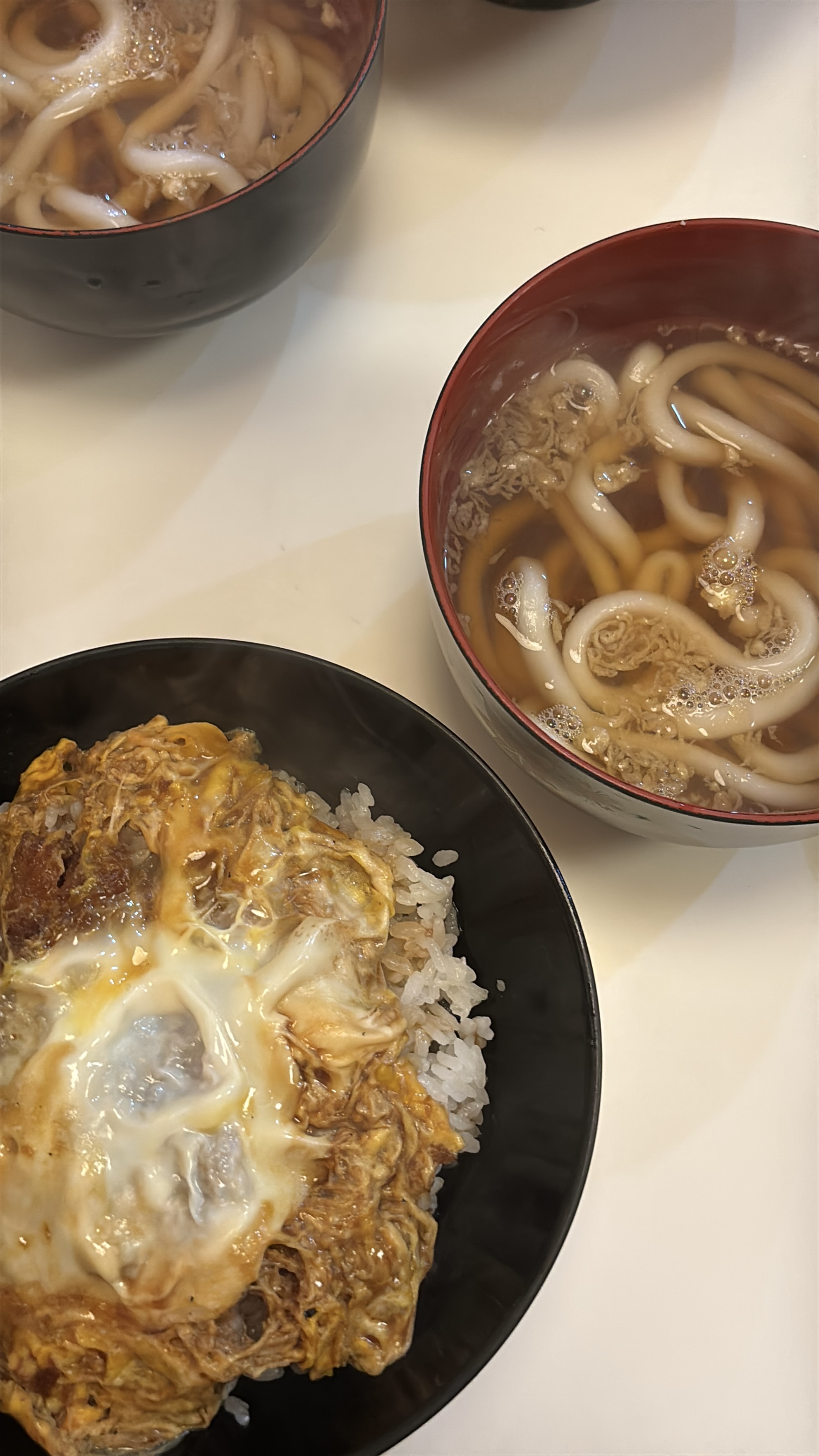
Yagura for the tonkatsu bowl — crispy pork cutlet over rice with egg and a rich, sweet-salty sauce. The guide describes it as "comfort food perfection" and that's not an exaggeration. Or head to the KITTE Hakata food court (inside Hakata Station) for a broader selection — one of the best food courts in Japan.
3:00pm — Kushida Shrine & Hakata Area
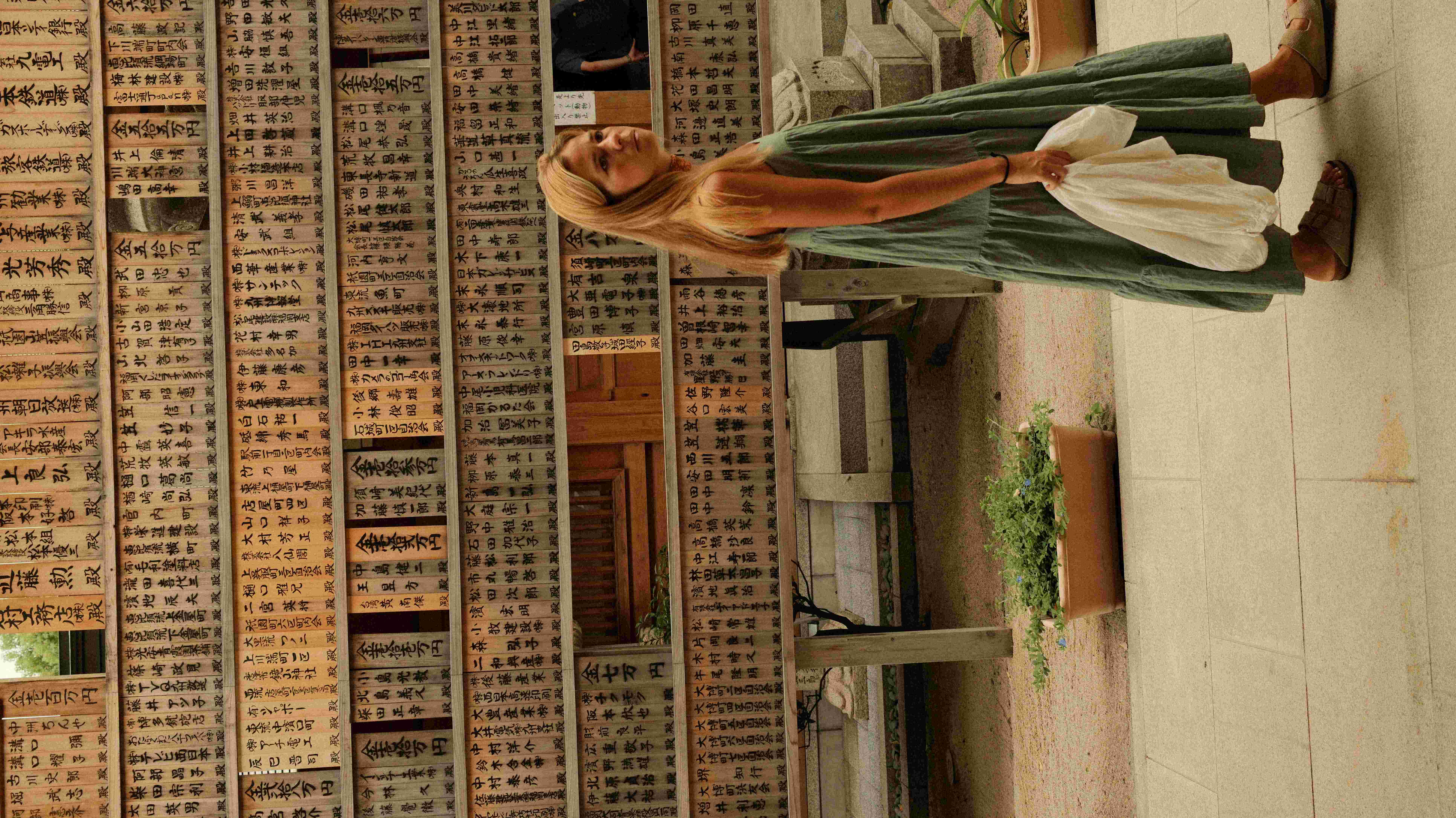
Walk to Kushida Shrine — Fukuoka's most important city shrine, 10 minutes from Hakata Station. Spend 30 minutes in the grounds: the main gate is striking, the festival floats (enormous kazariyama) from Hakata Gion Yamakasa are on display year-round, and the atmosphere in the morning before tour groups arrive is genuinely peaceful.
From there, walk to Canal City Hakata for a browse — the waterfall and light show are best in the evening, but the food options on the upper floors are worth a look in the afternoon.
5:30pm — Ohori Park Walk
A 20-minute walk (or subway ride) to Ohori Park — the lake park in the city center. Walk the path around the lake, cross the island bridges, and watch the light fade. A good reset before the yatai evening.
6:30pm — Yatai

Head to the Nakasu riverfront or Tenjin area and find a yatai stall with open seats. Order tonkotsu ramen (the yatai version is slightly different — more variable, cooked fresh each order rather than from a maintained broth). Add yakitori skewers, gyoza, and whatever the cook is making. Stay for a drink. Talk to whoever is sitting next to you.
This is the essential Fukuoka experience. Don't rush it.
Day 2 — Market, Sushi, Tenjin, Ramen Again
8:30am — Breakfast at NOOICE or Dacomecca
A gentler start — NOOICE for avocado toast, matcha pancakes, and fresh juice (Australian-style café, genuinely good brunch). Or Dacomecca for pastries and coffee. Day 2 breakfast is the right moment to not eat ramen. Save appetite.
10:00am — Tenjin & Sumiyoshi Shrine
Explore Tenjin's covered shopping arcades — local shops, independent cafés, clothing. Then walk to Sumiyoshi Shrine — a serene Shinto shrine surrounded by trees, a calm escape from the busy streets. 15–20 minutes here, free entry.
12:30pm — Lunch: Sushi Sakaba Sashisu
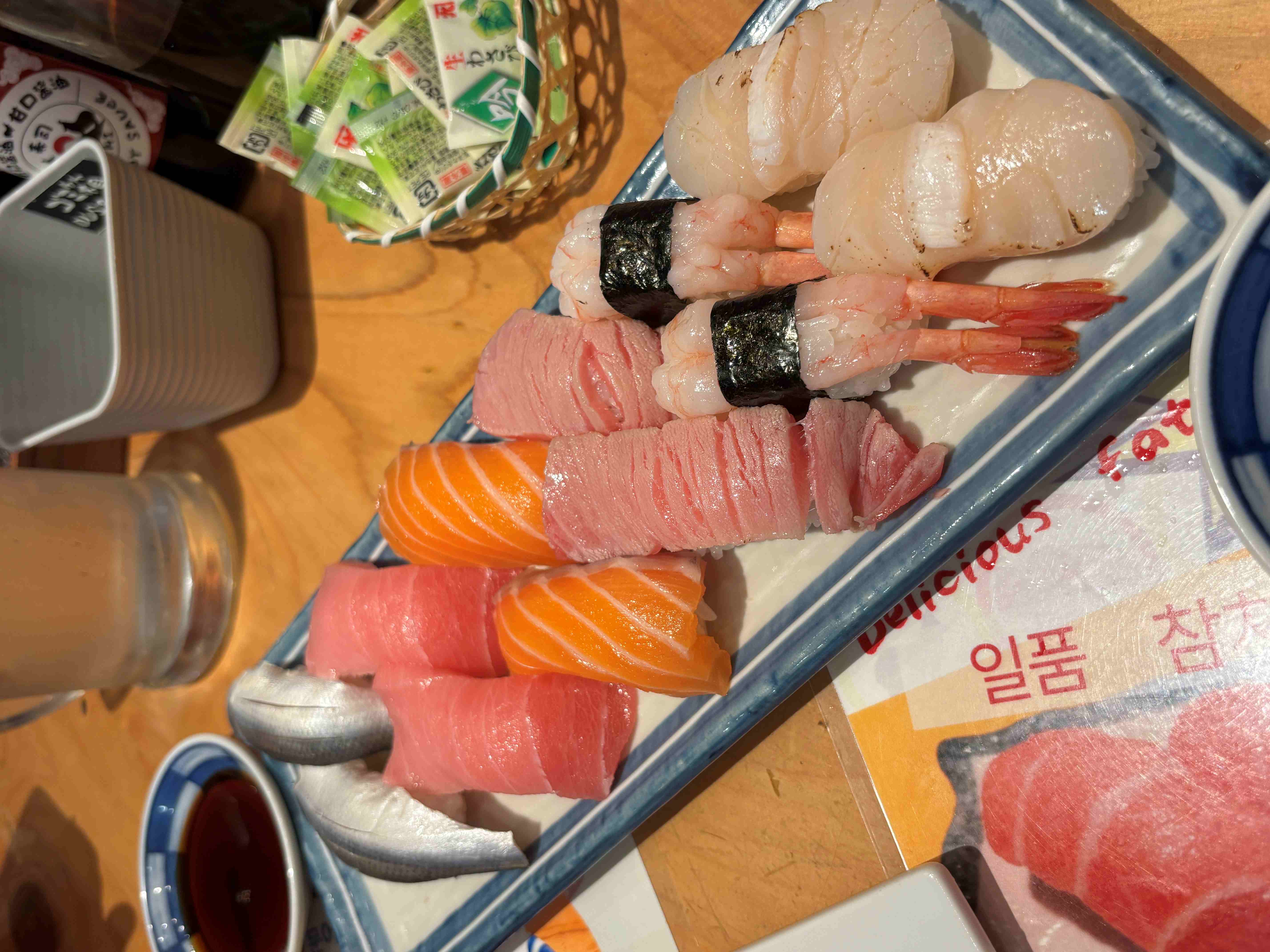
Sushi Sakaba Sashisu — the guide calls it one of their best sushi meals in Japan, and it lived up to that. Counter seating, preparation in front of you, extraordinarily fresh fish at prices that make Tokyo sushi feel overpriced. The fish quality in Fukuoka is exceptional — the city sits between two seas. Reserve ahead if possible; without a reservation, arrive right when they open for lunch.
2:30pm — Parco Mall & Afternoon Wander
Afternoon in Tenjin — browse Parco Mall (the food floor is excellent; better eating than its appearance suggests) or simply wander the covered arcades. Fukuoka rewards unscheduled afternoon time.
6:00pm — Motsunabe Dinner
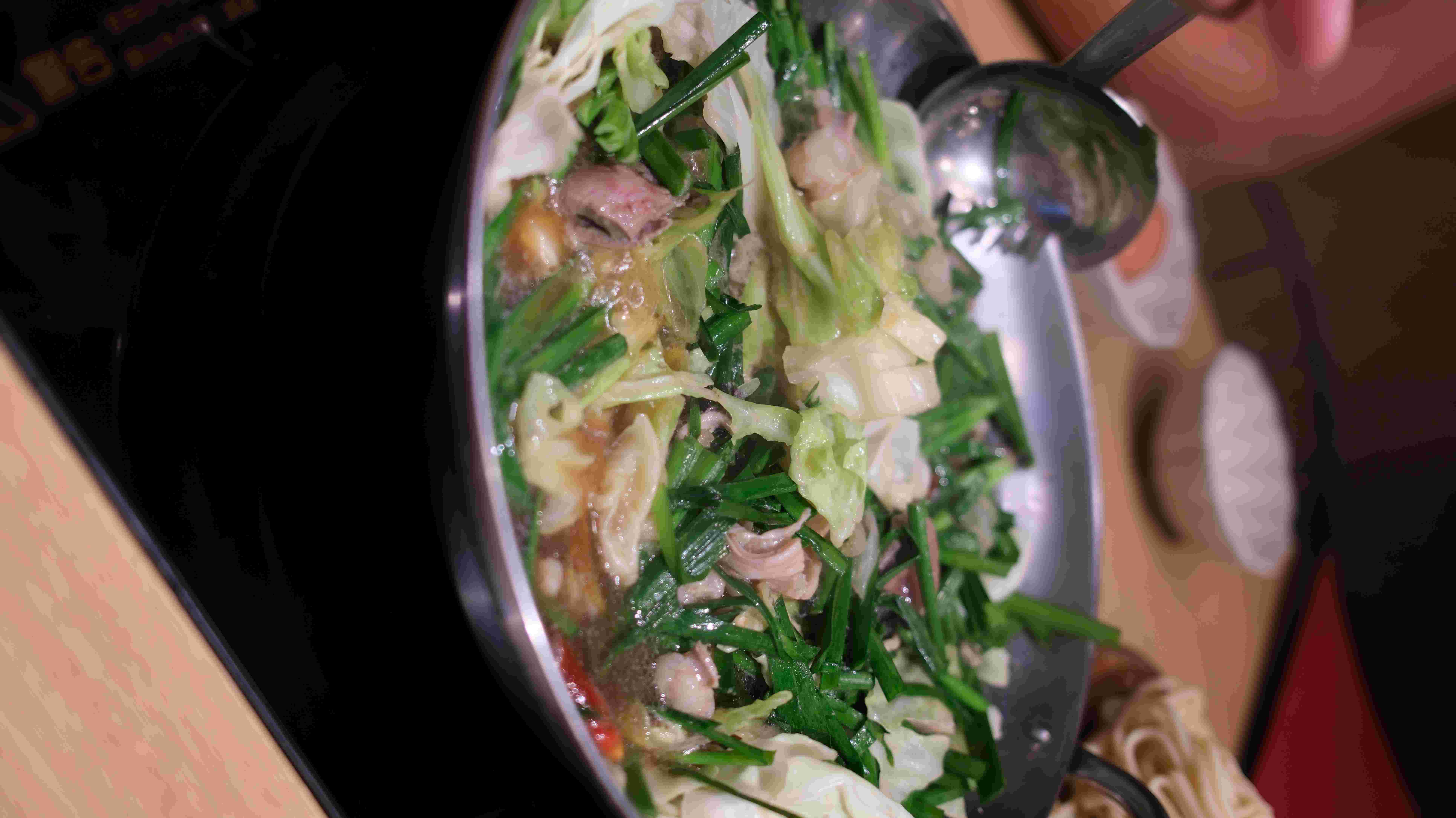
Motsunabe Rakutenchi Hakata for the full motsunabe experience — beef intestines, cabbage, chives, and garlic in a rich broth, simmering at the table. Order the garlic broth (shio style). When the hot pot winds down, add champon noodles to finish the remaining broth. One of those meals that explains why Fukuoka has a food reputation at all.
9:00pm — Final Bowl
One last bowl of tonkotsu ramen before leaving. Hakata Ikkousha for the deeper, richer interpretation — different from Shin Shin, both essential. The bowl at the end of a full Fukuoka day hits differently.
Practical Notes
- Getting around: Fukuoka is very walkable between Hakata and Tenjin. The subway covers everything further. Suica works on all subway and JR lines.
- Cash: Yatai are almost always cash-only. Carry ¥5,000–10,000 for a yatai evening.
- Accommodation: We stayed at The Blossom Hakata Premier — right by Hakata Station, stylish and well-located. See our accommodation guide for alternatives.
- Ramen kaedama: When your bowl is half-empty at a Hakata ramen shop, ask for kaedama — an extra serving of noodles dropped into your remaining broth for ¥100. A Fukuoka tradition.
More Fukuoka Guides
- Fukuoka Food Guide: Ramen, Yatai and Our Favourites
- Dazaifu Day Trip from Fukuoka: Our Complete Guide
- The Best Things to Do in Fukuoka + What to Skip
- How Many Days in Fukuoka Do You Need?
- Where to Stay in Fukuoka: Best Areas & Hotels
- Is Fukuoka Worth Visiting? Our Honest Review
- The Best Time to Visit Fukuoka
- The Best Cafes in Fukuoka
- Is Hiroshima Worth Visiting? (Next Stop from Fukuoka)
- All Japan Guides
Some links in this post are affiliate links. If you book through them, we earn a small commission at no extra cost to you.