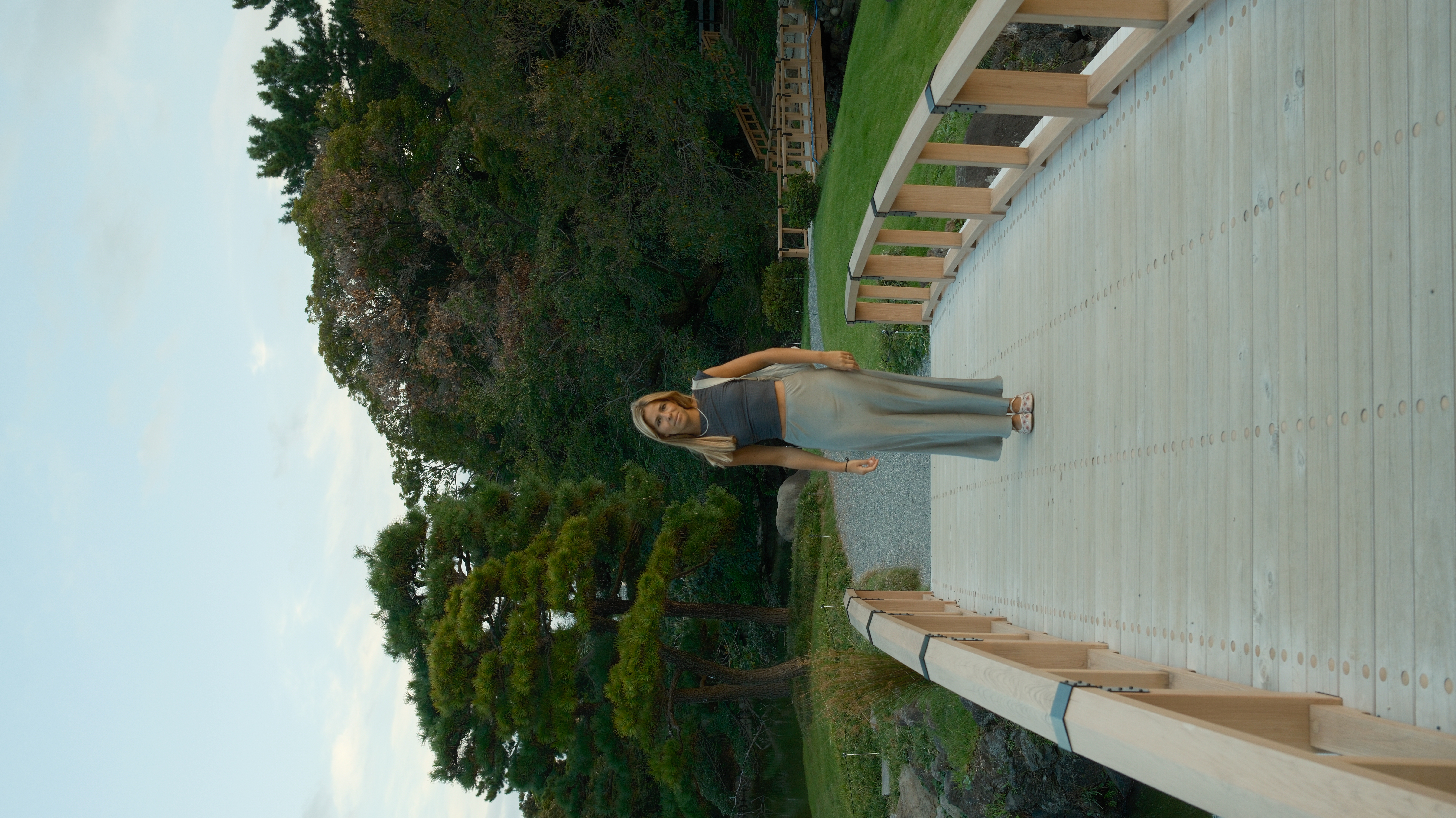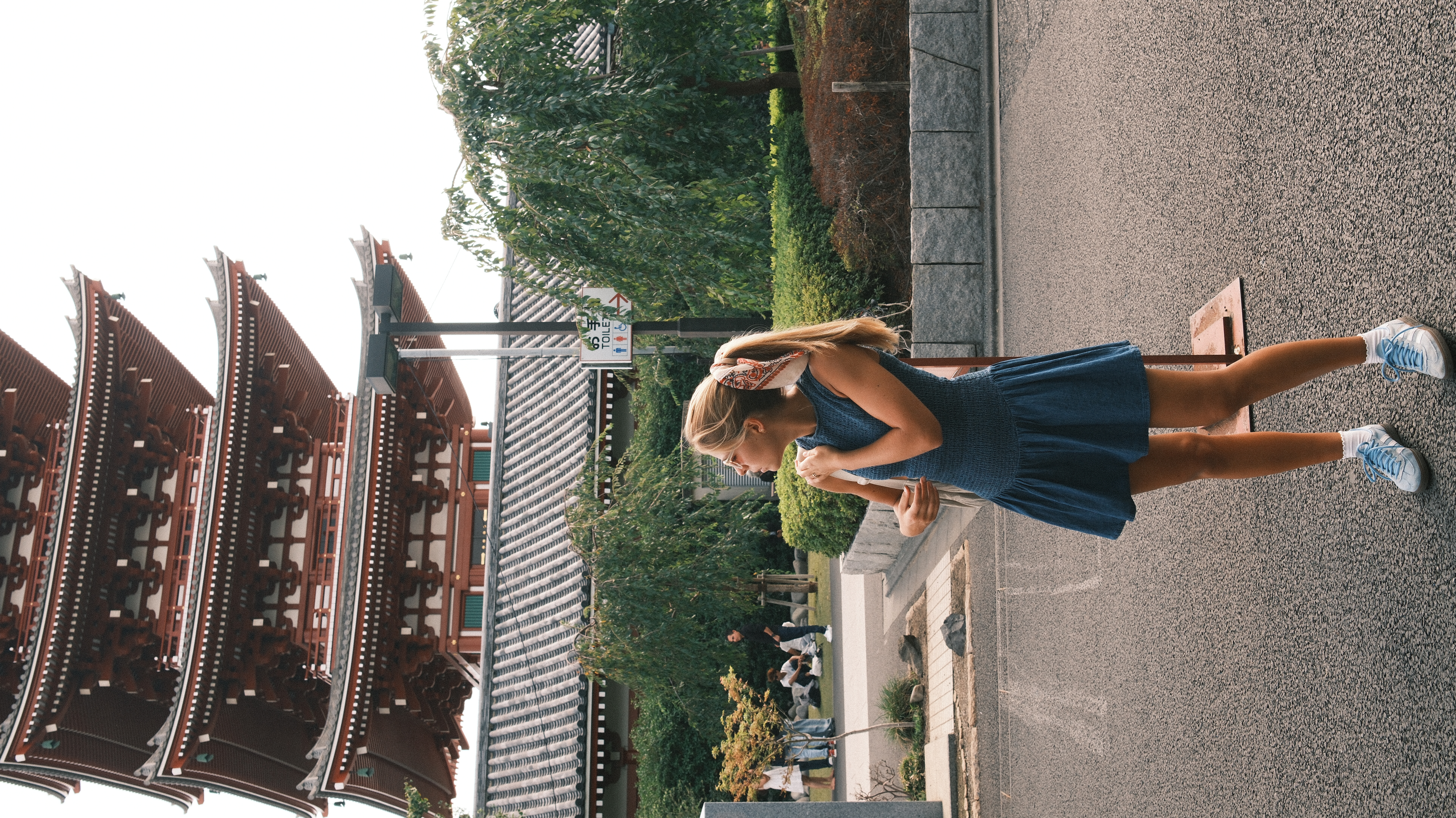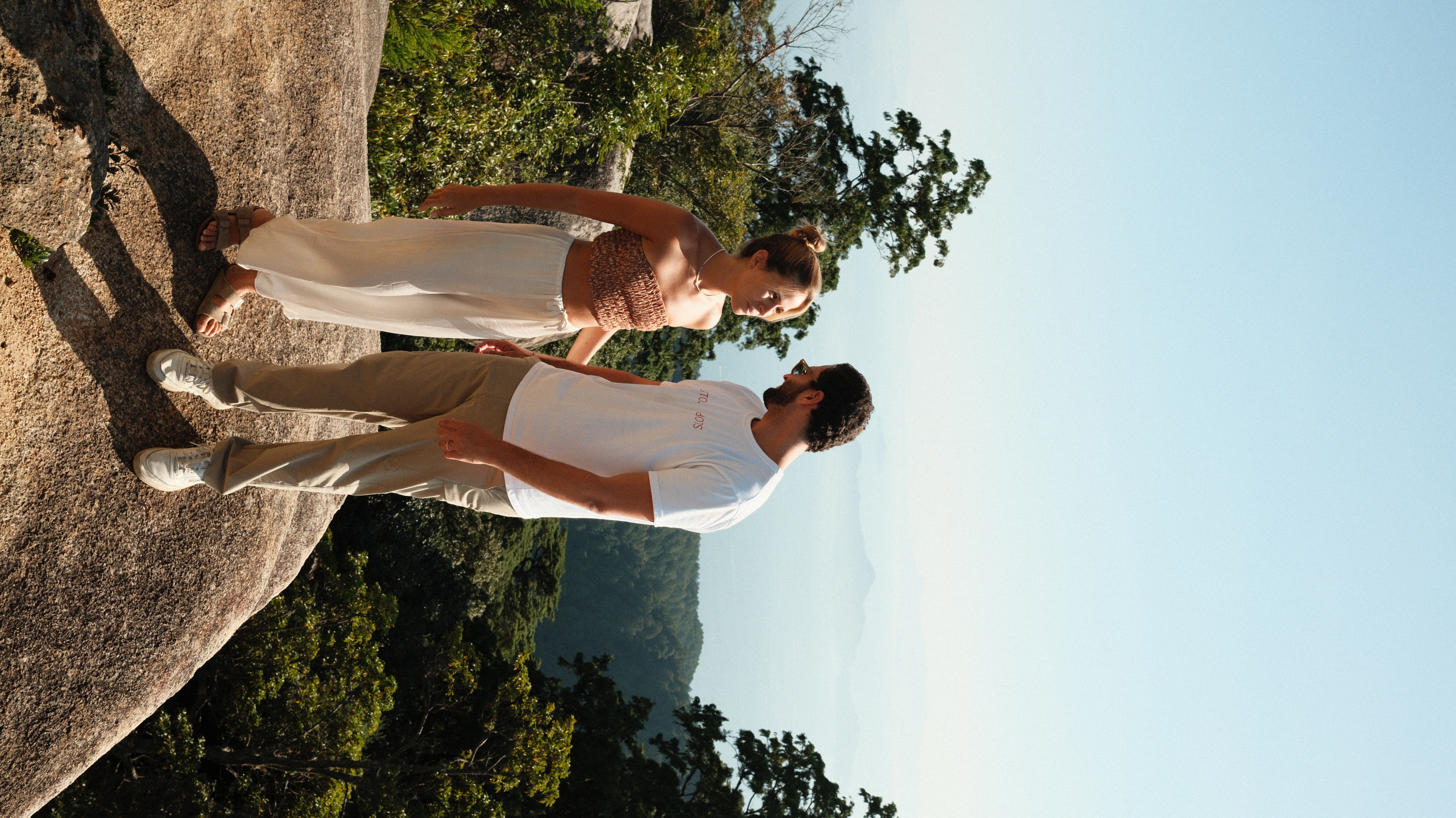
Our top pick for a day trip from Tokyo: Kamakura. Close, affordable, and genuinely extraordinary.
Tokyo has excellent day trip options in almost every direction. Some are worth making the effort for — Kamakura, Hakone, and Nikko all offer experiences you genuinely cannot get in the city. Others are talked about more than they deserve. Here's our honest ranking, with transport details and costs for each.
| Destination | Journey time | Best for | Our rating |
|---|---|---|---|
| Kamakura | ~1 hour by train | Temples, Giant Buddha, coast | ★★★★★ |
| Hakone | ~85 min by Romancecar | Mt Fuji views, onsen, art | ★★★★★ |
| Nikko | ~2 hours by train | Ornate shrines, mountain scenery | ★★★★☆ |
| Yokohama | ~30 min by train | Chinatown, harbour, Landmark Tower | ★★★☆☆ |
| Kawaguchiko | ~2 hours by bus | Fuji Five Lakes, Mt Fuji close-up | ★★★★☆ |
1. Kamakura — Our Top Recommendation
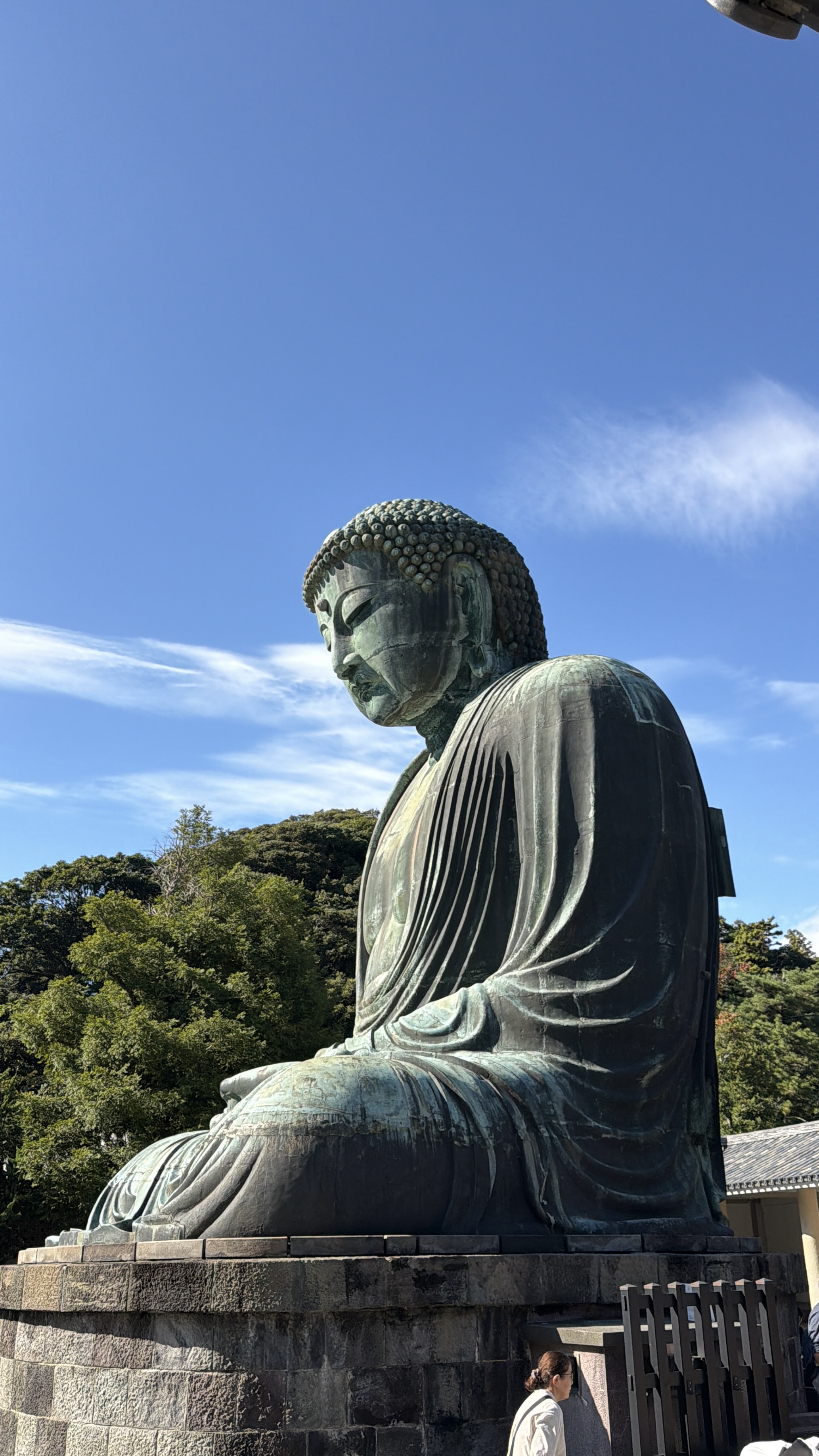
The Great Buddha at Kotoku-in. About 13 metres tall, dating from 1252. One hour from Tokyo.
Kamakura is one hour south of Tokyo by JR Yokosuka Line from Shinjuku or Ofuna (transfer at Ofuna). It's a small coastal city that was Japan's political capital in the 12th and 13th centuries, and what it left behind is extraordinary: over 65 Buddhist temples and Shinto shrines, wooded hiking trails between them, and the Great Buddha (Kotoku-in Daibutsu) — a 13-metre bronze statue dating from 1252 that sits completely outdoors in a cedar grove.
How to spend the day:
- Morning: Arrive by 9am and go straight to Kotoku-in to see the Great Buddha before the tour groups arrive. Entry ¥300 (~€2). You can walk inside the statue.
- Mid-morning: Take a local bus or 20-minute walk to Hase-dera Temple — gardens, a sea-view terrace, and a beautiful wooden 9-metre Kannon goddess statue.
- Lunch: Back in Kamakura's central area near Kamakura Station. Excellent soba restaurants and small food stalls along Komachi Street.
- Afternoon: Tsurugaoka Hachimangu Shrine (5-minute walk from station) and the surrounding shopping street. Or hike the Daibutsu Hiking Trail between temples (~2 hours) if you have the energy.
- Optional: End at Yuigahama Beach (15-minute walk from station) for a late afternoon hour by the sea.
Transport: JR Yokosuka Line from Tokyo Station or Shinjuku (transfer at Ofuna) to Kamakura. About 55 minutes. ¥920 each way (~€6). No JR Pass needed — pay with Suica.
Cost for the day: Transport + entries + lunch + Hase-dera: approximately €30–40 per person.
2. Hakone — Best for Mt Fuji Views and Onsen
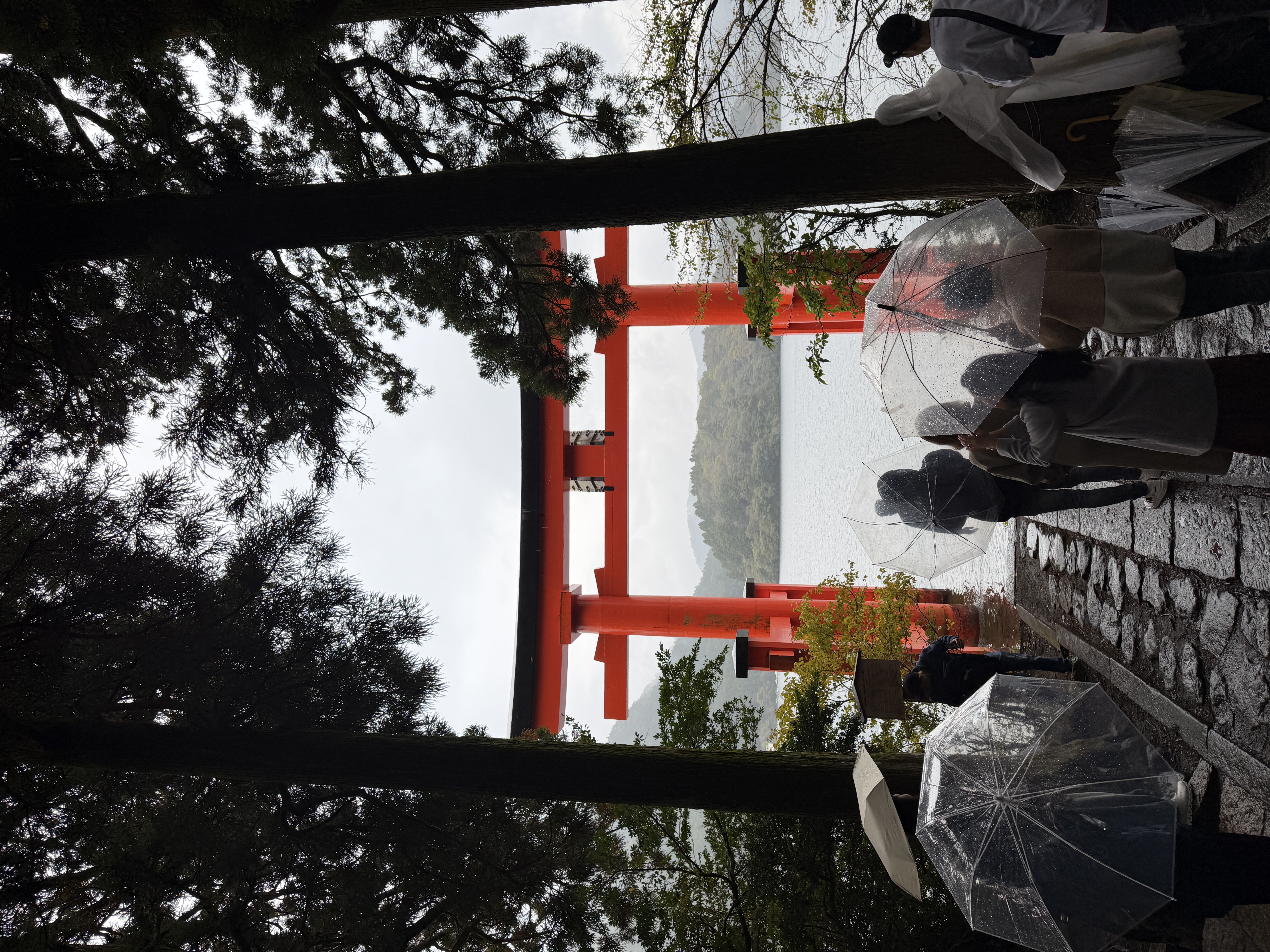
Hakone Shrine's torii gate on Lake Ashi, even in the rain.
Hakone is the best place to see Mt Fuji from, if the weather cooperates. The mountain is only visible on clear days — we'd recommend checking the forecast before going and choosing your day accordingly. When it's clear, the view of Fuji over Lake Ashi from Hakone-en or the Owakudani area is one of the most beautiful sights in Japan.
Hakone also has an excellent ryokan culture (traditional Japanese inns with onsen baths) and the Hakone Open-Air Museum, which combines modern sculpture with mountain scenery very effectively.
How to get there: Odakyu Romancecar from Shinjuku Station to Hakone-Yumoto (~85 minutes, ¥2,400 including limited express surcharge). This is the most scenic and comfortable option. From Hakone-Yumoto, the Hakone loop combines ropeway, boat, and bus to cover the area.
The Hakone Free Pass: The Odakyu Hakone Free Pass (¥6,100/~€38 from Shinjuku) covers the Romancecar plus all transport within the Hakone area — ropeways, buses, boats, the Hakone Tozan train. Worth buying if you're doing a full day.
Cost for the day: Free Pass + museum entry + lunch + onsen: approximately €60–80 per person. Hakone is not a cheap day trip but it delivers for what you pay.
3. Nikko — Japan's Most Ornate Shrine Complex
Nikko is the opposite of Hakone's natural landscapes — it's all about one of the most elaborate and beautiful shrine complexes in Japan. Toshogu Shrine, built in the early 17th century, is covered in intricate gold carvings, lacquerwork, and painted details. It's the tomb of Tokugawa Ieyasu, the shogun who unified Japan, and the scale and decoration of the complex are unlike anything else in the country.
Nikko is two hours from Tokyo (Tobu Nikko Limited Express from Asakusa, ~2 hours, ¥2,700 each way) and the journey through increasingly mountainous scenery is itself enjoyable. Allow a full day — the shrine complex takes 2–3 hours to explore properly, and there are additional temples, waterfalls and mountain landscapes nearby.
Cost for the day: Transport + shrine entry (¥1,300 combined ticket) + lunch: approximately €40–55 per person.
Worth noting: Nikko gets very crowded on weekends and during autumn foliage season (November). Arrive early or go on a weekday.
4. Kawaguchiko and the Fuji Five Lakes
If seeing Mt Fuji up close is your priority rather than the views from Hakone, the Fuji Five Lakes (particularly Kawaguchiko) offer the closest ground-level approach. The iconic view of Fuji over the lake with cherry blossoms in the foreground is from Chureito Pagoda near Kawaguchiko.
How to get there: Highway bus from Shinjuku Bus Terminal to Kawaguchiko (approximately 2 hours, ¥1,750–2,100 each way). Book in advance — buses fill up, especially on weekends.
Honest note: The lake area itself is pleasant but fairly touristy at the main viewpoints. The experience is very much about the mountain views. If Fuji is cloud-covered (common), the day is significantly less rewarding than Kamakura or Nikko. Check the forecast.
5. Yokohama — Honest Take: Skip It
Yokohama is only 30 minutes from Tokyo (JR Tokaido Line from Shinjuku or Shibuya), and it's frequently listed in day trip guides. Our honest take: unless you have a specific reason to go (a friend based there, interest in Chinatown, or the Landmark Tower), Yokohama is a pleasant but fairly ordinary Japanese city that doesn't reward a special trip the way the others on this list do.
The Chinatown is one of Japan's largest and has good food. The Minato Mirai waterfront area is clean and pleasant. But if you only have a few days in Japan, those days are better spent in Tokyo or travelling further to Kamakura, Hakone or Nikko.
Planning your Japan trip?
Practical Tips for Tokyo Day Trips
- Start early. The earlier you leave Tokyo, the earlier you arrive, the less crowded the sites — and the more time you have before the return rush.
- Book transport in advance for Hakone and Kawaguchiko. The Romancecar and highway buses fill up. Day-of tickets are often unavailable on weekends.
- Check the weather before Fuji trips. Cloud cover makes Hakone and Kawaguchiko significantly less rewarding. Kamakura and Nikko are worth visiting in any weather.
- The JR Pass is not always necessary. For Kamakura, your Suica card covers it. For Nikko, the Tobu Nikko Pass is better value than the JR Pass for this specific route. For Hakone, the Odakyu Free Pass is purpose-built.
FAQ
What is the best day trip from Tokyo?
Kamakura, for most people. It's one hour by train, affordable, and has the Great Buddha, multiple temples, coastal scenery, and excellent food. Hakone is the better choice if Mt Fuji views are your priority — but check the weather first.
Can you do Kamakura and Hakone in the same day?
Technically possible but not recommended. You'd be rushing both. Choose one and see it properly. If you only have one day for a day trip, Kamakura gives you more diverse experiences for less cost.
Is the JR Pass useful for day trips from Tokyo?
For Kamakura: yes, it covers the JR Yokosuka Line. For Nikko: the Tobu Nikko Pass is usually better value. For Hakone: the Odakyu Hakone Free Pass covers all transport within Hakone and the Romancecar. For Kawaguchiko: buses aren't covered by JR Pass. Calculate your specific route before buying.
How far in advance should I book Hakone accommodation?
This is for an overnight stay rather than a day trip, but worth knowing: ryokan in Hakone book out months in advance, especially for autumn and spring. Day trips don't require advance booking beyond the Romancecar seat reservation.
More Tokyo Guides
Some links in this post are affiliate links. If you book through them, we earn a small commission at no extra cost to you — it helps us keep writing guides like this one.