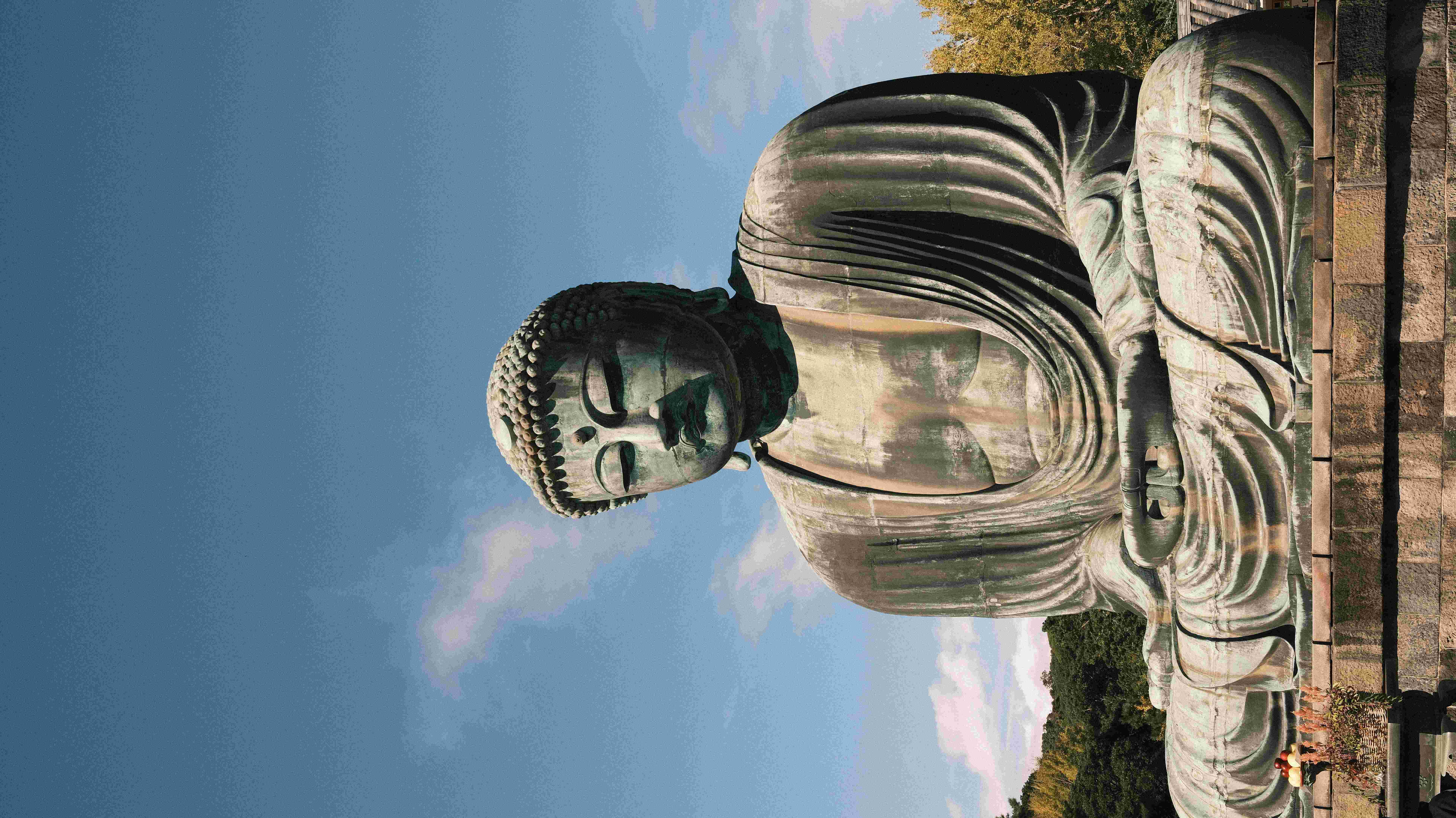
The Great Buddha is bigger than we expected — which is saying something, given that we'd seen photos. Standing in front of a 13-metre bronze figure that has been sitting in this garden since 1252, in the open air since the 1400s when the hall around him was destroyed by storm, you feel the scale differently than any photograph prepares you for. It's a nice temple to visit, the garden around the statue is tranquil, and the views back toward the wooded hills behind Kamakura are genuinely beautiful.
About the Great Buddha (Daibutsu)
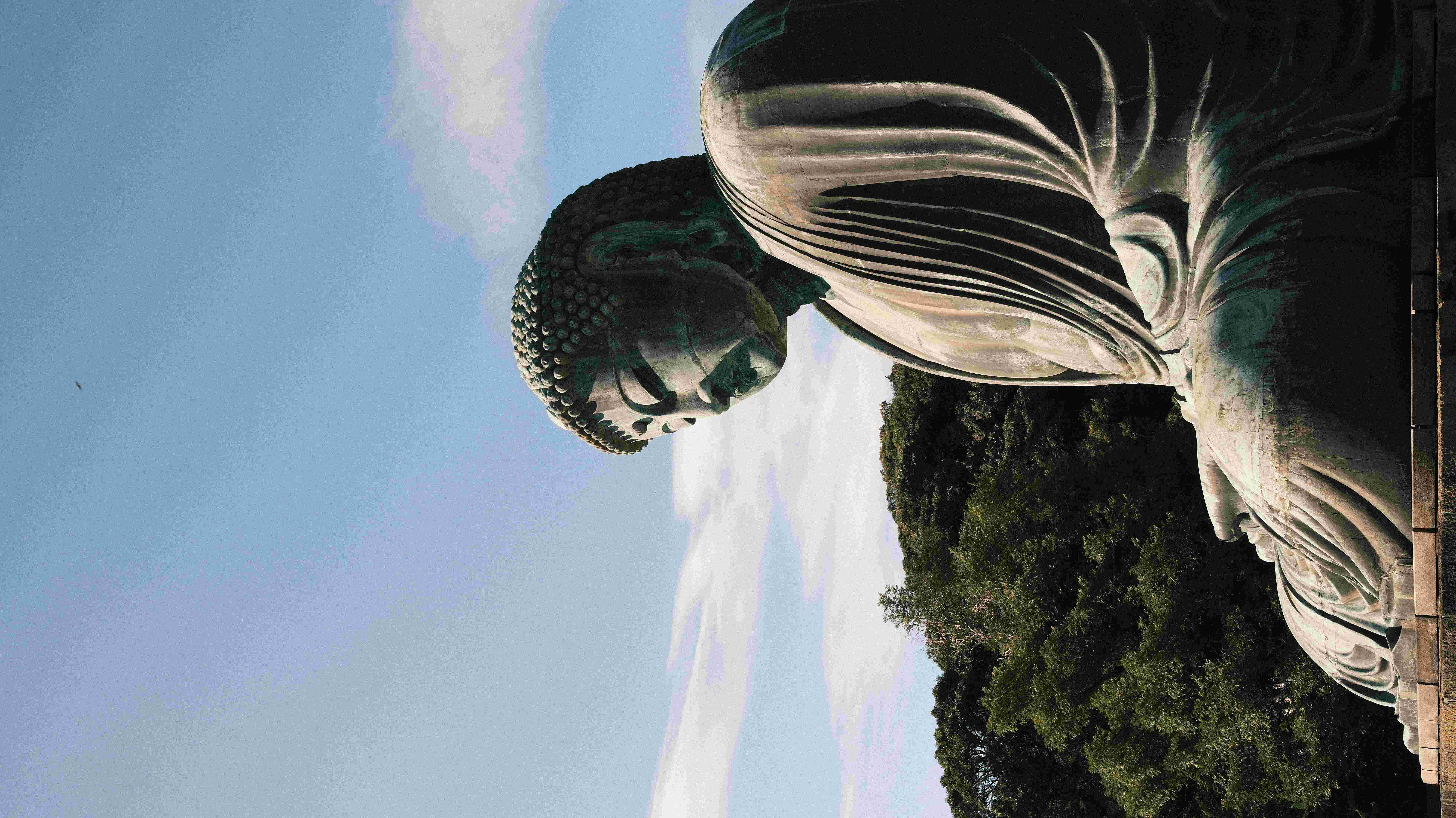
The Kamakura Daibutsu is a monumental bronze statue of Amida Buddha — the Buddha of infinite light in Pure Land Buddhism — cast in 1252 during Japan's Kamakura period. At 13.35 metres tall and approximately 121 tonnes, it is the second-largest bronze Buddha in Japan (after the one at Todai-ji in Nara) and one of Japan's most recognised images.
The statue originally stood inside a large wooden hall. The hall was destroyed — most likely by a tsunami in the late 15th century — and never rebuilt. The Buddha has sat in the open air ever since, exposed to nearly six centuries of Kamakura weather. The patina of the bronze — dark green-grey with streaks of age — is part of what makes it feel genuinely ancient rather than restored.
Inside the statue: two small windows in the back allow light into the hollow interior. For a small additional fee you can enter through doors in the base and stand inside the figure, looking up through the interior. The scale from inside is remarkable and worth the extra ¥20.
The Visit
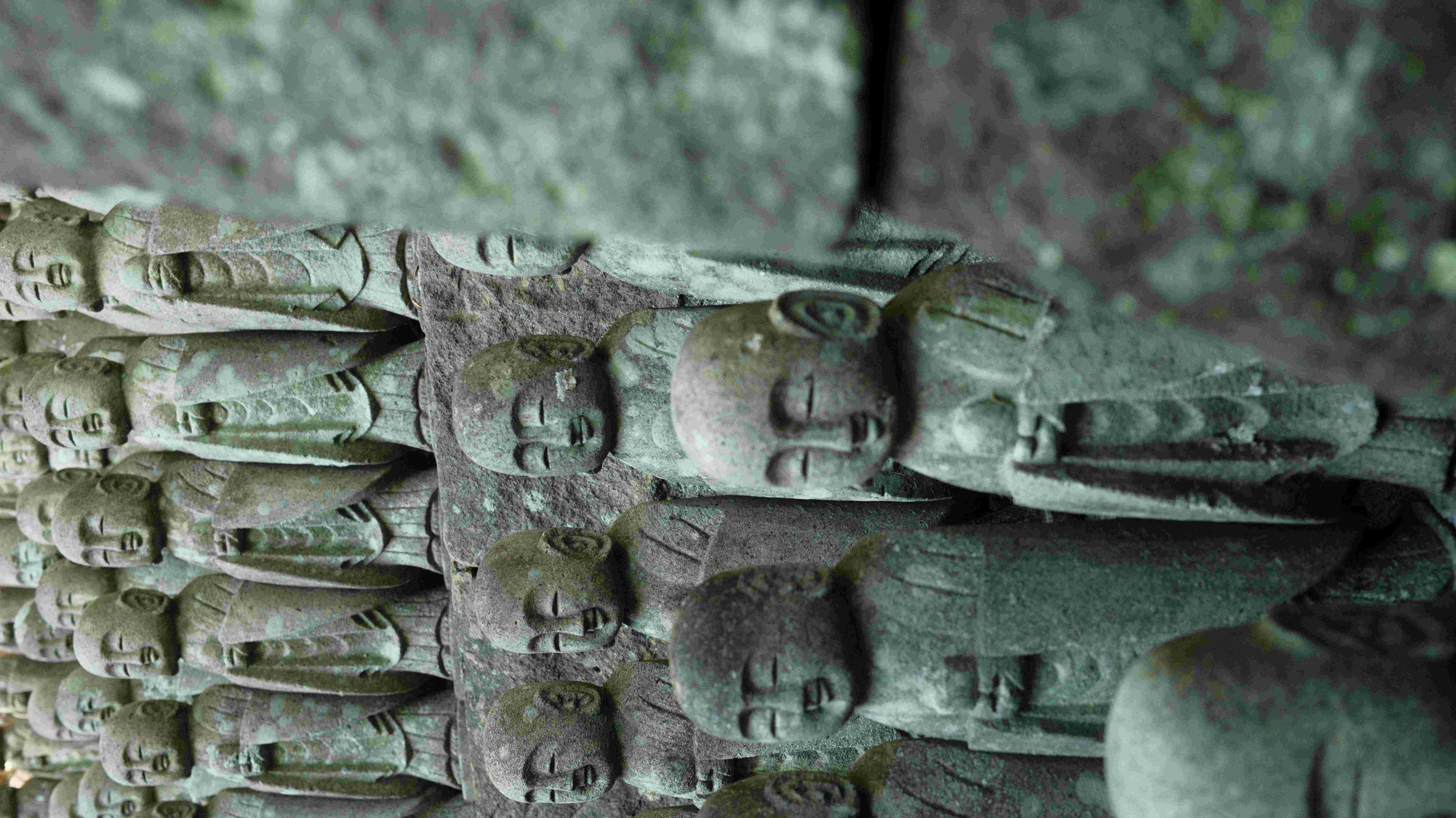
The temple grounds are compact but well laid out — a wide stone path leads from the entry gate to the base of the statue, with garden on either side and the wooded hills of Kamakura rising behind. It's peaceful in a way that the busier temple districts of Kyoto or Nara often aren't: the garden absorbs the visitors rather than concentrating them into narrow corridors, and the open sky above the Buddha gives the whole site a sense of space.
We spent a comfortable hour here — circling the statue slowly to see the posture and proportions from different angles, sitting on the garden benches for a while, and then going inside. The views from the grounds back toward the hills are lovely; on a clear day you can see the ridge that carries the Daibutsu hiking trail above town.
The sandals: At the back of the grounds there are two large straw sandals — offerings to the Buddha, symbolising the footwear for his journey. An easy thing to miss and worth finding.
Practical Information
| Entry | ¥300 for the grounds; ¥20 additional to enter the statue interior |
|---|---|
| Hours | 8:00am – 5:30pm (Apr–Sep); 8:00am – 5:00pm (Oct–Mar) |
| Getting there | Enoden Railway to Hase Station, then 10 minutes on foot. Clearly signposted from the station. |
| Time needed | 45–60 minutes at a relaxed pace |
| Best time | Early morning (before tour groups arrive from Tokyo) or late afternoon |
| Crowds | Busy on weekends and Japanese public holidays. Weekday mornings are significantly quieter. |
Is the Great Buddha Worth Visiting?
Yes — it's one of those sights that photographs don't fully communicate. The combination of the scale, the age (cast 1252, open-air since the 1400s), the garden setting, and the views of the surrounding hills makes for a more complete experience than "see the big statue and leave." Budget an hour, go inside the statue, and sit in the garden for a while before moving on to Hasedera Temple, which is ten minutes away on foot.
More Kamakura Guides
FAQ
How tall is the Kamakura Great Buddha?
13.35 metres (approximately 44 feet). Cast in bronze in 1252 — one of Japan's oldest and largest bronze Buddhas.
Can you go inside the Great Buddha at Kamakura?
Yes — there are doors in the base of the statue that allow entry to the hollow interior. The additional fee is ¥20. Worth doing for the sense of scale from inside.
How long should you spend at Kotoku-in?
45–60 minutes — enough to walk the grounds, circle the statue, go inside, and sit in the garden. Then walk ten minutes to Hasedera Temple as your next stop.
Some links in this post are affiliate links. If you book through them, we earn a small commission at no extra cost to you.