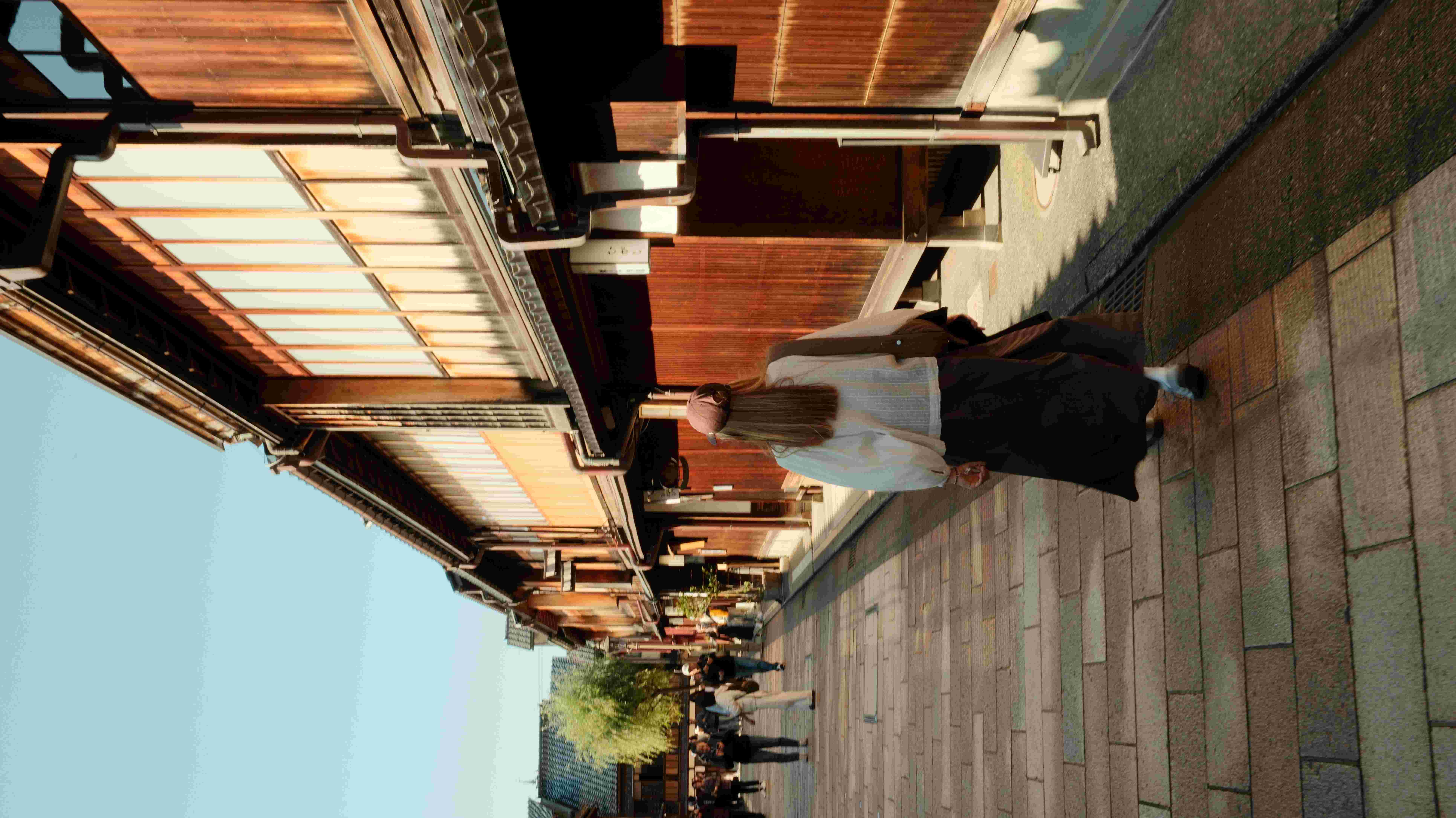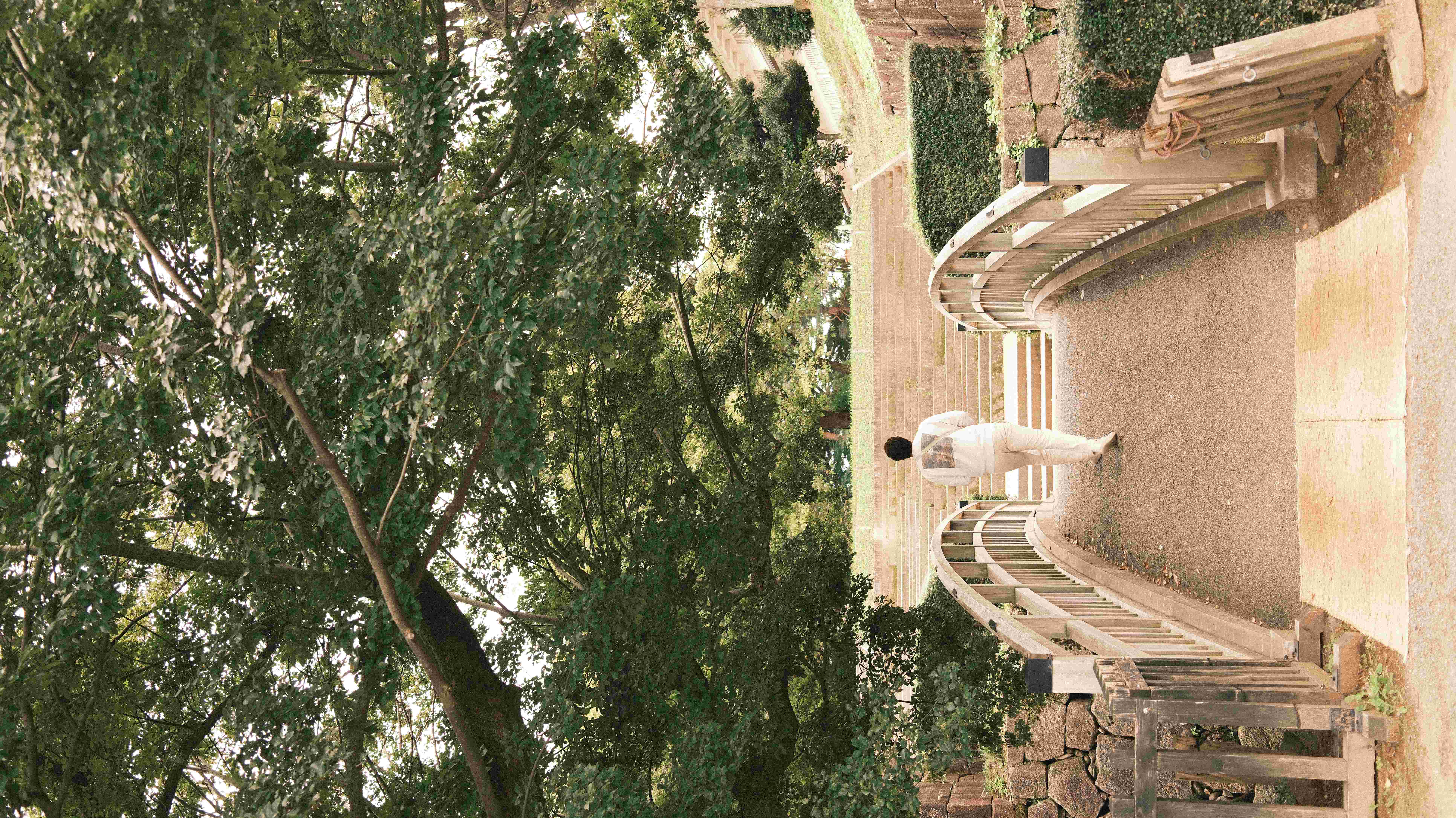
Kanazawa is genuinely beautiful in every season — which is unusual for a Japanese city. Autumn (October–November) gives you the most dramatic foliage. Winter brings snow and the iconic yukitsuri rope-supported pine trees of Kenroku-en. Spring has cherry blossoms and plum blossoms. We visited in autumn and the guide describes it perfectly: "crisp air, soft golden light, and maple leaves slowly turning red."
Season by Season
Autumn — October to November ★★★★★
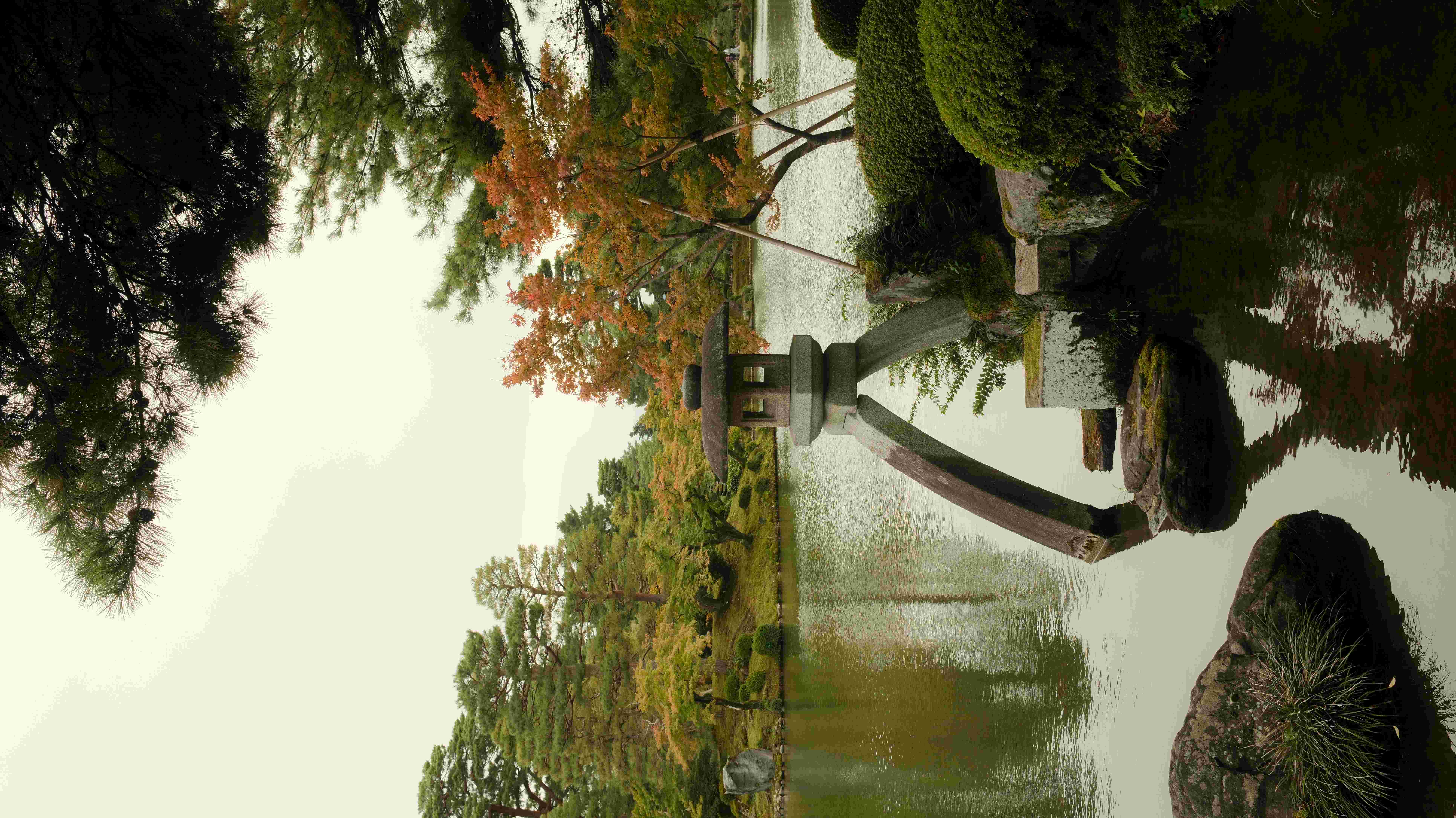
Our recommendation, and the season described in the guide as feeling "like a dream." The maple trees in Kenroku-en and through the Higashi Chaya District turn red and gold from mid-October through November — the combination of coloured leaves against old stone walls, wooden teahouses, and the garden's ponds is extraordinary.
The light in Kanazawa in autumn has a specific quality — the Sea of Japan coast produces softer, more diffused light than the Pacific side, especially as the season turns. Photographers notice it. The temperatures drop to a comfortable 12–18°C.
Verdict: The best time to visit. Book accommodation early — autumn is increasingly popular as Kanazawa's reputation spreads.
Winter — December to February ★★★★★
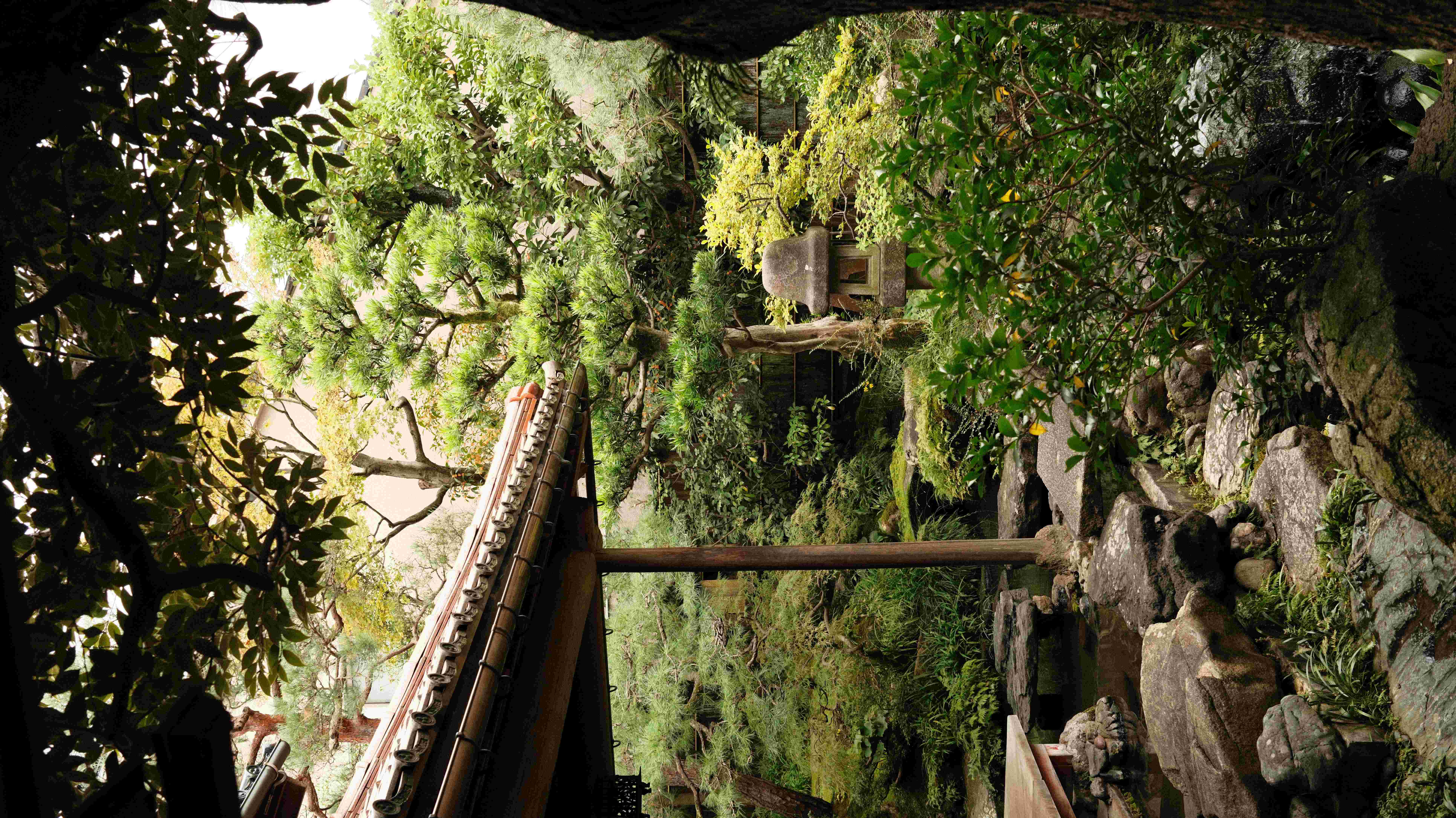
Kanazawa's most distinctive season. The Sea of Japan coast receives significant snowfall from December onward, and Kenroku-en's winter preparation is one of Japan's most iconic sights: yukitsuri — ropes stretched from tall bamboo poles to the branches of pine trees to support them against the weight of snow, creating an extraordinary radial pattern across the garden. The ropes go up in November; the garden under snow with yukitsuri is a Kanazawa winter image that doesn't exist anywhere else in Japan.
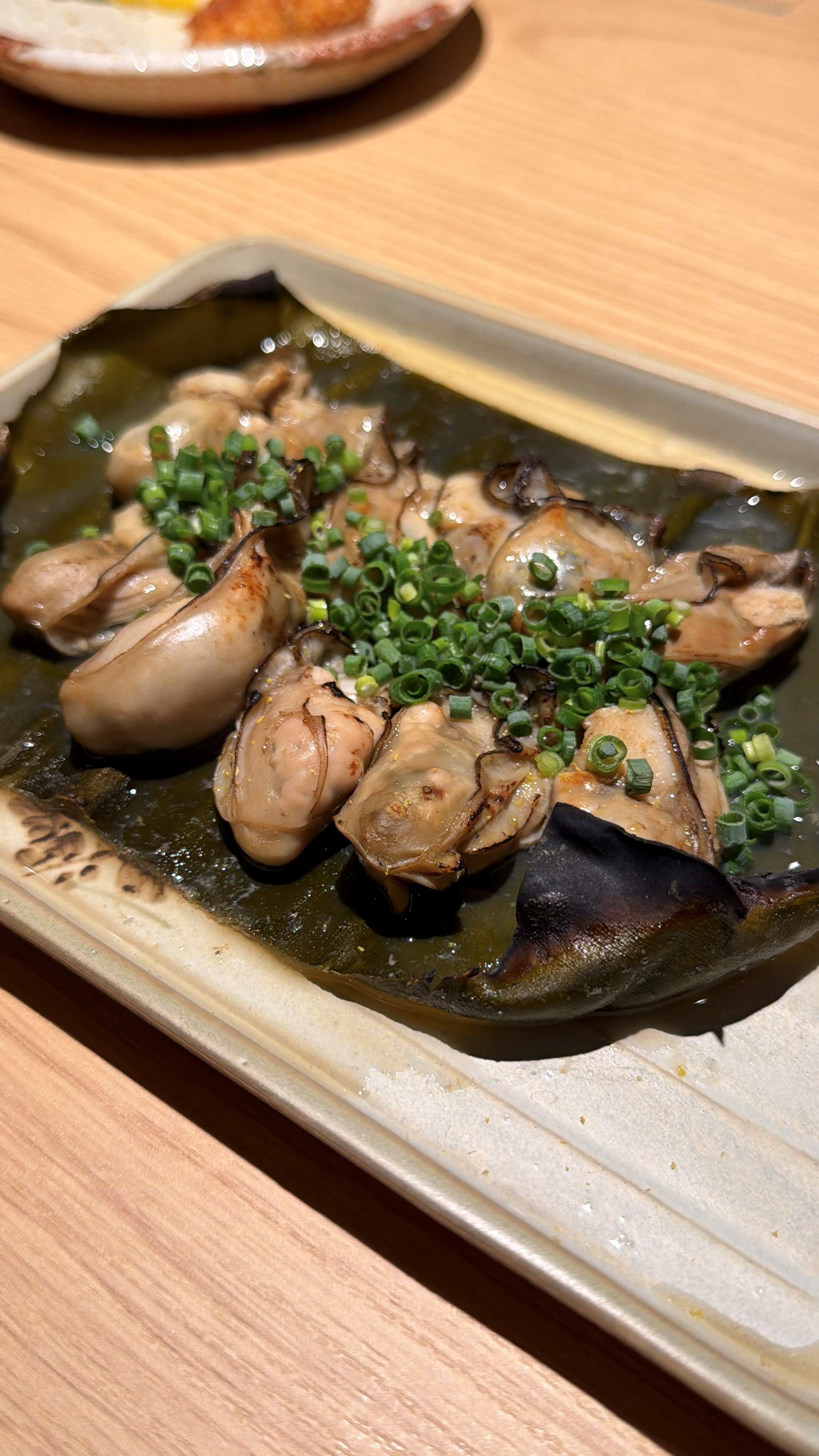
The snow also transforms the Higashi Chaya District and Nagamachi into something surreal — whitened alleys, lantern light on snow, the silence of a Japanese city in winter. The seafood in winter is at its peak (snow crab season runs December–March).
Verdict: The most unique season to visit — the yukitsuri alone is worth coming for. Dress warmly; the Sea of Japan coast is cold and wet.
Spring — Late March to May ★★★★☆
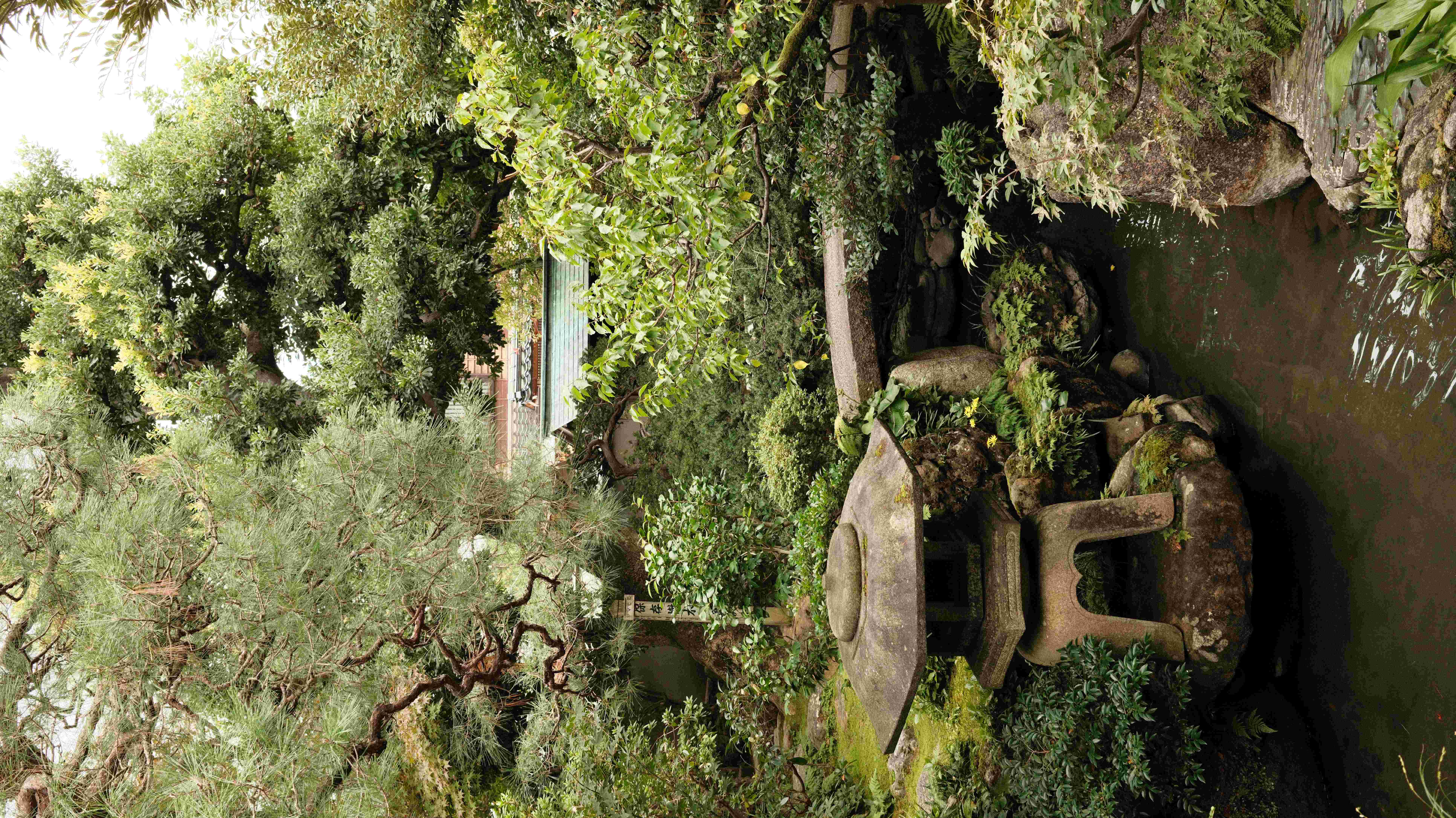
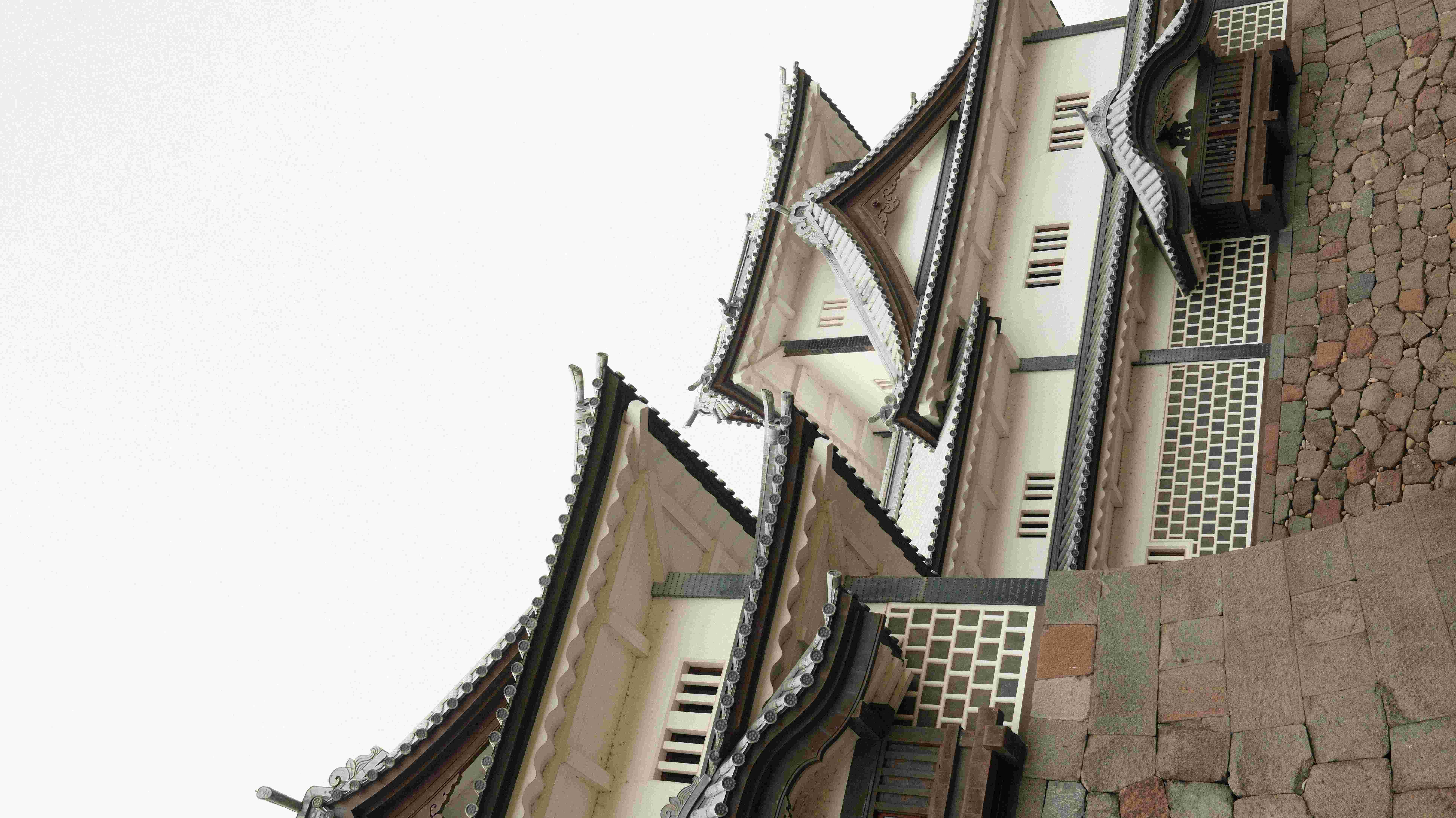
Cherry blossom season at Kenroku-en is beautiful — the weeping cherry (shidarezakura) in the garden is one of Japan's most photographed blossoms, lit at night during cherry blossom season. The castle park adjacent to Kenroku-en also has excellent blossoms.
Late February and early March bring plum blossoms at Kenroku-en's plum grove — a quieter, less crowded experience than cherry blossom season, with a subtler fragrance and the first warmth of the year.
Verdict: Excellent — particularly for photographers. Cherry blossom season brings larger crowds than autumn or winter.
Summer — June to August ★★★☆☆
Kanazawa summers are warm (25–30°C) and humid, with the frequent rain that characterizes the Sea of Japan coast. The city is fully functional in summer — the museums and indoor markets are unaffected — but outdoor sightseeing in Kenroku-en and the historic districts is less comfortable in the afternoon heat.
Summer also brings the Hyakumangoku Matsuri festival (early June) — one of Japan's largest processions, celebrating the cultural legacy of the Maeda clan. Worth timing a visit around if Japan travel plans allow.
Verdict: Manageable but not the best season. Visit for the June festival if timing works; otherwise, choose another season.
The Kanazawa Weather Reality
The guide's note: "Kanazawa's weather changes quickly — bring a light jacket, especially in autumn." This is important. The Sea of Japan coast is one of the cloudiest and most changeable weather zones in Japan — more like the west coast of Norway than the Mediterranean coast. Rain can arrive suddenly. A waterproof layer and an umbrella are non-negotiable in any season.
The upside: the rain keeps crowds smaller than Kyoto, and the moody grey light that often covers the city is atmospheric in a way that clear blue skies aren't.
More Kanazawa Guides
- Is Kanazawa Worth Visiting? Our Honest Review
- Is Kenroku-en Garden Worth Visiting?
- The Best Things to Do in Kanazawa + What to Skip
- How Many Days in Kanazawa Do You Need?
- Where to Stay in Kanazawa
- The Best Food in Kanazawa
- The Best Cafes in Kanazawa
- 2 Days in Kanazawa Itinerary
- Is Kyoto Worth Visiting? (Thunderbird Train from Kanazawa)
- Is Osaka Worth Visiting? (Thunderbird Train from Kanazawa)
- All Japan Guides
FAQ
What is the best time to visit Kanazawa?
Autumn (October–November) for maple foliage, or winter (December–February) for the yukitsuri pine trees in Kenroku-en under snow. Both are extraordinary. Spring cherry blossoms are also excellent.
What are yukitsuri?
Ropes stretched from tall bamboo poles to the branches of pine trees, supporting them against the weight of winter snow. Kenroku-en's yukitsuri — set up every November — are one of Japan's most iconic winter sights.
Is Kanazawa cold in winter?
Yes — temperatures drop to 2–8°C from December to February, with significant snowfall. Dress warmly. The winter experience (snow, yukitsuri, snow crab season at Omicho Market) is worth the cold.
Some links in this post are affiliate links. If you book through them, we earn a small commission at no extra cost to you.