Three days in Tokyo is the minimum to get a real sense of the city — and each day should feel completely different from the last.
We've structured this itinerary around three distinct sides of Tokyo: the historic east (Asakusa, Ueno), the creative west (Shibuya, Harajuku, Omotesandō), and the electric centre (Shinjuku, Tsukiji, TeamLab). It's not a checklist — it's a pace that lets you experience each area properly rather than sprint between landmarks.
| Duration | 3 full days |
|---|---|
| Accommodation | Harajuku or Shinjuku (see our Where to Stay guide) |
| Transport | Suica card — covers all metro and JR lines in Tokyo |
| Budget | €100–150 per person per day (mid-range) |
Day 1: Old Tokyo — Tsukiji, Asakusa, Ueno
Morning: Tsukiji Market (7:00am)
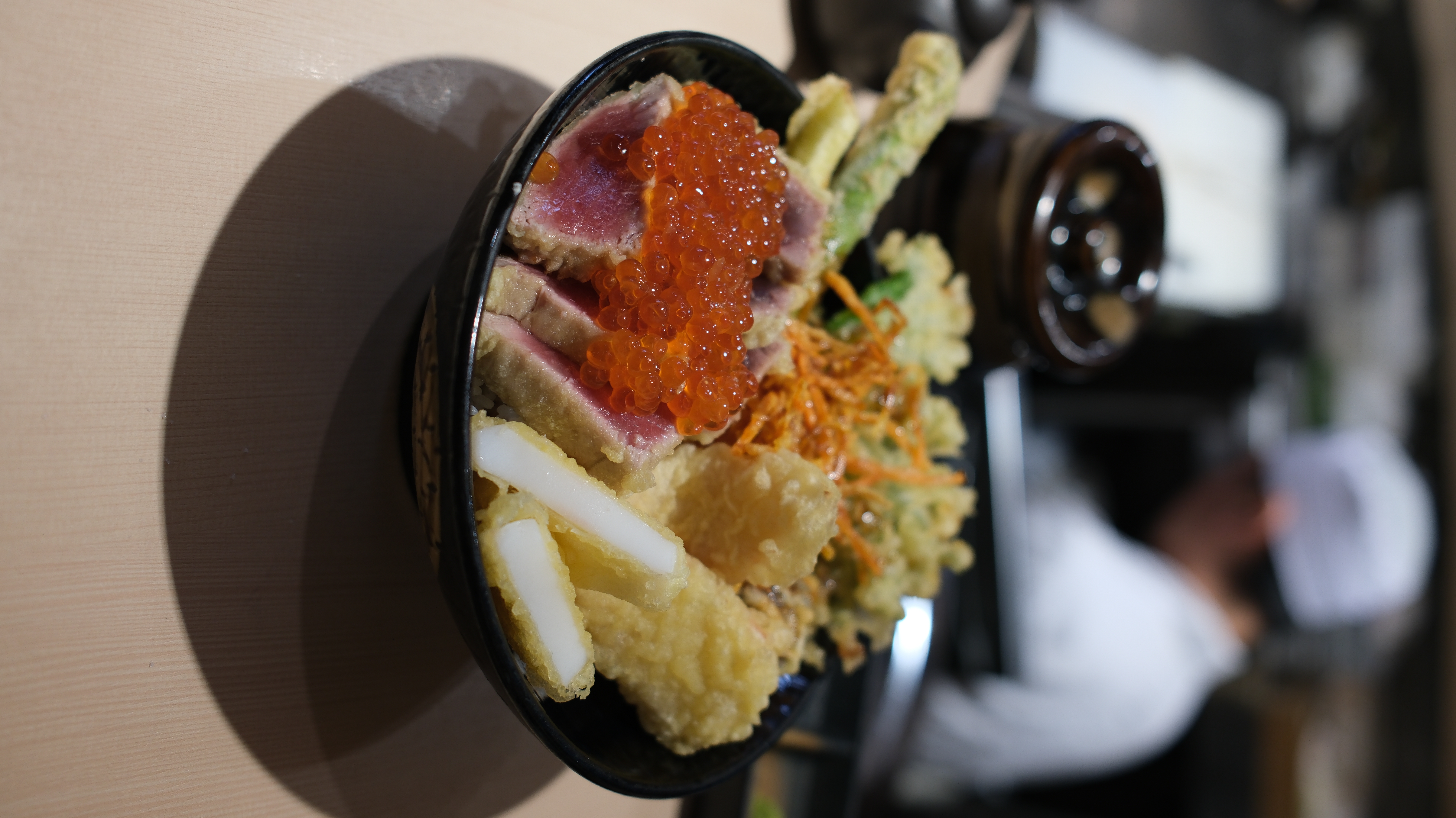
Start early at Tsukiji Outer Market. Breakfast here — tuna sashimi, tamagoyaki, grilled scallops — is one of the defining food experiences of Tokyo. Read our full Tsukiji Market guide for what to eat and where. Budget €15–20 and spend about 90 minutes grazing.
Mid-morning: Asakusa (9:30am)
From Tsukiji, take the metro to Asakusa (Hibiya Line, direct, about 15 minutes). Sensō-ji, Tokyo's oldest temple, is best experienced before the crowds arrive. The Kaminarimon gate, Nakamise shopping street, and the main hall are all free. Spend about 90 minutes in the temple area and the quieter streets behind it. See our Asakusa guide for what's worth seeking out.
Lunch: Asakusa or Ueno (11:30am)
Eat lunch in Asakusa before moving on — the back streets behind Sensō-ji have excellent tempura and soba restaurants at very accessible prices (€10–15 per person). Ramen in the covered arcade near the station is another good option.
Afternoon: Ueno (1:00pm)
Walk 15 minutes north from Asakusa (or take the metro one stop) to Ueno. The Tokyo National Museum is one of the world's great collections of Japanese art and artefacts — if museums are your thing, budget 2+ hours here. Ueno Park itself is worth walking even without the museum: a large green space with a lake, market stalls, and multiple smaller galleries and shrines.
Late afternoon: Akihabara (optional, 3:30pm)
Akihabara is 10 minutes by metro from Ueno — Tokyo's electronics and anime district, and one of the most visually overwhelming streets in the city. Worth 45 minutes even if electronics and anime aren't your focus, purely as a cultural experience. The density of signage, the multi-floor electronics shops, and the cosplay cafés (you don't have to go in) make it unlike anywhere else.
Evening: Dinner in Asakusa (7:00pm)
Return to Asakusa for dinner — the Hoppy Street area has excellent izakayas and the neighbourhood is pleasant to walk in the evening. Alternatively, take the metro to Shinjuku for a Golden Gai evening if energy levels allow.
Day 2: West Tokyo — Harajuku, Meiji Shrine, Shibuya, Omotesandō
Morning: Meiji Shrine and Yoyogi Park (9:00am)
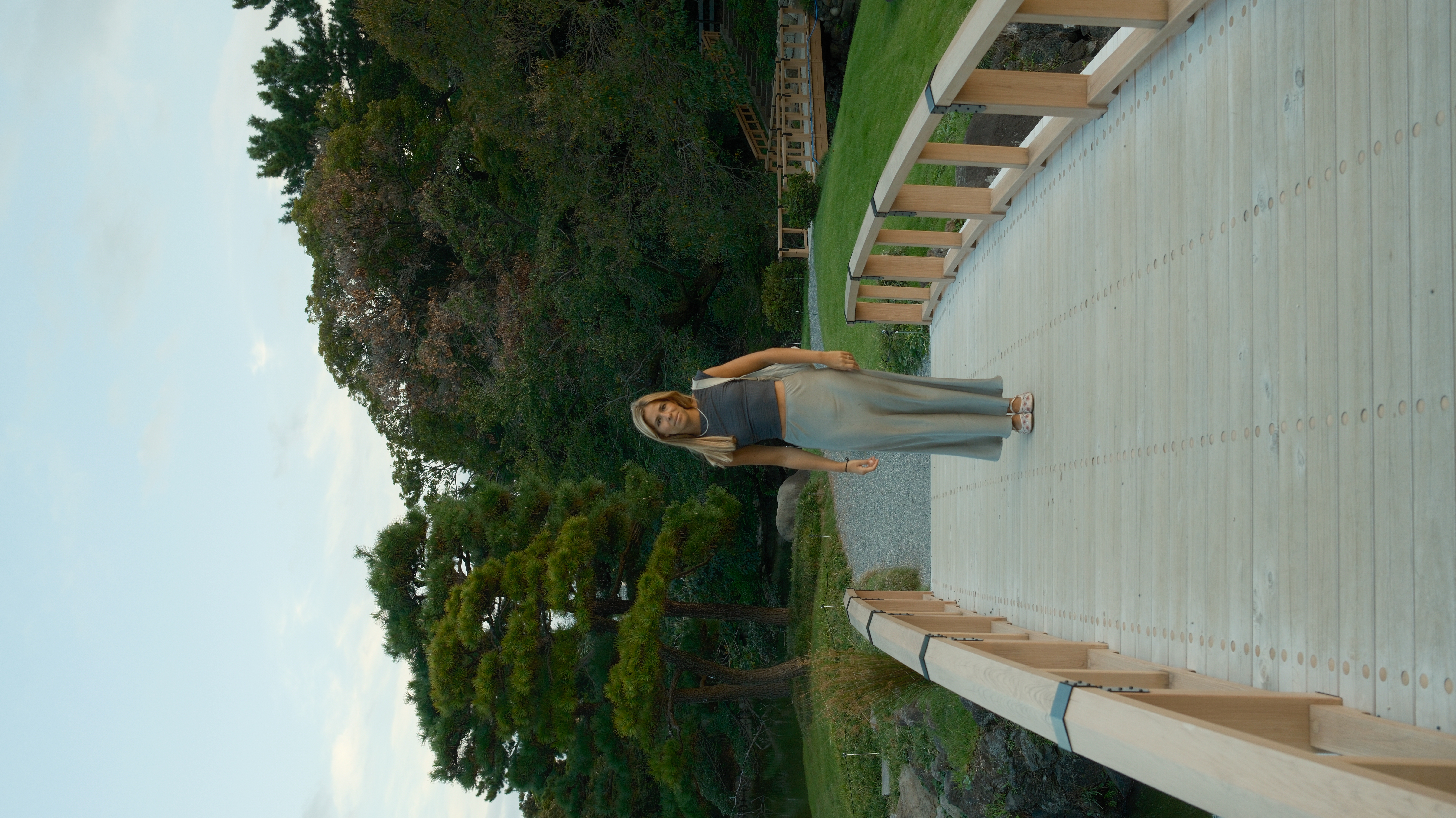
Start at Meiji Shrine (Harajuku Station on the Yamanote Line). The forested walk to the shrine — through 100,000 trees in the centre of Tokyo — is one of the city's most peaceful experiences. The shrine itself is Shinto and honours Emperor Meiji. Free to enter. Spend about 60 minutes.
Walk through Yoyogi Park (adjacent to the shrine) on the way south toward Harajuku. On Sundays, the park fills with musicians, rockabilly dancers, and various performers — an entertaining spectacle. On weekdays it's a calm green space.
Mid-morning: Cat Street and Harajuku (10:30am)
Cat Street (Ura-Harajuku) runs parallel to Omotesandō and is one of the best walking streets in Tokyo — independent fashion boutiques, vintage shops, excellent small cafés. Spend 60–90 minutes wandering it and looking for coffee. Takeshita Street (the famous colourful tourist street) is worth one quick look — but 10 minutes is enough.
Lunch: Omotesandō (12:30pm)
Lunch on or near Omotesandō Boulevard. Many of the high-end restaurants along here offer lunch sets at half the dinner price — excellent value for the quality. The streets between Omotesandō and Aoyama also have very good small restaurants at €15–25 per person.
Afternoon: Shibuya (2:30pm)
Two minutes by Yamanote Line from Harajuku to Shibuya. See the Scramble Crossing (most impressive at rush hour, around 5–6pm). Explore the Shibuya side streets — the neighbourhood around Udagawacho (the back streets behind Tower Records) is full of independent shops and cafés that most visitors miss.
Daikanyama, 15 minutes on foot from Shibuya, is worth 60 minutes: a quiet, upscale residential neighbourhood with excellent cafés (including Tsutaya Books — a multi-storey bookshop and café that's genuinely beautiful) and small restaurants.
Evening: Nakameguro (6:00pm)
Walk or taxi from Daikanyama to Nakameguro (10 minutes). The canal here is lined with restaurants and cafés — one of the most beautiful evening walks in Tokyo. Dinner along the canal is our favourite evening in the city. Budget €25–40 per person for a canal-side restaurant. Stop at Onibus Coffee for a post-dinner coffee if they're still open (usually until 6–7pm).
Day 3: Electric Tokyo — Shinjuku, TeamLab, Ginza
Morning: Shinjuku Gyoen (9:00am)
Shinjuku Gyoen is one of Tokyo's most beautiful parks — large, well-maintained, with both traditional Japanese garden sections and French formal gardens. Entry ¥500 (~€3). Go early before the crowds. Beautiful in any season; extraordinary in cherry blossom (late March–early April) and autumn foliage (November).
Mid-morning: TeamLab Borderless (11:00am)
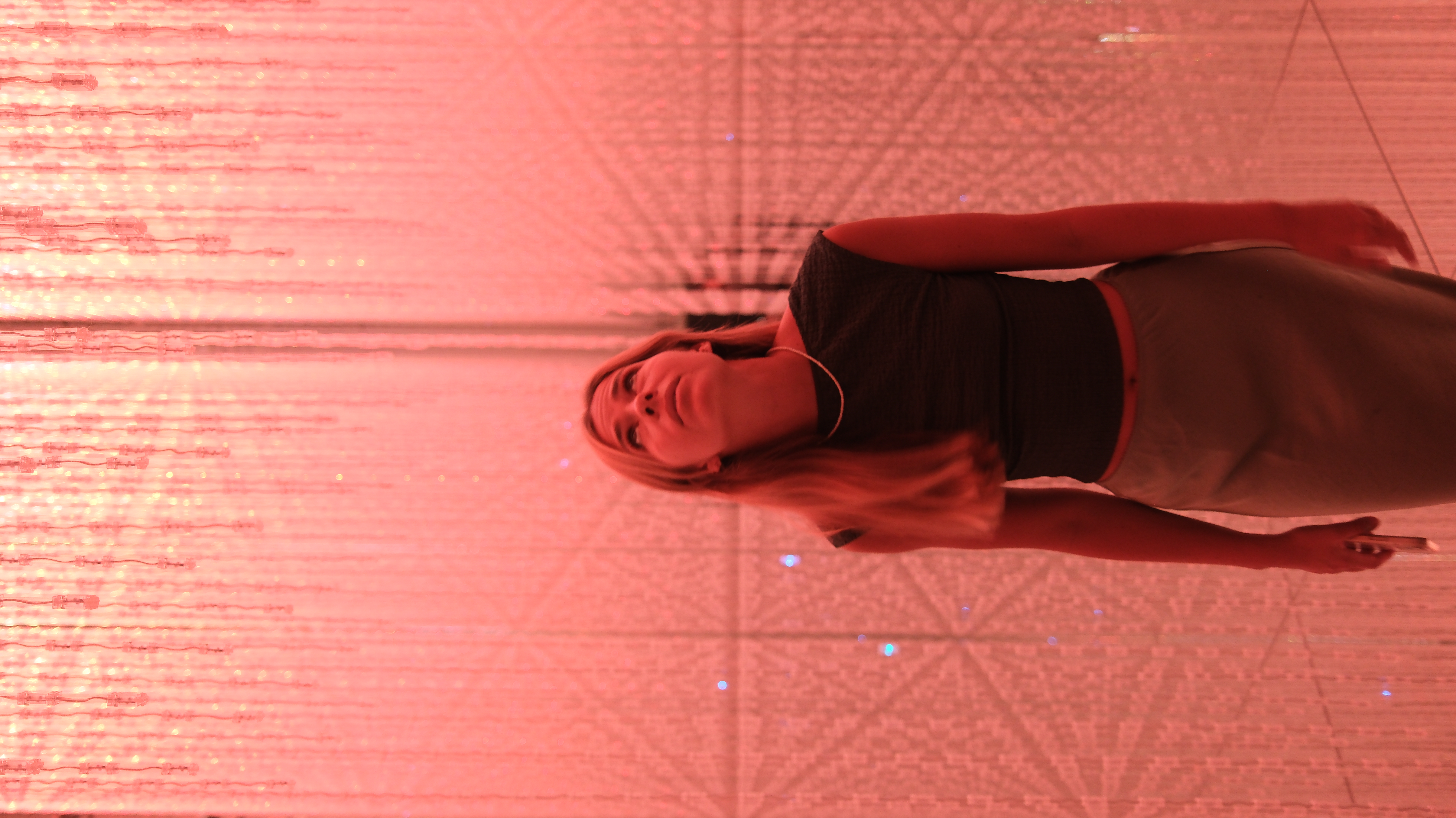
TeamLab Borderless is a pre-book essential — the immersive digital art space at Azabudai Hills (the new location that opened February 2024, replacing the original Odaiba one). Tickets cost ¥3,200 (~€20) and must be booked in advance at teamlab.art. See our full TeamLab Borderless review for what to expect. Budget 2–3 hours.
Lunch: Azabudai Hills (1:30pm)
The Azabudai Hills development (opened 2023) surrounding TeamLab has an excellent food hall and multiple restaurants. It's worth spending lunch here — the development itself is architecturally impressive and still new enough that it doesn't feel over-run.
Afternoon: Ginza (3:00pm)
Ginza is Tokyo's most upscale shopping district — 15 minutes by metro from Azabudai. Even if luxury shopping isn't your focus, the Ginza Six shopping centre (extraordinary architecture, excellent basement food hall) and the street itself are worth seeing. The Itoya stationery store is a six-floor wonder even for people who don't care much about stationery. Afternoon tea at the Mandarin Oriental Ginza is a good splurge.
Evening: Shinjuku and Golden Gai (7:00pm)
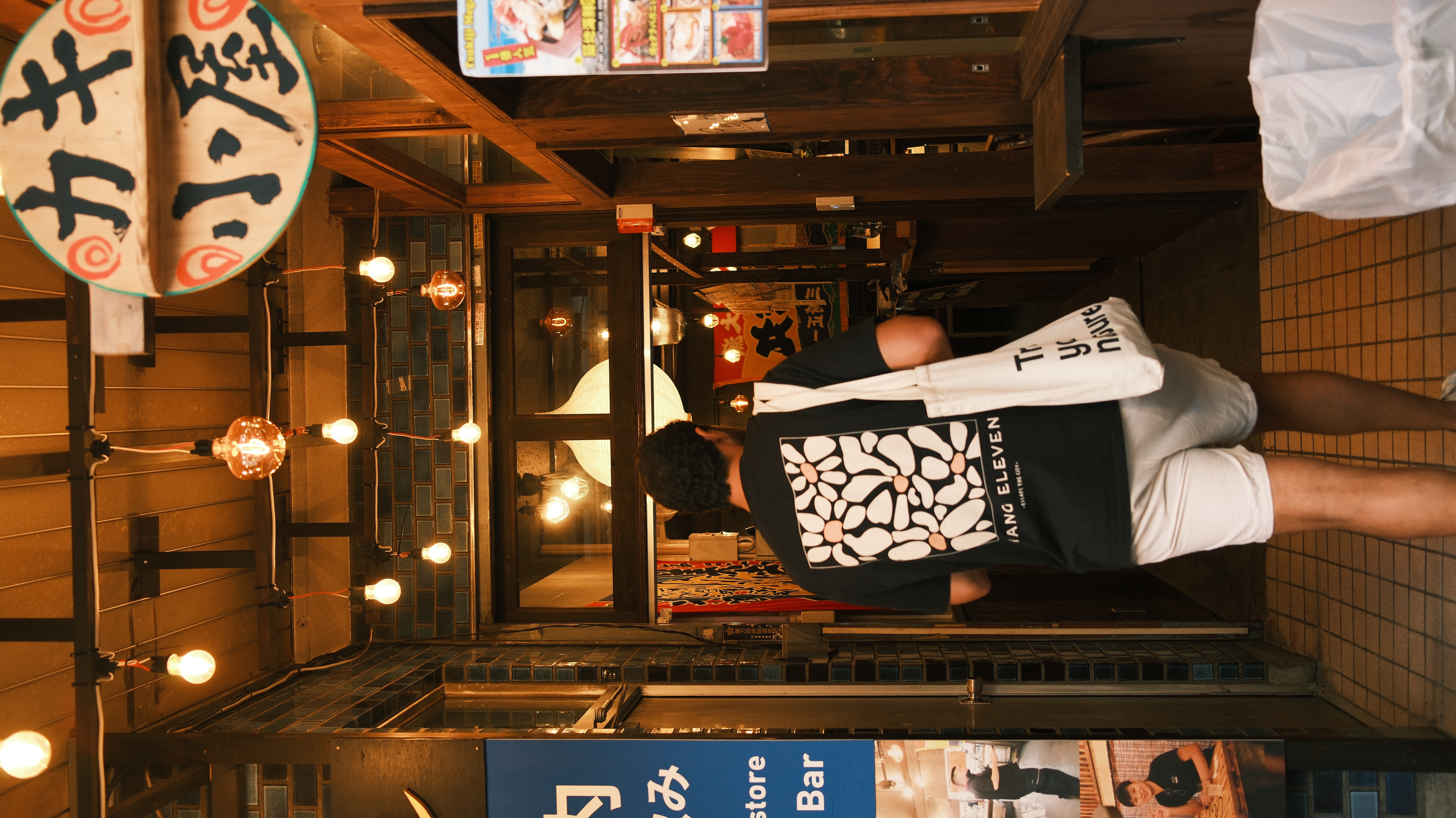
End three days in Tokyo the right way: dinner in East Shinjuku (Omoide Yokocho for yakitori, or any of the restaurant streets between the east exit and Kabukicho), then Golden Gai for the evening. This is Tokyo distilled — the intensity, the specificity, the extraordinary density of things to do and see and eat.
Before you go
FAQ
Is 3 days enough for Tokyo?
Three days gives you a real sense of the city and lets you experience three distinct sides of it. You won't see everything — Tokyo is inexhaustible — but you'll leave with a genuine understanding of why it's one of the world's great cities. If you can extend to five or seven days, do. Read our guide on how many days in Tokyo you actually need.
Where should I stay for 3 days in Tokyo?
For this itinerary, Harajuku is ideal — it puts you in the middle of Day 2's activities and is well-connected for everything else. Shinjuku is the alternative if you want the most convenient transport hub. See our full accommodation guide.
Do I need to book TeamLab Borderless in advance?
Yes — book at teamlab.art before your trip. It often sells out weeks in advance, especially on weekends. If you can't get your preferred date, check back — cancelled tickets occasionally release.
Should I get a Tokyo Metro day pass?
The 24-hour Tokyo Metro pass (¥800/~€5) is worth it on heavy sightseeing days. On lighter days, loading the Suica card and paying per journey works out similarly. Load the Suica card on Apple or Google Wallet before you arrive — easiest option.
More Tokyo Guides
Some links in this post are affiliate links. If you book through them, we earn a small commission at no extra cost to you — it helps us keep writing guides like this one.