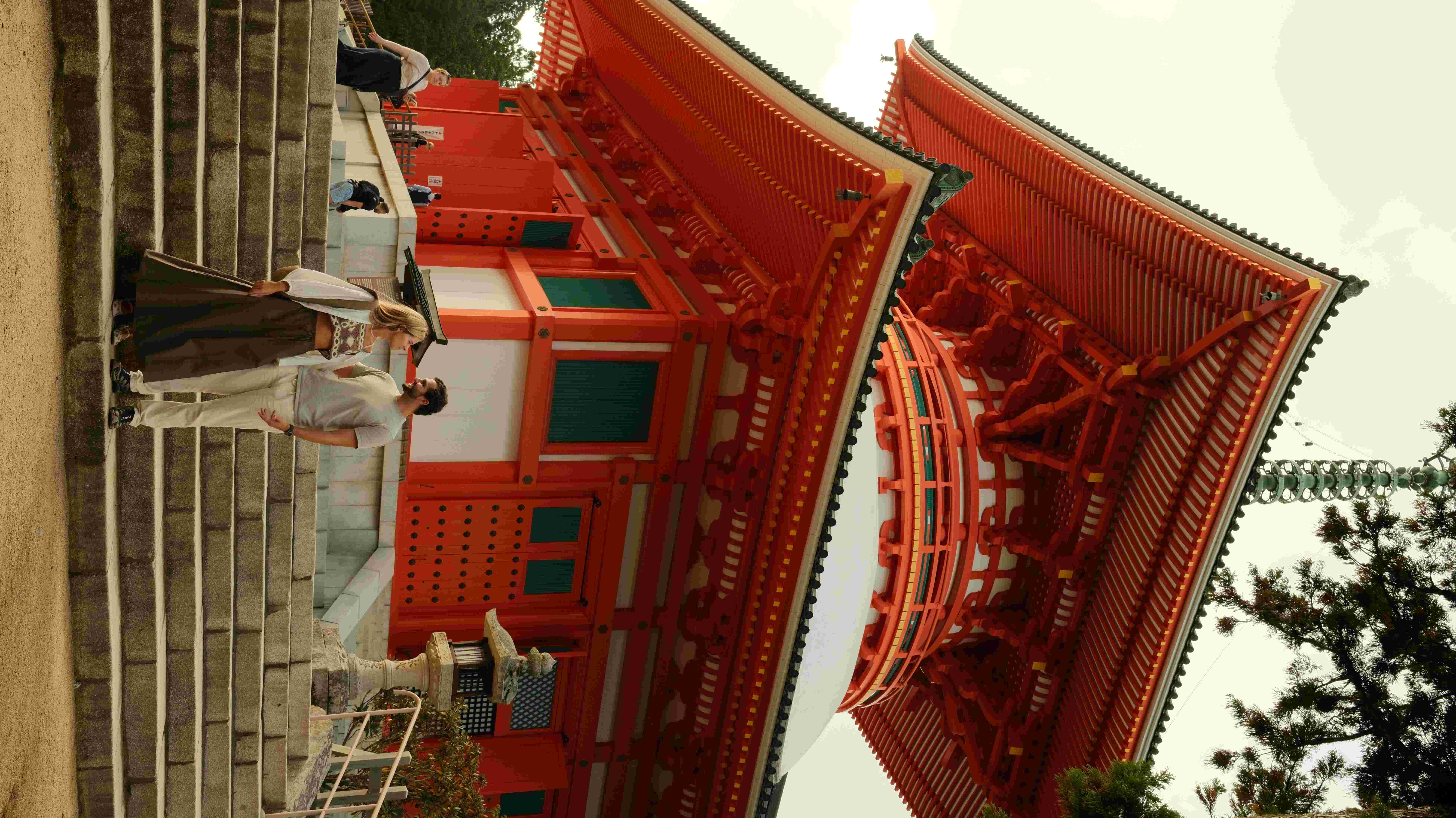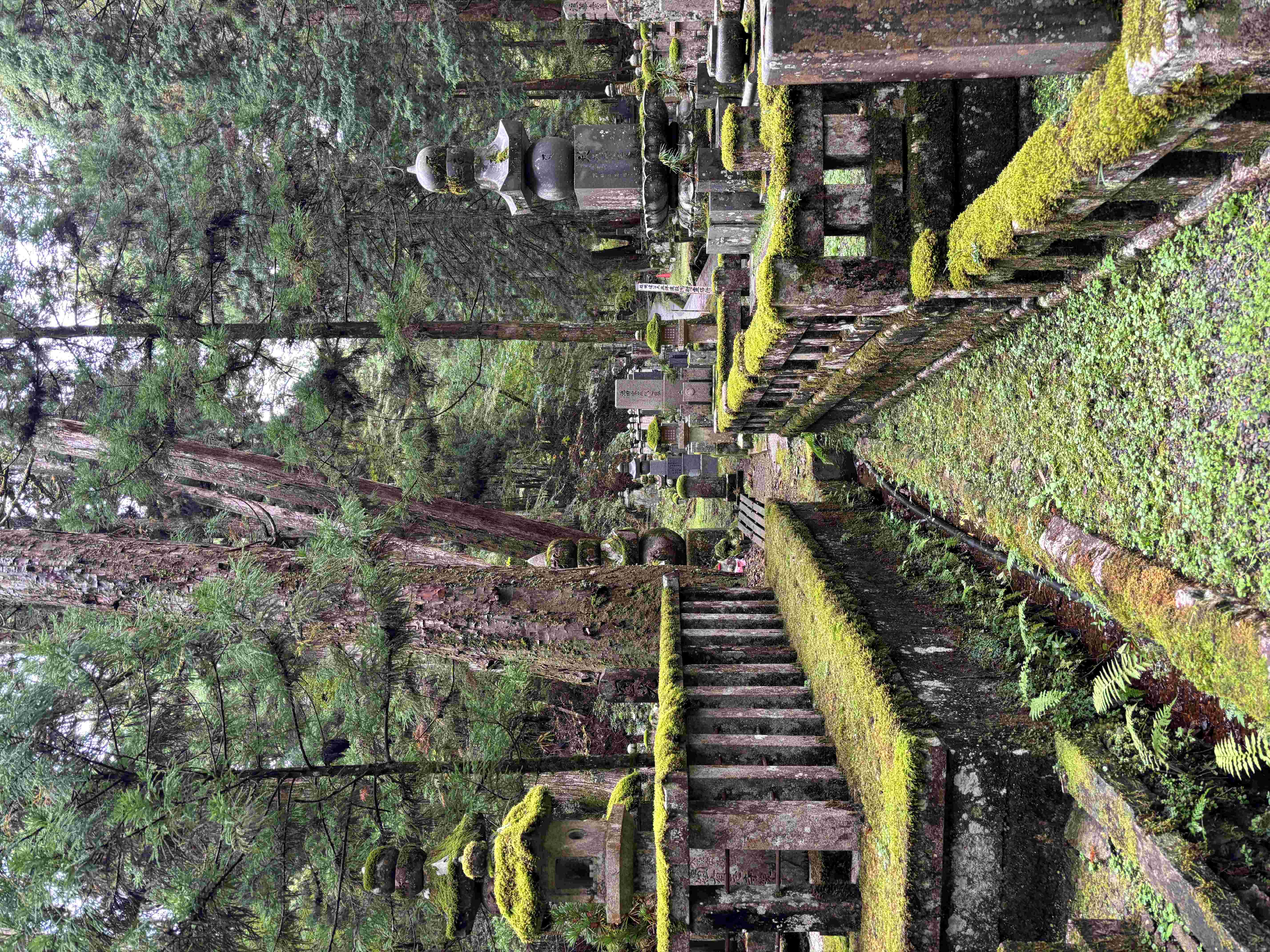
We arrived in Koyasan after back-to-back days in Kyoto and Osaka — temples, crowds, itineraries, moving fast. And then suddenly we were on a mountain, in the mist, surrounded by cedar forest and the silence of a place that has been sacred for over 1,200 years. It was exactly what we needed. Crisp air, slow rhythm, and a deep sense of peace that neither of us expected to feel quite so immediately.
Koyasan ended up being one of the most memorable stays of the entire Japan trip — not because of what we did, but because of what the place feels like. There's nothing quite like it anywhere else in Japan.
What Koyasan Is
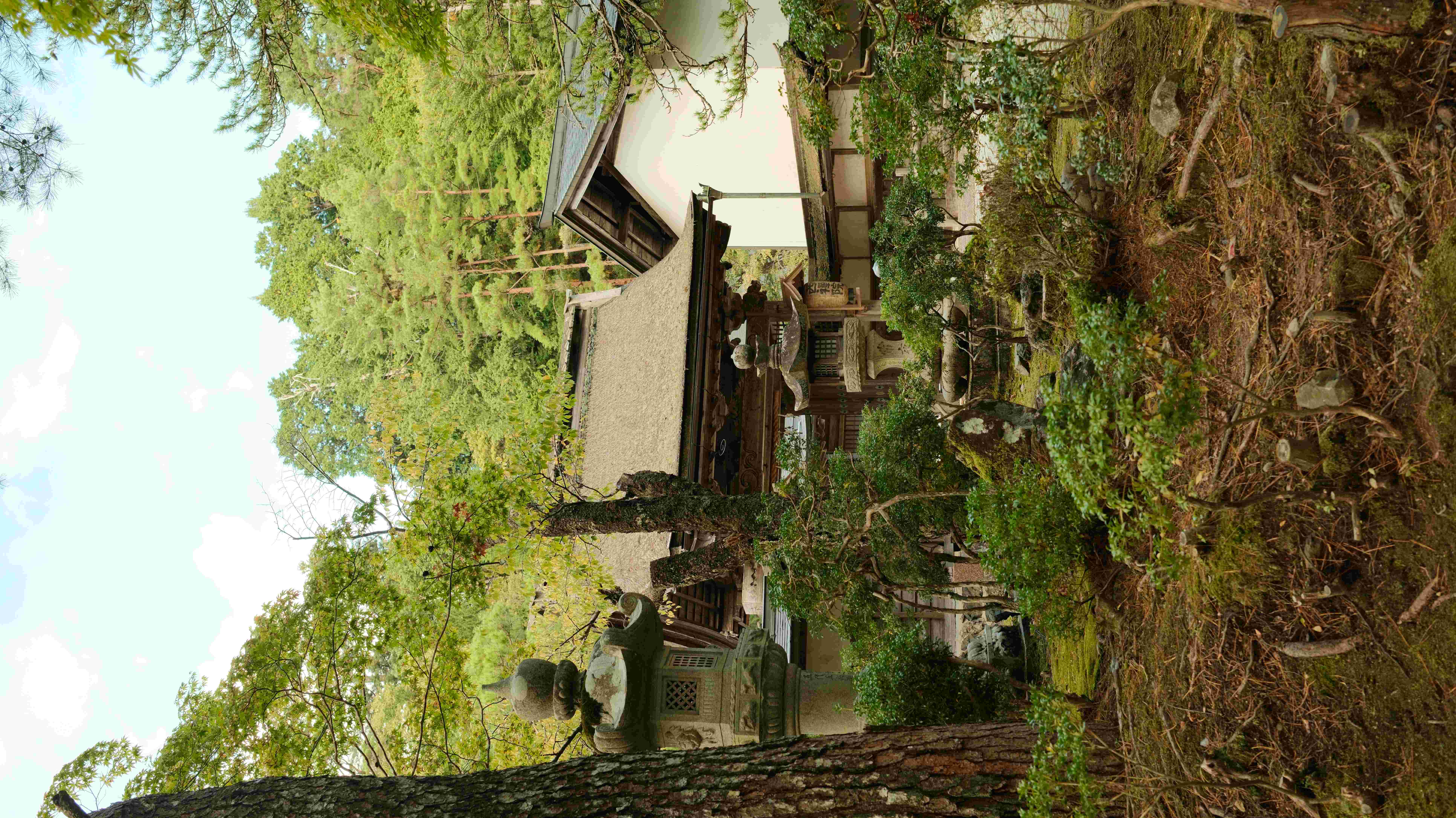
Koyasan (Mount Koya) is the headquarters of Shingon Buddhism — a Japanese Buddhist sect founded over 1,200 years ago by the monk Kobo Daishi, who is still believed to be meditating in eternal samadhi in his mausoleum at the heart of Okuno-in Cemetery. The mountain is dotted with over 100 temples, monasteries, and sacred sites, all surrounded by ancient cedar forest. About 50 of those temples offer overnight accommodation (shukubo) — sleeping in a working monastery, with Buddhist vegetarian meals included and a morning chanting ceremony at dawn.
This is not a museum version of Buddhist Japan. The monks live here. The ceremonies happen every day regardless of who is visiting. The atmosphere is the product of 1,200 years of continuous practice, not restoration.
What We Loved
Staying at Hojo-in Temple ★★★★★ — Tatami rooms, sliding paper screens, garden views, monks moving quietly through the corridors. Dinner was a carefully prepared shojin ryori (Buddhist vegetarian) meal — tofu in wine sauce, tempura, miso-glazed vegetables, served with quiet precision. The morning chanting ceremony the next day was one of the most moving experiences of the Japan trip: monks performing a ritual that has happened in that same room every morning for centuries. See our full temple stay review for everything you need to know about booking one.
Okuno-in Cemetery at night ★★★★★ — Japan's largest cemetery: over 200,000 graves beneath towering cedars, stone lanterns lining the moss-covered paths, the occasional smell of incense drifting through the trees. We walked it at dusk, as the light faded and the stone lanterns began to glow. Pure magic — the guide's exact words, and they're accurate. See our full Okuno-in guide.
The mountain calm ★★★★★ — Koyasan is not like anywhere else on a Japan itinerary. After cities, this is the reset. The air is colder, the pace is slower, the scale of the cedar trees makes everything feel ancient. Even a few hours here changes your pace.
Kongobu-ji Temple and the Danjo Garan precinct ★★★★☆ — The spiritual and architectural heart of the mountain: bright pagodas, ancient wooden halls, a famous rock garden at Kongobu-ji, the soaring Daito pagoda at Garan visible from most of the town.
Honest Notes
Day trip is possible but overnight is far better. You can reach Koyasan from Osaka in about two hours and see the main sights in a day. But you'll miss the atmosphere that makes Koyasan what it is — the temple stay, the morning ceremony, Okuno-in at dusk when the day visitors have left. If you're going to make the journey, stay at least one night.
Book your temple well in advance. The popular shukubo (temple lodgings) fill up months ahead, especially in spring and autumn. We stayed at Hojo-in — book as early as possible for your travel dates.
Restaurants close early. Koyasan is a temple town, not a restaurant city. Most places close by 6–7pm. Plan around this or eat at your temple (which, at Hojo-in, is genuinely the better meal anyway).
Bring warm layers. Koyasan sits at 800m altitude. Even in summer it's noticeably cooler than Osaka or Kyoto. In autumn and winter, it's genuinely cold — pack accordingly.
Our Verdict
Koyasan is unlike anywhere else in Japan — and unlike anything most travellers have experienced before. The combination of staying in a working Buddhist monastery, walking through an ancient cemetery at dusk, and waking to monks chanting at dawn produces something that feels genuinely rare: the sense of being inside a living tradition rather than observing one from outside. Don't skip it. Stay overnight. Book early.
More Koyasan Guides
FAQ
Is Koyasan worth visiting?
Yes — emphatically. It's one of the most distinctive stops in Japan: a working sacred mountain where you can sleep in a Buddhist monastery, eat traditional vegetarian temple food, and walk through Japan's largest ancient cemetery at dusk. Nothing else on a Japan itinerary compares to it.
How far is Koyasan from Osaka?
About 2 hours by Limited Express Koya from Osaka Namba, including the final cable car segment up the mountain. A manageable day trip; a much better overnight stay.
Is Koyasan suitable for non-religious visitors?
Completely. You don't need any Buddhist background or practice to experience Koyasan. The temple stay, the morning ceremony, the cemetery — these are open and welcoming to anyone who comes with respect. Koyasan's temples are experienced to hosting international visitors and the atmosphere is more peaceful than solemn.
Some links in this post are affiliate links. If you book through them, we earn a small commission at no extra cost to you.