Short answer: yes — and it will probably end up being one of the best trips of your life.
But we know that's not enough to convince you, so here's our honest take. We spent time in Tokyo as the very first stop on our gap year through Asia, and we can say without hesitation that no city has surprised us more, fed us better, or kept us more consistently in awe. Tokyo is the kind of place that overwhelms your senses in the best possible way — and then keeps pulling you back in.
That said, it's not for everyone. So before you book, here's everything you need to know.
First Things First — What Is Tokyo Actually Like?
Tokyo is the world's most populous city. Over 37 million people live in the greater metropolitan area, and yet it somehow doesn't feel chaotic. It feels organised. The trains run on time (to the second), the streets are spotless, and people are unfailingly polite.
It's also a city of constant contrast. Ancient shrines sit next to neon skyscrapers. A Michelin-starred sushi counter exists three doors down from a convenience store selling better food than most restaurants back home. You can spend a morning in complete silence at a temple and an evening in the middle of one of the most electric nightscapes you've ever seen.
That contrast — traditional meets futuristic, quiet meets electric, simple meets extraordinary — is what makes Tokyo so endlessly interesting.
Why Tokyo Is Worth Visiting
1. The Food Scene Is Unmatched Anywhere in the World
We are food-first travellers, and Tokyo is the greatest food city on the planet. No debate. We've put together a full guide to the best restaurants in Tokyo if you want the complete breakdown of where to eat — but trust us when we say the list goes far deeper than anything we could cover here.
Tokyo has more Michelin-starred restaurants than any other city in the world — more than Paris, more than New York. But what makes it truly special is that incredible food isn't reserved for high-end restaurants. You'll eat some of the best meals of your life standing at a fish counter at Tsukiji Market, slurping ramen at a 10-seat spot in Shinjuku's back alleys, or eating wagyu donburi at a place with no English menu and a plastic curtain for a door.
Some of the highlights from our time there:
- Udon Shin (Shinjuku) — carbonara-style udon that completely changed how we think about noodles. Rich, silky, and unlike anything we'd had before.
- Uogashi Nihon-Ichi (Shibuya) — a standing sushi counter where we ate fatty tuna, scallops and raw shrimp for around €15 each. Impossible value.
- Noda — an omakase fine dining experience where every dish felt like a story about Japan. One of the best meals of our lives.
- Tsukiji Market (morning) — arrive early and eat everything. Toro nigiri, wagyu skewers, uni bowls, fresh oysters. Budget €20 and leave absolutely satisfied.
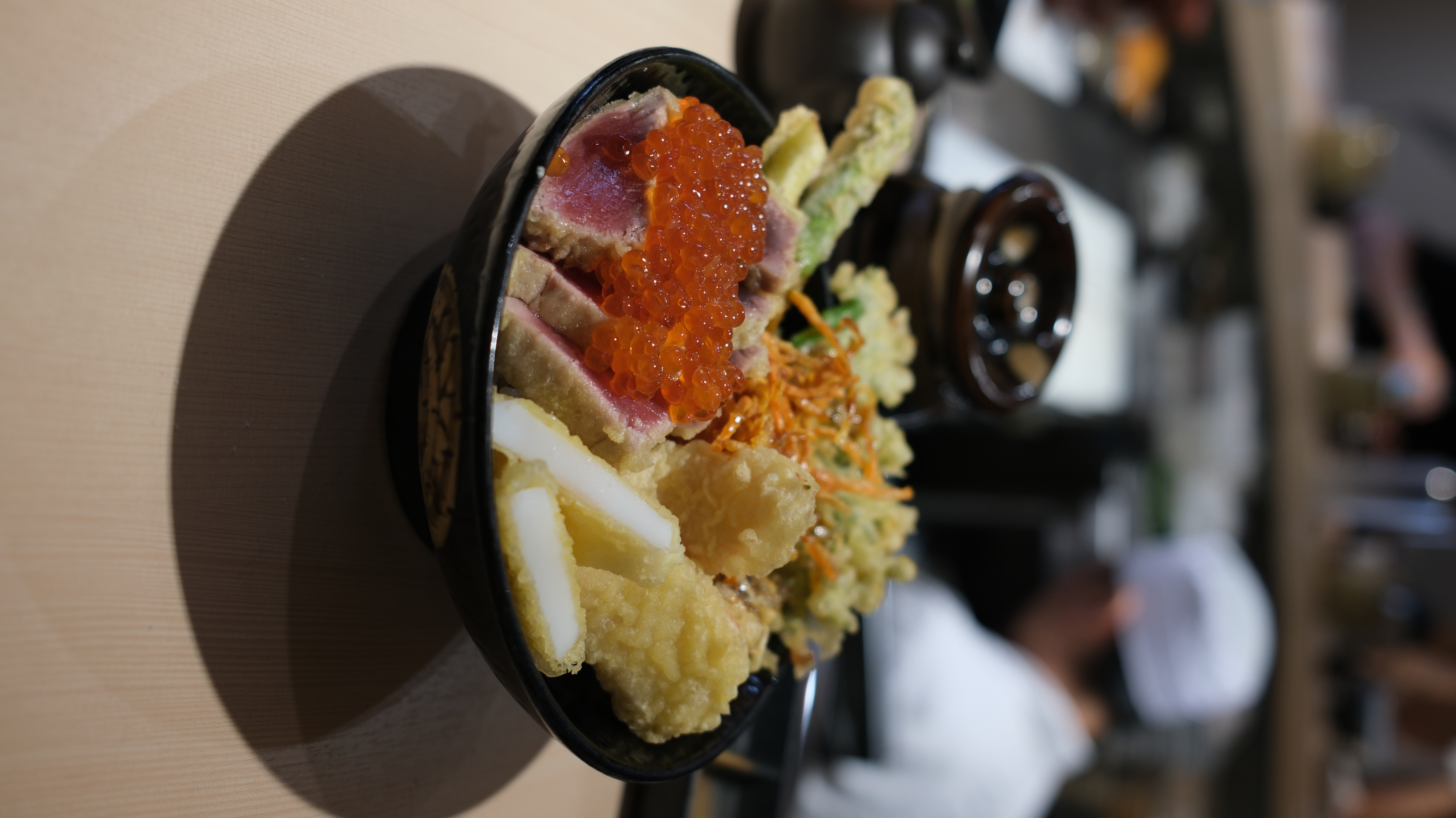
- Rare Tendon Ginza Mitsuyoshi — crispy tempura perfection. Light, not oily, proof that simplicity wins.
And this is just scratching the surface. Tokyo is a city where you could eat for a month and never repeat a meal.

2. Every Neighbourhood Feels Like a Different City
One of the things that makes Tokyo so fascinating — and so easy to spend multiple days in — is that each neighbourhood has its own identity, pace and personality.
Shinjuku is the city's beating pulse. Neon signs, department stores, the chaotic beauty of Kabukicho at night, and the incredibly atmospheric Golden Gai — narrow alleys lined with dozens of tiny themed bars, each seating eight to twelve people. It's unlike anywhere else in the world.
Harajuku & Shibuya are where Tokyo's creative energy lives. Shibuya Crossing at night is one of those iconic scenes that actually exceeds expectations in person. Harajuku's Cat Street is quieter and more interesting — vintage shops, small cafés, and local fashion. Honestly, if we went back, we'd base ourselves in Harajuku — read our Shinjuku vs Harajuku comparison to understand why, or go straight to our Harajuku hotel picks.
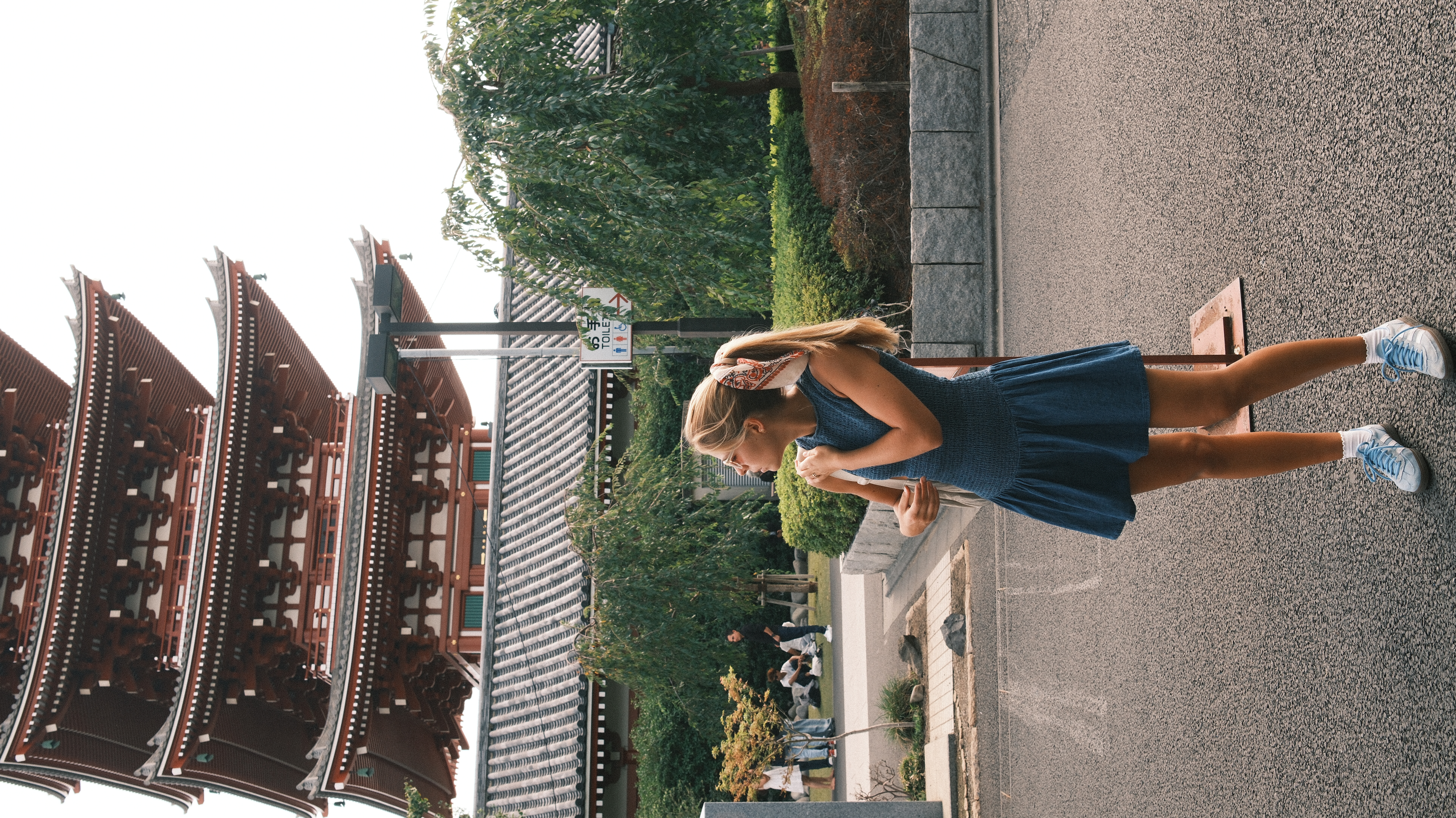
Asakusa & Ueno give you old Tokyo. Sensō-ji Temple is one of the city's most visited spots, but if you go early morning you can experience it with almost no one around — genuinely moving. The surrounding Asakusa neighbourhood has great street food, Kappabashi kitchen street, and the best izakayas in the city. Ueno Park is perfect for a slow morning walk.
Ginza is Tokyo's most elegant district — flagship stores, beautiful cafés, and a completely different atmosphere from the rest of the city. Tsukiji Market is just a short walk away, which makes for a perfect half-day.
Ikebukuro is often skipped by tourists but worth at least an afternoon — it's where locals actually live and eat, and it has a very different energy from the more touristy areas.
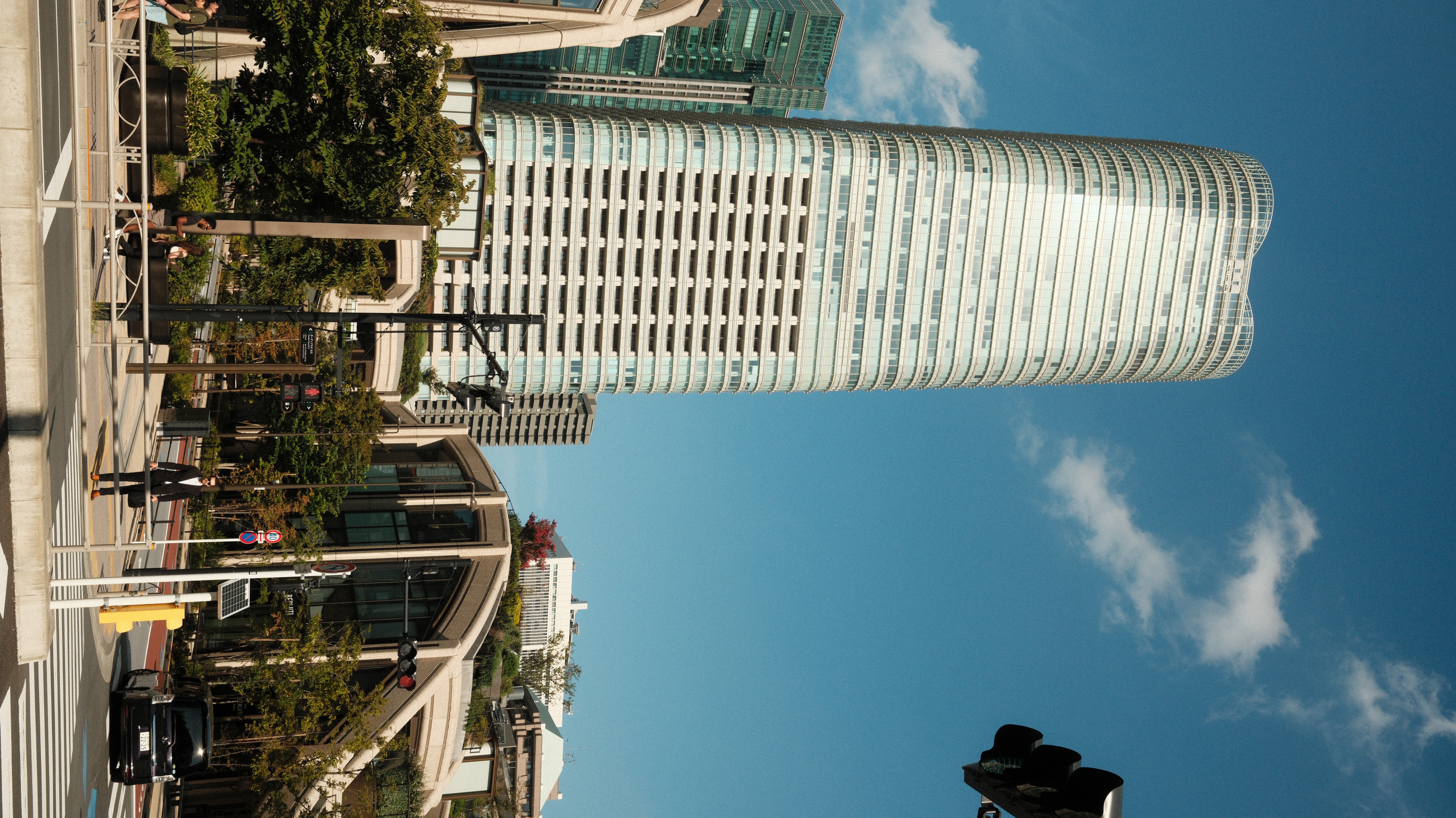
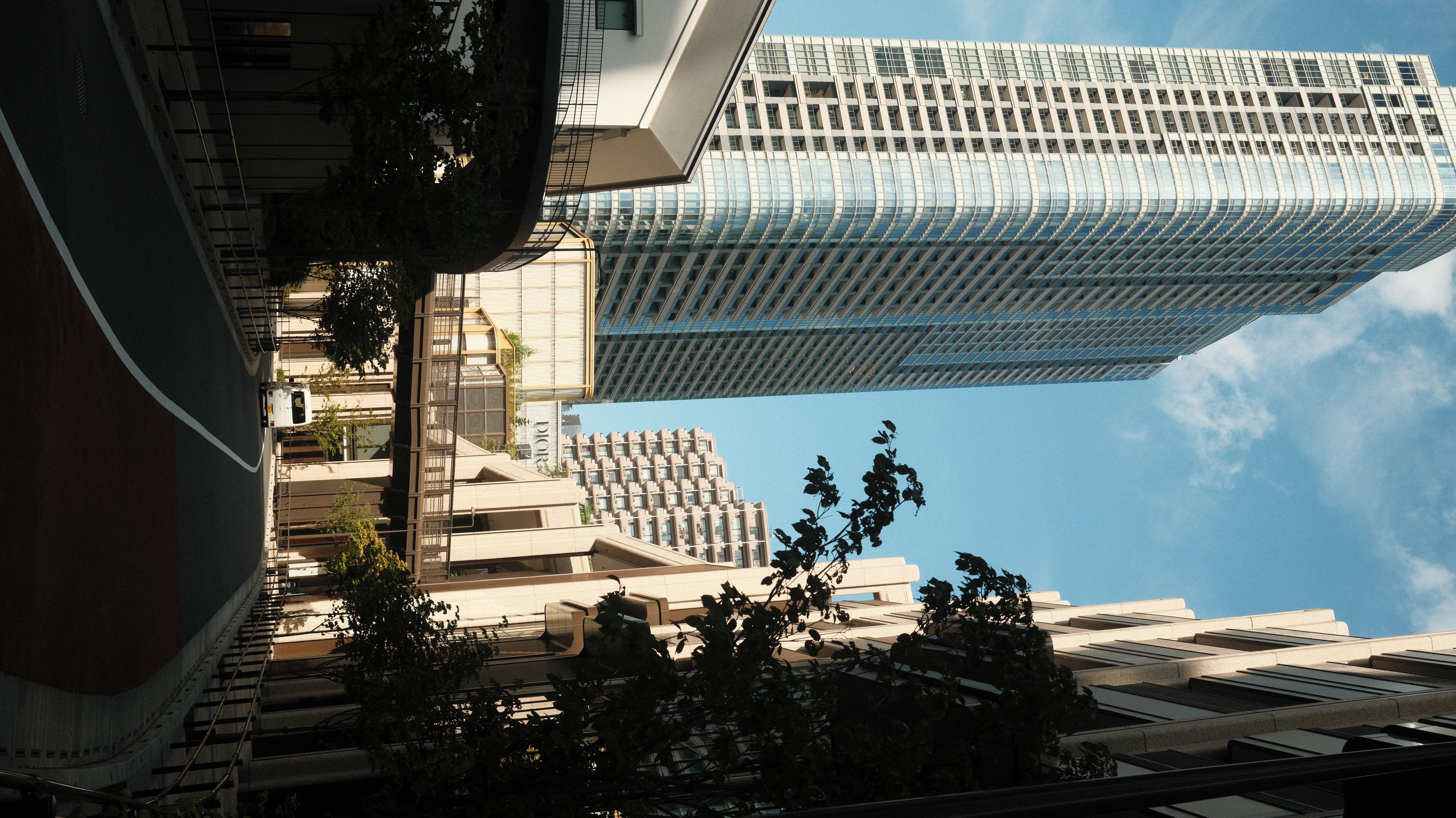
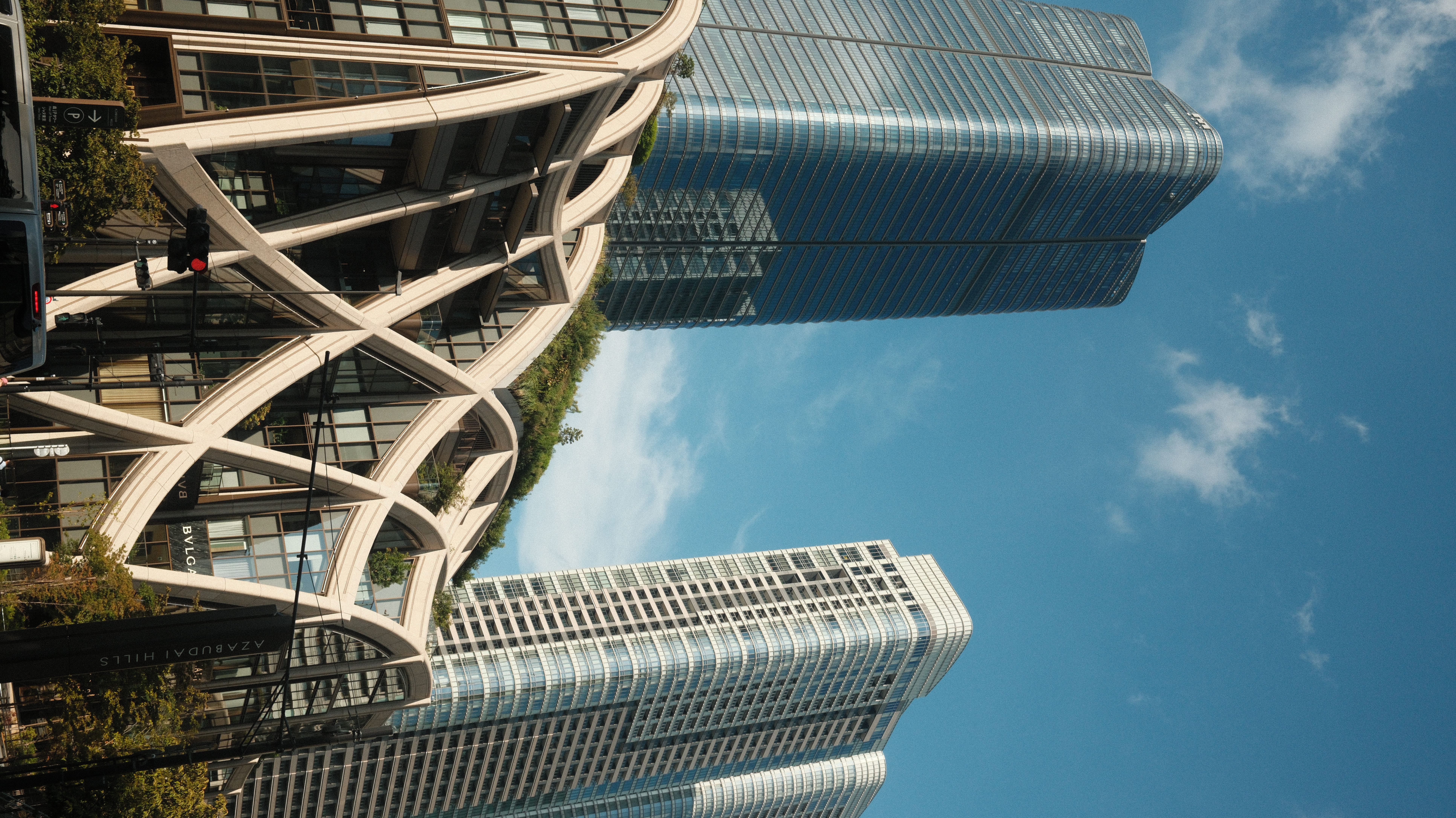
Azabudai Hills — Tokyo's new landmark. Ancient city, constantly building forward.
3. It's Incredibly Safe and Easy to Navigate
Tokyo consistently ranks as one of the safest major cities in the world. Walking alone at night, leaving your bag at a café table, exploring unknown alleyways — none of these felt remotely stressful. It's a city that immediately puts you at ease.
Getting around is just as simple. The metro system is extensive, clean, punctual and fully translated in English — signs, announcements, everything. All you need is a Suica card (available on your phone via Apple or Google Wallet, or as a physical card at the airport). It works for every metro line, bus, and even in convenience stores. We never once felt lost or confused.
4. There's Always Something New to Discover
We've been to Tokyo once and are already planning a return trip. The city is simply too big and too layered to see in one go. There are neighbourhoods we didn't get to (Yanaka, Shimokitazawa), experiences we missed (a proper capsule hotel, day trips to Kamakura and Nikko), and restaurants we bookmarked for next time.
Tokyo rewards repeat visits. It's not a city you check off a list — it's one you keep coming back to.
The Honest Downsides of Tokyo
No honest review is complete without this section.
It can feel overwhelming at first. Tokyo is massive and there is truly no end to things to do, eat, and see. If you're someone who likes to feel like you've "covered" a city, Tokyo will be frustrating. You can't cover it. Accept that, and you'll love it.
It's expensive by Asian standards. It's much more affordable than European capitals — but compared to the rest of Southeast Asia, you'll feel the difference. We've broken down exactly what we spent in our Tokyo budget guide — accommodation, food, transport and activities, with sample daily budgets at every level.
The language barrier can occasionally be tricky. Train stations and major tourist spots are well-signposted in English. But smaller restaurants, local shops and some experiences require Google Translate. It's not a dealbreaker at all — just come prepared with the app downloaded.
It's hot and humid in summer. July and August in Tokyo are genuinely uncomfortable — very hot and very humid. If you're visiting in summer, plan indoor activities around midday and hydrate constantly.
Who Should Visit Tokyo?
Tokyo is worth visiting if you:
- Love food and want to eat better than you ever have
- Are curious about a culture completely different from your own
- Enjoy big cities but want one that's also safe, calm and deeply organised
- Want a mix of ancient history and modern experiences in one place
- Are travelling as a couple — Tokyo is one of the most romantic cities we've been to
Tokyo might not be for you if:
- You prefer slow, quiet, nature-based travel
- You're on a very tight budget and want to stretch every euro
- You're easily overwhelmed by big cities
Quick Tokyo Facts
| Best time to visit | March–May (cherry blossoms) or October–November (autumn foliage) |
|---|---|
| How many days | Minimum 4–5 days, ideally 7 |
| Daily budget | €70–120 per person |
| Getting around | Suica card — covers everything |
| Language | English signage everywhere; Google Translate for restaurants |
| Safety | Extremely safe — one of the safest cities in the world |
Our Verdict
Is Tokyo worth visiting? Without hesitation, yes.
It's the kind of city that changes how you think about travel. The food alone is worth the flight. The neighbourhoods are endlessly explorable. The culture is unlike anything you'll find anywhere else. And the way the city manages to be simultaneously ancient and futuristic, massive and calm, overwhelming and intuitive — it's genuinely unlike anywhere we've ever been.
We went expecting to be impressed. We left feeling like we'd only scratched the surface.
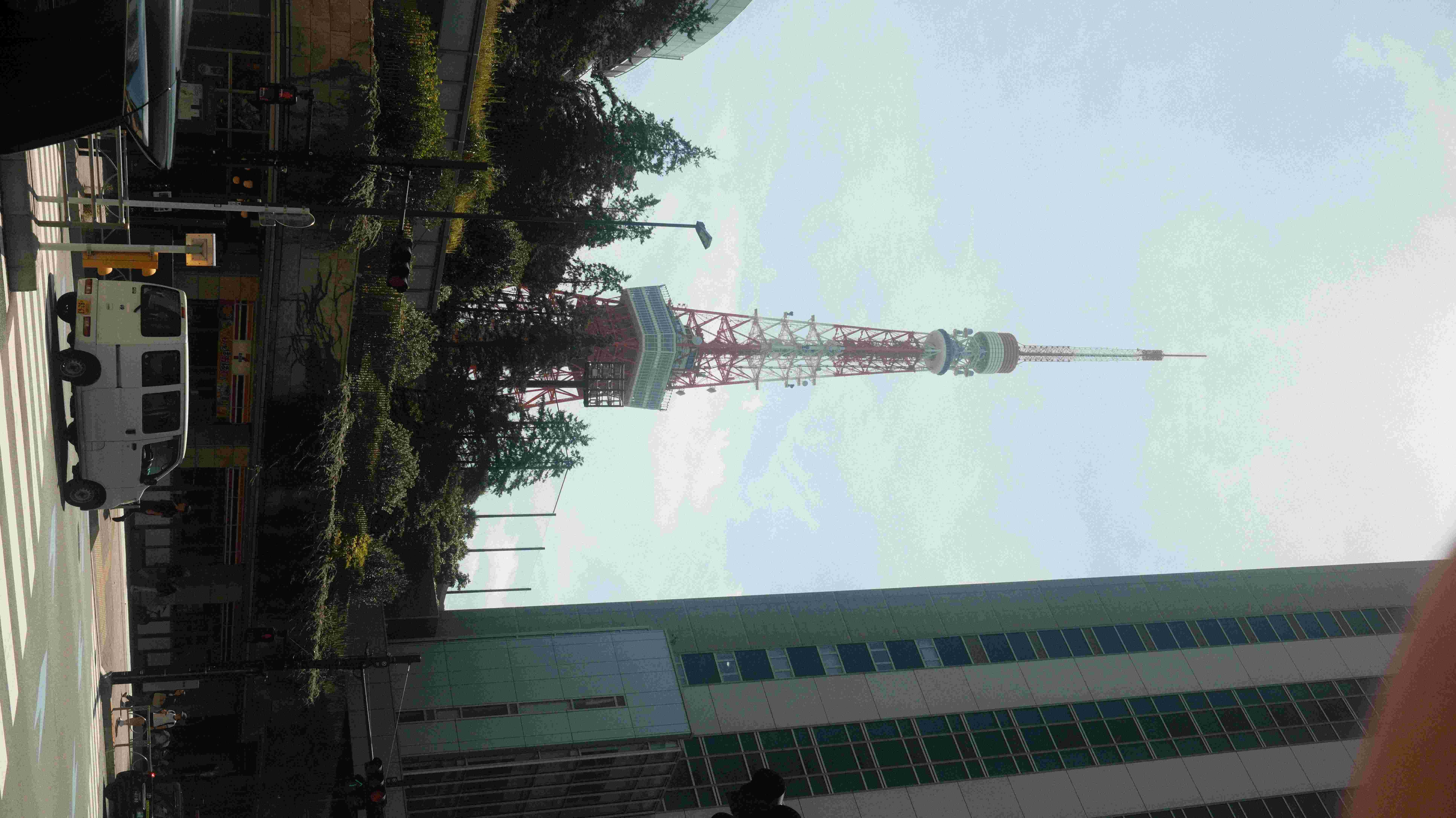
Plan for at least five days — seven if you can — explore neighbourhood by neighbourhood using our 3-day or 1-week itinerary as a starting point, eat everything, and trust that Tokyo will take care of the rest.
FAQ
Is Tokyo safe for tourists?
Yes — Tokyo is consistently ranked one of the safest cities in the world. Violent crime is extremely rare and solo travellers, couples and families all feel completely comfortable.
Is Tokyo expensive?
By Asian standards, yes. By European standards, it's very reasonable. Expect to spend €70–120 per day per person. Street food and market eating can bring that down significantly.
How many days do you need in Tokyo?
We recommend a minimum of 5 days, ideally 7 if it's your first visit. We've written a full guide on how many days you actually need in Tokyo, with honest breakdowns for different trip lengths.
What's the best area to stay in Tokyo?
Shinjuku is the most convenient and central, but we'd actually recommend Harajuku for first-timers. Read our Shinjuku vs Harajuku comparison and our full Tokyo accommodation guide to decide what suits your trip.
Is Tokyo good for food lovers?
It's the best food city in the world. More Michelin stars than anywhere else, extraordinary street food, and a culture that takes every meal — from convenience store onigiri to €200 omakase — completely seriously. See our best restaurants in Tokyo guide for where to start.
When is the best time to visit Tokyo?
Spring (March–May) for cherry blossoms, or autumn (October–November) for foliage. We've written a full month-by-month breakdown of the best time to visit Tokyo — including when to avoid and what each season actually feels like.
Do you need to speak Japanese to visit Tokyo?
No. Train stations, metro signs and most tourist areas are in English. Download Google Translate (with the camera function) for restaurant menus and you'll be completely fine.