Sensō-ji is Tokyo's most visited temple — and if you go at the right time, it's still one of the most beautiful.
That qualifier matters. Sensō-ji is extremely popular, and the difference between visiting at 7am and visiting at 11am is enormous. Go early and you'll have an authentic, genuinely moving experience of one of Japan's most sacred sites. Go at midday on a weekend and you'll fight through crowds on Nakamise Street while souvenir sellers compete for your attention.
This guide tells you when to go, what to see, and what to do in the area beyond the temple itself.
| Location | 2-3-1 Asakusa, Taito-ku, Tokyo |
|---|---|
| Getting there | Asakusa Station (Tokyo Metro Ginza Line, Toei Asakusa Line, or Tobu Skytree Line) |
| Entry fee | Free — the grounds and main hall are open to everyone |
| Opening hours | Main hall: 6am–5pm (Oct–Mar: 6:30am–5pm). Grounds are always open. |
| Time needed | 60–90 minutes for the temple; longer if exploring Asakusa neighbourhood |
| Best time | 7:00–9:00am on any day |
The Kaminarimon — The Thunder Gate
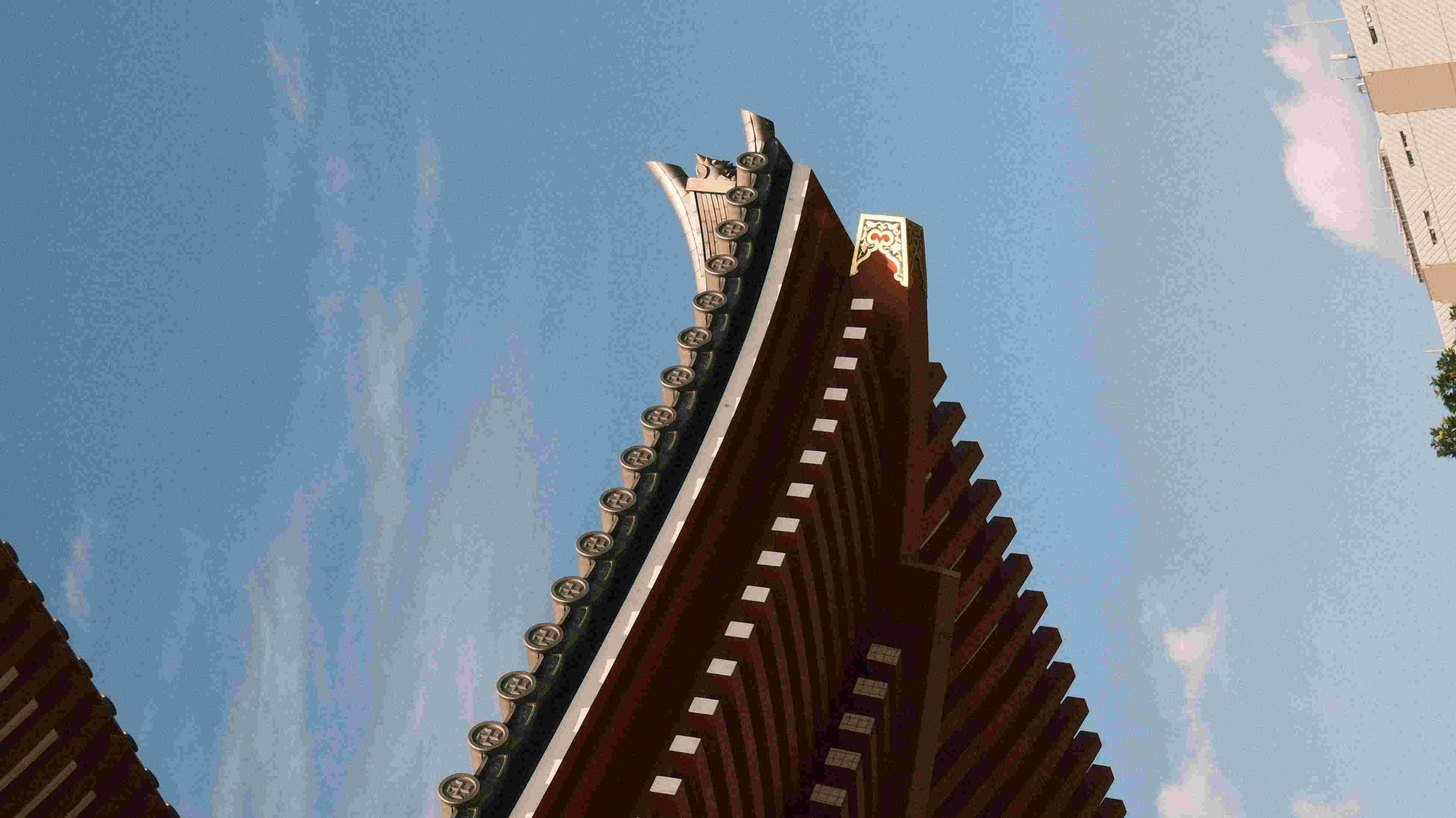
Sensō-ji in the morning. The temple dates from 645 AD — Tokyo's oldest.
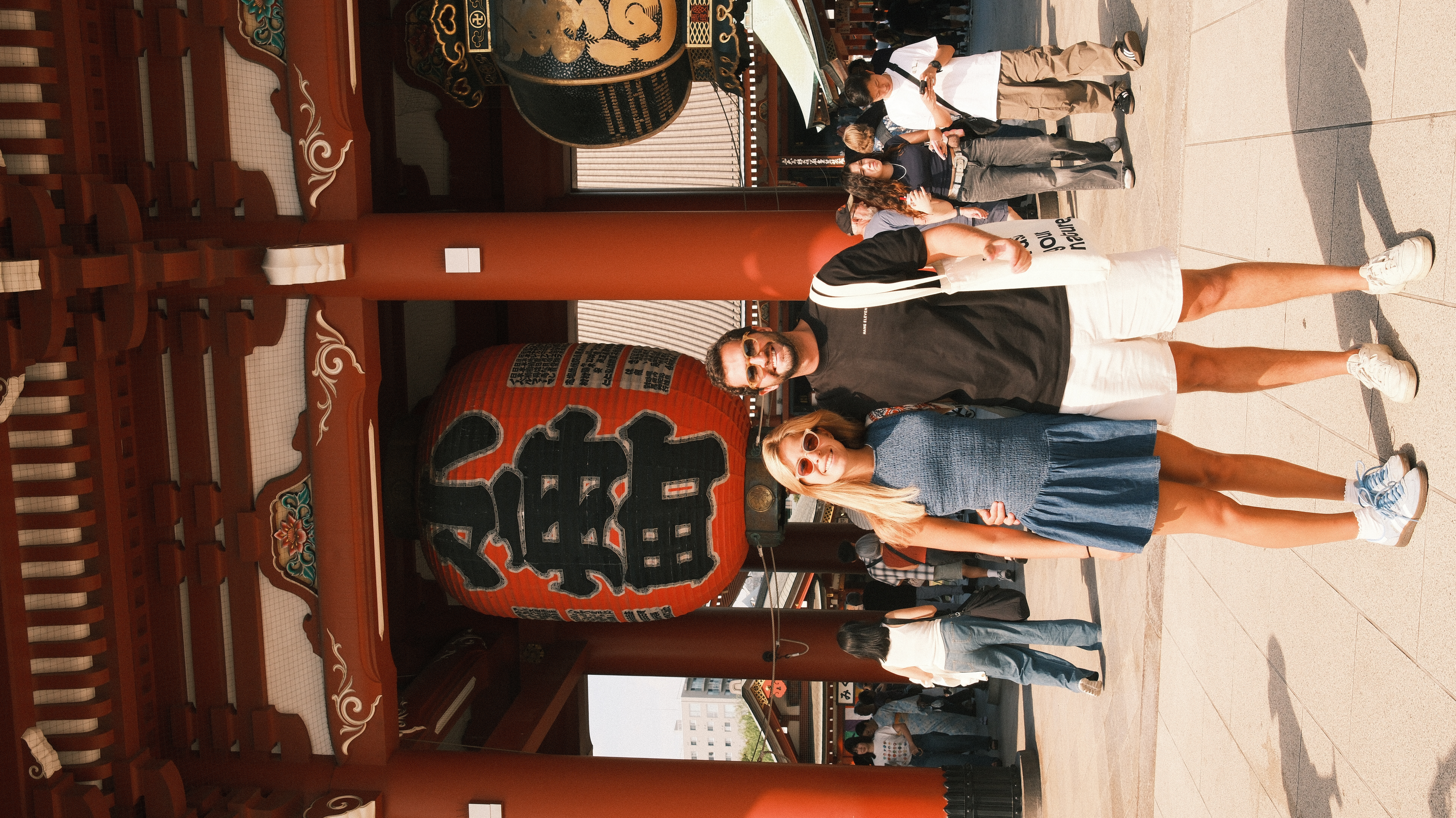
The Kaminarimon (Thunder Gate) is the outer gate of Sensō-ji and the most photographed structure in Asakusa. The 4-metre paper lantern hanging from its centre, painted red with the characters for "Thunder Gate," is one of the defining images of Tokyo. The gate itself frames the beginning of Nakamise Street leading to the inner temple.
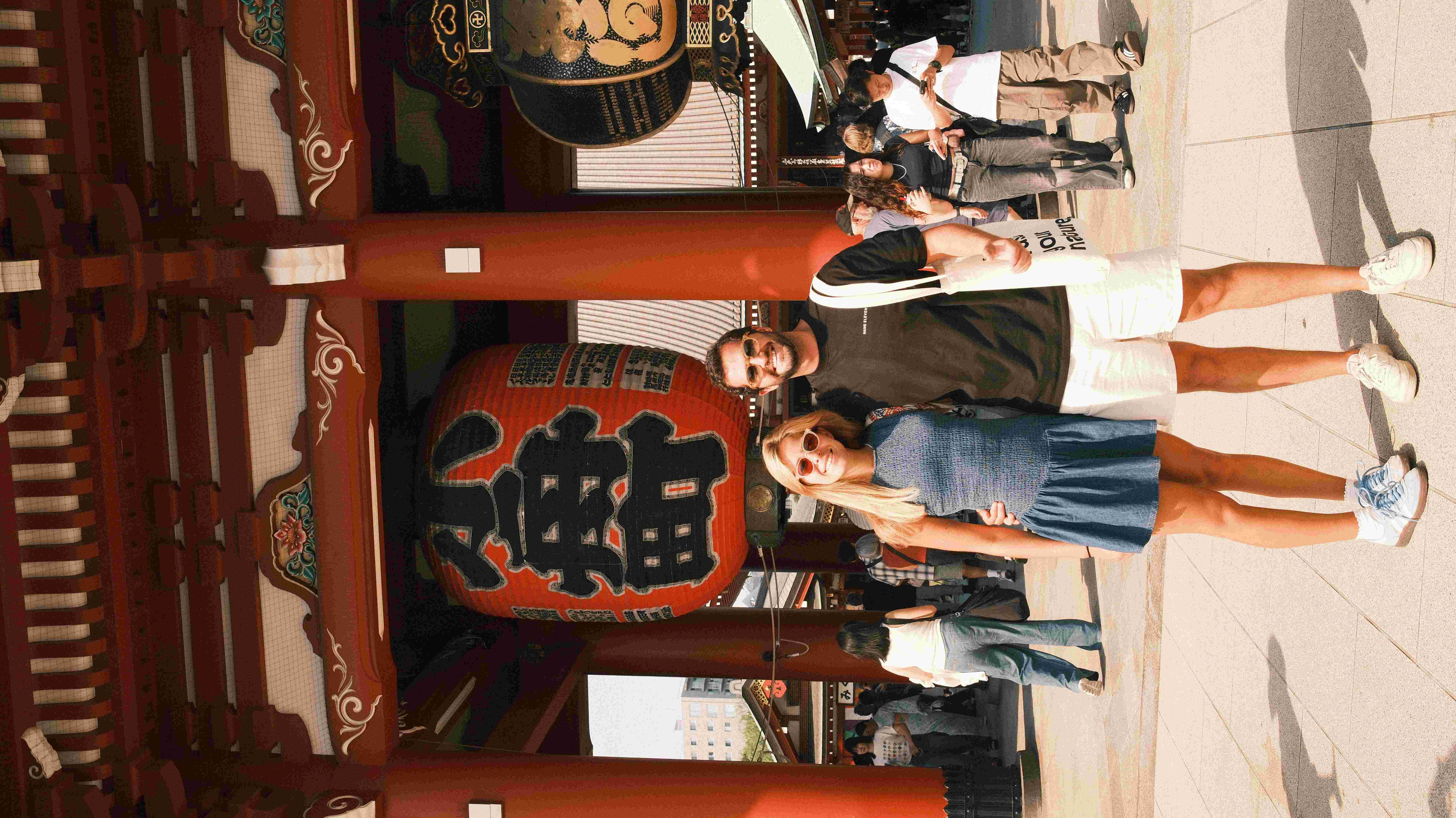
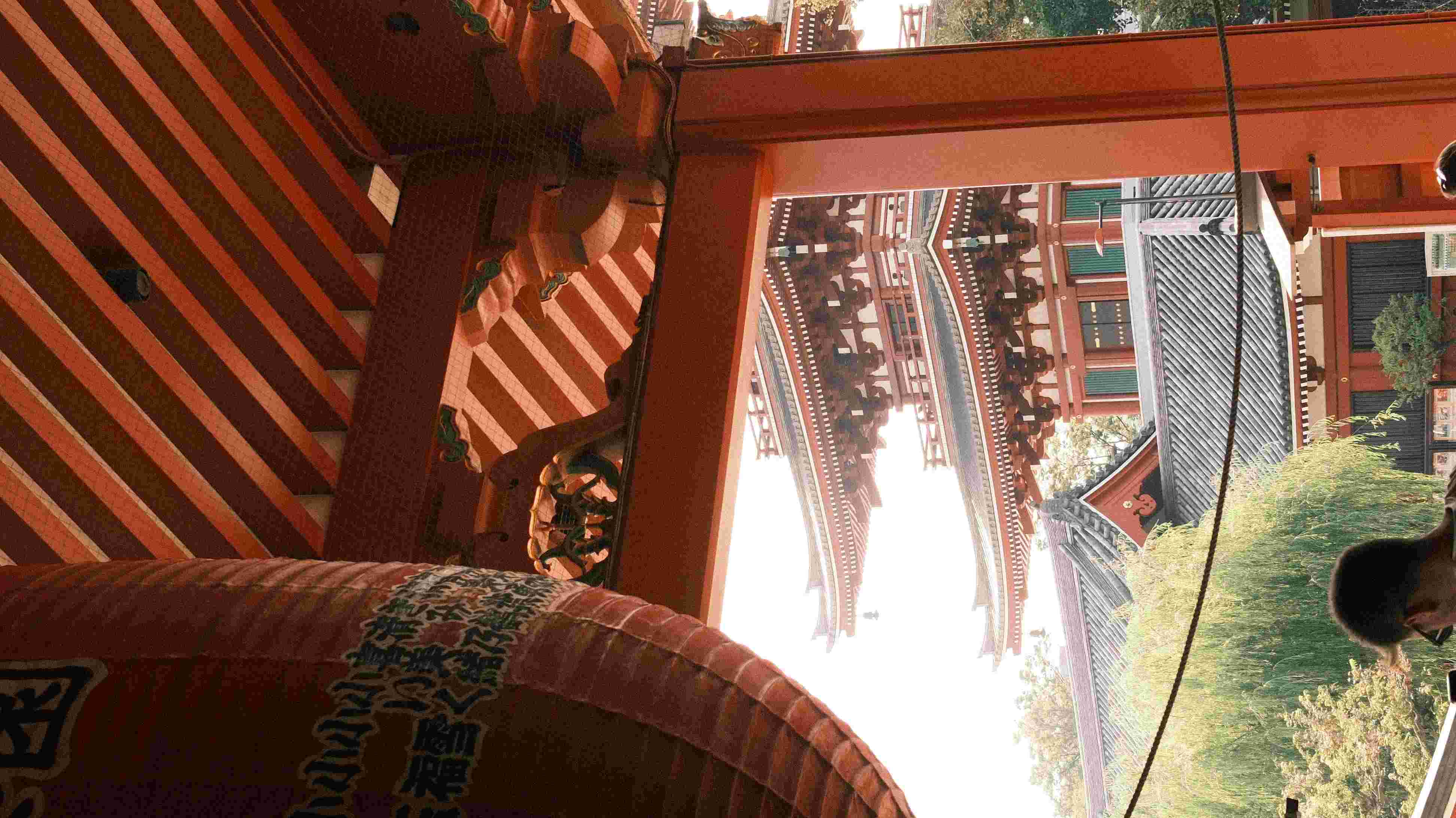
Through the gate, two guardian deities protect the temple: Fujin (God of Wind) on the right and Raijin (God of Thunder) on the left. On the underside of the lantern is a carved dragon. Most visitors miss the dragon — look up when you're walking through.
Nakamise Shopping Street
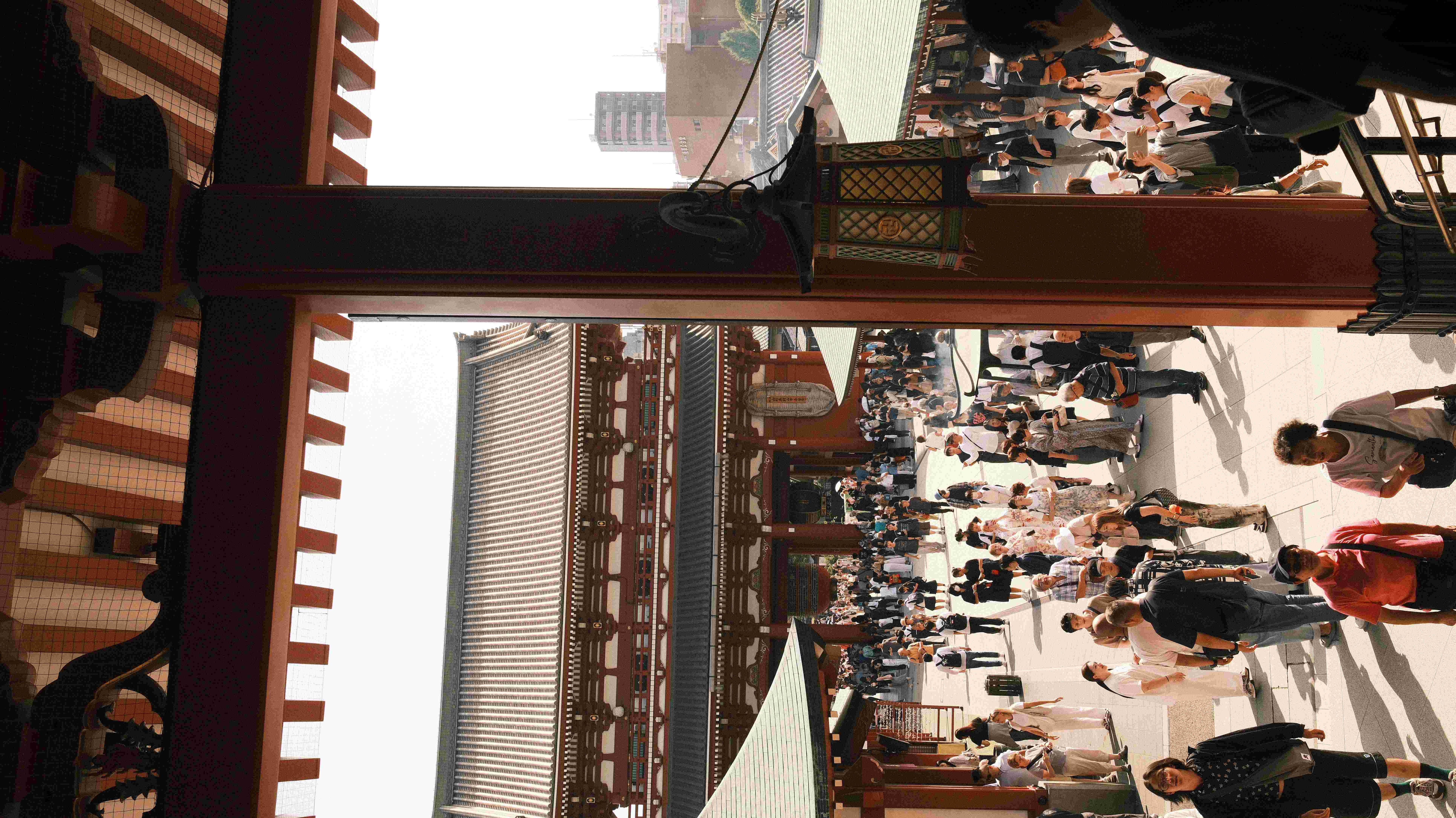
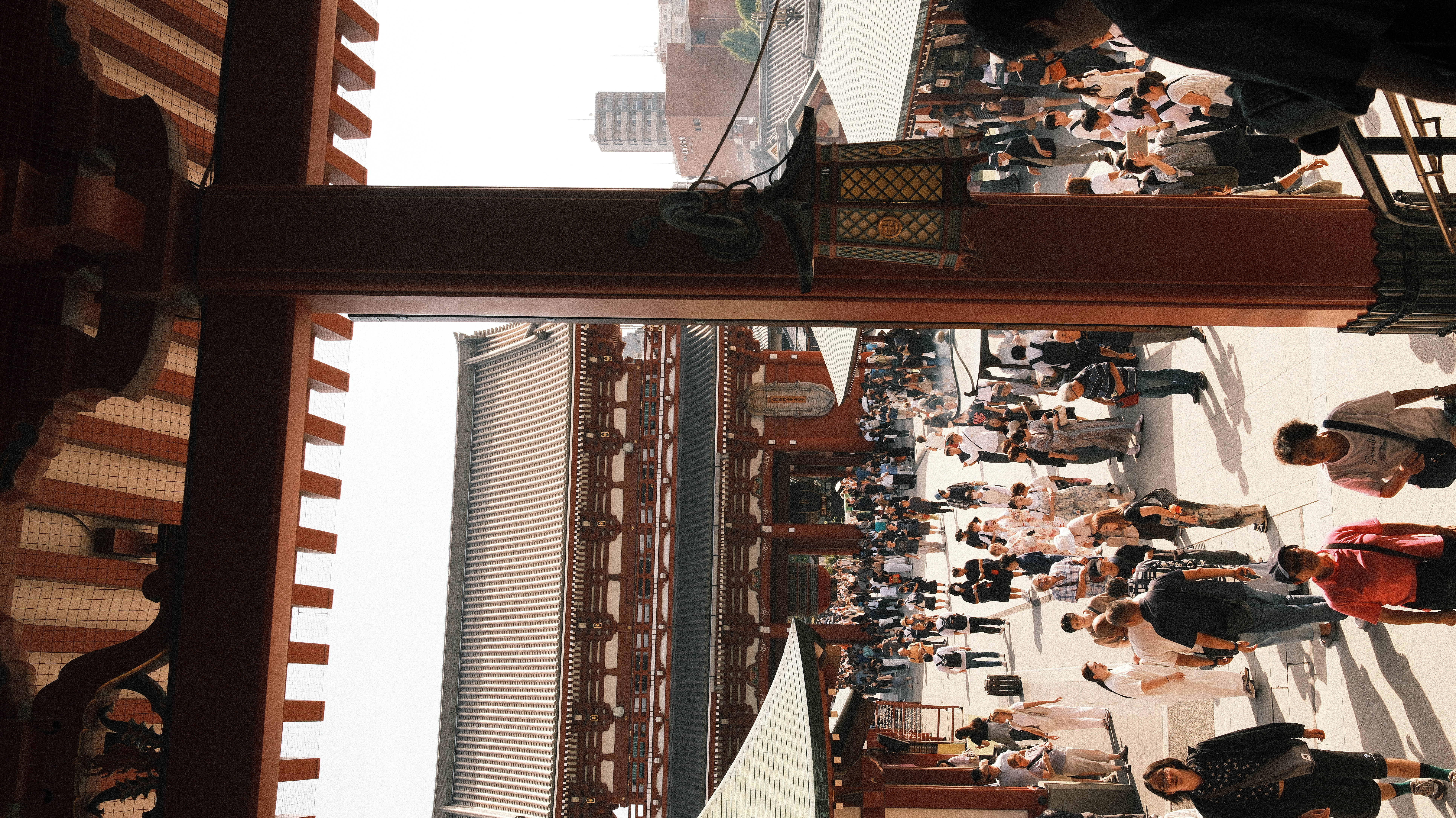
Nakamise Street leading up to the inner gate. Come back after 9am and it looks like this.
The 250-metre arcade running from the Kaminarimon to the inner Hozomon gate is Nakamise Shopping Street — one of the oldest shopping streets in Japan. The 89 stalls sell traditional crafts, souvenirs, and Asakusa specialities: ningyo-yaki (small sponge cakes filled with red bean paste), kaminari-okoshi (puffed rice candy), paper fans, chopsticks, and various other crafts.
The honest picture: In the morning, Nakamise is pleasant and the stalls are interesting. Later in the day, it becomes very crowded and the souvenir quality is mixed. Shop in the morning. The best craft shops are on the smaller side streets off Nakamise — explore those too.
Hozomon Gate and the Main Hall
The Hozomon (Treasure House Gate) is the inner gate, flanked by two large straw sandals hung on its walls (a tradition to ensure the deity's strength extends to the sandaled feet of worshippers). Pass through it and you enter the main temple precinct.
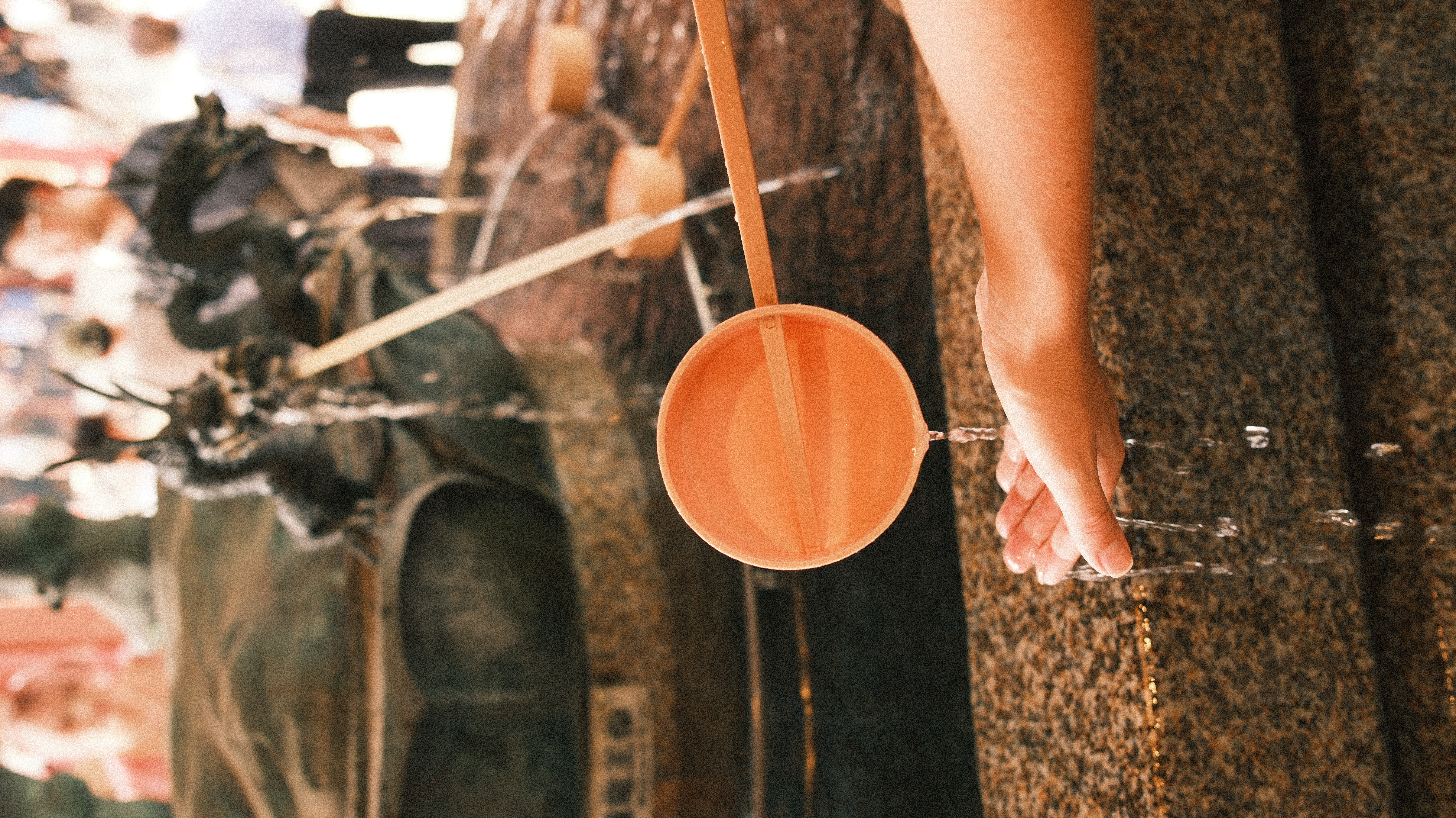
The main hall (Hondo) is dedicated to Kannon, the Buddhist goddess of mercy. The hall is open for visitors to enter and worship — remove your shoes before entering the inner sanctum if invited, wash hands at the purification fountain (temizuya) before approaching, and observe the worshippers before joining in or simply watching respectfully.
In front of the main hall: a large bronze incense burner (jokoro). Visitors fan the incense smoke toward themselves — it's believed to have healing properties. Everyone does it. Join in.
What Most Visitors Miss
The Five-Storied Pagoda
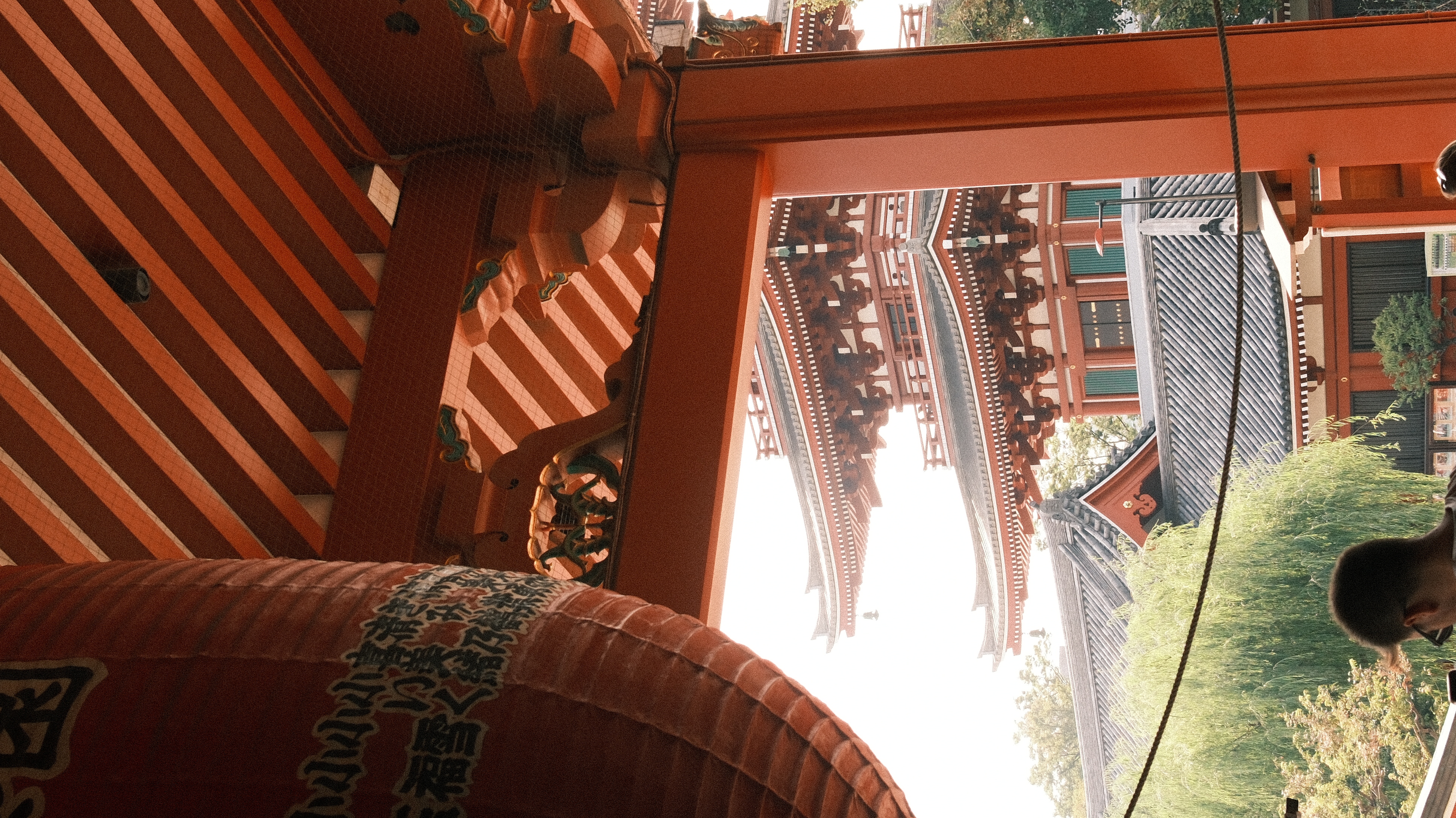
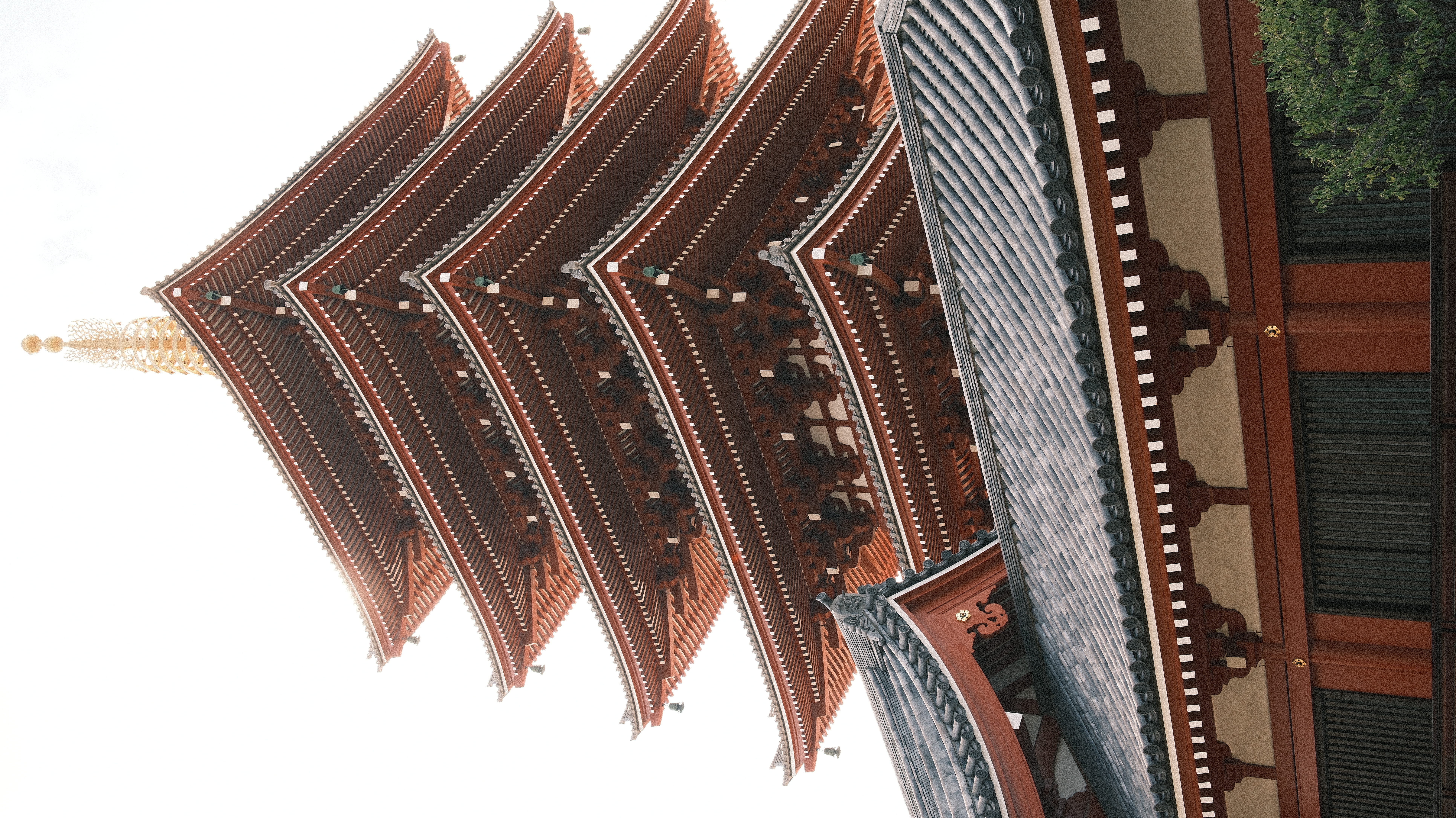
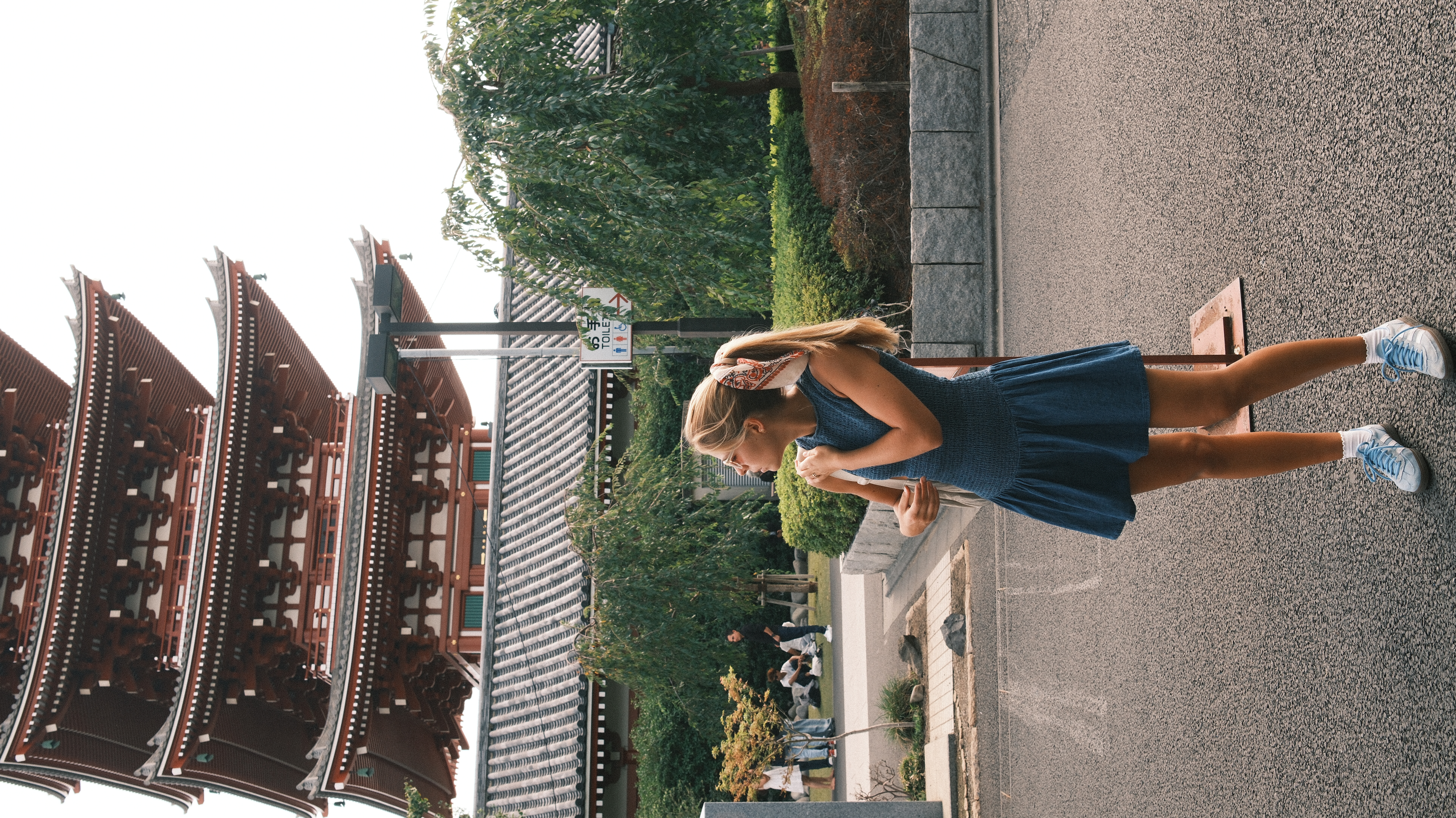
The pagoda is on the western side of the main hall, in the garden area. In the morning light, it's beautifully framed by trees. Most visitors walk straight from the gate to the main hall and miss it — go left when you enter the Hozomon gate.
The Asakusa Shrine
Right next to the main hall is the Asakusa Shrine (Asakusa-jinja), a Shinto shrine in the same complex. It's dedicated to the three men who found the Kannon statue in the river that led to the temple's founding. The shrine is much less crowded than the main temple and has a calm, local feeling.
Omikuji (Fortune Papers)
For ¥100, you shake a metal canister until a stick falls out, take the stick with a number on it, find the corresponding drawer, and unfold your fortune slip. If you get a good fortune, take it home. Bad fortune? Tie it to the wire rack provided and leave it at the temple. This is one of Japan's most enjoyable small rituals.
Exploring Asakusa?
Practical Tips
- Go at 7am. The grounds are open and the temple is peaceful. The difference from visiting at noon is extraordinary.
- Dress respectfully. No dress code is enforced, but the temple is an active place of worship. Use common sense.
- Photography: Fine in the grounds and of the exteriors. Some inner areas of the main hall request no photos — follow the signs.
- The souvenir quality on Nakamise varies widely. For quality crafts, look for the small speciality shops on the side streets off the main arcade.
- Sensō-ji at night (when the lanterns are lit) is also beautiful and much less crowded than daytime — worth a short evening visit.
FAQ
Is Sensō-ji worth visiting?
Yes — if you go early. The temple is genuinely beautiful and historically significant (it dates from 645 AD, making it Tokyo's oldest temple). The crowds at midday can diminish the experience, but the early morning version is one of the best things to do in Tokyo.
How long should I spend at Sensō-ji?
60–90 minutes for the temple itself. Add another 60–90 minutes if you're also exploring Nakamise, the side streets, and the Asakusa neighbourhood. See our Asakusa guide for what to do beyond the temple.
Can you visit Sensō-ji at night?
Yes — the grounds are always open, and the main gate and pagoda are lit up after dark. Night visits are peaceful and far less crowded than daytime. The lanterns cast beautiful light on the gate.
Is Sensō-ji Buddhist or Shinto?
Sensō-ji is a Buddhist temple (dedicated to the Bodhisattva Kannon). The adjacent Asakusa Shrine is Shinto. Both are in the same complex, which is common in Japan — the two religions have coexisted and intertwined for centuries.
More Tokyo Guides
Some links in this post are affiliate links. If you book through them, we earn a small commission at no extra cost to you — it helps us keep writing guides like this one.