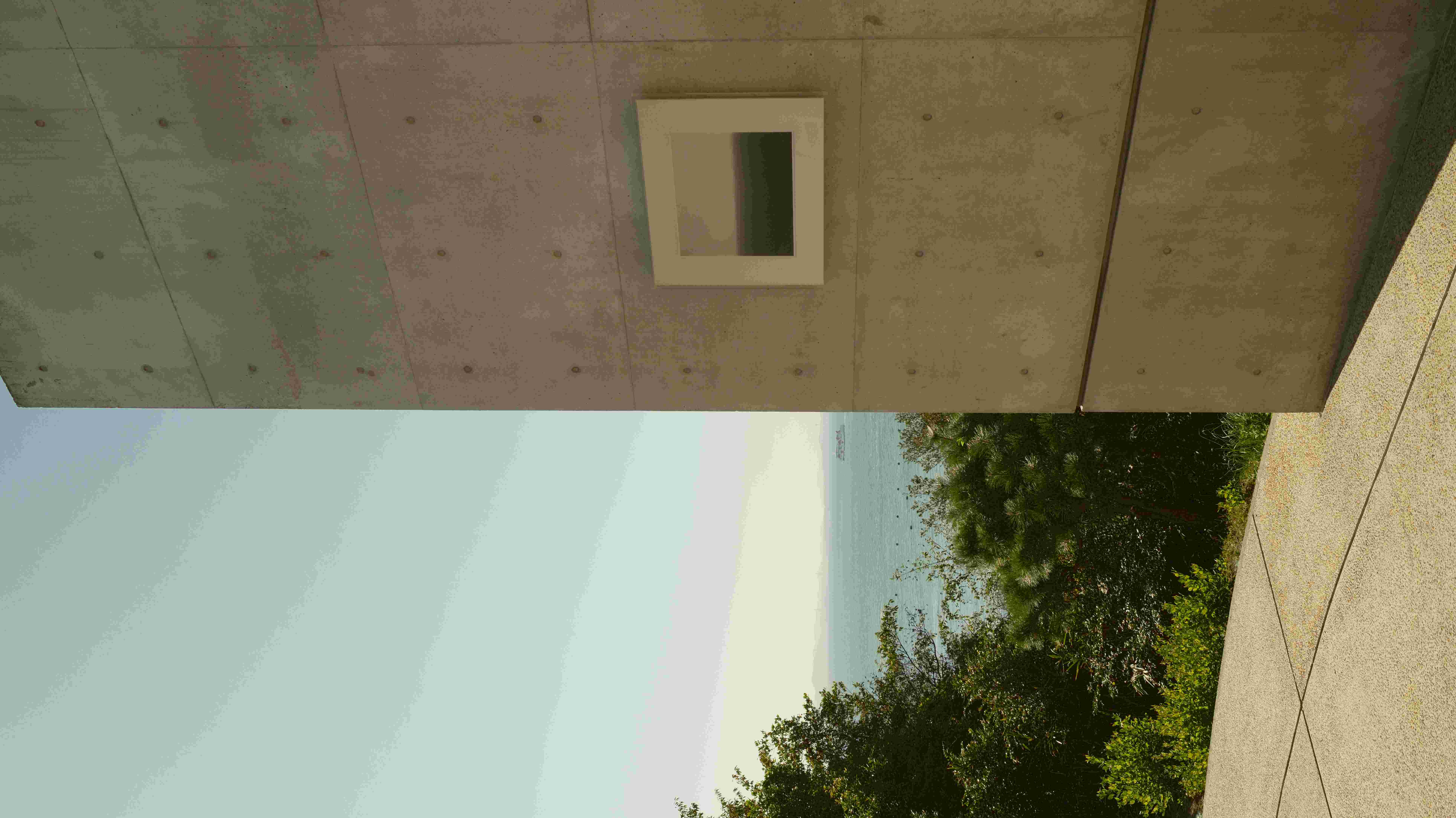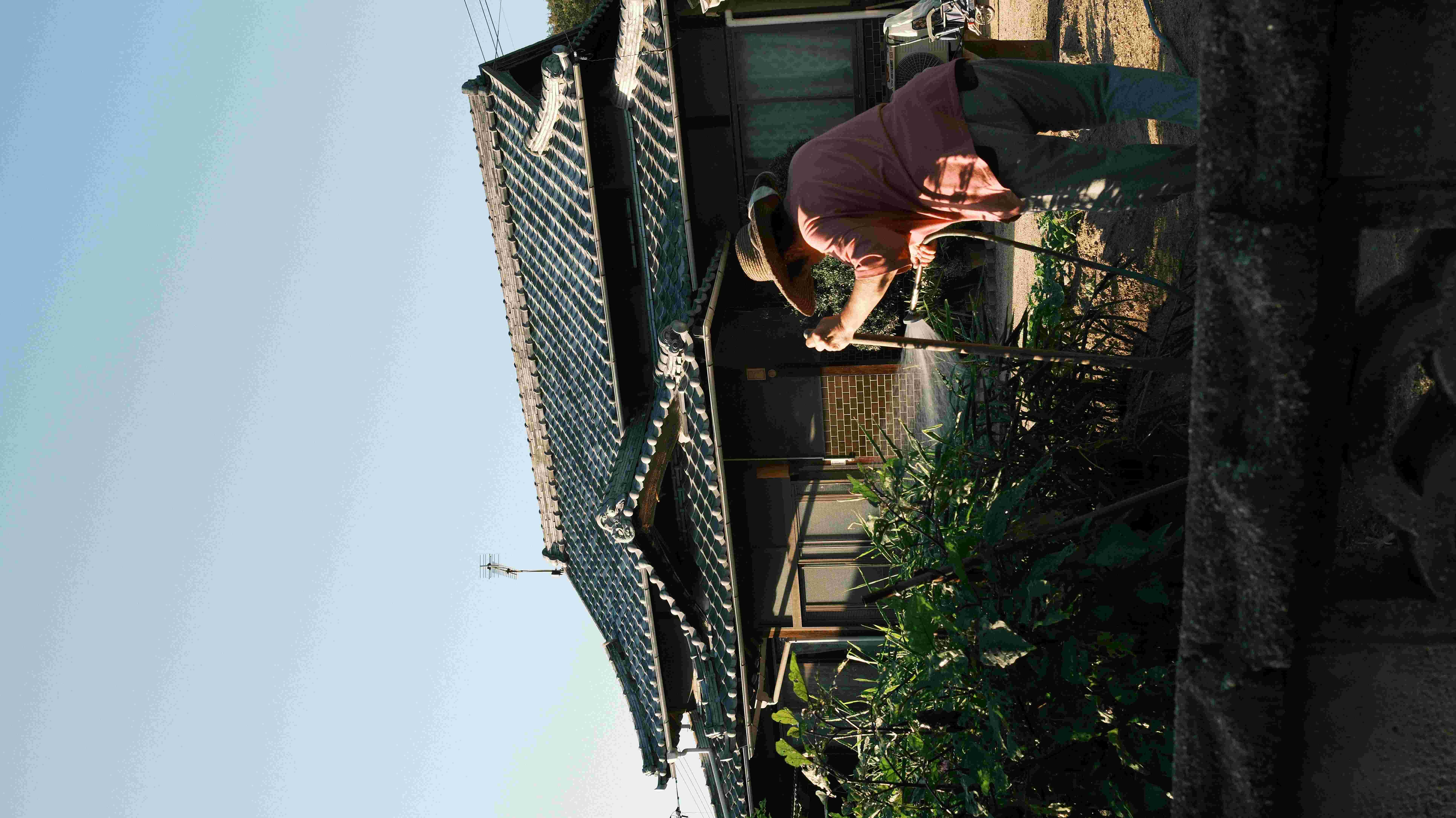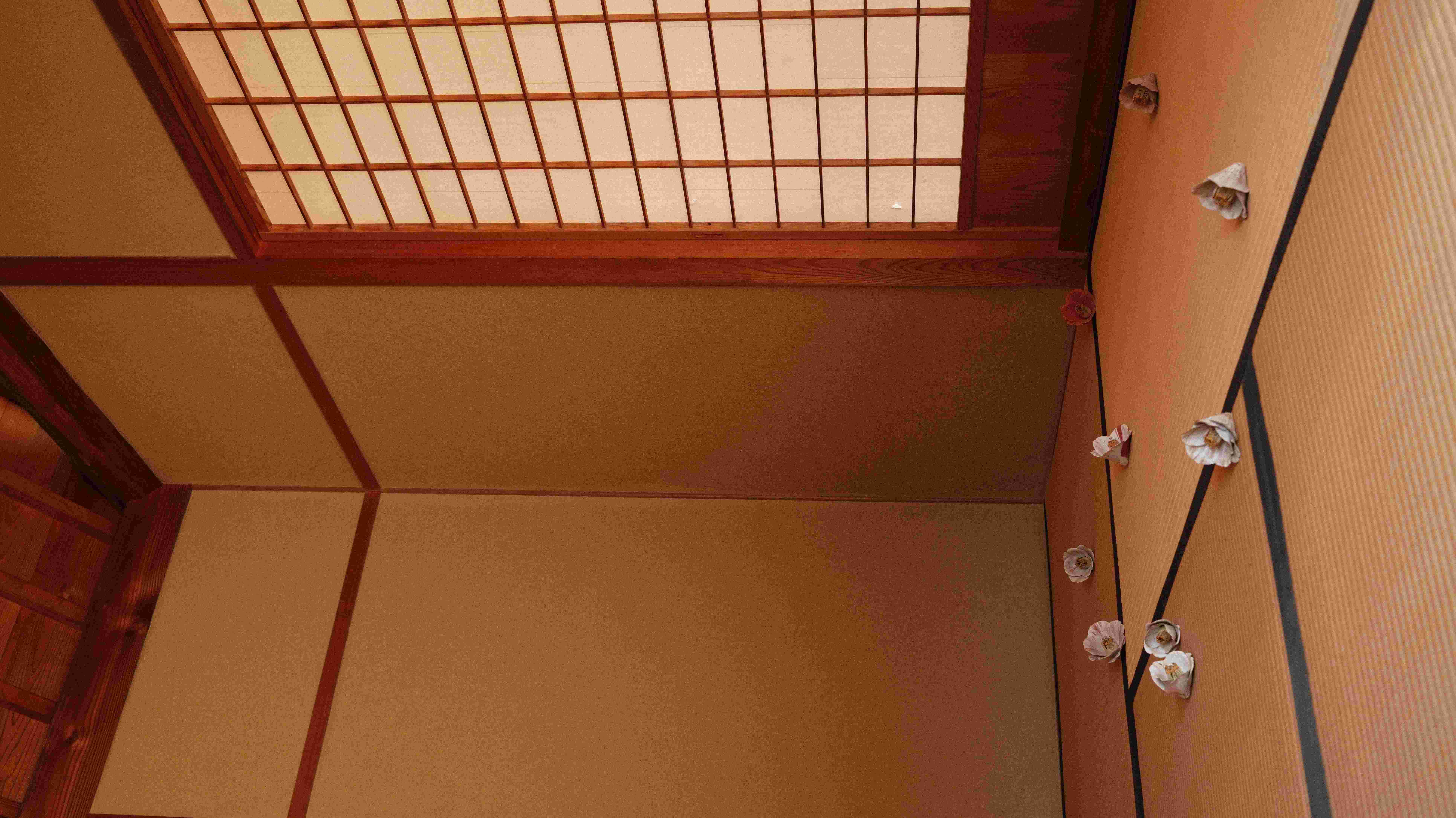
Naoshima is unlike anywhere else in Japan. You step off the ferry onto a quiet island where contemporary art installations are built directly into the landscape — into old houses, into hillsides, overlooking the sea — and everything moves at the pace the island decides, not the pace you arrived with. We came for the art and left thinking about the whole thing: the e-bikes through the quiet roads, the Benesse House on the clifftop, the Kusama pumpkin on the jetty, the ferry across to Teshima where the art museum is barely a building at all. It was peaceful, slow, and deeply inspiring.
What Naoshima Is
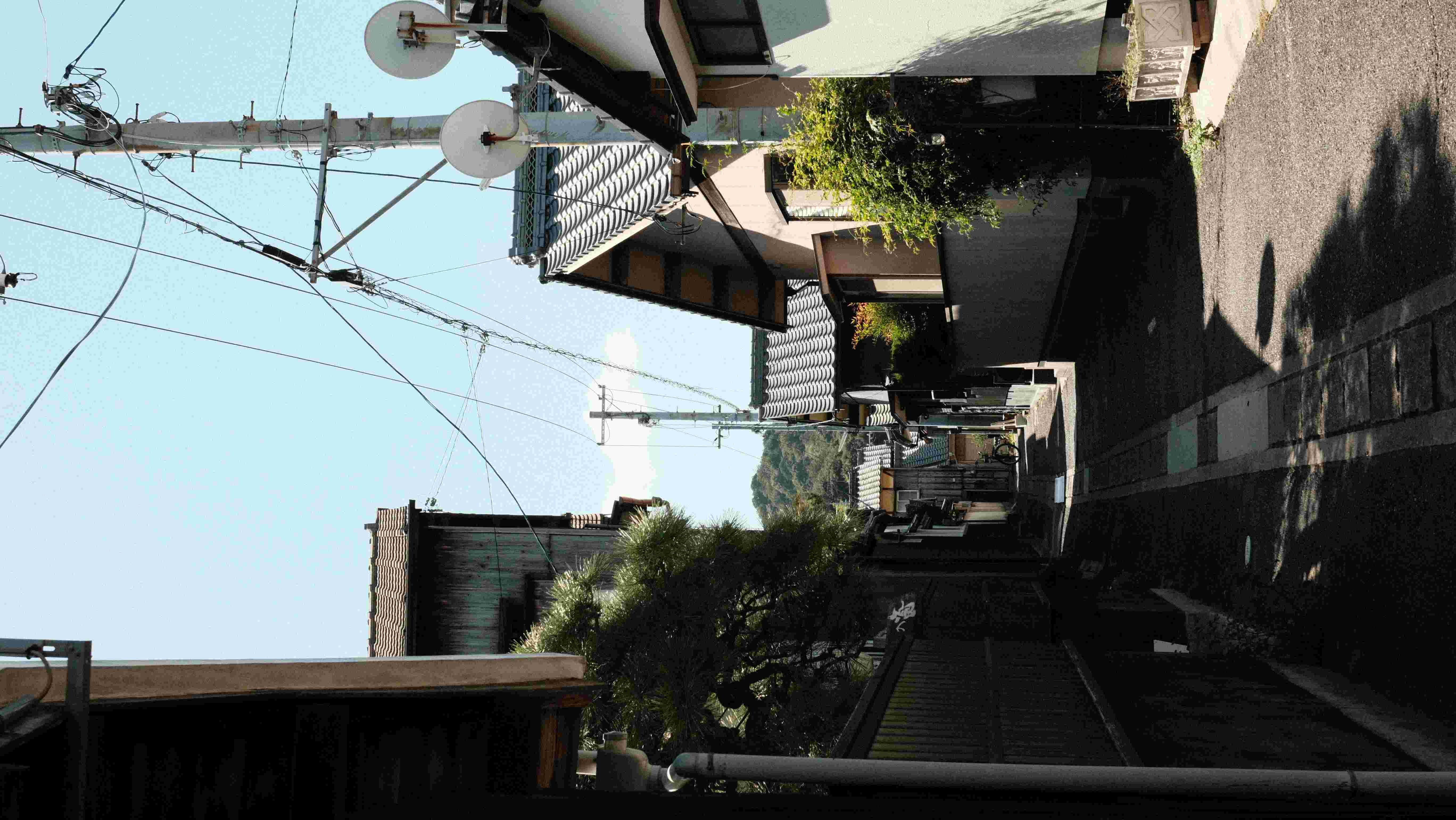
Naoshima is a small island in Japan's Seto Inland Sea, about 20 minutes by ferry from Uno Port in Okayama Prefecture. Since the early 1990s it has been transformed by the Benesse Corporation and architect Tadao Ando into one of the world's most celebrated contemporary art destinations — not through building museums in a neutral location, but by integrating art into the island's existing landscape, buildings, and village life.
The result is something genuinely unusual: a place where you might round a corner on your e-bike and find a centuries-old farmhouse that is now a permanent James Turrell installation, or where a building half-buried in a hillside turns out to be a Tadao Ando museum overlooking the Pacific. The art is not separate from the island — it is the island, or at least intertwined with it in a way that's rare and worth the journey.
Teshima, the neighbouring island (35 minutes by ferry from Uno), operates on the same principle: the Teshima Art Museum is its own extraordinary thing — a concrete shell in a hillside overlooking terraced rice fields, with no art inside except water, light, and the sound of the island. More on that in our Teshima guide.
What We Loved
The overall atmosphere ★★★★★ — Quiet, green, slow. The islands operate at a pace that feels completely disconnected from the rest of Japan. You're on an e-bike on a narrow coastal road with rice fields on one side and the Seto Inland Sea on the other, and there's almost no one else around. This is rare in Japan and feels precious.
Yayoi Kusama's Pumpkins ★★★★★ — The yellow pumpkin on the jetty by the beach (the famous one) and the red one near the port — both Kusama's, both outdoors, both absurdly photogenic against the sea and sky. The yellow pumpkin is the image most people associate with Naoshima, and seeing it in person doesn't disappoint. It's smaller than photographs suggest and more charming for it.
Benesse House Museum ★★★★★ — Tadao Ando's concrete museum built into the clifftop, overlooking the Seto Inland Sea. The architecture is as much the experience as the art inside. See our full Naoshima art guide.
Teshima Art Museum ★★★★★ — One of Japan's most unique art spaces: minimal, poetic, a concrete shell on a hillside where water pools and moves and disappears through tiny holes in the floor, and light comes through two openings in the roof. No conventional art. Just space, water, sound, and the island outside. Our full review is in the Teshima guide.
E-bikes ★★★★★ — The only way to properly explore Naoshima. Rent them the moment you step off the ferry — they sell out fast, often before 9am. The island roads are quiet, the gradients manageable with electric assist, and finding the Art Houses scattered through the Honmura village by bike is a different experience from doing it on foot or by bus.
Honest Notes
Book tickets well in advance. Teshima Art Museum, Benesse House, and Lee Ufan Museum all sell out — sometimes weeks ahead. Book through the Benesse Art Site before your trip. If tickets are sold out when you check, keep refreshing the day of: cancellations release up to 15 minutes before entry time and spots do become available.
Ferry schedules for Teshima are limited. We missed the first Teshima ferry and had to wait three hours for the next one. Check the schedule carefully the night before and plan your day around it. Naoshima ferries are more frequent; Teshima is where you need to be precise.
Food options are very limited. Both islands have few restaurants, and most only open from 5pm. Stock up on snacks at the 7-Eleven in Uno before you take the ferry — especially for a Teshima day. Don't plan on finding lunch easily on either island.
Stay in Uno, not on the island. Accommodation on Naoshima is limited, often overpriced, and fills up far in advance. We stayed at Uno Port Inn on the mainland — right by the ferry terminal, clean, affordable, and with the best breakfast bagels we had in Japan. More in our where to stay guide.
Our Verdict
Naoshima and Teshima are among the most distinctive stops on a Japan itinerary — the kind of places that don't resemble anything else on the trip. If you have any interest in art, architecture, or design, they're essential. Even without a strong art background, the combination of the quiet island pace, the landscape, and the installations produces something that stays with you. The logistics require more planning than most Japan stops (book tickets early, check ferry times, sort e-bikes), but the reward is proportional. Don't skip them.
More Naoshima & Teshima Guides
- Naoshima Art Guide: Benesse House, Art Houses & Kusama
- Teshima Art Museum: The Complete Guide
- Where to Stay for Naoshima: Why We Chose Uno Port Inn
- Naoshima & Teshima Itinerary: How to Plan the Islands
- Is Hiroshima Worth Visiting? (Nearby via Uno Port)
- Is Osaka Worth Visiting? (Base for Naoshima)
- All Japan Guides
FAQ
Is Naoshima worth visiting?
Yes — one of the most distinctive stops in Japan. Contemporary art integrated into a quiet island landscape, Tadao Ando architecture overlooking the sea, Kusama pumpkins on the beach. Requires advance planning but delivers something no other Japan destination does.
Is Naoshima suitable for non-art lovers?
Yes. The art is so integrated into the landscape and architecture that the experience isn't primarily about standing in front of paintings. The island pace, the e-bike exploration, the sea views, and the general atmosphere work independently of any art knowledge.
How far is Naoshima from Osaka or Kyoto?
Approximately 2.5–3 hours by Shinkansen to Okayama then local train to Uno Port, followed by 20 minutes by ferry. A long day trip is theoretically possible; one or two nights in Uno makes for a much more relaxed visit.
Some links in this post are affiliate links. If you book through them, we earn a small commission at no extra cost to you.