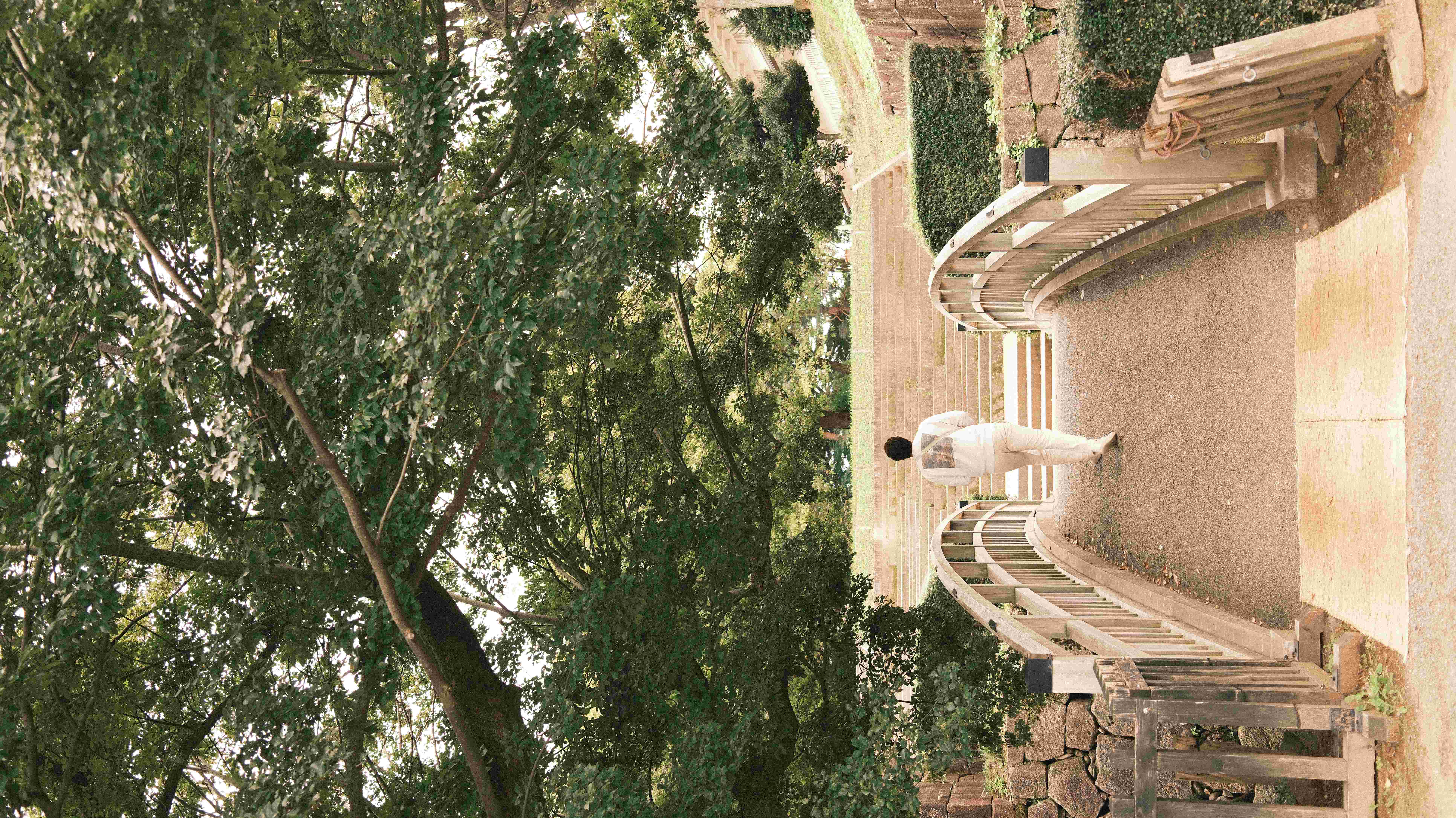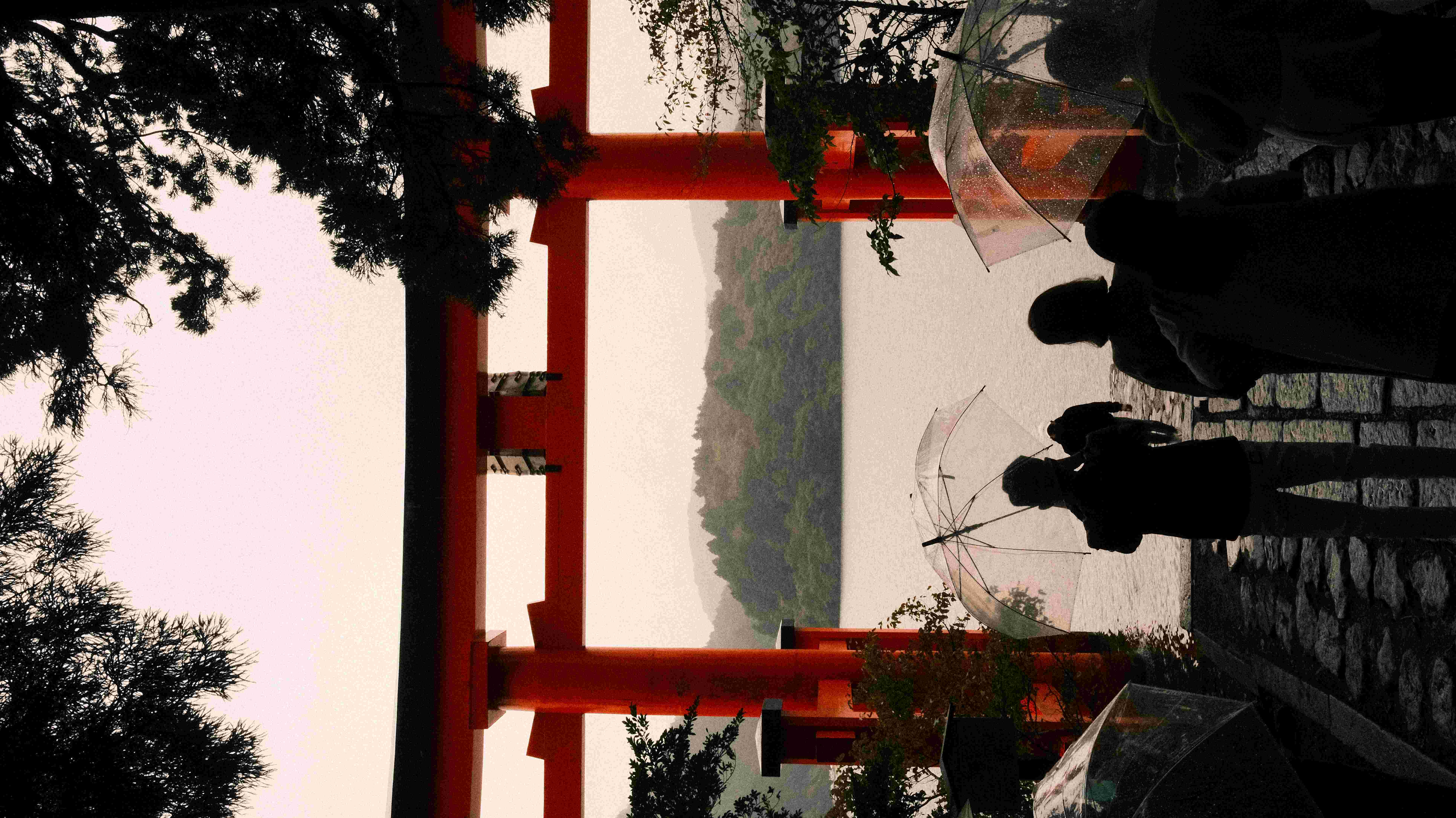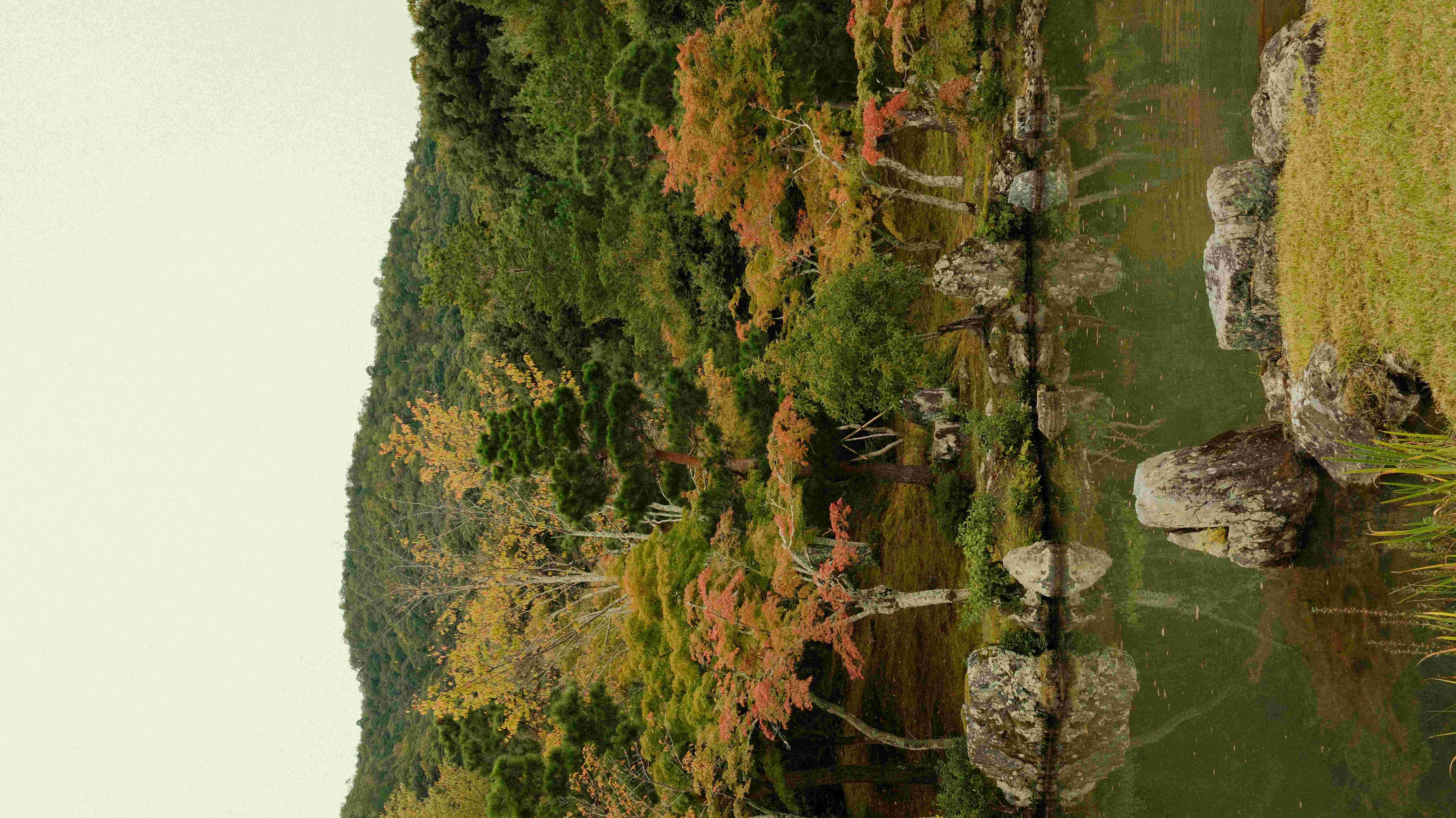
We went to Japan at the end of October. In Hakone it rained every single day — we were in the mountains surrounded by mist and low cloud and never once saw Mount Fuji. And it was still magical. The misty landscape, the onsen in the fog, the quieter crowds — it was still one of the best months of our lives. That tells you something important about Japan: even an "off" version of it is extraordinary. But here's what we learned about timing, and when we'd go back if we could plan it again.
Japan's Four Seasons — What to Expect
Spring (March–May) — Cherry Blossom Season
The most iconic time to visit Japan, and for good reason. Sakura (cherry blossom) typically blooms in late March to early April — starting in the south (Fukuoka, Osaka) and moving north (Kyoto, Tokyo, Kanazawa) over 2–3 weeks. Parks, temples, and streets turn pink. Japan's most photographed season, and genuinely breathtaking in person.
The catch: Everyone else knows this. Late March–April is peak tourist season — book flights, hotels, and anything time-sensitive months in advance. Prices spike. Popular spots get very crowded. The blossom window is also unpredictable — some years it's early, some late. But if you can plan around it and book well ahead, spring is the best time to visit Japan on pure visual terms.
Early May (after cherry blossom) is excellent — warm, green, fewer crowds, and accommodation prices begin to relax.
Summer (June–August) — Hot, Humid, and Rainy Season
Japan in summer is hot and humid — Tokyo and Osaka in July and August are genuinely uncomfortable without constant air conditioning. June brings the rainy season (tsuyu) across most of the country. The saving graces: fewer foreign tourists than spring and autumn, festival season (summer matsuri festivals are among Japan's most atmospheric), and the fact that southern islands like Ishigaki are in their best diving and beach season.
If you're going in summer, head to the mountains (Hakone, Nikko, Kanazawa) for the coolest temperatures, or plan around specific festivals.
Autumn (September–November) — Koyo Season
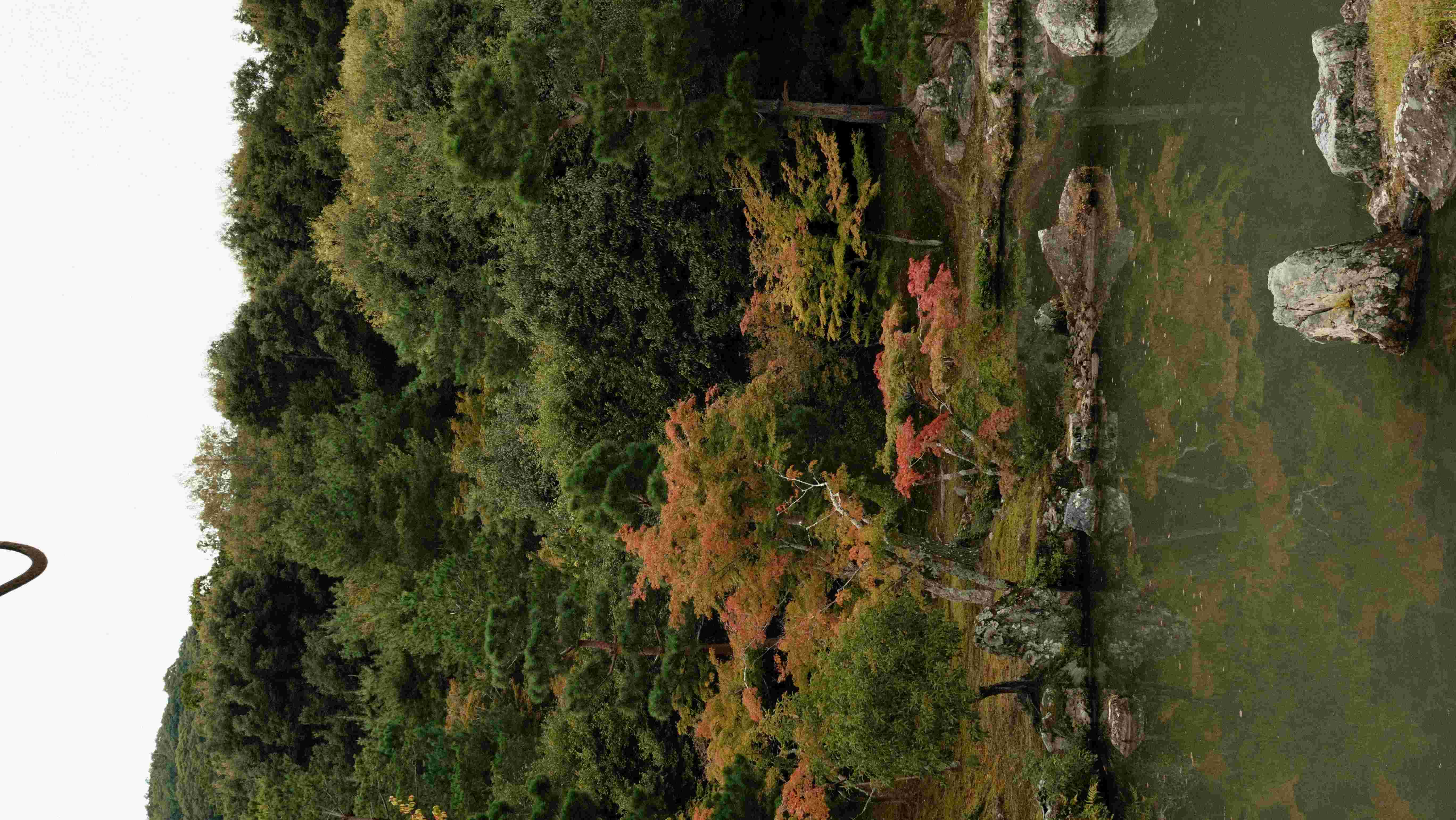
This is when we went. Autumn foliage (koyo) in Japan rivals cherry blossom for spectacle — red maples, golden ginkgo, forested mountains turning amber. It starts in the north in late September, reaching central Japan (Kyoto, Kanazawa, Tokyo) through November. Temperatures are comfortable (15–22°C in most cities), the light is beautiful, and the landscapes are extraordinary.
Autumn is the second busiest season — book ahead, especially for Kyoto in November, which is the most popular time to visit the country's most popular city. But in October — especially early-to-mid October — it's a sweet spot: comfortable temperatures, starting foliage in some areas, and manageable crowds.
Our verdict: Late October was excellent. Rain in Hakone was the only downside. We'd do it again.
Winter (December–February) — Cold and Quiet
Japan in winter is cold but beautiful — especially in places that get snow. Kanazawa is particularly stunning under snow, and ski resorts in the Japan Alps and Hokkaido are world-class. Kyoto in winter has something quiet and special about it — the temples without crowds, frost on the lanterns, clear blue-sky days.
This is the low season for foreign tourists, which means accommodation is cheaper, queues are shorter, and popular spots become genuinely comfortable to visit. The New Year period (late December–early January) is the exception — Japan's domestic holiday season, when everything closes and trains are packed with locals.
Best Time by City
| City | Best Time | Notes |
|---|---|---|
| Tokyo | Spring (Apr) or Autumn (Oct–Nov) | Avoid summer heat; winter is underrated for temples |
| Kyoto | Spring (late Mar–Apr) or Autumn (Nov) | Book months ahead for these peak periods |
| Osaka | Spring or Autumn | Year-round viable; summer festivals worth it |
| Kanazawa | Winter (snow) or Autumn (foliage) | Snow transforms the city; winter is underrated |
| Hiroshima / Miyajima | Spring or Autumn | Torii gate in autumn foliage is extraordinary |
| Fukuoka | Autumn or Spring | Year-round — summer yatai still fun |
| Ishigaki | June–October | Best diving visibility; beach season; avoid typhoon months (Aug–Sep) |
| Hakone | Spring (Fuji views) or Autumn (foliage) | October rain can obscure Fuji — ask us how we know |
| Koyasan | Autumn or Winter | Autumn foliage at Okuno-in is extraordinary; winter snow is magical |
| Naoshima | Spring or Autumn | Avoid summer heat for outdoor installations |
When We'd Go Back
Late March to mid-April if we could plan around the cherry blossom and book far enough ahead. The images alone justify the crowds, and having seen autumn Japan in full, we know we'd love it in spring too.
If we went back this October or November, we'd try to time Kyoto for mid-November (peak koyo at the temples) and Kanazawa for the same window. We'd still go to Hakone in late October — just without expecting Fuji views, and fully prepared to spend time in the onsen watching the mist instead.
Plan Your Japan Trip
- One Month in Japan: Our Full Route and Itinerary
- Is Japan Worth Visiting? Our Honest Review
- Is Japan Expensive? Budget Breakdown
- Best Things to Do in Kyoto
- Hakone 2-Day Itinerary
- How to Get Around Japan: Suica vs JR Pass
- Japan Packing List: What to Bring and What to Leave Behind
- Japan for First-Timers: 20 Things to Know Before You Go
- Best eSIM for Japan 2026
- All Japan Guides
FAQ
What is the best month to visit Japan?
April (cherry blossom — book early) or November (autumn foliage — book early). October is excellent and slightly less crowded. Early May after cherry blossom is also a great sweet spot.
Is Japan good to visit in October?
Yes — we went in October. Comfortable temperatures, early autumn foliage in some areas, fewer crowds than November. Hakone can be cloudy or rainy with limited Fuji views, but it's still worth it.
Can you see Mount Fuji in October?
Sometimes — but October weather around Fuji can be unpredictable. We went to Hakone at the end of October, it rained the entire time, and we never saw Fuji. Still magical. Don't build your entire trip around guaranteed Fuji views — they're weather-dependent year-round.
Is Japan busy all year?
Peak crowds: late March–April (cherry blossom) and November (autumn foliage). Quietest: January–February and June–early July (rainy season). December and August are domestic holiday seasons with their own different crowds.
Some links in this post are affiliate links. If you book through them, we earn a small commission at no extra cost to you.