Two days in Kyoto is enough to see the essential areas properly — Fushimi Inari, Arashiyama, Higashiyama, and Gion — without feeling rushed. The key is the same as always: plan by neighbourhood and start early every morning.
If you have more time, see our full guide on how many days to spend in Kyoto. If you only have one day, see our 1-day itinerary.
Day 1 — Fushimi Inari + Higashiyama & Gion
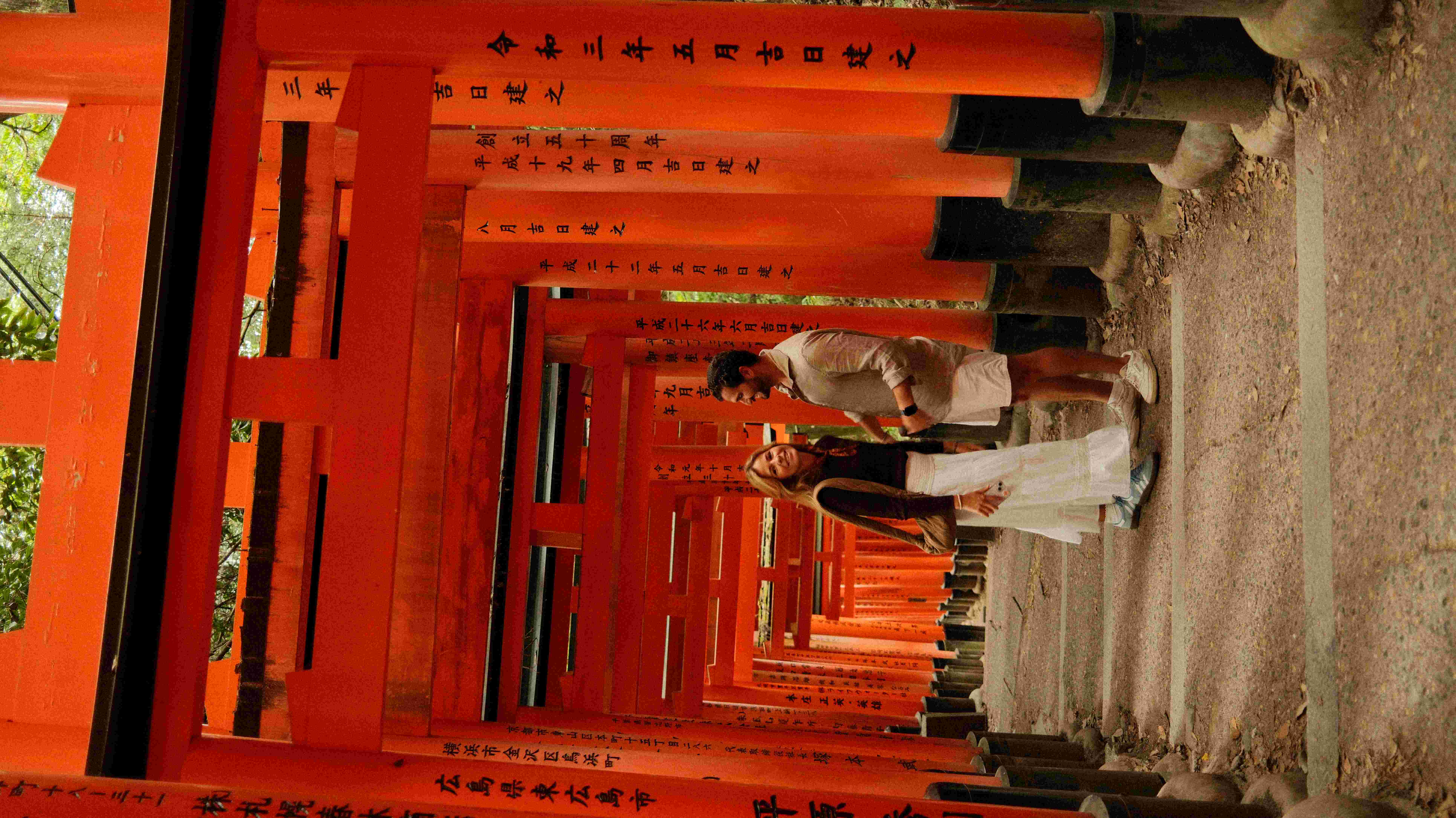
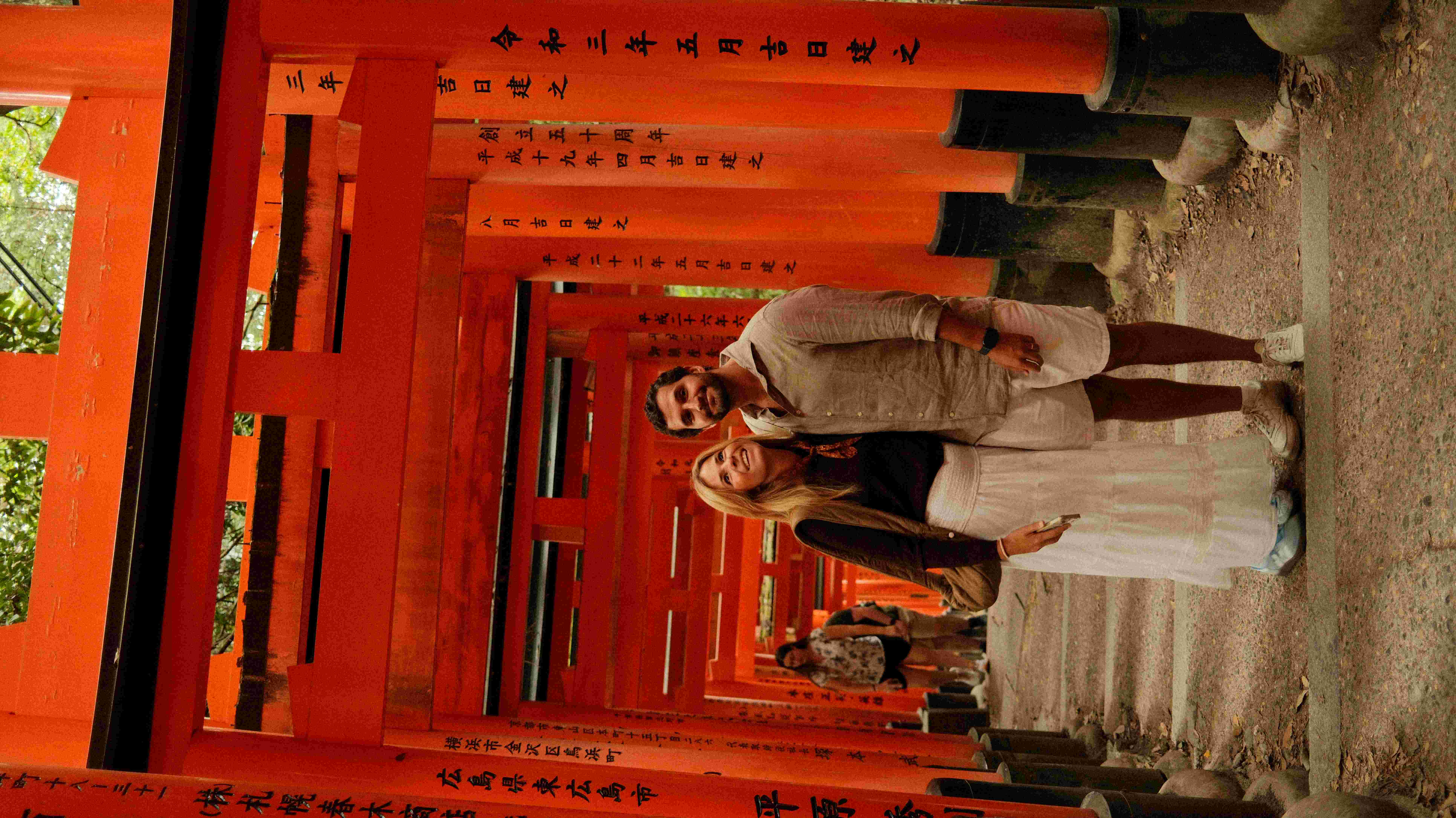
5:30am — Fushimi Inari Taisha
Start before sunrise. Take the JR Nara Line from Kyoto Station to Inari Station (5 minutes, ¥150). The shrine gate is a 2-minute walk.
The thousands of vermillion torii gates winding up Inari Mountain are one of Japan's most iconic sights — and their quality as an experience depends almost entirely on when you arrive. Before 7am: near-empty, atmospheric, extraordinary. After 9am: a tourist queue. We've covered this fully in our Fushimi Inari review, but the short version is: the sunrise visit is one of the best experiences in Japan. Don't skip it for an extra hour in bed.
Walk the lower section — the two main gate tunnels — which takes about 45 minutes. The full hike to the summit is 2–3 hours if you have energy and time. Come back down by 8am.
8:00am — Breakfast
Head back to central Kyoto. Chao Chao Gyoza (Shijo Kawaramachi) for crispy bite-sized gyoza — an unusual breakfast but an excellent one. Or a 7-Eleven onigiri if you want to save appetite for later. The Nishiki Market opens from early morning and has good street food options for a light breakfast.
9:30am — Ninenzaka, Sannenzaka & Kiyomizu-dera
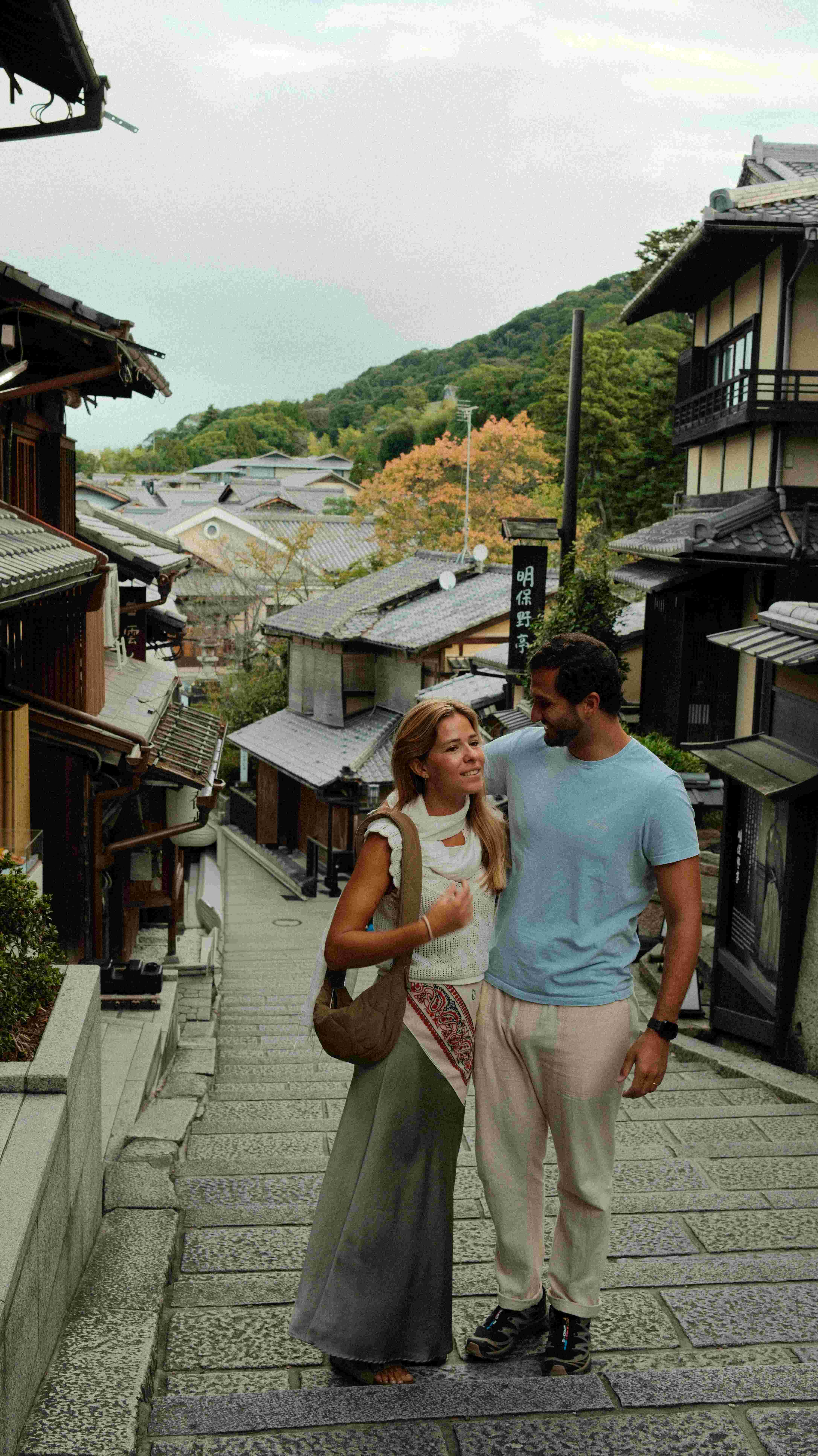
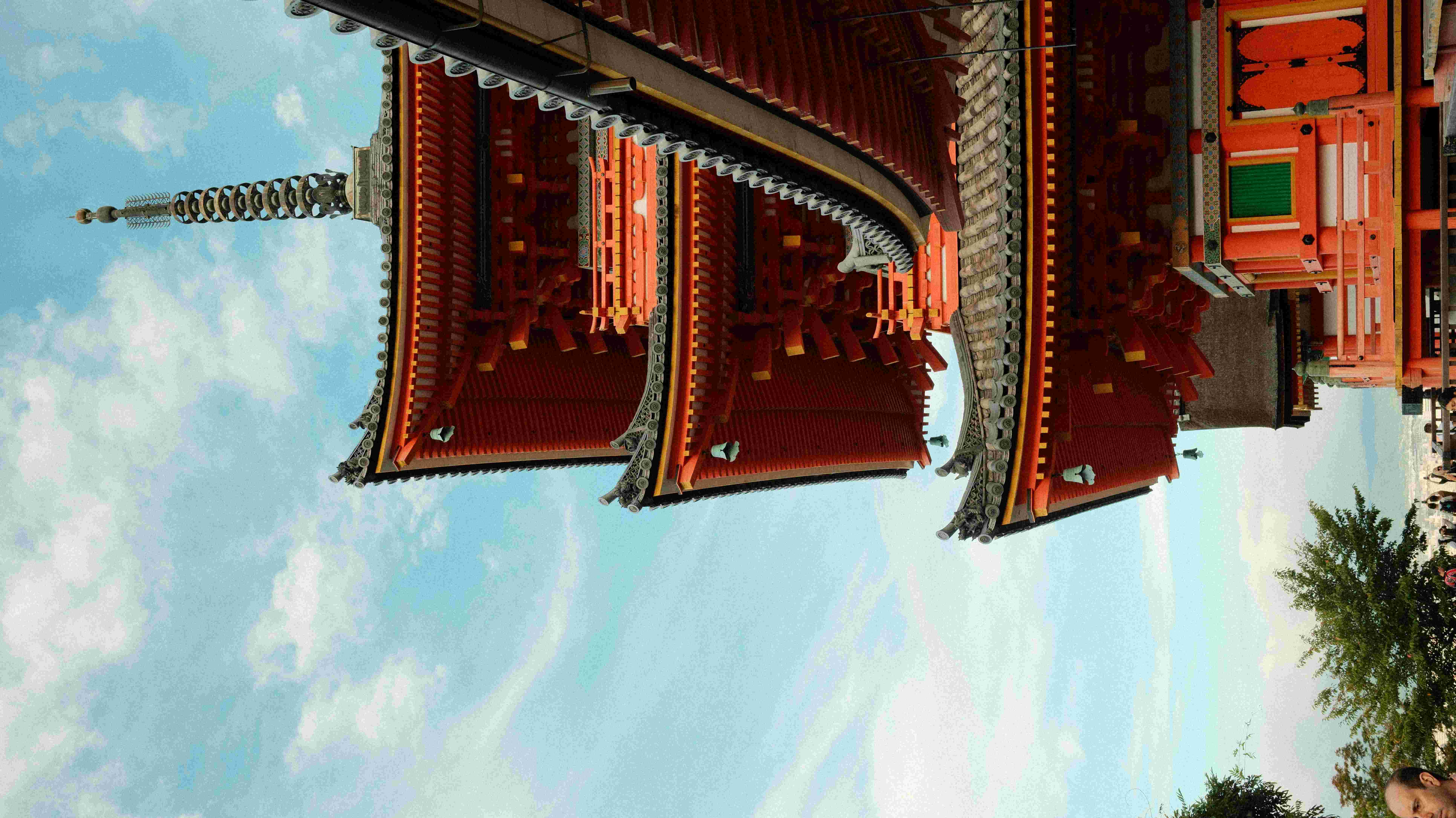
Bus to Higashiyama (bus 100 or 206). Walk Ninenzaka and Sannenzaka — the old stone lanes are still manageable at 9:30am before the main tour groups arrive. Work uphill to Kiyomizu-dera: sweeping city views, the famous wooden stage, the waterfall below. Entry ¥500. Allow 60–90 minutes including the lane walks.
12:00pm — Lunch
Ramen Sen-no-Kaze Kyoto for a deeply flavourful bowl. Or walk into Gion and browse — there are good options in every direction.
1:30pm — Kenninji Temple
Our favourite temple in Kyoto. Fifteen minutes' walk from Kiyomizu-dera — Kyoto's oldest Zen temple, almost always uncrowded, with extraordinary twin dragon ceiling paintings that most day-trippers completely miss. Entry ¥600. Allow 45–60 minutes.
3:00pm — Gion, Yasaka Shrine & Hanamikoji
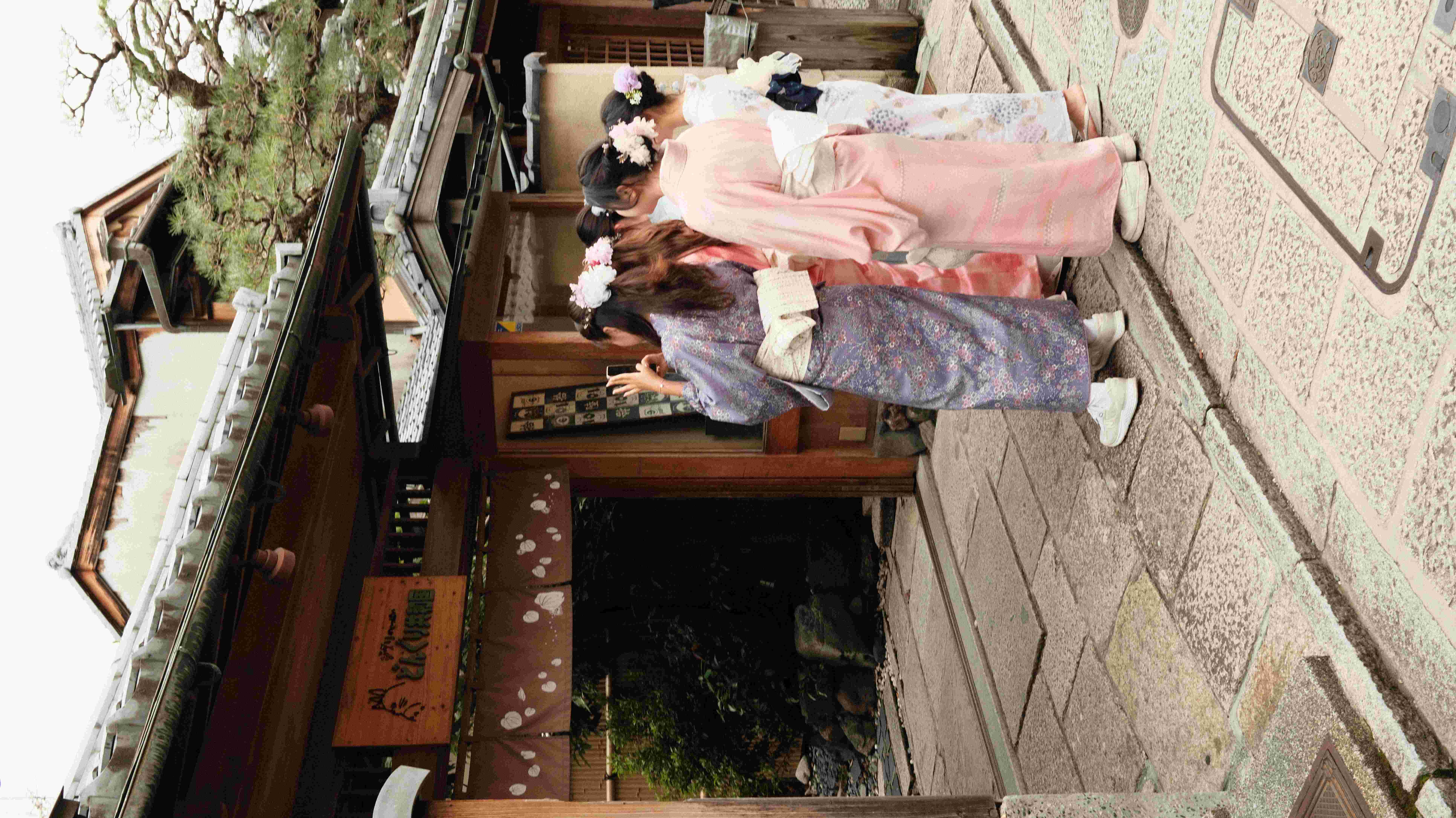
Walk north through Gion. Yasaka Shrine marks the gateway — bright vermillion, free to enter, beautiful in the afternoon light. Then walk Hanamikoji Street slowly as the light fades. This is Kyoto's geisha district — traditional wooden tea houses, lanterns, and the possibility (especially around 5–6pm) of catching a geiko or maiko heading to an evening appointment.
6:00pm — Dinner at Pontocho
Walk to Pontocho Alley for dinner. Browse the full lane, read menus, and pick a spot. Maruman in Gion is worth reserving ahead for sushi. In summer, ask about kawayuka riverside terrace dining — one of Kyoto's best evening experiences.
Day 2 — Arashiyama + Kinkaku-ji + Central Kyoto
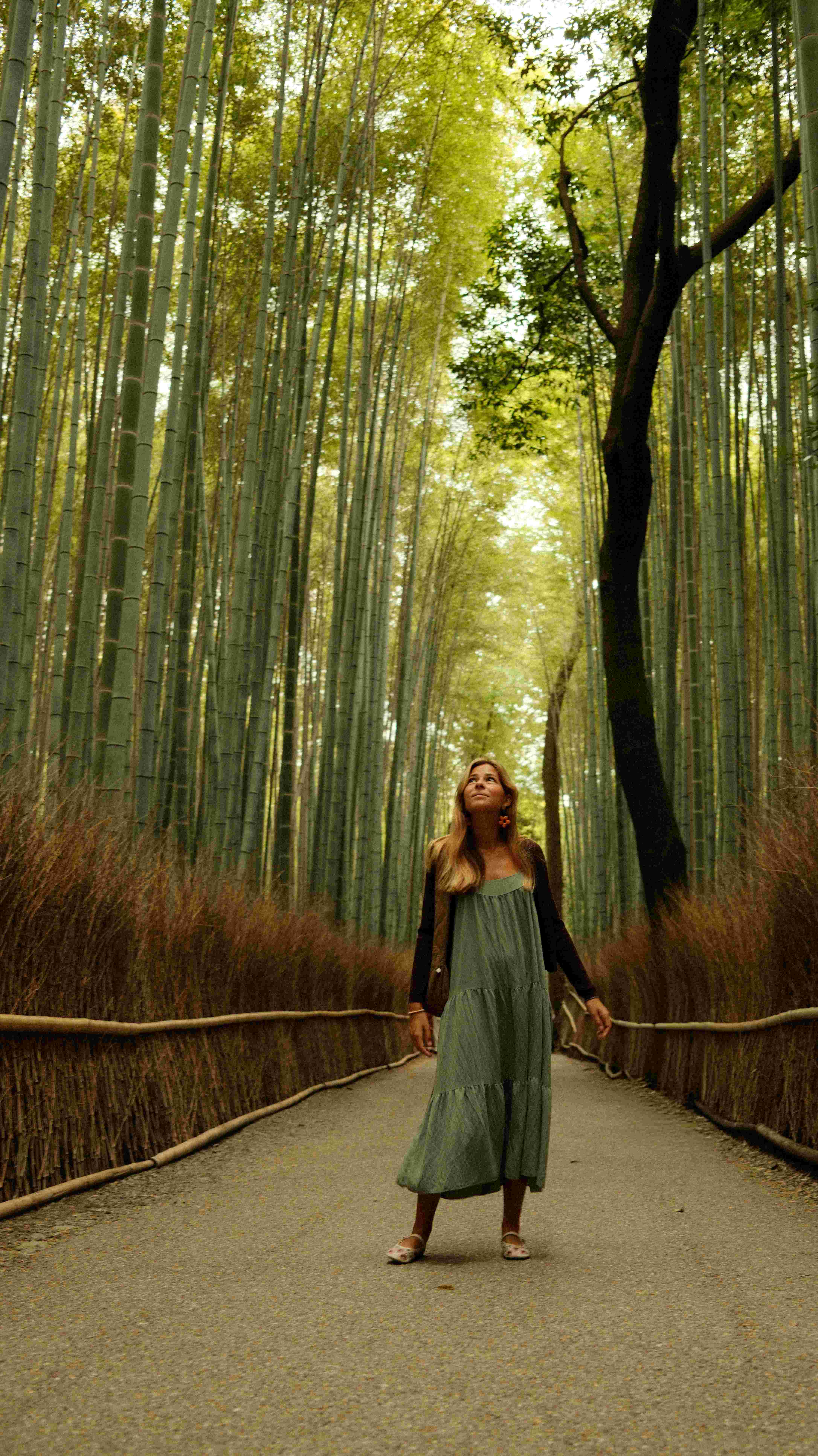
6:30am — Arashiyama Bamboo Grove
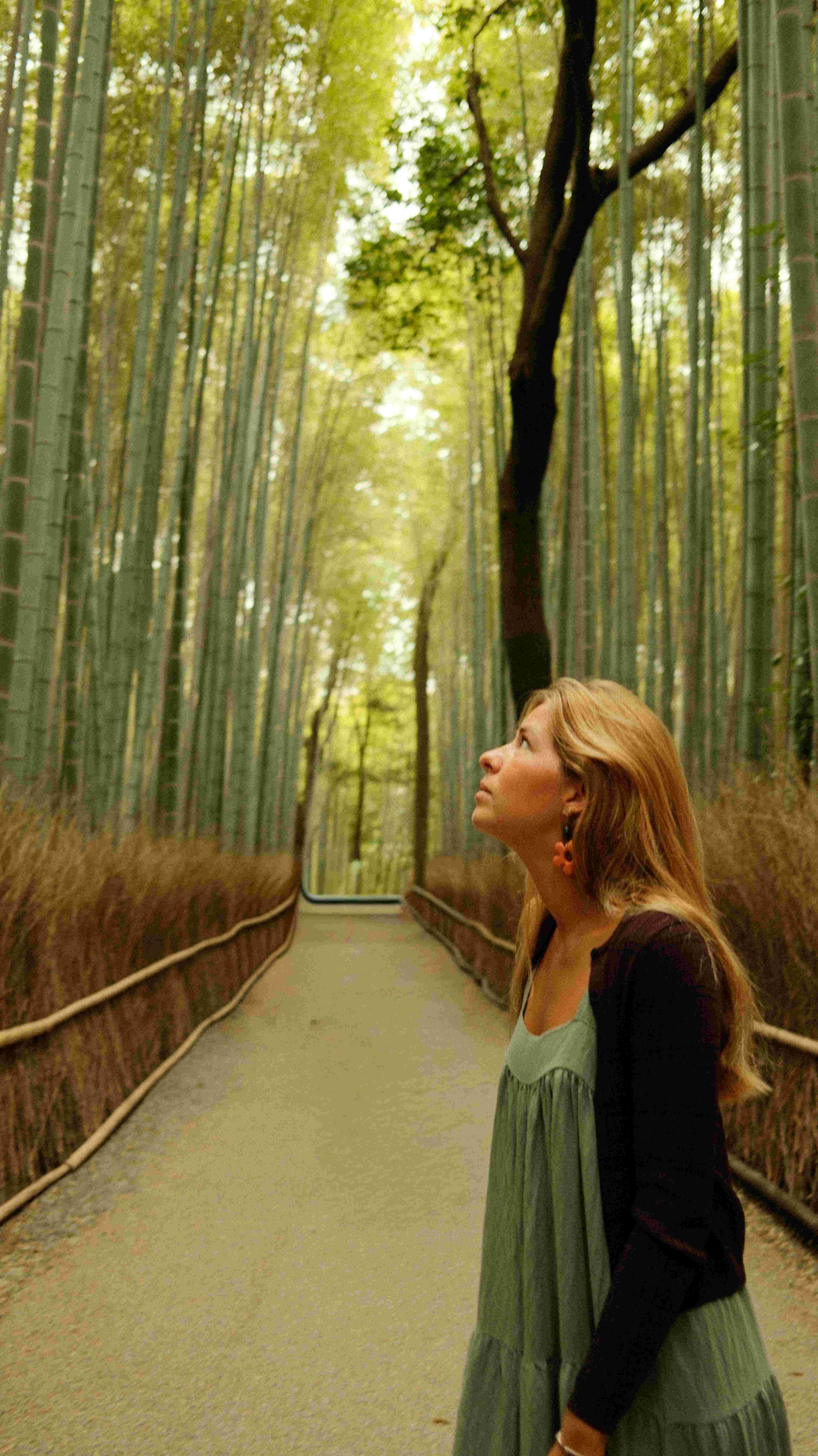
Same principle as Fushimi Inari: the bamboo grove at dawn is magical; the bamboo grove at 10am is a tourist photo queue. Take bus 11 or 28 from central Kyoto to Arashiyama (about 30 minutes). Arrive at the grove entrance by 7am.
Early morning: tall walls of bamboo, pale light, near-silence. The sound of wind moving through the stalks. This is Kyoto doing what Kyoto does best. We've covered it in full in our bamboo forest review.
8:00am — Tenryu-ji Temple
Walk two minutes from the bamboo grove to Tenryu-ji. One of Kyoto's finest Zen gardens — a mirror pond surrounded by shaped pines and backed by the Arashiyama hills. Beautiful in the early morning before the garden fills up. Entry ¥500 for the garden; ¥800 for the interior as well. Allow 45–60 minutes.
9:30am — Ninna-ji Temple
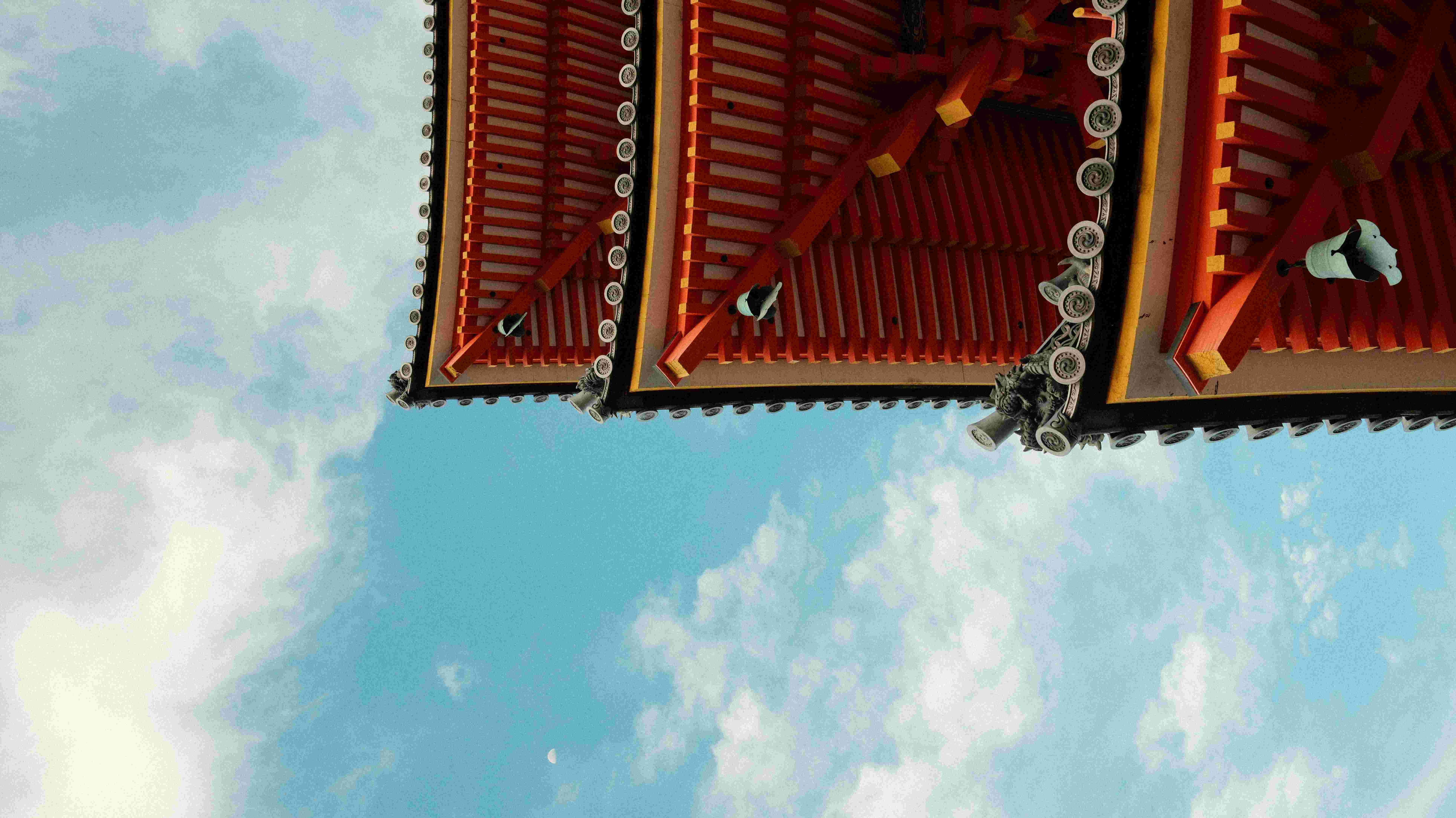
A short bus ride from Tenryu-ji, Ninna-ji is Arashiyama's overlooked temple — spacious, peaceful, and rarely crowded even when other Arashiyama sights are packed. The five-storey pagoda and the garden are both worth time. Entry ¥800.
11:30am — Kinkaku-ji (the Golden Pavilion)
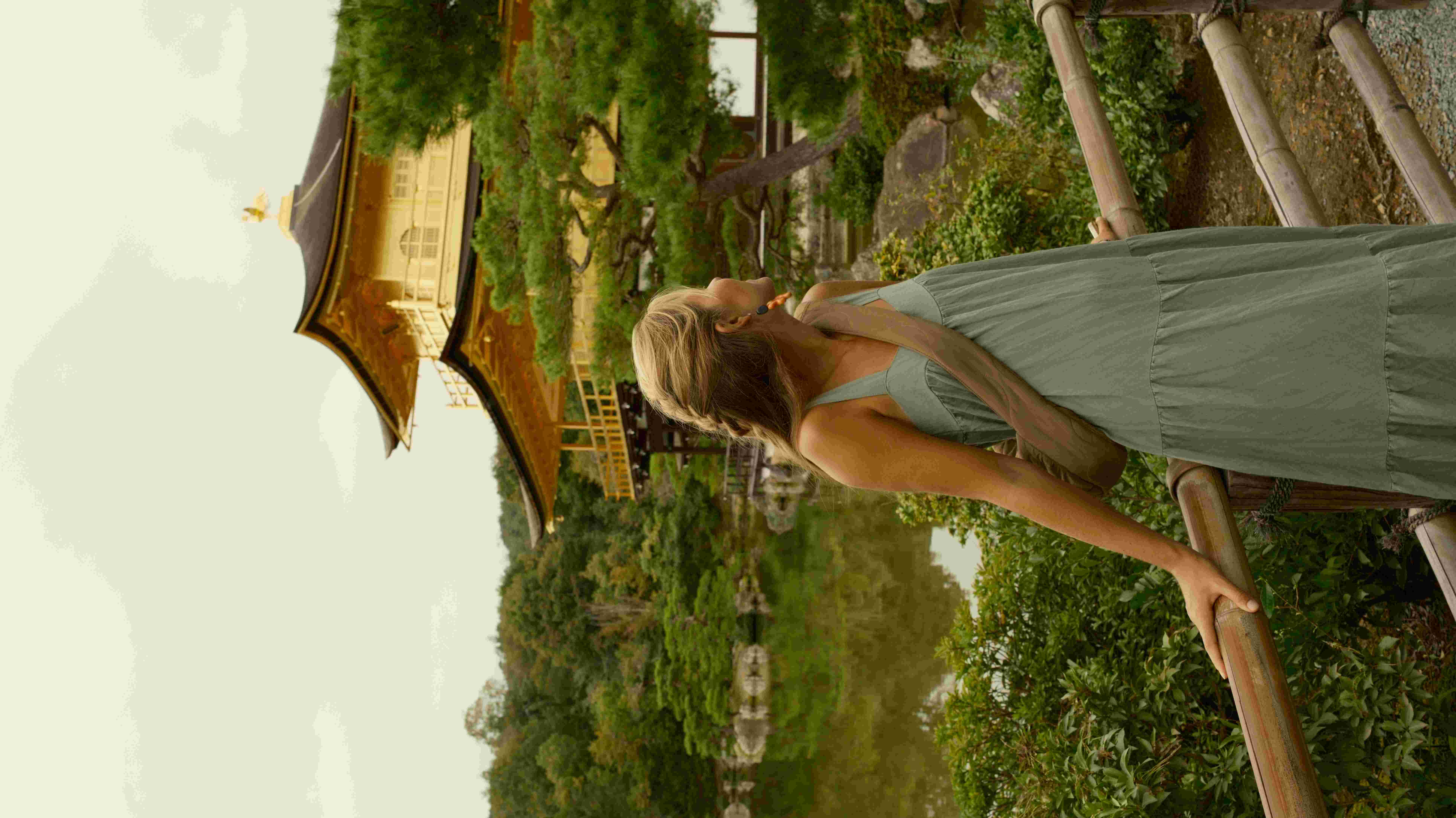
Take a bus northwest to Kinkaku-ji. Yes, it's the most visited sight in Kyoto. Yes, it's still stunning — the gold-leaf pavilion reflected perfectly in the mirror pond is one of those images that genuinely lives up to its photographs. Go at late morning rather than midday: still crowded, but slightly better than peak afternoon. Entry ¥500. Allow 30–45 minutes — the circuit around the garden is straightforward.
1:00pm — Lunch
Head back toward central Kyoto. Sushi Ishimatsu for great-value omakase-style sushi, or Tokura Kyoto Sanjo for a Japanese-style hamburger steak if you want something different.
3:00pm — Philosopher's Path & Ginkaku-ji
Walk the Philosopher's Path — a quiet canal-side walk through a residential neighbourhood, named after the philosopher Nishida Kitaro who reportedly walked it daily. Leads to Ginkaku-ji (Silver Pavilion) at the northern end — elegant wooden architecture surrounded by moss gardens and shaped pines. Entry ¥500. Quieter and more understated than Kinkaku-ji, often more memorable.
5:00pm — Nijo Castle (optional)
If energy allows, Nijo Castle is 20 minutes by bus from the Philosopher's Path area. Wooden halls, painted sliding doors, and the famous nightingale floors. Entry ¥1,000. Worth it if you haven't had enough yet; easy to drop if you're ready to slow down.
Evening — Dinner
Men-ya Yukou for a cozy bowl of ramen with a rich, aromatic broth — a good end to a full day. Or return to Pontocho for a second evening if you enjoyed it the night before.
Practical Notes
- Getting around: Suica card for all buses and JR trains. Google Maps for real-time routing.
- Temple cash: Carry ¥5,000–8,000 in cash over the two days.
- Accommodation: We stayed at The General Kyoto Shijo Shinmachi — walking distance to Pontocho and good bus connections to all areas. See our full accommodation guide.
More Kyoto Guides
- 1 Day in Kyoto Itinerary
- How Many Days in Kyoto Do You Need?
- Is Kyoto Worth Visiting? Our Honest Review
- The Best Things to Do in Kyoto + What to Skip
- Where to Stay in Kyoto: Best Areas & Hotels
- Kyoto Food Guide: Our Top Restaurants
- Is Fushimi Inari Worth Visiting?
- Is the Kyoto Bamboo Forest Worth Visiting?
- The Best Time to Visit Kyoto
- The Best Cafes in Kyoto
- The Best Temples and Shrines in Kyoto
- Tea Ceremony in Kyoto: Is It Worth It?
- Kyoto vs Osaka: Where Should You Stay?
- Is Osaka Worth Visiting?
- Koyasan from Osaka/Kyoto: Day Trip or Overnight
- Is Kanazawa Worth Visiting?
- All Japan Guides
Some links in this post are affiliate links. If you book through them, we earn a small commission at no extra cost to you.