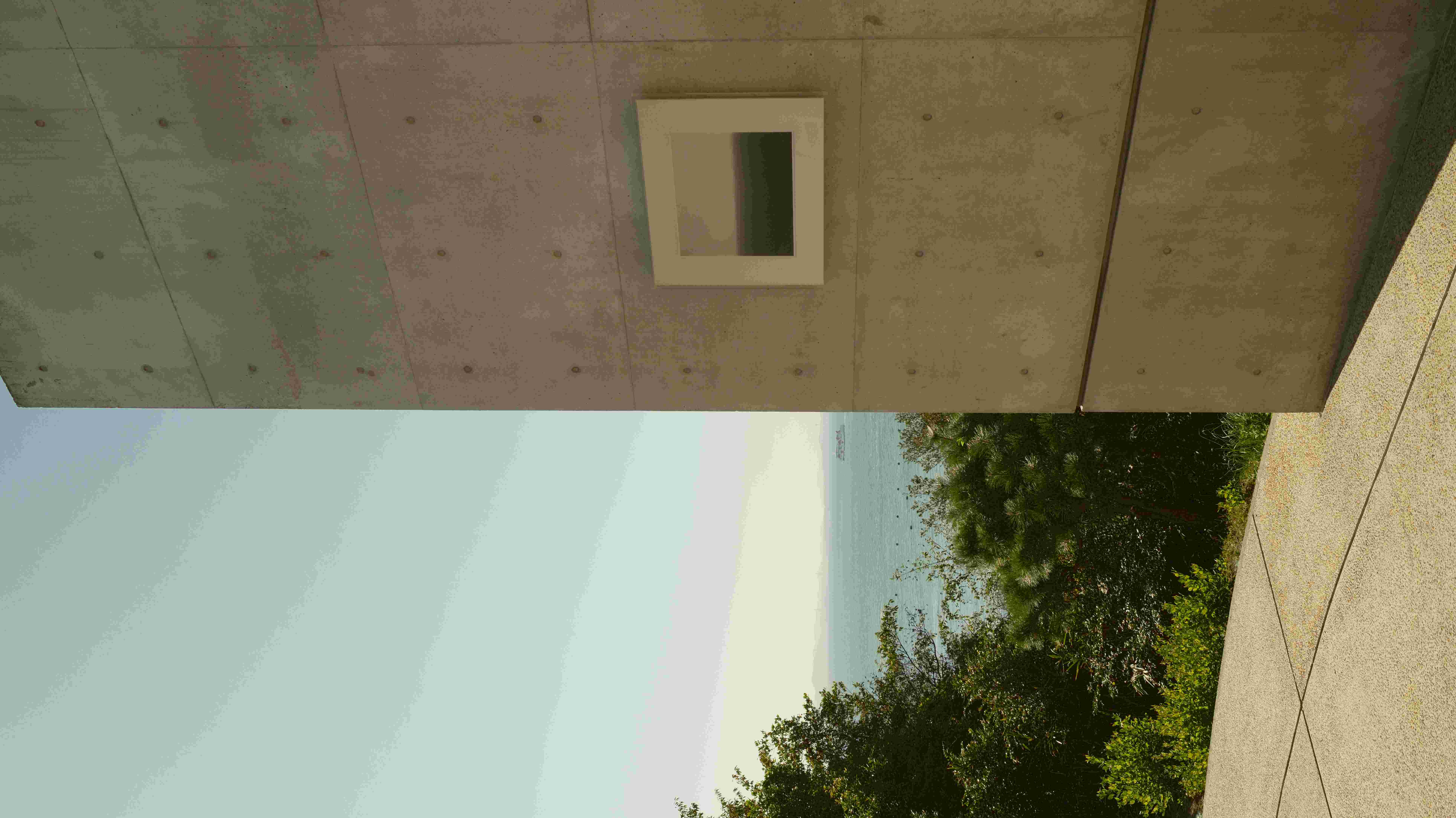
We're not sure the Teshima Art Museum is a museum in any conventional sense. It's a concrete shell on a hillside — shaped like a water droplet, designed by architect Ryue Nishizawa for artist Rei Naito — where the only things inside are water, light, wind, and sound. Water seeps up through tiny holes in the floor and moves in unpredictable paths across the white concrete surface. Light comes through two large openings in the roof. The island sounds drift in from outside. You sit on the floor and watch it. It's minimal, poetic, and one of the most unique art spaces in Japan. We came in expecting to spend 20 minutes and stayed much longer.
What Is the Teshima Art Museum?
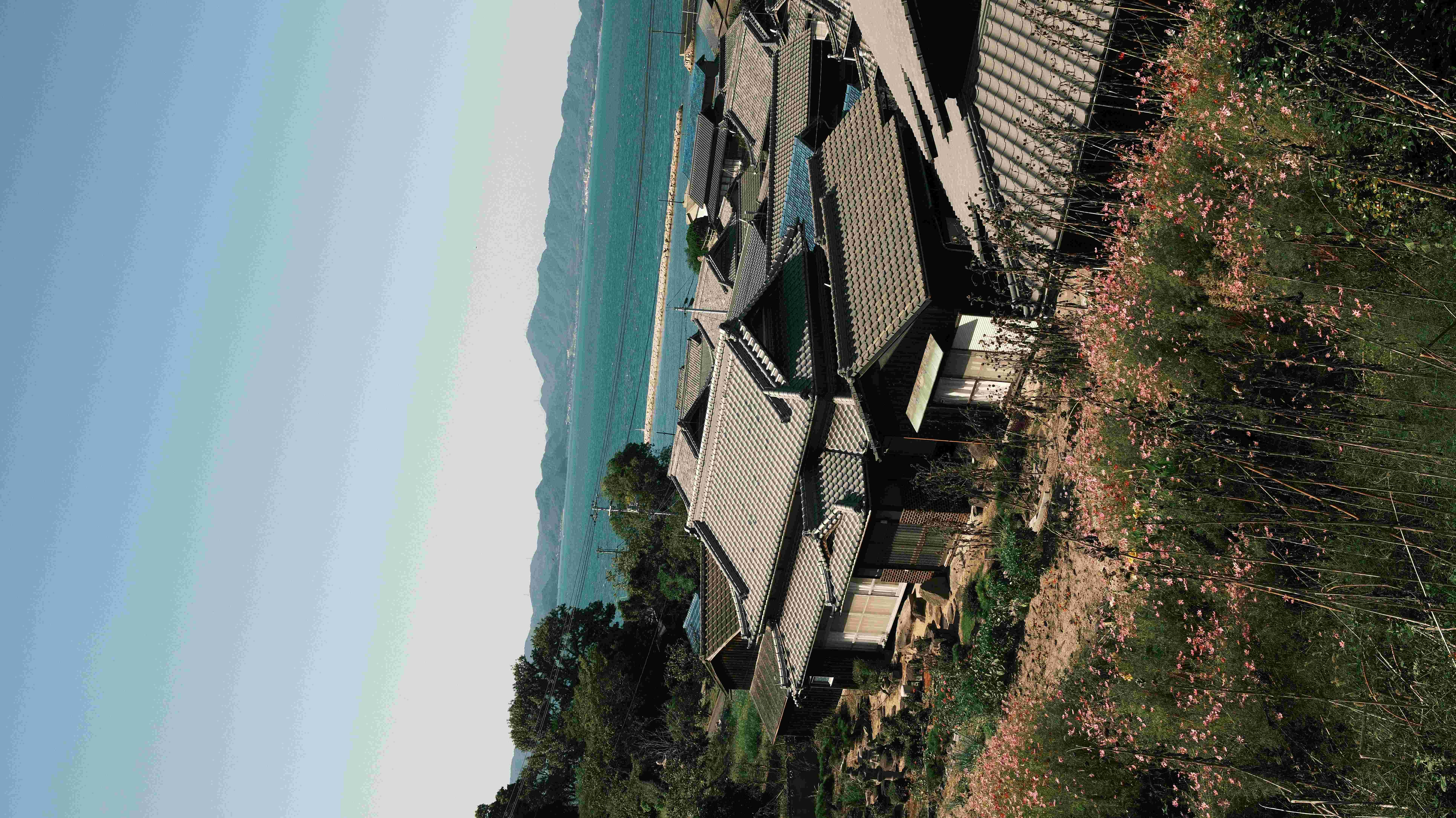
The Teshima Art Museum (豊島美術館) is a permanent installation on Teshima Island — a collaboration between architect Ryue Nishizawa and artist Rei Naito, opened in 2010. The building is a single shell of white concrete, 40 metres wide at its widest point and only 4.5 metres at its highest — a shape that suggests a water droplet or a living organism rather than a building.
Inside there are no walls, no rooms, no conventional artworks. The interior is a single undulating white space. Water wells up through hundreds of tiny holes in the floor — Matrix, the work's title — and pools, moves, merges, and disappears in patterns that are never the same twice, influenced by temperature, air movement, and the time of day. Two elliptical openings in the roof bring in natural light, rain, and the sounds of the island: wind, birds, distant ferry horns. The outside and inside are in constant conversation.
The surrounding landscape — terraced rice fields descending toward the Seto Inland Sea — is visible through the openings and is considered part of the work.
What the Visit Is Like
You remove your shoes at the entrance and step barefoot onto the white concrete floor. There are no guides, no audio tours, no labels. A small number of visitors are admitted at a time — the capacity is deliberately limited to preserve the atmosphere. Most people find a spot on the floor and simply sit with it for a while.
The experience changes with the time of day: morning light comes through the openings at a low angle; afternoon light fills the space differently; on an overcast day the diffused light produces its own quality. Rain comes in through the openings and becomes part of the installation. Wind moves the water pools in small ways. The island sounds outside — audible clearly through the openings — anchor the experience to the place specifically rather than to art in general.
We expected something cerebral and found something quiet and absorbing instead. It is one of the most distinctive single-room experiences in Japan.
Teshima Island Beyond the Museum
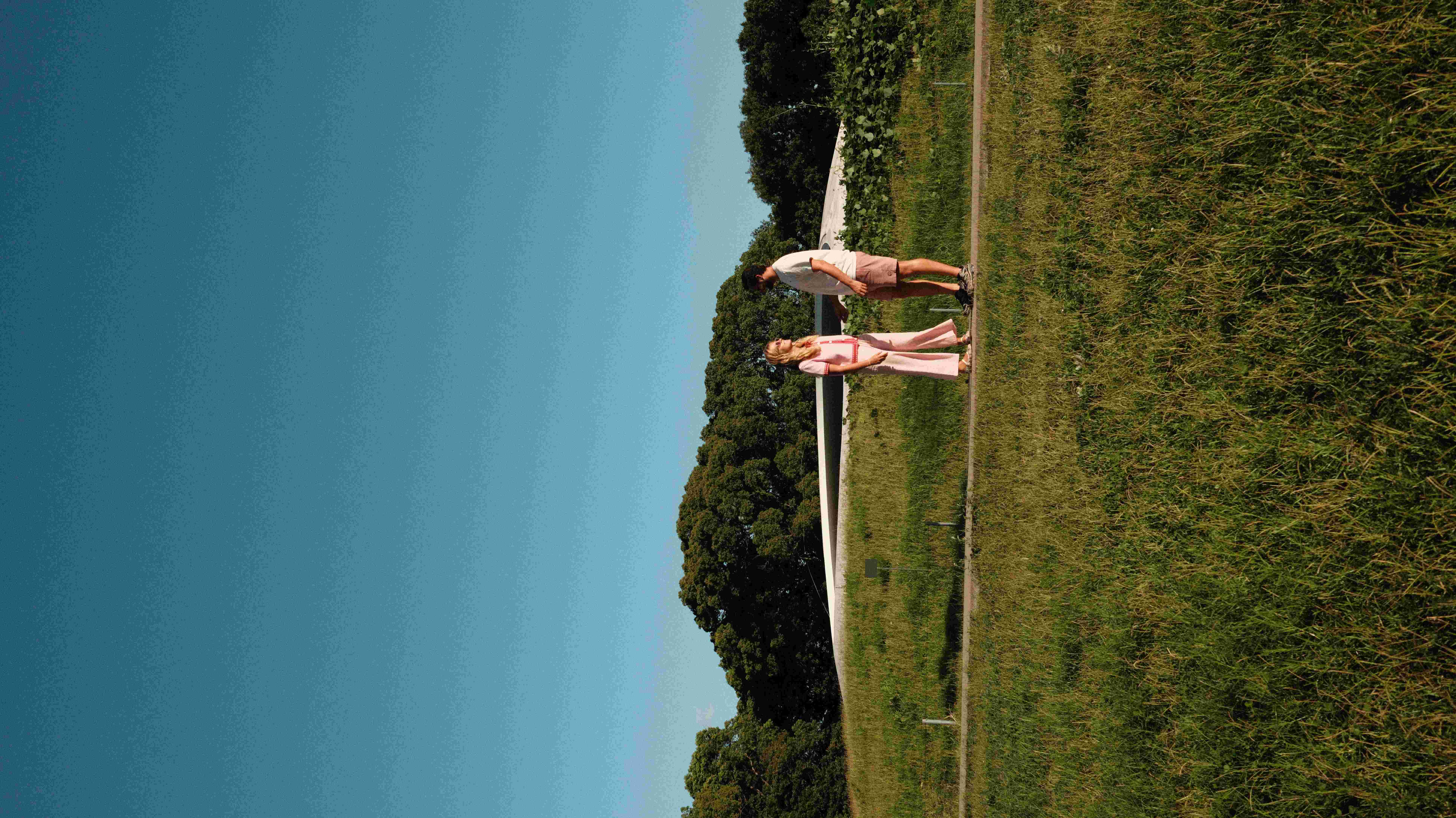
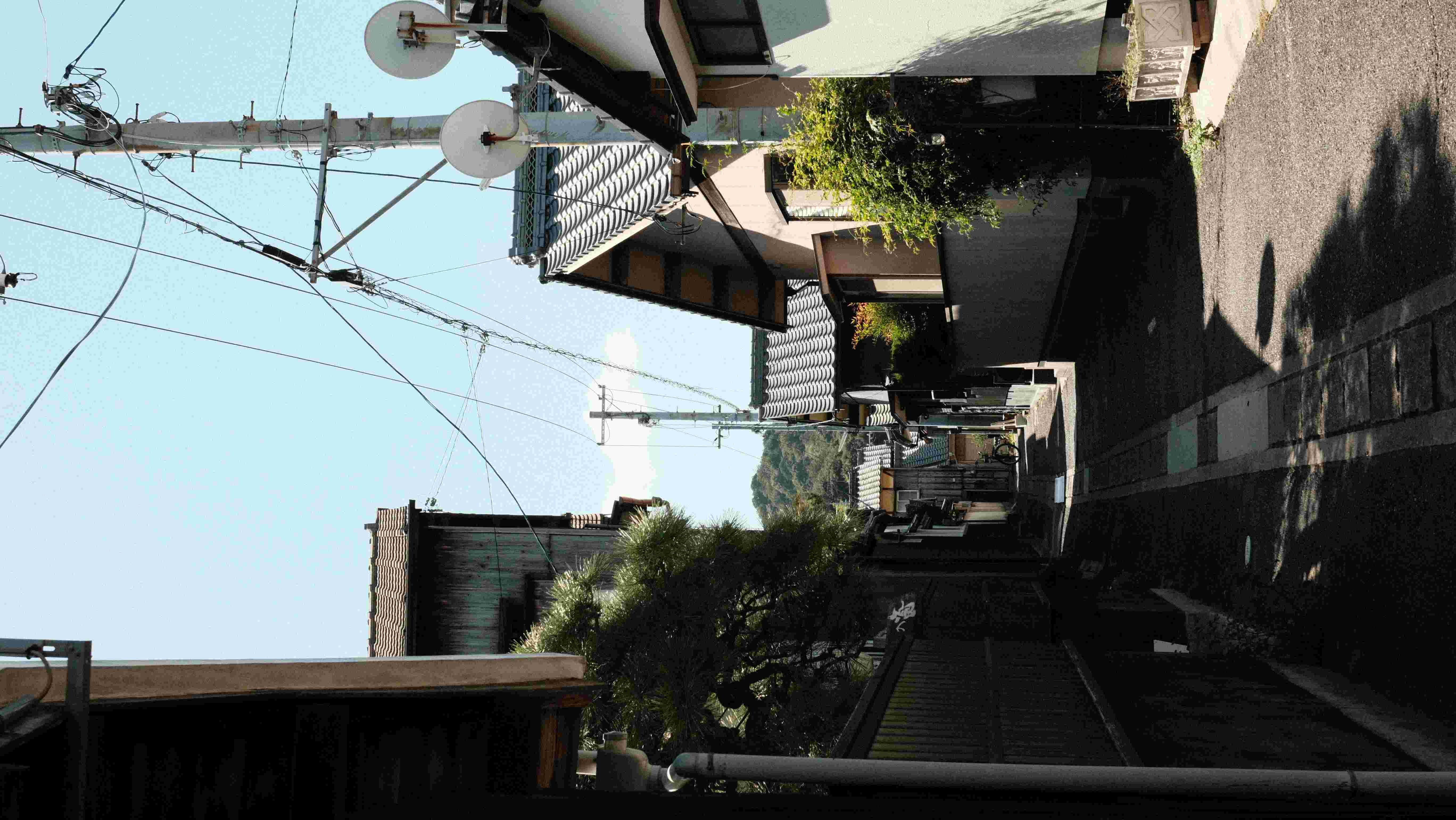
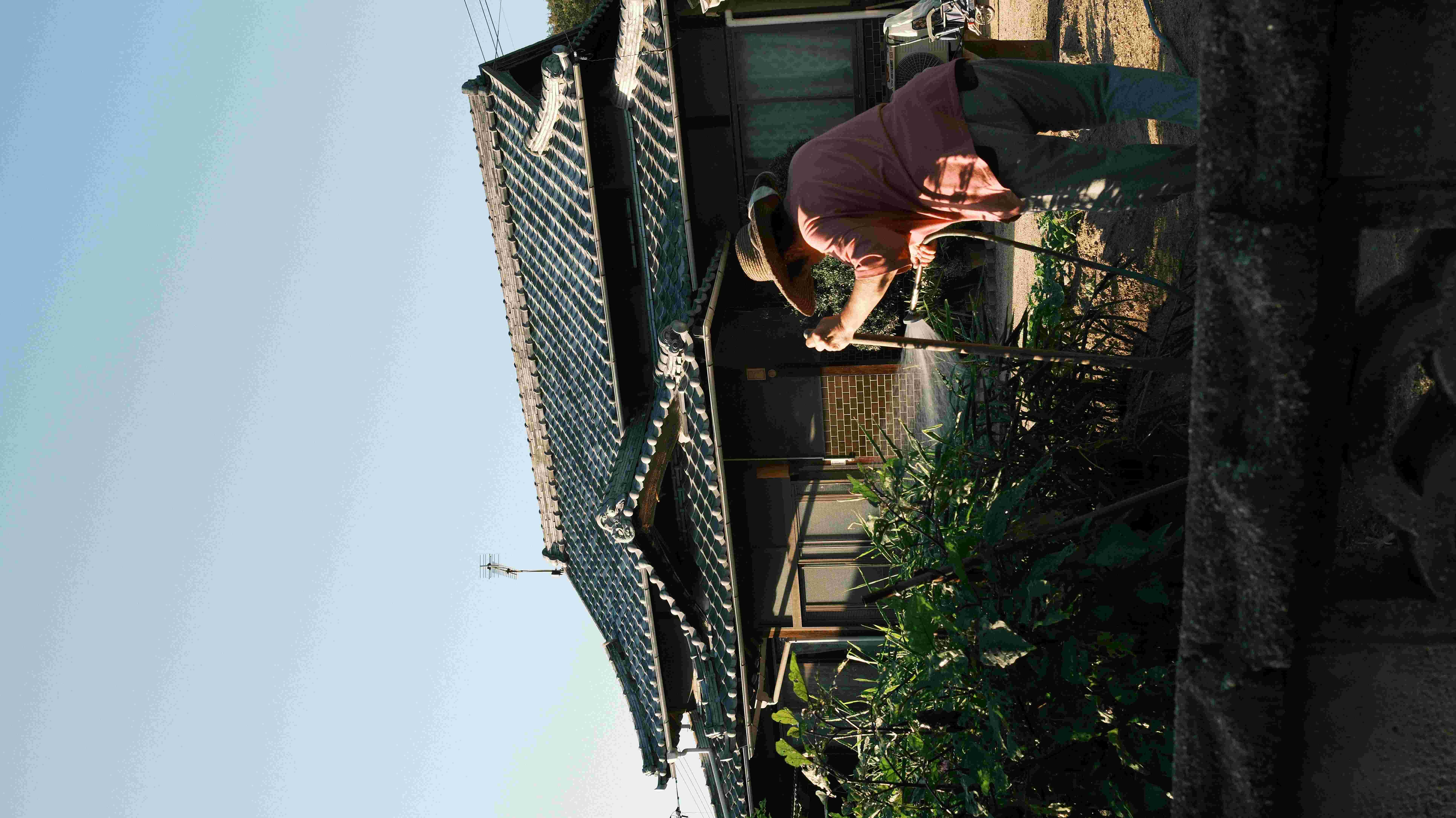
The island itself is worth the ferry for a full day. Teshima feels more rural and quieter even than Naoshima — rice terraces, fishing villages, narrow coastal roads almost entirely free of traffic. Exploring by e-bike or bicycle is the right pace.
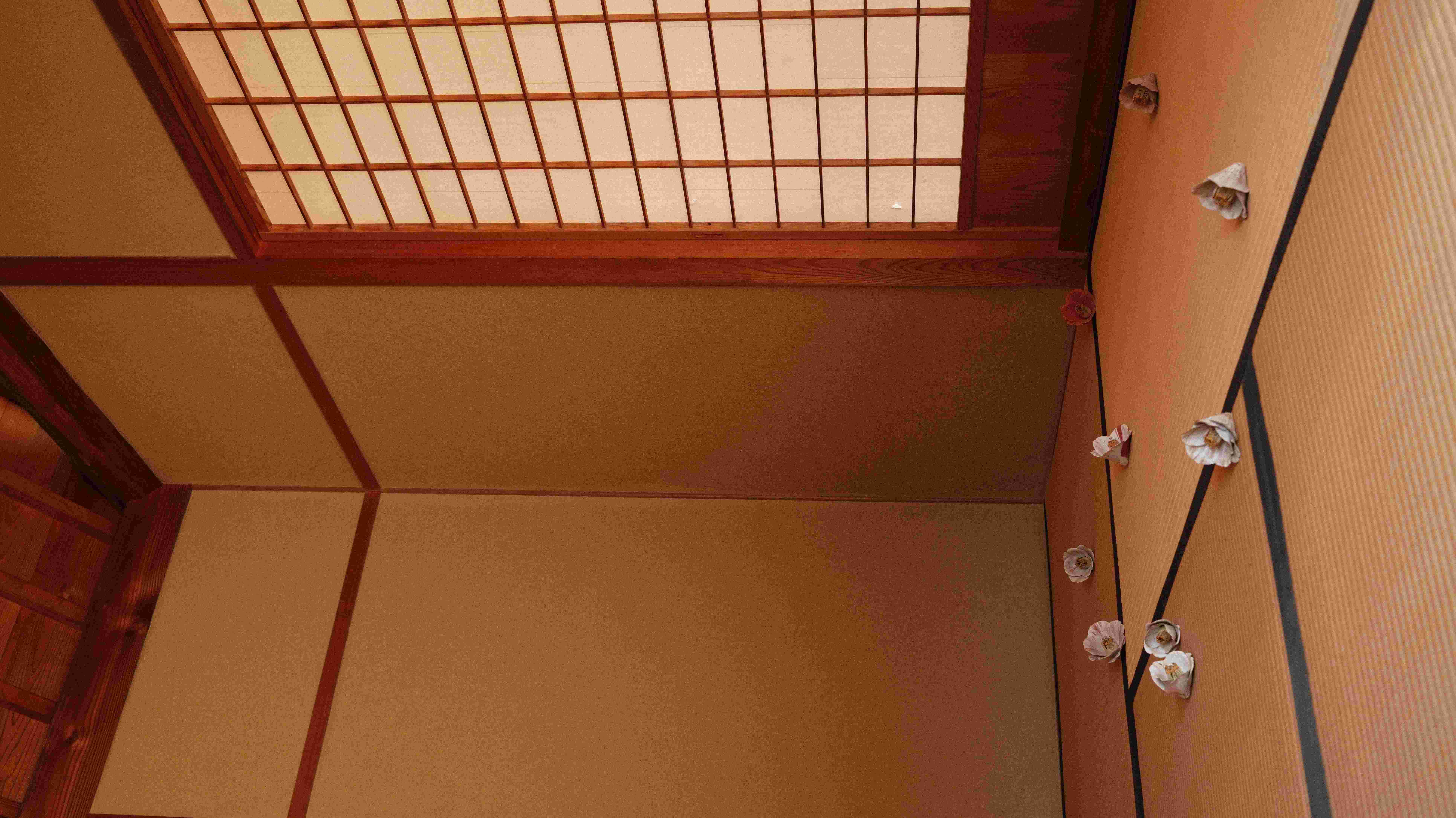
Teshima Yokoo House ★★★★☆ — A colourful, surreal installation by artist Tadanori Yokoo, blending traditional Japanese architecture with vivid contemporary art in a series of connected rooms. More maximalist than anything else on either island — a useful contrast to the quiet minimalism of the museum.
Scenic countryside walks — Quiet roads past rice fields and sea views, the island feeling entirely untouched in a way that's rare in Japan. Even without the museum, a day on Teshima is a good day.
Food warning: Teshima has almost no food options. Restaurants are few and often only open in the evening. Buy snacks at the 7-Eleven in Uno before you take the ferry — this is not optional if you're spending a full day on the island.
Getting to Teshima
Teshima is reached by ferry from Uno Port (approximately 35–40 minutes) or from Naoshima (approximately 35 minutes). Ferries to Teshima are limited — there are only a handful per day, and the schedule is much less frequent than the Naoshima ferries.
This matters: we missed the first Teshima ferry and had to wait three hours for the next one. Check the ferry schedule the night before your visit, build your day around it, and be at the port with time to spare. The ferry timetable is available on the Setouchi Cruise website.
Practical Information
| Entry | ¥1,570 (adults). Timed entry only — advance booking essential. |
|---|---|
| Booking | Benesse Art Site website (benesse-artsite.jp). Books out well in advance — book as soon as your dates are confirmed. |
| Cancellation tip | If sold out, keep checking: cancellations release up to 15 minutes before entry. Slots open on the day more often than you'd expect. |
| Shoes | Removed at entrance — wear socks or be prepared to go barefoot |
| Photography | Permitted inside the museum |
| Time needed | 30–60 minutes in the museum; half day minimum on the island |
| Food | Buy snacks in Uno before the ferry. Almost nothing available on the island. |
| Ferry schedule | Very limited — check carefully and plan your day around the times. Missing a ferry means a 2–3 hour wait. |
More Naoshima & Teshima Guides
- Is Naoshima Worth Visiting? Our Honest Review
- Naoshima Art Guide: Benesse House, Art Houses & Kusama
- Where to Stay for Naoshima: Why We Chose Uno Port Inn
- Naoshima & Teshima Itinerary: How to Plan the Islands
- Is Hiroshima Worth Visiting? (Nearby via Uno Port)
- Is Osaka Worth Visiting? (Base for Naoshima)
- All Japan Guides
FAQ
What is inside the Teshima Art Museum?
No conventional art. The installation — Matrix by Rei Naito — consists of water welling through tiny holes in the white concrete floor, moving in unpredictable patterns. Light comes through two roof openings. Sound from the island outside drifts in. You sit with it. It's minimal, poetic, and stays with you.
How do I book the Teshima Art Museum?
Through the Benesse Art Site website. It sells out well in advance. If unavailable, keep checking: cancellations release up to 15 minutes before entry time and spots do open on the day.
How do I get to Teshima?
By ferry from Uno Port (35–40 min) or Naoshima (35 min). Ferries are very limited — check the schedule carefully the night before. Missing a ferry means waiting 2–3 hours for the next one.
Some links in this post are affiliate links. If you book through them, we earn a small commission at no extra cost to you.