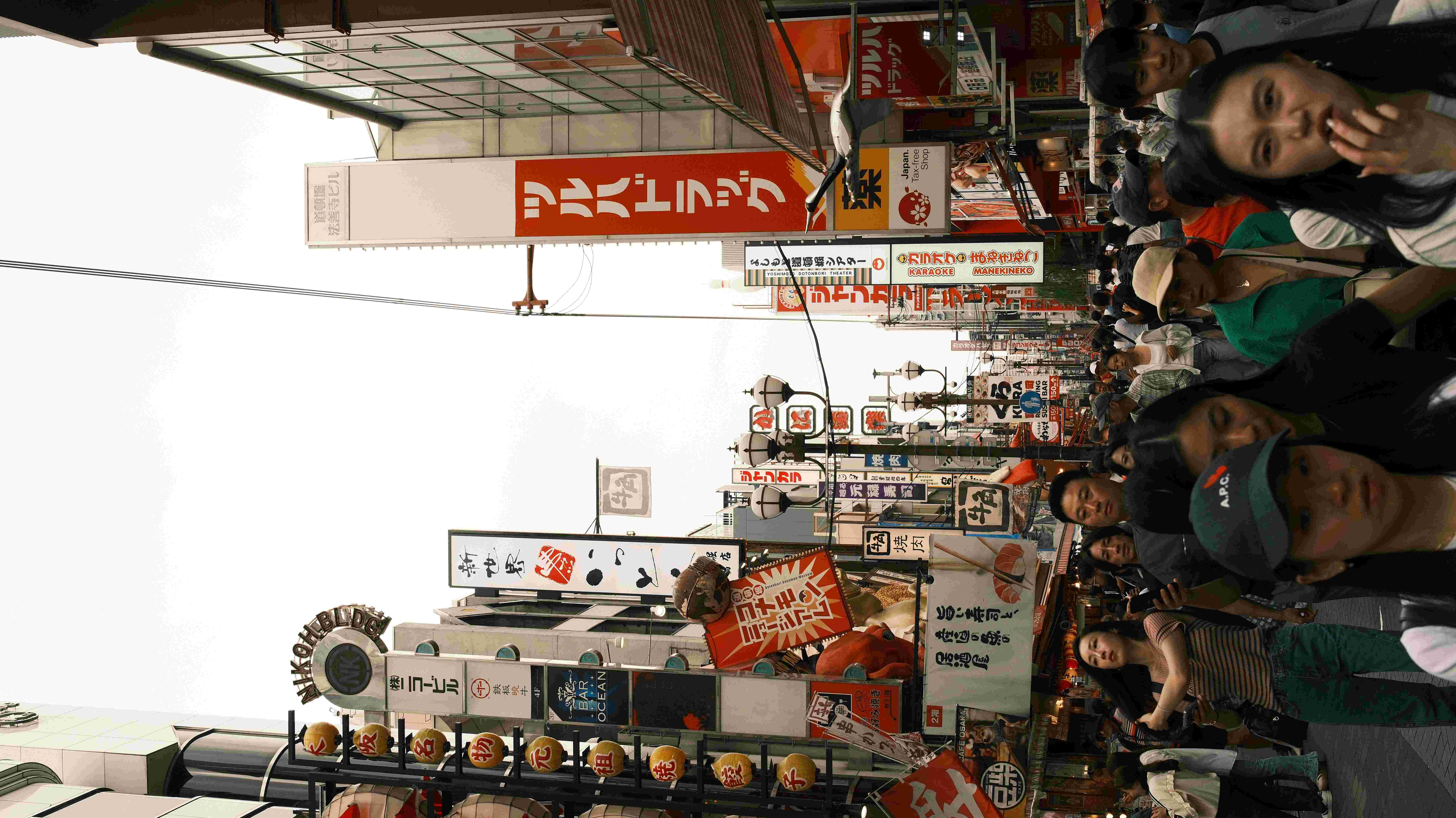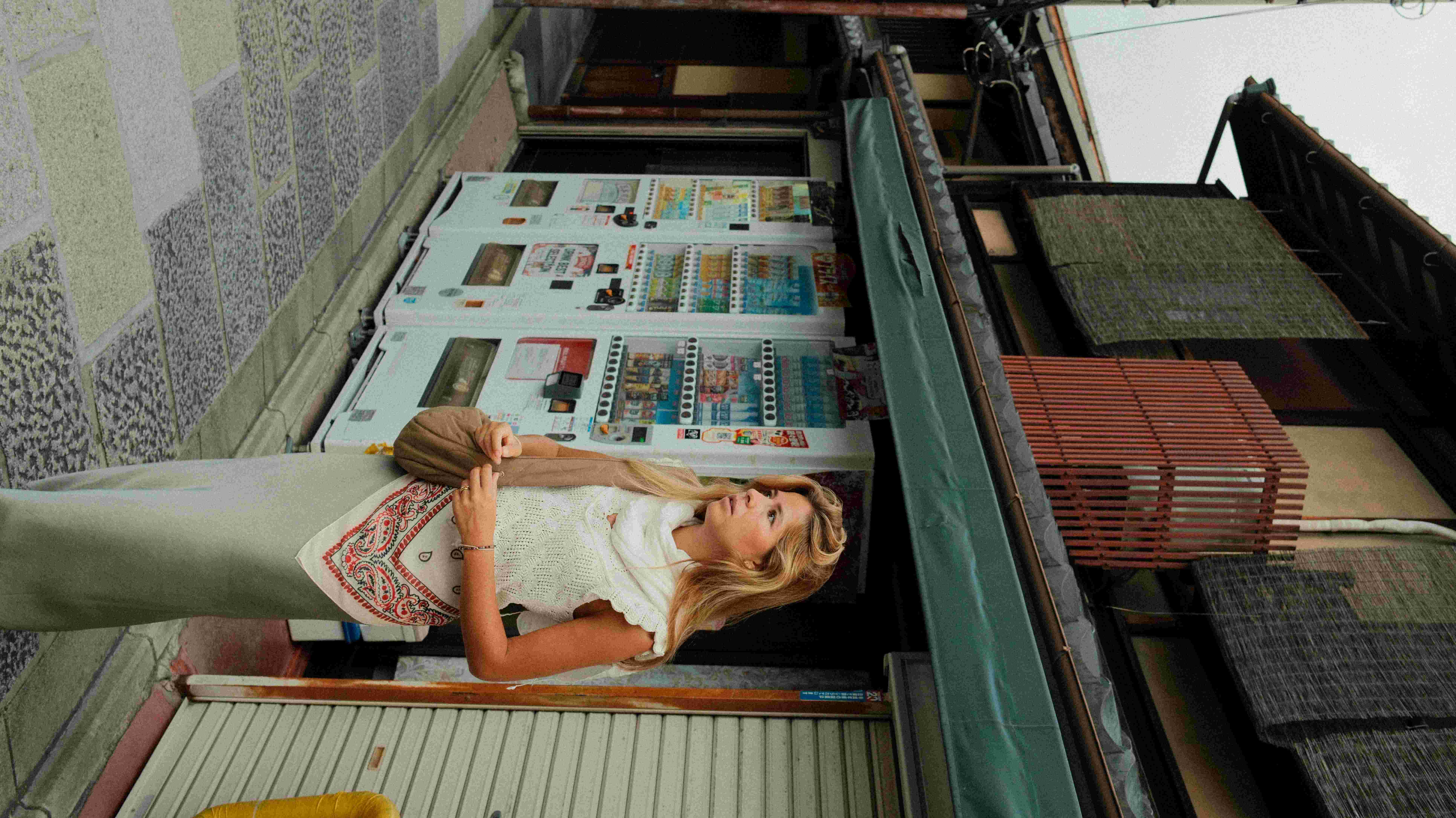
We packed for Japan the way we pack for most trips — and then spent the first week realizing there were a few things we used constantly that we were lucky to have, and a few things we carried across 11 cities that never came out of the bag. After a month of temples, onsen, urban hiking, island diving, mountain ryokan, and one very rainy Hakone, here's what we'd actually pack again.
The Japan-Specific Essentials
Digital Suica card — The single most important thing to set up before you leave. Download to Apple Wallet or Google Pay, load it with €30–50 in yen, and it covers all metro, bus, local train, and even convenience store purchases across the country. Without it, every turnstile is a manual ticket transaction. With it, you just tap and walk.
Airalo eSIM (Japan plan) — The eSIM we used for data throughout the trip. Reliable coverage across all cities including Ishigaki (Okinawa region). Set it up at home before you travel — the onboarding takes 10 minutes and works on iPhone and Android. Significantly cheaper than roaming with a European carrier. See our full eSIM guide for details.
Revolut card (or equivalent zero-fee travel card) — Japan is more card-friendly than its reputation suggests, but cash is still common in smaller restaurants, rural shops, and temples. A Revolut card handles currency exchange at interbank rates with no fees. When you need cash, any 7-Eleven ATM accepts international cards — and 7-Elevens are everywhere.
Compact umbrella — Japan's weather is changeable and rain comes without much warning. A compact umbrella lives in your daypack at all times. We used ours multiple times — most notably for the entire Hakone stay (rain every day, no Fuji, still magical). You can also buy excellent umbrellas cheaply at any convenience store if you forget.
A small towel or handkerchief — Public bathrooms in Japan are excellent but sometimes don't have hand dryers or paper towels. Japanese people carry handkerchiefs for this reason. A small microfibre towel works perfectly and doubles as a beach towel for Ishigaki.
Reusable water bottle — Japan's tap water is safe to drink everywhere. Fill up at hotel rooms, train stations, and park fountains. Buying bottled water is unnecessary and wasteful. Cold drink vending machines are everywhere if you want something other than water — ¥130 for most drinks.
Clothing: Less Than You Think
Japan has excellent laundry facilities — coin laundromats in almost every neighbourhood, in-hotel laundry, and convenience store laundry bags. Pack light and plan to wash every 4–5 days rather than carrying two weeks of clothing.
Bring:
- Light layers — even in autumn, the temperature varies between cities (Ishigaki in 28°C, Kanazawa in 14°C in the same month)
- Comfortable walking shoes — Japan involves enormous amounts of walking. More than you think. Break them in before you go.
- Slip-on shoes or shoes that come off easily — you remove shoes constantly in Japan: restaurants, temples, traditional accommodation, tea houses. Lace-up shoes become tedious.
- One smart outfit — for nicer restaurants or the occasional fine-dining meal
- Swimwear — for Ishigaki beaches/diving and onsen in Hakone (some outdoor onsens allow swimwear)
- Light rain jacket or packable waterproof
Leave behind:
- Heavy coats (unless going in December–February) — autumn Japan is mild enough for a light jacket + layers
- Multiple pairs of formal shoes — one comfortable pair that's slightly smart is enough
- Full-size toiletries — Japanese drugstores (Matsumoto Kiyoshi) and convenience stores stock everything at good prices
Onsen Essentials
If you're visiting any onsen (which you should), there are specific things to know about packing:
- Most onsen provide towels, yukata (cotton robe), and basic toiletries
- Tattoos may be restricted in public onsen — check the rules of each specific onsen before visiting. Private bath onsen (like Hakone Yuryo's private baths) typically have no tattoo restrictions.
- A small wash bag for moving between the changing room and bathing area
- Moisturiser — onsen water (sulphur-rich) can dry your skin after extended soaks
Tech and Apps
Apps to have set up before you land:
- Suica / Wallet app — IC card for all transport
- Airalo — eSIM data
- Google Maps — Japan-specific routing including train lines, ferry schedules, walking directions. Essential.
- Google Translate — camera mode translates menus in real-time. Used constantly in smaller local restaurants.
- TableCheck — the easiest app for restaurant reservations in Japan. Used in Tokyo and Kyoto for restaurants that book up fast.
- GetYourGuide — for booking experiences (cooking classes, day tours, TeamLab, diving)
Portable charger: Japan has fewer public charging points than most European cities. A portable charger is useful for long temple-hopping days when you're running Google Maps and camera continuously.
What We Wished We'd Packed (and Didn't)
A small day bag — something packable that lives inside the main luggage and comes out daily for temple walks, market visits, and day trips. We used a simple drawstring bag we bought at a Japanese drugstore, but something slightly sturdier would have been worth having from the start.
A second camera battery. Japan's temples, markets, and landscapes generate more photography than almost any other destination. Running out of battery in the middle of Okuno-in at dusk is not a situation to be in.
More Japan Planning Guides
FAQ
Do I need to bring yen to Japan?
Not necessarily — you can withdraw yen from any 7-Eleven ATM with an international card. Keep ¥10,000–15,000 (~€65–100) in cash at all times for smaller restaurants, temples, and rural areas. Most larger shops, hotels, and restaurants accept card.
Do I need a VPN in Japan?
No — Japan doesn't restrict internet access. A VPN is optional (useful for streaming services from your home country), not necessary.
What shoes are best for Japan?
Comfortable walking shoes that come off easily — slip-ons are ideal. You remove shoes constantly (restaurants, temples, accommodation). Trainers/sneakers work well for most situations; one smarter pair for nicer dinners.
Some links in this post are affiliate links. If you book through them, we earn a small commission at no extra cost to you.