Kyoto's food identity is quieter than Osaka's but no less considered. This is the city of kaiseki — Japan's most refined multi-course cuisine — but it's also a city of exceptional ramen shops, great sushi counters, and the kind of gyoza you'll think about for months afterwards.
We ate our way through Kyoto's neighbourhoods, organised by area so you can find a great meal wherever you're spending the day. As always with exploring Kyoto by area, matching food to location saves a lot of time.
Before You Eat: A Few Things to Know
- Kyoto is the home of kaiseki. If you're going to splurge on a high-end meal anywhere in Japan, Kyoto is the right place — the multi-course tradition here is deeper and more refined than anywhere else.
- Pontocho Alley is Kyoto's most concentrated food street. The narrow lane running parallel to the Kamo River is lined with restaurants at every price point. Walk it in the evening, look at menus, and pick what appeals.
- Nishiki Market (the covered food market near Shijo) is worth a morning browse — pickled vegetables, fresh tofu, skewered food. It's touristy but genuinely good.
- Popular spots fill fast. Some of our recommendations below work on a first-come queue system — arrive at opening time or a few minutes before.
Our Top Picks
Higashiyama & Gion
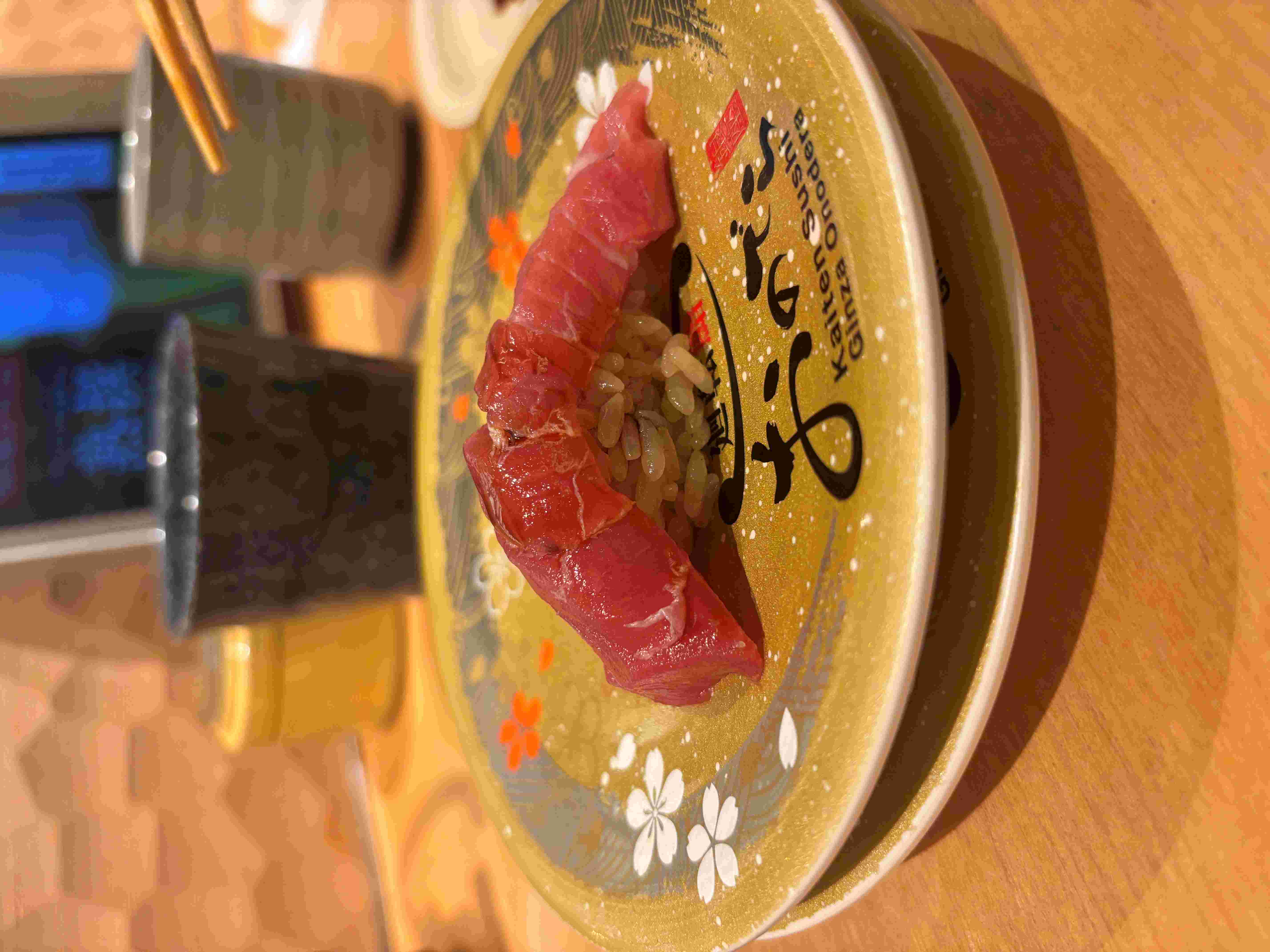
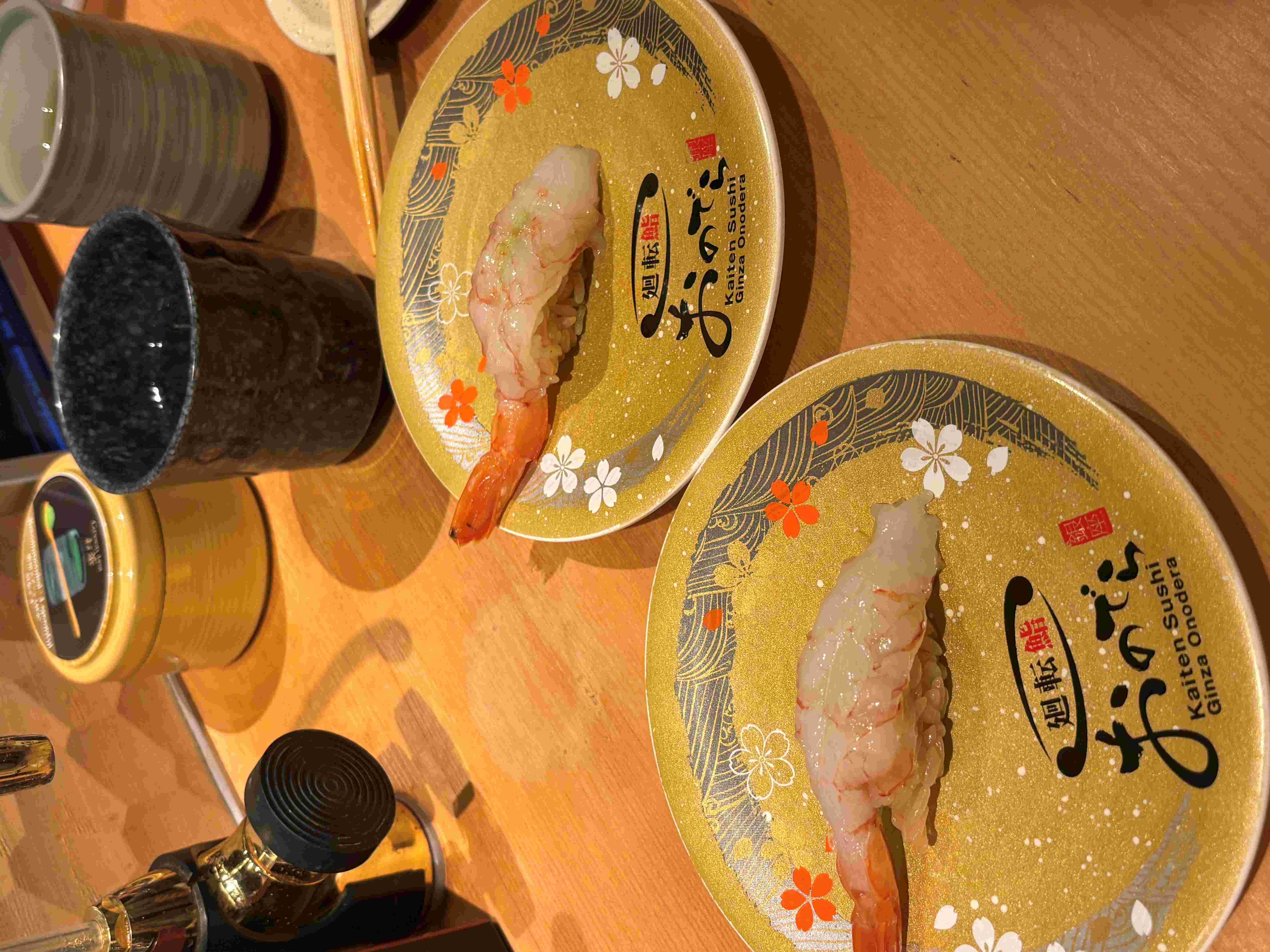
Maruman — Sushi
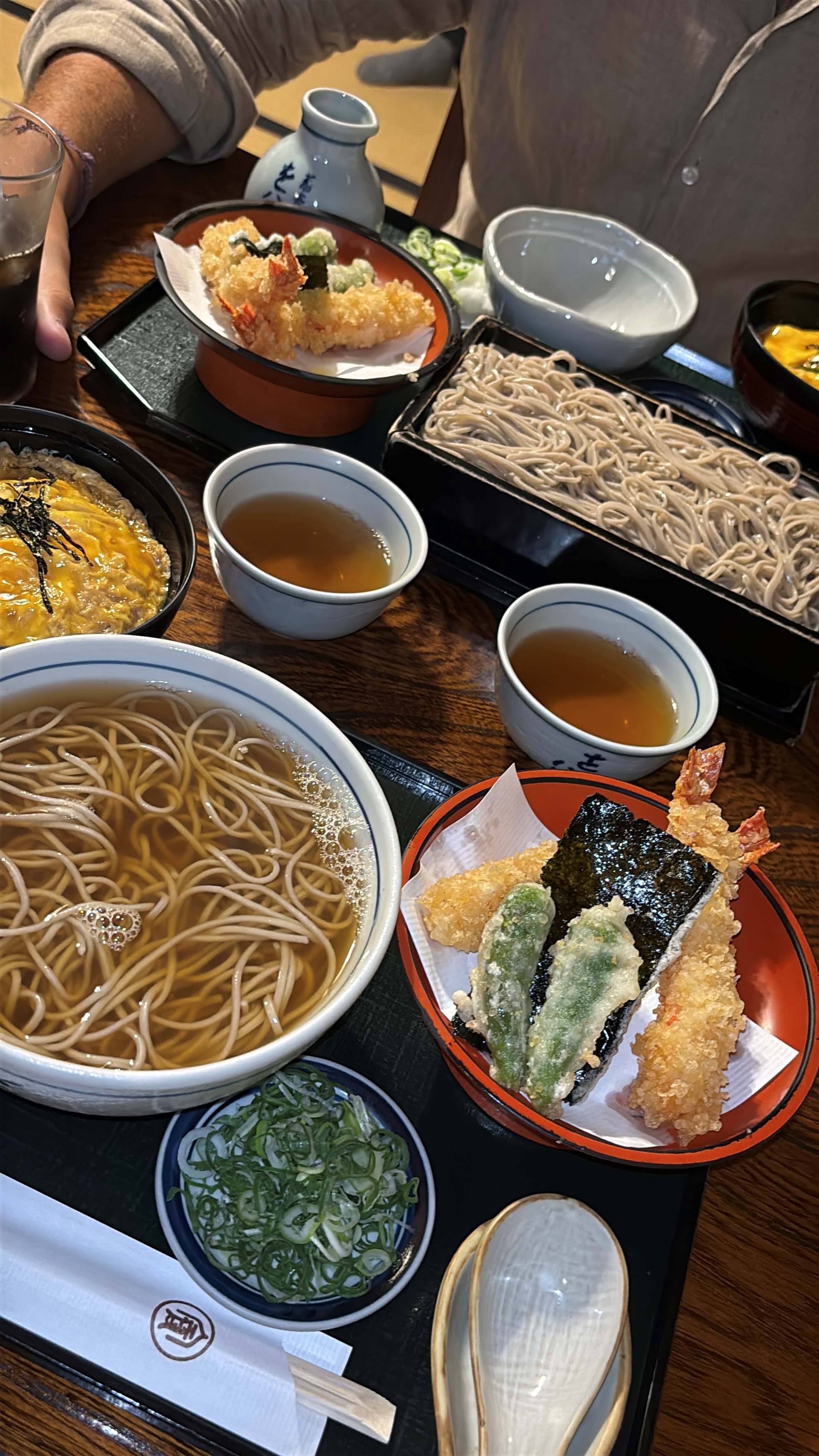
What it is: A popular sushi spot in the Gion area with limited seats and a loyal local following. The fish is fresh, the preparation is precise, and the atmosphere is everything you hope for from a Kyoto sushi experience — intimate and unhurried.
How to get a table: You can line up in person or reserve a day ahead directly at the restaurant. Don't just turn up without a plan — it fills quickly, especially at dinner.
The honest take: One of our favourite sushi experiences in Kyoto. The Gion location means you can walk straight into the evening atmosphere of Hanamikoji after dinner.
Gion area · Lunch and dinner · Reserve in person or queue · Cash preferred
Ramen Sen-no-Kaze Kyoto
What it is: One of the best bowls of ramen we had in Kyoto — deeply flavourful and perfectly balanced. Kyoto-style ramen has a rich, clear chicken or pork broth that's more delicate than Fukuoka's tonkotsu but no less satisfying.
What to order: The signature ramen — clean broth, great noodle texture, the kind of bowl that doesn't feel heavy but stays with you.
The honest take: A reliable, excellent ramen shop in a convenient location. Queue up or arrive just before opening.
Gion / Higashiyama area · Lunch and dinner · May queue at peak times
Chao Chao Gyoza — Shijo Kawaramachi
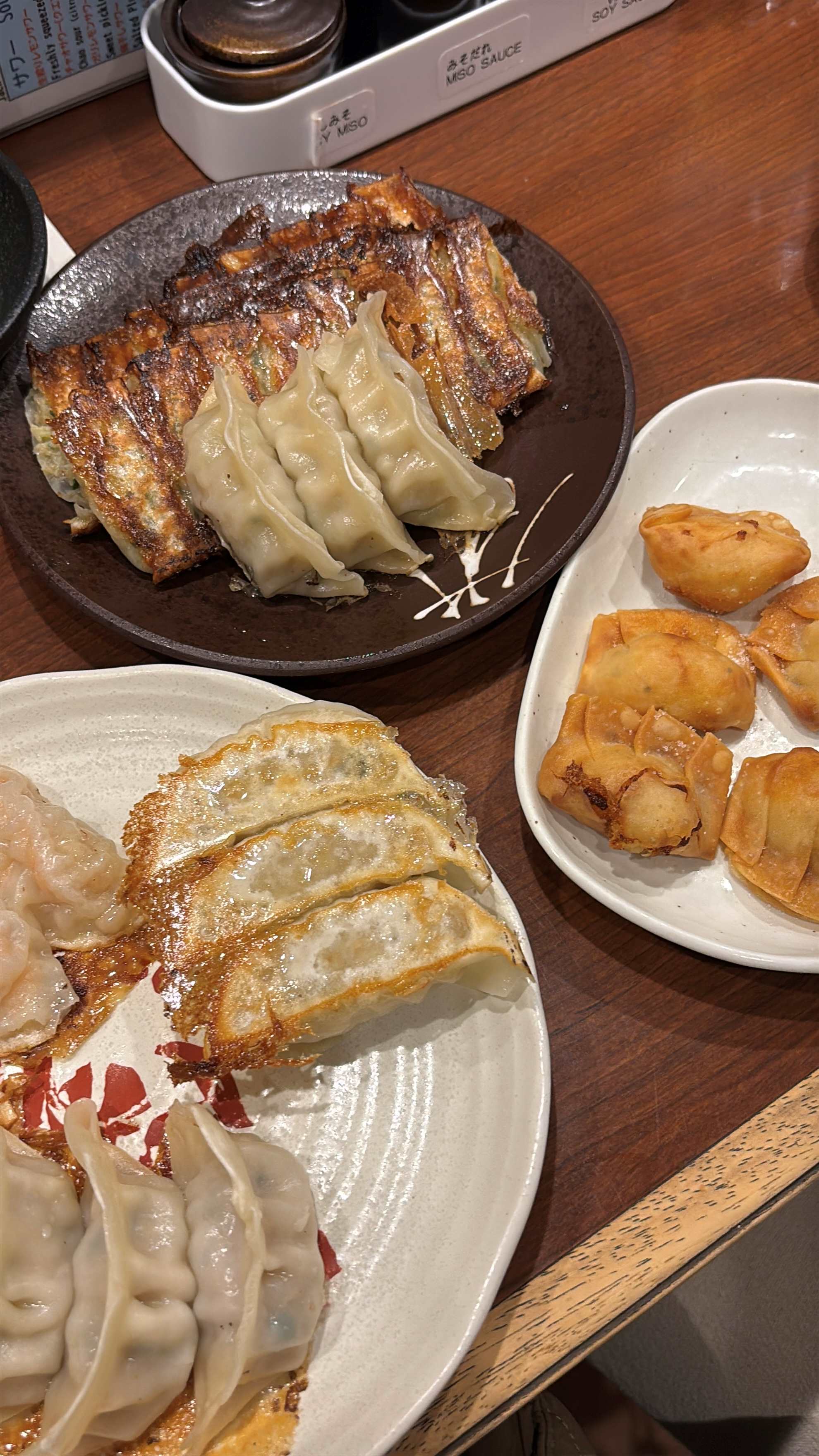
What it is: Kyoto's most famous gyoza spot. Small, crispy, bite-sized dumplings — a different style from the larger pan-fried Tokyo versions. The kind of place where you order way more than you planned and don't regret it.
What to order: The classic crispy gyoza, multiple rounds. They're small and you'll want more than you think.
The honest take: An easy, affordable, delicious stop near Shijo Kawaramachi — great for a quick lunch between sights or as a late-night snack. We went back twice.
Shijo Kawaramachi · All day · No reservation needed
Central & Northern Kyoto
Sushi Ishimatsu
What it is: Great-value omakase-style sushi — the chef prepares what's fresh that day, piece by piece. Served with quiet precision in a relaxed setting that doesn't demand the formality of a high-end omakase counter.
What to expect: A series of nigiri prepared fresh, good quality fish, and a bill that won't shock you. The kind of omakase that feels like a treat without being a special occasion.
The honest take: Solid, unpretentious, and genuinely good. A strong option for sushi in the central Kyoto area.
Central Kyoto · Lunch and dinner · Reservations recommended
Men-ya Yukou
What it is: A cozy ramen shop known for its rich, aromatic broth. The kind of neighbourhood place that regulars come back to repeatedly — not flashy, just very good.
What to order: The signature ramen. The broth is layered and complex without being heavy.
The honest take: One for ramen lovers who want something beyond the obvious tourist options. A reliable local favourite.
Central/Northern Kyoto · Lunch and dinner
Tokura Kyoto Sanjo — Japanese Hamburger
What it is: A Japanese-style hamburger restaurant — a Kyoto-inflected take on the Hamburg steak (hambagu), which is a very different and much better thing than a burger. Rich, juicy, served over rice or with a demi-glace sauce.
Why we mention it: The more famous spot for this style in Kyoto (Hikiniku to Come) has long queues and limited reservations. Tokura is the excellent alternative — same quality, less waiting.
The honest take: A great option for a filling, satisfying meal that isn't sushi or ramen — and a nice reminder that Japanese comfort food goes well beyond what most visitors expect.
Sanjo area · Lunch and dinner
Arashiyama
Odai Sushi
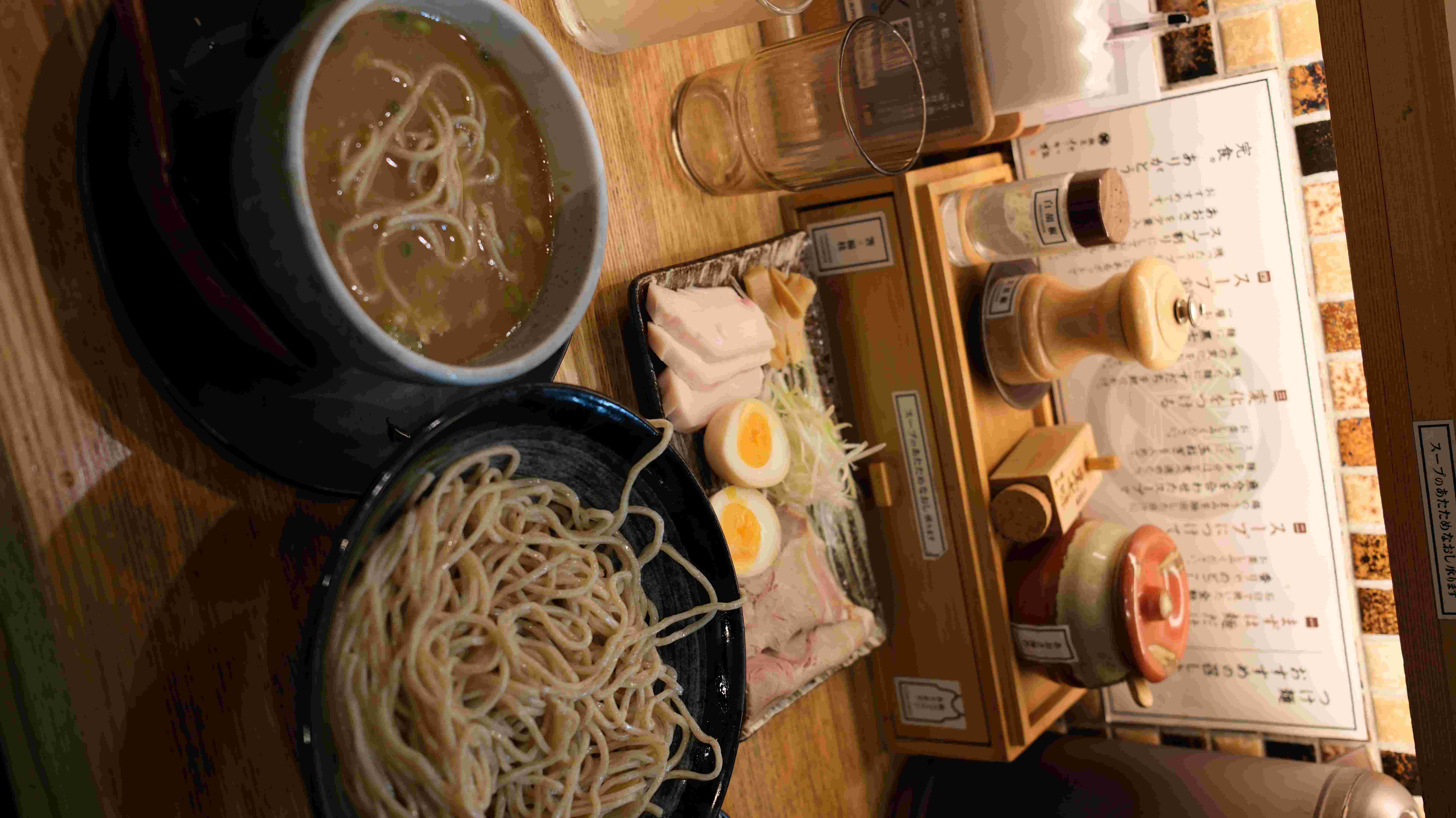
What it is: Simple, traditional sushi served with warm hospitality. A neighbourhood spot in Arashiyama — exactly the kind of place you want to stumble into after a morning at the temples and bamboo grove.
The honest take: Nothing flashy, everything good. The perfect lunch after the bamboo grove and Tenryu-ji. The simplicity matches the pace of Arashiyama itself.
Arashiyama · Lunch · Arrive early or at opening
Pontocho Alley — for Evening Dining
Pontocho is Kyoto's most atmospheric dining street — a narrow lane running parallel to the Kamo River, lined with restaurants from casual izakayas to high-end kaiseki. In summer, many restaurants extend out to the riverside terraces (kawayuka) — tables suspended over the water for evening dining. It's one of Kyoto's most iconic experiences.
Rather than recommending specific restaurants (the lane changes, and the right choice depends on your mood and budget), our advice: walk the full length of Pontocho in the early evening, read menus, look at who's eating inside, and pick a place that feels right. It's hard to go badly wrong here.
What We'd Skip
Tourist-facing restaurant on temple approach streets. The streets leading up to Kiyomizu-dera and Ninenzaka have plenty of food stalls and cafes catering to tourists — fine for a quick snack (the mochi, matcha soft serve, and grilled skewers are genuinely good) but not where you'll find a memorable meal.
Convenience store avoidance. As with everywhere in Japan, 7-Eleven and Lawson are genuinely excellent for a quick breakfast or snack between temples. Don't feel bad about them.
More Kyoto Guides
- Is Kyoto Worth Visiting? Our Honest Review
- The Best Cafes in Kyoto: Matcha and Coffee
- The Best Things to Do in Kyoto + What to Skip
- Where to Stay in Kyoto: Best Areas & Hotels
- 1 Day in Kyoto Itinerary
- 2 Days in Kyoto Itinerary
- How Many Days in Kyoto Do You Need?
- The Best Time to Visit Kyoto
- The Best Temples and Shrines in Kyoto
- Is Fushimi Inari Worth Visiting?
- Is the Kyoto Bamboo Forest Worth Visiting?
- Tea Ceremony in Kyoto: Is It Worth It?
- Kyoto vs Osaka: Where Should You Stay?
- Is Osaka Worth Visiting?
- Koyasan from Osaka/Kyoto: Day Trip or Overnight
- Is Kanazawa Worth Visiting?
- All Japan Guides
FAQ
What food is Kyoto known for?
Kaiseki (Kyoto's multi-course haute cuisine), tofu dishes (yudofu — simmered tofu in dashi — is a Kyoto speciality), Kyoto-style ramen, and matcha in all forms. Pontocho Alley is the best starting point for experiencing the breadth of what the city offers.
Is Kyoto good for food?
Excellent. Kyoto's food scene is more refined and quieter than Osaka's, but the quality is consistently high. It's one of the best cities in Japan for anyone interested in traditional Japanese cuisine.
Where should I eat in Kyoto on a budget?
Chao Chao Gyoza for a cheap, excellent meal. Nishiki Market for snacks and market food. Ramen Sen-no-Kaze for a proper bowl under ¥1,500. And convenience stores — never underestimate Japan's convenience stores.
Some links in this post are affiliate links. If you book through them, we earn a small commission at no extra cost to you.