Tokyo is more affordable than most Europeans expect — and more expensive than most Southeast Asia travellers expect.
It is not a budget destination. But it delivers extraordinary value at every price point, which is a different thing. You can eat one of the best meals of your life for €12 at a standing counter in Shinjuku. You can also spend €200 on an omakase dinner. Both are worth the money in ways that would be hard to find anywhere else.
Here's exactly what we spent, broken down honestly.
| Budget traveller | €60–80 per person per day |
|---|---|
| Mid-range (our style) | €100–150 per person per day |
| Comfortable / boutique | €150–250 per person per day |
| Luxury | €300+ per person per day |
| Biggest cost | Accommodation — food is surprisingly affordable |
| Biggest saving | Eat at markets, standing counters and convenience stores |
Accommodation Costs in Tokyo
Accommodation is where Tokyo costs add up most quickly. That said, the quality-to-price ratio is excellent — a mid-range hotel in Tokyo is better than an equivalent price point in Paris or London.
| Budget (hostel, capsule hotel) | €25–50 per room/night |
|---|---|
| Mid-range (3-star hotel) | €80–150 per room/night |
| Boutique / design hotel | €150–250 per room/night |
| Luxury (Park Hyatt, Mandarin) | €300–600+ per room/night |
Our experience: We stayed at a mid-range boutique hotel in Shinjuku for around €130/night for a double room. Comfortable, well-located, good breakfast. The price felt reasonable for the city.
The best value move: Capsule hotels have evolved dramatically. Modern capsule hotels like Anshin Oyado or Book and Bed Tokyo offer a genuinely great sleep experience for €40–60 per person — and they're a uniquely Tokyo thing worth trying at least once.
For all our hotel picks, see our Where to Stay in Tokyo guide.
Food Costs in Tokyo
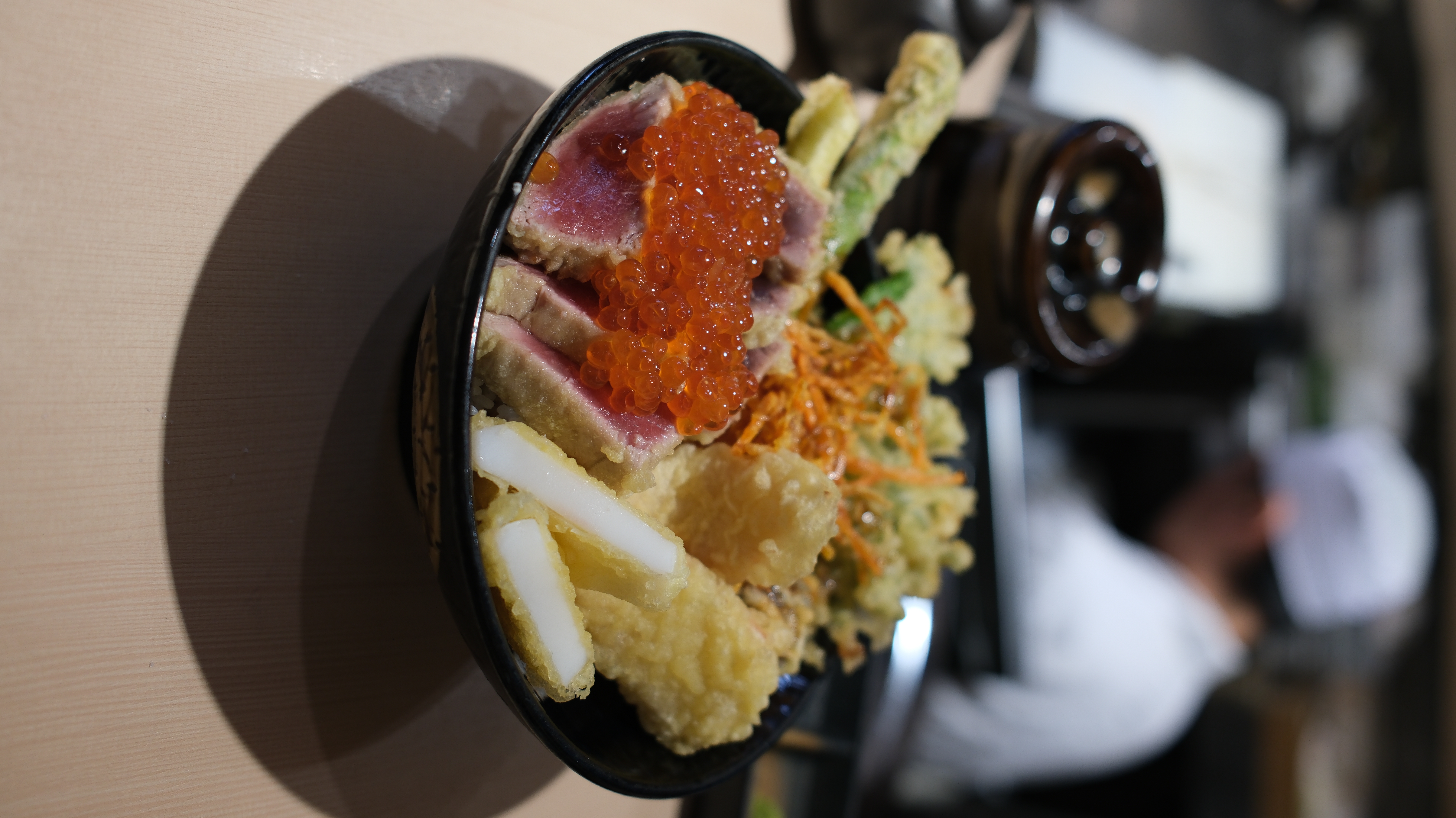
This is where Tokyo surprises people. The food is extraordinary — and it is not expensive, outside of fine dining. The standing sushi counter where we had fatty tuna, scallops and raw shrimp cost us €15 each. A bowl of ramen runs €8–12. A full Tsukiji Market breakfast comes to €15–20.
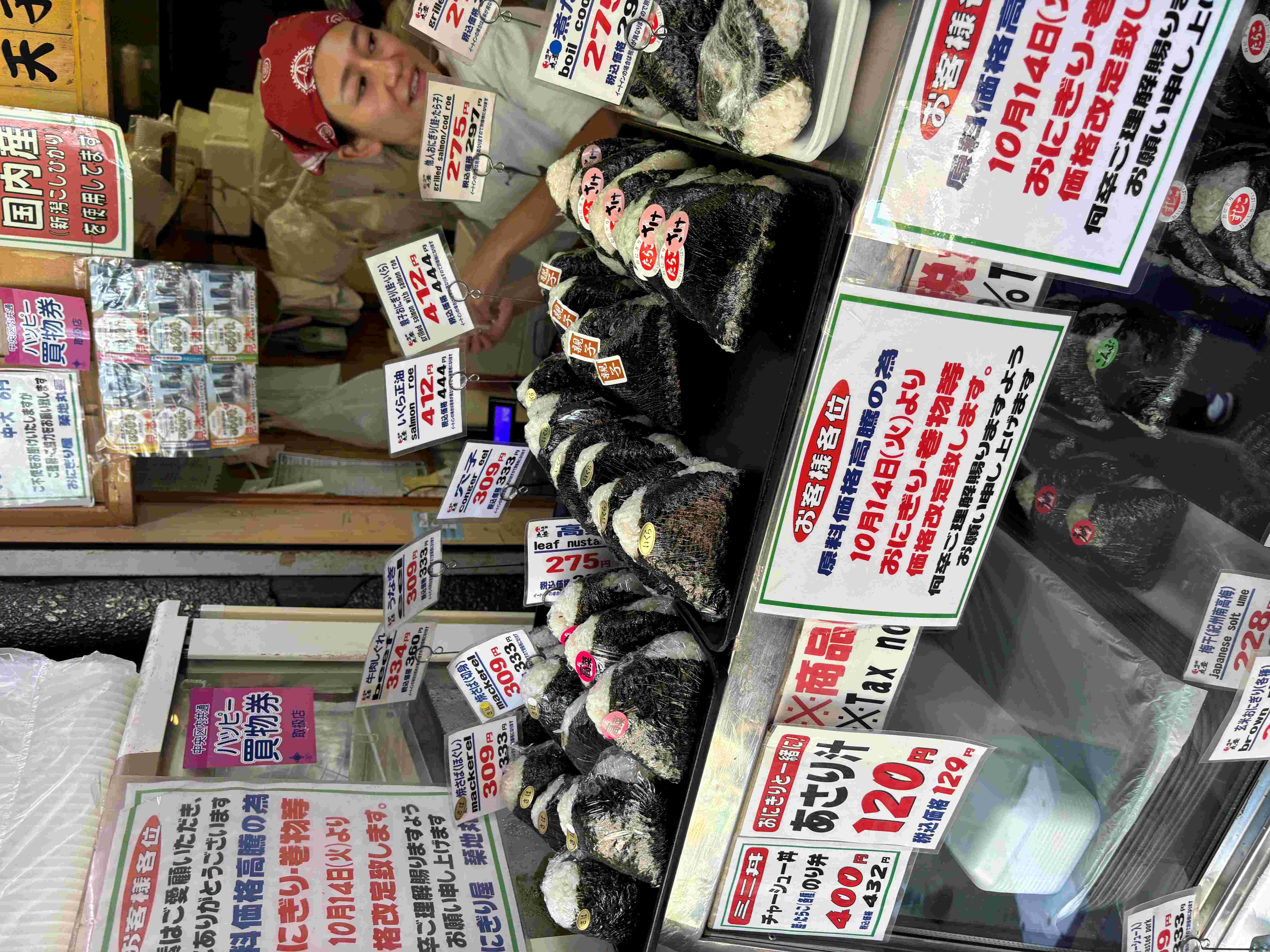
| Convenience store meal | €4–8 |
|---|---|
| Ramen or udon | €8–12 |
| Standing sushi counter | €12–18 |
| Sit-down restaurant (mid-range) | €15–30 per person |
| Tsukiji Market breakfast | €15–20 |
| Izakaya evening (food + drinks) | €25–45 per person |
| Omakase fine dining | €80–250+ per person |
The smart strategy: Eat breakfast at a convenience store or market (€5–10), have a proper lunch at a restaurant (€12–20 — many high-end spots do lunch sets at half the dinner price), and mix between mid-range restaurants and izakayas for dinner (€20–40). You eat extremely well for €40–60/day on food.
For our specific recommendations, see The Best Restaurants in Tokyo.
Planning your Tokyo budget?
Transport Costs in Tokyo
The metro is excellent and very affordable. A single metro journey costs €1.30–2.50 depending on distance. The Suica card (load it on Apple or Google Wallet, or buy a physical card at the airport) works on every metro line, bus, and even in convenience stores.
| Single metro journey | €1.30–2.50 |
|---|---|
| Airport transfer (Narita Express) | €25–30 each way |
| Airport transfer (Haneda — cheaper) | €8–12 each way |
| Day pass (Tokyo metro) | €5–8 — worth it on heavy sightseeing days |
| Taxi (avoid for longer distances) | €4 start, expensive fast |
Our average: Around €8–12/day per person on transport, including a mix of metro journeys and one or two day trips. If you're doing a day trip to Kamakura or Hakone, budget an extra €15–25 for that day's transport.
Tip: If you're doing multiple day trips or travelling across Japan by bullet train, look at the JR Pass. For a Tokyo-only trip, you don't need it — the Suica card covers everything.
Activity Costs in Tokyo
| Sensō-ji Temple | Free |
|---|---|
| Meiji Shrine | Free |
| Shinjuku Gyoen | ~€2 |
| Tokyo Skytree (observation) | €18–25 |
| TeamLab Borderless | €22–28 |
| Hakone day trip (transport + activities) | €50–80 |
| Kamakura day trip | €20–35 |
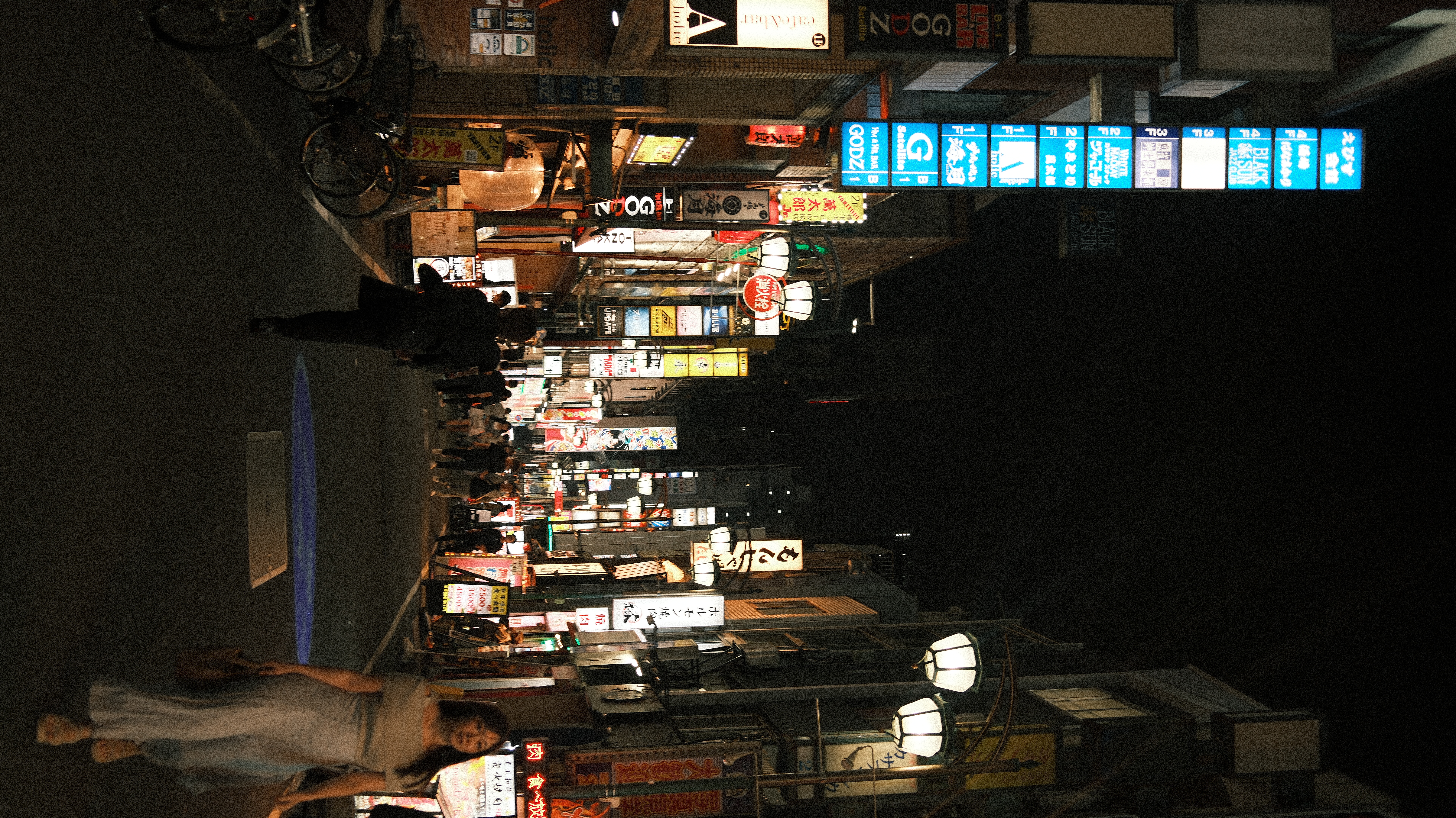
| Golden Gai evening (cover + drinks) | €15–30 |
Most of the things that make Tokyo extraordinary are free or very cheap — the neighbourhoods, the markets, the temples, the parks, the street food. The biggest activity expense is usually one paid experience like TeamLab Borderless, which is worth every cent. See our guide to the best things to do in Tokyo for the full list of what's worth your time.
Sample Daily Budgets
Budget — €60–80 per person
- Accommodation: capsule hotel or budget hostel (€30–40/night split between two)
- Food: convenience store breakfast, ramen lunch, izakaya dinner (€20–30)
- Transport: Suica metro journeys (€8–10)
- Activities: mostly free — temples, parks, neighbourhoods (€0–5)
Mid-Range — €100–150 per person (our style)
- Accommodation: mid-range hotel (€100–150/night split between two)
- Food: market breakfast, sit-down lunch, good dinner (€40–60)
- Transport: Suica + occasional taxi (€10–15)
- Activities: one paid experience every couple of days (€10–15 averaged)
Comfortable — €150–250 per person
- Accommodation: boutique hotel (€180–250/night split between two)
- Food: quality restaurants for all meals, occasional splurge (€60–90)
- Transport: Suica + taxis where convenient (€15–20)
- Activities: TeamLab, Skytree, day trips (€25–40)
Is Tokyo More Expensive Than Other Asian Cities?
Yes — significantly more expensive than Southeast Asia (Bangkok, Hoi An, Hanoi), and somewhat more expensive than Seoul or Taipei. But it's cheaper than Sydney, London, or Paris at a comparable quality level.
| City | Daily budget (mid-range, per person) |
|---|---|
| Bangkok | €50–80 |
| Hanoi / Hoi An | €40–70 |
| Seoul | €70–110 |
| Taipei | €60–90 |
| Tokyo | €100–150 |
| Sydney | €150–220 |
| London / Paris | €180–280 |
In the context of a full Asia trip, Tokyo will be your most expensive destination. Budget accordingly — but don't let it put you off. The value of what you get for the money in Tokyo is exceptional.
FAQ
Is Tokyo expensive compared to Europe?
For accommodation, Tokyo is roughly comparable to mid-range European capitals. For food, it's significantly cheaper — you eat better in Tokyo for less money than in Paris, London or Amsterdam. Overall, a Tokyo trip at mid-range costs less than an equivalent trip to Western Europe.
What is the cheapest way to eat in Tokyo?
Convenience stores (7-Eleven, Lawson, FamilyMart) offer genuinely good food for €4–8 per meal. Standing ramen and udon counters run €8–12. Tsukiji Market breakfast costs €15–20 and is one of the best food experiences in the city. You don't need to spend much to eat extraordinarily well in Tokyo.
Is a JR Pass worth it for Tokyo?
For a Tokyo-only trip: no. The Suica card covers everything in the city. The JR Pass is worth considering if you're travelling between multiple Japanese cities by bullet train — compare the pass price against your specific route before buying.
How much cash should I bring to Tokyo?
More than you'd expect. Many smaller restaurants, markets and bars are cash-only. We'd recommend having at least €100–150 in yen available at any time. ATMs at 7-Eleven and Japan Post accept foreign cards reliably.
Is it expensive to travel around Japan vs staying in Tokyo?
Bullet trains between cities are fast but not cheap (Tokyo–Kyoto is around €80 each way without a pass). See our Japan destination guide for how to structure a multi-city Japan trip cost-effectively.
More Tokyo Guides
Some links in this post are affiliate links. If you book through them, we earn a small commission at no extra cost to you — it helps us keep writing guides like this one.