Kyoto has over 1,600 temples and shrines. You don't need to see most of them — you need to see the right ones, at the right time of day, in the right order.
We've organised everything by area so you can plan each day as a neighbourhood, not a checklist. That's the only way to see Kyoto properly without spending half your trip on a bus. If you're still working out how many days to spend in Kyoto, read that first.
Higashiyama & Gion — Start Here
This is Kyoto's most atmospheric area and the best place to spend your first full day. The narrow stone lanes, wooden machiya townhouses, and temple approaches feel like the Japan you imagined before you arrived.
Ninenzaka & Sannenzaka
Two interconnected stone-paved lanes lined with tea shops, ceramics stores, and traditional architecture. Go as early as possible — before 8am, these lanes are almost empty and genuinely magical. By 10am they're congested. The early morning version is one of Kyoto's best experiences; the late morning version is just a crowded shopping street.
Kiyomizu-dera Temple
Kyoto's most famous temple, perched on a hillside with sweeping views over the city. The wooden stage extending out over the slope — built without a single nail — is architectural audacity. Visit in the early morning for sunrise views, or in the late afternoon when the light softens. The walk up through the stone lanes is part of the experience. Entry ¥500.
Kenninji Temple — our favourite in Kyoto
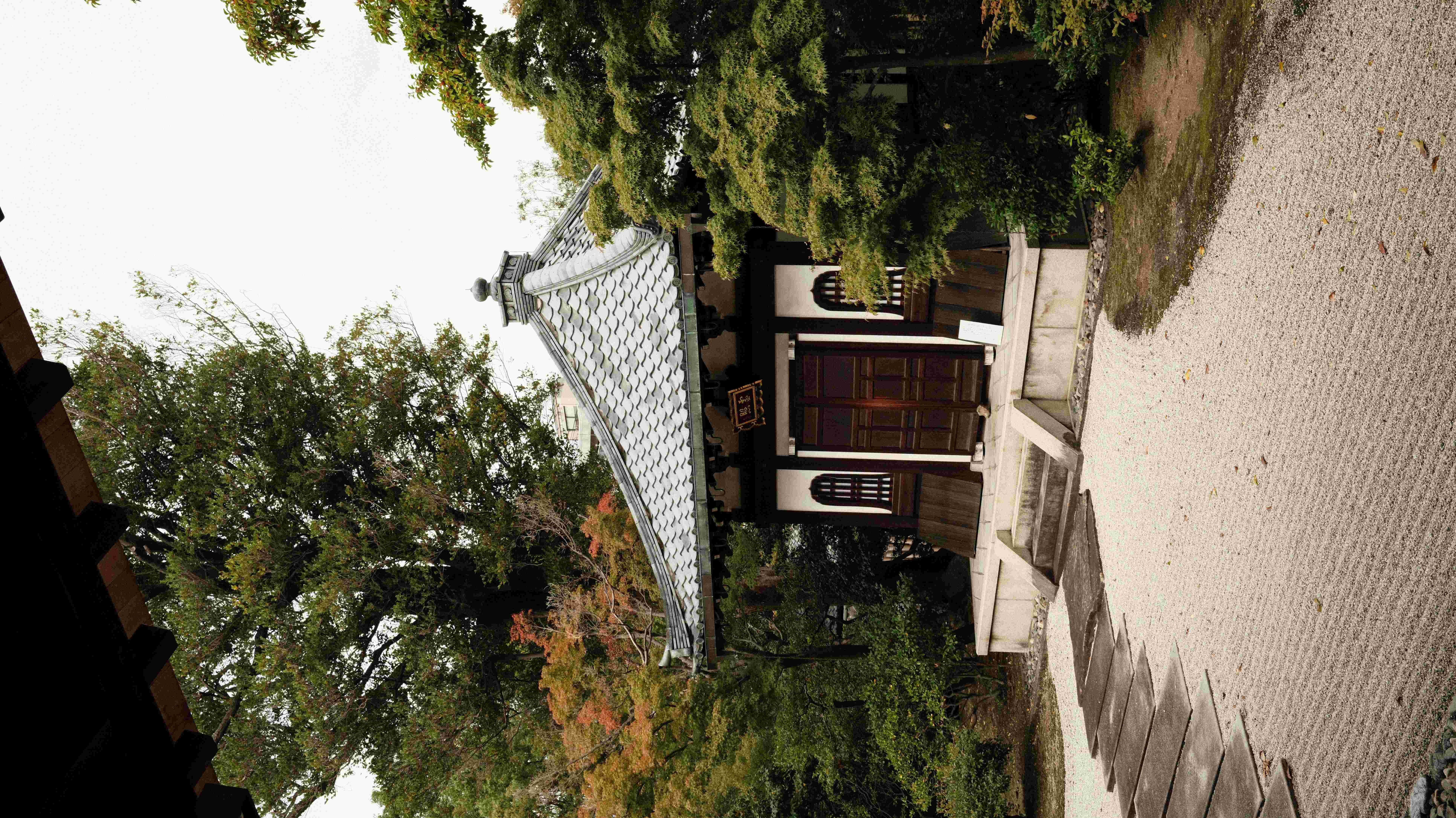
Tucked into the Gion area, Kenninji is Kyoto's oldest Zen temple — and consistently one of the most overlooked. The twin dragon ceiling paintings (Souryuu-zu) are extraordinary: two enormous ink dragons painted to commemorate the temple's 800th anniversary, covering a vast circular canvas in the main hall ceiling. The rock gardens are precise and calming. The temple rarely feels crowded even when the surrounding streets are packed. Don't skip it.
Yasaka Shrine
Bright vermillion and lively, Yasaka Shrine marks the gateway between Gion and Maruyama Park. It's open 24 hours — beautiful at night when it's lit up and quieter than during the day. Worth five minutes on any walk through the area.
Hanamikoji Street
The most famous street in Gion — traditional wooden tea houses, lanterns, and if you're lucky (especially in the early evening) a geiko or maiko heading to an appointment. Walk it around dusk for the full atmosphere. Photography etiquette matters here: don't chase or photograph geiko without permission.
Arashiyama — Dedicate a Full Day
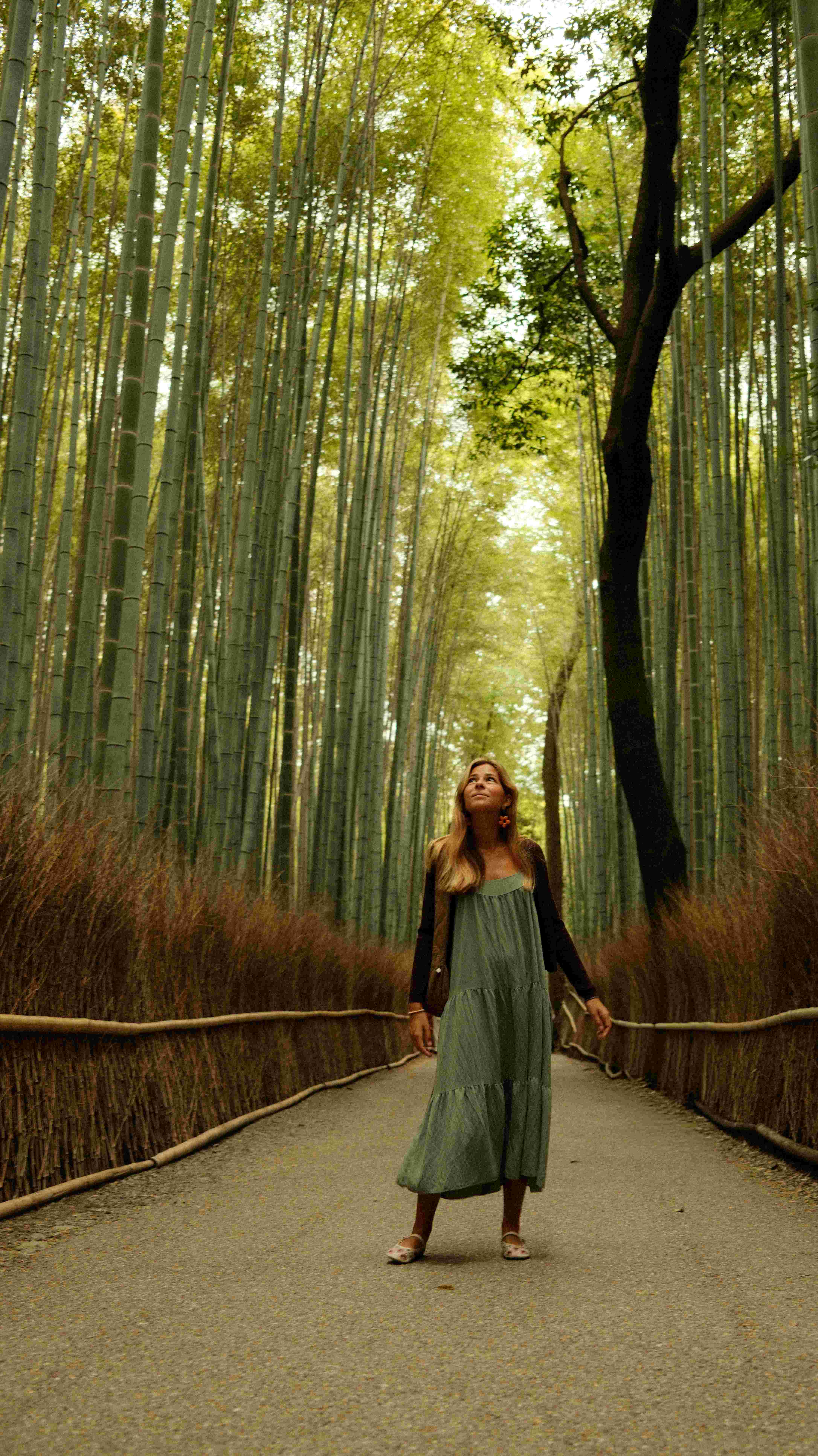
Arashiyama is a full-day destination on its own — don't try to combine it with another area on the same day.
The Bamboo Grove
One of Kyoto's most iconic sights — and one that rewards effort. Arrive before 7am for a completely different experience: tall walls of green bamboo filtering pale morning light, near silence except for the sound of the wind moving through the leaves. By 9am it's packed shoulder to shoulder. We've written a full honest review of the bamboo forest, but the short version is: the early morning visit is extraordinary; the late morning one is just a photo opportunity.
Tenryu-ji Temple
Right beside the bamboo grove, Tenryu-ji has one of Kyoto's finest Zen gardens — raked gravel, shaped pines, and a pond that reflects the Arashiyama hills behind it. Visit immediately after the bamboo grove while the area is still quiet. The garden alone is worth ¥500; the full temple interior adds another ¥300.
Ninna-ji Temple
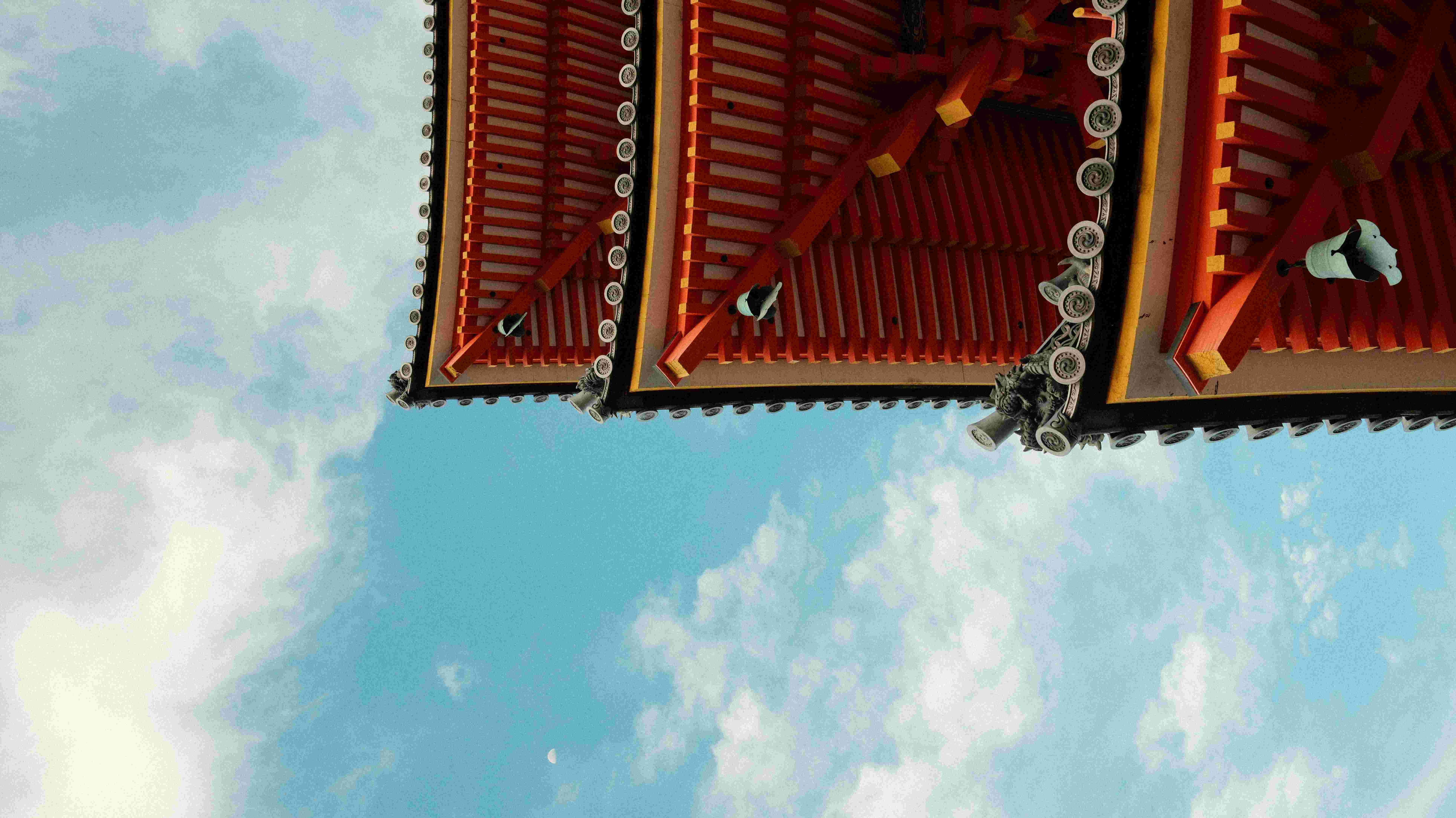
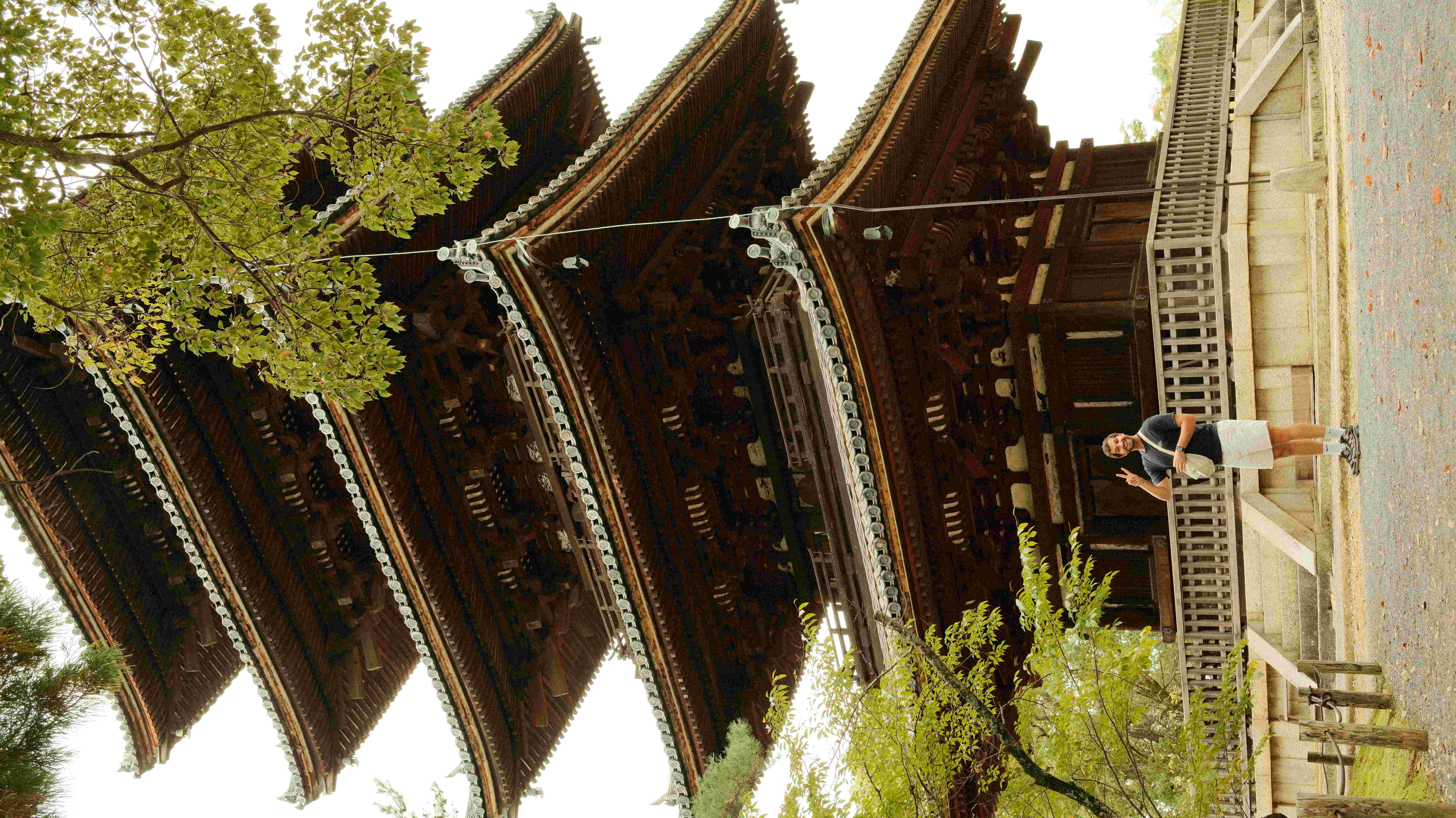
Often overlooked in favour of the more famous Arashiyama sights, Ninna-ji is spacious, peaceful, and worth the extra time. The five-storey pagoda, the gardens, and the sheer scale of the complex make it feel genuinely grand without the crowds. One of Kyoto's quieter gems.
Kinkaku-ji (the Golden Pavilion)
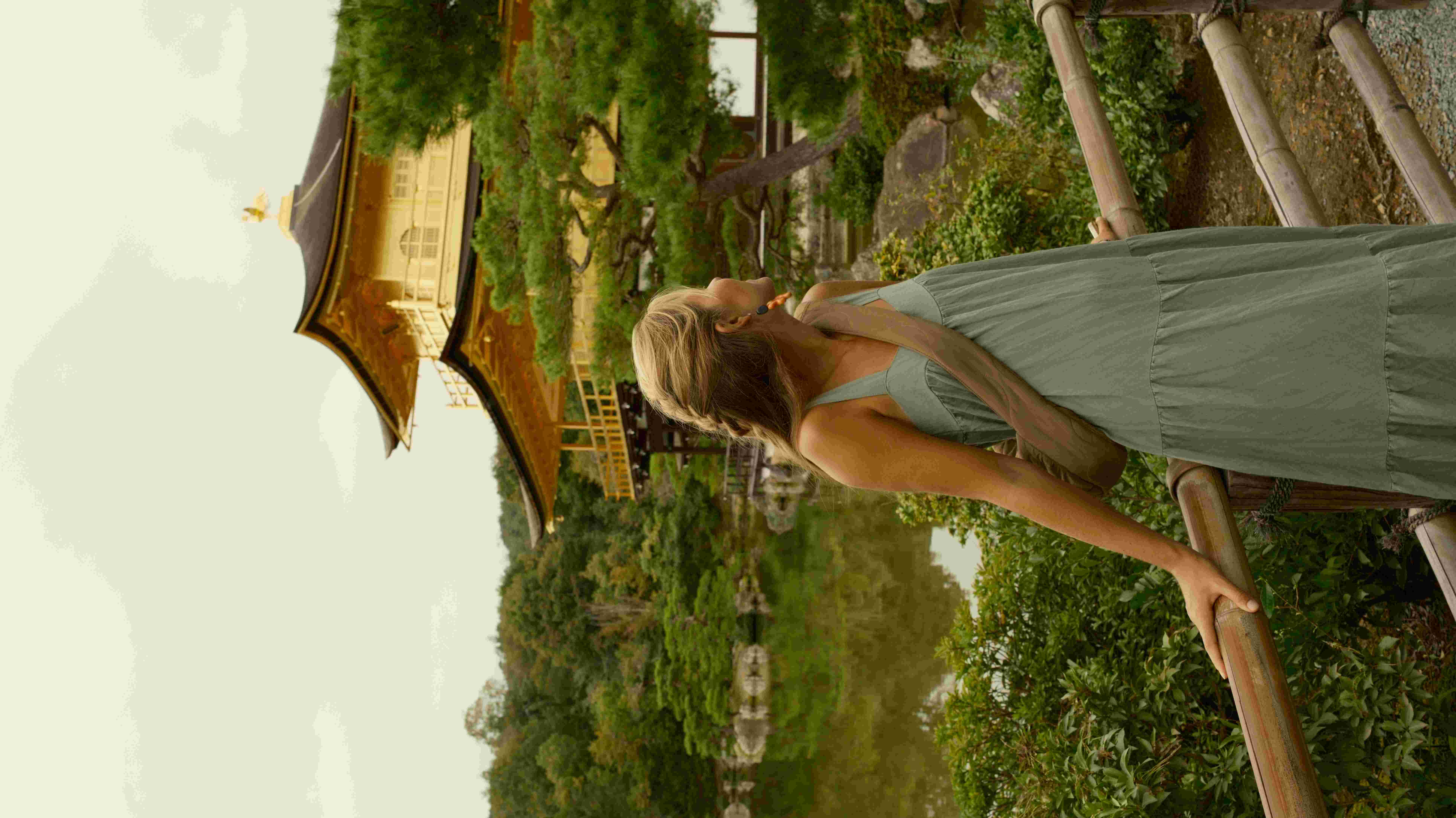
Kyoto's crown jewel — a gold-leaf covered pavilion reflected perfectly in a mirror pond. Yes, it's the most visited sight in Kyoto. Yes, it's still breathtaking. The moment you round the corner and the pavilion comes into view, shimmering gold above the water, is genuinely arresting. Go early, move briskly through the garden circuit, and let yourself be impressed. Entry ¥500.
Practical note: Kinkaku-ji is technically northwest of central Kyoto rather than in Arashiyama proper, but it's easiest to pair with an Arashiyama day given bus routing.
Fushimi — The Torii Gates
Fushimi Inari Taisha
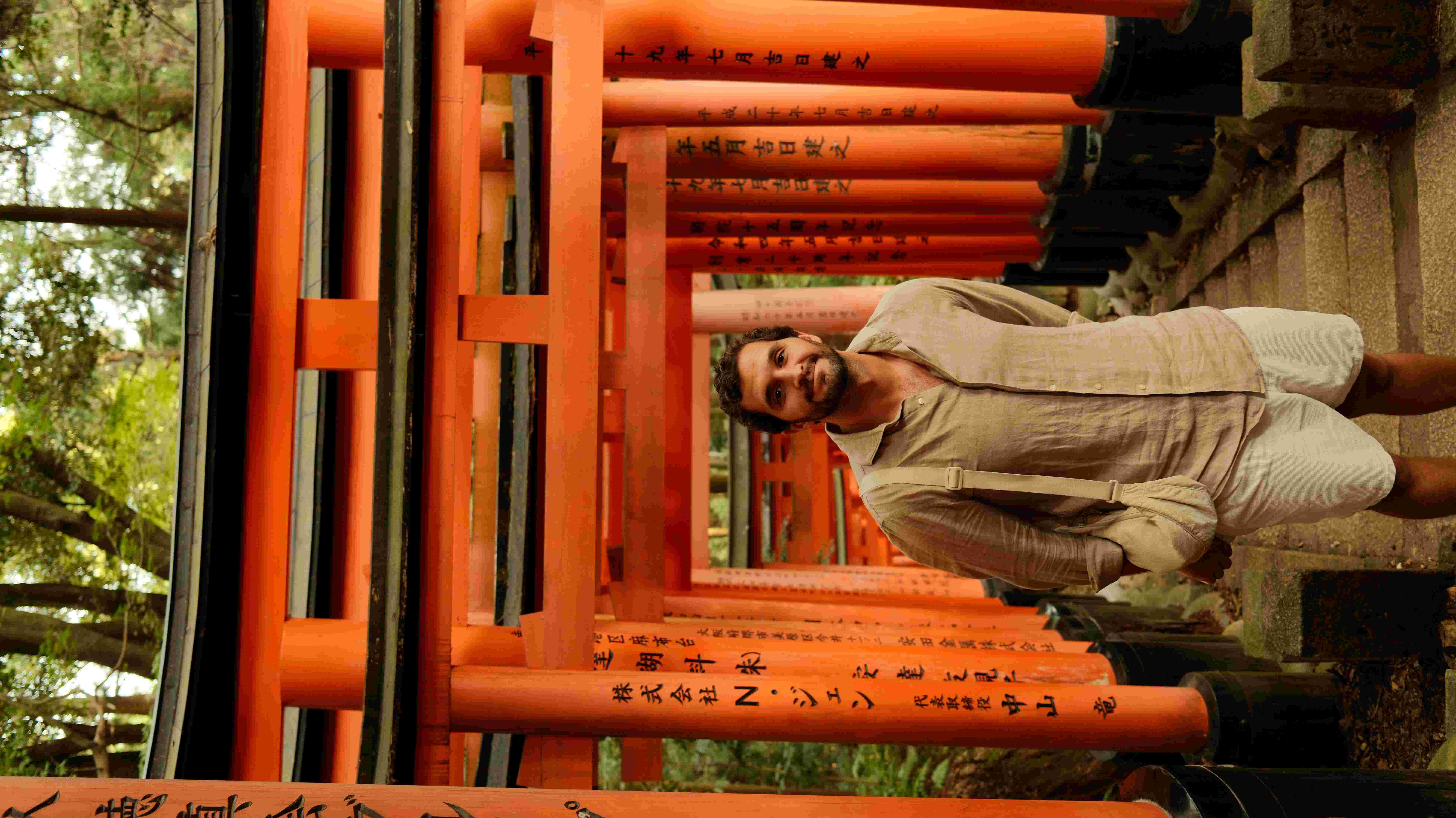
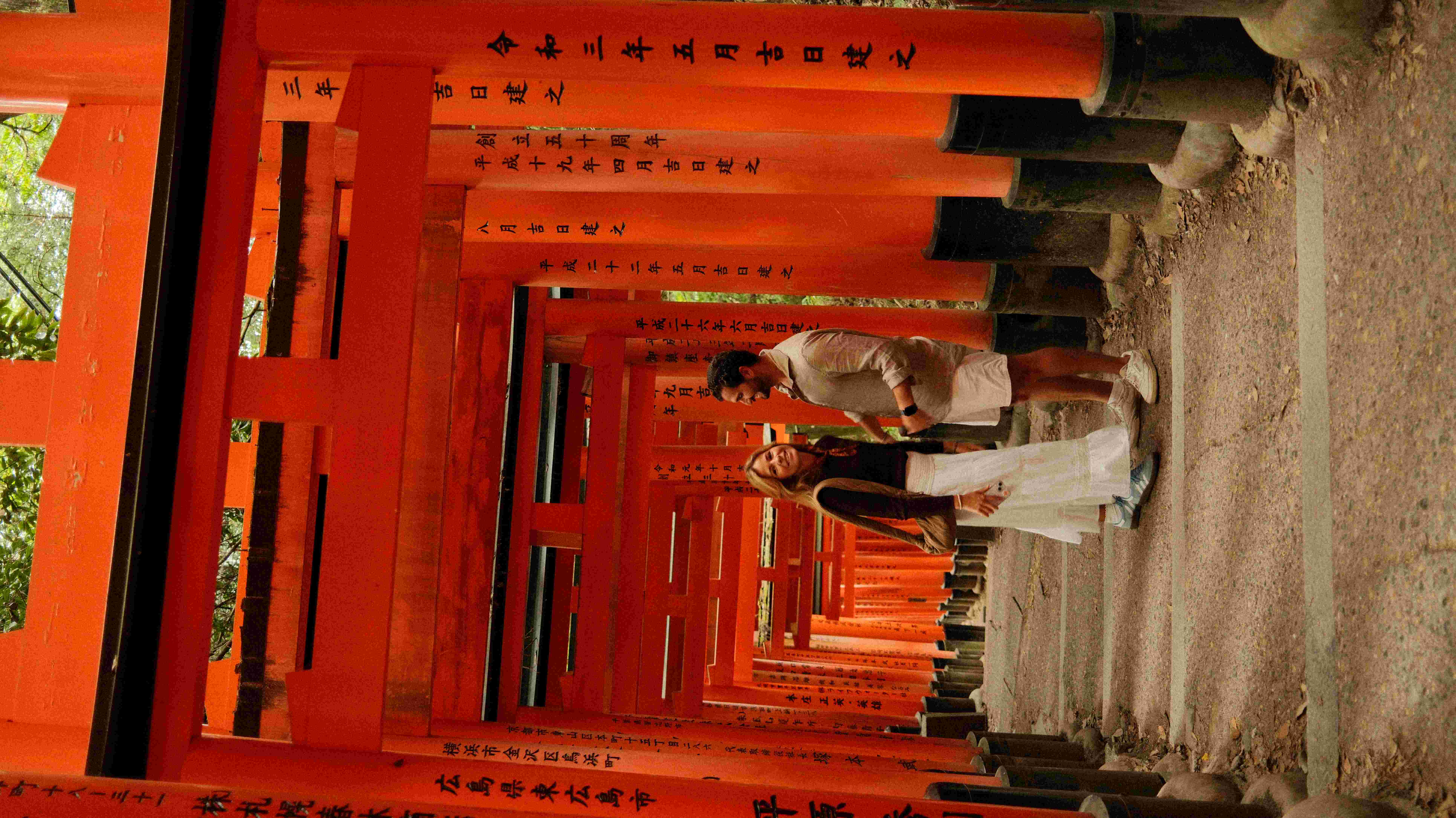
The thousands of vermillion torii gates winding up Inari Mountain are one of the most iconic images in Japan — and one of the most time-sensitive. Before 7am, the lower gates are quiet, the light filters through the red columns in long shafts, and the whole place feels mysterious and ancient. By 9am it's a wall-to-wall queue of tourists with selfie sticks. Go early — seriously. We've covered this in detail in our honest Fushimi Inari review.
The full hike to the summit takes about 2–3 hours. The lower section (30–45 minutes) includes the most photogenic gates. Even a short climb is worthwhile.
If you have extra time, wander into the Fushimi Sake District nearby — old sake breweries, stone walls, and willow trees along a canal. Charming and almost always uncrowded.
Central & Northern Kyoto
Philosopher's Path
A quiet canal-side walk connecting Ginkaku-ji southward through a leafy residential neighbourhood. Named after the philosopher Nishida Kitaro, who is said to have walked it daily in meditation. It's one of those places that doesn't photograph particularly well but feels exactly right in person — slow, green, and peaceful. Cherry blossom season turns it into one of Kyoto's most spectacular walks.
Ginkaku-ji (Silver Pavilion)
Despite its name, Ginkaku-ji was never actually covered in silver — the coating was planned but never applied. What you get instead is a remarkably elegant wooden structure surrounded by moss gardens and carefully shaped pines. More understated than the Golden Pavilion, and often more memorable for it. Visit early; it sits at the start of the Philosopher's Path, making them easy to combine.
Nijo Castle
The Tokugawa shogunate's Kyoto residence — wooden halls, painted sliding doors, and the famous "nightingale floors" that chirp softly underfoot (designed to prevent silent intrusion). It's a different kind of Kyoto experience: political rather than religious. The gardens are well-maintained and the interior corridors give a real sense of the shogunate's power. Entry ¥1,000.
Kyoto Imperial Palace Gardens
Free, peaceful, and vast — the gardens surrounding the Imperial Palace are a good mid-day rest between busier sights. Entry to the palace itself requires advance booking; the surrounding Kyoto Gyoen park is open freely at all times.
Things We'd Skip
Any major temple mid-morning without a plan. Kinkaku-ji, Kiyomizu-dera, and the bamboo grove between 10am and 4pm are genuinely exhausting. If you can't go early, consider skipping the most crowded sights entirely and spending that time in quieter temples instead — you'll leave with better memories.
The Toei Kyoto Studio Park (Eigamura). A theme park recreating the Edo period with actors in costume. Unless you specifically love that kind of thing, Kyoto's real streets deliver the same atmosphere without the entry fee.
Overloading the itinerary. The biggest mistake in Kyoto is scheduling four or five major sights per day and zigzagging between areas. Two sights done well — with early starts and unhurried time — beat six sights done badly every time.
More Kyoto Guides
- Is Kyoto Worth Visiting? Our Honest Review
- How Many Days in Kyoto Do You Need?
- Where to Stay in Kyoto: Best Areas & Hotels
- Kyoto Food Guide: Our Top Restaurants
- The Best Cafes in Kyoto
- The Best Temples and Shrines in Kyoto
- Is Fushimi Inari Worth Visiting?
- Is the Kyoto Bamboo Forest Worth Visiting?
- Tea Ceremony in Kyoto: Is It Worth It?
- 1 Day in Kyoto Itinerary
- 2 Days in Kyoto Itinerary
- The Best Time to Visit Kyoto
- Kyoto vs Osaka: Where Should You Stay?
- Is Osaka Worth Visiting?
- Koyasan from Osaka/Kyoto: Day Trip or Overnight
- Is Kanazawa Worth Visiting?
- All Japan Guides
Some links in this post are affiliate links. If you book through them, we earn a small commission at no extra cost to you.