A tea ceremony in Kyoto is worth doing — but it matters which kind you book. A rushed tourist experience in a converted room near a temple is completely different from a small, guided ceremony in a proper tea house with a real host. The second one changes how you understand Japanese culture. The first one is just a photo opportunity.
What Is a Japanese Tea Ceremony?
The Japanese tea ceremony (chado or chanoyu) is the ritualistic preparation and serving of matcha — powdered green tea — to guests. It developed as a philosophy as much as a practice: the concept of ichigo ichie ("one time, one meeting") underlies every ceremony, the idea that this gathering of people, in this moment, will never happen again in quite this way.
In practice, a ceremony involves the host preparing matcha using a bamboo whisk, specific ceramic bowls, and a precise sequence of movements that have been codified over centuries. Guests receive their matcha with a sweet wagashi (confection) alongside. The whole experience is quiet, unhurried, and deliberately present.
Our Experience
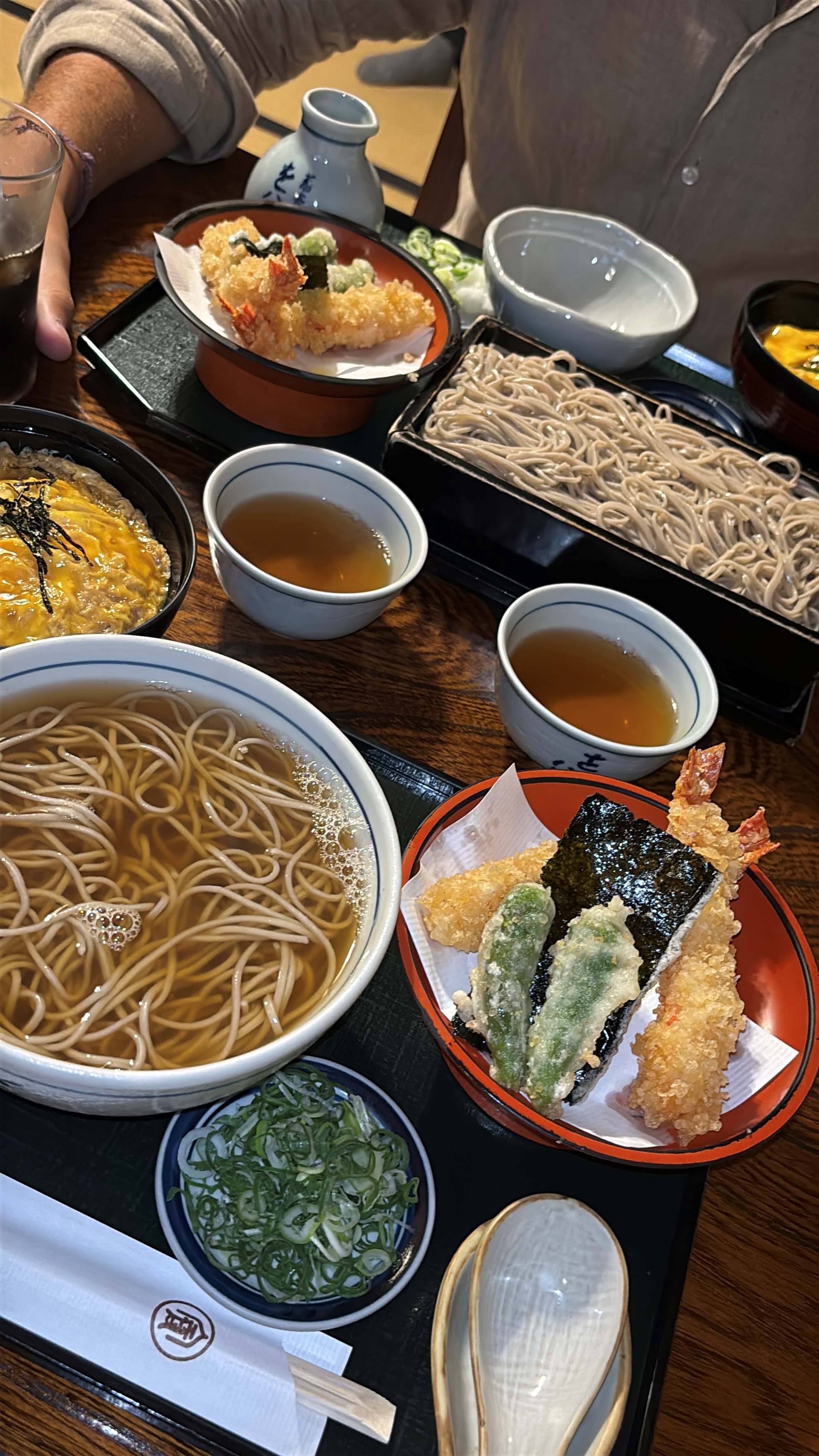
We participated in a tea ceremony during our time in Kyoto — and it was one of those experiences that reframes something you thought you already understood. We'd had matcha dozens of times across Japan by that point. The ceremony changed what we were tasting. When you watch the preparation — the precise folding of the cloth, the bamboo whisk turning the powder into something smooth and green and slightly bitter — you understand that the attention paid to every step is what makes it taste the way it does.
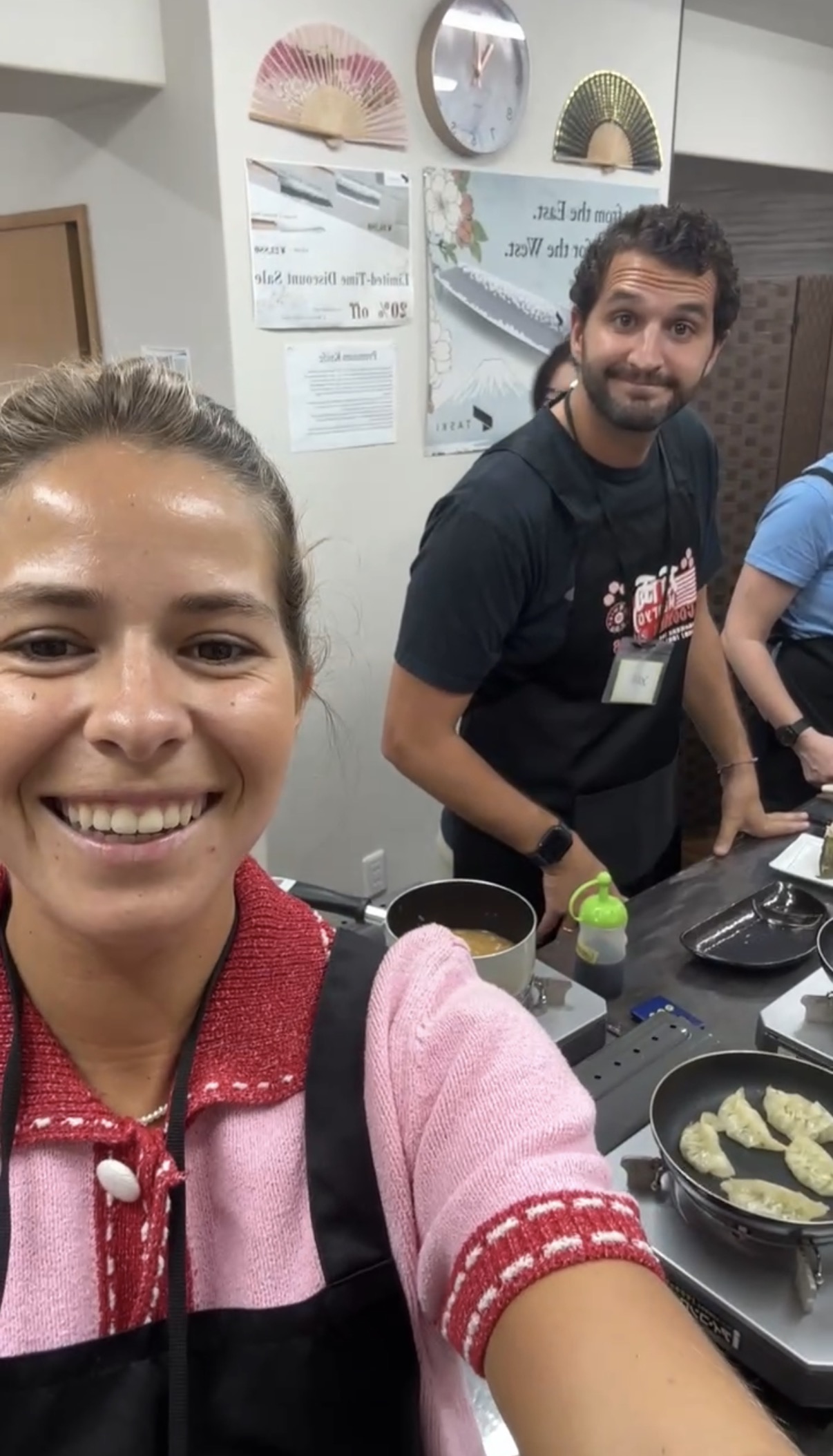
The matcha itself, made with Uji ceremonial-grade powder — the region just south of Kyoto produces Japan's finest — tastes completely different from the matcha lattes you find in cafes. Richer, more complex, with a grassy depth that the milk-diluted version never achieves. The wagashi sweet served alongside balances the bitterness perfectly.
How to Book
There are two main options:
Organised experience through GetYourGuide
The easiest route — filter for "tea ceremony Kyoto" and choose a small-group session in a traditional setting. Look for:
- Small groups (under 10 people is ideal)
- A session in an actual tea house or temple garden rather than a hotel conference room
- An English-speaking host who explains the meaning behind each step — not just the mechanics
- Hands-on participation, not just observation
Prices typically range from ¥2,000–6,000 (~€12–40) for a 45–90 minute session.
Direct booking at Kyoto tea houses
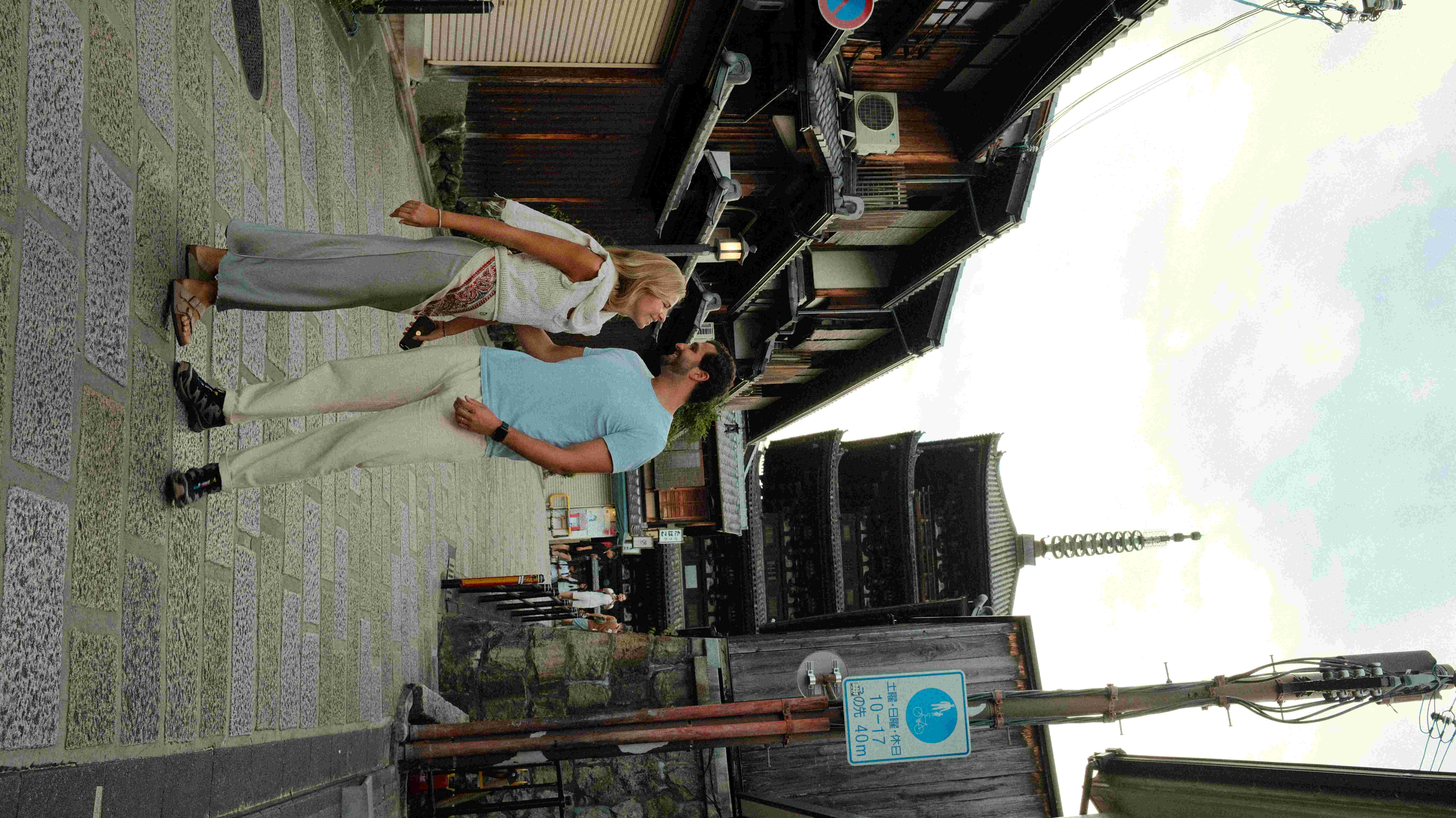
Many traditional tea houses in the Higashiyama and Gion areas offer walk-in or advance-booking ceremonies. Walking the Ninenzaka and Sannenzaka lanes you'll find several — the quality varies, but those operating in traditional machiya townhouses tend to be the more genuine experiences.
The Cooking Class Alternative
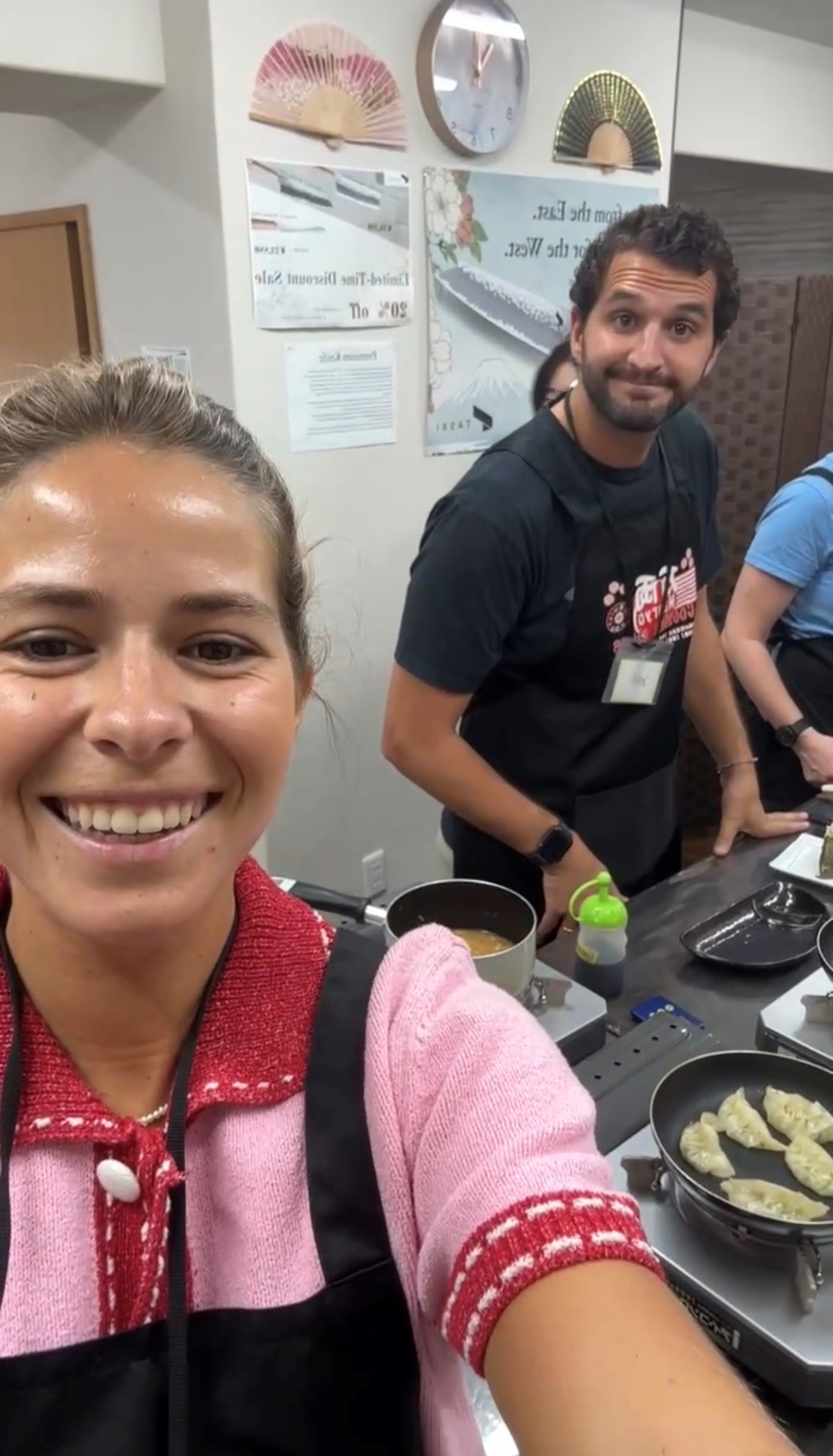
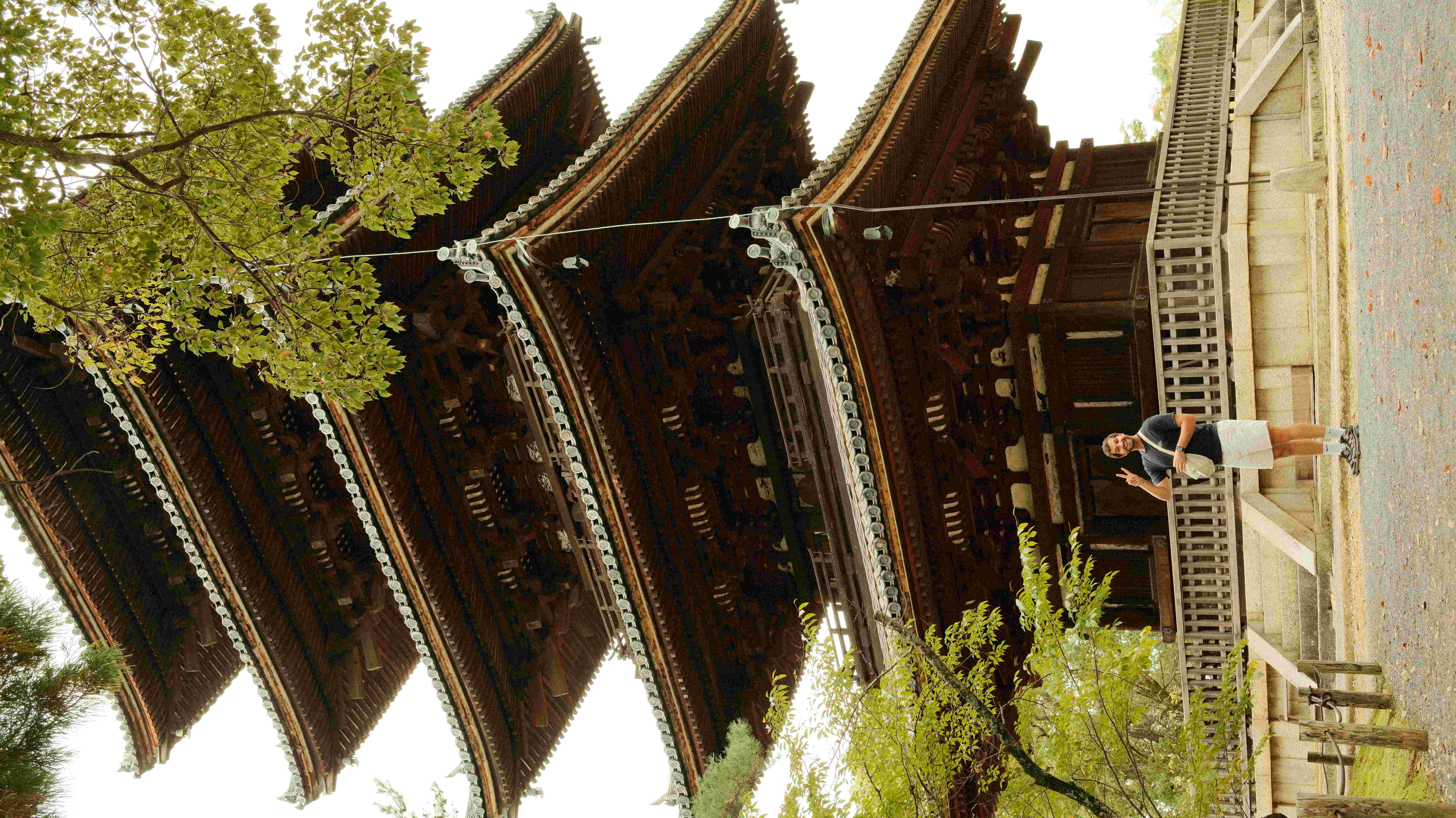
We also did a cooking class in Kyoto — learning to make ramen, gyoza, and onigiri with local hosts — and it was one of our top five experiences in all of Japan. If you're choosing between a tea ceremony and a cooking class, the cooking class is the more interactive, more memorable, and more filling option. Both are worth doing if you have time; the tea ceremony brings cultural depth, the cooking class brings joy.
Book cooking classes through GetYourGuide and filter for small-group, hands-on sessions with local hosts.
Practical Notes
- Duration: 45–90 minutes for most tourist experiences; traditional full ceremonies can run 2–3 hours
- What to wear: No specific dress code for tourist ceremonies, but something reasonably neat. Remove shoes when entering tatami rooms.
- When to go: Book it for a day when your legs need a rest — after a morning at Fushimi Inari or the bamboo grove, a quiet 60-minute tea ceremony is a perfect afternoon reset.
- Matcha sensitivity: Ceremonial matcha is more potent than cafe matcha — if you're sensitive to caffeine, note that it's typically consumed in the early afternoon.
More Kyoto Guides
- The Best Cafes in Kyoto: Matcha and Coffee
- The Best Things to Do in Kyoto + What to Skip
- How Many Days in Kyoto Do You Need?
- Is Kyoto Worth Visiting? Our Honest Review
- Kyoto Food Guide: Our Top Restaurants
- The Best Time to Visit Kyoto
- Where to Stay in Kyoto: Best Areas & Hotels
- 1 Day in Kyoto Itinerary
- 2 Days in Kyoto Itinerary
- The Best Temples and Shrines in Kyoto
- Is Fushimi Inari Worth Visiting?
- Is the Kyoto Bamboo Forest Worth Visiting?
- Kyoto vs Osaka: Where Should You Stay?
- Is Osaka Worth Visiting?
- Koyasan from Osaka/Kyoto: Day Trip or Overnight
- Is Kanazawa Worth Visiting?
- All Japan Guides
FAQ
Is a tea ceremony in Kyoto worth it?
Yes — if you book the right one. A small-group ceremony in a proper tea house with an engaged host changes how you understand Japanese food culture. A rushed tourist experience in a generic setting doesn't. Filter carefully when booking.
How much does a tea ceremony cost in Kyoto?
Typically ¥2,000–6,000 (~€12–40) for a 45–90 minute tourist ceremony. Traditional full-length ceremonies at established tea schools cost more and require advance booking.
Do I need to know anything beforehand?
No preparation needed. A good host will explain everything as you go. The only thing to know in advance: receive the matcha bowl with two hands, rotate it slightly before drinking (to avoid drinking from the "front"), and finish it fully.
Is Kyoto the best place to do a tea ceremony in Japan?
Yes. Kyoto is the heart of Japan's tea culture — the proximity to Uji's ceremonial-grade matcha, the historical depth of the city, and the density of genuine tea houses make it the right place for this experience.
Some links in this post are affiliate links. If you book through them, we earn a small commission at no extra cost to you.