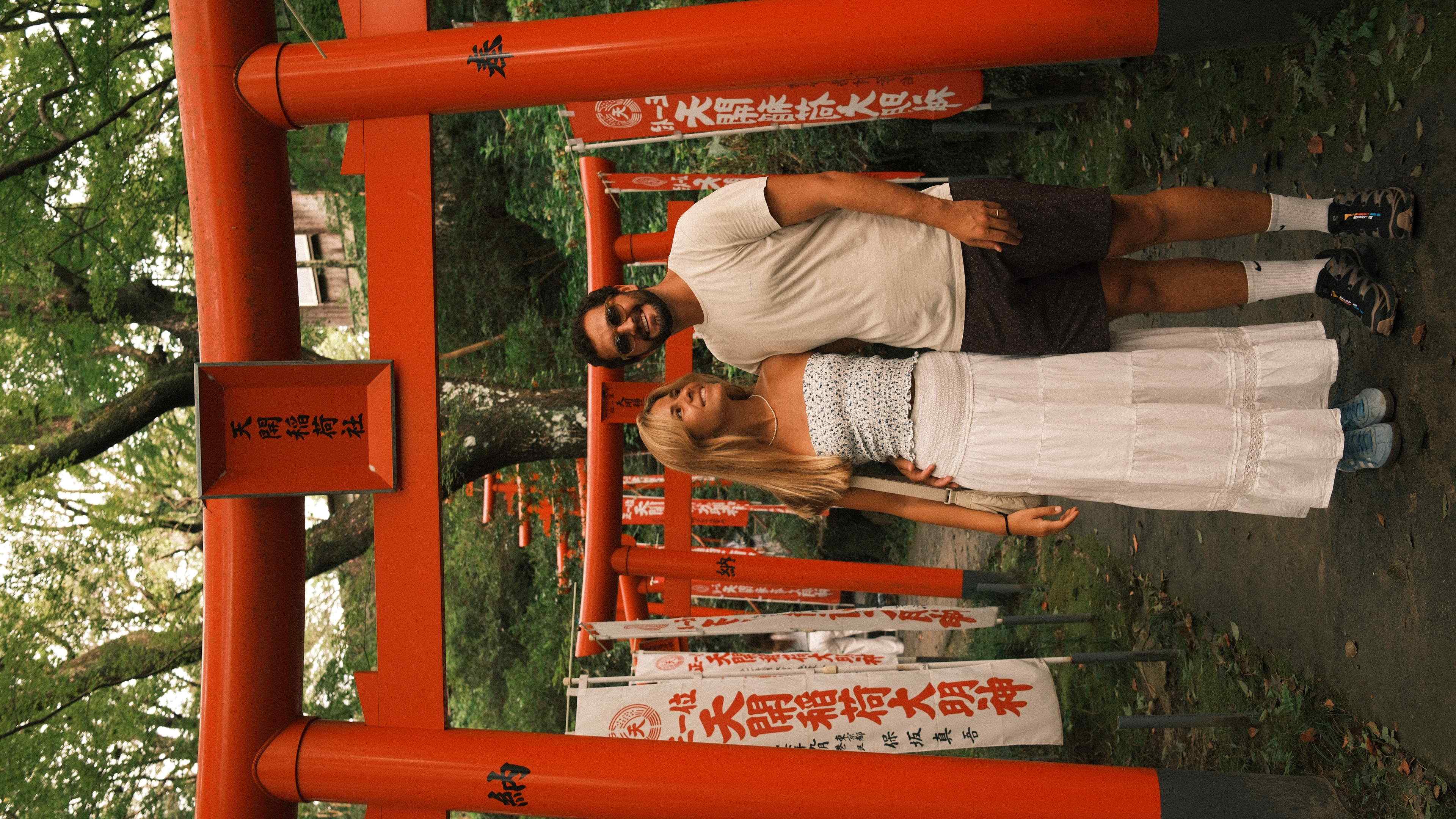
Dazaifu Tenmangu is one of Japan's most beautiful shrine experiences — and at 20 minutes from Fukuoka by train, it's one of the easiest day trips in the country. The shrine approach is extraordinary, the grounds are forested and atmospheric, and the umegae mochi (grilled rice cake with red bean paste) sold along the path is genuinely worth eating. Do not skip this on a Fukuoka trip.
What Is Dazaifu?
Dazaifu was once the administrative capital of Kyushu — one of the most important political centers in Japan during the Nara and Heian periods (8th–12th centuries). Dazaifu Tenmangu Shrine was built in 919 CE to enshrine Sugawara no Michizane, a scholar and poet who served the imperial court and is now worshipped as the god of learning, scholarship, and academic achievement. Students come from across Japan before exams to pray here.
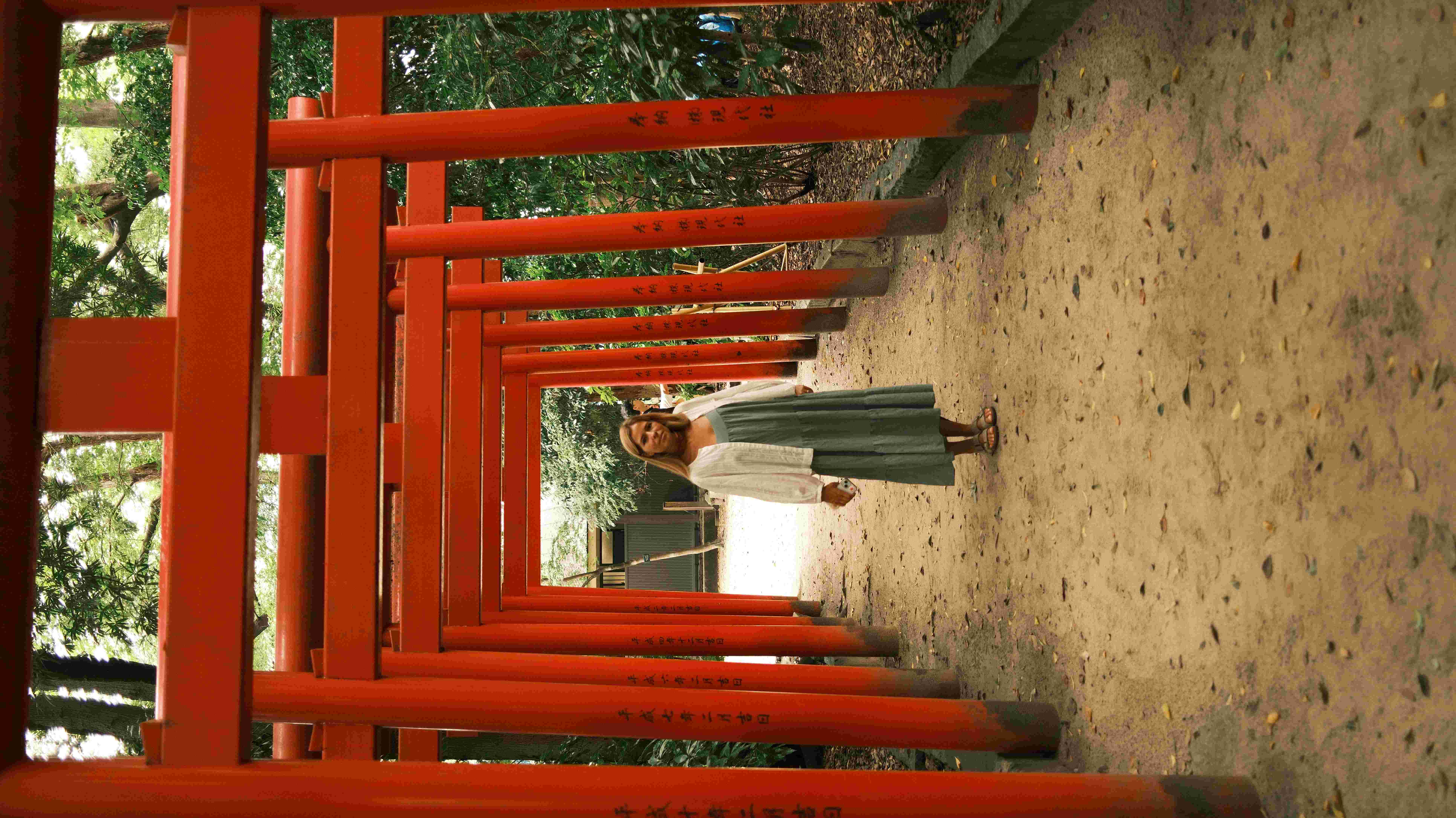
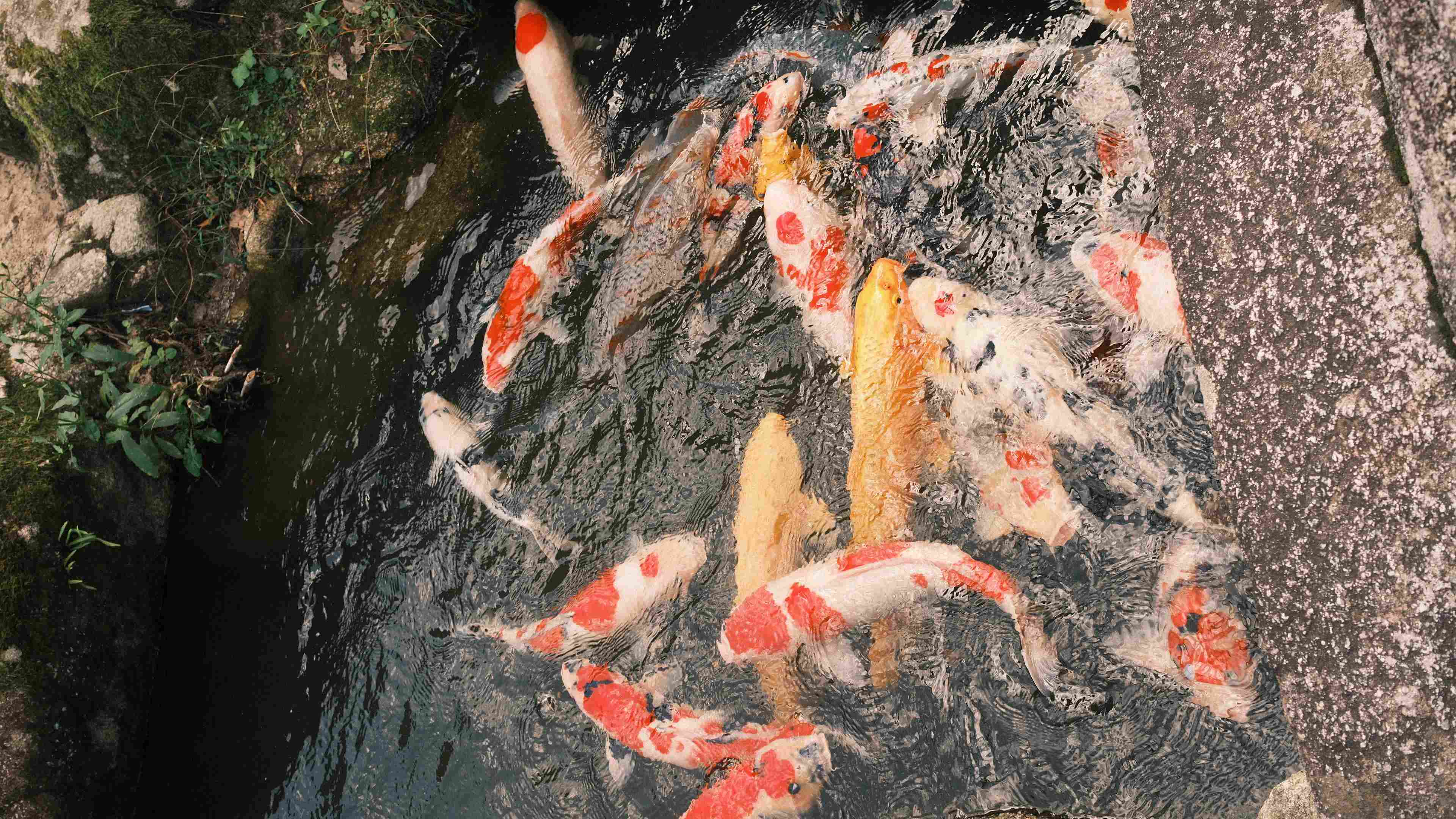
The shrine is set in forested grounds with ornamental ponds, arched bridges, and thousands of plum trees — over 6,000, representing Michizane's legendary love of the plum blossom. The combination of history, forest, and water makes it one of the most atmospherically complete shrine experiences in Japan.
Getting There
The easiest and fastest route from Fukuoka:
- Nishitetsu Tenjin-Omuta Line from Tenjin Station to Futsukaichi (15 minutes), then transfer to the Nishitetsu Dazaifu Line to Dazaifu Station (5 minutes). Total journey: about 20 minutes, ¥420.
- Alternatively, a direct sightseeing train (Tabito) runs from Nishitetsu Fukuoka (Tenjin) to Dazaifu at peak times — a single-carriage train with distinctive design, worth taking if timing works.
From Hakata: take the subway to Tenjin first (4 minutes), then the Nishitetsu line as above. The total from Hakata Station is about 30–35 minutes door to door.
The Shrine Approach
The approach to Dazaifu Tenmangu — from the station to the shrine gate — is one of the most atmospheric in Japan. A pedestrian street lined on both sides with traditional wooden shops selling souvenirs, local crafts, and food. The atmosphere is old Japan without being staged — these shops have served pilgrims and visitors for generations.
What to Eat on the Approach
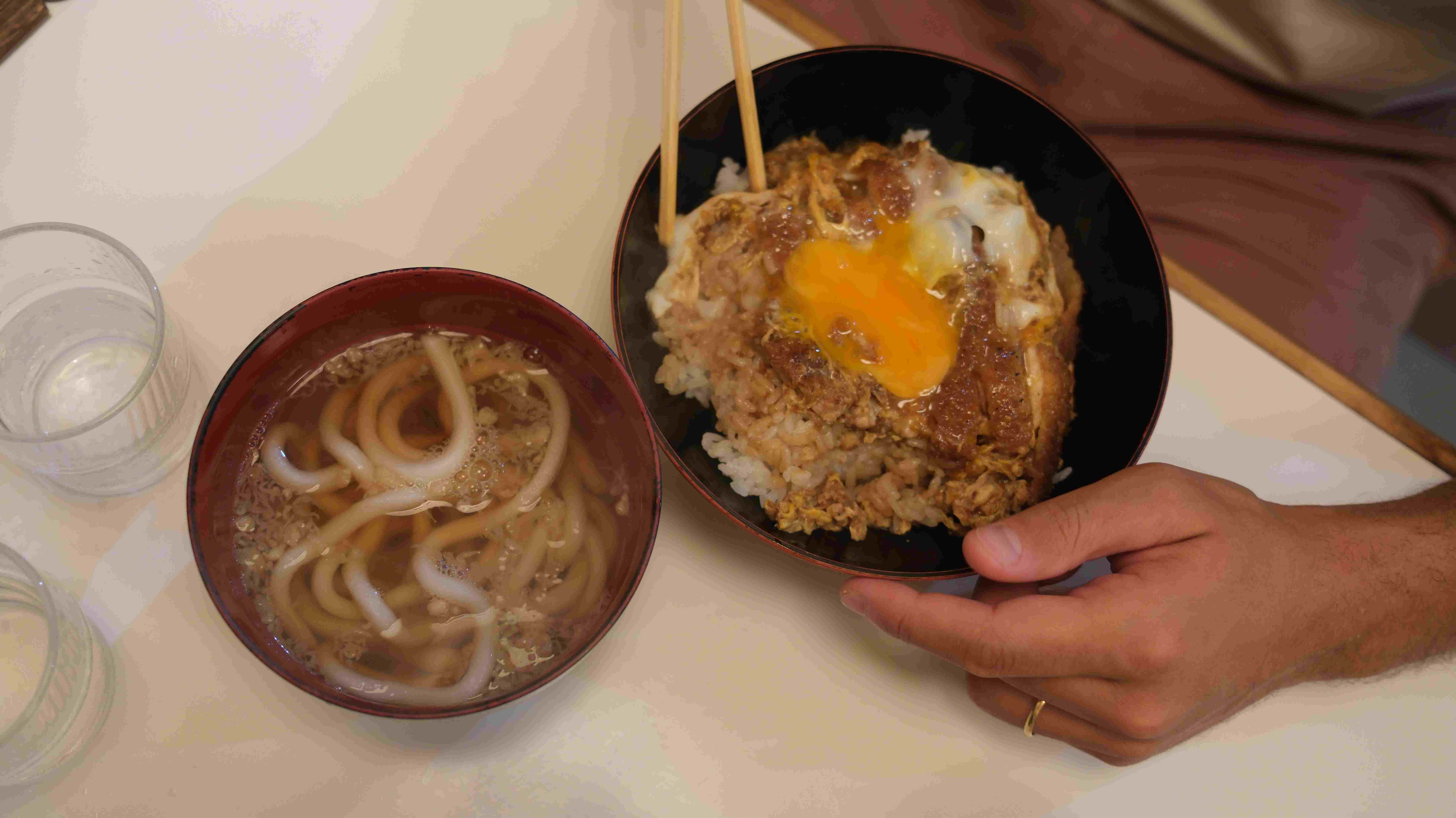
Umegae mochi — the essential Dazaifu food. A round rice cake (mochi) grilled on a flat iron, filled with red bean paste (azuki), branded with a plum blossom pattern. Sold fresh from grills at multiple shops along the approach. Eat it warm, straight from the grill. The outside is slightly crisp; the inside is soft and sweet. The guide describes it exactly: "a local specialty" and it genuinely is — associated so strongly with Dazaifu that eating one feels like completing the experience properly.

Look for the shops with the longest queue or the most actively working griddle — that's usually where the mochi is freshest.
The Shrine Itself

Walk over the arched bridge spanning the main ornamental pond and through the torii gate into the shrine grounds. The main hall (honden) is ornate and brightly decorated — more elaborate than the austere wood-and-gravel style of many Shinto shrines, with curved rooflines and detailed carvings. The grounds behind the main hall extend into forest, with smaller shrines and the plum trees Michizane loved.
The shrine also has:
- Tobisato no Ume — a plum tree in front of the main hall said to have flown from Kyoto to be near Michizane after his death. One of Japan's most famous trees.
- Kanko-ji Temple — a short walk from the shrine, a quieter temple with a beautiful garden. Often missed by visitors who turn back at the main shrine.
- Dazaifu Tenmangu Treasure House — artifacts and paintings connected to Michizane and the shrine's history. Optional; worth 30 minutes if you're interested in the history.
When to Go
- Late February–early March: Plum blossom season — over 6,000 trees in bloom. This is Dazaifu's most spectacular season and less crowded than cherry blossom. The pink and white blossoms against the shrine architecture is extraordinary.
- Late March–early April: Cherry blossoms in the grounds and along the approach.
- Any time: Dazaifu is worth visiting in any season. The shrine grounds are forested and atmospheric year-round. Autumn turns the maples in October–November.
- Morning: Weekends can get busy by midday. Aim to arrive at the shrine by 9–10am for smaller crowds.
How Long to Spend
A comfortable half-day: leave Fukuoka by 9am, arrive in Dazaifu by 9:30am. Walk the approach slowly, eat an umegae mochi, spend 45–60 minutes in the shrine grounds. Return to Fukuoka by 12:30–1pm, with the afternoon free for the city. This timing works perfectly with a morning ramen breakfast in Fukuoka before departure.
If you want more time — exploring Kanko-ji, the treasure house, and the surrounding temple area — allow a full morning (9am–2pm).
More Fukuoka Guides
- The Best Things to Do in Fukuoka + What to Skip
- 2 Days in Fukuoka Itinerary
- Fukuoka Food Guide: Ramen, Yatai and Our Favourites
- Is Fukuoka Worth Visiting? Our Honest Review
- How Many Days in Fukuoka Do You Need?
- The Best Time to Visit Fukuoka
- Where to Stay in Fukuoka
- The Best Cafes in Fukuoka
- Is Hiroshima Worth Visiting? (Next Stop from Fukuoka)
- All Japan Guides
FAQ
Is the Dazaifu day trip worth it from Fukuoka?
Yes — emphatically. One of the most beautiful shrine experiences in Japan, 20 minutes from the city. Don't skip it.
How do you get from Fukuoka to Dazaifu?
Nishitetsu train from Tenjin Station — about 20 minutes, ¥420. Take the Tenjin-Omuta Line to Futsukaichi, then the Dazaifu Line to Dazaifu Station.
What is umegae mochi?
A round grilled rice cake filled with sweet red bean paste, stamped with a plum blossom pattern — the traditional food of Dazaifu. Eat it warm from the grill on the approach street.
What is the best time to visit Dazaifu?
Late February for the plum blossoms (over 6,000 trees). Late March for cherry blossoms. Any season is worth it — the shrine grounds are forested and atmospheric year-round.
Some links in this post are affiliate links. If you book through them, we earn a small commission at no extra cost to you.