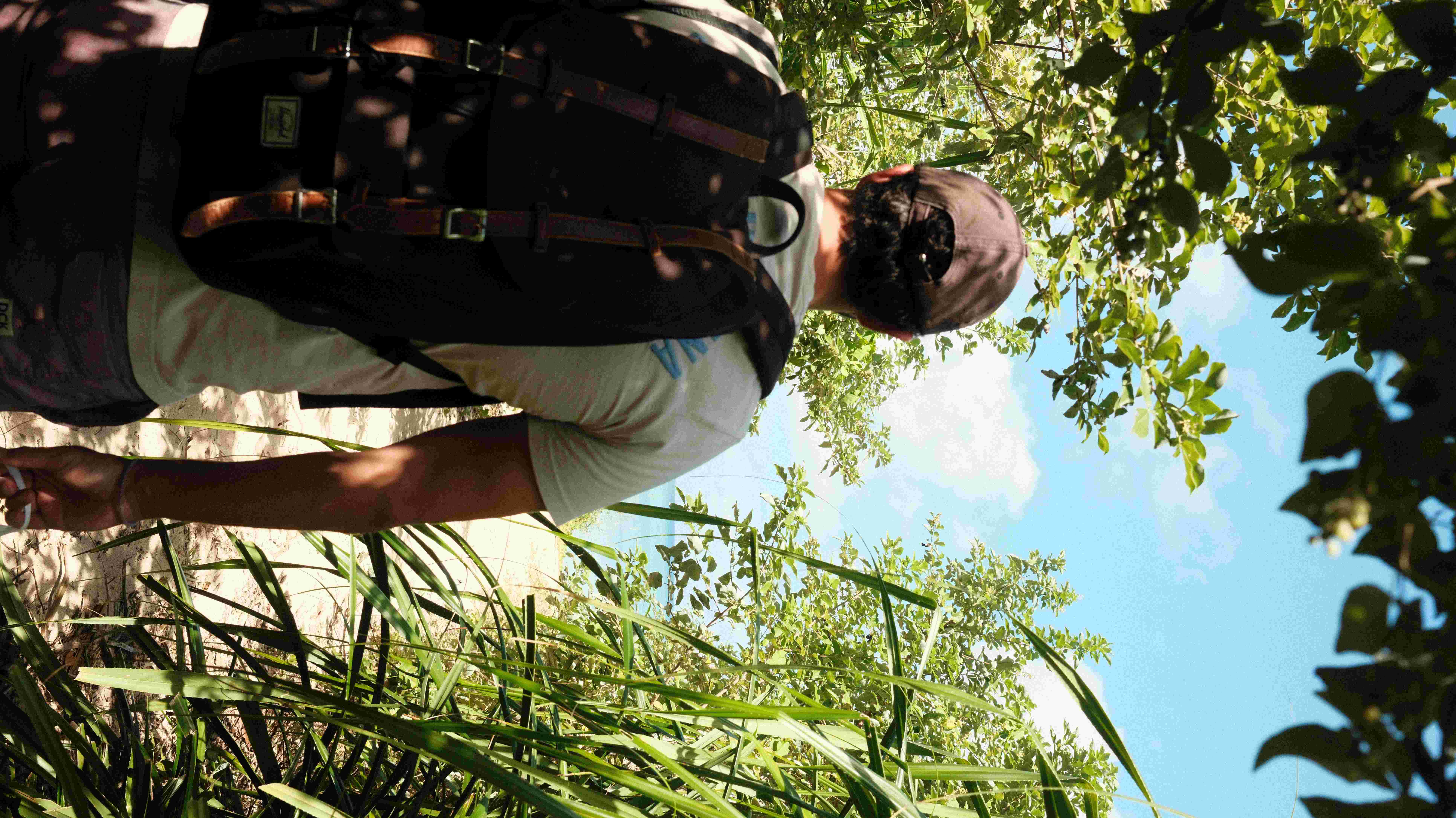
We came to Japan planning three weeks. We extended to a month. It was the first stop on a year of full-time travel and it set the standard for everything that came after — in the best way. We covered 11 cities: Tokyo, Ishigaki, Fukuoka, Hiroshima, Naoshima and Teshima, Kobe, Kyoto, Koyasan, Osaka, and Kanazawa, with Kamakura and Hakone as day trips from Tokyo. Here's our exact route, what we'd keep, and the few things we'd do differently.
Our Route at a Glance
| City / Area | Days | Highlights |
|---|---|---|
| Tokyo | 5 days | Shibuya, Shinjuku, Asakusa, Tsukiji, TeamLab, fine dining |
| Kamakura (day trip) | 1 day | Great Buddha, Hasedera, beach and surf |
| Hakone (overnight) | 2 days | Private onsen, mountain views (or mist), Hakone Shrine |
| Ishigaki | 5 days | Diving, hidden beaches, Taketomi, Iriomote day trip |
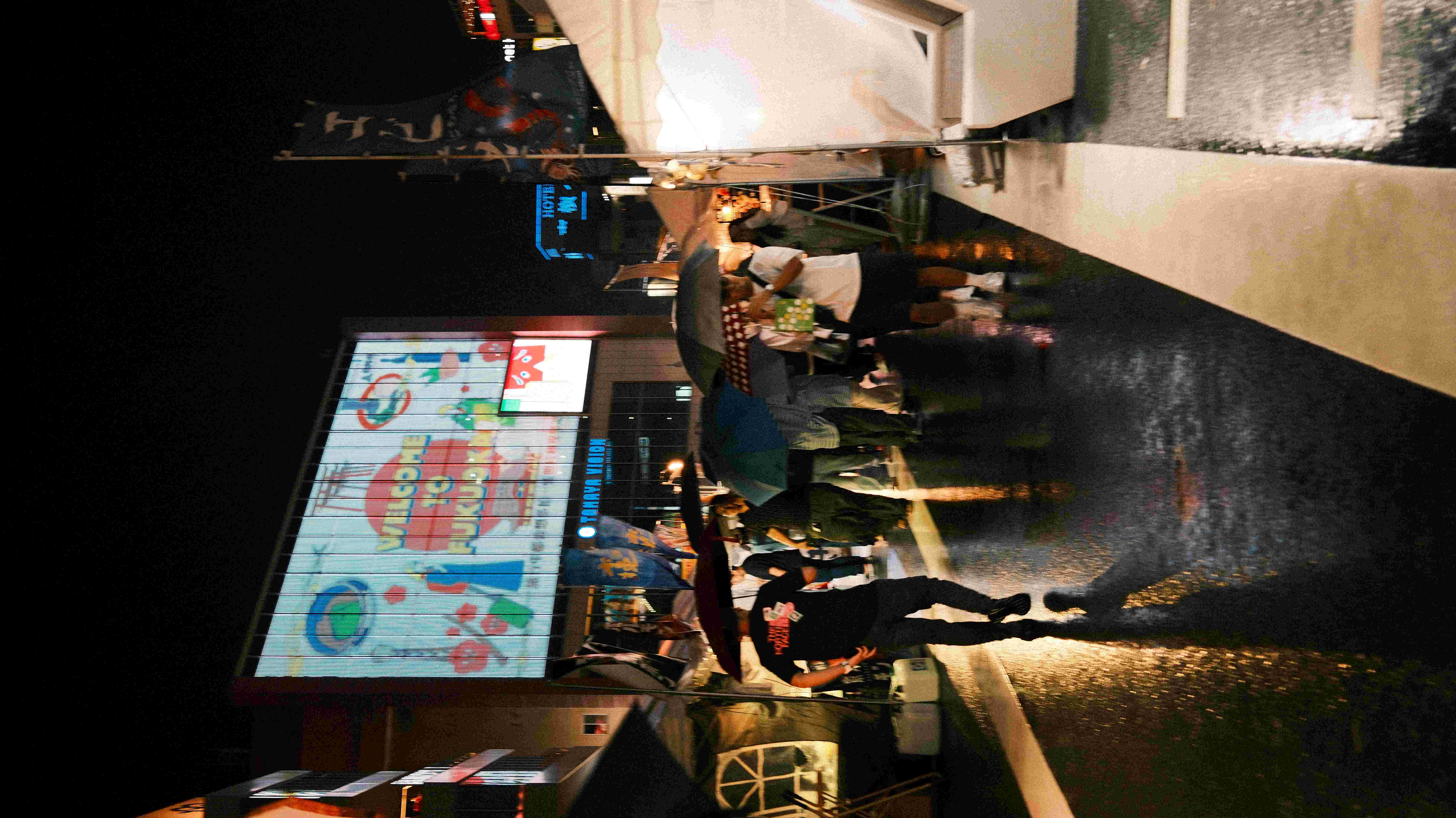
| Fukuoka | 3 days | Yatai food stalls, ramen, Dazaifu day trip |
| Hiroshima + Miyajima | 2 days | Peace Memorial Museum, Miyajima island |
| Naoshima + Teshima | 2 days | Chichu Art Museum, Teshima Art Museum, Kusama pumpkins |
| Kobe | 1 day | A5 Kobe beef at Mouriya, Chinatown, port area |
| Kyoto | 4 days | Fushimi Inari, bamboo forest, temples, cooking class |
| Koyasan | 2 days | Temple stay, Okuno-in cemetery, shojin ryori |
| Osaka | 3 days | Dotonbori, street food, Yakiniku Uchida, Osaka Castle |
| Kanazawa | 2 days | Omicho Market, Kenroku-en, Higashi Chaya geisha district |
Total: ~32 days
Week 1: Tokyo
We landed in Tokyo — first stop, first city, complete sensory overload in the best way. Tokyo is a week-long city if you let it breathe, but we had 5 days and structured them by neighbourhood: Shinjuku and Harajuku on day one, Asakusa and Tsukiji on day two, Ginza and Shibuya on day three, a full day at TeamLab Borderless, and the fifth day for whatever we hadn't done and for the restaurants we'd booked in advance (Noda for omakase, Yellow in Ikebukuro for the burger that became a genuine obsession).
Two day trips from Tokyo: Kamakura (a perfect cultural-beach day that surprised us — we didn't know you could surf 1 hour from Tokyo) and Hakone as an overnight (private onsen in the mist, no Mount Fuji views, still one of the best nights of the trip). See our full guides: Kamakura day trip | Hakone itinerary.
Week 2: Ishigaki
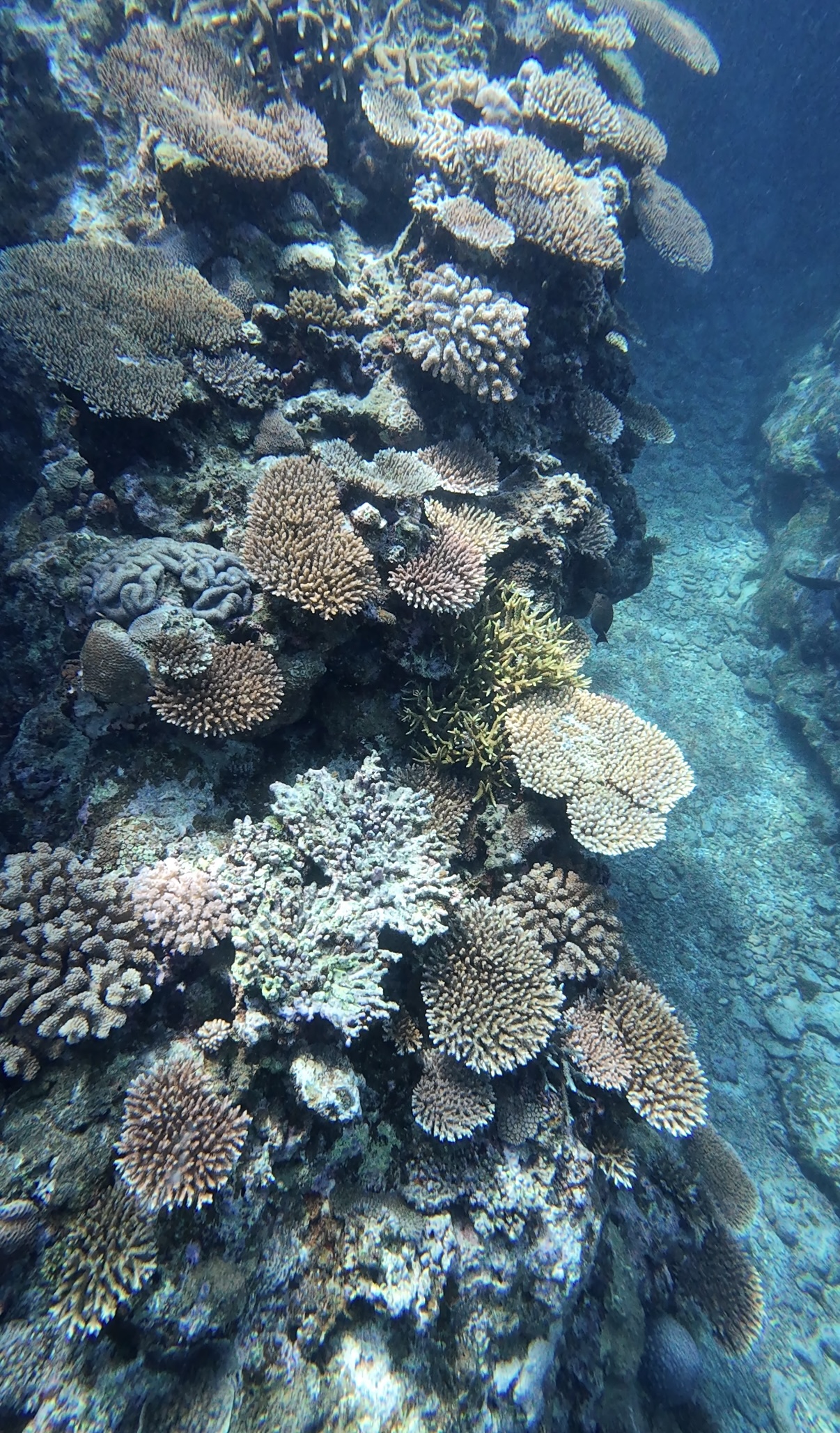
From Tokyo we flew to Ishigaki — a 3-hour domestic flight (Peach Air, booked in advance). The contrast is extreme: from one of the world's densest cities to a subtropical island in the Okinawa archipelago with turquoise water, coral reefs, sea turtles, and almost no visible signs of mass tourism.
We spent 5 days: two days diving with Prime Scuba (the crystal water, the coral gardens, the sea turtles — one of the top five experiences of the trip), one day road-tripping the north coast for hidden beaches, one day island-hopping to Taketomi and Iriomote. Based at SevenxSeven Ishigaki — calm, modern design, right base for everything.
Full guides: Is Ishigaki worth visiting? | Diving in Ishigaki | Ishigaki hidden beaches.
Week 3: Fukuoka → Hiroshima → Naoshima
We flew from Ishigaki to Fukuoka (another domestic Peach flight) and started the western Japan circuit.
Fukuoka (3 days): Underrated as a Japan destination and one of our favourites. The yatai food stalls along the river at night, the ramen (Sushi Sakaba Sashisu for the best sashimi of the trip — in a shopping mall basement, which sounds wrong and is completely right), and the Dazaifu day trip for the shrine and the extraordinary Starbucks designed by Kengo Kuma. Full Fukuoka guide.
Hiroshima (2 days): Hiroshima carries weight before you arrive and confirms it. The Peace Memorial Museum is essential — take the time to actually read the exhibits rather than rushing through. Miyajima island was the biggest surprise of the whole Japan month: we went expecting a day trip and found one of the most beautiful places we'd ever been, the torii gate rising from the water at dusk with deer wandering the paths. Don't underestimate Miyajima. Miyajima guide | Hiroshima guide.
Naoshima + Teshima (2 days): Based in Uno Port Inn on the mainland (right by the ferry terminal, excellent breakfast bagels). Day one: Naoshima — e-bikes, Chichu Art Museum, Benesse House, the Kusama pumpkins. Day two: Teshima — the Art Museum (water and light in a concrete shell on a hillside; one of the most singular experiences in Japan). We missed the first Teshima ferry and waited three hours for the next one. Check the schedule. Full itinerary.
Week 4: Kobe → Kyoto → Koyasan → Osaka → Kanazawa
Kobe (1 day): A day trip from the Osaka/Kyoto base — which you can use as a base for Kobe. The A5 Kobe beef at Mouriya Honten was the single most memorable restaurant meal of the trip: the beef cooked tableside, the quality of the marbling, the ritual of it. Chinatown for lunch and a walk through the port area. One full, excellent day. Kobe beef guide.
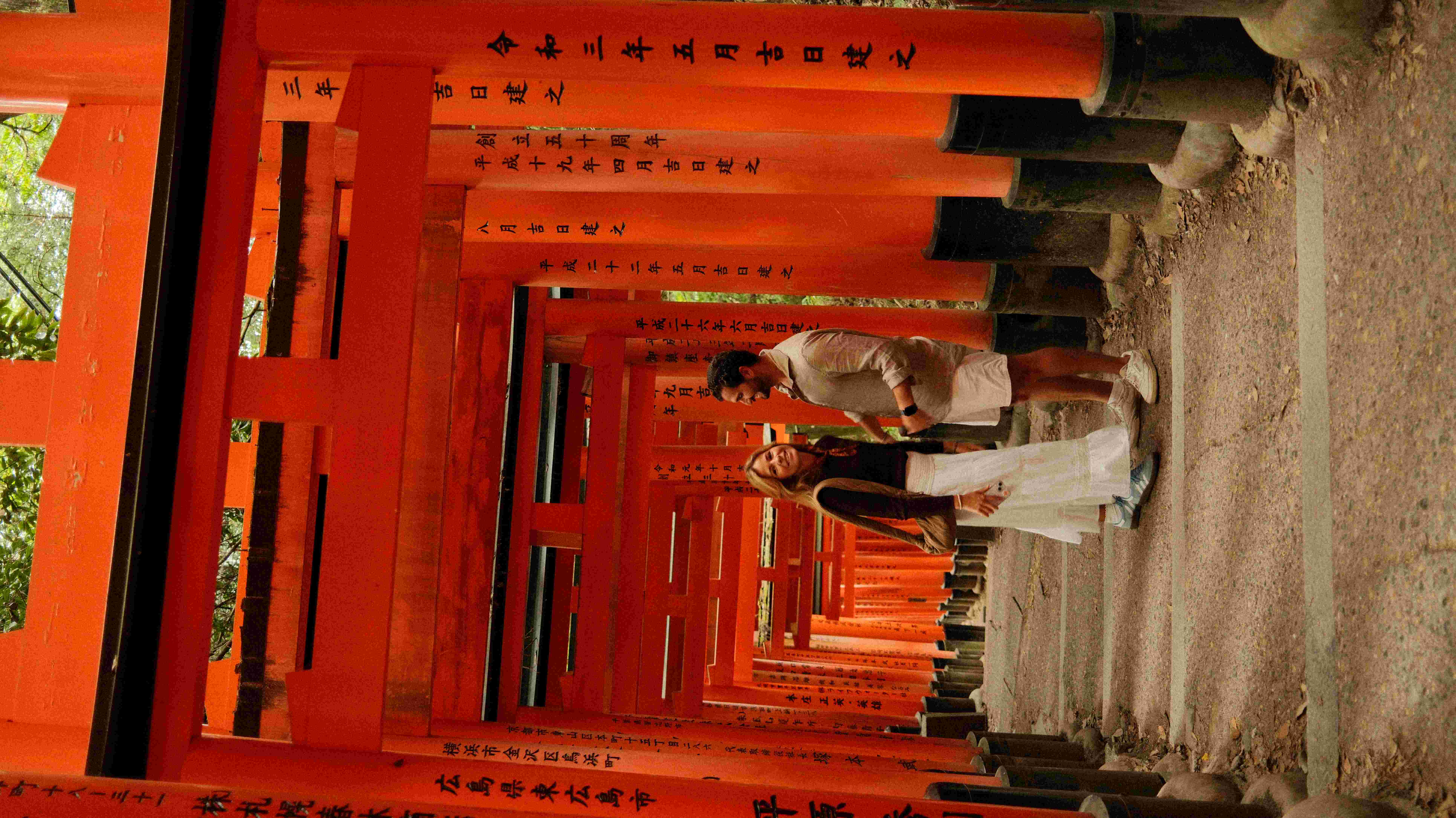
Kyoto (4 days): The cultural capital — and genuinely deserving of its reputation. Fushimi Inari before 7am (go early; by 10am it's crowded). The bamboo forest at Arashiyama (same early morning rule). The cooking class was one of the best things we did in Japan — learning to make ramen, gyoza, and onigiri with a local instructor in a real kitchen. Staying at The General Kyoto: thoughtful architecture, great breakfast, central location. What to do in Kyoto | Is Kyoto worth visiting?
Koyasan (overnight): After the rush of Kyoto and Osaka, Koyasan was exactly what we needed. A mountain temple town accessible by cable car, with a handful of shukubo (temple accommodation) where monks are your hosts, the dinner is Buddhist vegetarian (shojin ryori — far more beautiful than the description suggests), and the morning starts with a chanting ceremony. Okuno-in cemetery at night is pure magic: lantern-lit stone paths through ancient cedars, moss-covered graves, complete silence. One of the most memorable hours of the entire year. Koyasan temple stay review | Okuno-in guide.
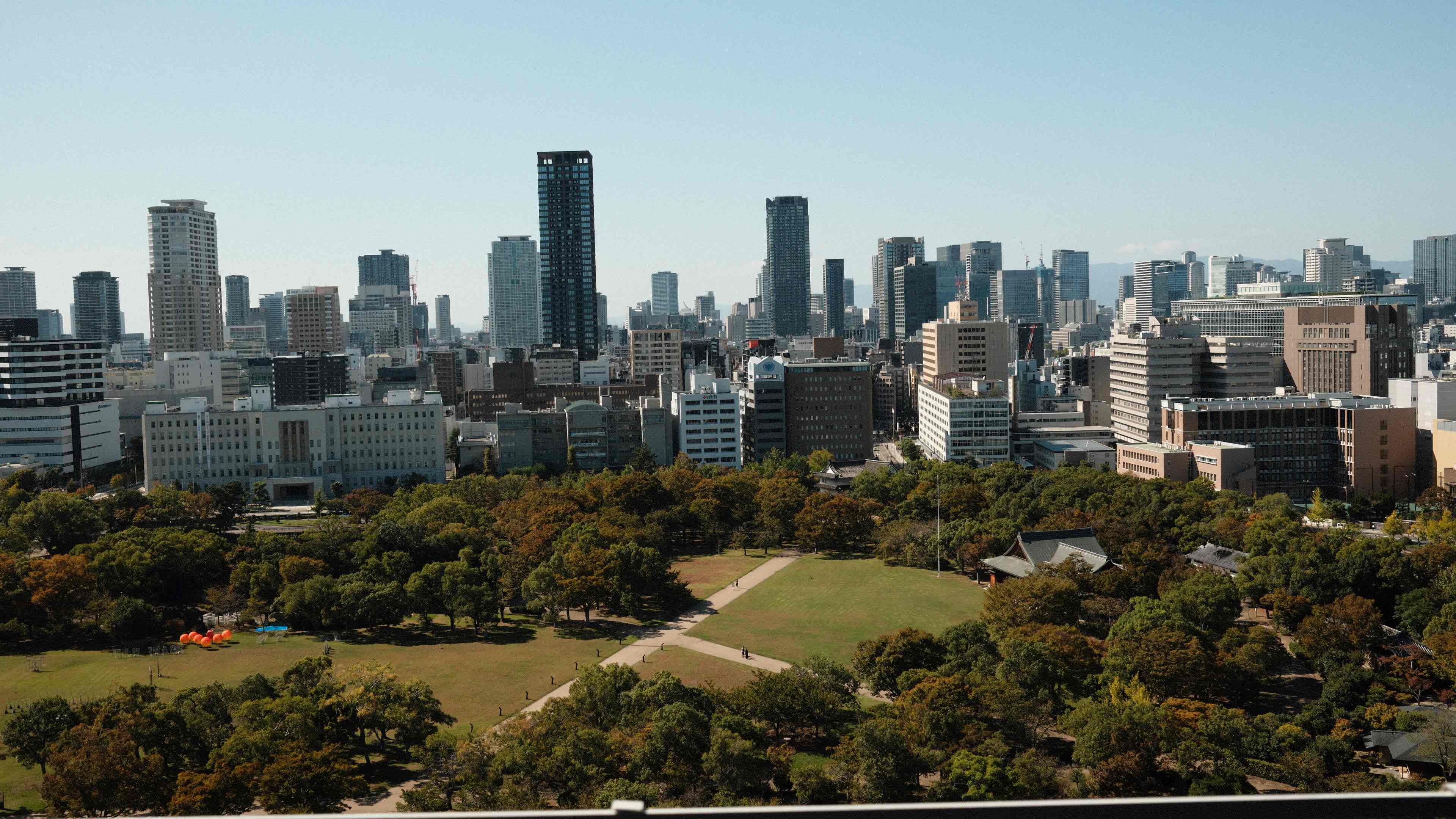
Osaka (3 days): Food capital, street food capital, fun capital. Dotonbori is chaotic and excellent. Yakiniku Uchida for wagyu sashimi (melts in the mouth, unforgettable). Osaka Castle worth a morning. The city moves fast and eats well — we could have stayed longer. Osaka guide.
Kanazawa (2 days): Often skipped by first-timers and it's a mistake. Omicho Market for the best king crab and fresh sashimi in Japan. Kenroku-en for one of Japan's most beautiful gardens. Higashi Chaya, the preserved geisha district, for an afternoon walk through a Meiji-era neighbourhood that feels entirely unchanged. We left Kanazawa wishing we'd had another day. Kanazawa guide | Kanazawa food guide.
What We'd Do Differently
We'd add more time in Kanazawa. Two days felt short. Three would be right.
We'd have planned to surf in Kamakura. We didn't know surfing was possible so close to Tokyo until we were standing on the beach watching surfers in the water. We were genuinely sad not to have a day planned for it.
We'd time Kyoto for the peak koyo (autumn foliage) window — mid-November if possible, which is the single most beautiful time to see the city's temple gardens. We were there slightly early in the autumn and the foliage was just beginning.
We'd book the Noda omakase earlier. We got lucky with a last-minute cancellation. Book any fine-dining omakase in Tokyo 3–4 weeks ahead.
Is a Month in Japan Too Long?
Not even close. We could have stayed another month and kept finding things worth seeing. Japan rewards the time you give it — the further you push beyond the obvious triangle of Tokyo → Kyoto → Osaka, the more distinctive and personal the experiences become. Ishigaki, Naoshima, Koyasan: three of our strongest memories, none of them on the standard first-timer itinerary.
If a month isn't possible: two weeks covering Tokyo (with Kamakura/Hakone day trips) → Kyoto → Osaka (with Kobe) → one of Hiroshima/Kanazawa is a genuinely excellent first Japan trip. Come back for the rest.
Every City — Full Guides
- Tokyo — Is It Worth Visiting?
- Ishigaki — Is It Worth Visiting?
- Fukuoka — Is It Worth Visiting?
- Hiroshima — Is It Worth Visiting?
- Naoshima — Is It Worth Visiting?
- Kobe — Is It Worth Visiting?
- Kyoto — Is It Worth Visiting?
- Koyasan — Is It Worth Visiting?
- Osaka — Is It Worth Visiting?
- Kanazawa — Is It Worth Visiting?
- Kamakura — Is It Worth Visiting?
- Hakone — Is It Worth Visiting?
- Is Japan Worth Visiting? Our Honest Review
- Best Time to Visit Japan
- Is Japan Expensive? Our Budget Breakdown
- How to Get Around Japan: Suica vs JR Pass
- Japan Packing List: What to Bring and What to Leave Behind
- Japan for First-Timers: 20 Things to Know Before You Go
- Best eSIM for Japan 2026
- All Japan Guides
FAQ
Is one month in Japan too long?
No. A month lets you go beyond the standard Tokyo → Kyoto → Osaka circuit into places that are often more memorable: Ishigaki for diving, Naoshima for art, Koyasan for a temple stay. You'll wish you had more time.
What is the best order to visit Japan cities?
Our route (Tokyo → Ishigaki → Fukuoka → west along the coast) worked well logistically. Alternatives: start in Fukuoka (fly into Fukuoka Airport), work east to Tokyo, finishing with Kamakura/Hakone. Or the classic Tokyo → Kyoto → Osaka → Hiroshima → Fukuoka if you're limited to Shinkansen cities.
Can you do Japan in 2 weeks instead of 4?
Yes — focus on Tokyo (with Kamakura or Hakone day trip), Kyoto, Osaka, and one of Hiroshima or Kanazawa. That's a full and excellent 2-week Japan trip. Save Ishigaki, Koyasan, and Naoshima for a second visit.
Some links in this post are affiliate links. If you book through them, we earn a small commission at no extra cost to you.