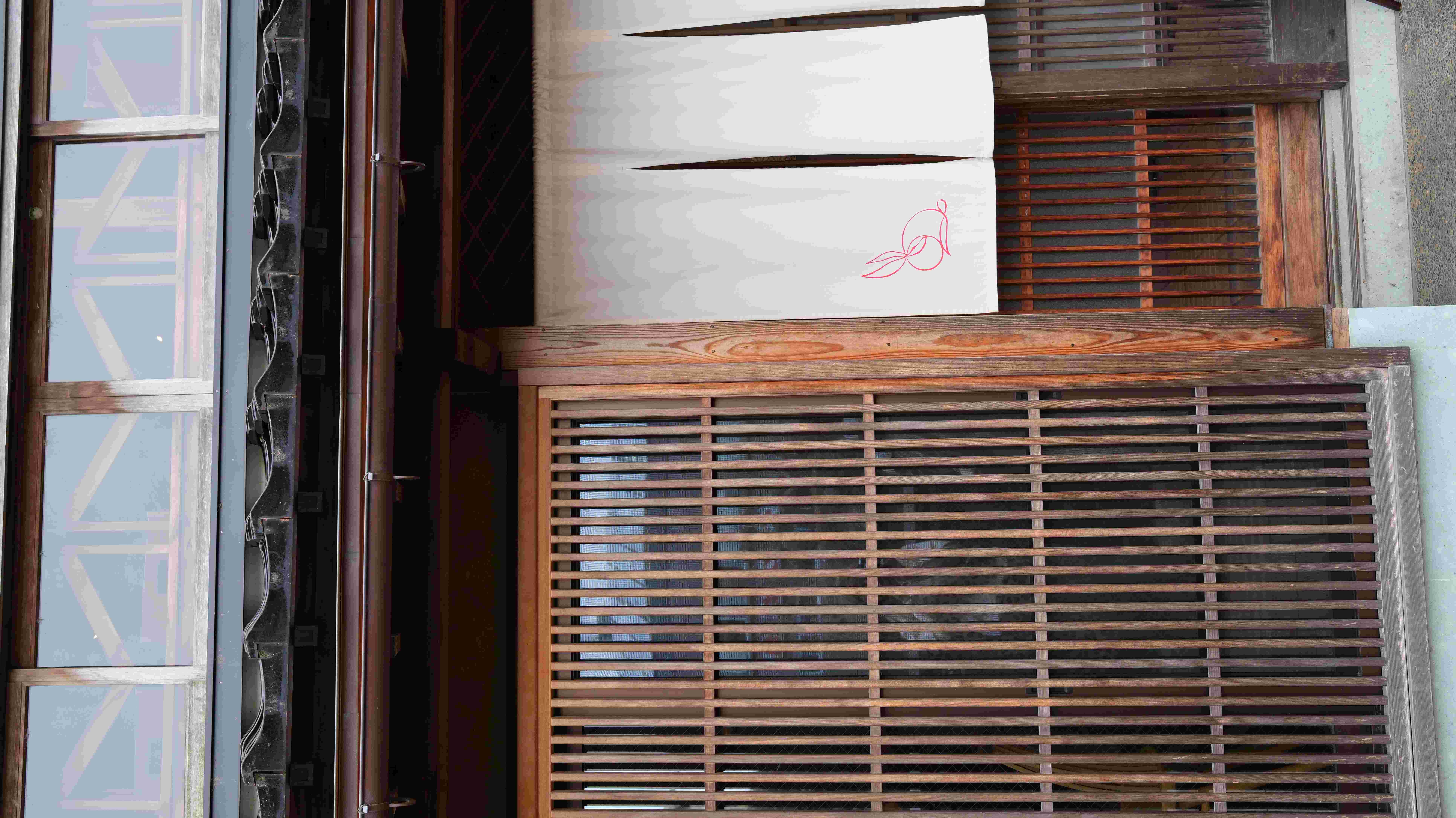
Kanazawa has the historical depth of Kyoto in a city a fraction of the size — a geisha district that still operates, a samurai quarter with original earthen walls, one of Japan's three great gardens, a world-class contemporary art museum, and a morning seafood market that rivals anywhere in Japan. Here's what's worth your time, and what isn't.
Start Here: The Walking Tour ★★★★★
Before anything else — book a local walking tour through GetYourGuide. We joined one on our first morning and it transformed the rest of the visit. The guide had exceptional stories, a great sense of humour, and seemed to know every shopkeeper in Higashi Chaya personally. The context it gave us for the historical districts turned them from "pretty old streets" into genuinely understood pieces of Japan's feudal history. This is the best first-day investment you can make in Kanazawa.
Kenroku-en Garden ★★★★★
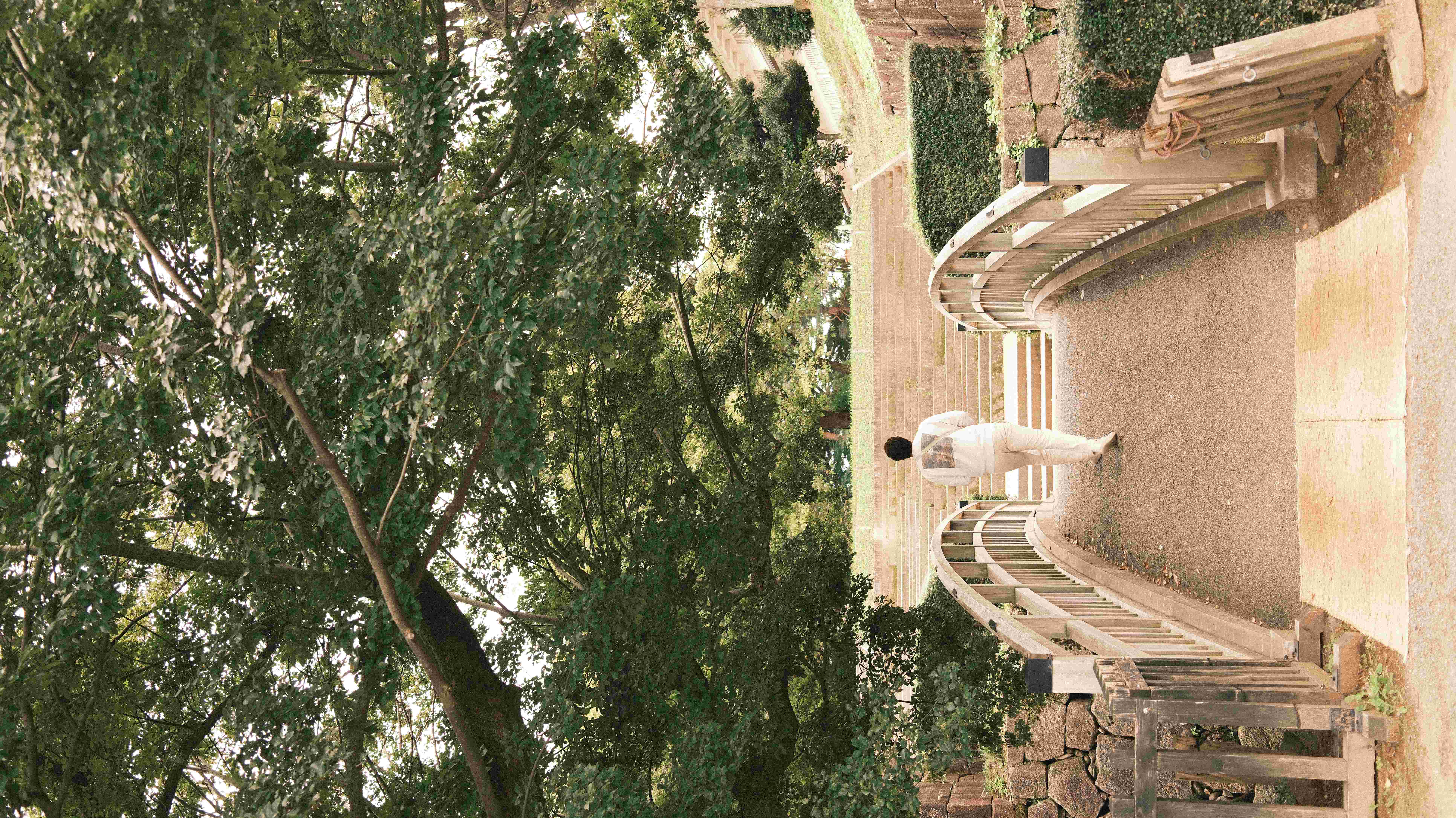
One of Japan's three great gardens (alongside Koraku-en in Okayama and Kairaku-en in Mito) — 11 hectares of ponds, stone lanterns, shaped pines, plum groves, and paths that wind through a landscape designed over four centuries by the Maeda lords. The name means "garden of six attributes": spaciousness, seclusion, artifice, antiquity, water, and panorama. Each is present.
Go at opening time (7am in peak season, 8am otherwise) before the tour groups arrive. The morning mist over the pond and the near-silence of the early hours are the best version of Kenroku-en. In autumn the maple trees are extraordinary; in winter the yukitsuri rope-supported pines are iconic. In spring the weeping cherry is lit at night. Every season justifies the visit.
See our full Kenroku-en review for timing, seasonal highlights, and what to focus on inside.
Verdict: Non-negotiable. Entry ¥320 (one of Japan's best-value admissions).
Higashi Chaya District ★★★★★
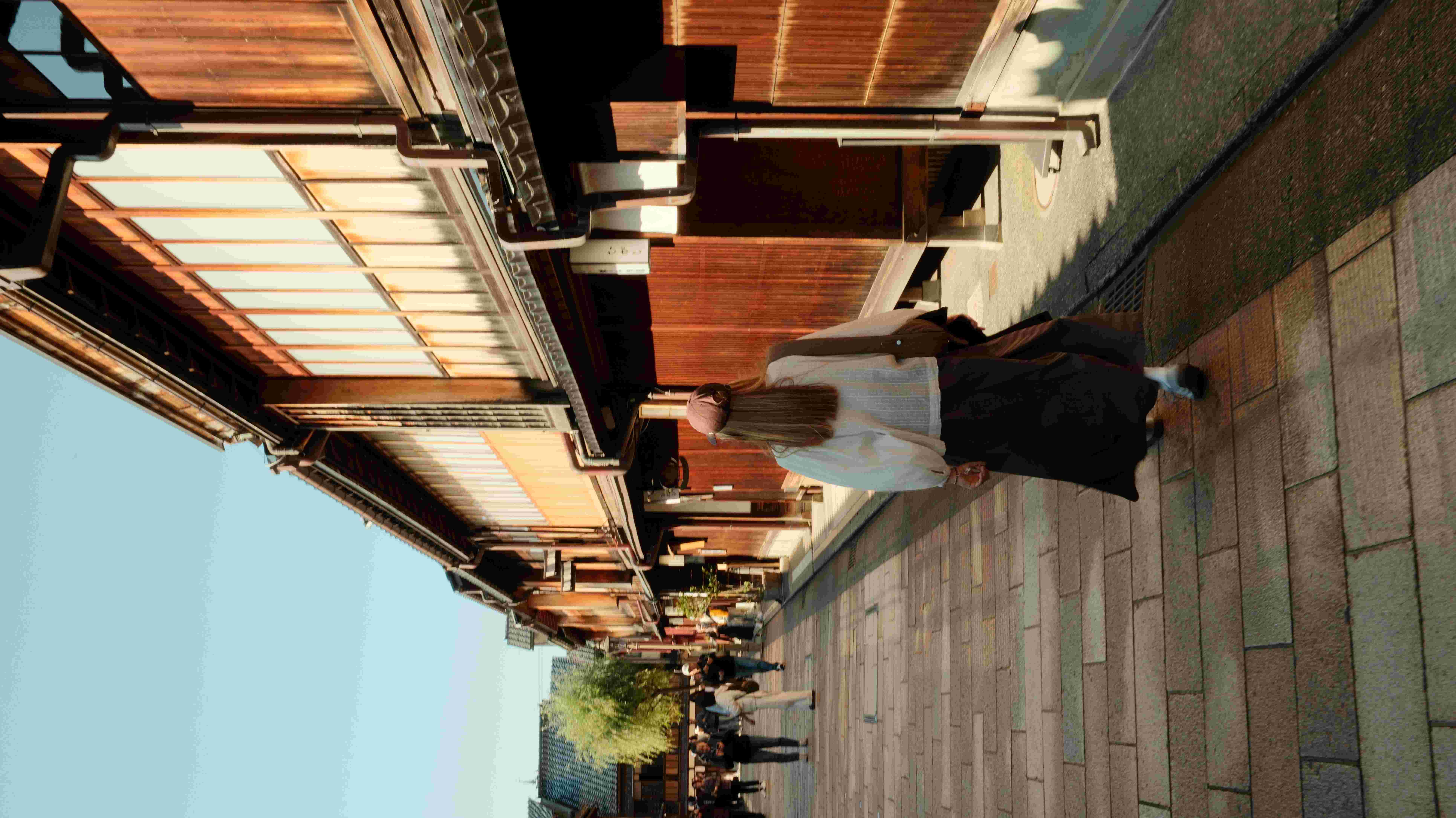
One of Japan's best-preserved geisha districts — narrow streets of ochaya (teahouse) buildings, wooden lattice facades, stone-paved lanes, lanterns at doorways. This is not a museum reconstruction; it's a functioning district where geisha still live and work, where the evening appointments still happen behind closed doors. The buildings date from the early 19th century and are original.
Visit in the late afternoon — the light is best, the tour groups from the morning have thinned, and the lanterns begin to glow as dusk approaches. Some of the ochaya are open as cafés or shops during the day; the interior architecture of a traditional Kanazawa teahouse is worth seeing.
Verdict: Essential. Less visited than Gion in Kyoto, equally atmospheric. Free to walk through.
Nagamachi Samurai District ★★★★☆
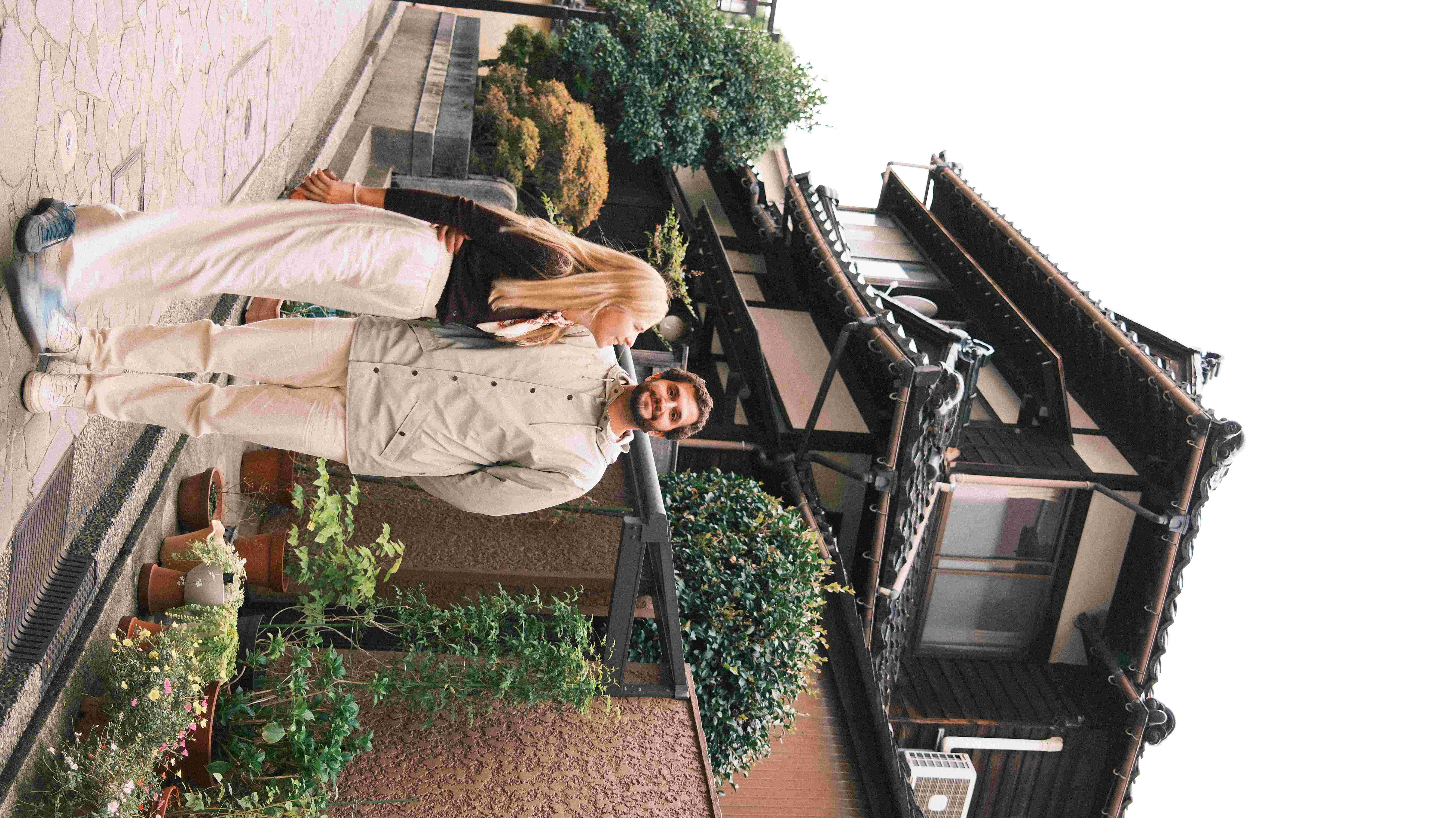
The former residential area of Kanazawa's samurai class — narrow alleys between high earthen walls (dobei), wooden gates, and traditional houses that once belonged to Maeda clan retainers. Most of the buildings are still private residences; the alleys are public. A quiet, atmospheric walk through what feudal Japan looked like at the administrative rather than warrior level.
Nomura Samurai House is the main publicly accessible residence — a preserved samurai home with tatami rooms, a rock garden, and detailed craft work in the traditional interiors. Worth the ¥550 entry if you want to see inside a proper samurai residence.
Verdict: Worth a morning or afternoon walk. Combine it with the D.T. Suzuki Museum nearby.
21st Century Museum of Contemporary Art ★★★★★

A circular building designed by SANAA (Sejima and Nishizawa) — one of the most architecturally significant contemporary museum buildings in Japan. The permanent collection includes Leandro Erlich's Swimming Pool — a glass-floor pool installation where visitors below appear to be underwater while visitors above walk on the pool surface. It's one of those experiences that photographs don't quite capture.
The surrounding free zone (the outer ring of the museum) is accessible without a ticket and features several permanent outdoor installations. Worth 45 minutes even without paying for the permanent collection.
Verdict: One of the best contemporary art museums in Japan. Entry ¥1,200 for the permanent collection; outer zone free.
D.T. Suzuki Museum ★★★★☆
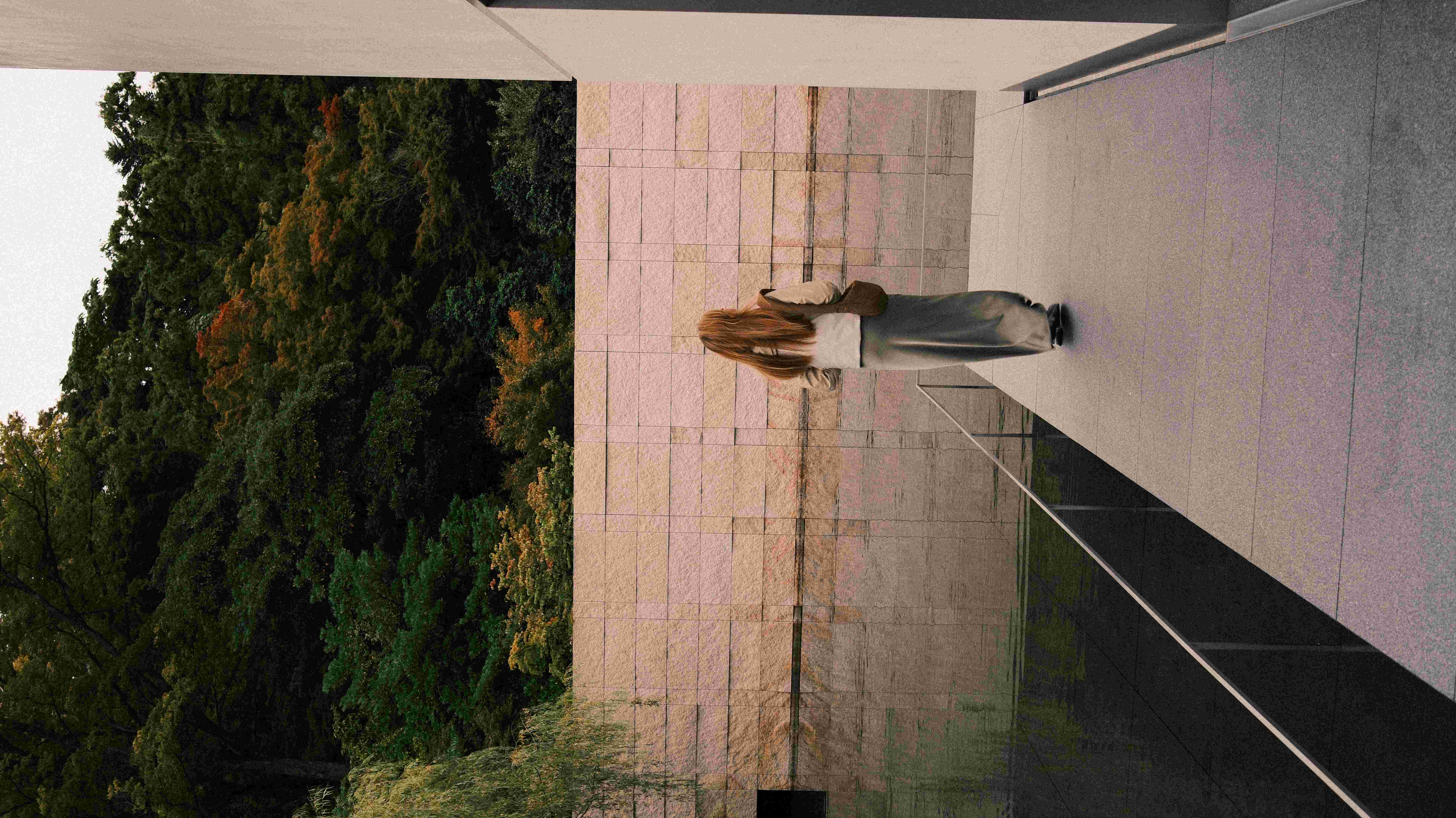
A minimalist masterpiece designed by architect Yoshio Taniguchi — low concrete buildings surrounding a water court, a reflection pool, the sound of water and silence. Dedicated to Daisetsu Teitaro Suzuki, the Kanazawa-born philosopher who introduced Zen Buddhism to the Western world. The museum itself is the experience: the architecture embodies the Zen principles Suzuki spent his life writing about. Worth an hour of quiet.
Verdict: Essential for architecture and design lovers. Moving even if you know nothing about Suzuki's work. Entry ¥310.
Omicho Market ★★★★★
The "kitchen of Kanazawa" — a covered market of seafood stalls, restaurants, and produce vendors that the guide calls "by far the best seafood market in Japan." King crab (in season November–March), snow crab, yellowtail, fresh sea urchin, sashimi prepared to order. Go in the morning for the widest selection. Eat at the market counters for the freshest possible fish at the best prices.
Verdict: One of the best market experiences in Japan. Go early, eat everything.
Temple of Love (Enkoji) ★★★☆☆
A small, peaceful temple where locals come to pray for love and happiness — an intimate, personal space very different from the grand shrine complexes of Kyoto. Worth 20 minutes if you're walking past; not a destination in itself.
What to Skip
Kanazawa Castle Park — the grounds are pleasant but the castle itself is a reconstruction, and the park lacks the distinctive character of Kenroku-en next door. With limited time, put all your garden time into Kenroku-en.
Myoryuji Temple (Ninja Temple) — interesting but requires advance booking and a guided tour that limits when you can go. Worth it if Kanazawa is a long stay; skip if you only have two days.
More Kanazawa Guides
- Is Kenroku-en Garden Worth Visiting?
- The Best Food in Kanazawa: Our Favourite Restaurants
- 2 Days in Kanazawa Itinerary
- Is Kanazawa Worth Visiting? Our Honest Review
- How Many Days in Kanazawa Do You Need?
- The Best Time to Visit Kanazawa
- Where to Stay in Kanazawa
- The Best Cafes in Kanazawa
- Is Kyoto Worth Visiting? (Thunderbird Train from Kanazawa)
- Is Osaka Worth Visiting? (Thunderbird Train from Kanazawa)
- All Japan Guides
Some links in this post are affiliate links. If you book through them, we earn a small commission at no extra cost to you.