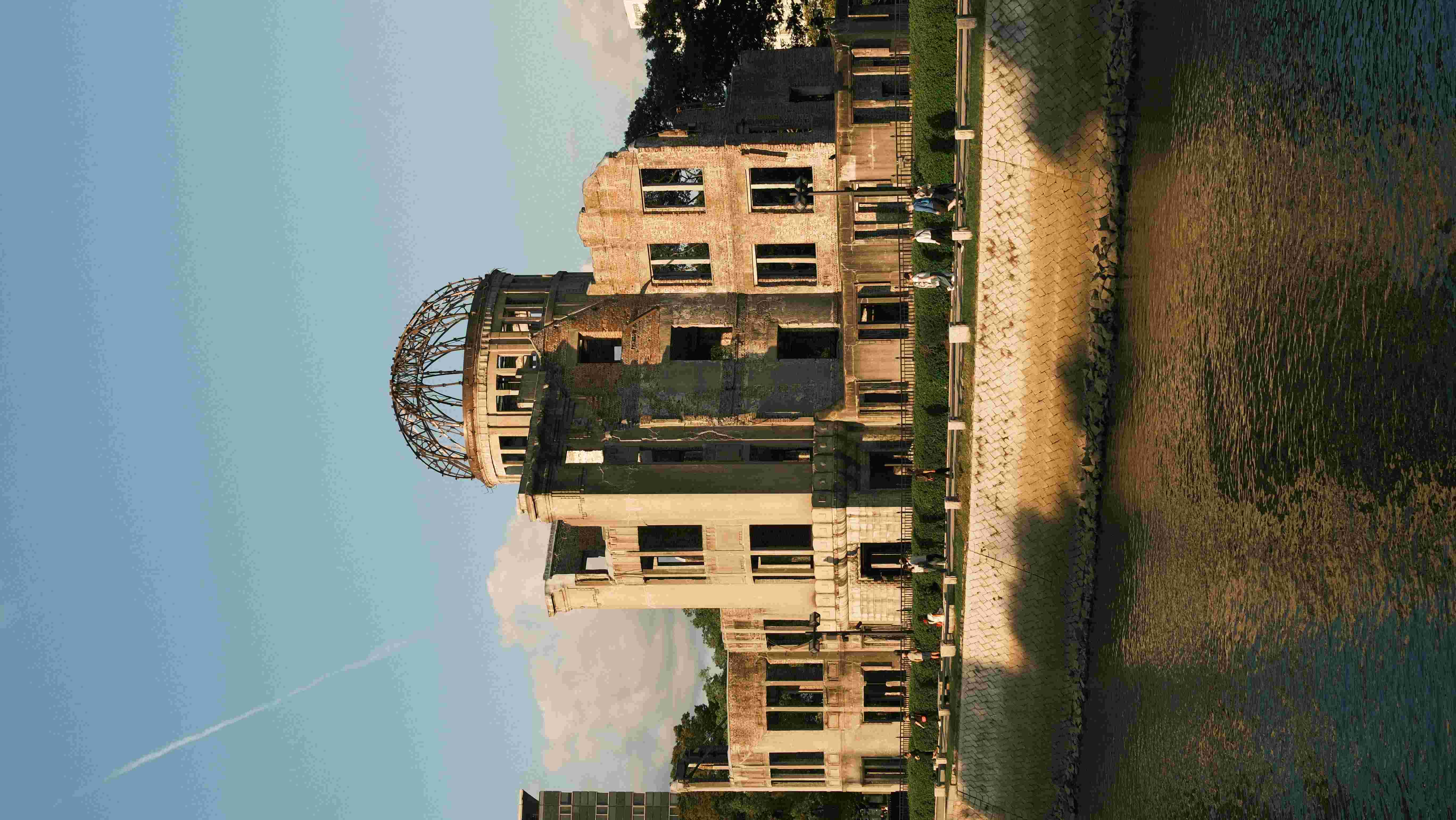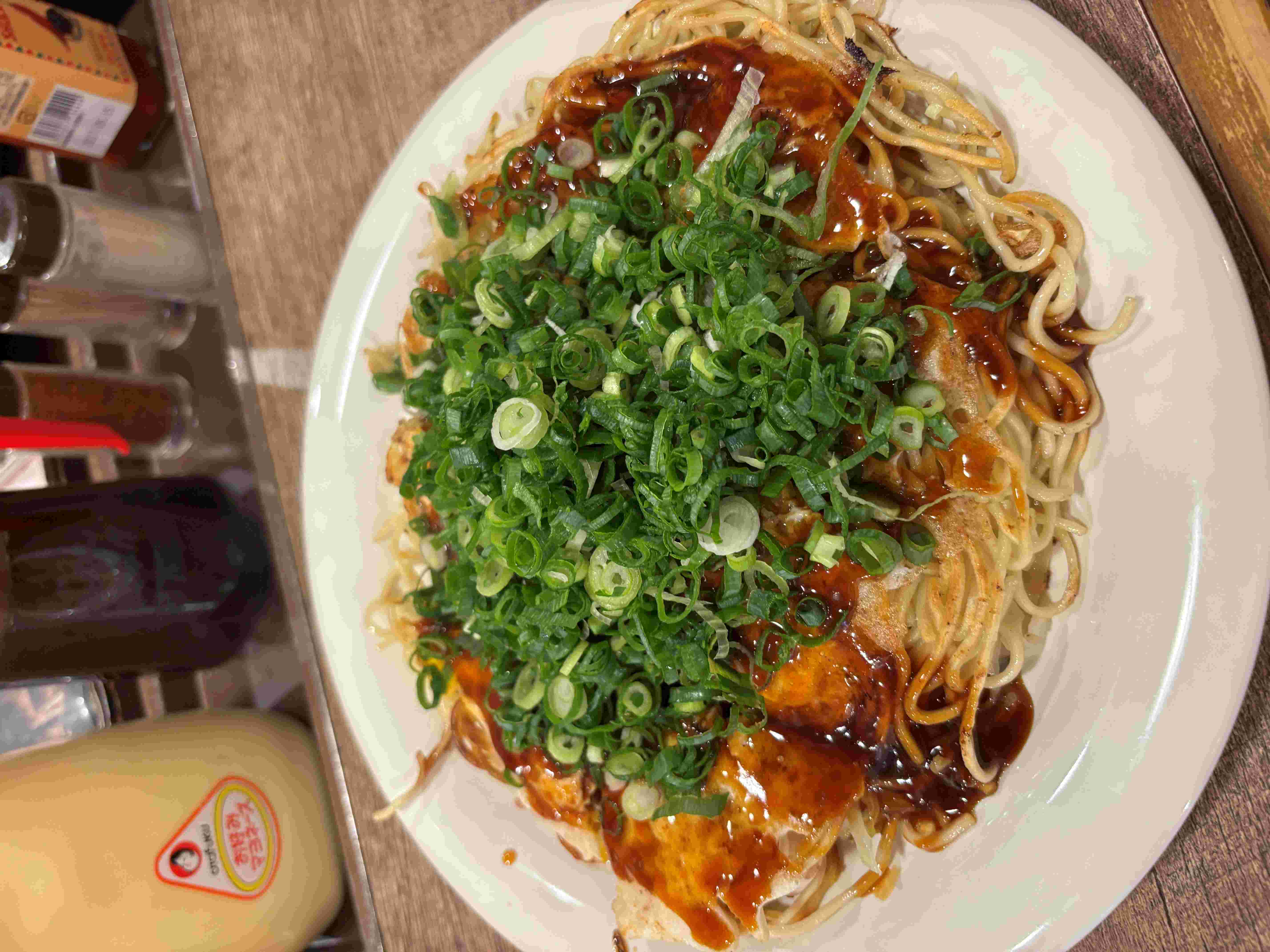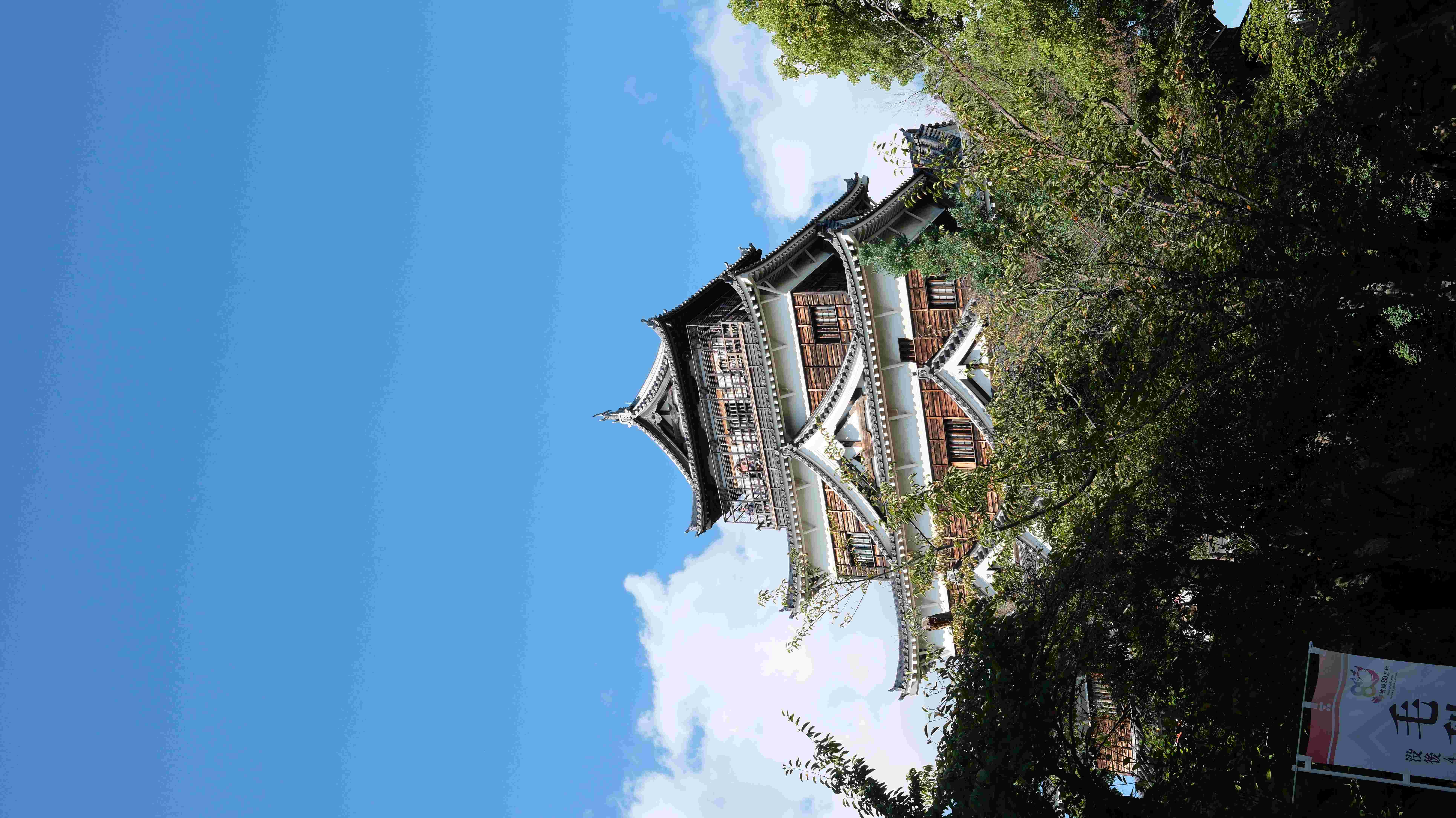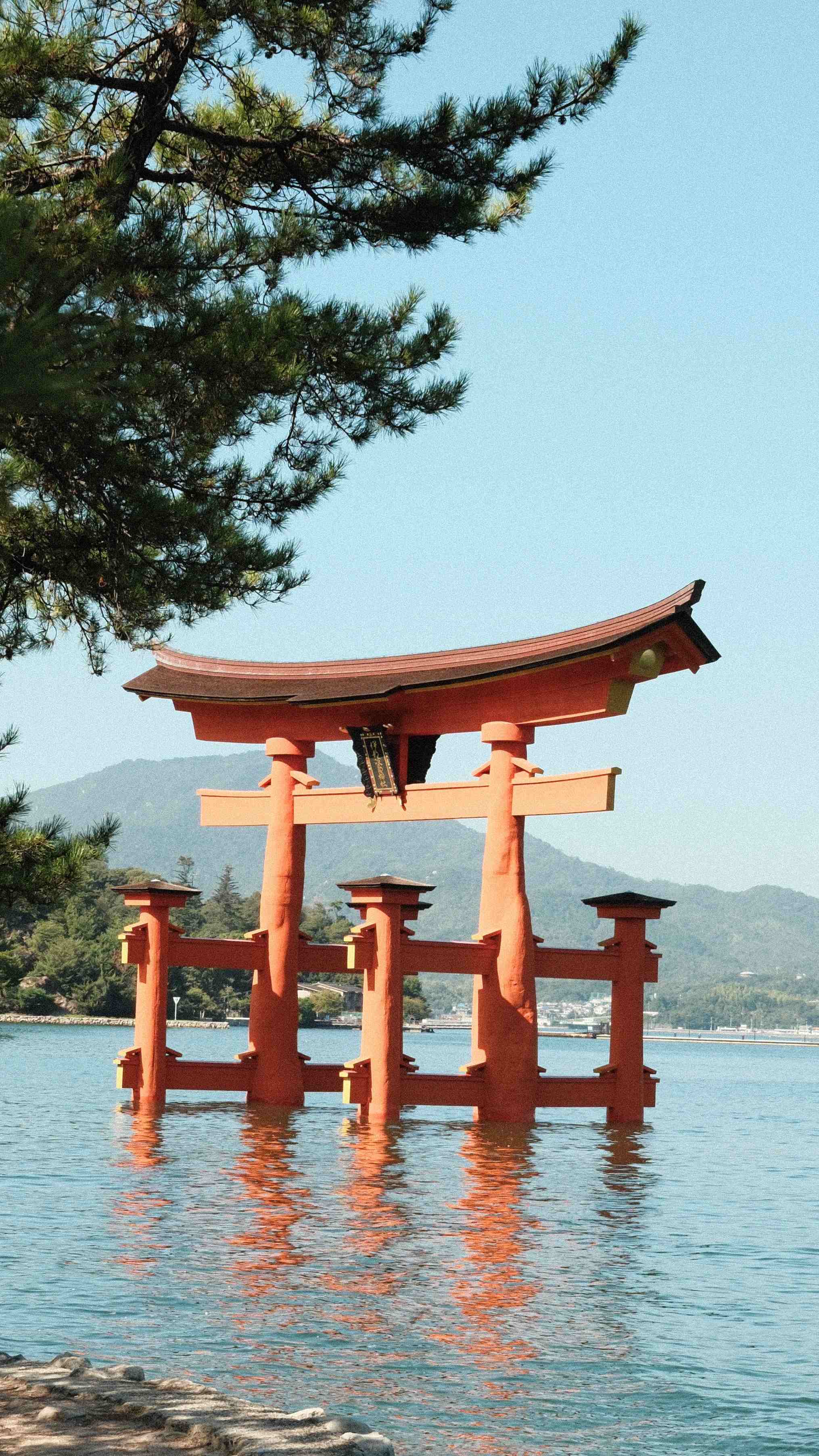
Miyajima is one of Japan's most beautiful places — a small sacred island in the Seto Inland Sea with a great orange torii gate that appears to float on the water at high tide, ancient temples on forested hillsides, friendly deer wandering the streets, and some of the best food in the Hiroshima region. It's a 30-minute train and short ferry ride from Hiroshima. Plan a full day. It earns it.
Getting to Miyajima from Hiroshima
The journey is simple and smooth:
- Take the JR Sanyo Line from Hiroshima Station toward Miyajimaguchi (25–30 minutes, covered by JR Pass or ¥400 per journey)
- Walk 5 minutes from Miyajimaguchi Station to the ferry terminal
- Take the ferry to Miyajima Island (10 minutes; ¥200 each way — Suica card works for payment)
The Hiroshima Tram also runs from central Hiroshima directly to the ferry terminal (a longer but scenic ride). Either way works — train is faster, tram is more atmospheric.
Leave by 8:30–9am from Hiroshima to arrive before the worst of the day-trip crowds from Osaka and Kyoto. Miyajima gets busy from mid-morning.
The Floating Torii Gate — Itsukushima Shrine ★★★★★
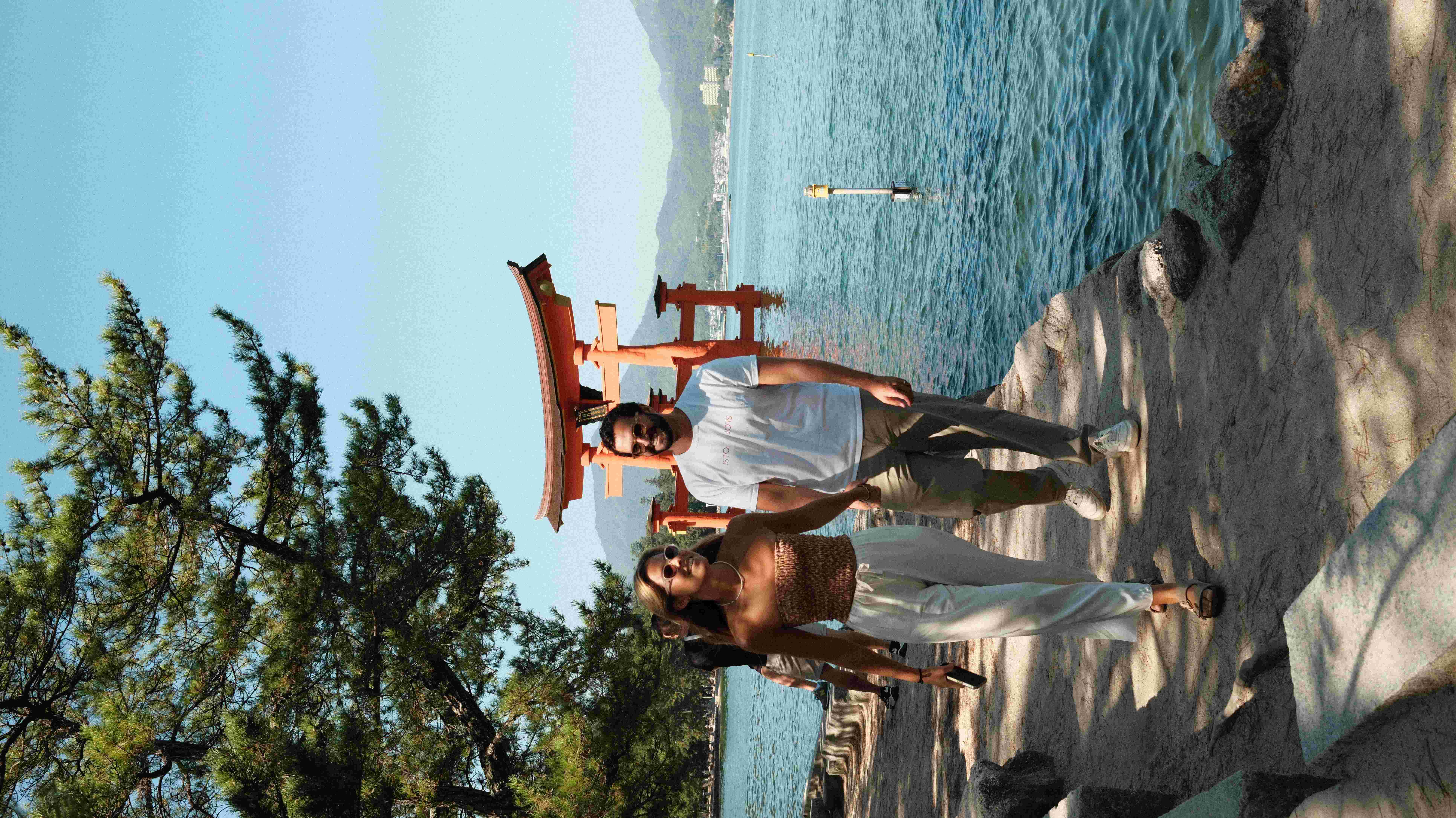
The great torii gate of Itsukushima Shrine is one of Japan's three most celebrated views and one of its most recognisable images worldwide — a massive orange gate standing in the sea, appearing to float at high tide, connected to the earth only by its own weight. Up close, it's larger than photographs suggest: 16 metres tall, the wooden pillars reinforced with concrete, the vermilion colour startling against the grey-green sea.
At high tide: The gate and the shrine corridor float over the water — the most iconic view, best photographed from the beach to the east in the morning light.
At low tide: You can walk across the sandbar to the gate and touch it. Worth doing for a completely different perspective — the gate's scale becomes apparent when you're standing at its base.
Check tide times before you go (easily searchable online for Miyajima). If you want the floating gate at high tide for photos, arrive in the morning — low tide is typically in the afternoon.
Itsukushima Shrine
The shrine itself — built over the water on a series of covered wooden corridors and platforms — is one of the most elegantly sited religious buildings in Japan. The shrine dates from the 6th century (the current form from the 12th century Heian period), built over the sea because the island was considered too sacred to be walked upon by ordinary people. Entry ¥300.
Daishoin Temple ★★★★★
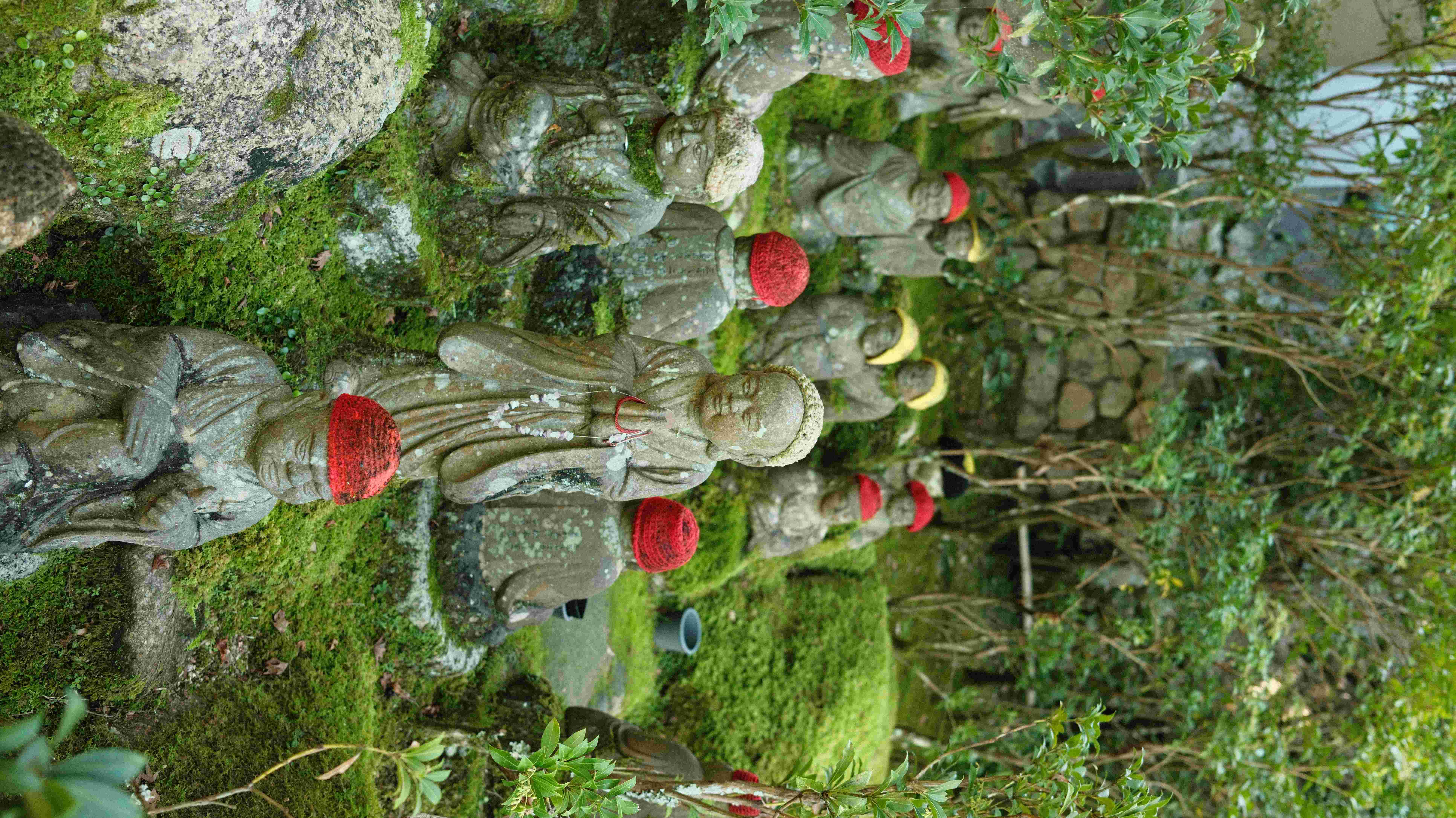
One of the most peaceful and quietly extraordinary places on Miyajima — a large temple complex climbing the hillside behind the shrine, with stone steps lined by hundreds of small stone Jizo Buddha statues wearing red cloth caps, stone lanterns, a cave lit by a thousand oil lamps, and the atmosphere of a living place of worship rather than a tourist site. Less visited than the shrine, more rewarding for the effort.
The Daishoin complex is particularly good in the early morning before the crowds arrive. Budget 45–60 minutes to walk through properly.
Mount Misen Ropeway ★★★★☆
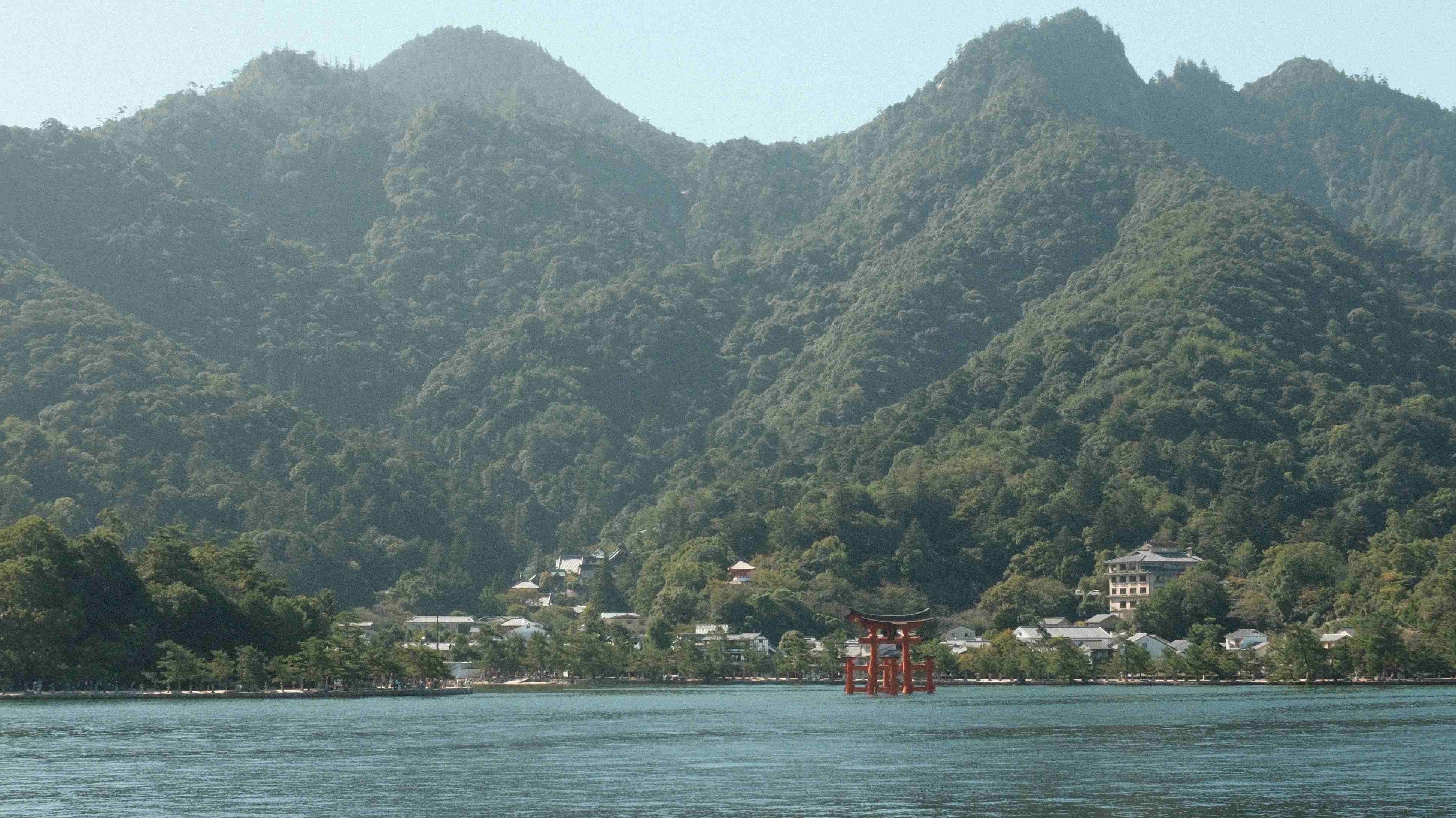
The ropeway to the summit of Mount Misen (535m) offers epic views over the Seto Inland Sea — hundreds of islands visible on clear days, the Hiroshima delta in the distance, the shrine and torii visible below. The ropeway runs in two stages (Momijidani → Kayatani → Shishiiwa); from Shishiiwa Station it's a 30-minute walk through forest to the summit.
Allow 2–3 hours round trip including the summit walk. Worth it on a clear day; less so if the cloud is low. Check conditions before committing.
Entry: ¥1,000 one-way, ¥1,800 round-trip.
Alternative: The hiking trails up and down Mount Misen are well-maintained and beautiful — if you're a confident hiker, the Momijidani hiking trail (2km, ~1 hour up) is worth the effort and you bypass the ropeway crowds.
Food on Miyajima ★★★★★
The approach street from the ferry to the shrine is lined with food stalls and small restaurants. The Miyajima food highlight list is short and excellent:
Hiroshima Oysters
Hiroshima Prefecture produces about 60% of Japan's oysters — and Miyajima is the best place to eat them. Try them in three forms: raw on the half shell, grilled over charcoal (the most popular form on the approach street), and deep-fried kakiage. The charcoal-grilled oysters from the street stalls — big, smoky, sweet — are one of the definitive eating experiences of western Japan.
Anago-meshi (Grilled Eel on Rice)
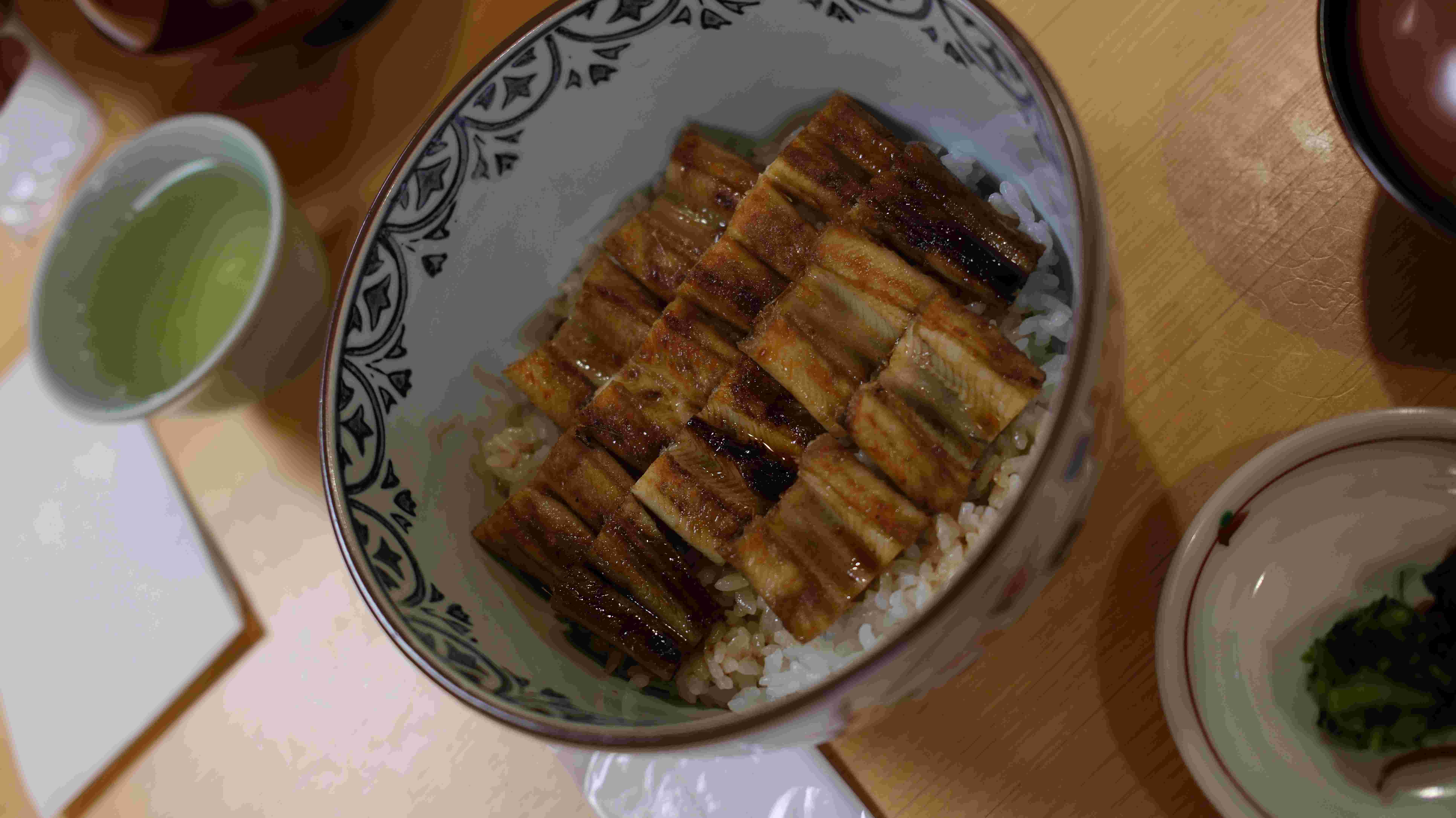
Miyajima's signature dish — conger eel (anago, different from freshwater unagi) grilled and served over rice in a lacquered box. The Miyajima anago-meshi tradition is specific to this island and the eel has a different texture and more delicate flavour than the stronger freshwater eel you'd find in Tokyo or Kyoto. Worth eating here rather than anywhere else.
Momiji Manju
Maple leaf-shaped cakes filled with red bean paste (or cream, or custard in modern versions) — the snack of Miyajima, sold at every shop on the approach street. Fresh from the oven is the only way. Try the traditional red bean version first.
The Deer
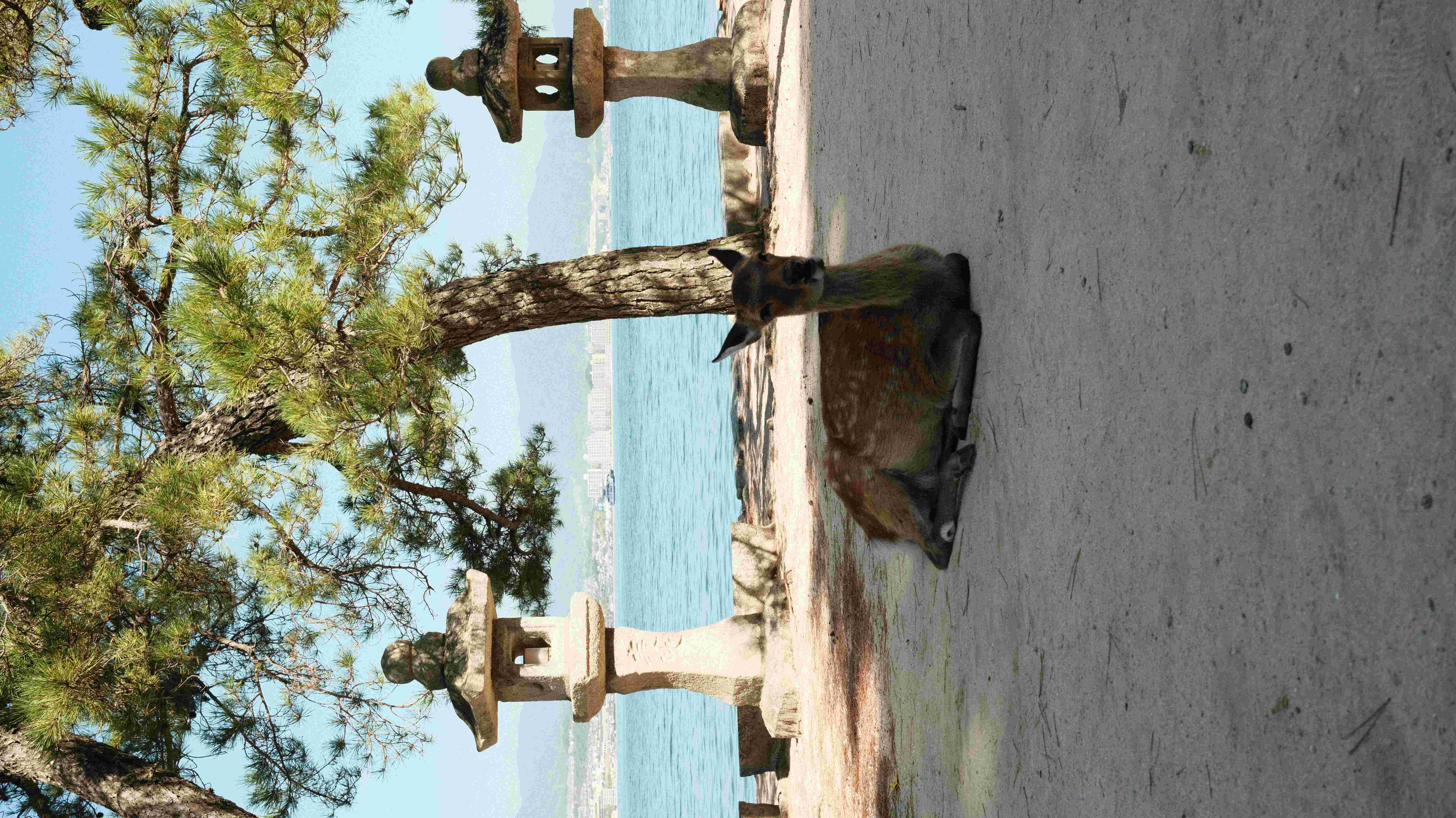
Wild deer roam freely across Miyajima — on the approach street, in the shrine gardens, at the base of the torii gate. They are completely unafraid of people and will walk up to investigate bags that look like they might contain food. They are beautiful and occasionally problematic (they have learned to steal anything edible). Don't feed them, keep food secured, and enjoy one of the more surreal aspects of a visit to a sacred Shinto island.
Practical Notes
How long: A full day (8:30am–6pm) comfortably covers the shrine, Daishoin, the ropeway, and lunch. Half a day covers the shrine and Daishoin. The guide's advice is correct: plan a full day, and consider staying overnight if you want to experience the island after the day-trippers leave — Miyajima at dusk and in the early morning, with the torii gate lit by lanterns, is extraordinary.
Comfortable shoes: Essential. There is a lot of walking and some uphill hiking. The approach to Daishoin and the trails around Mount Misen are uneven stone paths.
Crowds: Arrive early. By 10–11am the approach street is busy; by midday it's packed. Early morning (before 9am) and late afternoon (after 4pm, when most day-trippers leave) are the best versions of Miyajima.
More Hiroshima Guides
- Hiroshima Peace Memorial Park & Museum: Our Full Review
- The Best Things to Do in Hiroshima
- The Best Food in Hiroshima: Okonomiyaki, Oysters & More
- 2 Days in Hiroshima Itinerary
- Where to Stay in Hiroshima
- Is Hiroshima Worth Visiting? Our Honest Review
- Is Naoshima Worth Visiting? (Next Stop via Uno Port)
- Is Fukuoka Worth Visiting? (Shinkansen from Hiroshima)
- All Japan Guides
FAQ
How do you get to Miyajima from Hiroshima?
JR Sanyo Line from Hiroshima Station to Miyajimaguchi (25–30 min), then walk to the ferry terminal and take the 10-minute ferry. Total journey ~40 minutes. Suica card works throughout. JR Pass covers the train and the JR ferry.
How long should you spend on Miyajima?
A full day: arrive before 9am, visit the shrine, Daishoin Temple, and the ropeway, eat lunch on the island, and return to Hiroshima by late afternoon. Half a day is enough for the shrine and Daishoin only.
When is the best time to see the floating torii gate?
At high tide — the gate and shrine float over the sea. Check tide tables before visiting (easily searchable). Morning high tides give the best light for photography. At low tide you can walk to the base of the gate, which is worth doing for a different experience.
What food should you eat on Miyajima?
Charcoal-grilled Hiroshima oysters from the street stalls, anago-meshi (grilled conger eel on rice), and freshly baked momiji manju (maple leaf cakes). All three are specific to Miyajima and its region — eat them here.
Some links in this post are affiliate links. If you book through them, we earn a small commission at no extra cost to you.