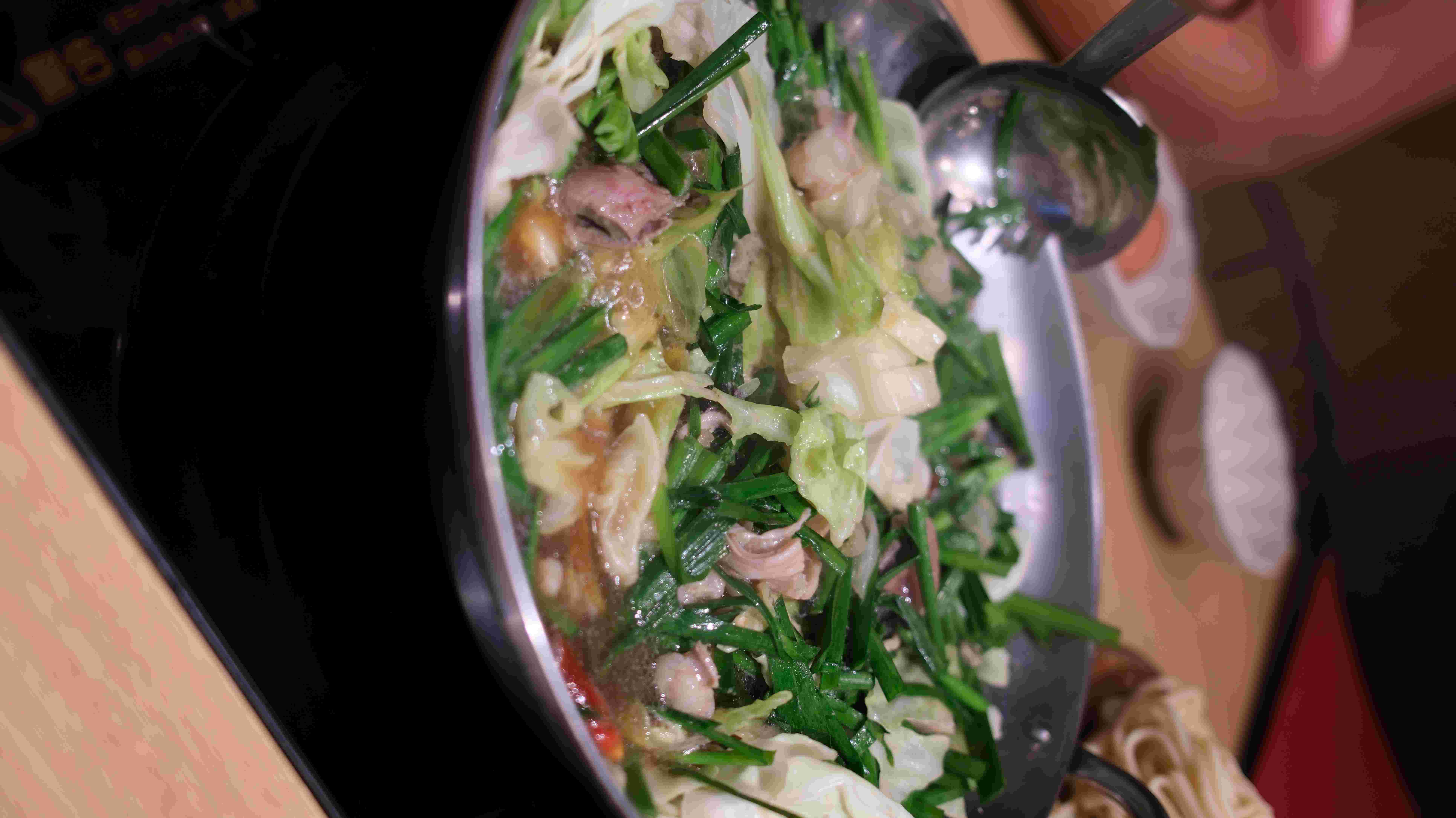
Like Osaka, Fukuoka is a city organized around eating — but with a specific culture unique in Japan: the yatai, open-air stalls that line the riverfront every evening. Beyond the food, the city has genuine charm: old shrines in the city center, a peaceful park lake, one of Japan's most beautiful day trips just 20 minutes away. Here's what's actually worth your time.
The Yatai — Fukuoka's Signature Experience ★★★★★

Open-air food stalls that set up every evening along the Naka River in Nakasu and in Tenjin — small wooden structures with a cook in the center and eight or ten stools around the outside, shoulder to shoulder with whoever sat down next to you. Locals and travellers mixed together over bowls of tonkotsu ramen, skewers of yakitori, glasses of beer. The guide's description is right: "come alive at night with locals and travelers sitting shoulder-to-shoulder."
This yatai culture is unique to Fukuoka in all of Japan — other cities had them but shut them down decades ago. Fukuoka protected them, and the result is one of the most atmospheric and democratic eating experiences in the country.
Arrive by 6:30–7pm before the best seats fill. The Nakasu riverfront strip and the Tenjin area concentration are both good. Order tonkotsu ramen, yakitori, gyoza, and whatever the cook recommends. Stay for a second drink.
Verdict: The single most essential Fukuoka experience. Non-negotiable.
Dazaifu Tenmangu Shrine ★★★★★
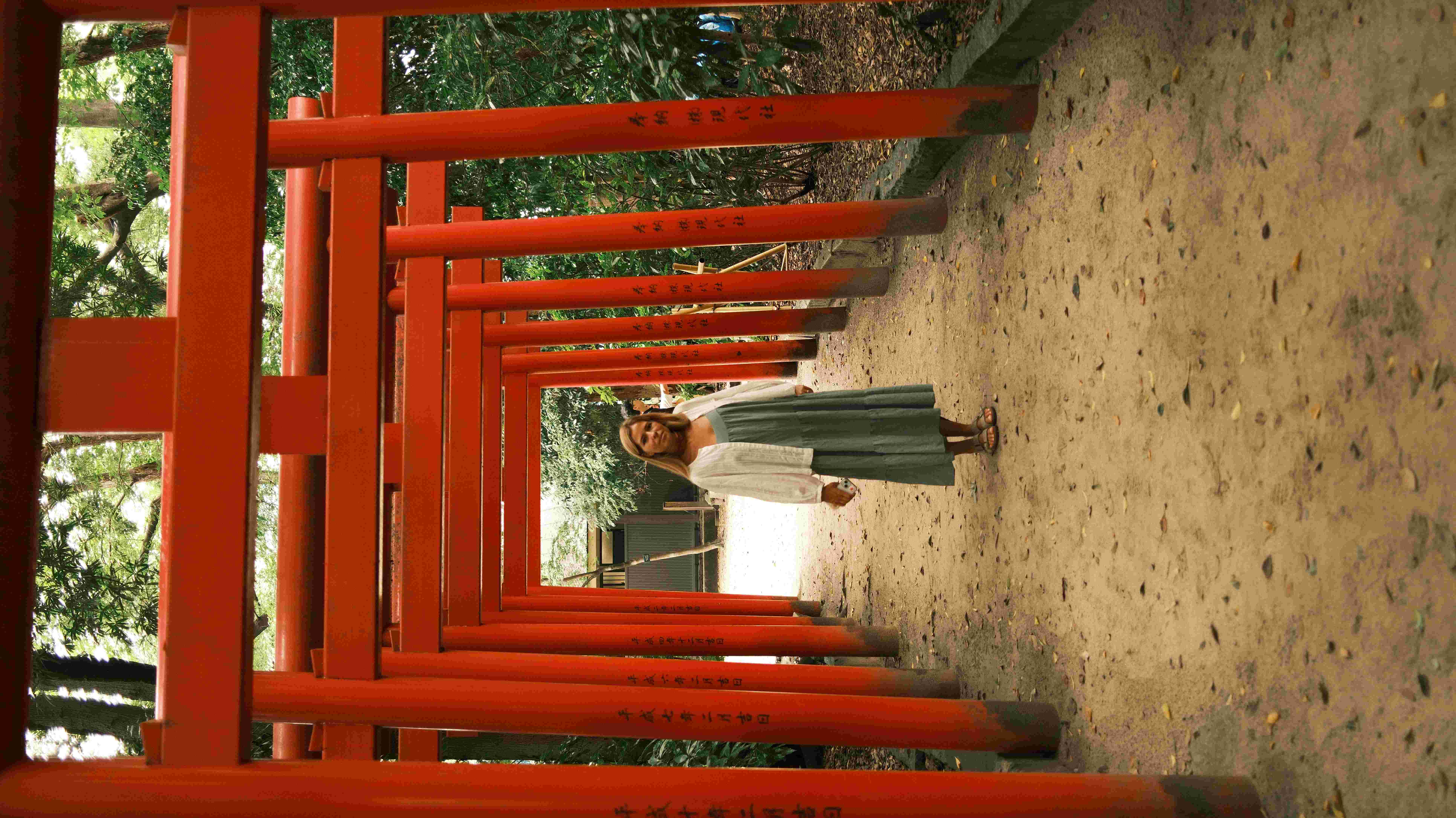
A half-day trip from Fukuoka — one of Japan's most important and beautiful shrines, dedicated to Sugawara no Michizane, the god of learning. The shrine approach is one of the most atmospheric in Japan: a long path lined with traditional shops, over an arched bridge spanning ornamental ponds, through torii gates and forested grounds.
The shrine grounds are extraordinary in any season — particularly during late February when over 6,000 plum trees bloom, and in autumn when the maples turn. The umegae mochi (grilled rice cake filled with red bean paste) sold along the approach path is the local specialty — try it fresh off the grill.
See our full Dazaifu guide for everything.
Verdict: Essential. A half-day from Fukuoka, one of Japan's most beautiful shrine experiences.
Kushida Shrine ★★★★☆
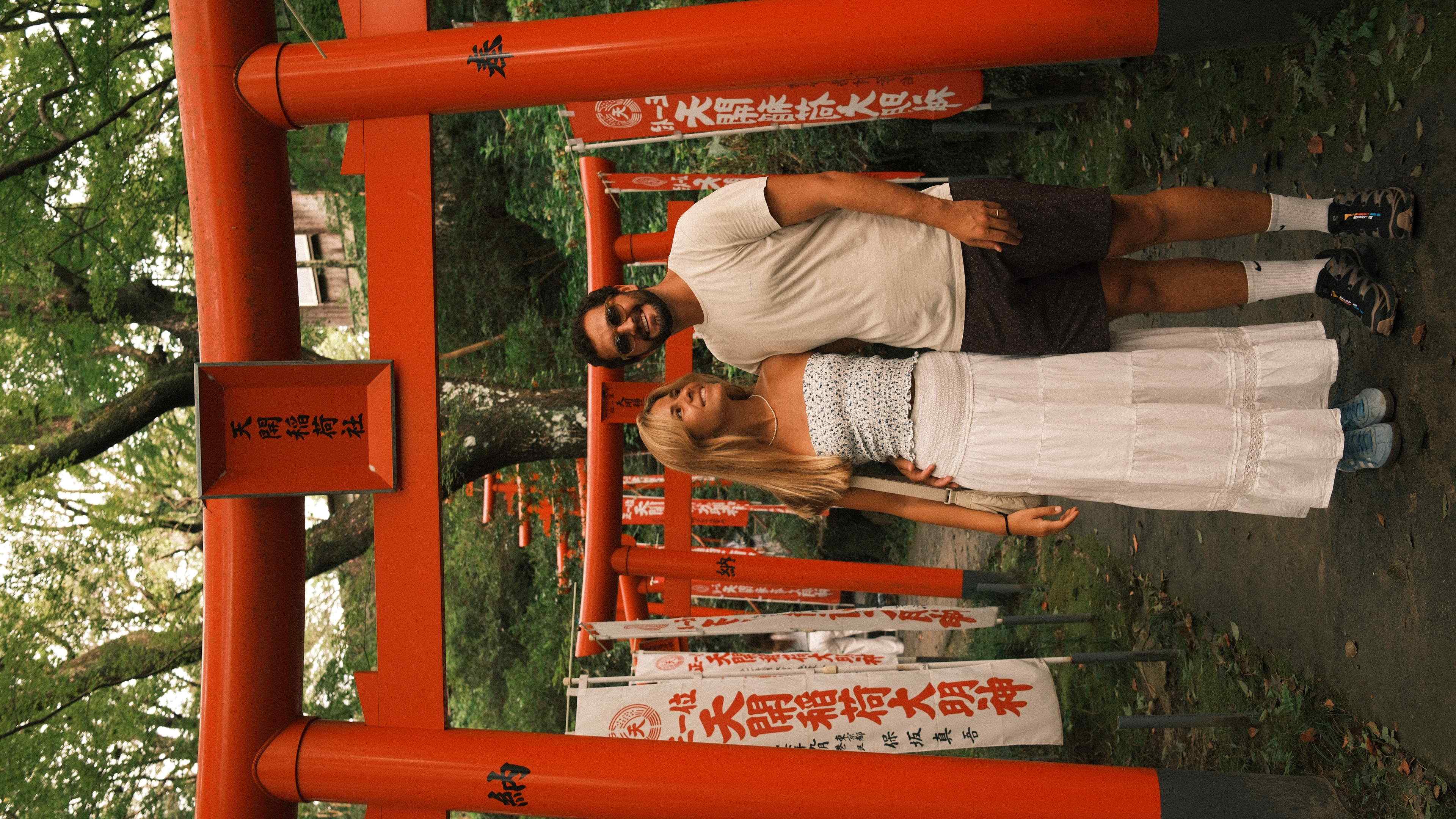
Fukuoka's most important city shrine — in the Hakata district, surrounded by modern streets but itself a beautifully preserved space of vermillion gates and old timber architecture. The shrine is famous for the Hakata Gion Yamakasa festival — the enormous decorative floats (kazariyama) are on permanent display in the shrine grounds, and the July festival culminates here with racing floats at dawn.
Even outside festival season, Kushida Shrine is worth 30–45 minutes — the morning atmosphere is calm, the architecture is beautiful, and it's a 10-minute walk from Hakata Station.
Verdict: Worth a morning visit. Free entry.
Ohori Park ★★★★☆
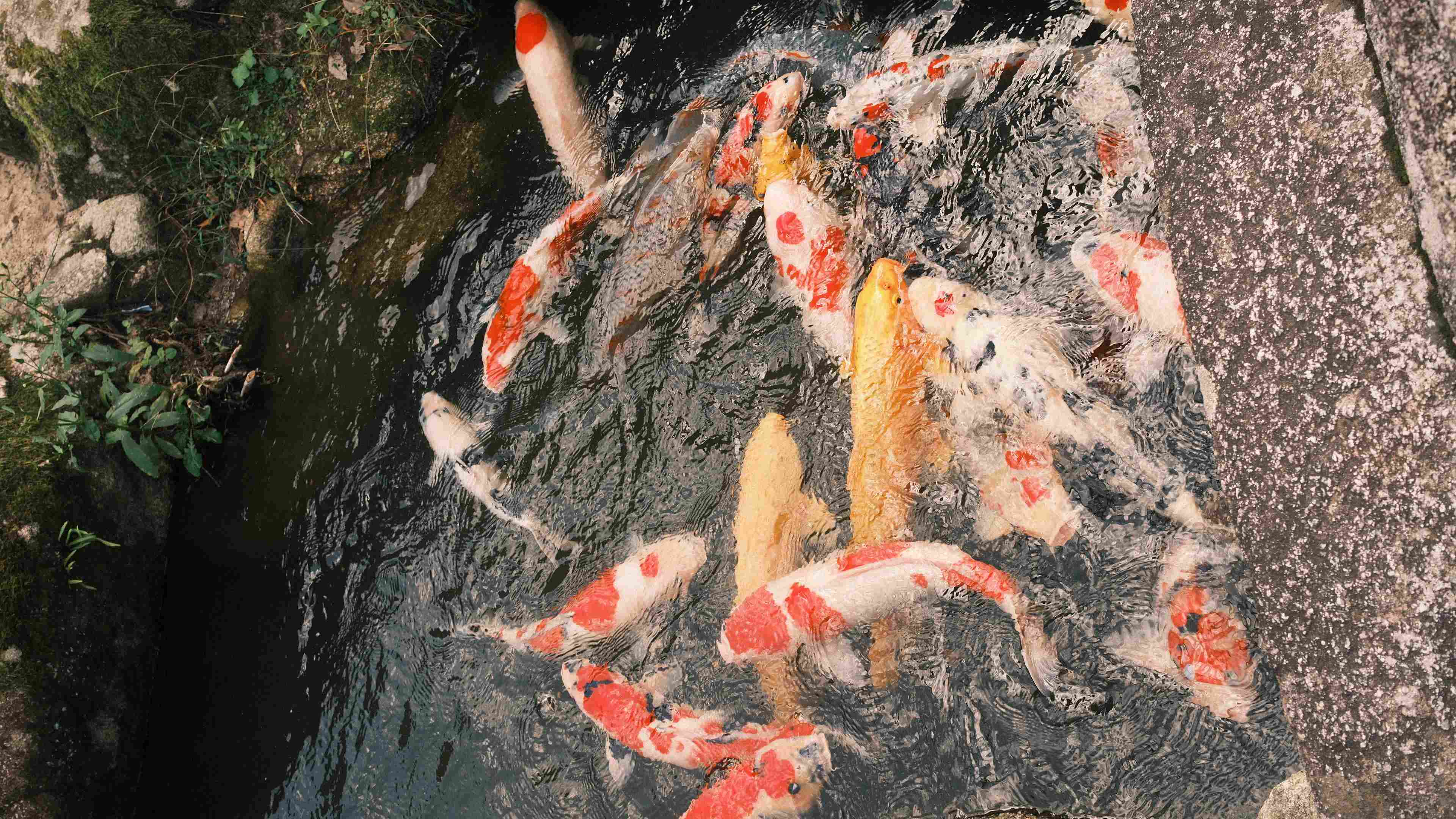
A peaceful lake park in the center of Fukuoka — walking paths around the lake, small islands connected by bridges, open lawns, and a good café. Not spectacular, but one of those genuinely relaxing city green spaces that reminds you why parks exist. In cherry blossom season (late March–early April) Ohori Park is one of the best hanami spots in Kyushu.
Verdict: A good mid-afternoon reset between restaurants. Essential during cherry blossom season.
Canal City Hakata ★★★☆☆
A massive indoor shopping and entertainment complex — an architectural curiosity with a "canal" running through the center, waterfalls, nightly light shows, and six floors of shops and restaurants. The food options inside are better than the exterior suggests. Good for a rainy day or an indoor browse; not essential sightseeing.
Verdict: Worth a walk-through if you're nearby. Don't schedule it as a destination.
Sumiyoshi Shrine ★★★☆☆
A serene Shinto shrine surrounded by trees in the Hakata district — quieter and less visited than Kushida, with a genuinely atmospheric forest setting within the city. A good 15-minute stop if you're walking between areas. Nothing essential, but a reminder that old Japan coexists with modern Fukuoka in a way that's easy to miss if you're moving fast.
Verdict: A pleasant detour, not a destination.
Shopping Mall Food Courts — Seriously ★★★★★
The guide's note deserves to be taken seriously: "Don't underestimate shopping mall food courts — some of our best meals in Japan were inside KITTE Hakata and Parco Mall." The food court at KITTE Hakata (inside Hakata Station) has an extraordinary range — from Hakata tonkotsu ramen specialists to izakaya-style counters to sushi — at prices that undercut comparable restaurants elsewhere in the city. Go for lunch when the queues are shorter than dinner.
Verdict: Counterintuitively, one of the best food decisions you can make in Fukuoka.
What to Skip
Fukuoka Tower — an observatory tower on the waterfront. The views are fine, the entry price (¥800) isn't matched by what you see. The Umeda Sky Building in Osaka is far more impressive.
Seaside Momochi area — the waterfront district away from the center. Spread out, lacks atmosphere, not worth the commute unless you have a specific reason.
More Fukuoka Guides
- Fukuoka Food Guide: Ramen, Yatai and Our Favourites
- Dazaifu Day Trip from Fukuoka: Our Complete Guide
- 2 Days in Fukuoka Itinerary
- Is Fukuoka Worth Visiting? Our Honest Review
- How Many Days in Fukuoka Do You Need?
- The Best Time to Visit Fukuoka
- Where to Stay in Fukuoka
- The Best Cafes in Fukuoka
- Is Hiroshima Worth Visiting? (Next Stop from Fukuoka)
- All Japan Guides
Some links in this post are affiliate links. If you book through them, we earn a small commission at no extra cost to you.