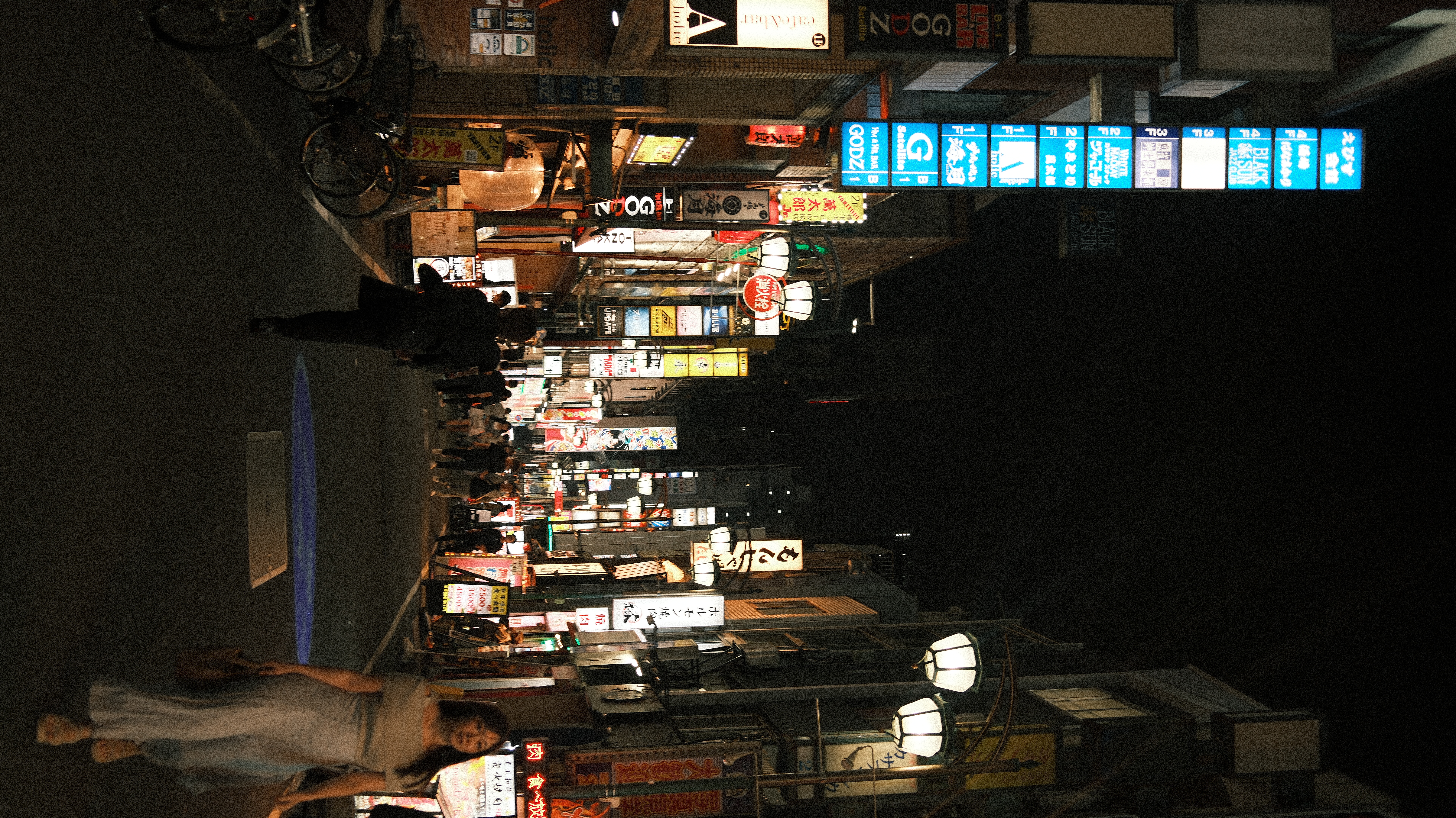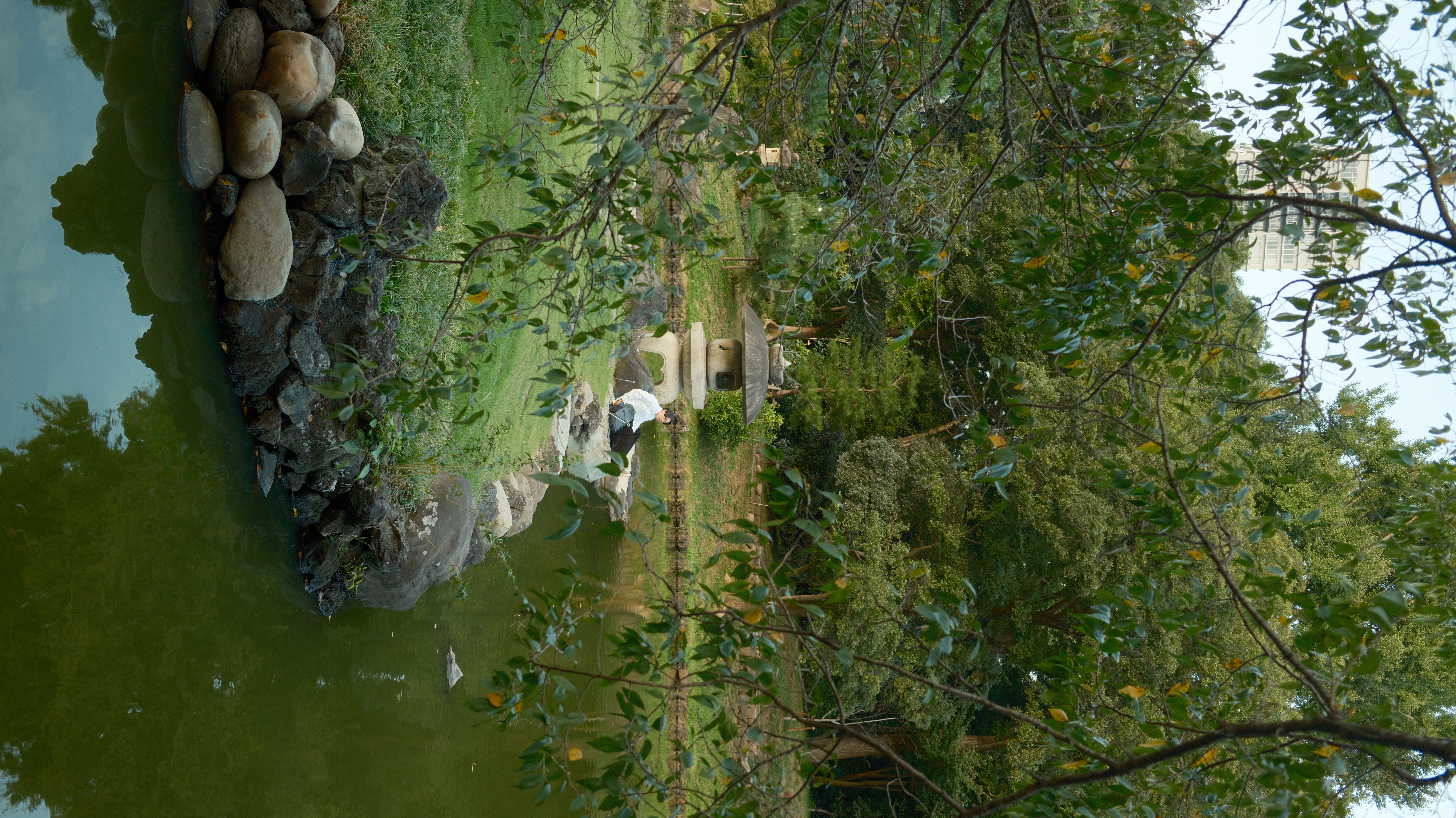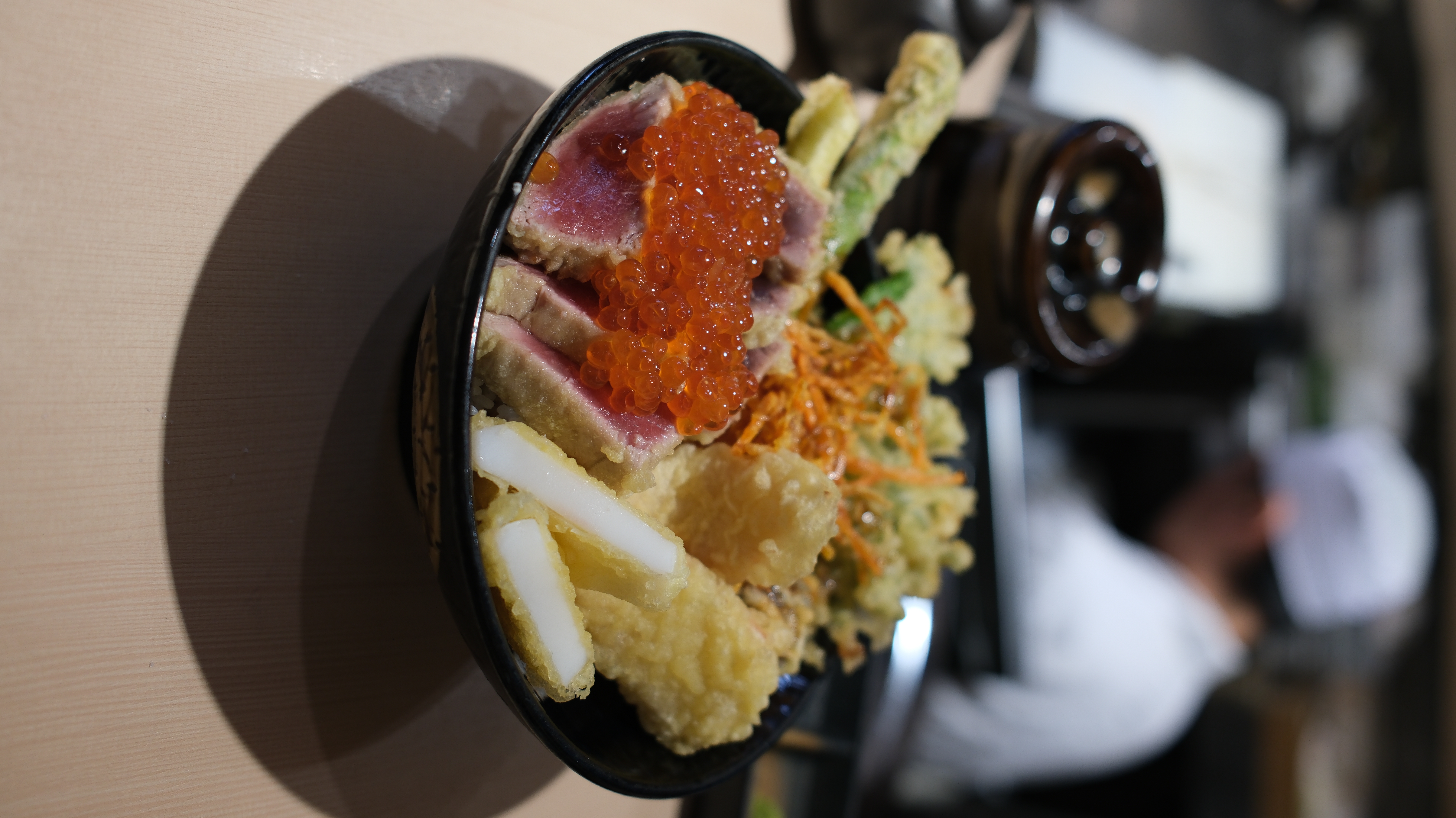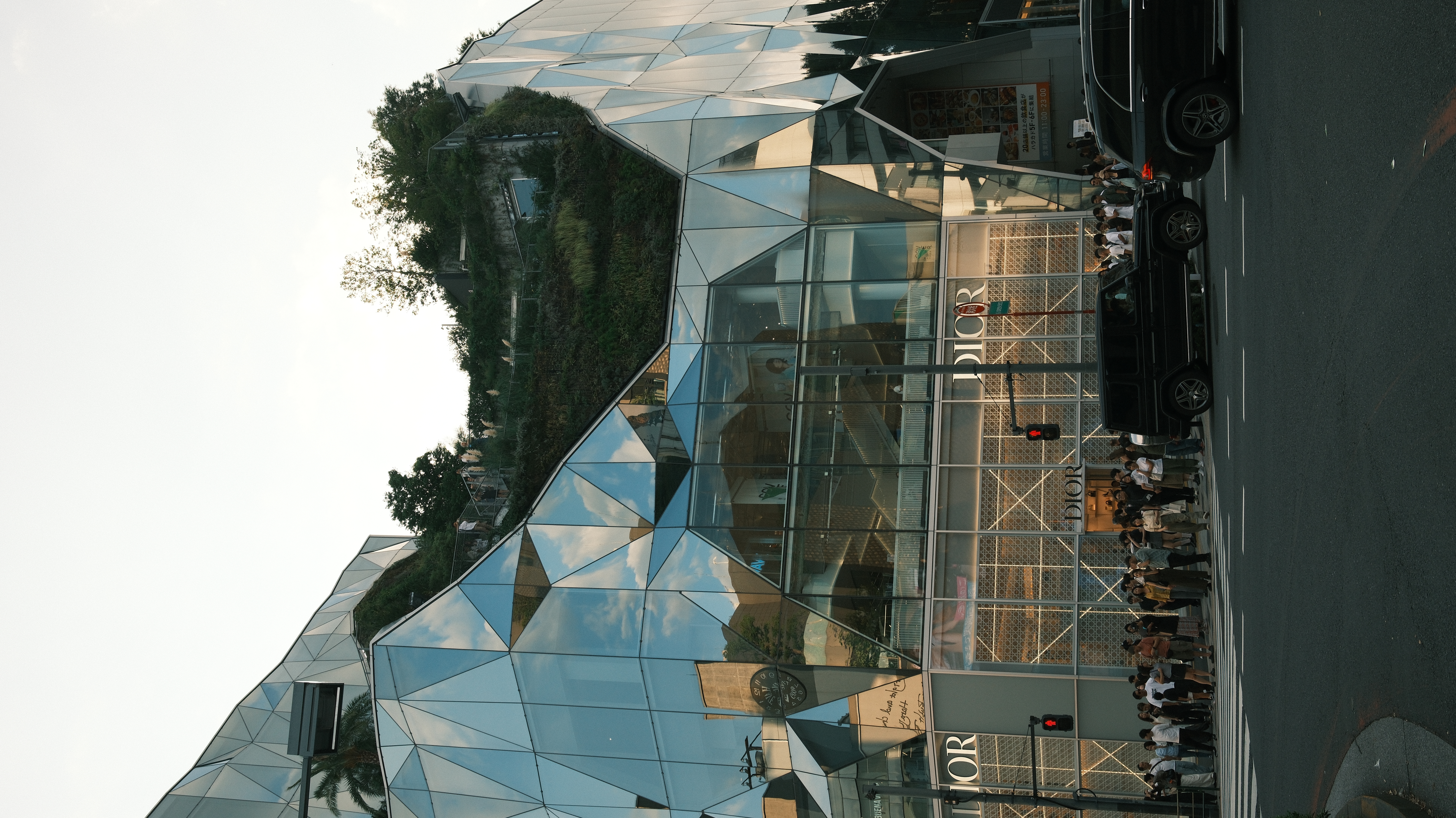
Harajuku is our top recommendation for first-time visitors to Tokyo — and if we went back tomorrow, it's where we'd stay.
It's not the most central neighbourhood on a map, but in practice it's one of the best-connected. Two minutes by train to Shibuya. Four minutes to Shinjuku. Meiji Shrine is a 10-minute walk. And when you step out of your hotel in the morning, you're in one of the most pleasant, walkable, food-rich neighbourhoods in the city — rather than in the middle of Shinjuku's neon chaos.
For couples especially, Harajuku gets the balance right. If you want the busier option, read our Shinjuku hotel guide, or our full Shinjuku vs Harajuku comparison.
| Best for | Couples, first-timers, food lovers, anyone wanting a liveable base |
|---|---|
| Vibe | Calm, walkable, creative — fashion, coffee, small restaurants |
| Transport | Harajuku Station (Yamanote Line) — 2 min to Shibuya, 4 min to Shinjuku |
| Walking distance | Meiji Shrine (10 min), Cat Street (5 min), Omotesandō (10 min) |
| Best budget option | Dormy Inn Premium Shibuya-Jingumae |
| Best boutique | Hotels along or near Cat Street |
What Harajuku Is Actually Like to Stay In
Harajuku has two sides that most visitors don't realise exist simultaneously. There's Takeshita Street — the famous, chaotic, colourful shopping street packed with tourists and teenagers. And then there's the rest of Harajuku, which is completely different: quiet residential streets, excellent coffee shops, small independent restaurants, vintage clothing stores, and Cat Street (a pedestrian shopping lane running parallel to Omotesandō) which is genuinely one of the nicest streets to walk in Tokyo.
The hotels we'd recommend are all positioned to take advantage of the quieter, better side of Harajuku — close enough to the energy but not in the middle of it. Takeshita Street is worth visiting once (it's a spectacle), but you don't want to be sleeping above it.
The Best Hotels in Harajuku
Dormy Inn Premium Shibuya-Jingumae — Best Value
The Dormy Inn Premium in Jingumae (the area between Harajuku and Shibuya) is our top practical recommendation in this neighbourhood. The Dormy Inn chain consistently over-delivers — clean, well-designed rooms, and crucially, an onsite onsen bath that feels like a genuine luxury at this price point.
Why we'd book it: The combination of location (a 5-minute walk from Harajuku Station, close to Cat Street and Omotesandō), onsen bath, and reliable quality at €80–120/night is hard to beat in central Tokyo.
What to know: Book early — this one fills up. The breakfast is included in some rate packages and is very good.
Jingumae Combi — Boutique Pick
A small boutique hotel on Cat Street itself — which tells you everything about why the location is excellent. The design is minimal and thoughtful, the rooms are compact (as Tokyo rooms tend to be) but well-considered, and waking up with Cat Street literally outside the window makes the morning very easy to enjoy.
Why we'd book it: The Cat Street address is unbeatable for walking the neighbourhood. Rates around €130–180/night.
For Luxury in Harajuku
Harajuku itself doesn't have many full luxury hotel options — most of Tokyo's luxury properties are in Shinjuku (Park Hyatt), Ginza (Mandarin Oriental), or Aoyama. If luxury accommodation is the priority, you might consider the Andaz Tokyo Toranomon Hills (Minato ward, 15 minutes by metro) or the The Capitol Hotel Tokyu (near the Imperial Palace) as nearby alternatives that combine luxury with excellent access to the wider city.
Still deciding on your neighbourhood?
What to Do Near Your Harajuku Hotel
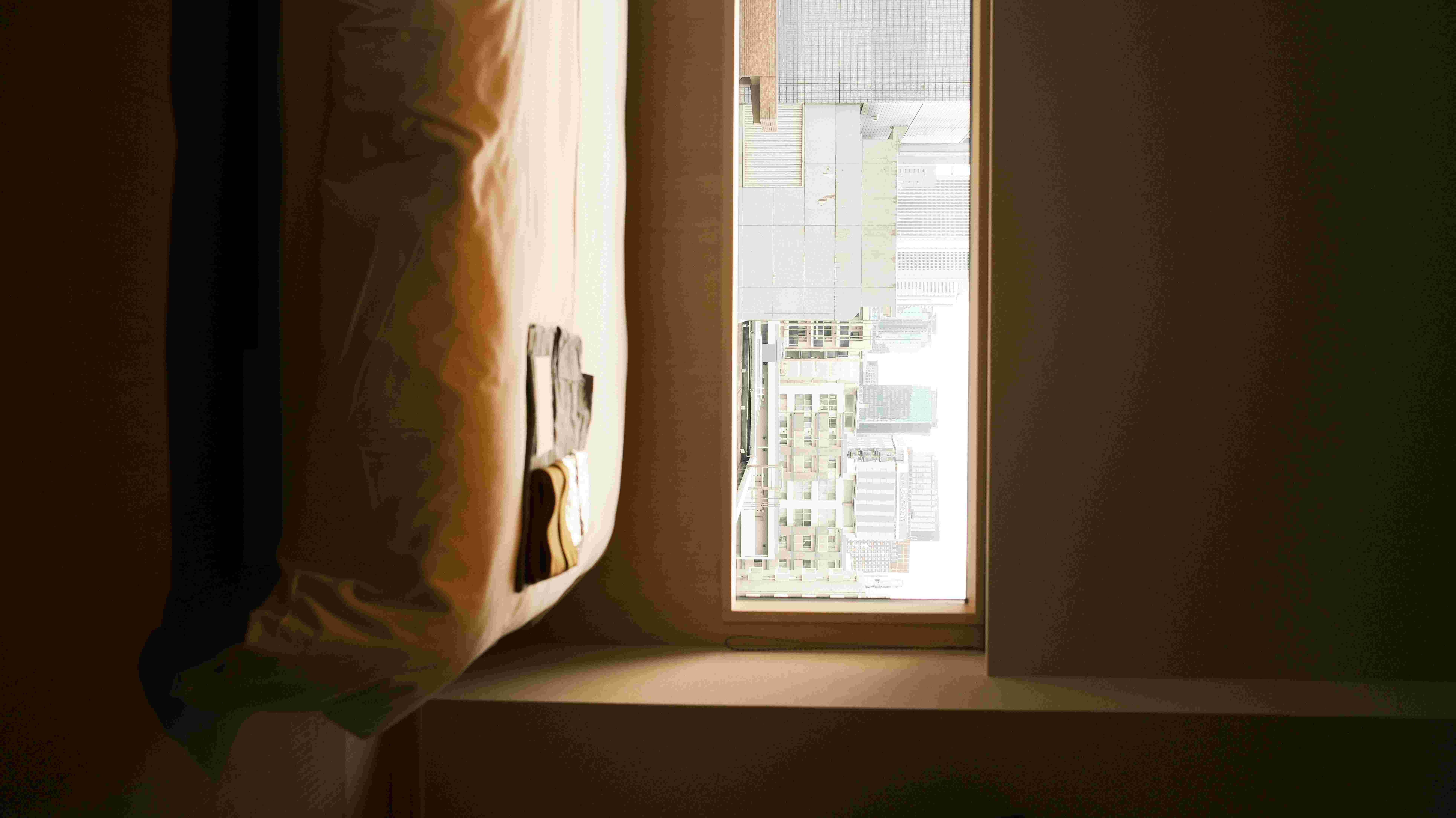
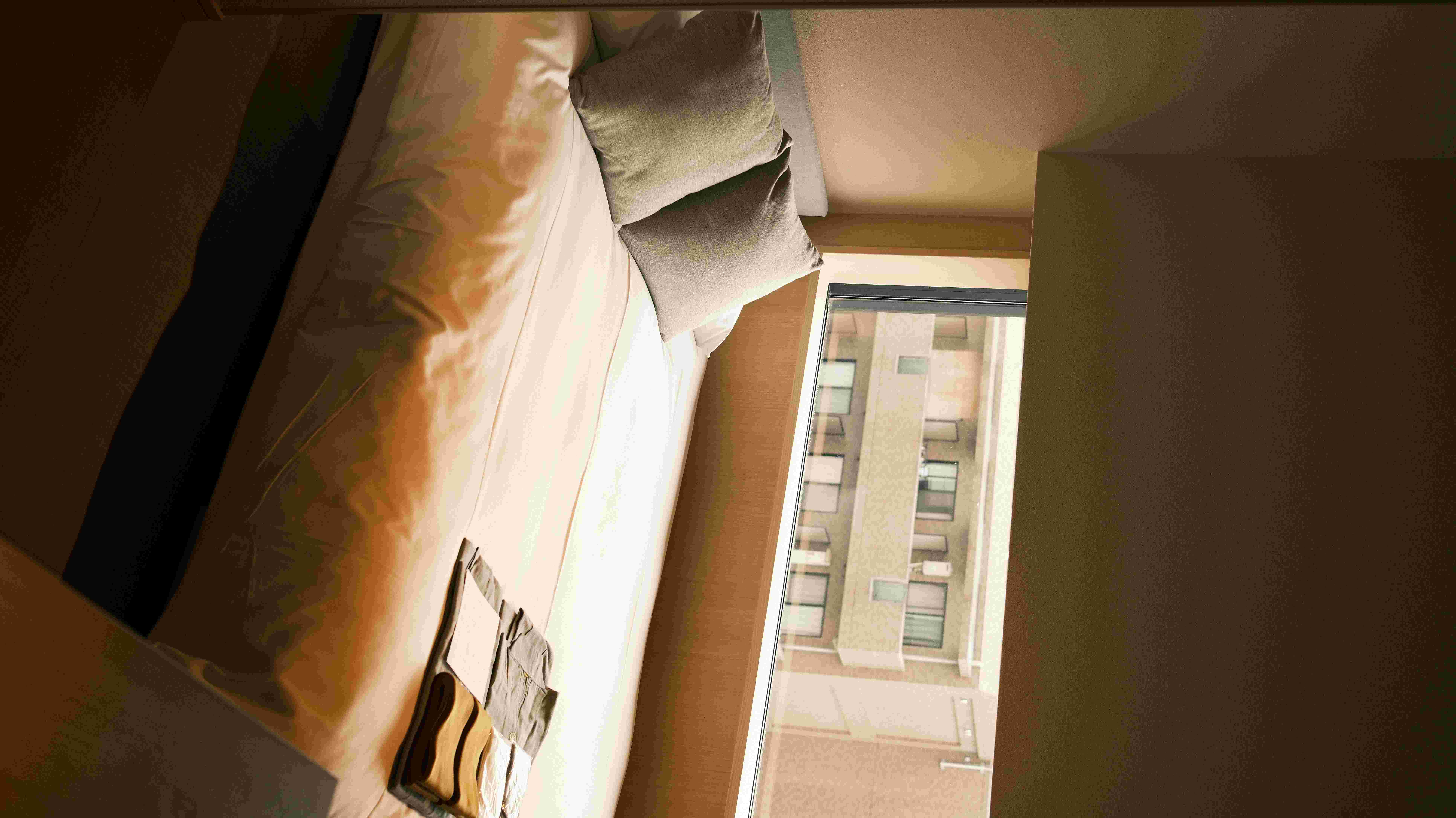
Waking up above Harajuku's rooftops, minutes from Cat Street.
- Cat Street — the neighbourhood's best walking street. Independent fashion, vintage shops, great cafes, none of the tourist chaos. Start any morning here.
- Meiji Shrine — 10 minutes on foot through forested paths. Go early morning before the crowds arrive. It features in our list of the best things to do in Tokyo.
- Omotesandō — Tokyo's most elegant shopping boulevard. Beautiful architecture (the Prada building, Omotesandō Hills), high-end restaurants, great coffee. A 10-minute walk.
- Shibuya — 2 minutes by train or 20 minutes on foot through pleasant back streets. Go at night for the crossing.
- Takeshita Street — worth one visit for the spectacle (crepe stands, strange fashion, teenage chaos). Then done.
FAQ
Is Harajuku a good area to stay in Tokyo?
It's our top recommendation for first-timers, especially couples. Calm, walkable, excellent food and coffee, and the Yamanote Line puts the whole city within minutes. The only trade-off vs Shinjuku is that it's slightly less central and has less nightlife. Read our full Shinjuku vs Harajuku comparison to see which suits your trip.
How far is Harajuku from central Tokyo sights?
Shibuya: 2 min by train. Shinjuku: 4 min. Asakusa and Ueno: 25–30 min. Ginza: 20 min. The Yamanote Line loop means you're well-connected to everything.
Is Harajuku good for couples?
It's one of the best neighbourhoods in Tokyo for couples. The streets are pleasant to walk, the coffee and restaurant scene is excellent, and it doesn't have the overwhelming energy of Shinjuku or Shibuya. Meiji Shrine nearby is one of the most peaceful and romantic experiences in the city.
What is Cat Street in Harajuku?
Cat Street (officially Ura-Harajuku) is a pedestrian shopping lane running parallel to Omotesandō. It's lined with independent fashion boutiques, vintage shops, small cafés and restaurants. Much calmer and more interesting than Takeshita Street — it's where locals actually shop and eat.
More Tokyo Guides
Some links in this post are affiliate links. If you book through them, we earn a small commission at no extra cost to you — it helps us keep writing guides like this one.