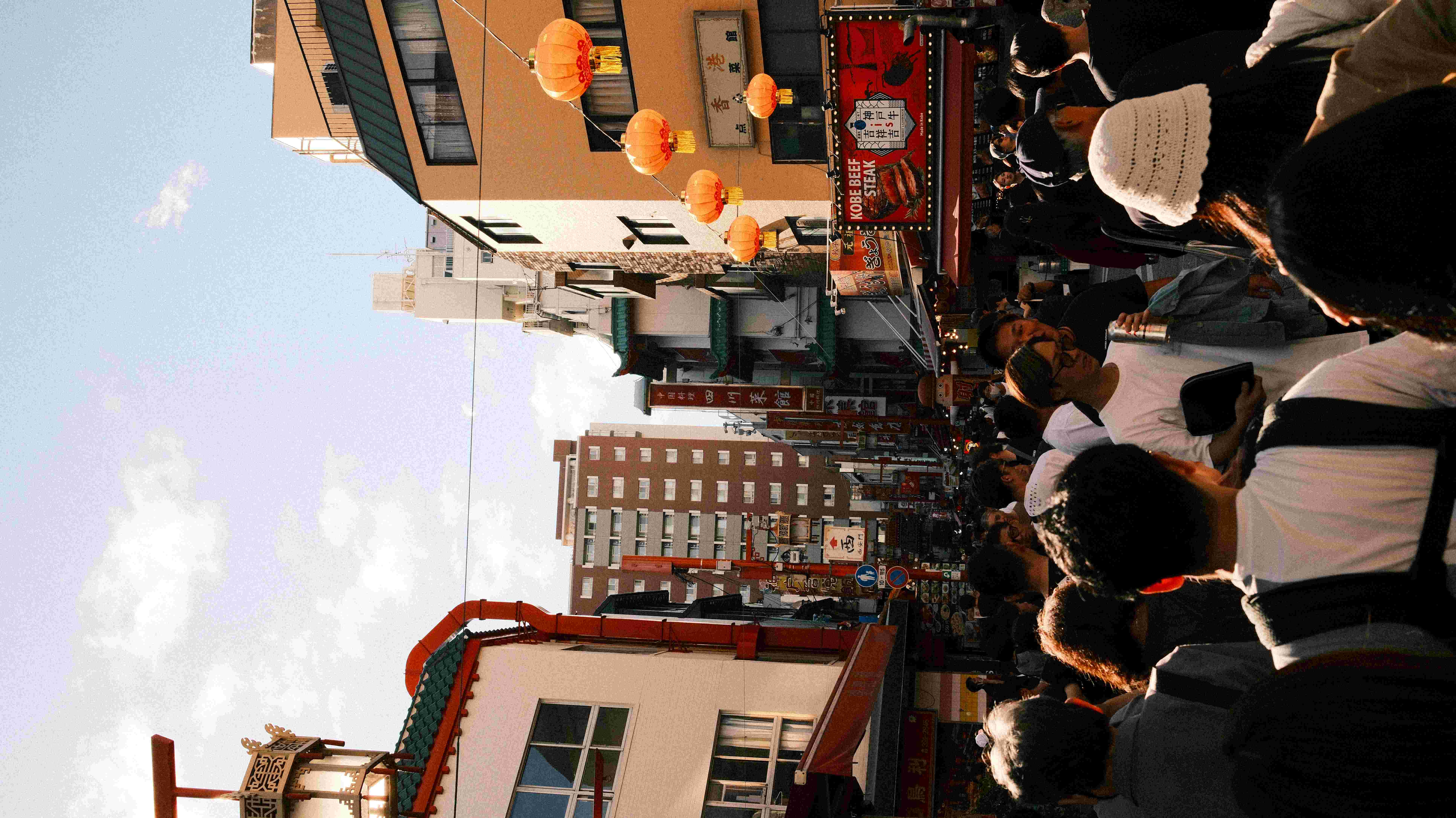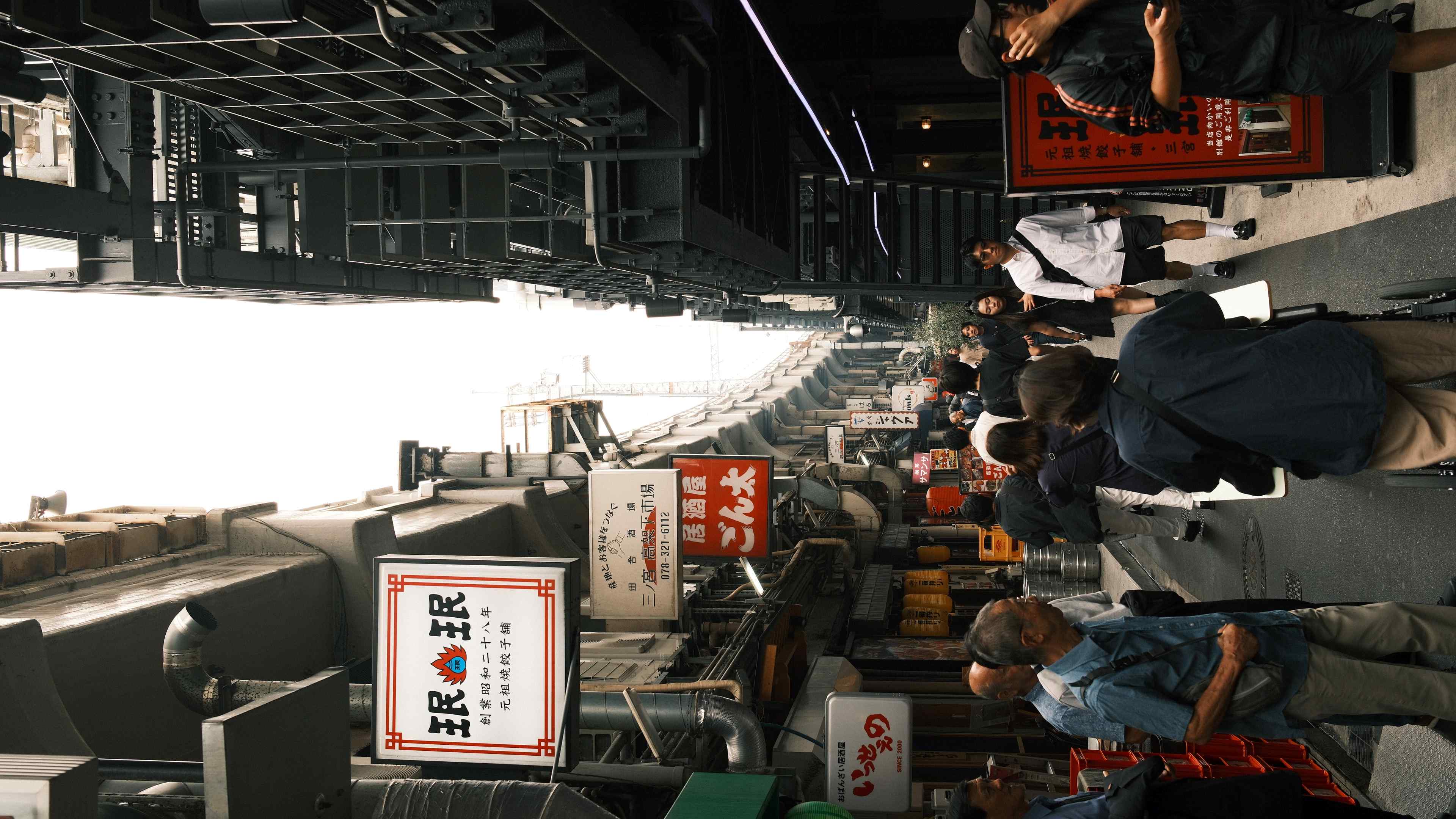
Kobe surprised us in the best way. Most people know it for the beef — and yes, the beef is extraordinary, worth every yen and more. But Kobe turned out to be a genuinely stylish, laid-back port city with a mountain backdrop, harbor views, a Chinatown that actually delivers, Western-style houses on a hillside from its cosmopolitan trading history, and some of the best gyozas we had anywhere in Japan. Hidden in a small alley between the train lines at Sannomiya Station. You wouldn't find it without a tip. We ate there twice.
What Kobe Is Actually Like
Kobe sits between the Rokko Mountains and Osaka Bay — a geographic position that gives it a distinctive character: the city climbs up from the harbor on one side into forested hills on the other, with the compact city centre sandwiched between them. It's small enough to walk almost everywhere from the central Sannomiya area. It doesn't have the scale of Osaka or the historical weight of Kyoto, but it has something both of those cities lack: a genuinely relaxed, cosmopolitan ease that comes from being Japan's great port city, where Western traders settled in the 19th century and left their architecture, their influence, and eventually their beef-eating customs behind.
That cosmopolitan history is visible in Kitano — the hillside residential district where foreign merchants built Western-style mansions (ijinkan) in the Meiji era, many of which still stand and are open to visitors. It's visible in Chinatown (Nankinmachi), one of Japan's liveliest and most authentic Chinese districts. And it's visible in the general air of a city that's been international for 150 years without making a fuss about it.
What We Loved
A5 Kobe Beef at Mouriya Honten
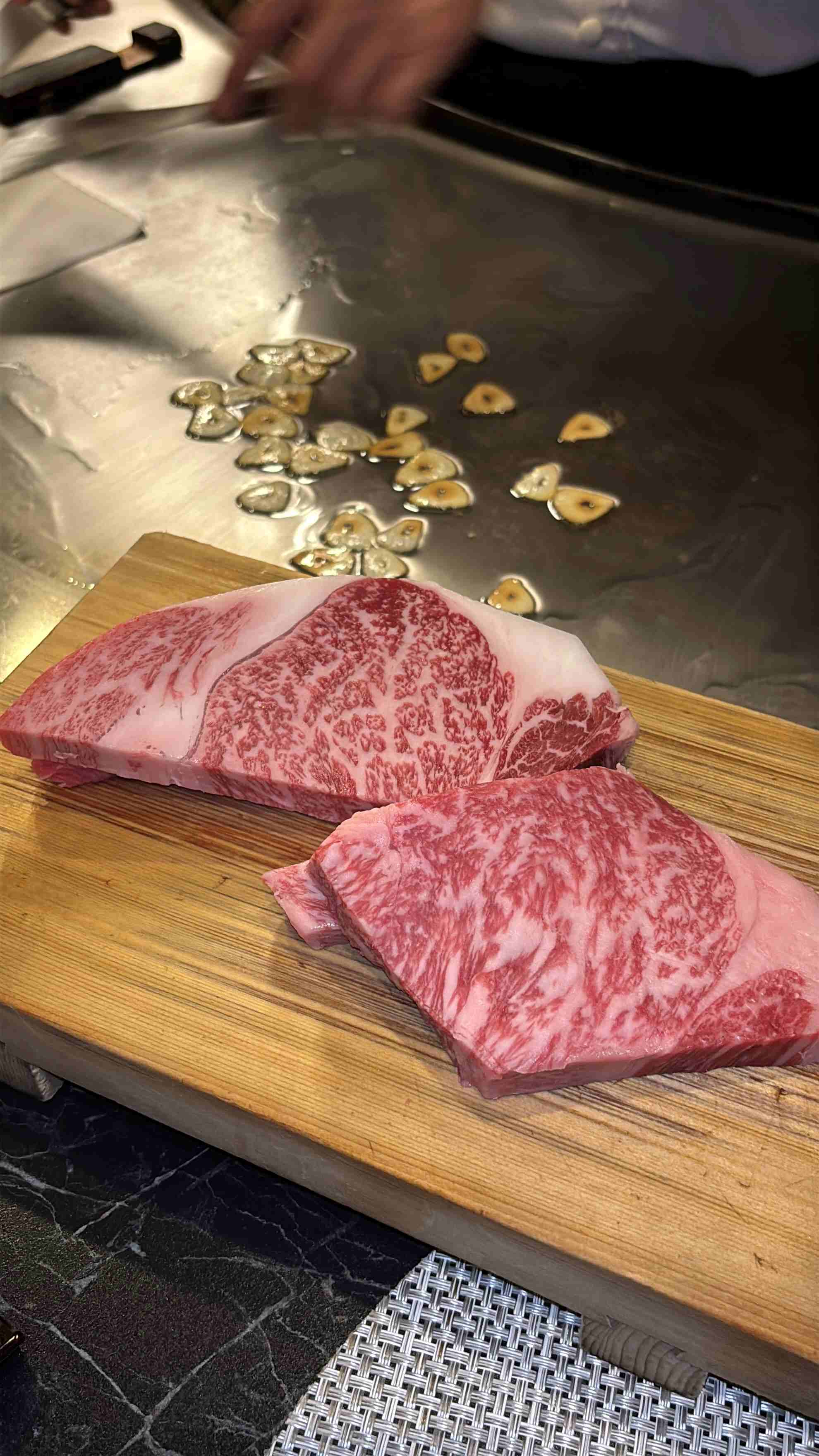
The must-do Kobe experience — and it lives up to absolutely everything. Mouriya Honten is the benchmark Kobe beef teppanyaki restaurant: the chef cooks your meat on a teppan grill at your table, and you watch as A5-grade sirloin and ribeye become something that barely resembles what most of the world calls beef. Rich, melt-in-your-mouth, with a flavour depth from the marbling that's impossible to describe to someone who hasn't had it. Pricey. Unforgettable. Non-negotiable if you eat meat.
Book in advance — Mouriya fills up, especially for dinner service. See our full Kobe beef guide for what to order, how to book, and what the teppanyaki experience is actually like.
Gyozas at Min Min Honten
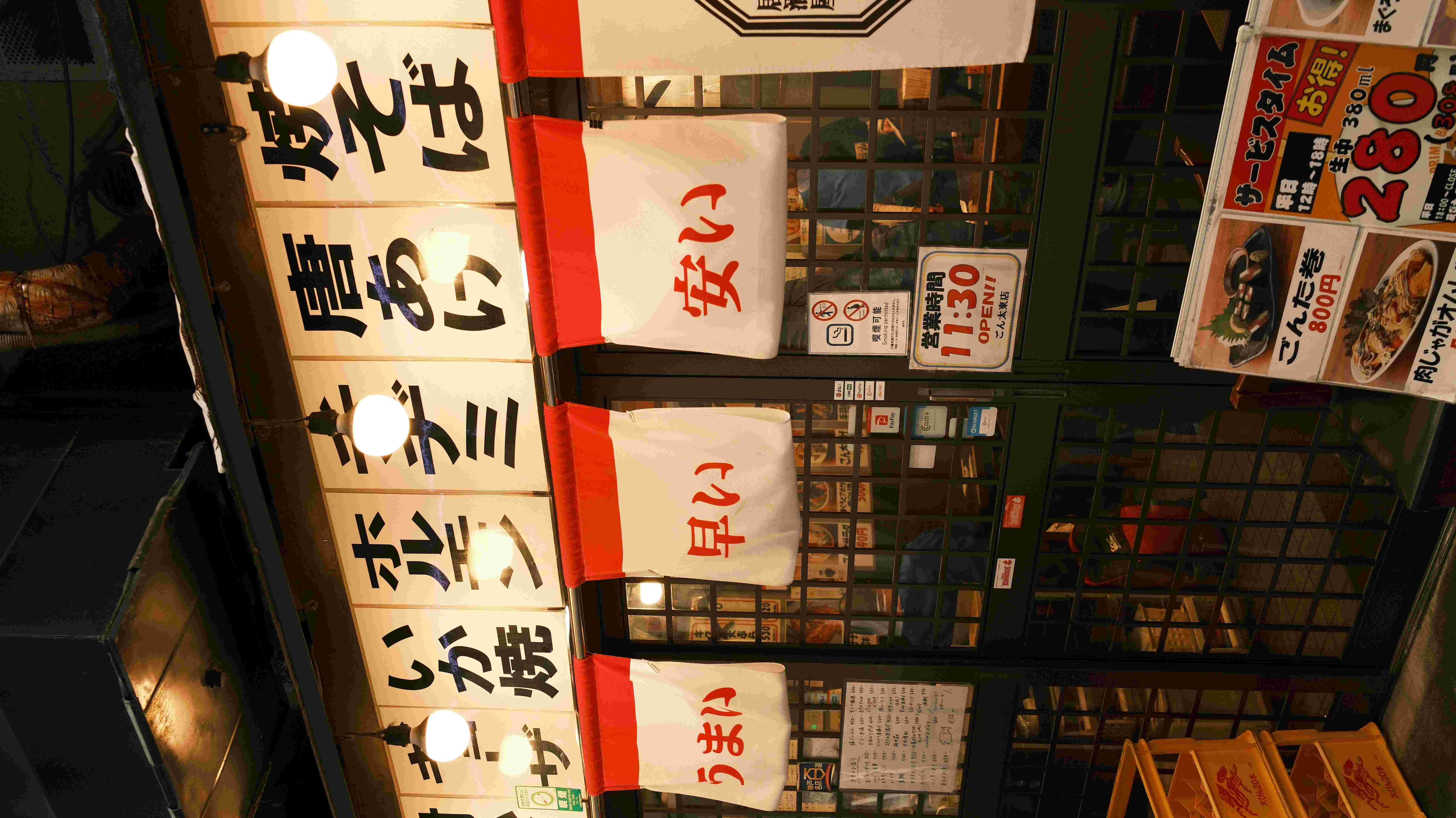
The unexpected highlight. Min Min Honten is hidden in a small alley between the train lines near Sannomiya Station — no signs pointing to it, no tourist attention, just locals queuing. The gyozas and fried rice are some of the best we had in Japan. The kind of find that makes a trip feel like it's going exactly right. We went twice.
Chinatown (Nankinmachi)
A lively, authentic Chinese district with red lanterns strung overhead, street food stalls on every corner, and a specific energy that Chinatowns in smaller cities rarely achieve. Soup dumplings at Yun Yun (warm burst of broth inside each one) and pork buns at Rōshōki (soft, juicy, pure comfort food). Worth an afternoon of slow eating.
Nunobiki Ropeway at Sunset
Take the ropeway close to sunset — the view over Kobe's harbor as the light fades is one of the best elevated urban views in Japan. The Herb Gardens at the top add something unexpected: fragrant, beautifully maintained, with sweeping city views from every terrace. Stay until the city lights come on below.
Honest Notes
Kobe works brilliantly as a day trip from Osaka
30 minutes by train from Osaka — short enough that many visitors don't stay overnight. If you're based in Osaka, Kobe is an ideal day trip: arrive mid-morning, eat Chinatown street food for lunch, do Kitano and the ropeway in the afternoon, eat Kobe beef for dinner, and take the last train back. Our 1-day Kobe itinerary covers this exactly.
One to two nights is the right stay
If you're staying in Kobe itself, one or two nights is enough to see everything without rushing. The city is compact; you don't need more time than that to do it justice.
Our Verdict
Kobe is underrated in most Japan itineraries — typically treated as a beef-eating detour from Osaka rather than a destination worth time in its own right. It deserves more credit. The food is exceptional across every price point (from Chinatown street stalls to A5 teppanyaki). The city is stylish and walkable. The views from the ropeway at dusk are genuinely memorable. And the gyozas at Min Min Honten are worth the trip to Sannomiya alone.
More Kobe Guides
- Kobe Beef Guide: Where to Eat A5 Wagyu in Kobe
- Kobe Chinatown Food Guide: What to Eat at Nankinmachi
- The Best Things to Do in Kobe
- 1 Day in Kobe Itinerary (+ Osaka Day Trip Guide)
- Where to Stay in Kobe
- Is Osaka Worth Visiting? (Base for Kobe Day Trip)
- Is Kyoto Worth Visiting? (Nearby)
- All Japan Guides
FAQ
Is Kobe worth visiting in Japan?
Yes — especially for food lovers. The Kobe beef experience at a proper teppanyaki restaurant is genuinely extraordinary. Chinatown, the Kitano Western houses, and the Nunobiki ropeway views make it a well-rounded city visit beyond the beef.
Is Kobe worth visiting as a day trip from Osaka?
Yes — 30 minutes by train, and a full day gives you Chinatown lunch, Kitano in the afternoon, ropeway sunset, and Kobe beef dinner. One of the best day trips from Osaka.
What is Kobe most famous for?
Kobe beef — A5 Wagyu raised in Hyogo Prefecture, the standard against which most Japanese beef is measured. Also: Chinatown (Nankinmachi), the Kitano Ijinkan Western houses, and the Nunobiki Herb Gardens and ropeway views.
Some links in this post are affiliate links. If you book through them, we earn a small commission at no extra cost to you.